 photoartflight
Bald Eagle Guards @ Blackwater NWR
Posted on July 25, 2024
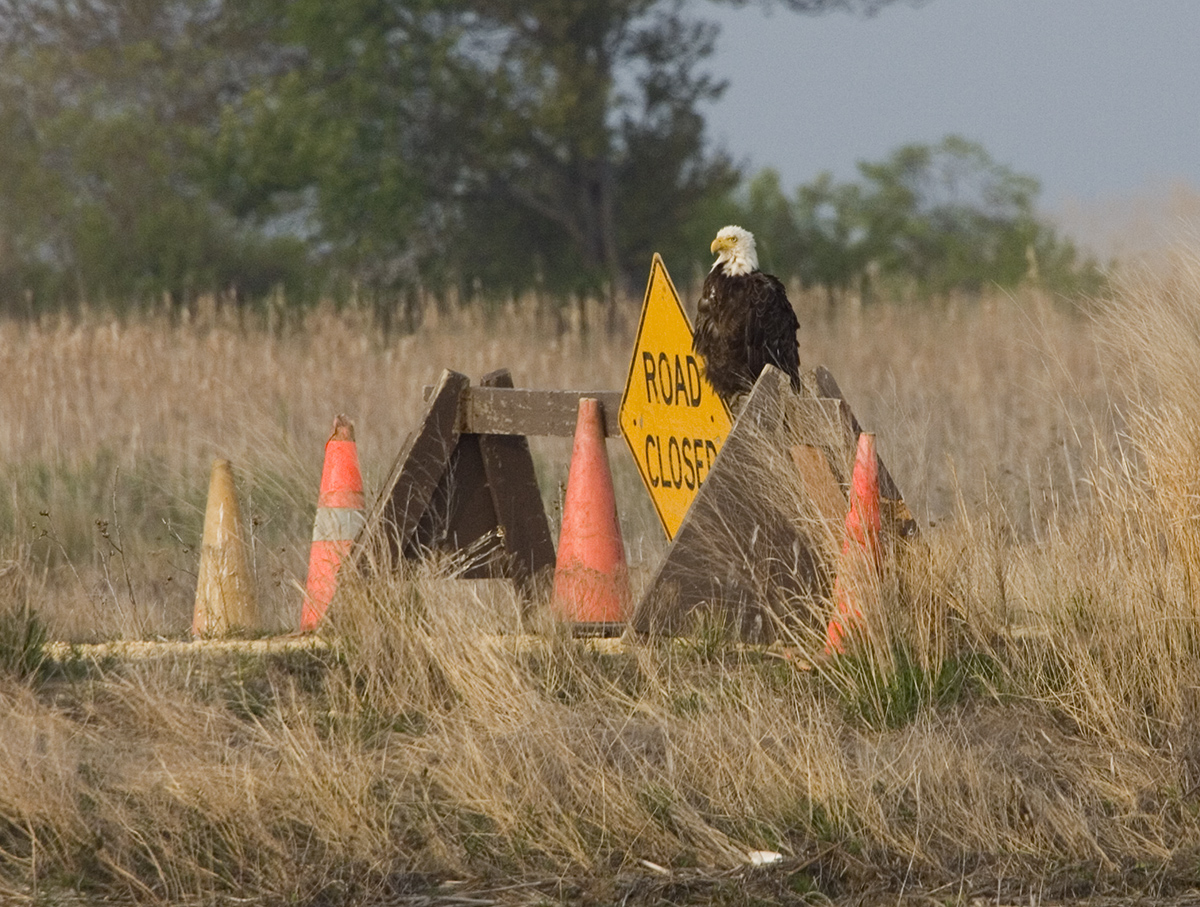
One of my favorite subjects to photograph are Bald Eagles. I have found them in a variety of locations, even a nesting pair in a Shop Rite Parking lot. But my Favorite place for photographing Bald Eagles is the Blackwater National Wildlife Refuge in Maryland. Many times you see them just hanging out along the Wildlife Drive and they do not seem to be bothered by your presence as long as you do not get too close, so I use a Canon 400mm with a 2X teleconverter or a 150-600mm lens with or without Teleconverters.


Bald Eagle along the Wildlife Drive, Canon 400mm,, 2x Teleconverter for 800mm, Canon 1D MK III


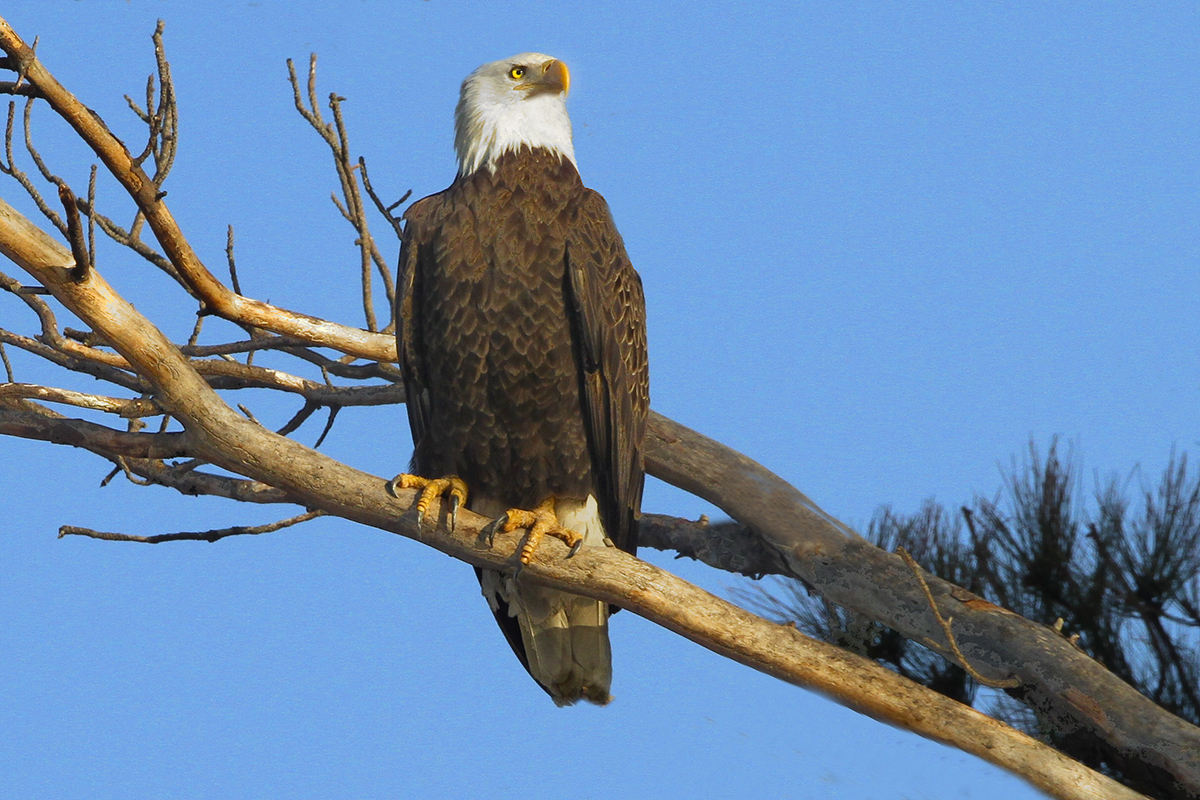
Another Blackwater NWR Bald Eagle
Posted on February 21, 2024

Blackwater National Wildlife Refuge (NWR) is one of my favorite places to photograph. As I have written in other posts here Blackwater NWR is a large NWR so many of the photo opportunities are far off in the distance. So you have to have long telephoto lenses to capture many of the Birds & other Wildlife you come upon here. After photographing at Blackwater for more than 15 years I have come up with ways to get interesting images of distant birds & wildlife. The Featured Image was taken with a Canon 1D mkIV with a 2X Teleconverter. The Canon 1D mkIV sensor has a 1.3x crop factor so with a 400mm lens & 2x teleconverter the actual focal length is more like using a lens with a focal length of 1040mm. If I want more reach I would use a Canon 7D with a 1.6x crop factor and with a 2x Teleconverter focal length is ~1280mm. I am testing how these actions work with my 150-600mm with a 2x Teleconverter for 1920mm. Also I have made Photoshop actions to up-rez images even more with very successful results. I have also added some other lenses to try these Photoshop actions on.
Out On a Limb At J.N. Ding Darling NWR
Posted on June 7, 2022
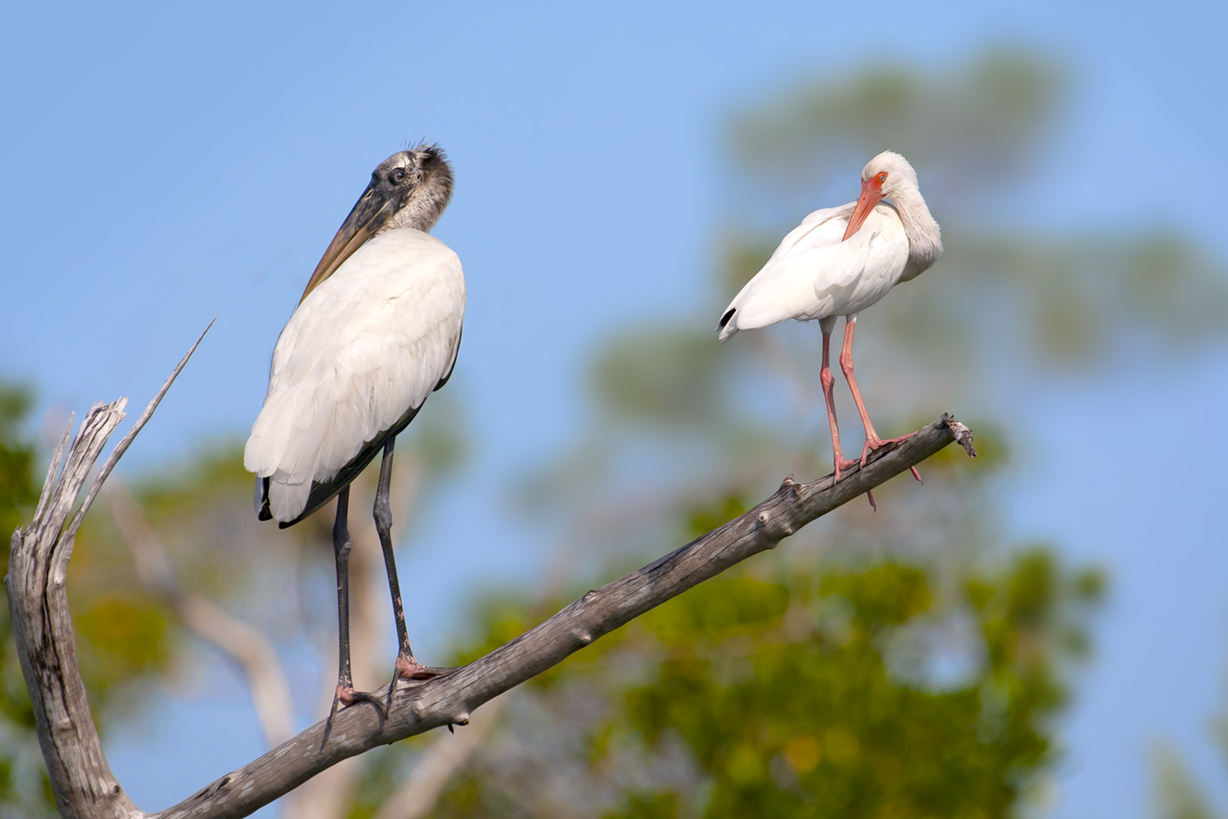
One of my favorite places to photograph is at J.N. Ding Darling NWR in Florida. But it does have it’s drawbacks, mainly one of the busiest & crowded NWRs. Also many of the birds are quite far off. Here are 2 images taken years ago. These were taken with one of my favorite lenses for birds the Sigma 300-800mm zoom. The Featured Image was taken @ 800mm with a Canon 1DmkIII.

Cedar Waxwings From The Audubon Plainsboro Preserve
Posted on June 10, 2021
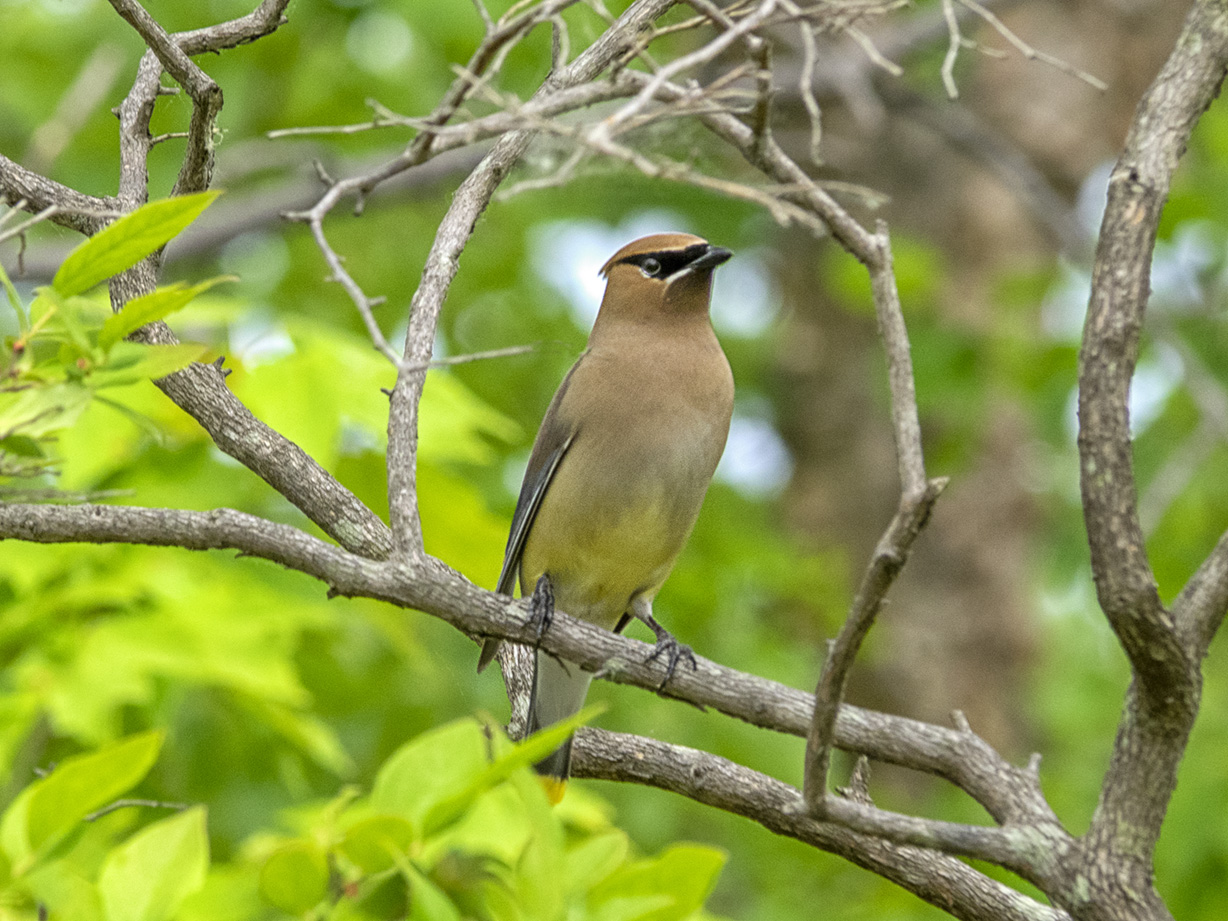
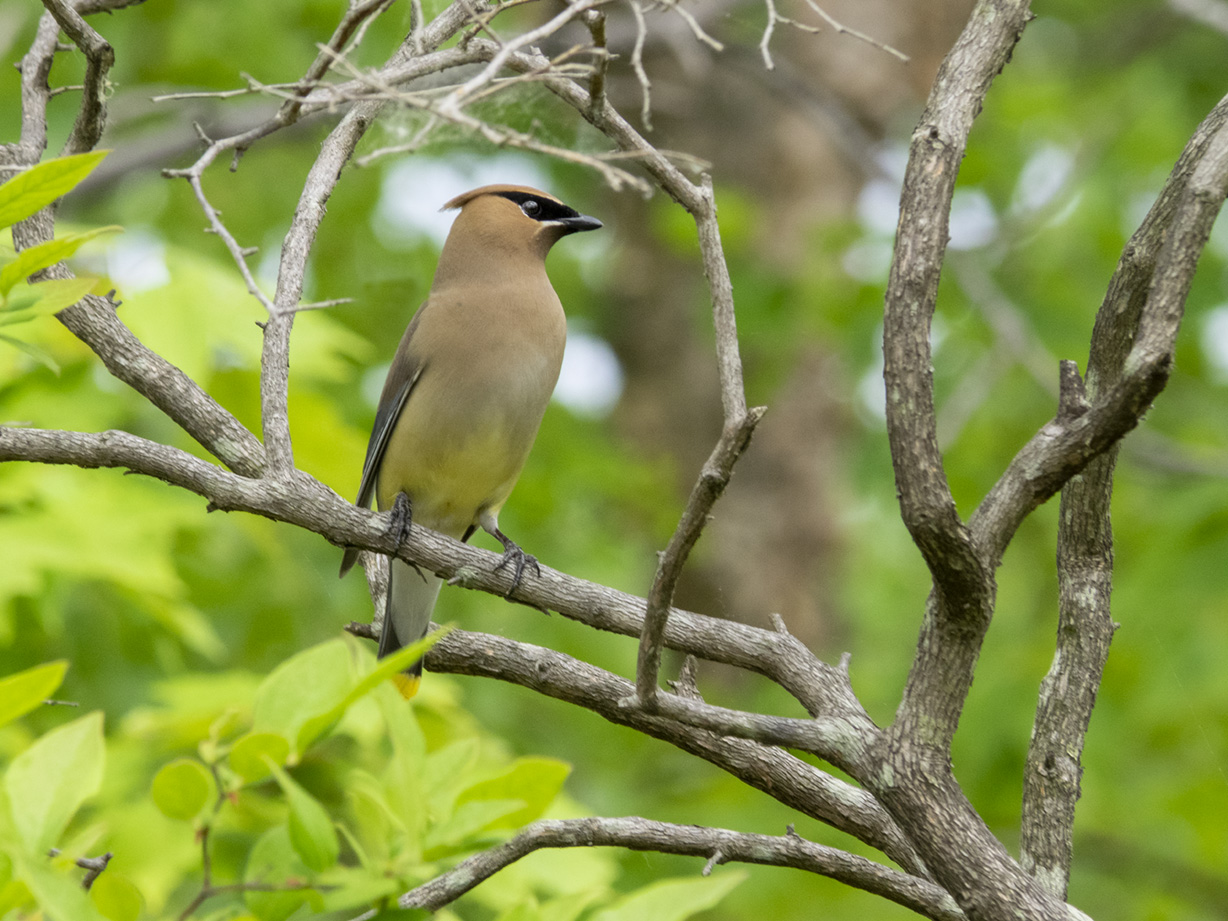
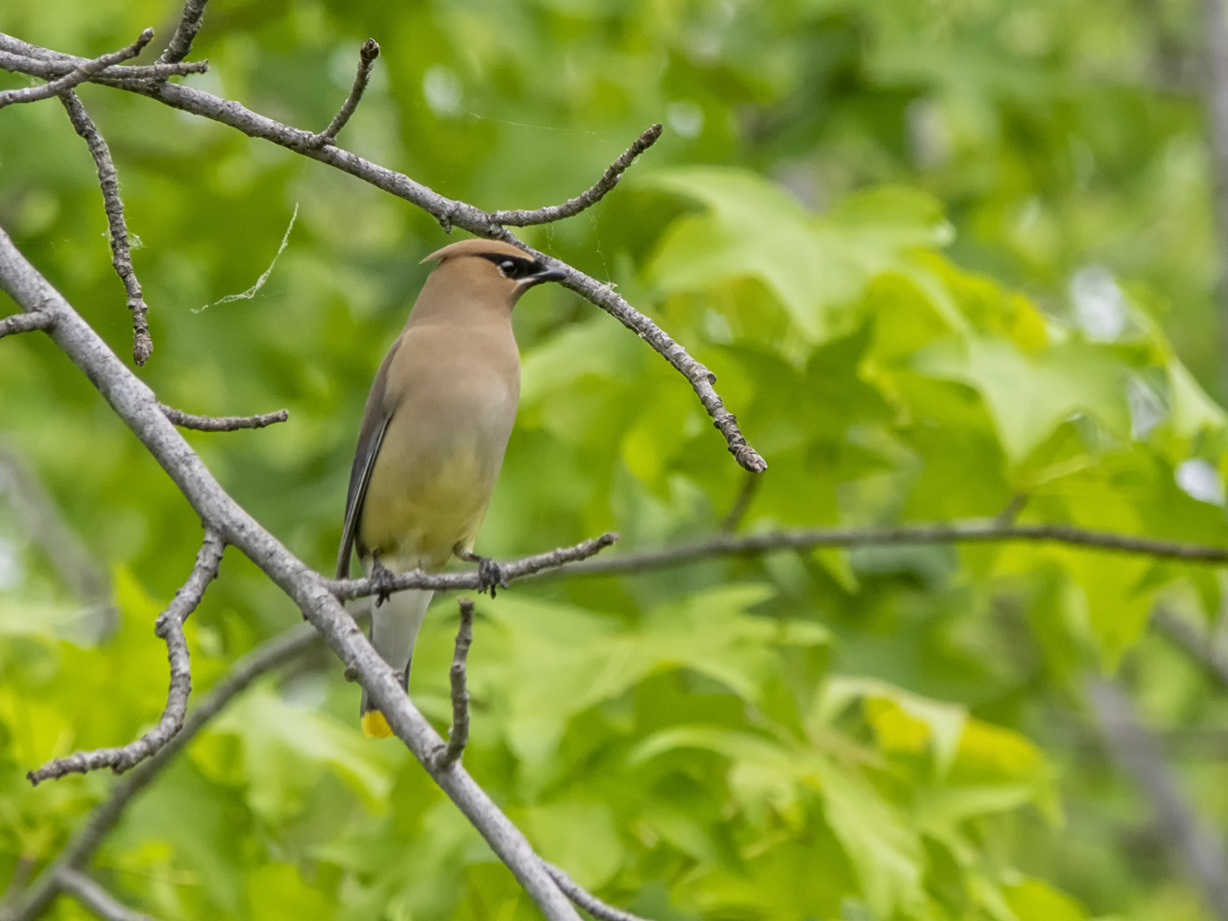
We went for a walk at the Audubon Plainsboro Preserve near our home looking for dragonflies. As we were walking down the path that extends out into Lake McCormick we were surprised to see a pair of Cedar Waxwings. One flew off to a higher branch behind the leaves but the other posed for us giving me an opportunity to get a few fairly close images. I shot a few images than moved a little closer hoping to get some closer shots before it flew off. I was using an Olympus OM-D -Mk1 camera with a Panasonic 100-300mm lens @300mm (Full Frame Camera Equivalent ~ 600mm.)

Misty Morning @ The Celery Farm Nature Area
Posted on June 17, 2020

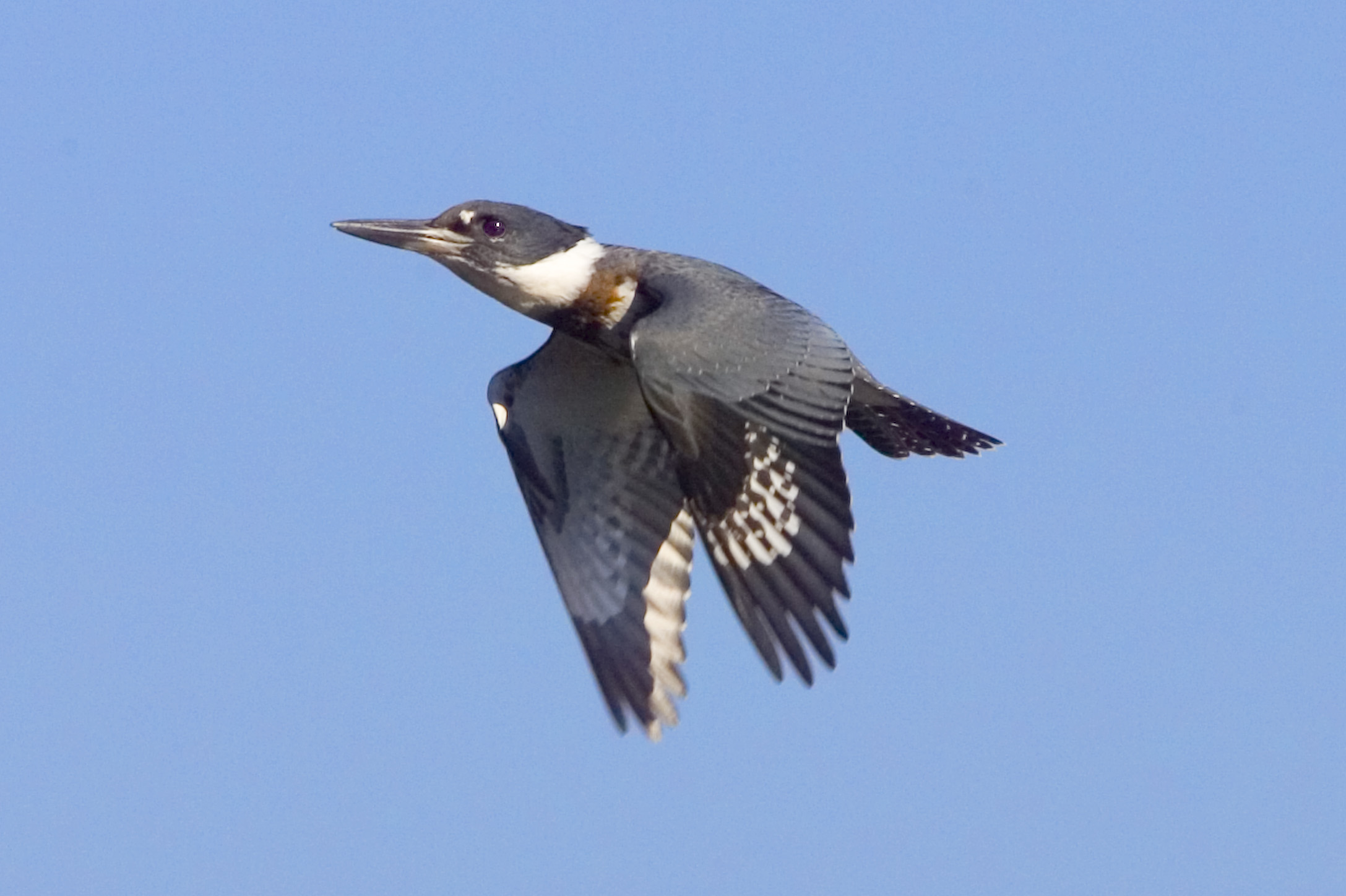
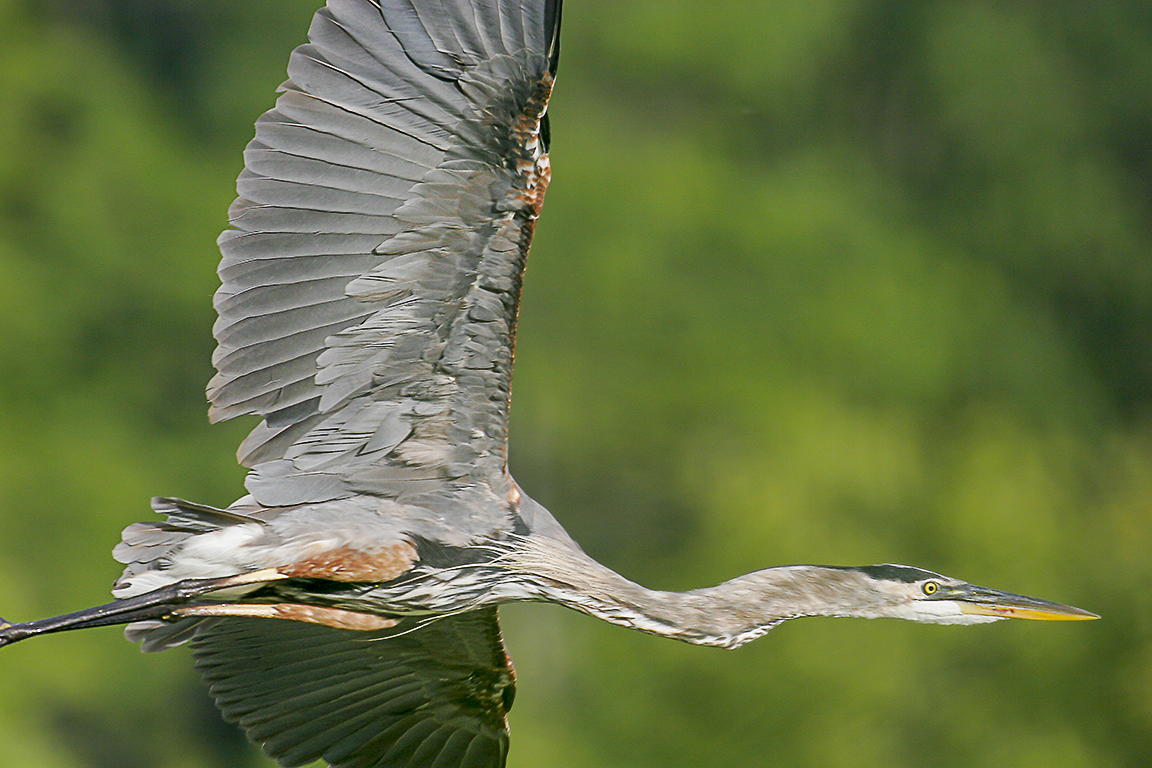
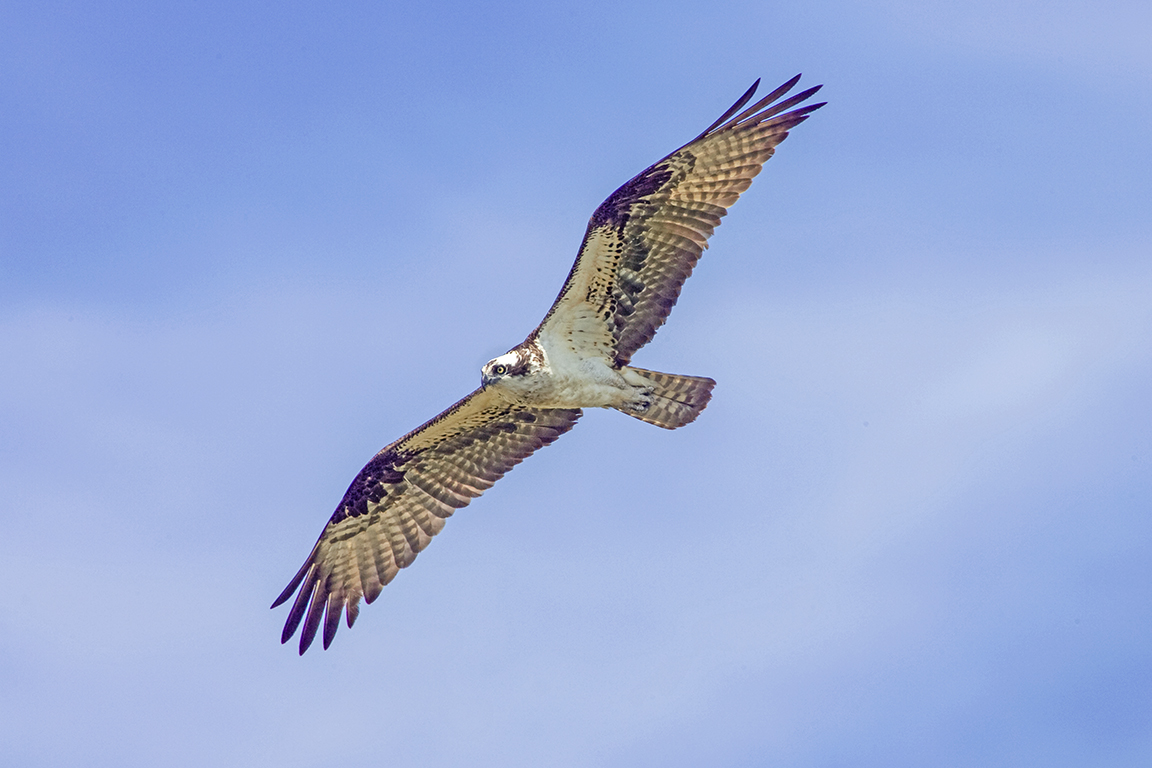
The Celery Farm is a small 107 acre freshwater wetland in Allendale, NJ. There is a small lake, Lake Appert, so there is a wide range of birds to photograph in a somewhat confined environment. There has been 240 bird species sighted here with 53 species breeding there. The best times for photos were early morning and early evening. I used to like photographing Ospreys fishing here in the afternoon. The most I had seen there was 6 at the same time circling above. With the small lake it was great for photographers to get Ospreys diving in the lake for fish. Years ago it was a carp farm, so it was strange to see them flying off many times with a bright orange fish! If you walk the trails you can also find a wide range of birds and mammals. So you have a lot of photo opportunities in a relatively small area. Especially for flying birds.




Everythings Ducky
Posted on March 7, 2019
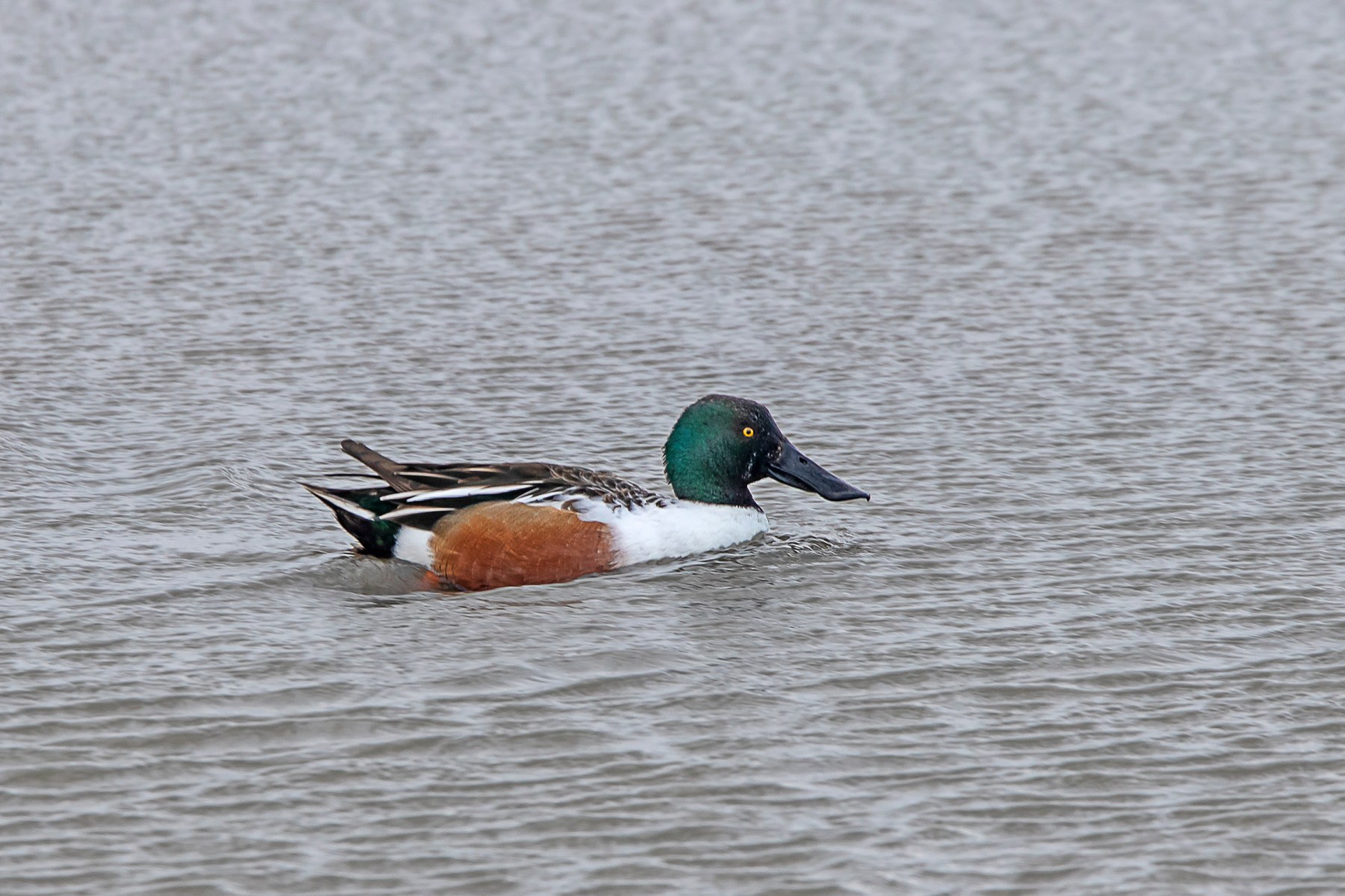
Some more images from our trip to the Brigantine Division of the Edwin B. Forsythe National Wildlife Refuge in Oceanville, NJ. We saw a large variety of Ducks on our visit there. Some were in large groups and others were either a pair or just single ducks swimming by. Most, as usual were farther out in the channel, but a few cooperated and swam closer by. All shot with a 400mm D.O. lens with a 1.4X teleconverter on a Canon R. The sky was very overcast when were photographing the ducks, so I did my best to brighten my Duck subjects. The featured image is a Male Northern Shoveler Duck. Always loved that green head with bright yellow eyes!

Red-breasted Merganser Duck
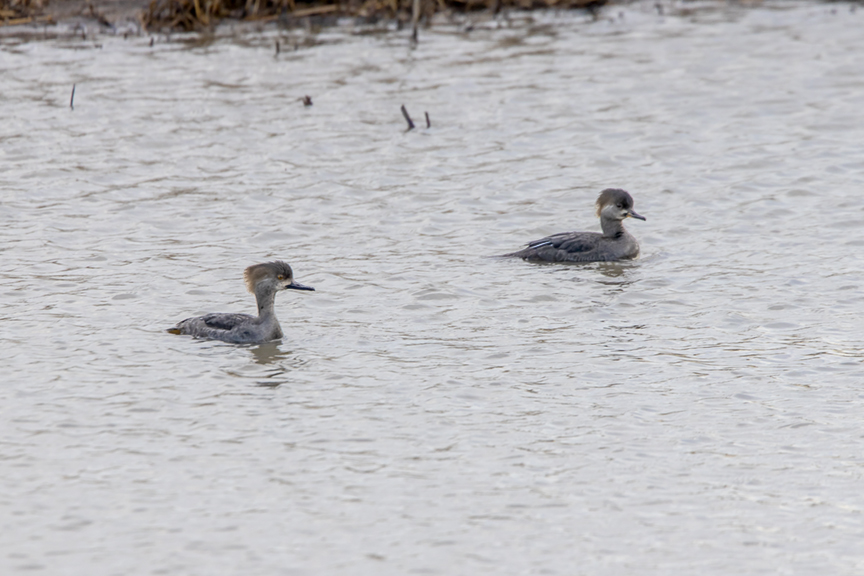
Hooded Mergansers

Bufflehead Ducks
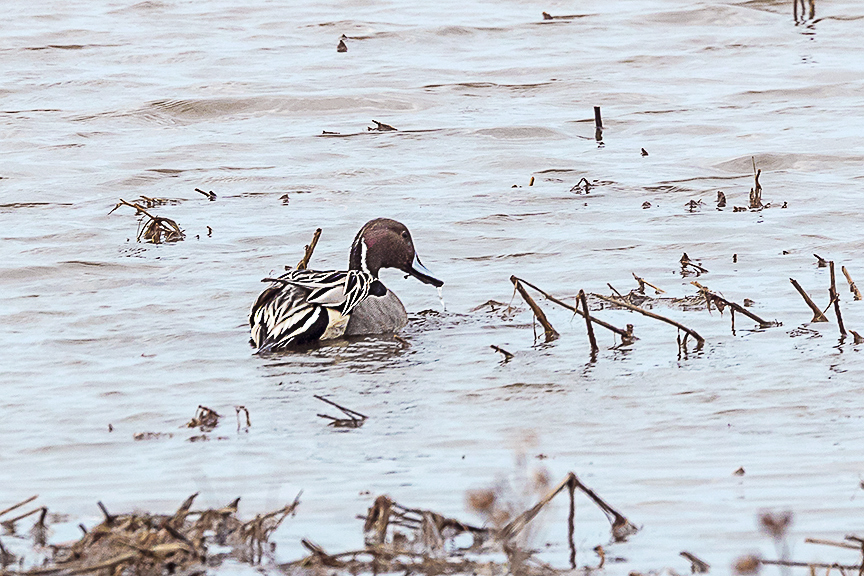
Male Northern Pintail Duck
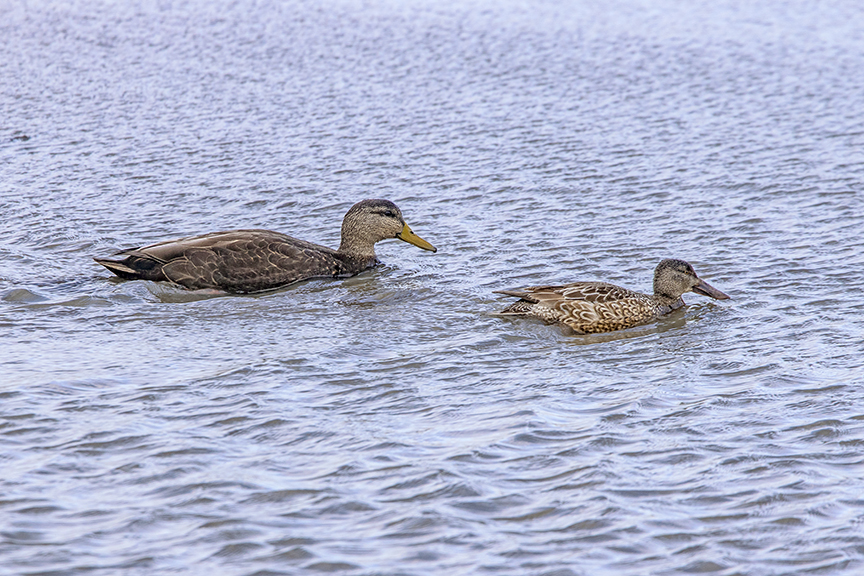
Male American Black Duck Swimming by a Female Northern Shoveler Duck

Pair of Northern Shovelers Feeding
A Study In White
Posted on February 17, 2014

I was following this White Ibis when this Snowy Egret flew in. I was setup with a Sigma 300-800mm zoom which helped, so I could frame my subjects while they were interacting with each other. They just seemed to dance & prance around each other, not seeming to notice the other was there. Usually I use a little minus exposure compensation with white birds, but it was still early in the morning and a little dark. This time I used +0.33 exposure compensation with aperture priority after checking the histogram. This sequence only lasted a little over 2 minutes.
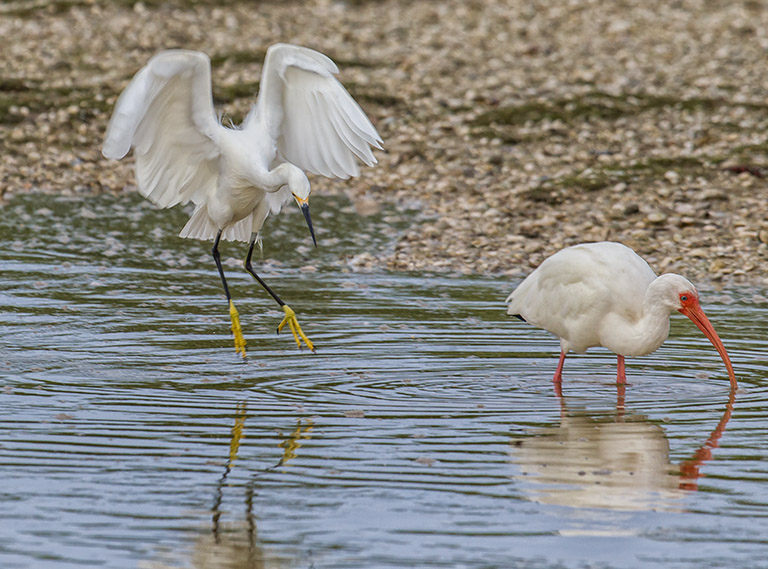
Coming In
Canon EOS 1D MkIV, Sigma 300-800mm DG APO f/5.6 lens @ 687mm, f/8, 1/320 sec., ISO 640, +0.33 exposure compensation, aperture priority.
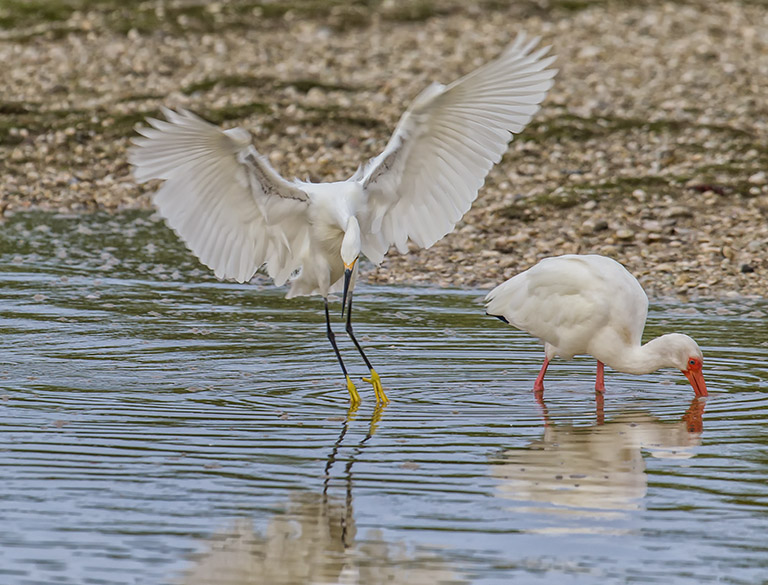
Touchdown w/ Full Wing Spread
Canon EOS 1D MkIV, Sigma 300-800mm DG APO f/5.6 lens @ 687mm, f/8, 1/320 sec., ISO 640, +0.33 exposure compensation, aperture priority.

What’s for Breakfast
Canon EOS 1D MkIV, Sigma 300-800mm DG APO f/5.6 lens @ 687mm, f/8, 1/320 sec., ISO 640, +0.33 exposure compensation, aperture priority.
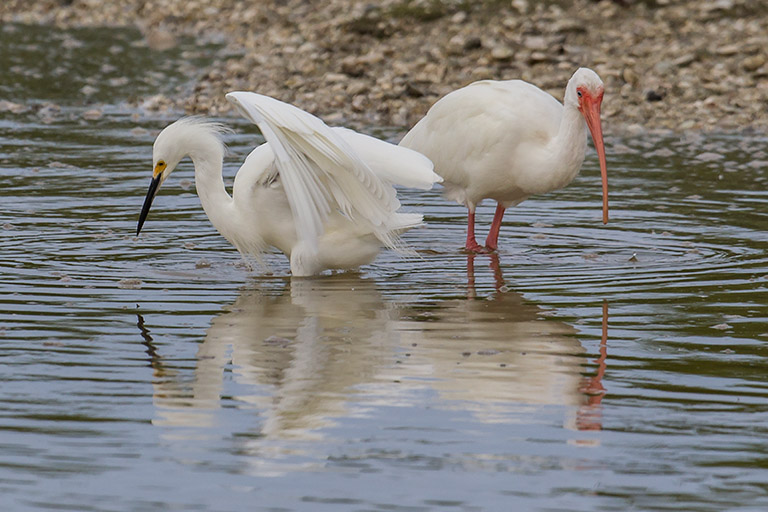
Looking for a Meal
Canon EOS 1D MkIV, Sigma 300-800mm DG APO f/5.6 lens @ 687mm, f/8, 1/400 sec., ISO 640, +0.33 exposure compensation, aperture priority.

Well I found something
Canon EOS 1D MkIV, Sigma 300-800mm DG APO f/5.6 lens @ 687mm, f/8, 1/400 sec., ISO 640, +0.33 exposure compensation, aperture priority.

Still Looking
Canon EOS 1D MkIV, Sigma 300-800mm DG APO f/5.6 lens @ 687mm, f/8, 1/400 sec., ISO 640, +0.33 exposure compensation, aperture priority.
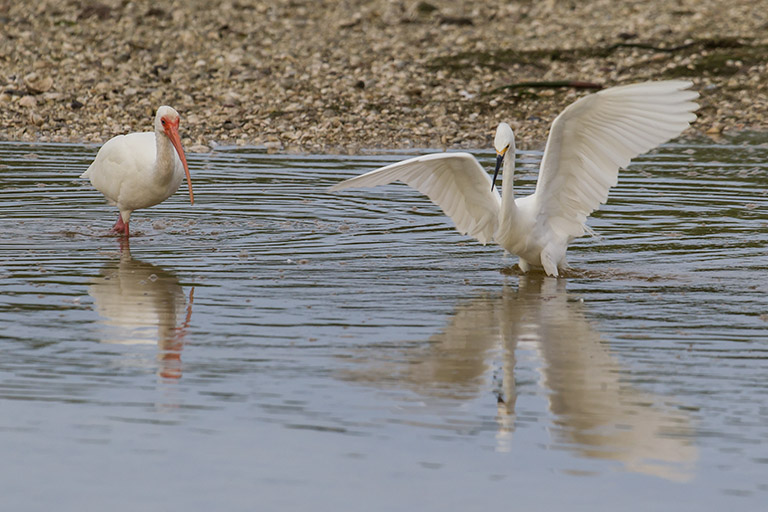
Looking, Looking
Canon EOS 1D MkIV, Sigma 300-800mm DG APO f/5.6 lens @ 687mm, f/8, 1/400 sec., ISO 640, +0.33 exposure compensation, aperture priority.
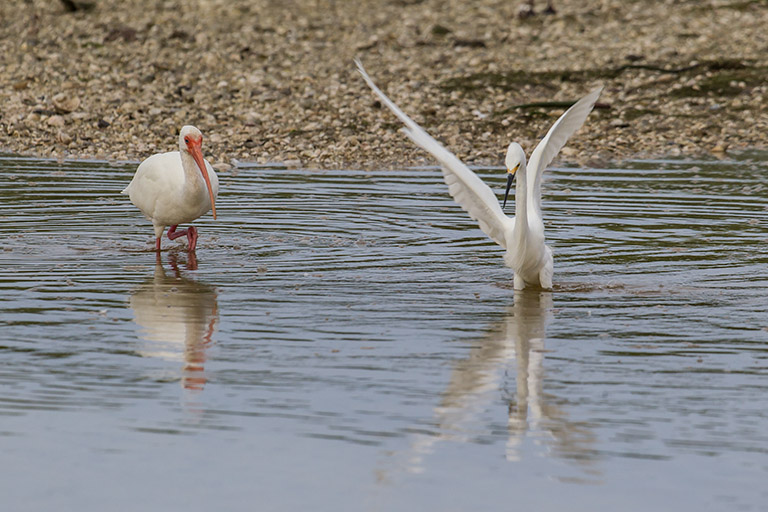
Coming Over
Canon EOS 1D MkIV, Sigma 300-800mm DG APO f/5.6 lens @ 687mm, f/8, 1/400 sec., ISO 640, +0.33 exposure compensation, aperture priority.

Crossing Paths
Canon EOS 1D MkIV, Sigma 300-800mm DG APO f/5.6 lens @ 687mm, f/8, 1/400 sec., ISO 640, +0.33 exposure compensation, aperture priority.
Rainy Day
Posted on February 3, 2014
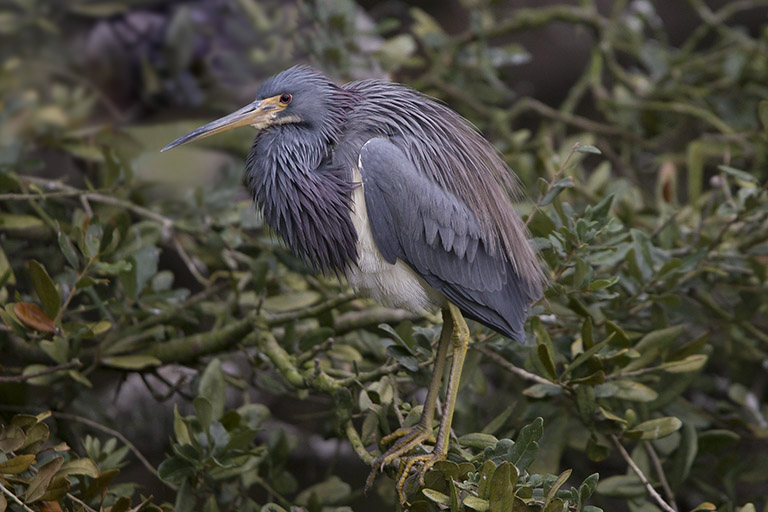
I came upon this Tricolored Heron sitting on a branch, feathers puffed out because of the drizzly rain. I thought the heron looked interesting because of the different look of the feathers and the larger look of the body. A different look from how I usually find them.

Another Wet Tricolored Heron
Canon EOS 1D MkIV, Canon 400mm DO f/4 IS, handheld @ f/4.5, 1/200 sec. , ISO 1600
Great Egret – Shy, Bad Feather Day or Just Wet from the Rain?
Posted on January 26, 2014
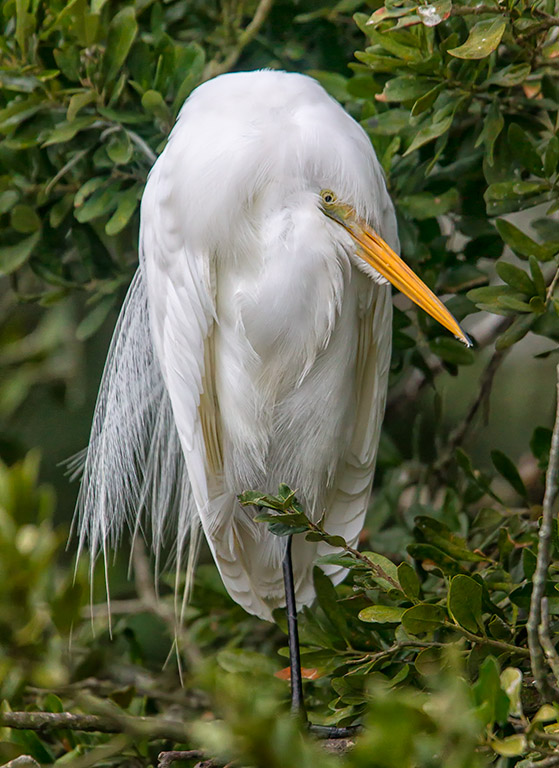
Found this Great Egret along the Rookery at the St. Augustine Alligator Farm. The Rookery at the St. Augustine Alligator Farm is a great place to get closeup shots of wild birds in their natural habitat. The alligators are below the boardwalk, a lot of birds build nests right above the board walk in the surrounding trees, because they feel safe from predators. I saw about 20 nesting in one tree alone. The only problem they have is the occasional meal they provide the alligators if they are too close on the ground. The best times are early in the morning before they fly out or later in the day when they come back to roost. Sometimes the nests are so close you can get great shots with even a 200mm lens. We were trying to get there on our way home, but got delayed and did not get there until they were almost closing. It also started to lightly rain and got darker. We went in anyway and I got quite a few interesting shots, even with the lack of light, gray skies and the rain. I used a high ISO and opened up the lens to help stop the action, ( More my movement from handholding the camera on the gray day, The Egret was standing very still).

Egret Eye Closeup
Canon EOS 1D MkIV, Canon 400mm DO f/4 lens, f/4.5, 1/640 sec, ISO 1600
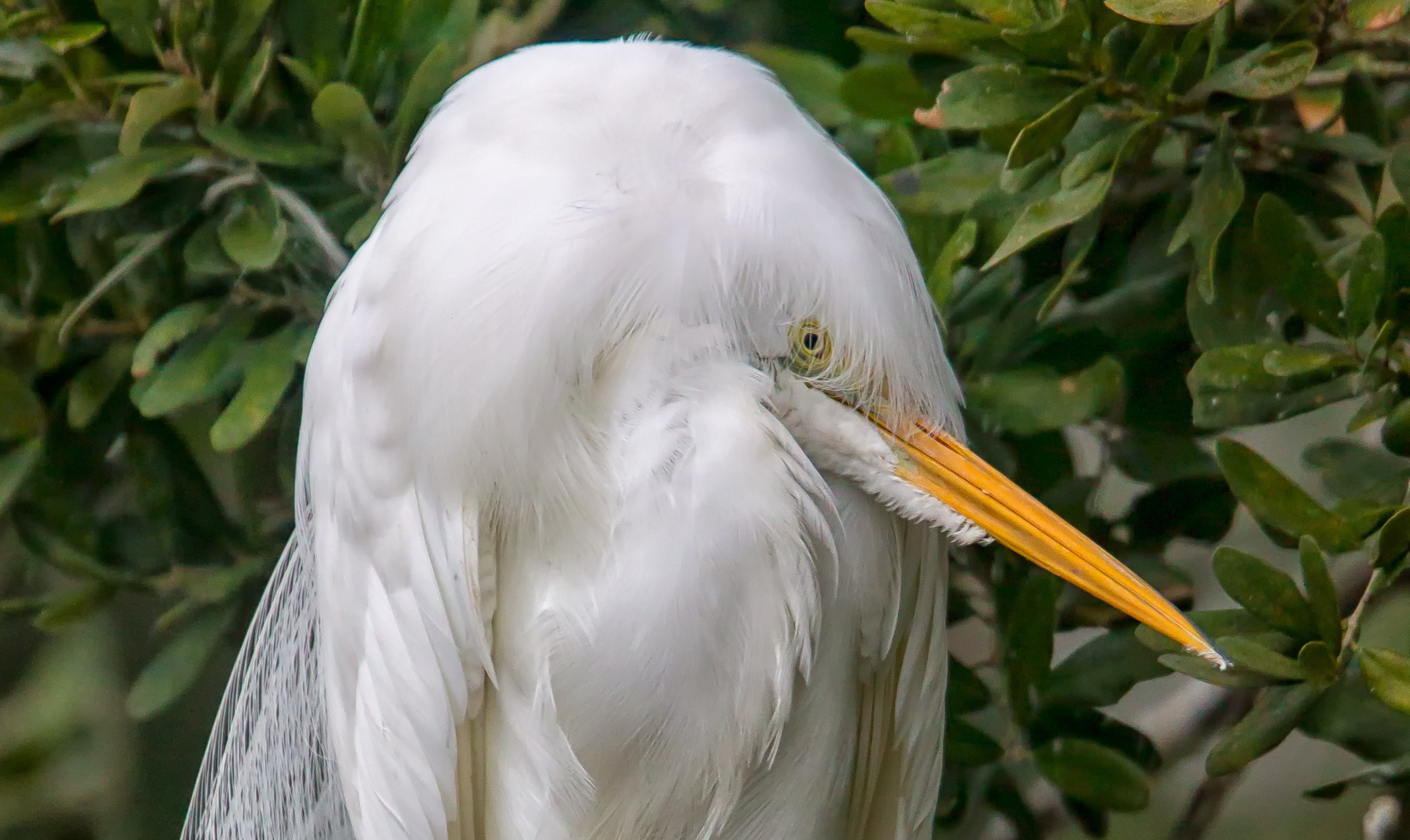
Egret Closeup
Canon EOS 1D MkIV, Canon 400mm DO f/4 lens, f/4.5, 1/640 sec, ISO 1600
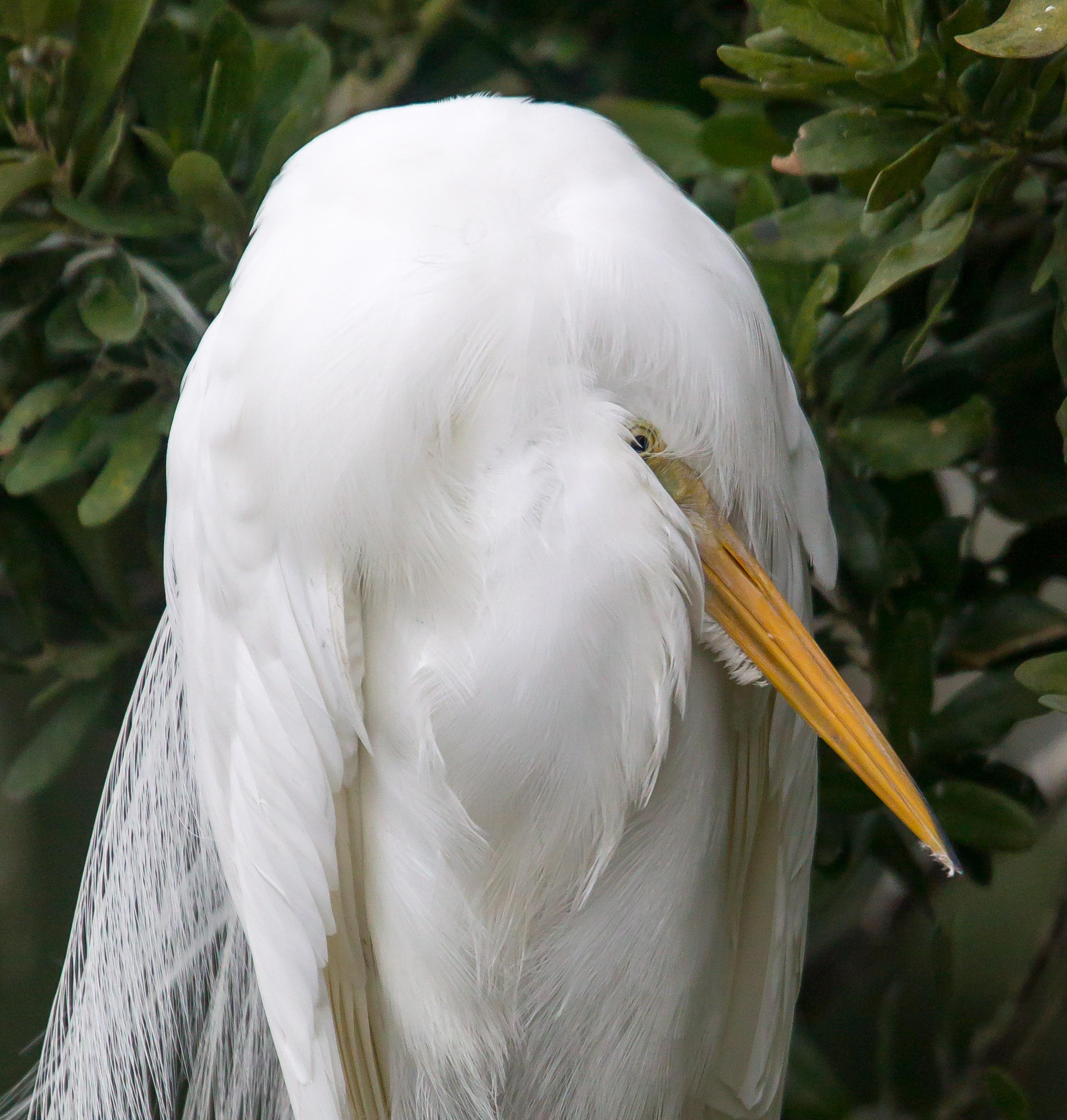
Egret Portrait
Canon EOS 1D MkIV, Canon 400mm DO f/4 lens, f/4.5, 1/640 sec, ISO 1600
Tricolored Heron Hunting
Posted on January 26, 2014
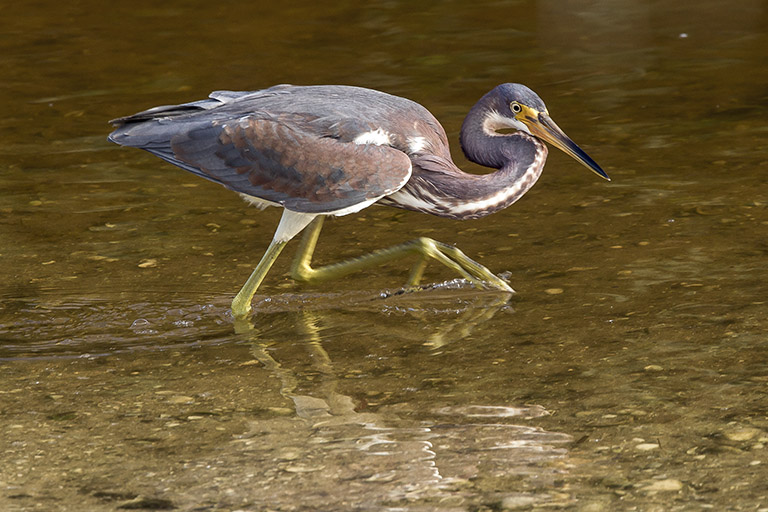
Northern NJ got another snow storm and frigid below normal temperatures, so I thought I would warm up by going through more of my photos from our trip to Florida. This Tricolored Heron was hunting along an inlet that I was walking along. They were formerly called the Louisiana Heron and are a medium sized Heron, smaller than a Great Blue, but larger than the Night Herons. This one was concentrated on walking along the shore giving me an opportunity to get many shots as it walked towards me and then away from me. On the header photo, even at 1/400 sec, I got a little motion blur on the left leg. I still liked the photo though, it gave it a little sense of movement and the bubbles coming up with the rest sharp so it looked a little less static.

Tricolored Heron Taking Wide Strides
Canon EOS 1D MkIV, Canon 400mm DO f/4 lens, Canon 1.4X Teleconverter, f/11, 1/400 sec, ISP 1250, -0.33 exposure compensation
 photoartflight