 photoartflight
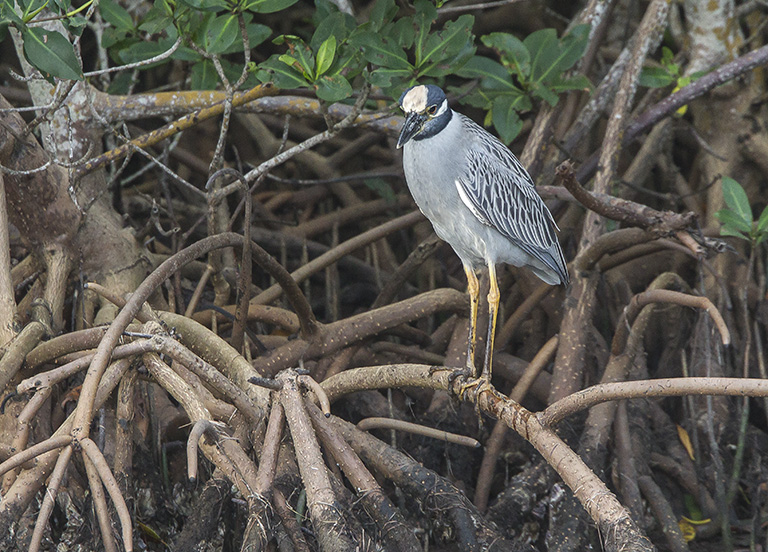
Yellow-crowned Night-heron
Posted on January 23, 2014

I found this Yellow-crowned Night-Heron in the shade on the roots of Mangrove trees. It did not seem to be bothered by my presence so I was able to get a few shots and then moved on so I did not bother the heron. Because it was sitting in the shade I used a -1 exposure compensation with aperture priority to get a proper exposure for the light colored bird in the dark shade. I also used ISO 1250 because I was handholding the camera and wanted a higher shutter speed. Even though it is a stabilized lens, with a 1.4X teleconverter, I wanted the higher shutter speed since the 400mm, with the 1.4X teleconverter and the 1.3X crop factor equals an effective focal length of 728mm.
Great White Egret Swarmed by Gulls
Posted on January 22, 2014

This Egret had just caught a meal and was quickly swarmed by gulls trying to steal its dinner. The Egret kept moving ahead trying to finish the meal but the Gulls kept circling and buzzing him. He eventually got to finish but was continually interrupted. I just thought it was interesting to watch the interaction between the Egret & Gulls.
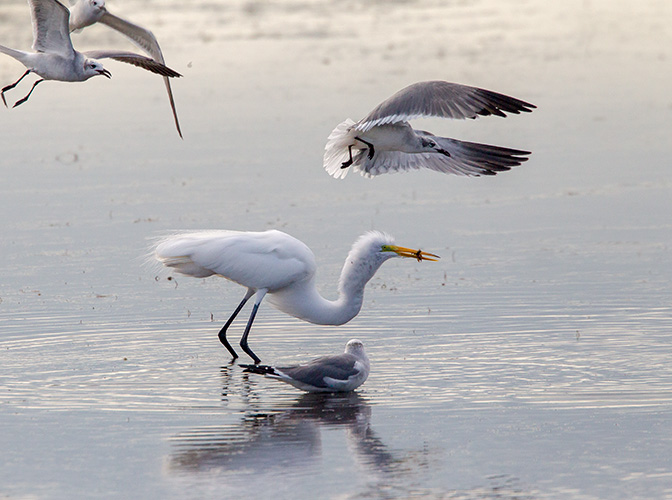
Great Egret trying to evade the Gulls
Canon EOS 1D MkIV, Canon 400mm DO f/4, Canon 1.4X Series II Teleconverter, f/7.1, 1/5000 sec, ISO 1250, +0.33 Exposure Compensation

Great Egret with other Egrets & Ibises, Trying to Finish its Catch
Canon EOS 1D MkIV, Canon 400mm DO f/4, Canon 1.4X Series II Teleconverter, f/7.1, 1/5000 sec, ISO 1250, +0.33 Exposure Compensation

Great Egret trying to move away from the Gulls with its meal
Canon EOS 1D MkIV, Canon 400mm DO f/4, Canon 1.4X Series II Teleconverter, f/7.1, 1/4000 sec, ISO 1250, +0.33 Exposure Compensation

Great Egret Still Dodging the Gulls
Canon EOS 1D MkIV, Canon 400mm DO f/4, Canon 1.4X Series II Teleconverter, f/7.1, 1/4000 sec, ISO 1250, +0.33 Exposure Compensation

Great Egret with Gulls Trying to Steal its Meal
Canon EOS 1D MkIV, Canon 400mm DO f/4, Canon 1.4X Series II Teleconverter, f/7.1, 1/4000 sec, ISO 1250, +0.33 Exposure Compensation
White Ibis Portrait
Posted on January 21, 2014
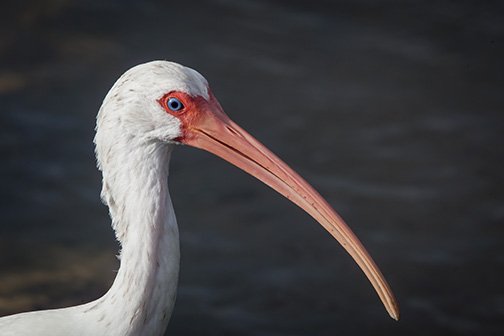
This White Ibis was feeding along the shoreline. The Ibis kept coming closer until it was getting too close to even focus on. I got quite a few shots but I liked the portrait head shot. I especially liked the intensity of the eye and the prominent distinctive shape of the Ibis beak.

White Ibis Working the Shoreline Closeup
Canon EOS1D MkIV, Sigma 300-800mm DG f/5.6 lens, f/8, 1/800 sec, ISO 640

White Ibis Closeup showing the Distinctive beak, legs & feet
Canon EOS1D MkIV, Sigma 300-800mm DG f/5.6 lens, f/8, 1/800 sec, ISO 640
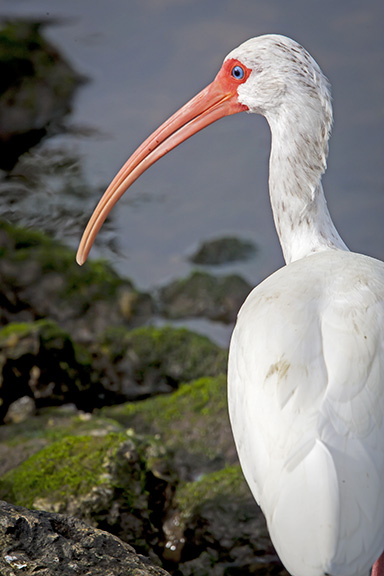
White Ibis Closeup
Canon EOS1D MkIV, Canon 400mm DO f/4, Canon 1.4X Series III Teleconverter, total 560mm
f/11, 1/400 sec, ISO 400
Snowy Egret’s Breakfast
Posted on January 6, 2014

I was photographing a wide variety of birds flying in to the water close to where we were setup early in the morning soon after Sunrise. This one Snowy Egret started working the shoreline close to the shore right in front of us. At times he was too close to focus on and I did not want to take the time to add an extension tube so my 400mm lens would focus closer, so I backed up when I could to get him in focus. He was bobbing up and down grabbing shrimp as he went. Shooting bursts I was hoping I was stopping his action and would get a few sharp images. I was trying to shoot at the peak or end of his movements before he moved the other way. Canon EOS 1D MkIV, Canon 400mm f/4 DO lens, Canon 1.4X Series III Teleconverter, @ f/8, 1/100 sec, ISO 400.


American White Pelican Panorama
Posted on December 24, 2013

We are spending Christmas at Sanibel Island in Florida with lots of photo opportunities at the J. N. Ding Darling National Wildlife Refuge. Here is a 5 shot panorama of a lineup of American White Pelicans. The photo looked more interesting as a panorama rather than using a shorter lens and cropping into the image. Taken with a Canon EOS 1D Mk IV, Canon 400mm f/4 DO lens, Canon 1.4X MkIII Teleconverter, 1/200 sec @ f/8, ISO 400. Manually stitched together in Photoshop. Effective focal length 728mm with the 1D MkIV cropped sensor.
A Different View
Posted on November 30, 2013
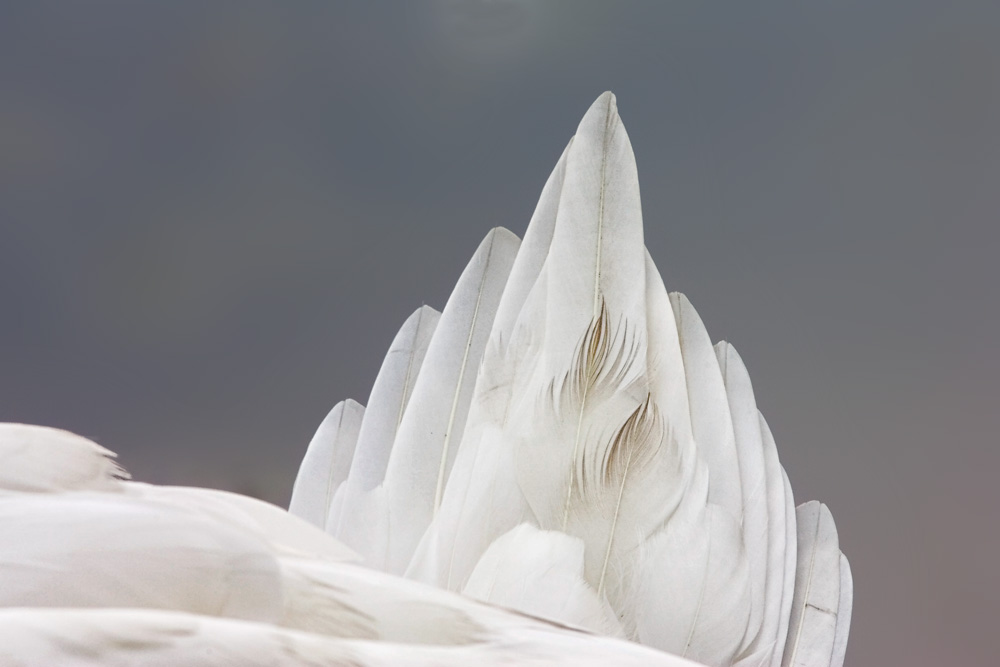
Sometimes when I am out in the field, I try different crops or angles of familiar subjects that I am used to seeing. Here I am using Mute Swans as an example. I like photographing Mute Swans. They are large, so even if they are out in the distance I can get good images of them. They are usually always moving, taking flight quite often also so you have a lot of photo opportunities. The large white bird can be tricky in bright light to get proper exposures, so you have to be careful and check your histograms. But after a while you find your images begin to look the same as the ones you took before. So try different angles, positions and crops. Even try closeup details to add interest for a different look. You can also add them to a series to help show your subject in a different way and show visually a more complete story of your subject.






Red-tailed Hawk Fly By
Posted on November 21, 2013
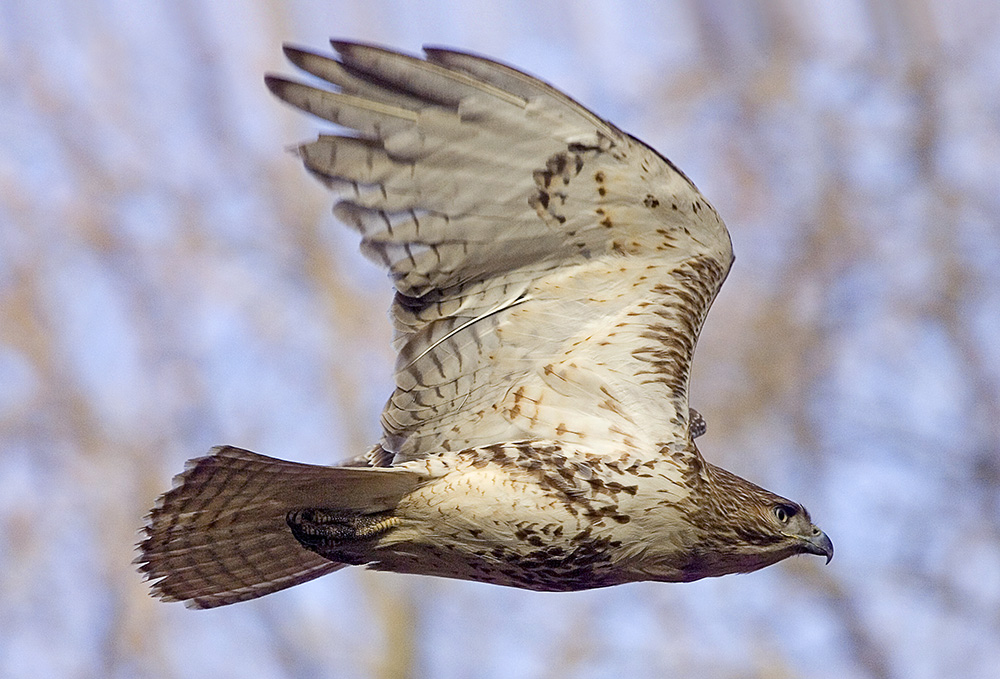
This is a Red-tailed Hawk that was sitting in a tree off in the distance. It took off and flew right by me. I shot a burst of frames as it passed by and I liked this one because of the wing position out of the series. Photographed with a Canon EOS 1D MkII with a 400mm f/4 DO lens. Exposure 1/1250 @ f/6.3, ISO 400.
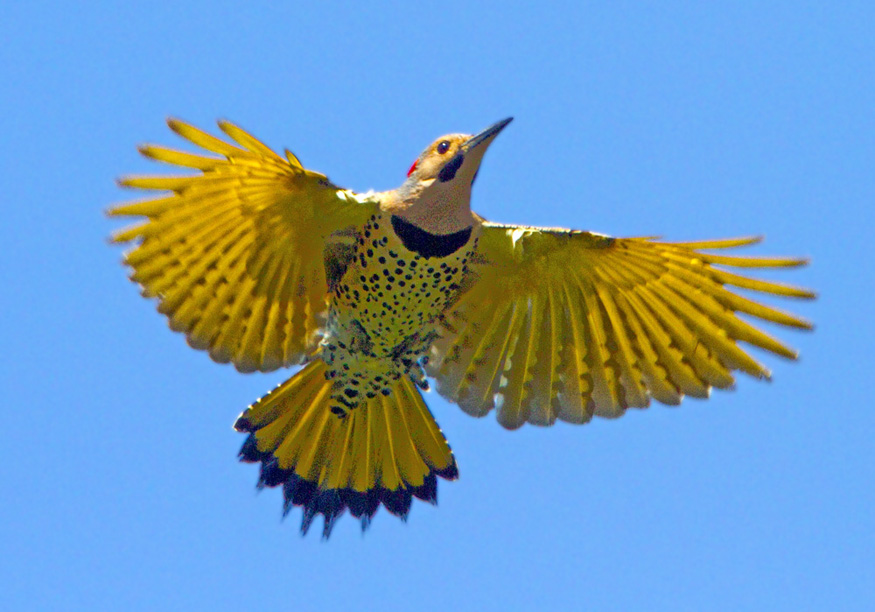
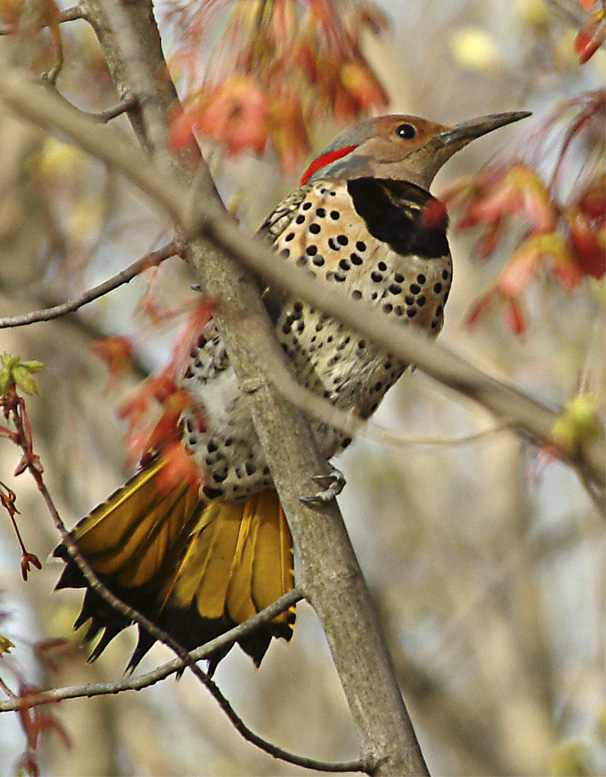
Yellow-Shafted Northern Flicker
Posted on November 9, 2013
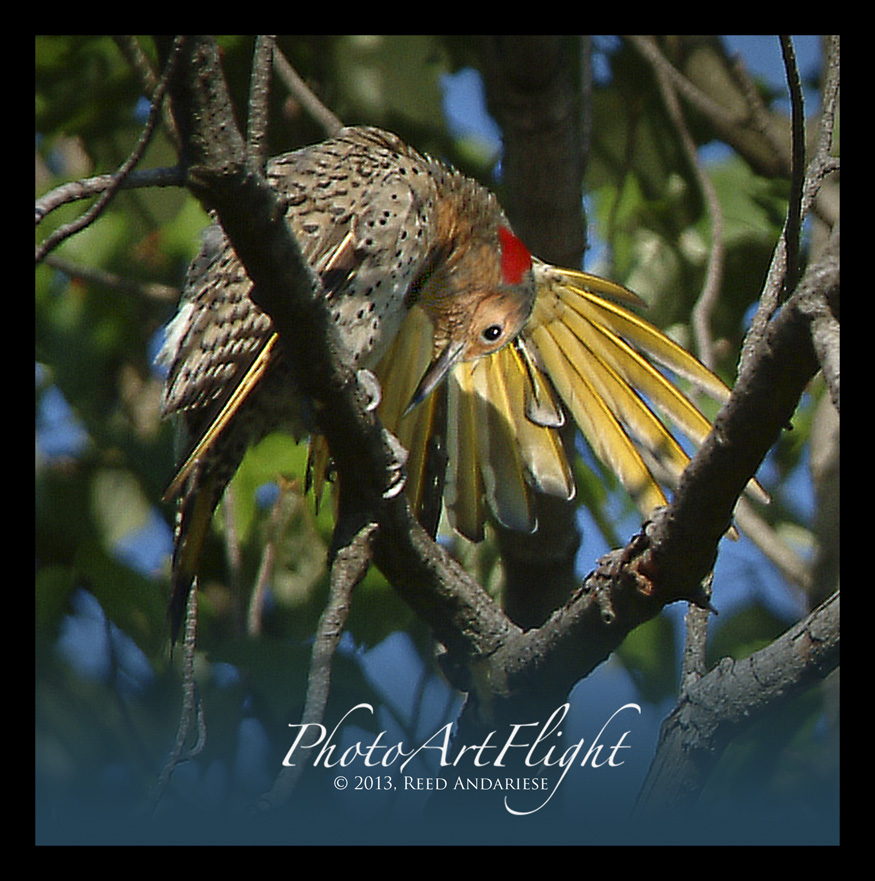
I was condensing files on my external hard disks and came across these files of Norther Flickers. I had found this Northern Flicker preening in a tree at the Celery Farm Natural Area in Allendale NJ. I liked the the Red on the nape of the neck with the yellow on the bottom side of the feathers and the sunlight on the eye and face of the Flicker and skimming across the yellow feathers. I only had time for the one photo before it flew down to a lower tree. So I was glad I got at least one in this light.
Roseate Spoonbills at J.N. Ding Darling NWR
Posted on October 24, 2013
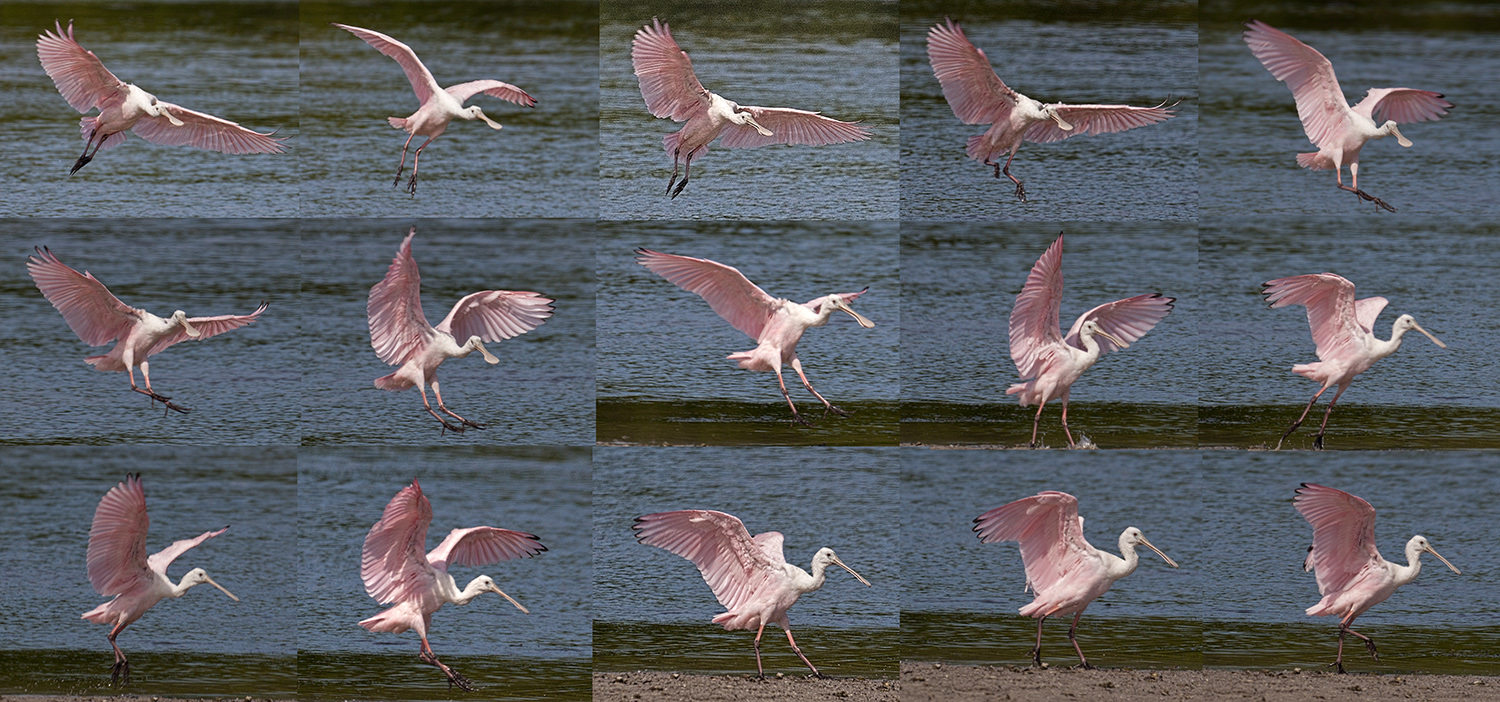
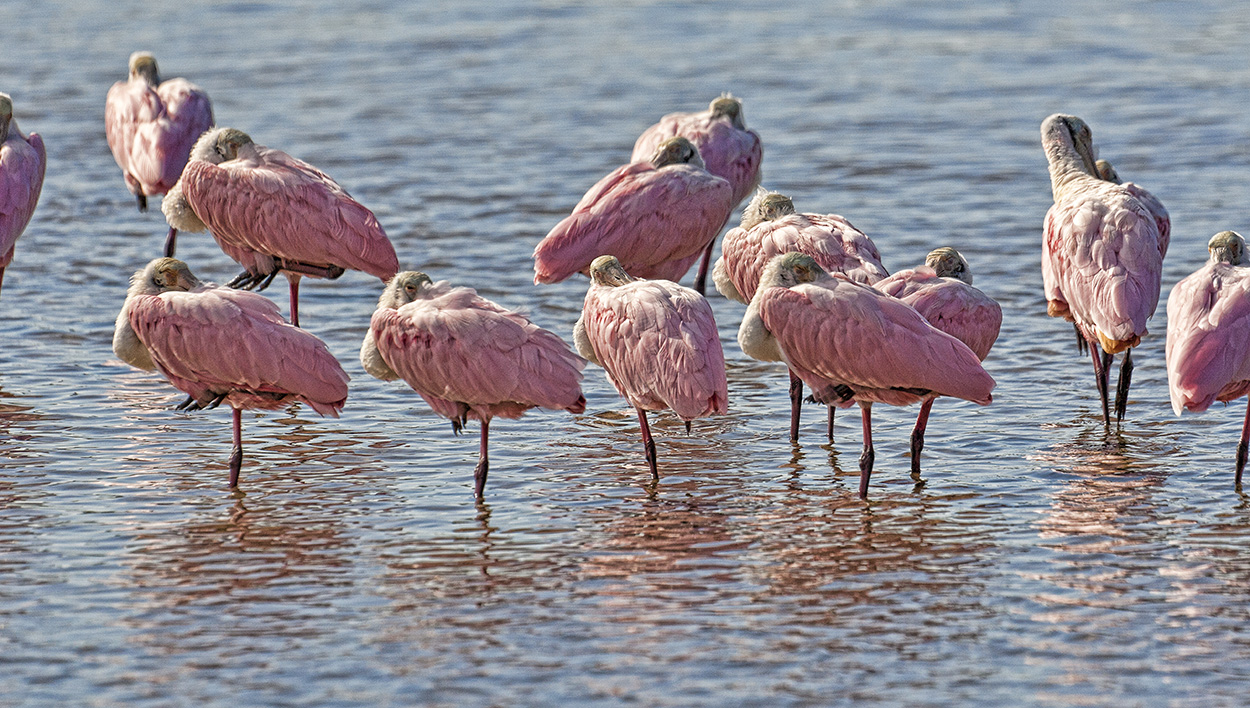
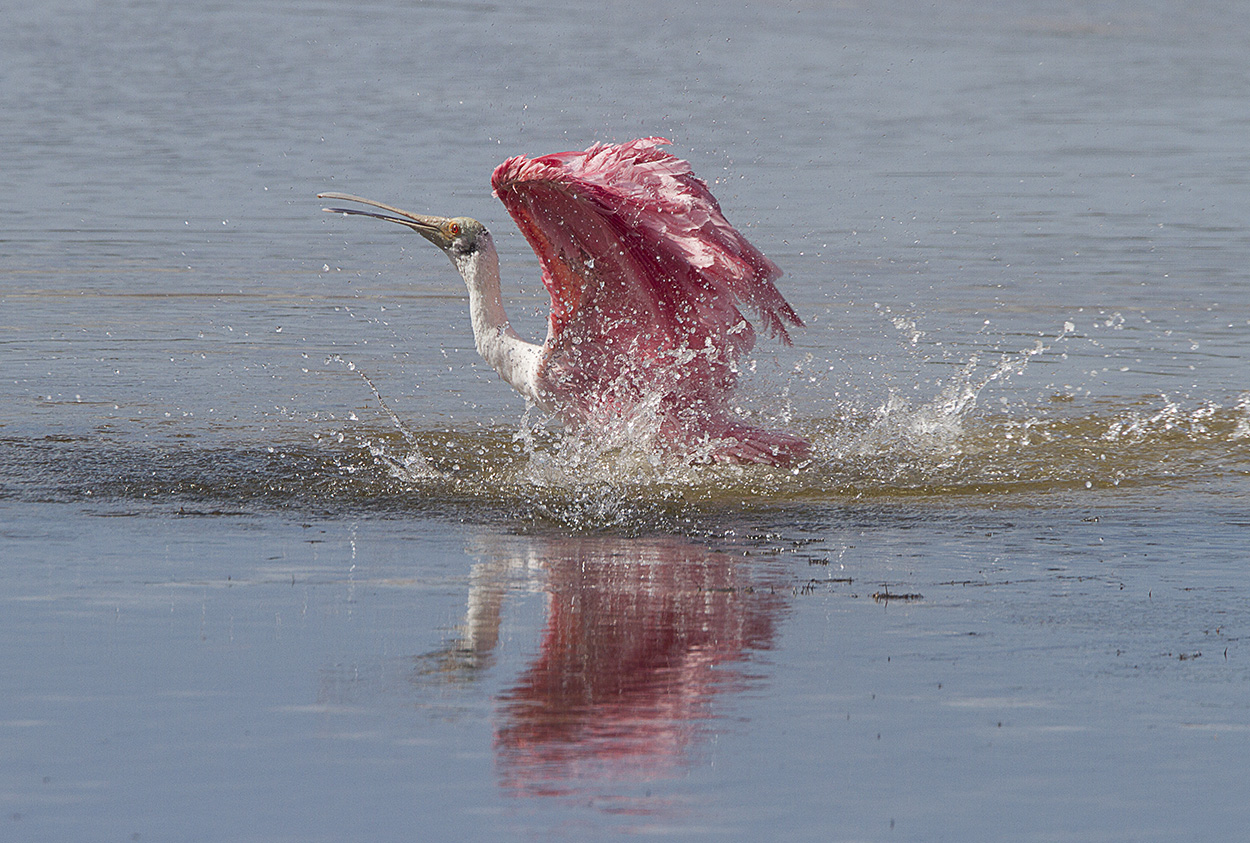
One of my favorite birds to photograph at the J.N. Ding Darling National Wildlife Refuge is the Roseate Spoonbill. They are colorful and quite animated large bird which gives photographers a host of photo opportunities. Also being a large bird helps in photography in the vast areas of Ding Darling. Most of the images here were with the Sigma 300 – 800mm lens at 800mm. The photo at the top of the page shows a Roseate Spoonbill montage in a landing sequence. The others are just random shots around the refuge. If you are ever in Sanibel look for them. They are entertaining and fun to watch.
Spreading its wings, Canon 1D MkIV @800mm, effective 1040mm

Napping Canon 1D MkIV @ 800mm, effective 1040mm
Flyby, Canon 1D MkIV @ 400mm w/ 1.4X Teleconverter, effective 728mm
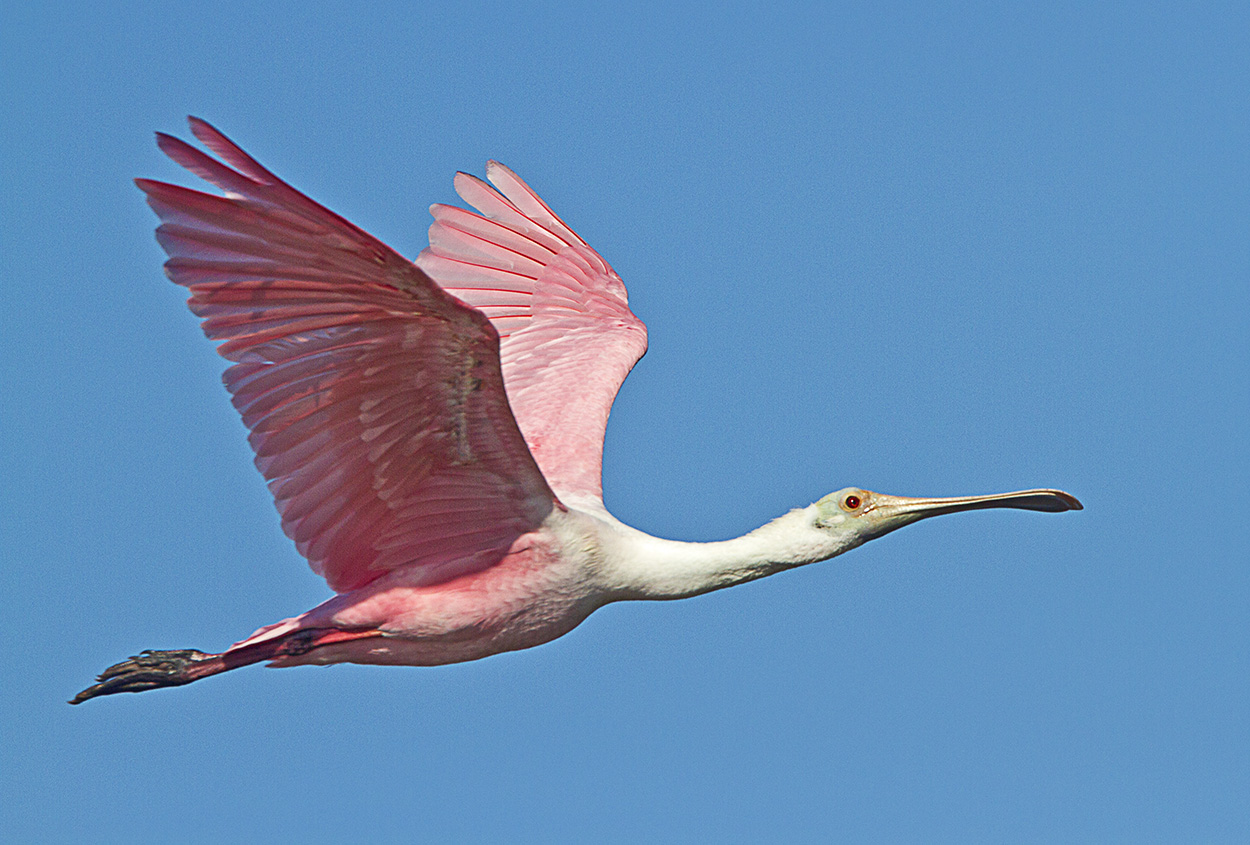
Coming In, Canon 1D MkIV @ 400mm w/ 1.4X Teleconverter, effective 728mm

Splashing, Canon 1D MkIV @ 400mm w/ 1.4X Teleconverter, effective 728mm
Sandhill Cranes at Lake Woodruff, National Wildlife Refuge
Posted on October 23, 2013
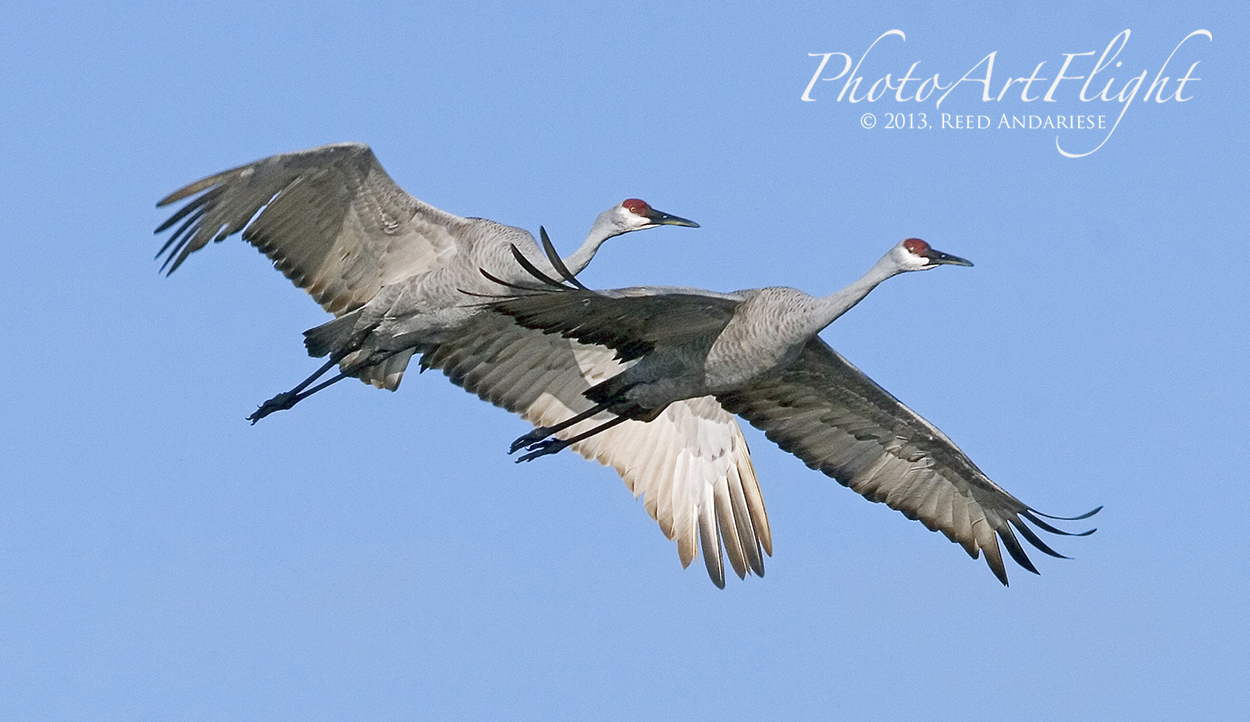
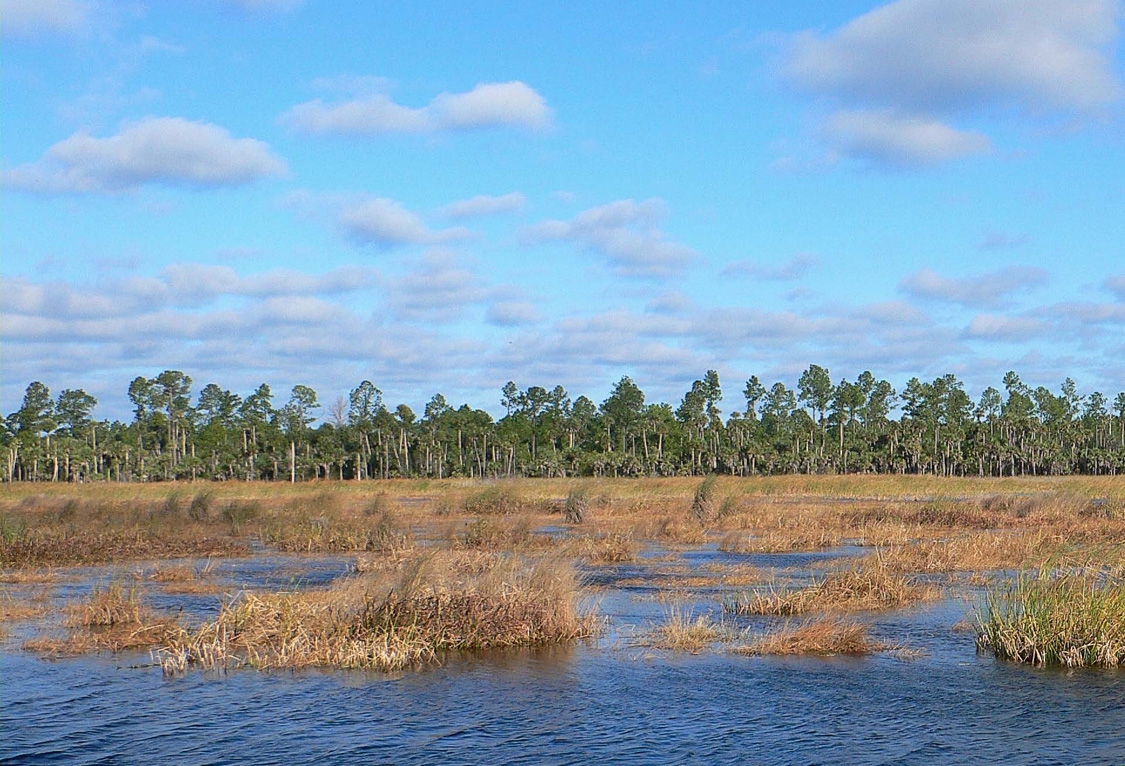
I was going over old files from the archives and found this image of 2 Sandhill Cranes from a visit to The Lake Woodruff National Wildlife Refuge in DeLeon Springs, Florida. The refuge is over 21,000 acres and consists of 11,100 acres of freshwater marsh, 7,200 acres of hardwood swamps and over 1,000 acres of lakes streams and canals. We like going to National Wildlife Refuges because it is like going on a treasure hunt. You never know what you will find to photograph. From River Otters to Bald Eagles and Alligators, there is a huge variety of birds, mammals & reptiles. There are also photo opportunities from macro to landscapes – sunrises to sunsets, so you have a full day for photography. Walk through and see what you can find. Watch for Ospreys, Kites and a large variety of birds. Keep and eye open for Bitterns , Soras and other birds along the shore in the grasses. A great place to explore. Be aware of the closing time listed at the visitor center though, because they want to lock the gate after closing time.



 photoartflight