 photoartflight
Bombay Hook NWR
Posted on October 6, 2013
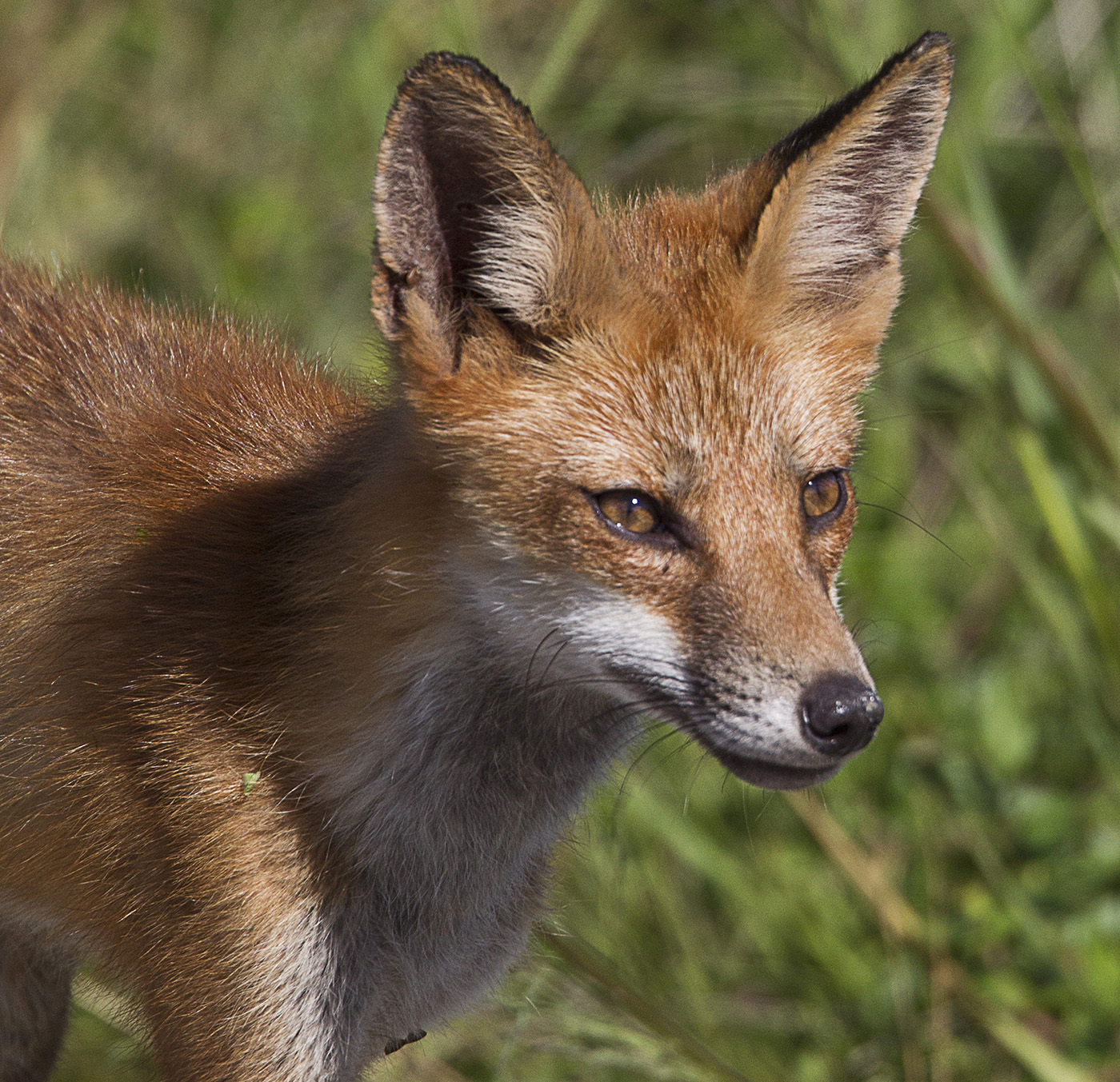
I was looking through some of my backed up files and found images from Bombay Hook, National Wildlife Refuge in Smyrna, Delaware. The refuge has a Wildlife Drive that is about eight miles long along the Delaware Bay and covers over 16,000 acres. You can find many subjects for your photography – Wildlife, Birds, Flowers, Landscapes. and macro subjects. There are also many trails and lookout towers. So depending on the day, you can find a wide variety of subjects for your vision. Usually we only drive through quickly on our way to Blackwater NWR in Maryland. We are planning to go back to spend the day and fully explore the refuge.


Different Kinds Of Panoramas
Posted on September 26, 2013

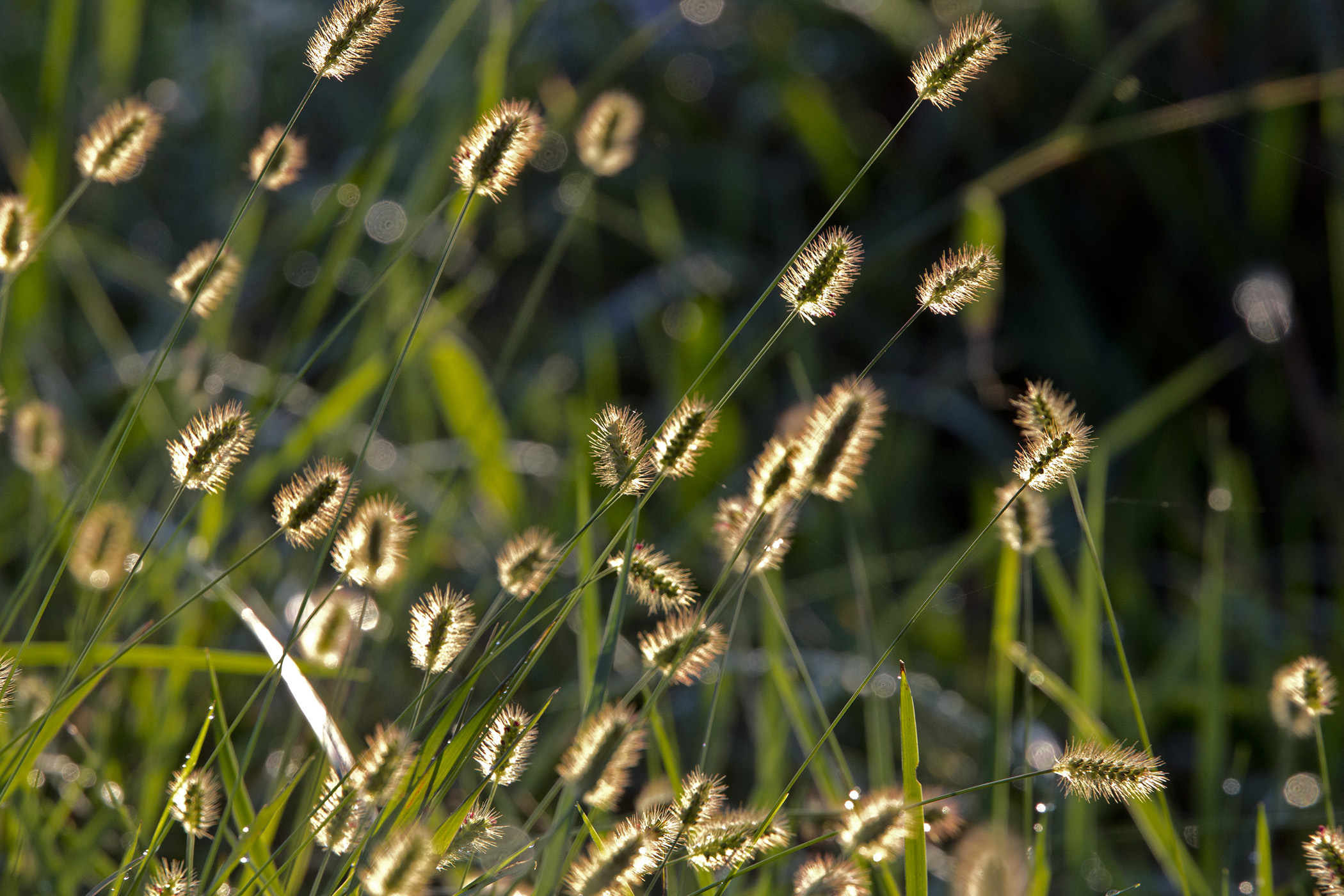
Panorama basically just means wide view, but for photographers panoramas can mean many things. Most use a wide to short telephoto to make panoramas with multiple images. Often when I am out in the field, I am only carrying a 400mm lens, usually with a 1.4X Teleconverter. But quite frequently I see a shot that is too wide for the equipment I am carrying. Even if I had a wider lens, I would not have time to switch and still get the shot I wanted. So I shoot a series of shots of my subject and manually stitch them together in Photoshop. You can also try automatically stitching them in Photoshop or PT Gui. For just a few shots I use auto exposure. But if I am shooting many shots for a long or tall panorama, I switch to manual exposure so the exposure does not change, this makes it easier to combine for the final image without exposure shifts from section to section. I have used this for everything from birds, turtles, birds on top of tall trees, to dragonflies and other interesting subjects. Or if see an image that is perfect for a panorama, but I envision a longer thin crop without a lot of extra image that detracts from what I want. I do not want to crop to my panorama from my regular file because I want a large image, either for a double page spread or maybe a large print, and want to hold the detail with all the added pixels. In another scenario, I see a large bird landing with a wide wingspan, but cannot fit it all in, so a quick series at 10 fps gives me a few images to work with. Or you see a Black-crowned Night-Heron sitting in a tree and you also want to show the bird in its habitat with a lot of detail. Give it a try, it is simple to do and comes in very handy.
Blackwater NWR, Cambridge MD


Ding Darling National Wildlife Refuge, Sanibel, Florida

Closeups with 400mm f/4 DO with, 1.4X teleconverter and extensions tubes


Okefenokee National Wildlife Refuge

Bombay Hook NWR, Smyrna, DE
Steamtown National Historic Site, Scranton, PA
Ding Darling National Wildlife Refuge – Sanibel, Fl
Posted on September 17, 2013

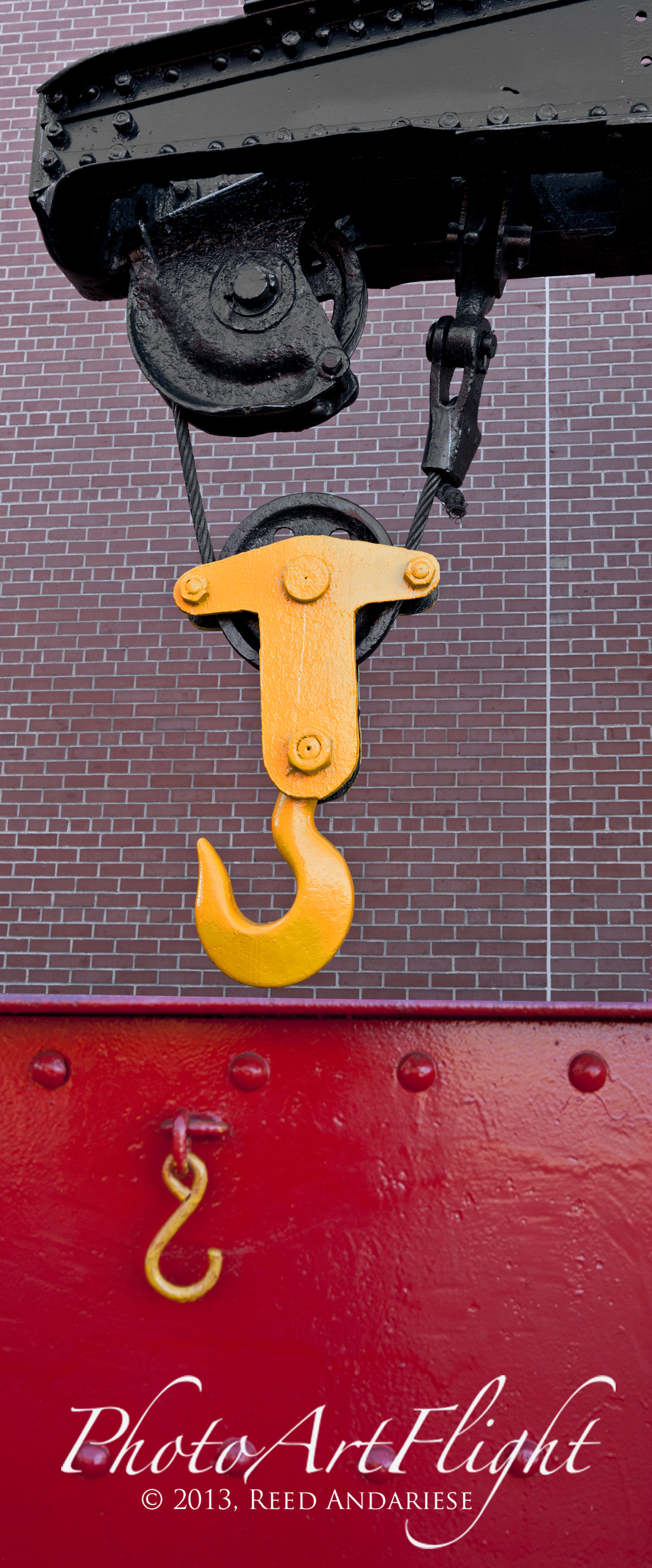
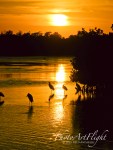
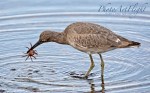
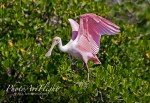
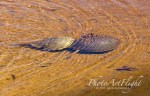
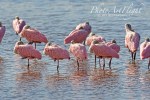
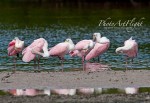
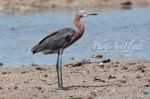
One of the places we like going to is Ding Darling NWR in Sanibel, Florida. Trouble is, with my work it is tough to get the time to go that far. Also with the lenses I bring, it is tough to fly. The last time we went was about 2 years ago, but I never really got the time to work on my images. I was going through one of my external back up drives and found my images, so I thought I would post some of them here. This is just a quick sampling out of about 2000 files from that trip. It helps to bring a long lens here, the longest you have. There is a lot of activity and interaction between the birds and long lenses help capture that. If patient though you will find quite a few close to the shoreline, you can even get some headshots with a 300mm to 400mm lens. I was using a Canon 400mm f/4 DO lens with a 1.4X Teleconverter or a Sigma 300-800mm DG Zoom Lens. Also there are great sunrises and sunsets here. You just have to time Sunrise with when the Wildlife Drive opens, so certain time of the year you will miss Sunrise. Ding Darling is closed on Fridays so you have to plan for that also. There is also Indigo Trail which is 2 miles long and starts at the Education/Visitor Center. There are 2 other trails along the drive, Wulfert Trail & Shell Mound Trail. Also off the main Refuge is the Bailley Tract, which is open every day. There are also many other areas to photograph wildlife on Sanibel & Captiva Islands. There are beaches, wildlife boat tours, lighthouse, and along the main bridge to get on the Island.









 photoartflight