 photoartflight
Red-Winged Blackbird Flocks at Blackwater NWR
Posted on December 11, 2013

In the colder months there are huge flocks of Red-winged Blackbirds flying through the Blackwater National Wildlife Refuge outside of Cambridge Maryland. The number of Bald Eagles increase also during the colder months to approximately 150. When the water freezes over the Eagles sometimes are seen taking Red-winged Blackbirds or Canada Geese for their meals. Here are some photos of the flocks of Red-winged Blackbirds flying through the refuge and also photos of Eagles guarding their lunch.
Canon 20D, Sigma 300-800 f/5.6 zoom @ 731mm (1170mm with 1.6 crop factor of 20D sensor), 1/2000 sec @ f/8, ISO 400, aperture priority, -0.33 exposure compensation.

Canon 7D, EF400mm f/4 DO IS USM +1.4x teleconverter, 560mm (896mm with 1.6 crop factor of 7D sensor), @ f/8, 1/2500 sec, ISO 400, Aperture Priority, -0.33 exposure compensation.


Eagle w/Red-winged blackbird, Canon EOS 7D, Sigma 300-800mm f/5.6 zoom @ 1023mm with 1.6X crop factor of 7D sensor), 1/2500 sec, f/8, ISO 400.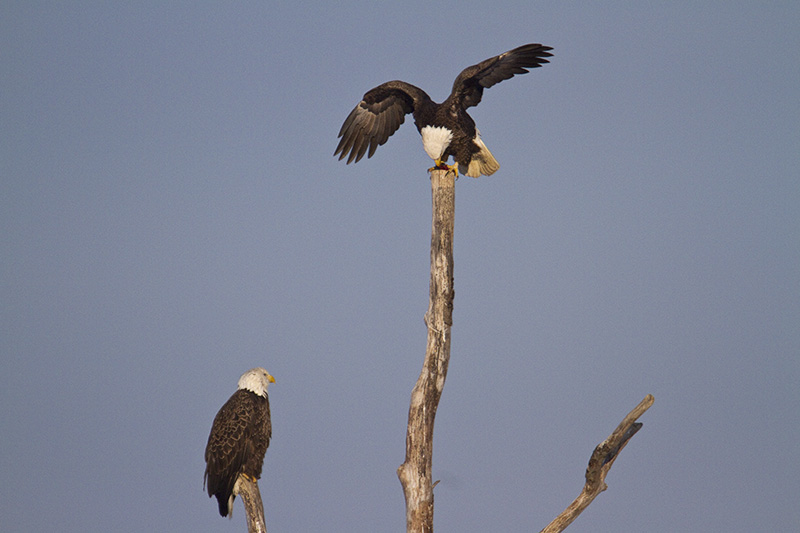


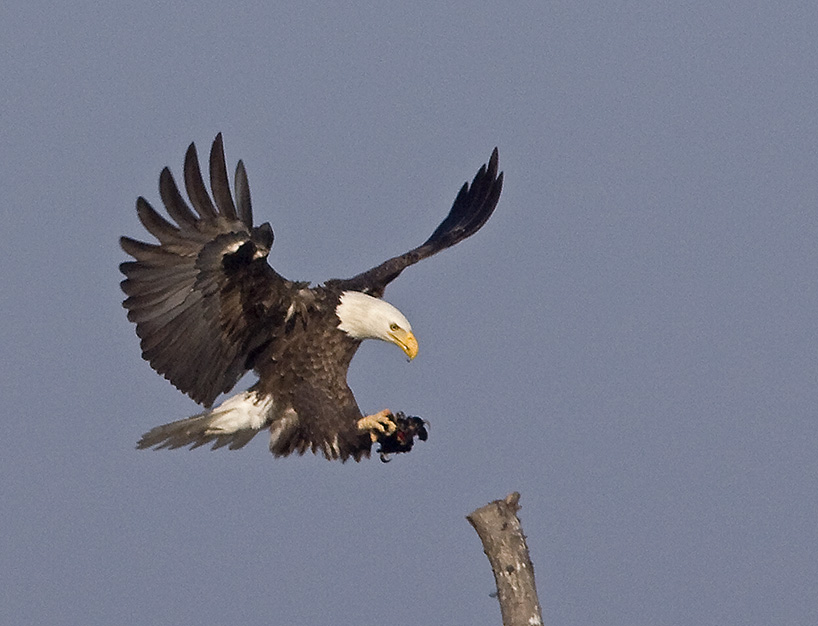
Red-winged blackbirds flying by the snag at sunset.
Red-winged Blackbirds scattering after Eagle swooped in for a meal.
Favorite Bald Eagle Snag at Blackwater NWR
Posted on December 8, 2013

Bald Eagles like their snags to roost on at Blackwater NWR. Over the years you get to know where the popular spots are, and also good opportunities for photography. Not only for them on the snags, but also going to and from these spots for great opportunities for in flight photos of Bald Eagles. This was one of the favorite snags year after year, near the end of the Wildlife Drive. But this year, sadly it is gone. It was often used by multiple eagles at once. Nothing stays the same, so hopefully this will open up new possibilities for even closer spots in the future. Header image Canon EOS 7D, Canon 400mm DO w1.4X teleconverter, 1/1250 sec @ f/8, ISO 400. Being Old School, I usually stop down at least 1 additional stop, over the additional f/stop loss when using a teleconverter. I believe this just adds a little more sharpness.
Eagles on snag. Water was frozen over so this Eagle picked a Red-winged Blackbird for a meal. You can see the feathers falling. Canon EOS1D MkIII, 400mm DO f/4, w/ 2X Teleconverter, 1/1250 sec f/14 , ISO 640, effective focal length 1040mm
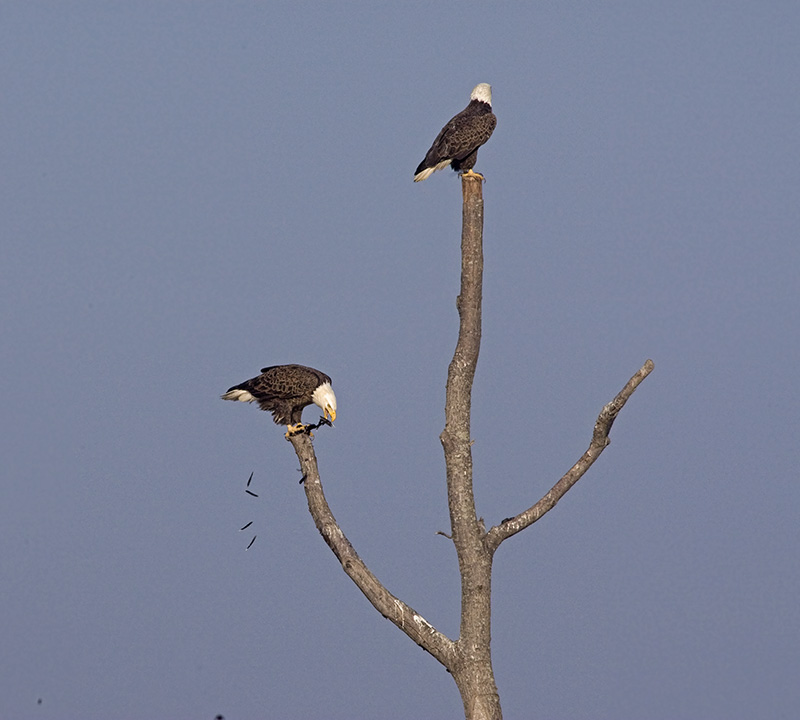
Crop from above series.
A Different View
Posted on November 30, 2013
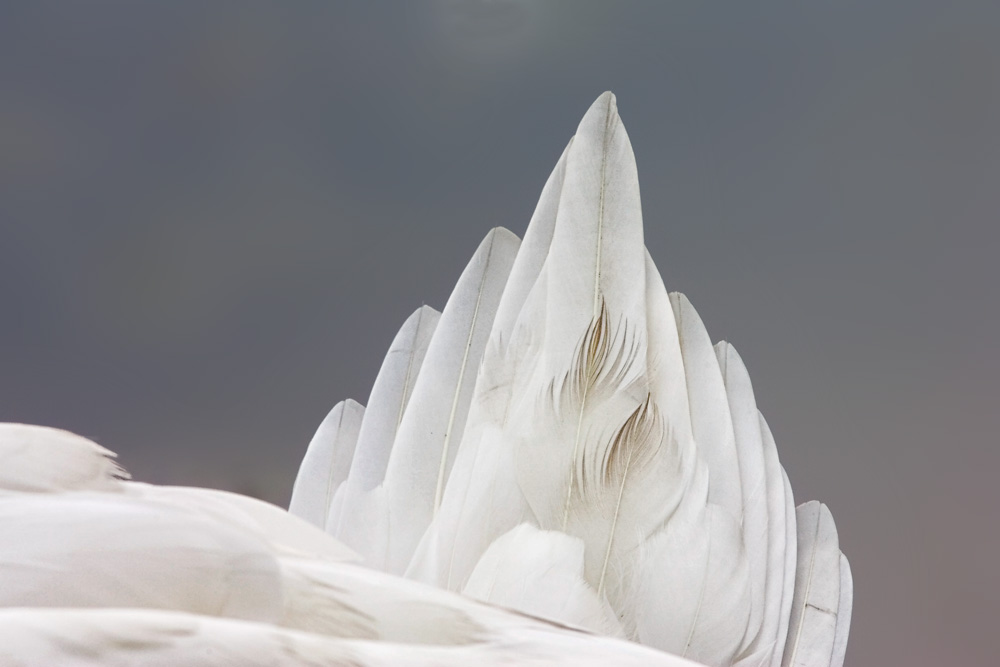
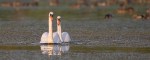
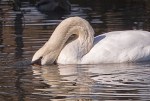
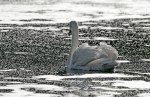
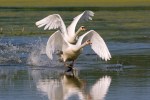
Sometimes when I am out in the field, I try different crops or angles of familiar subjects that I am used to seeing. Here I am using Mute Swans as an example. I like photographing Mute Swans. They are large, so even if they are out in the distance I can get good images of them. They are usually always moving, taking flight quite often also so you have a lot of photo opportunities. The large white bird can be tricky in bright light to get proper exposures, so you have to be careful and check your histograms. But after a while you find your images begin to look the same as the ones you took before. So try different angles, positions and crops. Even try closeup details to add interest for a different look. You can also add them to a series to help show your subject in a different way and show visually a more complete story of your subject.






Eye of the Alligator
Posted on November 27, 2013
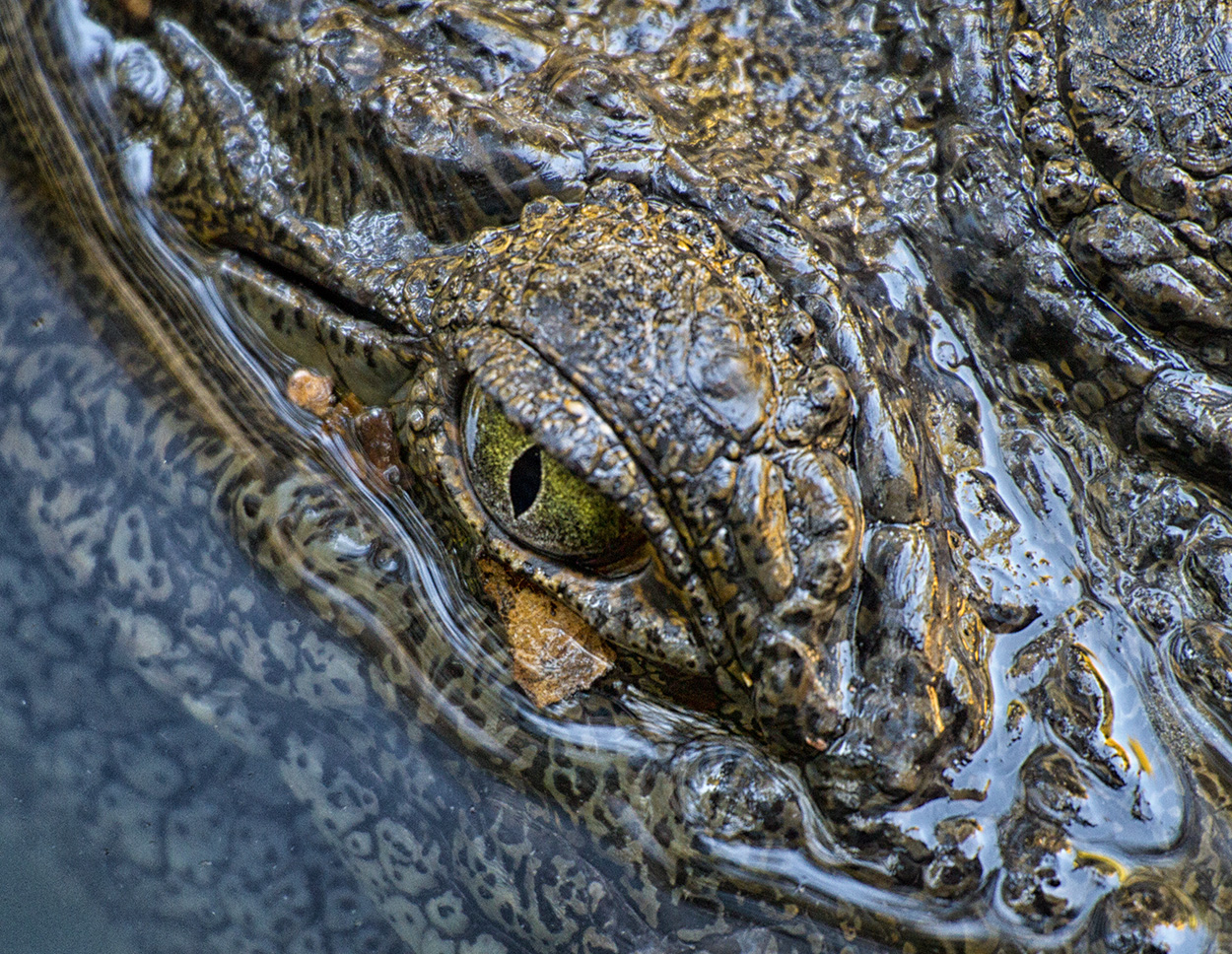
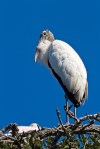
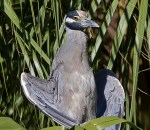
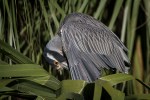
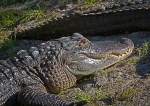
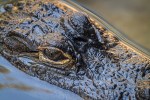
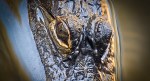
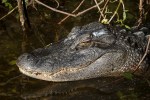
Alligator closeup from the Alligator Farm in St. Augustine, Florida. I photographed this alligator from the boardwalk that goes over the water that is filled with alligators. We were there looking at the birds that roost in the trees around the boardwalk. The number of birds roosting close by was amazing. From what we were told the birds feel safe here from predators because of the alligators below, so they build nests very close to the boardwalks. This provides a lot of close by bird photo subjects.








Red-tailed Hawk Fly By
Posted on November 21, 2013
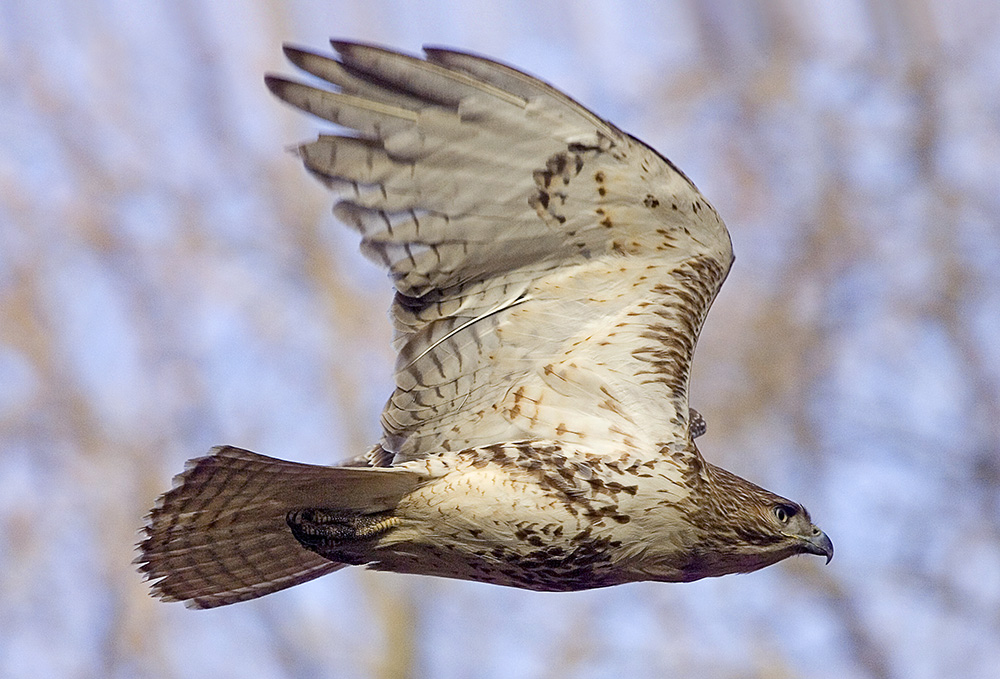
This is a Red-tailed Hawk that was sitting in a tree off in the distance. It took off and flew right by me. I shot a burst of frames as it passed by and I liked this one because of the wing position out of the series. Photographed with a Canon EOS 1D MkII with a 400mm f/4 DO lens. Exposure 1/1250 @ f/6.3, ISO 400.
Swans FlyBy
Posted on November 16, 2013

One from the achieves, a pair of Mute Swans flying together. I used a Fuji S2 with a Nikkor 80-400mm zoom. With the Swans flying across from left to right, I used a little slower shutter speed, but panned along with the moving swans. This gives the background a streaking out of focus look while keeping the swans relatively sharp.It takes some practice, but it is worth the effort and comes in handy to make your images look a little different. I liked how the swans seem to be gliding by. close above the water, casting a shadow below them to add depth to the image.
Last Flight at Blackwater NWR
Posted on November 13, 2013

Going through my older files from Blackwater National Wildlife Refuge, I came across this series that I never worked on. Blackwater has great sunsets because of its proximity to the coast with the moisture in the air. This was shot in December, near the end of daylight. I like the sun’s rays coming down through the clouds, giving streaks of sunlight in the lower clouds. This one lone bird was flying through the sky under the dark higher cloud bank. The photo just made me think “Last Flight of the Day.” Sometimes you can see large flocks of birds going through the evening sky, but late on this day there was just one lonely bird heading home, which I thought gave an interesting look. I usually do not like having the subject in the middle of the frame, but in this instance I chose this one because the bird is so small it was not as powerful off to either side and looked unbalanced. This was shot with a Canon 7D with a Canon 400mm DO f/4 telephoto lens. Exposure 1/1250 @ f/8, ISO 400.
Autumn Mute Swans
Posted on November 10, 2013

2 Mute swans flying into a colorful Autumn background. I liked the formation flying these 2 Mute Swans were keeping as they flew few laps around this small lake. They flew lower for the first go round, then on the second lap they gained a little altitude and flew across the colorful fall background. I thought the pair of white swans contrasted nicely with the reddish leaves and the darker grayish area on the right made it look like a B&W image blending into color as the swans flew into it. This was shot with a Canon EOS 1D MkII with a Canon 100-400mm zoom @ 400mm with a Canon 1.4X teleconverter giving an effective focal length with the 1.3 crop of the camera and 1.4X of the Teleconverter of 728mm @ f/8. I usually stop down a little more when using a teleconverter, but using a lens that was @ f/5.6 and with the Teleconverter making it f/8, I chose an f/stop of f/11 to help sharpen it up a little but still give me a shutter speed fast enough to stop the action of the flying birds.
Roseate Spoonbills at J.N. Ding Darling NWR
Posted on October 24, 2013
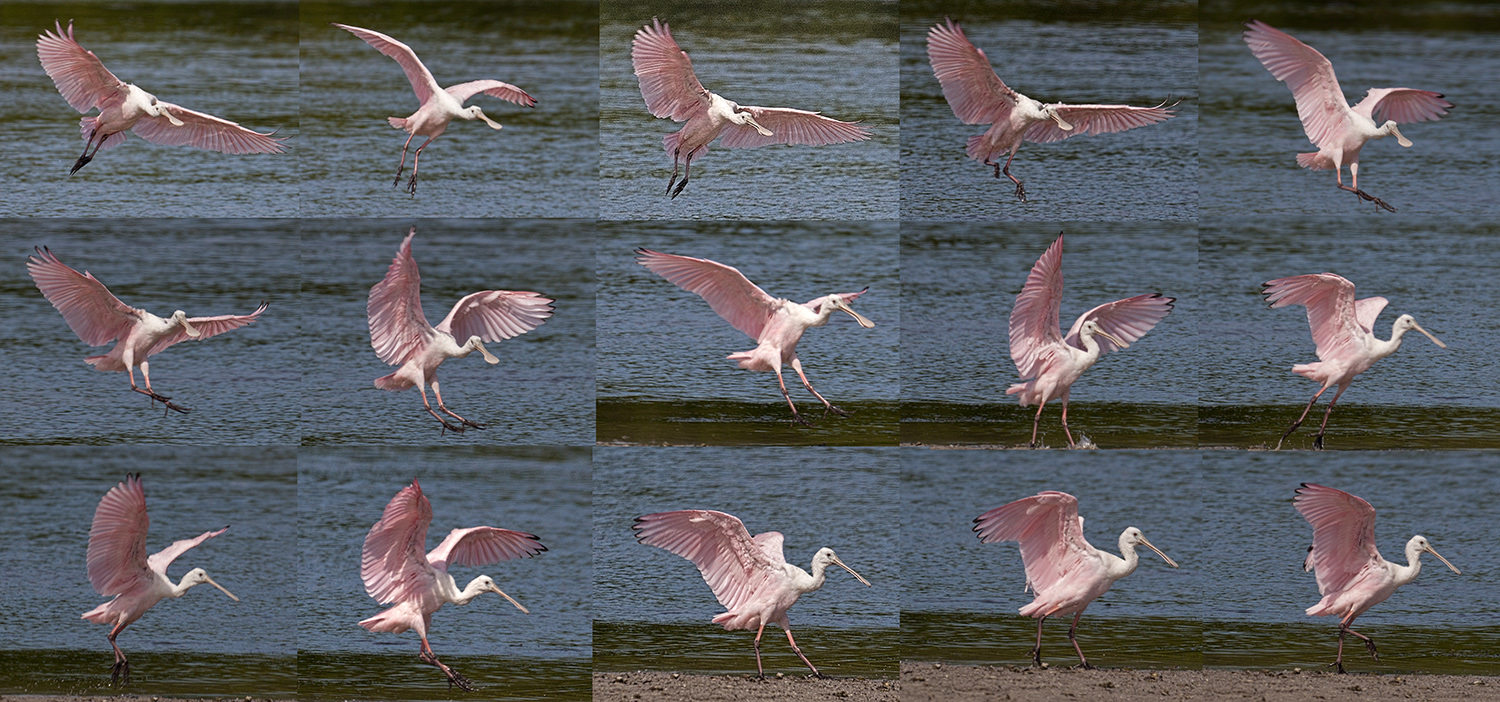
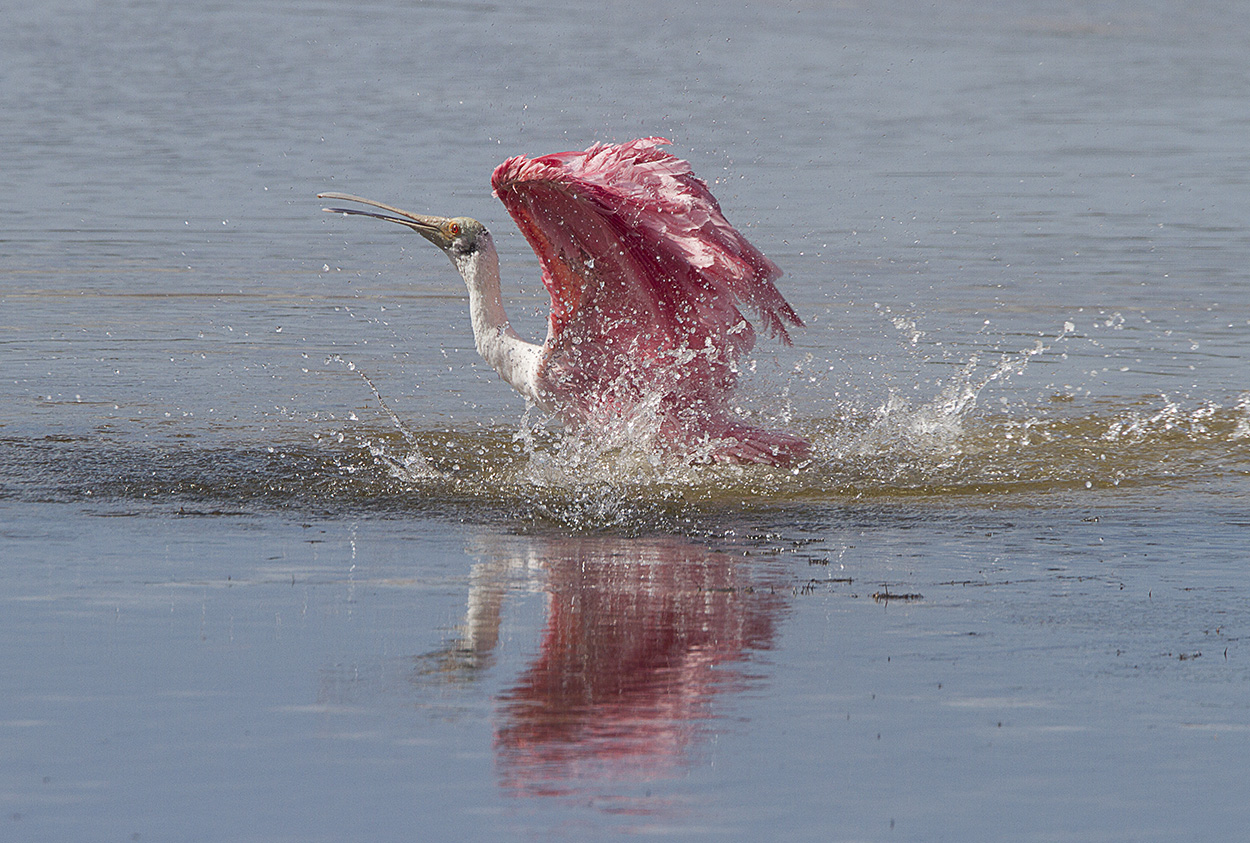
One of my favorite birds to photograph at the J.N. Ding Darling National Wildlife Refuge is the Roseate Spoonbill. They are colorful and quite animated large bird which gives photographers a host of photo opportunities. Also being a large bird helps in photography in the vast areas of Ding Darling. Most of the images here were with the Sigma 300 – 800mm lens at 800mm. The photo at the top of the page shows a Roseate Spoonbill montage in a landing sequence. The others are just random shots around the refuge. If you are ever in Sanibel look for them. They are entertaining and fun to watch.
Spreading its wings, Canon 1D MkIV @800mm, effective 1040mm

Napping Canon 1D MkIV @ 800mm, effective 1040mm
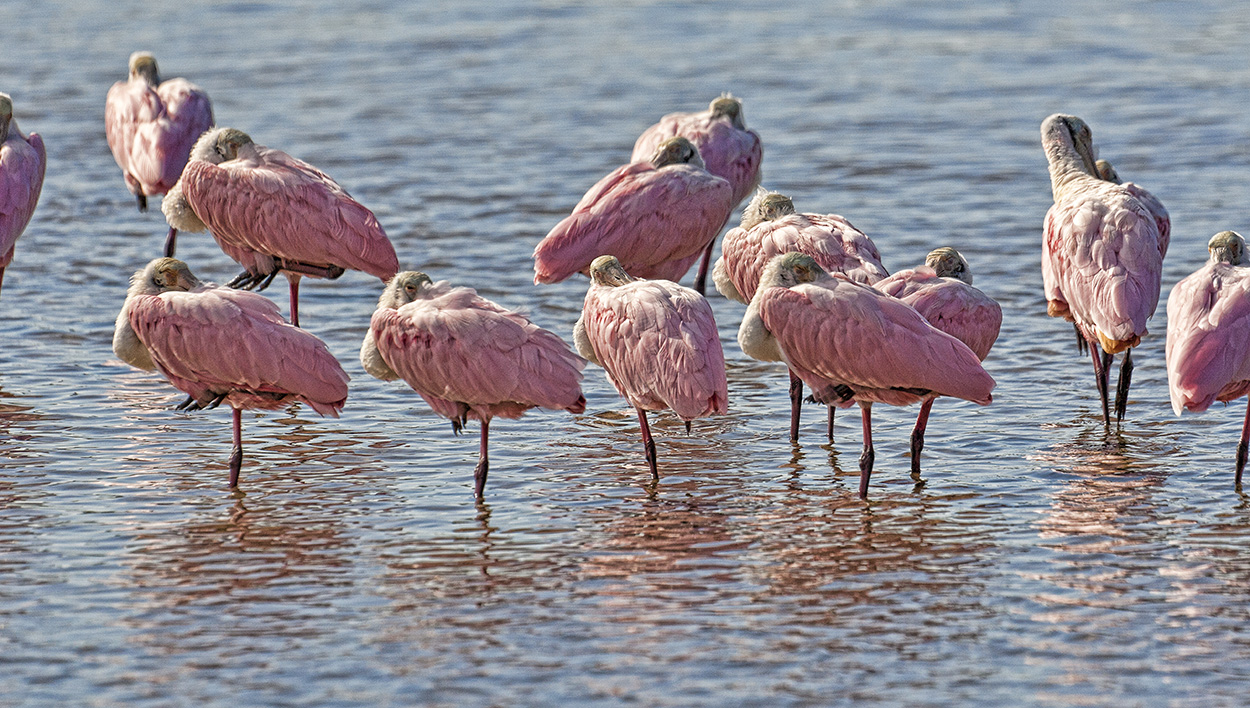
Flyby, Canon 1D MkIV @ 400mm w/ 1.4X Teleconverter, effective 728mm
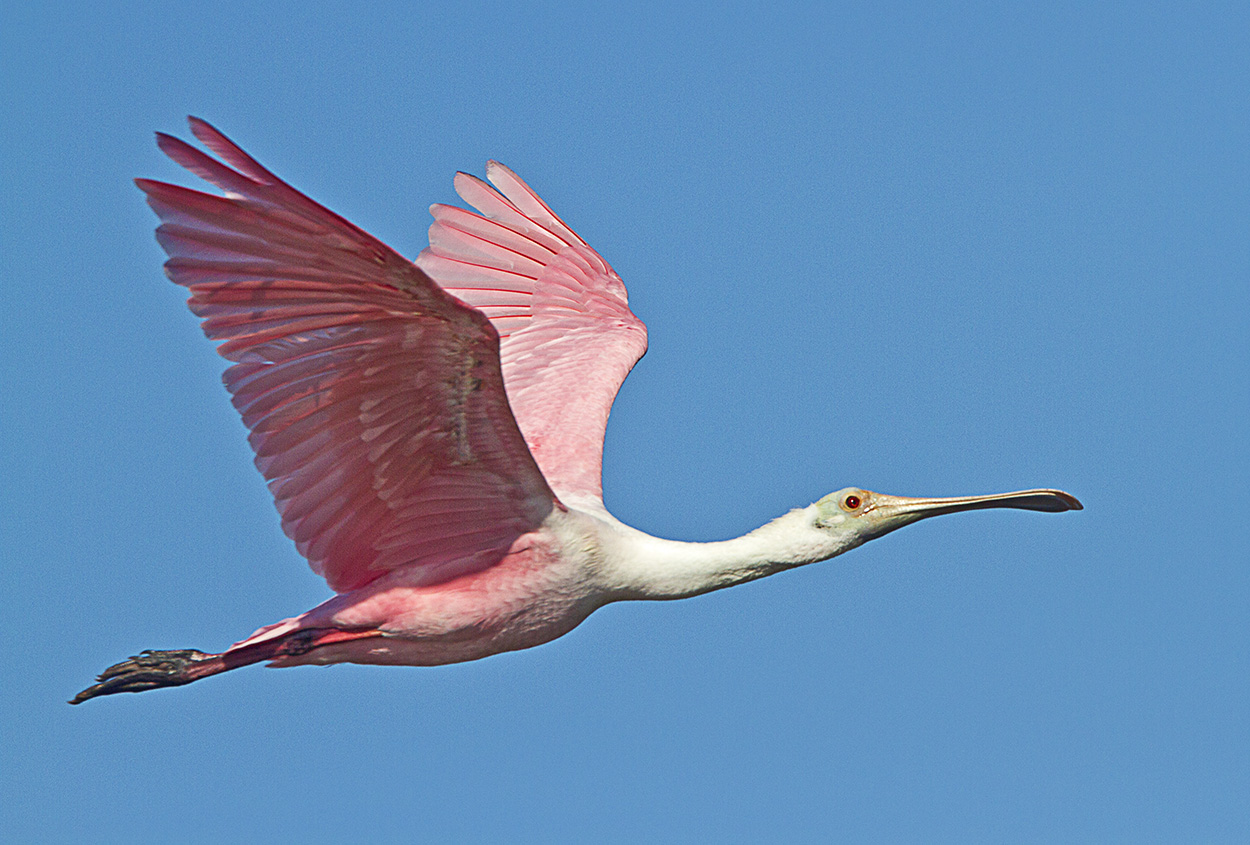
Coming In, Canon 1D MkIV @ 400mm w/ 1.4X Teleconverter, effective 728mm

Splashing, Canon 1D MkIV @ 400mm w/ 1.4X Teleconverter, effective 728mm
Sandhill Cranes at Lake Woodruff, National Wildlife Refuge
Posted on October 23, 2013
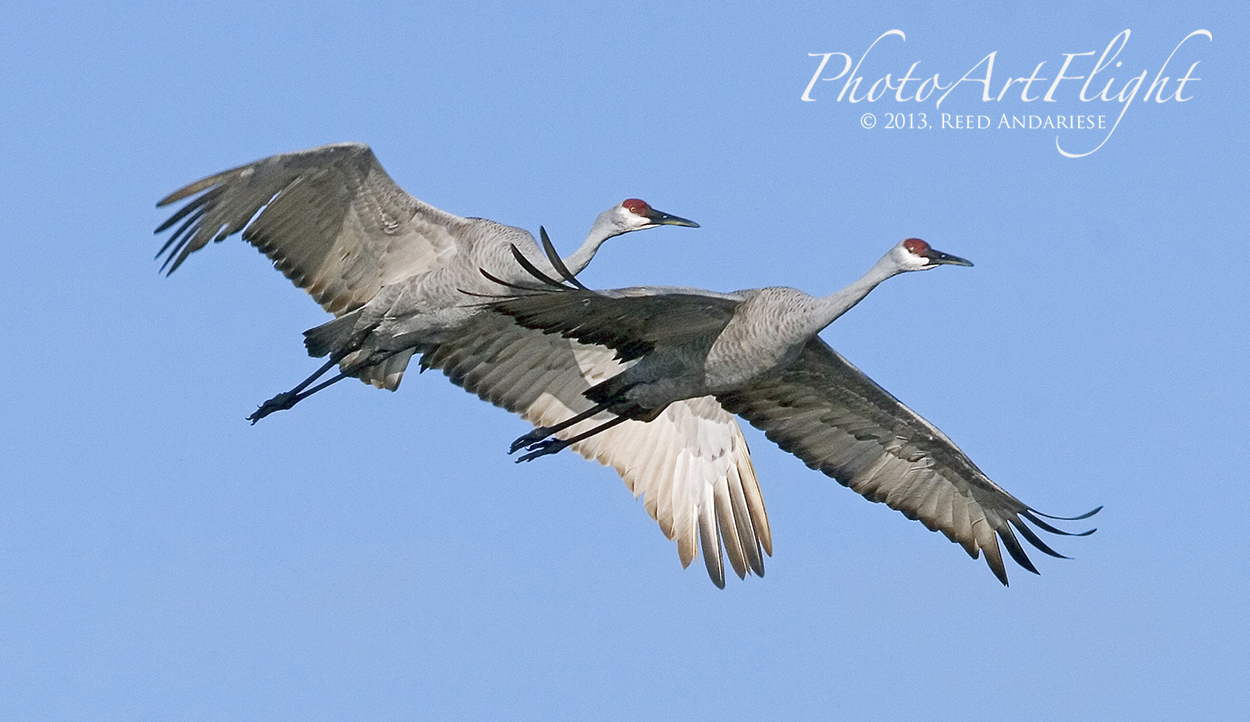
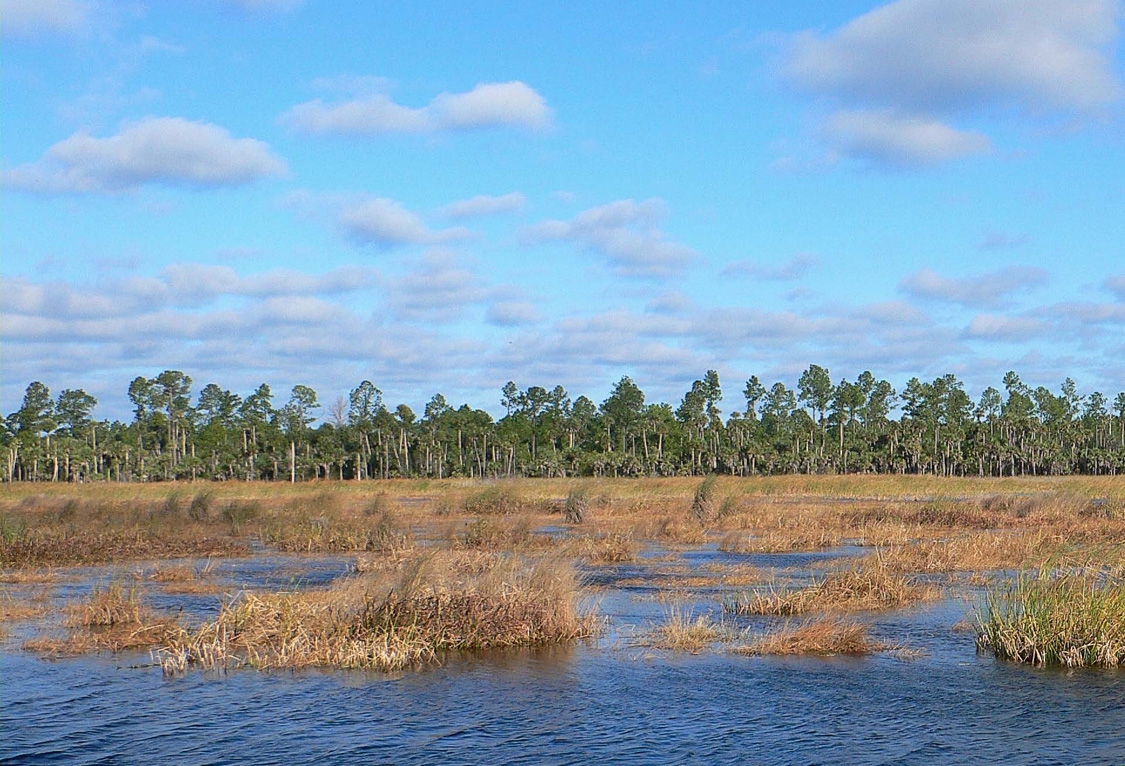
I was going over old files from the archives and found this image of 2 Sandhill Cranes from a visit to The Lake Woodruff National Wildlife Refuge in DeLeon Springs, Florida. The refuge is over 21,000 acres and consists of 11,100 acres of freshwater marsh, 7,200 acres of hardwood swamps and over 1,000 acres of lakes streams and canals. We like going to National Wildlife Refuges because it is like going on a treasure hunt. You never know what you will find to photograph. From River Otters to Bald Eagles and Alligators, there is a huge variety of birds, mammals & reptiles. There are also photo opportunities from macro to landscapes – sunrises to sunsets, so you have a full day for photography. Walk through and see what you can find. Watch for Ospreys, Kites and a large variety of birds. Keep and eye open for Bitterns , Soras and other birds along the shore in the grasses. A great place to explore. Be aware of the closing time listed at the visitor center though, because they want to lock the gate after closing time.



 photoartflight