 photoartflight
Bald Eagle Images From Blackwater NWR
Posted on April 23, 2022

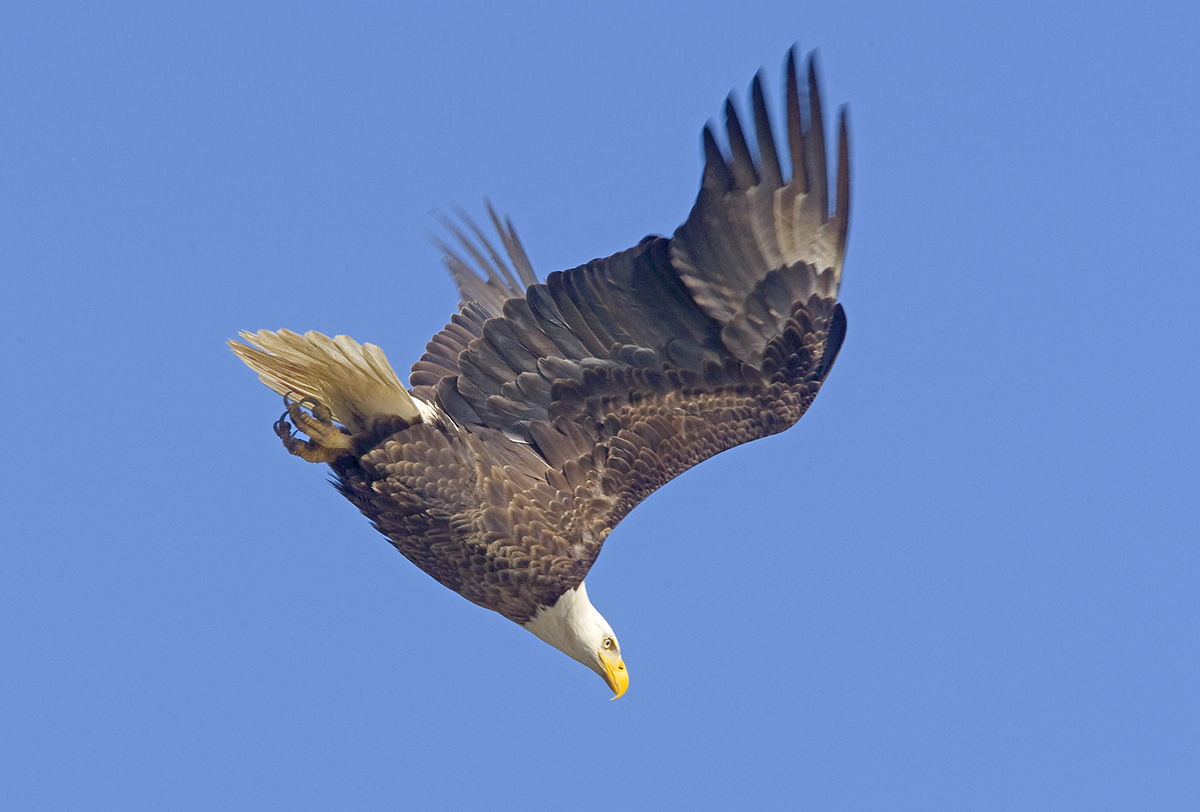
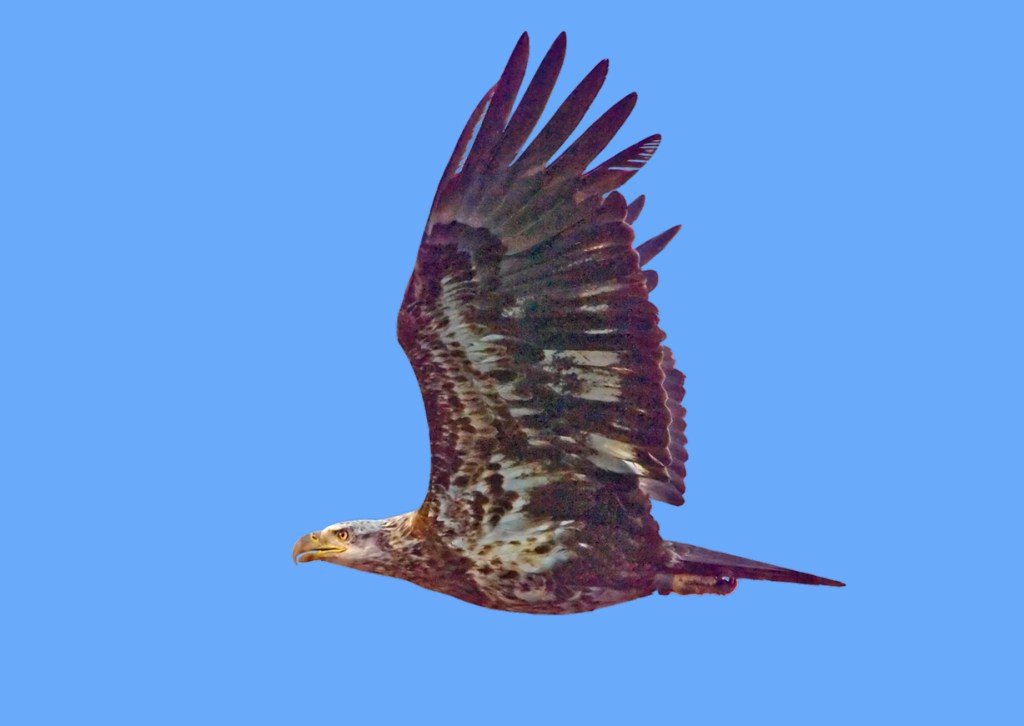
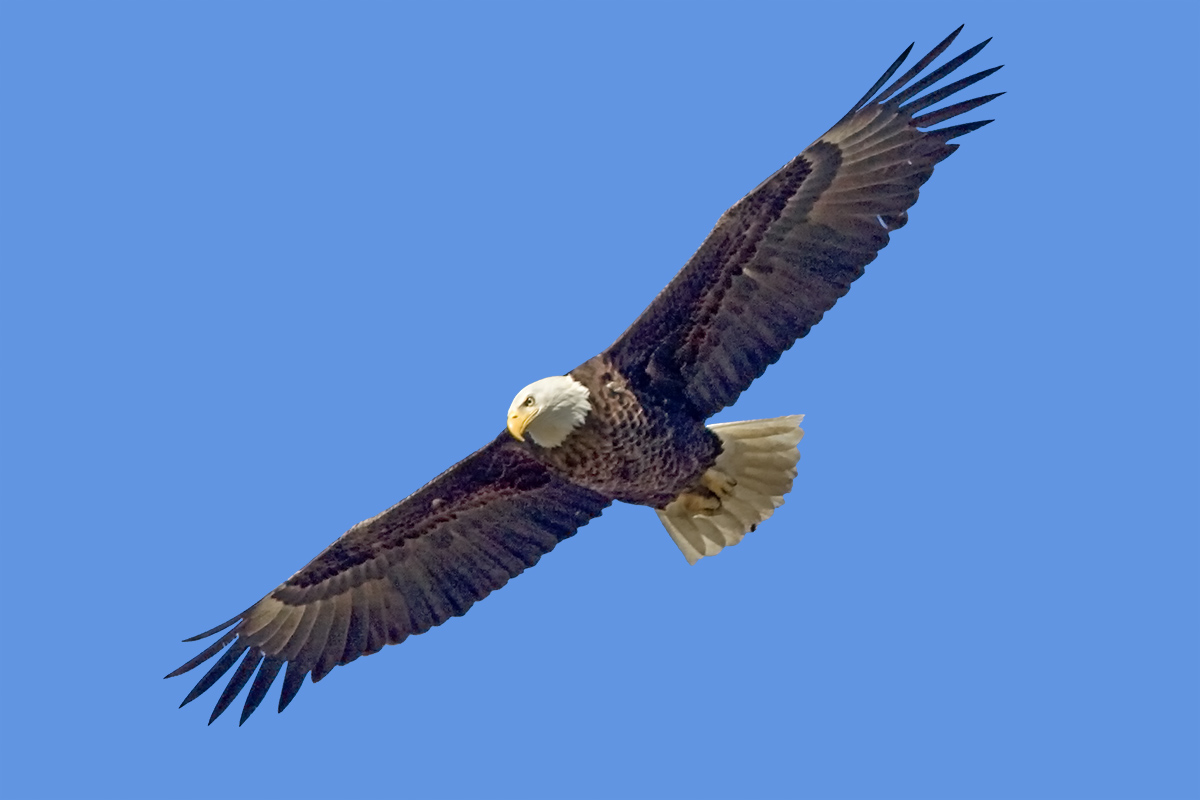
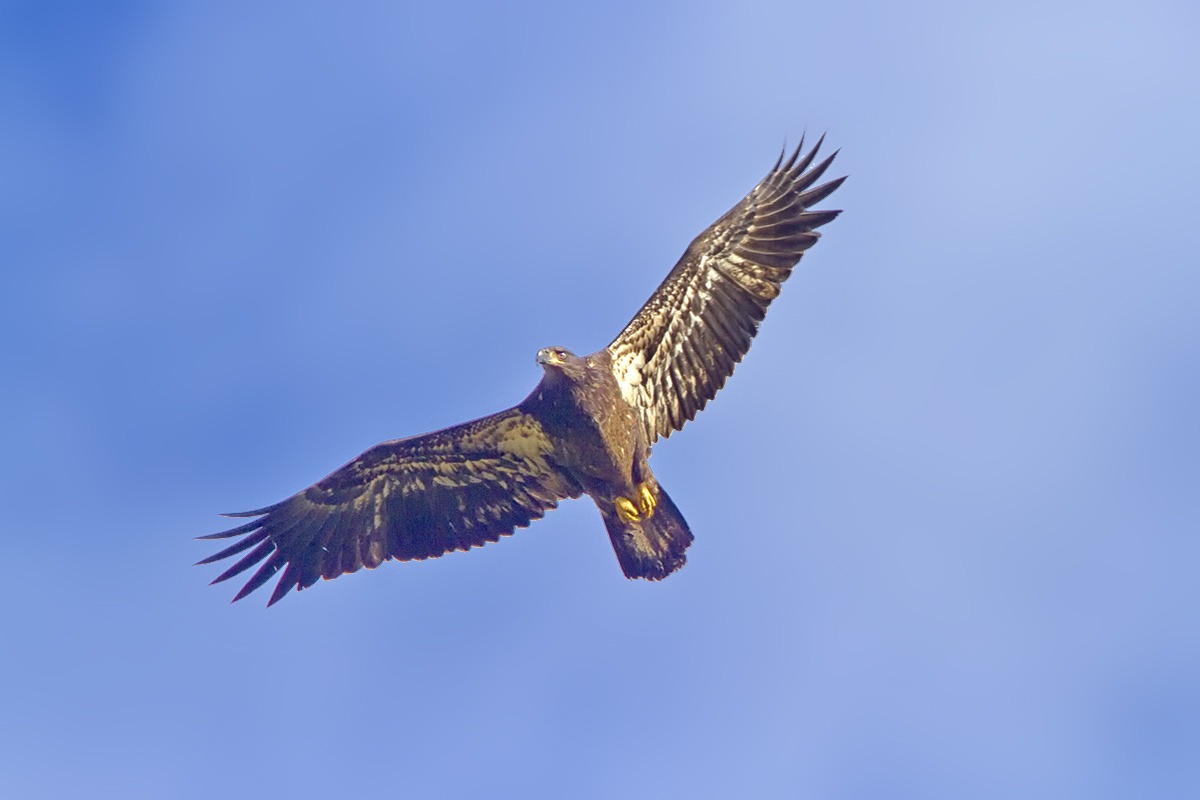
One of my Favorite NWRs to photograph in is the Blackwater National Wildlife Refuge in Maryland. Great variety of subjects from the Wildlife and Great Sunrises & Sunsets. You never know what you will see to photograph. Blackwater National Wildlife Refuge hosts the largest concentration of breeding Bald Eagles on the East Coast, north of Florida. Bald Eagles in the wild can live up to 30 years, but usually average 15 years. Following are a series of Bald Eagle images from various trips to photograph there.




Winter Sunrises & Sunsets At Blackwater NWR
Posted on April 14, 2022

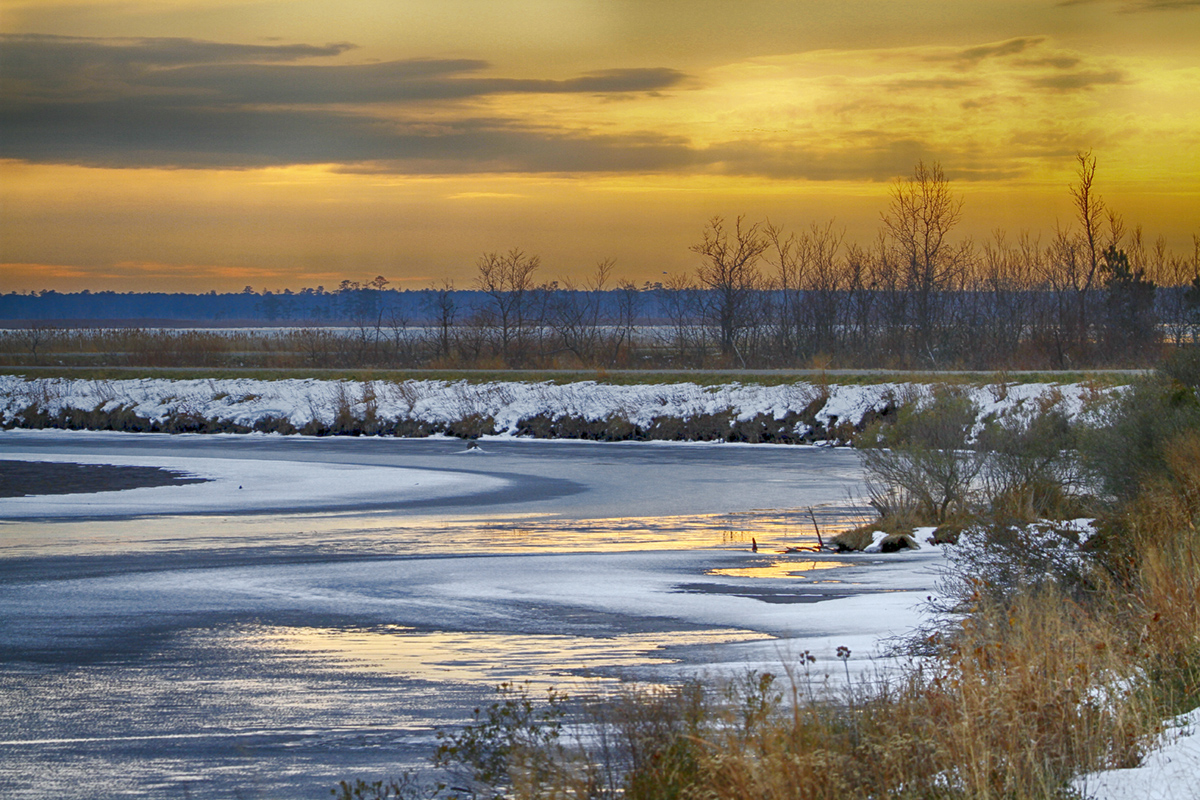
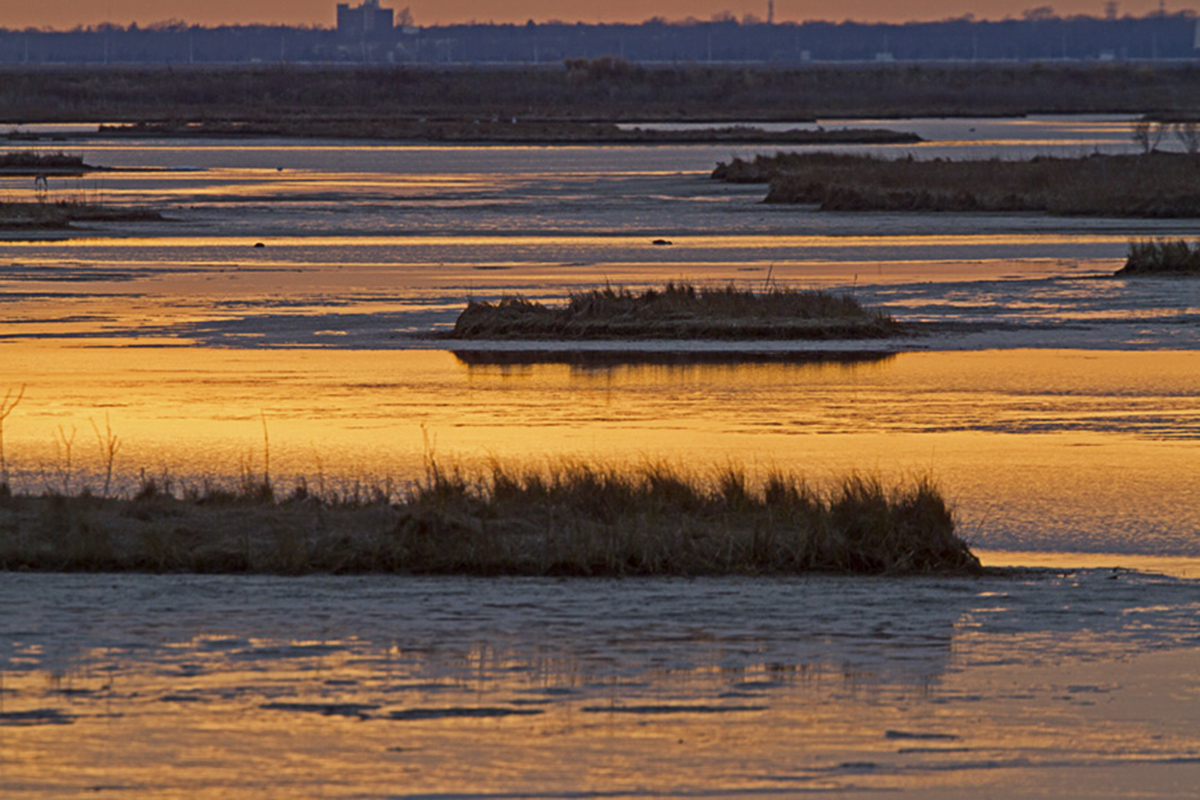
The images here are from Winter visits to the Blackwater National Wildlife Refuge over a few years. The Featured colorful ice image was taken at sunrise with a Sigma 300-800mm lens @ 300mm on a Canon 20D .

Bald Eagle Flying Away at Sunrise
Posted on April 2, 2022

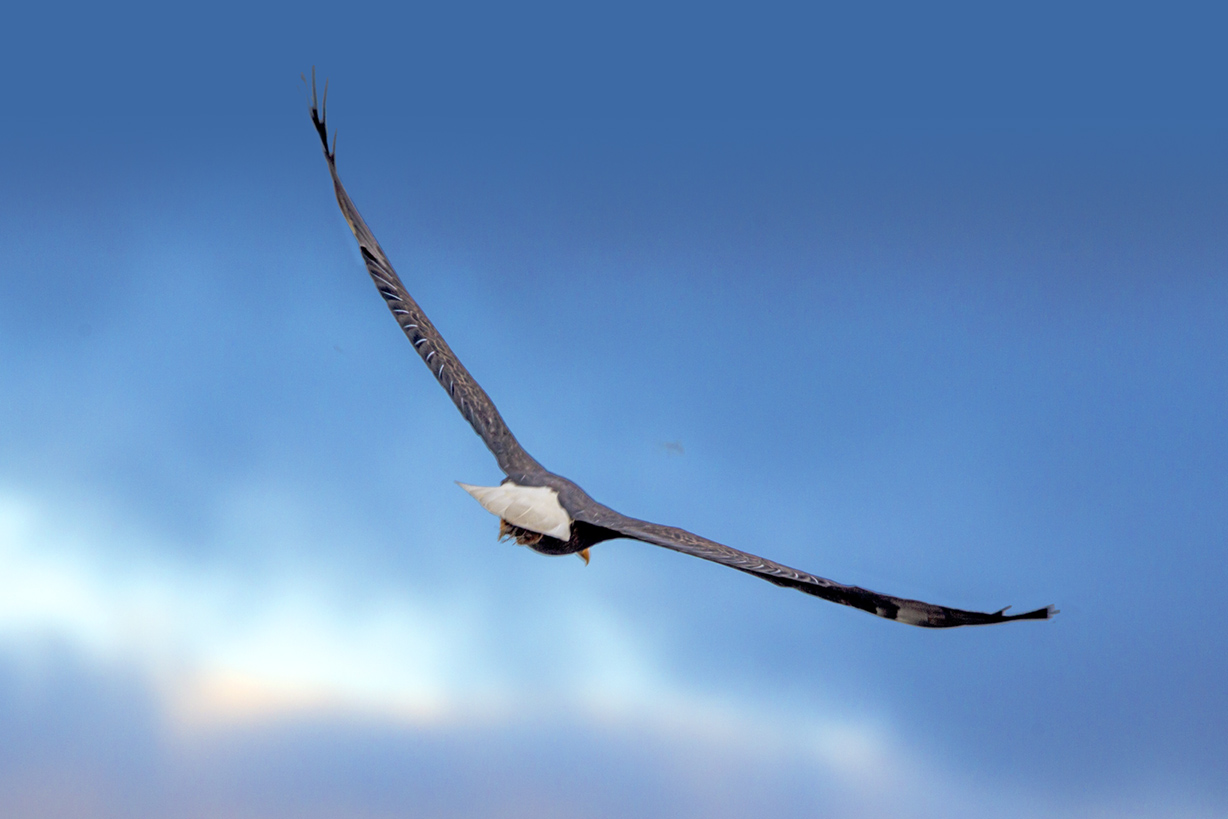
A series of images of a Bald Eagle flying away from me early in the morning after sunrise at the Blackwater National Wildlife Refuge. All images were taken with a Canon 400mm DO lens with a 1.4X Teleconverter with a Canon 1D mkIV Camera.
Bald Eagle Fly-By @ Blackwater NWR
Posted on March 13, 2022

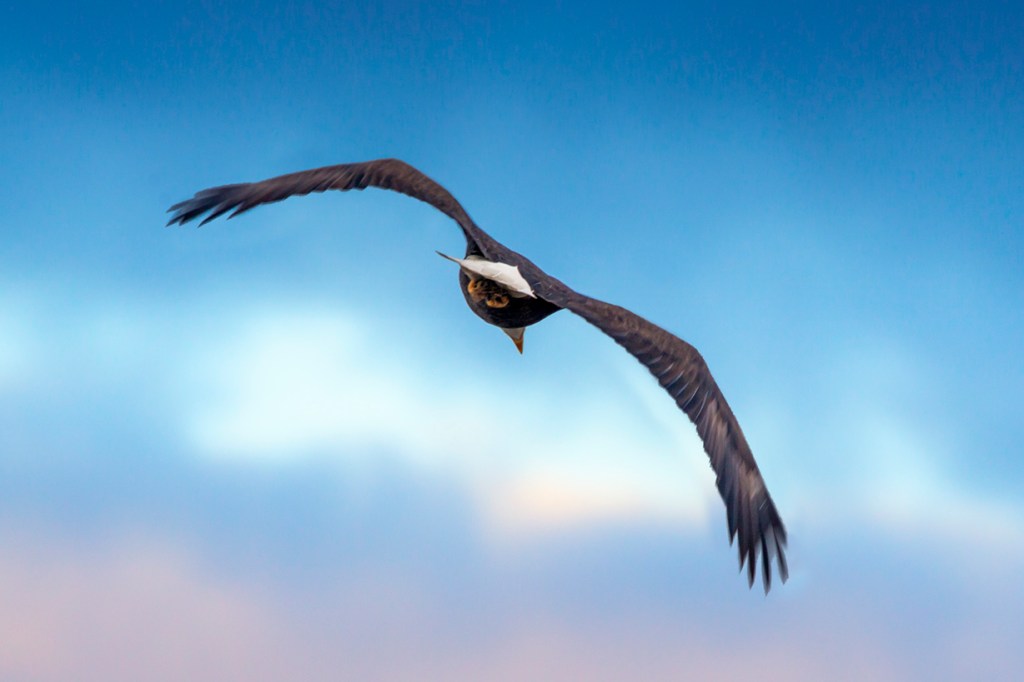
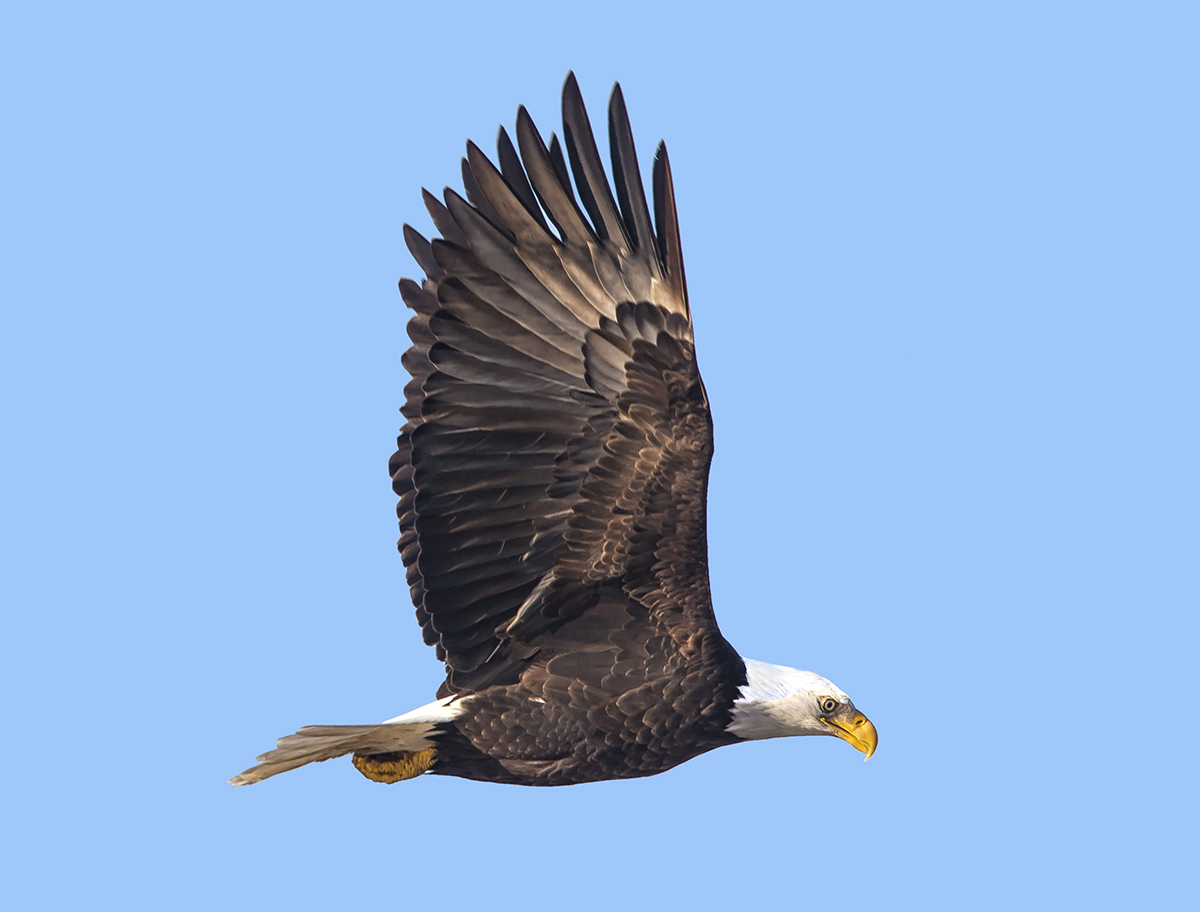
A series of 3 images of a close Bald Eagle Fly-By taken at the Blackwater NWR in Maryland. I was using a Canon 400mm DO lens with a 1.4x teleconverter on a Canon 1D mkIV. I shot a series of images as it flew by me but I only used a few images here with the wings up. I seem to see more Bald Eagles at the Blackwater National Wildlife Refuge near Cambridge Maryland than any of the other National Wildlife Refuges near me. I also read somewhere that it has the largest population of Bald Eagles in the Northeast.

Blackwater NWR Wildlife Drive Exit At Sunset
Posted on January 6, 2022

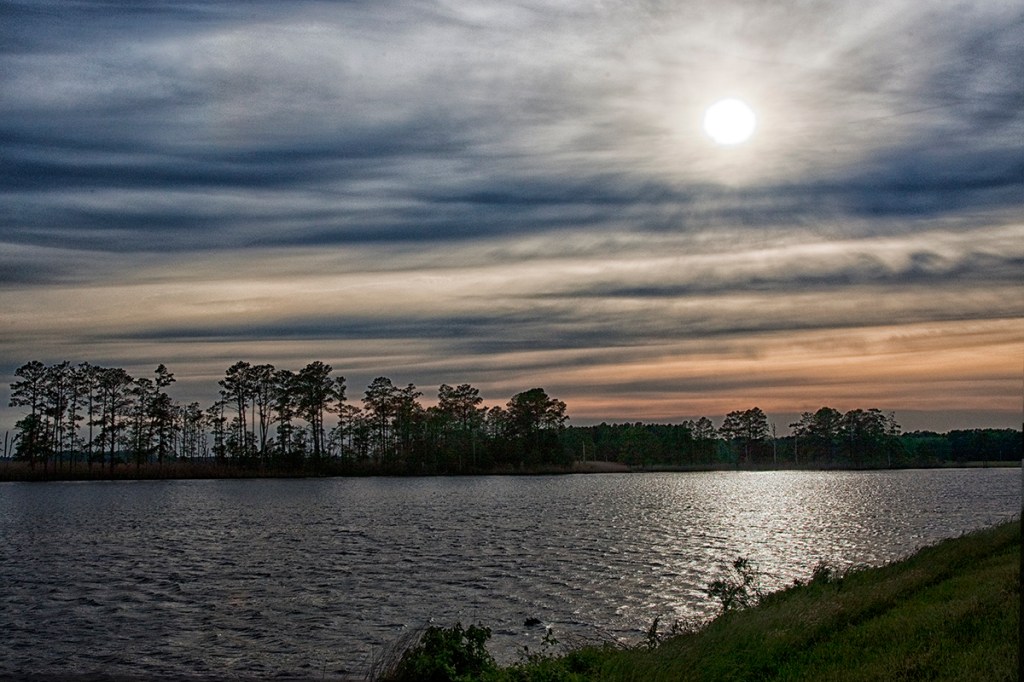
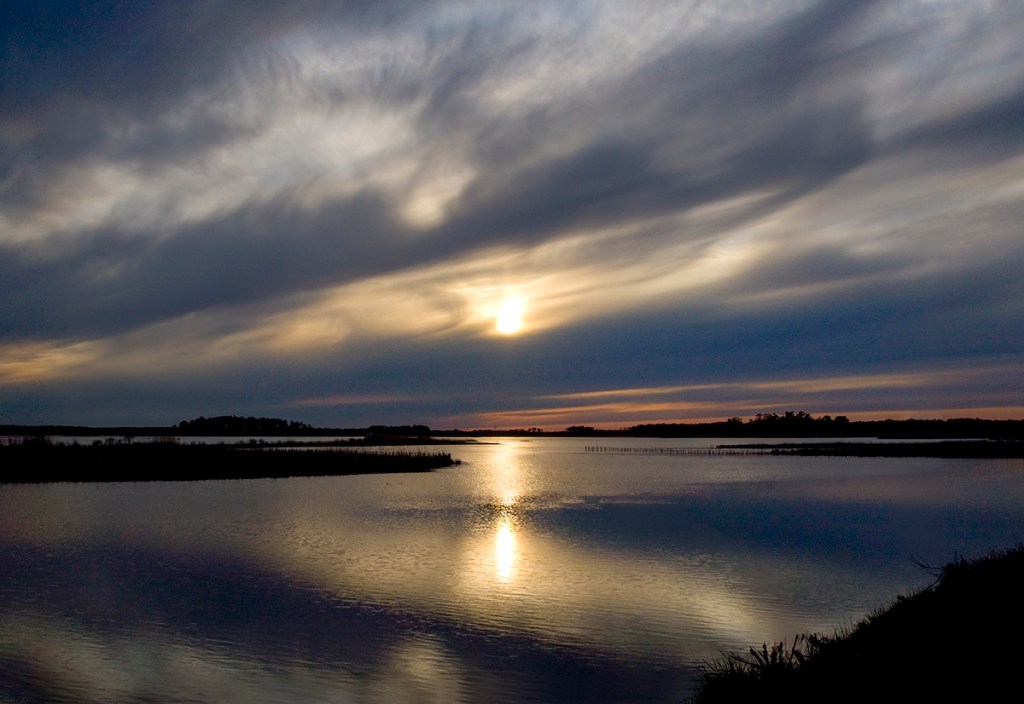
I was going through Backup Drives to cleanup duplicate files & unneeded images and I found a folder with sunset images from Blackwater NWR. The sunsets at Blackwater NWR can be very colorful and dramatic. The Featured Image was taken with a Canon 15mm Fisheye lens on a Canon 1DmkIII and was taken a little closer to the exit than the image below. The images taken with the 15mm Fisheye were adjusted in Photoshop to remove the “Fisheye” Look & Effect but maintain the wide view.


Sunrise & Sunset At Blackwater NWR
Posted on November 23, 2021
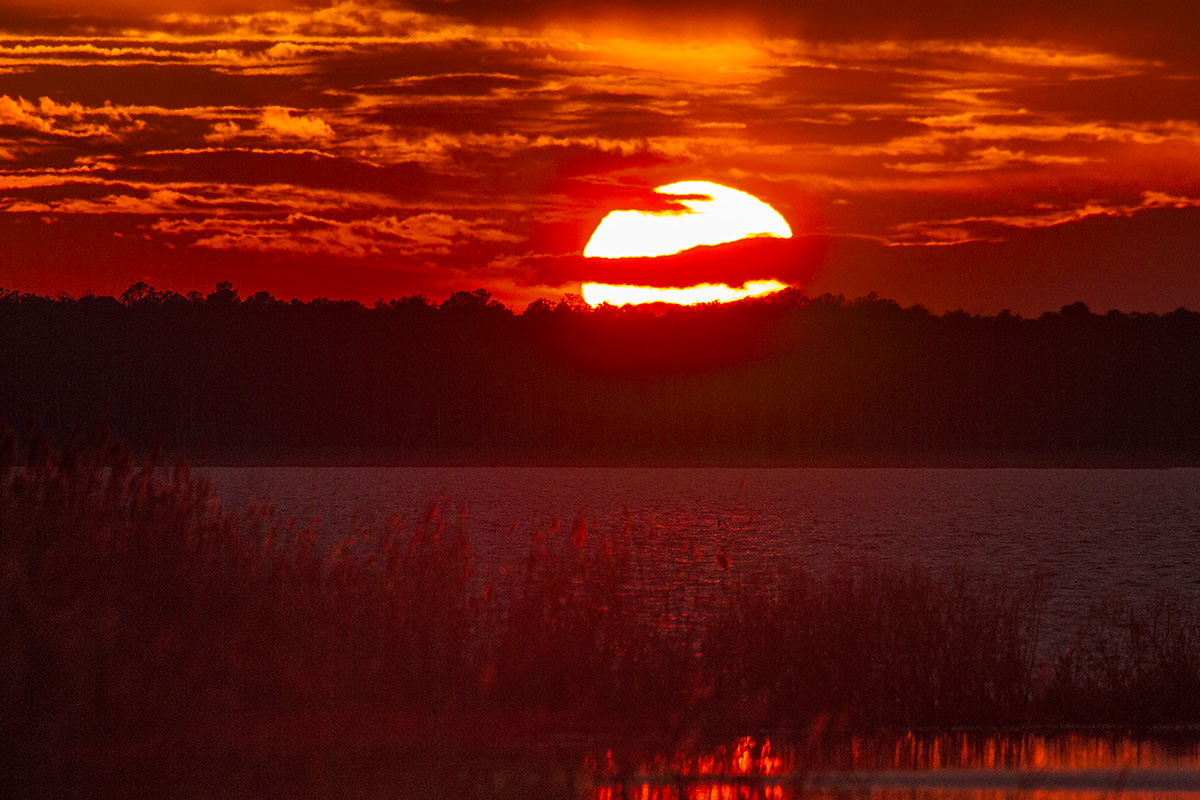
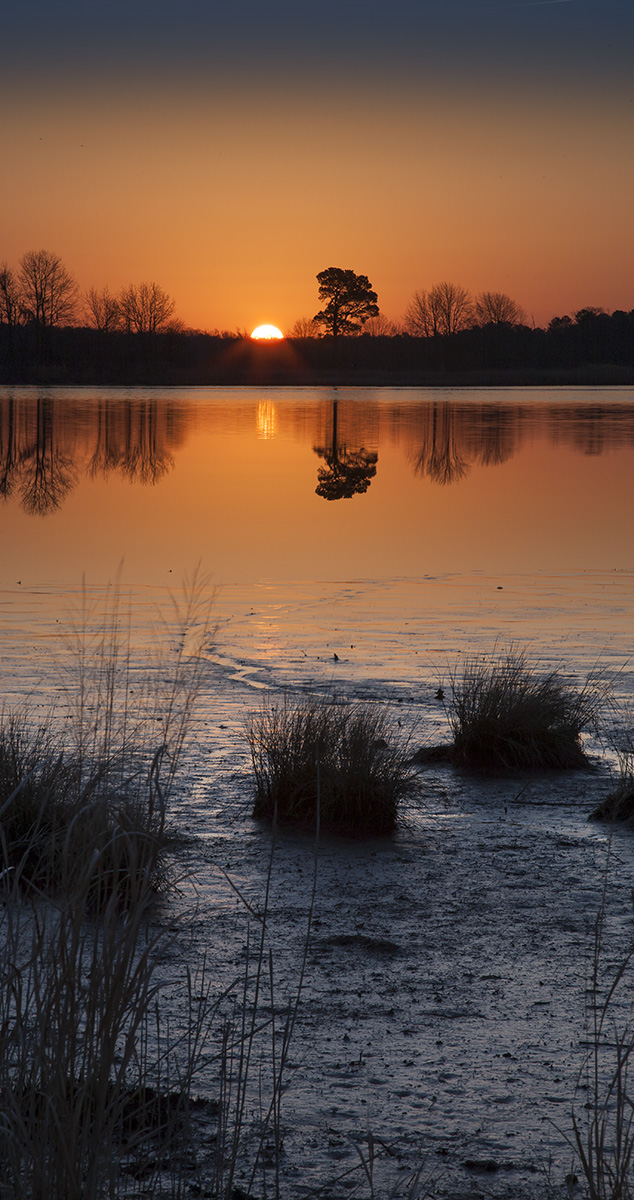
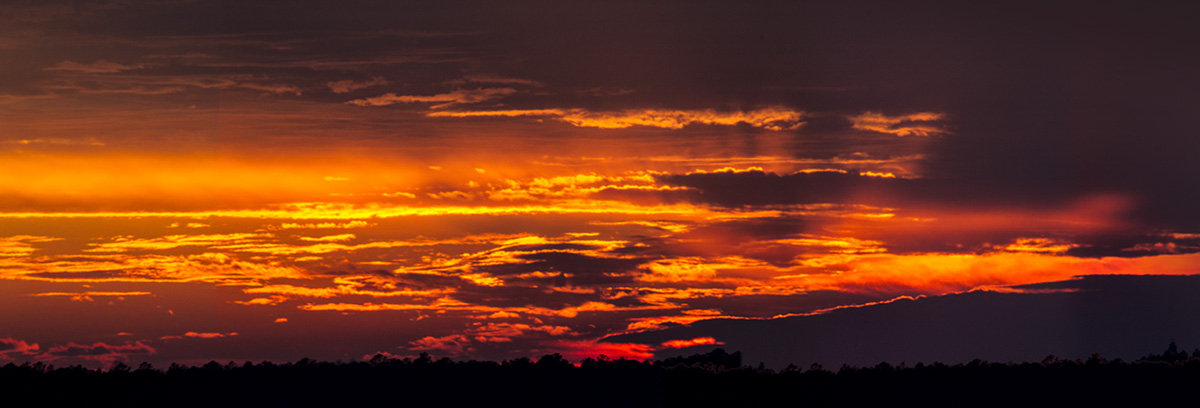
A series of sunrise and sunset images from a previous trip to Blackwater NWR near Cambridge, Maryland. The Featured Image was taken with a Canon 400mm DO lens with a 1.4X Teleconverter.
Blackwater NWR Clouds At Sunset
Posted on September 23, 2021

I was working on files from previous photo trips. Now that I am retired I can go through my backup drives to post images that I did not have time to post before. This is a Sunset taken at the Blackwater National Wildlife Refuge in Maryland a few years ago. Dramatic or interesting sunsets are quite often seen at Blackwater NWR. Some have told me that dramatic sunsets at Blackwater are because it is somewhat close to the coast. I am not sure on that, but Blackwater NWR does deliver on interesting sunrises & sunsets! Image taken with a 14-140mm lens @ 48mm on an Olympus body. I was going retouch out the aircraft contrails, but decided to leave them in.
Eastern Pondhawks At Blackwater National Wildlife Refuge
Posted on July 6, 2021

We usually like going to Blackwater National Wildlife Refuge outside of Cambridge Maryland for photographing Bald Eagles. It usually has one of the largest amounts of Bald Eagles in the Northeast. But in the Summer I also like it for the large amounts & different types of Dragonflies you can find. Here I am posting some images of Eastern Pondhawk Dragonflies. Blackwater has a long Wildlife Drive so you can find a large variety of Dragonflies because of the different varieties of habitats along the Drive. Some of the best areas are by the Observation Platform that goes out above the grasses over the water & along the Wildlife Drive where there is standing water on both sides of the Drive.


Monarch Butterfly On Buttonbush
Posted on July 6, 2021

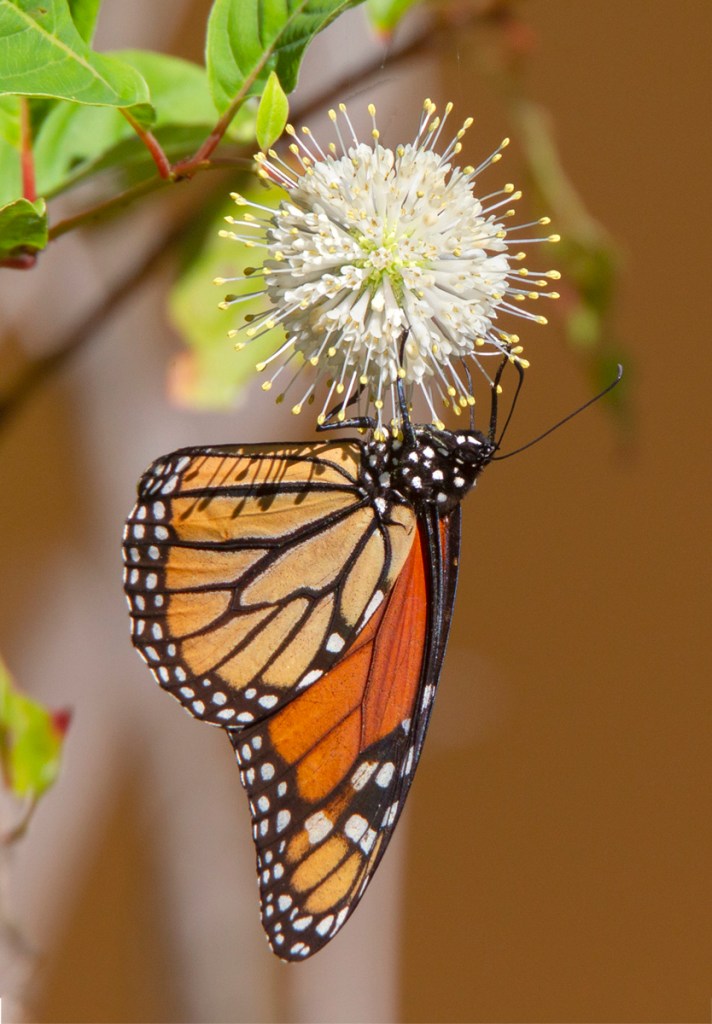
I was looking for Dragonflies to photograph at the Blackwater National Wildlife Refuge near Cambridge Maryland, but came across this Monarch Butterfly on this Buttonbush plant. I was using a 400mm DO lens with a 1.4x Teleconverter on a Canon 1DmkIV. I thought it looked interesting hanging upside down on the spherical pincushion blossoms. They are composed of dense clusters of tiny white tubular flowers. Buttonbush (Cephalanthus occidentalis) is often lauded for its utility rather than its beauty. Its commercial introduction in 1735 was primarily for beekeepers (hence, its other common name of honey-bells), who cultivated this deciduous shrub as a pollen and nectar resource for honeybees. This wetland shrub can be found in low-lying areas, swamps, marshes, bogs, and wetlands, and along the edges of ponds, streams, and rivers. It is often used to develop and restore wetlands, control erosion in riparian areas, and create wildlife habitats.
American White Pelican Flying In At Blackwater NWR
Posted on March 8, 2021
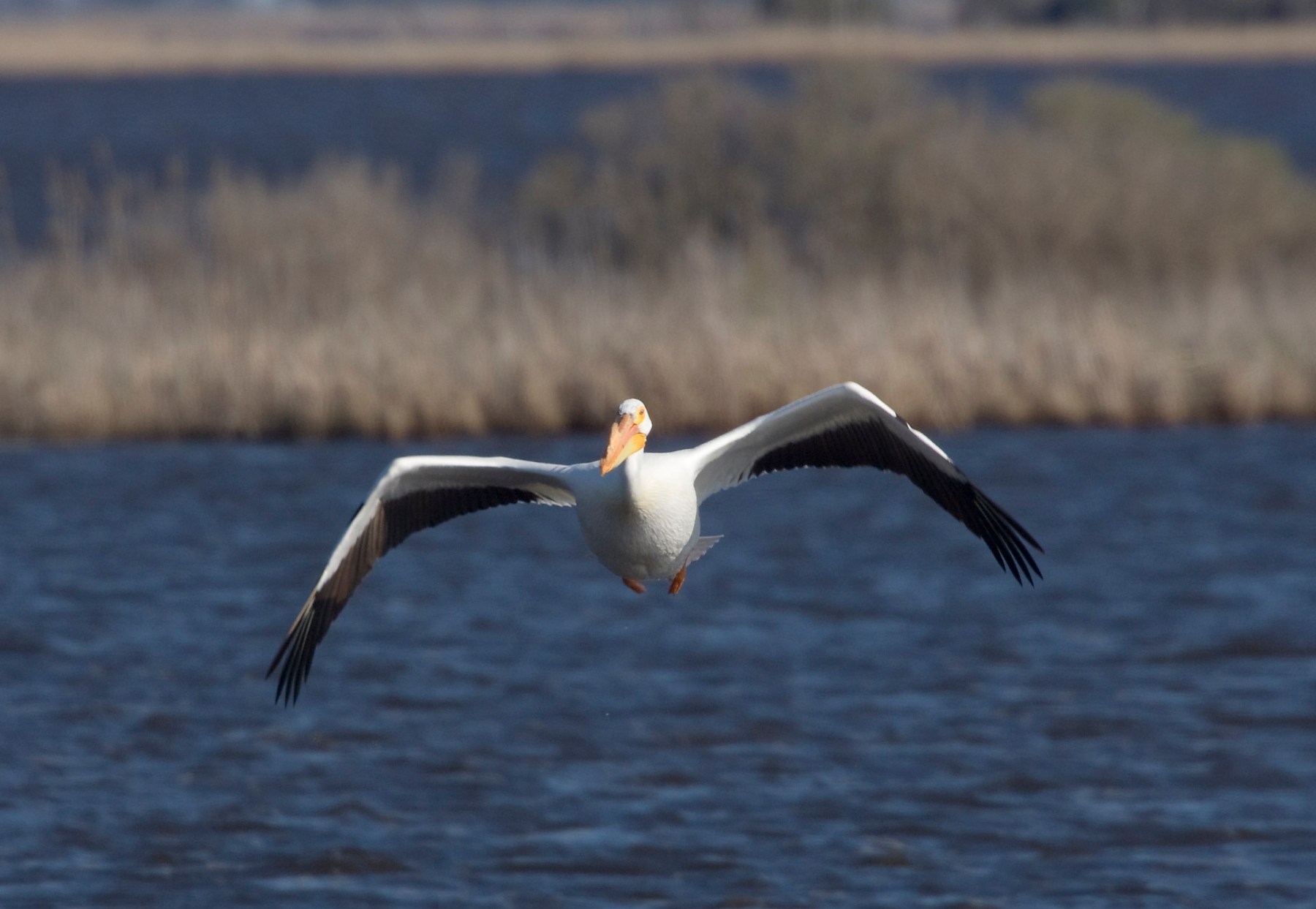
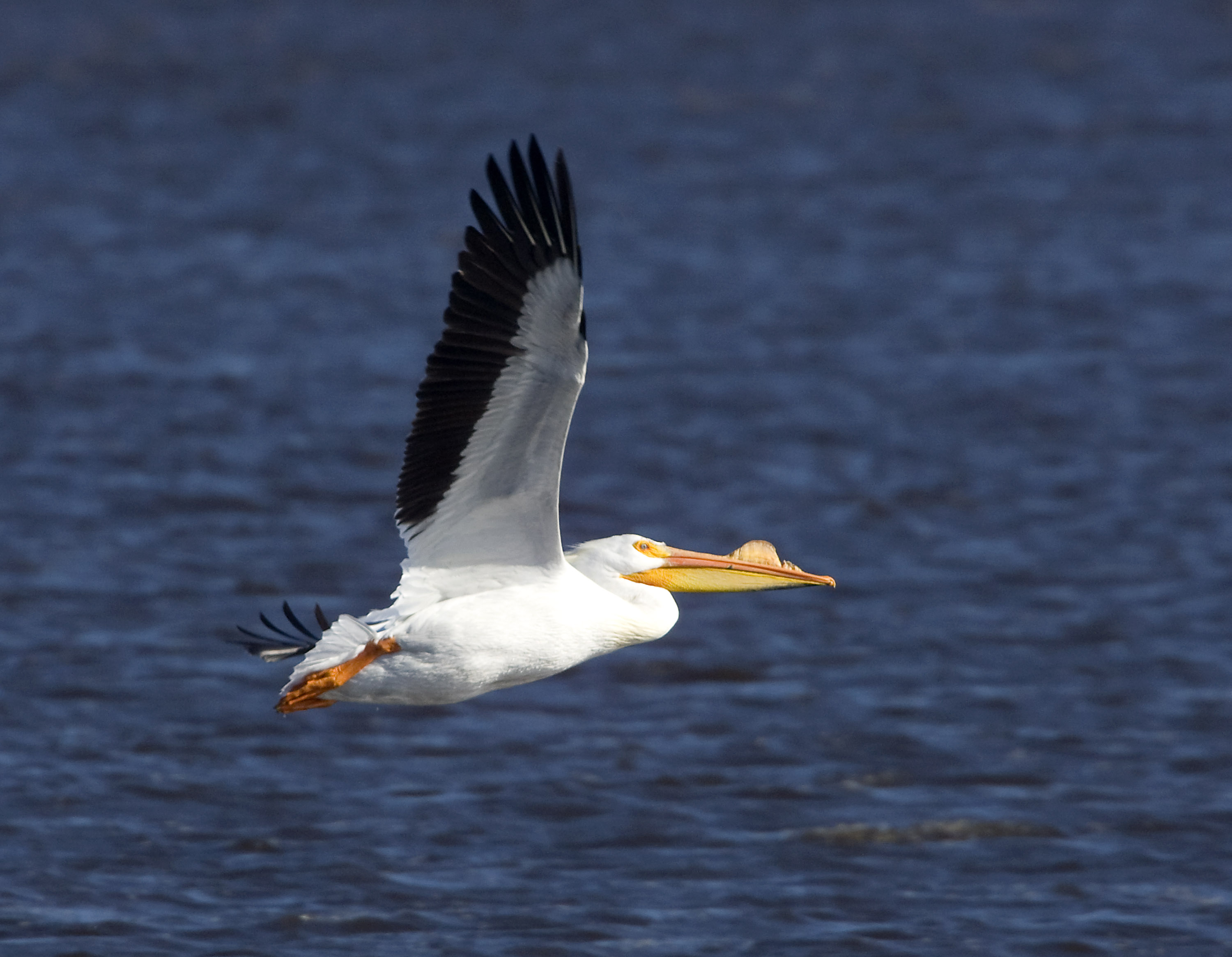
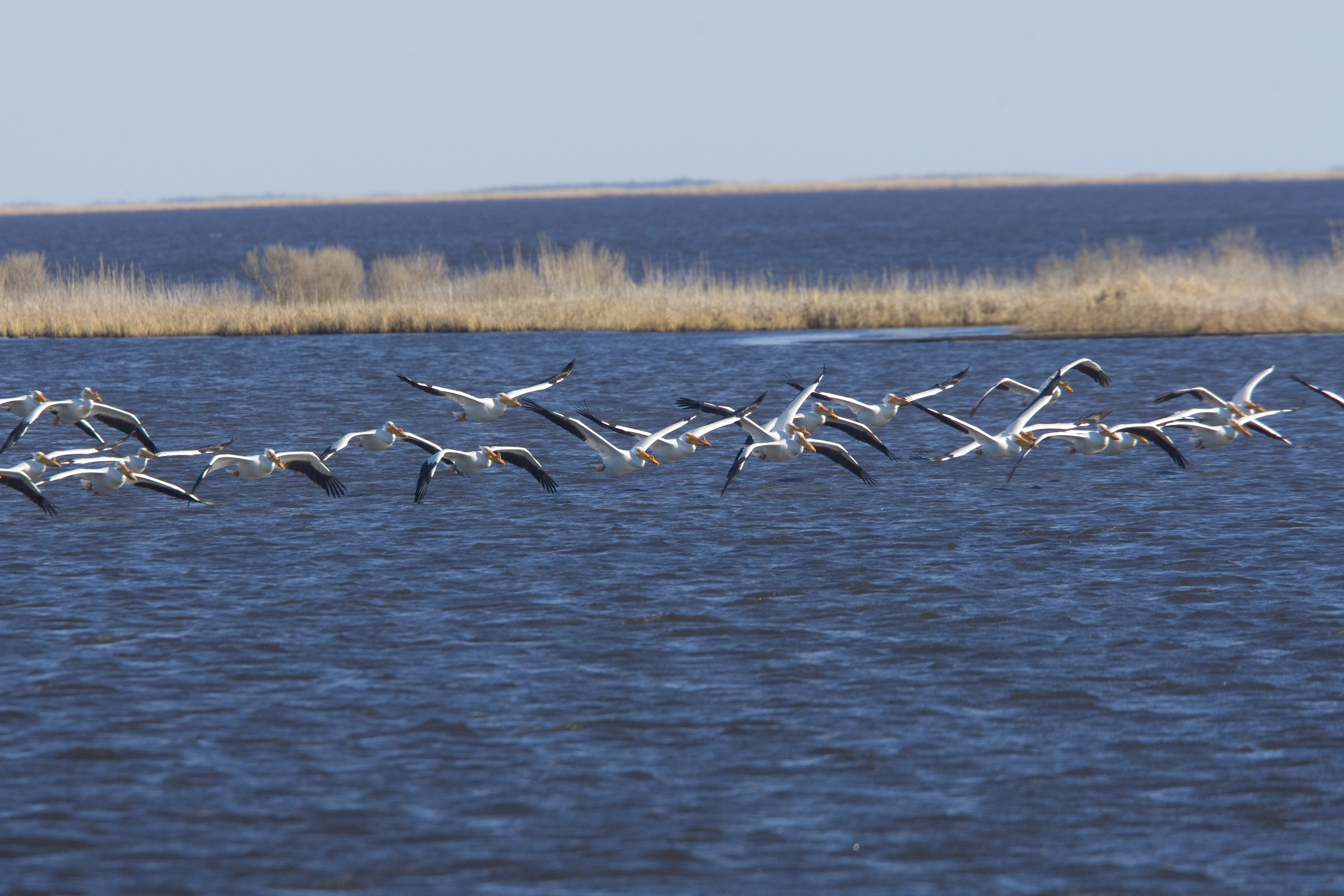
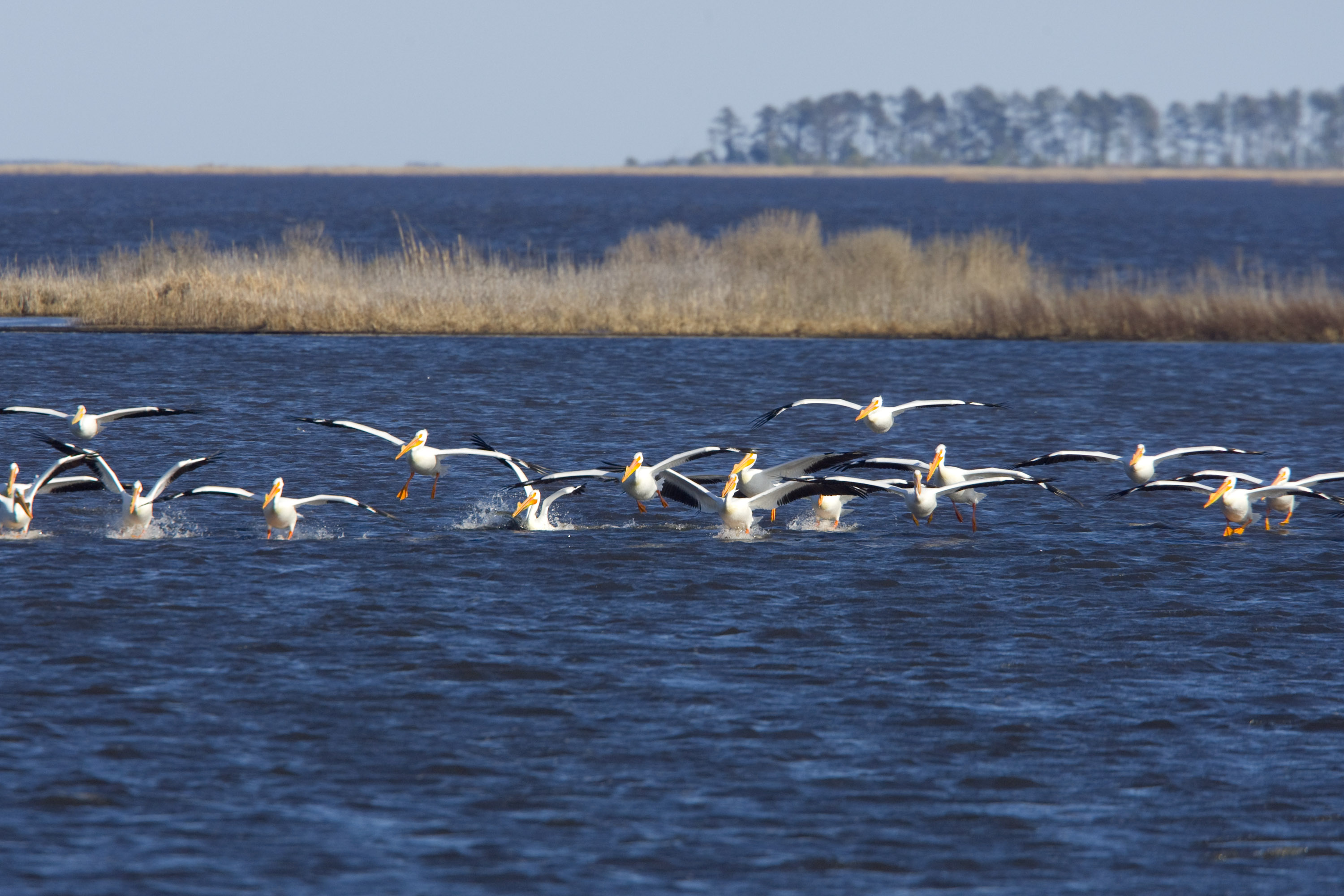
These are from a past trip a couple of years ago in April. I was photographing a Bald Eagle when I noticed a lone American White Pelican heading straight towards me. I started photographing it and was shooting a series of images as it was coming towards me. It banked sharply and landed in the water. After it landed in the water I noticed a whole flock flying in from the side that was apparently following the lone Pelican. So I guess he was the leader of the group. The bright white Pelicans really stood out against the deep blue color of the water. Also you can see the lone American White Pelican was in Breeding Plumage with the fibrous epidermal plate on it’s upper mandibles about one third of the way up their bills. All images were taken with a Canon 400mm DO lens with a Canon 2X Teleconverter on a Canon 1D mkIII.



 photoartflight