 photoartflight
Sunrise and Moonset at Blackwater NWR
Posted on December 1, 2013

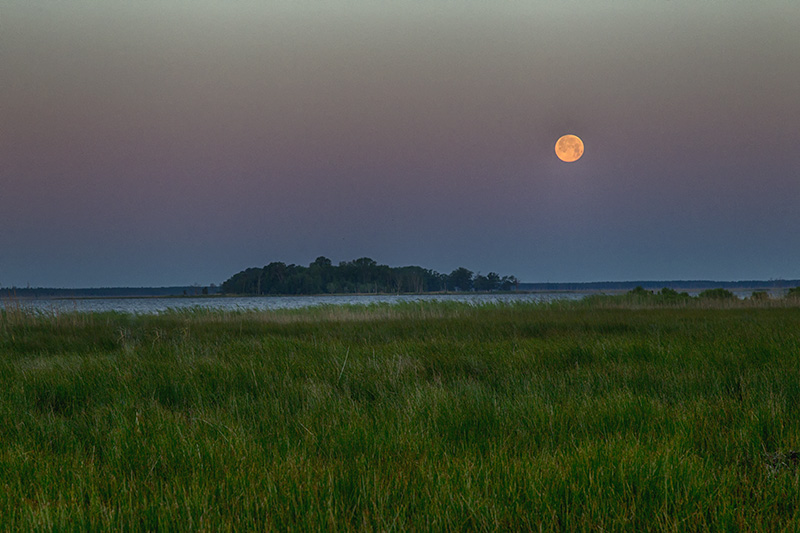
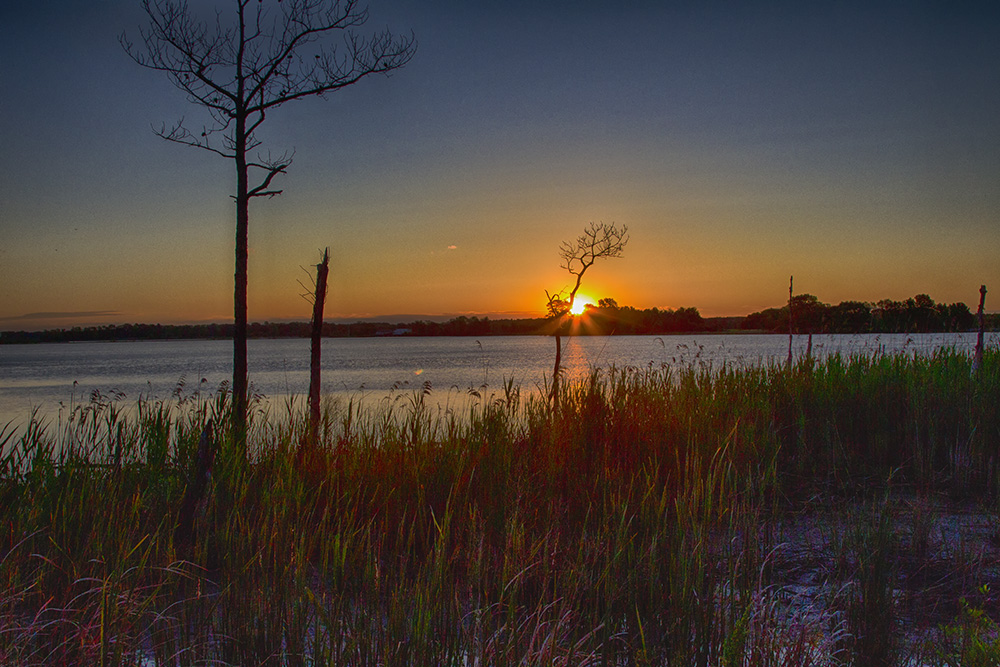
Here are a few early morning images from the Blackwater National Wildlife Refuge in Cambridge Maryland. This series, taken between 5:30 and 6:00 am, was one day after a full moon in May. I liked seeing the detail in the moon, with the moon in a warm yellow color, lowering over the trees & water. Opposite was the sunrise, coming over the trees and water. I was shooting handheld between 1/125 and 1/40 of a second @ ISO 800 with a Canon 1D MkIV and a Canon 24-105mm f/4L IS USM at 24mm & 105mm. I did not shoot bracketed exposures to later merge with an HDR program because I was handholding the camera. Instead I used one image and used Nik’s HDR Effects Pro 2 on a single exposure to mimic an HDR Image. Then used Nik’s Define to remove some noise.



Sun Reflection Peaking Through Clouds
Posted on November 29, 2013
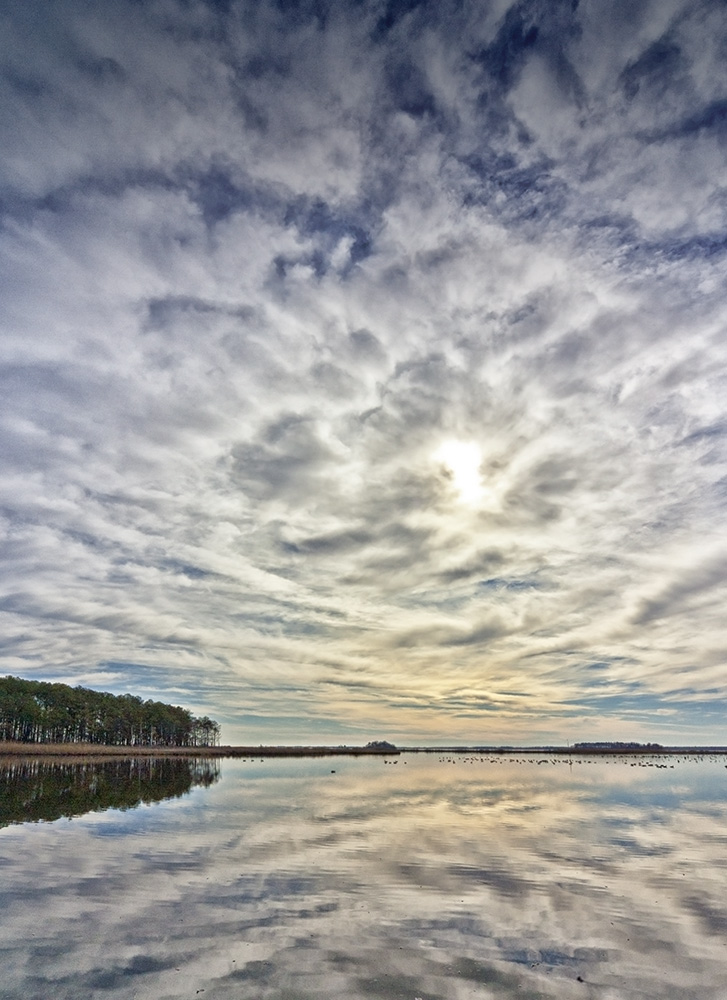
This landscape was taken at the Blackwater National Wildlife Refuge in Cambridge Maryland in Dec. 2011. Heavy cloud coverage hid the sun, but the colors shone through the clouds and reflected in the water. Usually we photograph Wildlife at Blackwater NWR, but you can also get some great landscapes with water or wooded areas. I also especially like the colorful sunsets with birds flying through them. This image was taken with a Canon EOS 1D MkII with a Sigma 12-24mm f/4.5 – 5.6 @ 12mm, 1/1000 sec, f/16, effective focal length 15.6mm, aperture priority -0.67 exposure compensation. Below are a series of B&W versions using Nik Silver Effects plug-in in Photoshop. The next to last one is using a Black & White adjustment layer in Photoshop. The last is just an adjustment of contrast. I usually do not think to use B&W images anymore for myself, (too many long hours, years ago, in the darkroom for commercial clients), but I thought this image might be interesting in Black &White.
-

- Silver Effects Neutral
-

- Silver Effects Push Process
-

- Silver Effects High Structure
-
- Silver Effects Yellowed 2
-
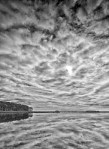
- Photoshop BW Adjustment Layer
-

- Photoshop Contrast adjustment
Last Flight at Blackwater NWR
Posted on November 13, 2013

Going through my older files from Blackwater National Wildlife Refuge, I came across this series that I never worked on. Blackwater has great sunsets because of its proximity to the coast with the moisture in the air. This was shot in December, near the end of daylight. I like the sun’s rays coming down through the clouds, giving streaks of sunlight in the lower clouds. This one lone bird was flying through the sky under the dark higher cloud bank. The photo just made me think “Last Flight of the Day.” Sometimes you can see large flocks of birds going through the evening sky, but late on this day there was just one lonely bird heading home, which I thought gave an interesting look. I usually do not like having the subject in the middle of the frame, but in this instance I chose this one because the bird is so small it was not as powerful off to either side and looked unbalanced. This was shot with a Canon 7D with a Canon 400mm DO f/4 telephoto lens. Exposure 1/1250 @ f/8, ISO 400.
Pocket Camera for Landscapes
Posted on October 18, 2013

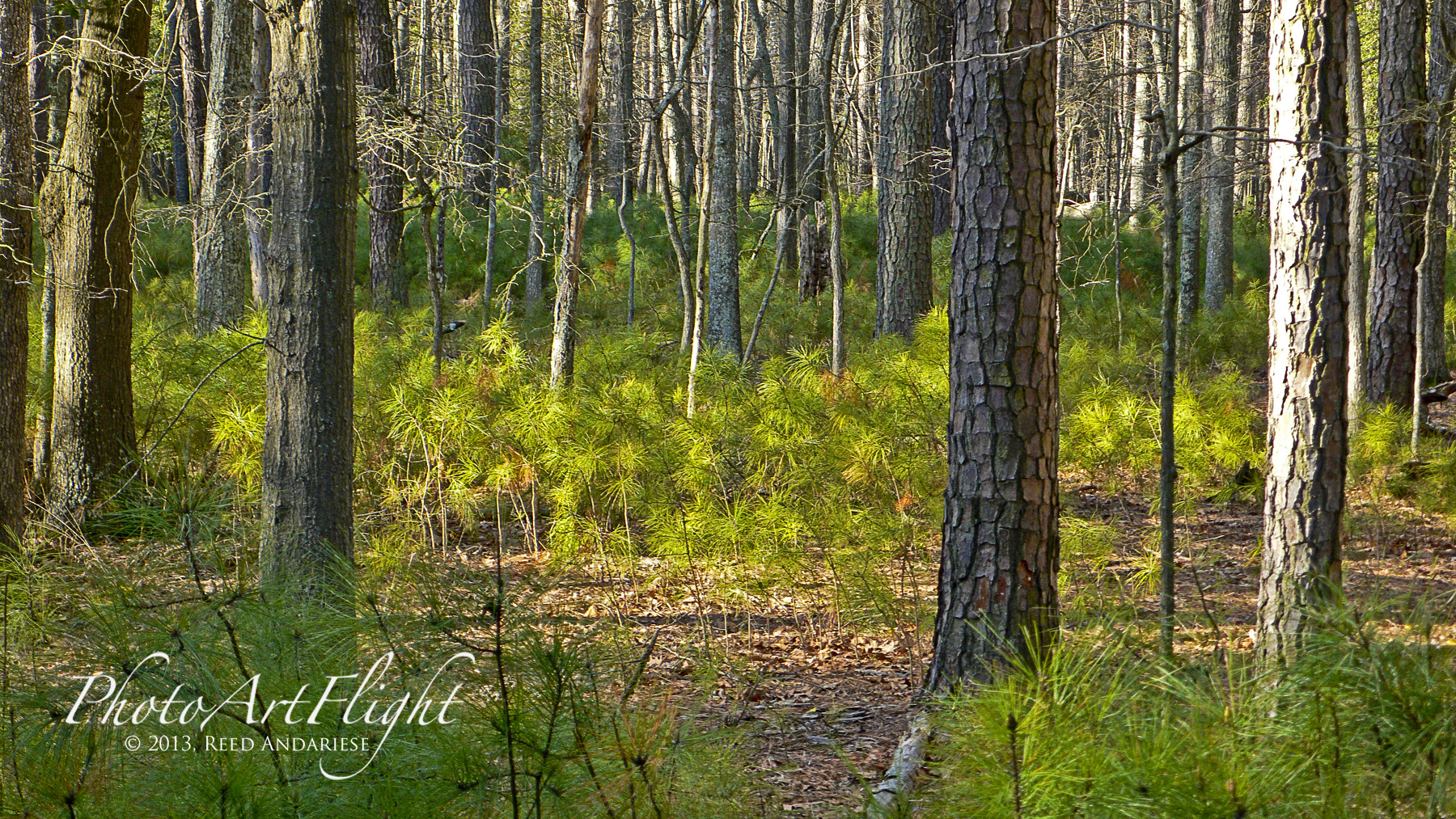
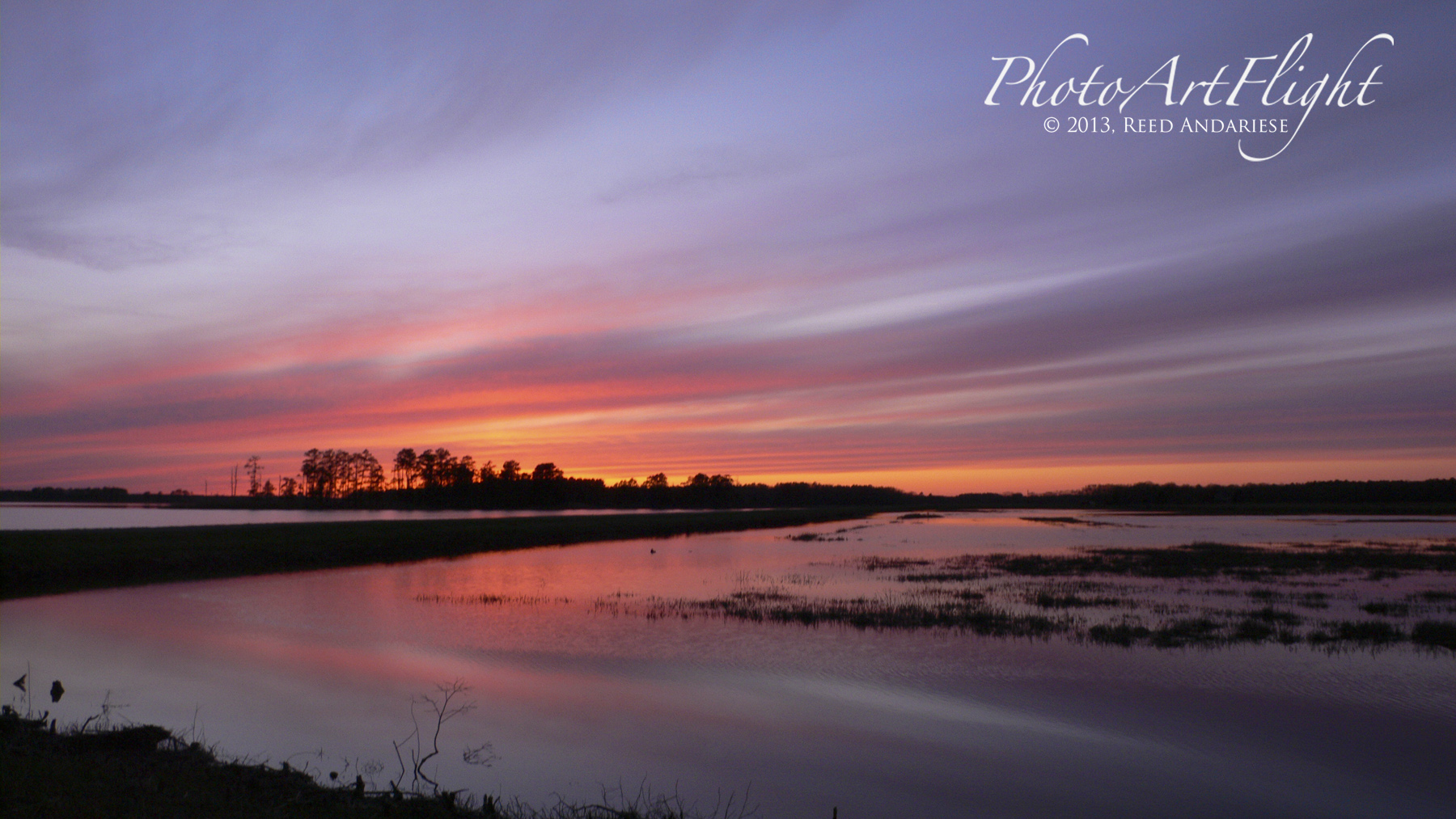
Many times while I am out in the field, I am carrying 400mm telephoto lens on a Canon 1 Series Body, which is large and after a while becomes heavy. So I usually do not carry a second body or second wider lens. But I do not want to miss opportunities if I come across a great shot that is not right for the 400mm. I usually have a Panasonic LX1 compact camera in my pocket for those instances where I want to take a few wide or detail shots while my main camera with long lenses. I have used the LX1 for years and it still works well even though it is getting a little dated in todays fast paced technology feature updates. It has the ability to shoot raw files which is important for my workflow and the images it produces are fine for prints up to 16×20 prints & even up to double page landscape spreads in my ebooks. Newer cameras like the Sony RX100 II & similar cameras are also excellent & handy backup cameras. Sometimes if I think I might need a wider zoom range I use a Panasonic GH2 m43 camera with a 14 – 140mm lens (equivalent to 28 -280mm on full frame cameras). Even though it is smaller than a DSLR and easier to carry, it still would not fit in a pocket and might get in the way. I have also tried images from my iPhone, but I do not think it is a viable option yet. All examples here are with the Panasonic LX1.


Different Kinds Of Panoramas
Posted on September 26, 2013

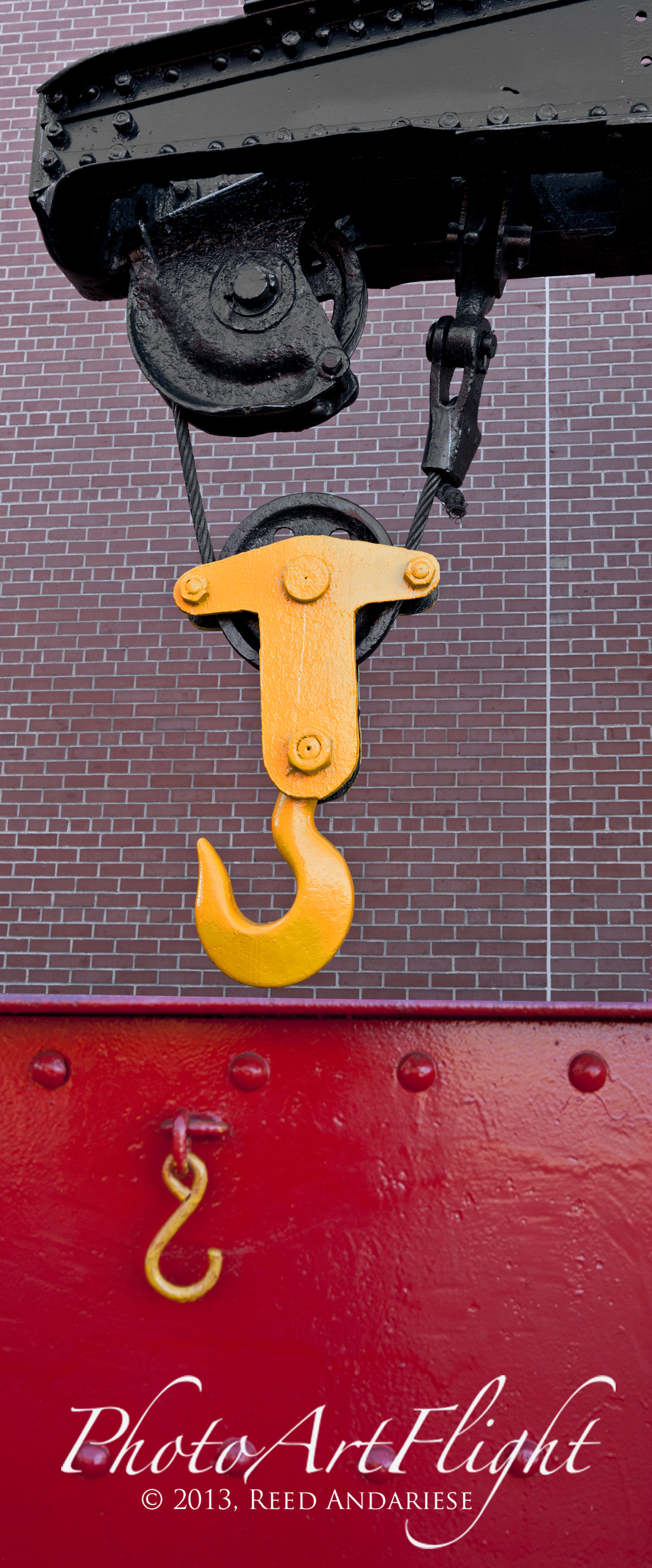
Panorama basically just means wide view, but for photographers panoramas can mean many things. Most use a wide to short telephoto to make panoramas with multiple images. Often when I am out in the field, I am only carrying a 400mm lens, usually with a 1.4X Teleconverter. But quite frequently I see a shot that is too wide for the equipment I am carrying. Even if I had a wider lens, I would not have time to switch and still get the shot I wanted. So I shoot a series of shots of my subject and manually stitch them together in Photoshop. You can also try automatically stitching them in Photoshop or PT Gui. For just a few shots I use auto exposure. But if I am shooting many shots for a long or tall panorama, I switch to manual exposure so the exposure does not change, this makes it easier to combine for the final image without exposure shifts from section to section. I have used this for everything from birds, turtles, birds on top of tall trees, to dragonflies and other interesting subjects. Or if see an image that is perfect for a panorama, but I envision a longer thin crop without a lot of extra image that detracts from what I want. I do not want to crop to my panorama from my regular file because I want a large image, either for a double page spread or maybe a large print, and want to hold the detail with all the added pixels. In another scenario, I see a large bird landing with a wide wingspan, but cannot fit it all in, so a quick series at 10 fps gives me a few images to work with. Or you see a Black-crowned Night-Heron sitting in a tree and you also want to show the bird in its habitat with a lot of detail. Give it a try, it is simple to do and comes in very handy.
Blackwater NWR, Cambridge MD


Ding Darling National Wildlife Refuge, Sanibel, Florida

Closeups with 400mm f/4 DO with, 1.4X teleconverter and extensions tubes


Okefenokee National Wildlife Refuge

Bombay Hook NWR, Smyrna, DE
Steamtown National Historic Site, Scranton, PA
Eagles and Raptors at Blackwater NWR
Posted on September 14, 2013

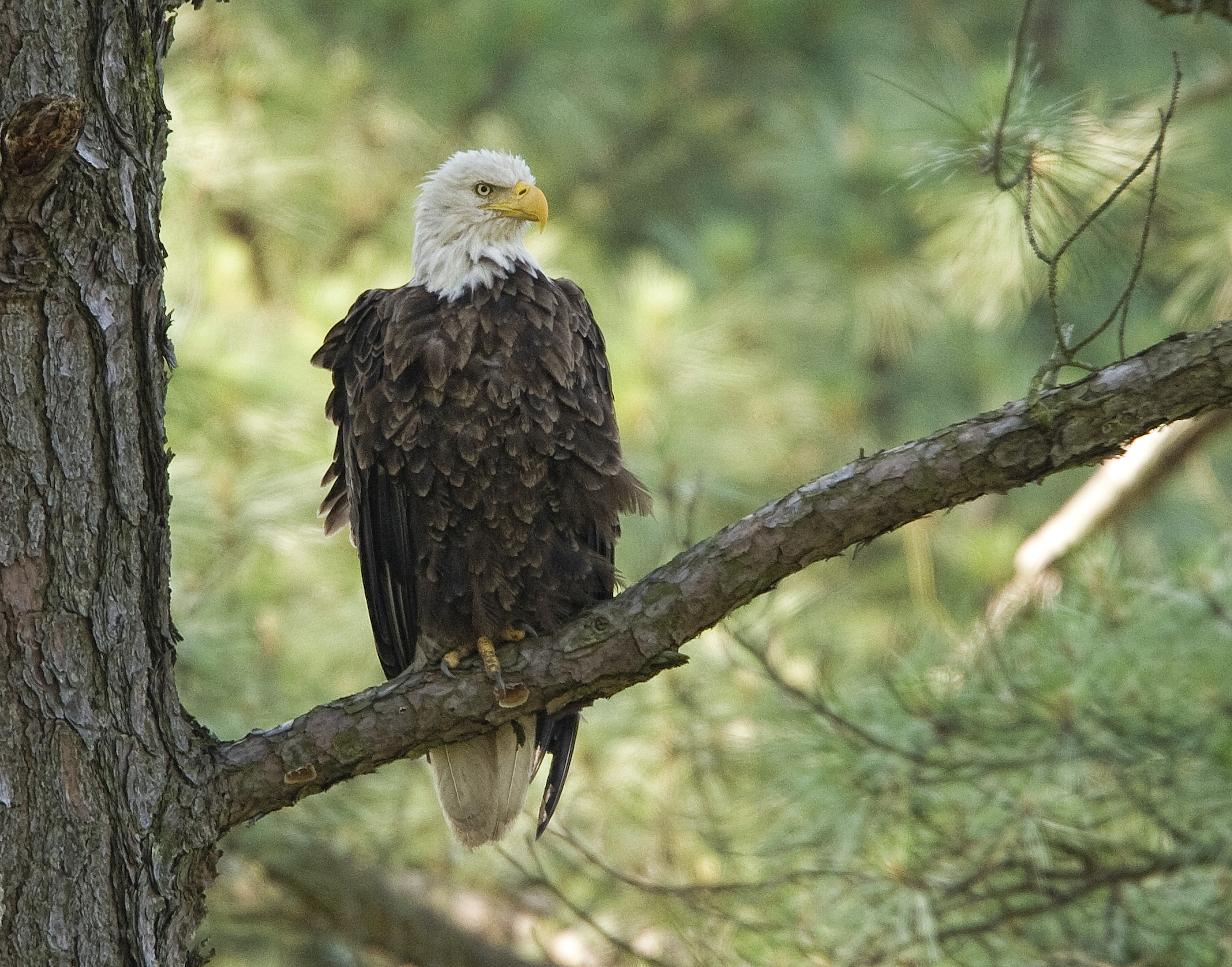
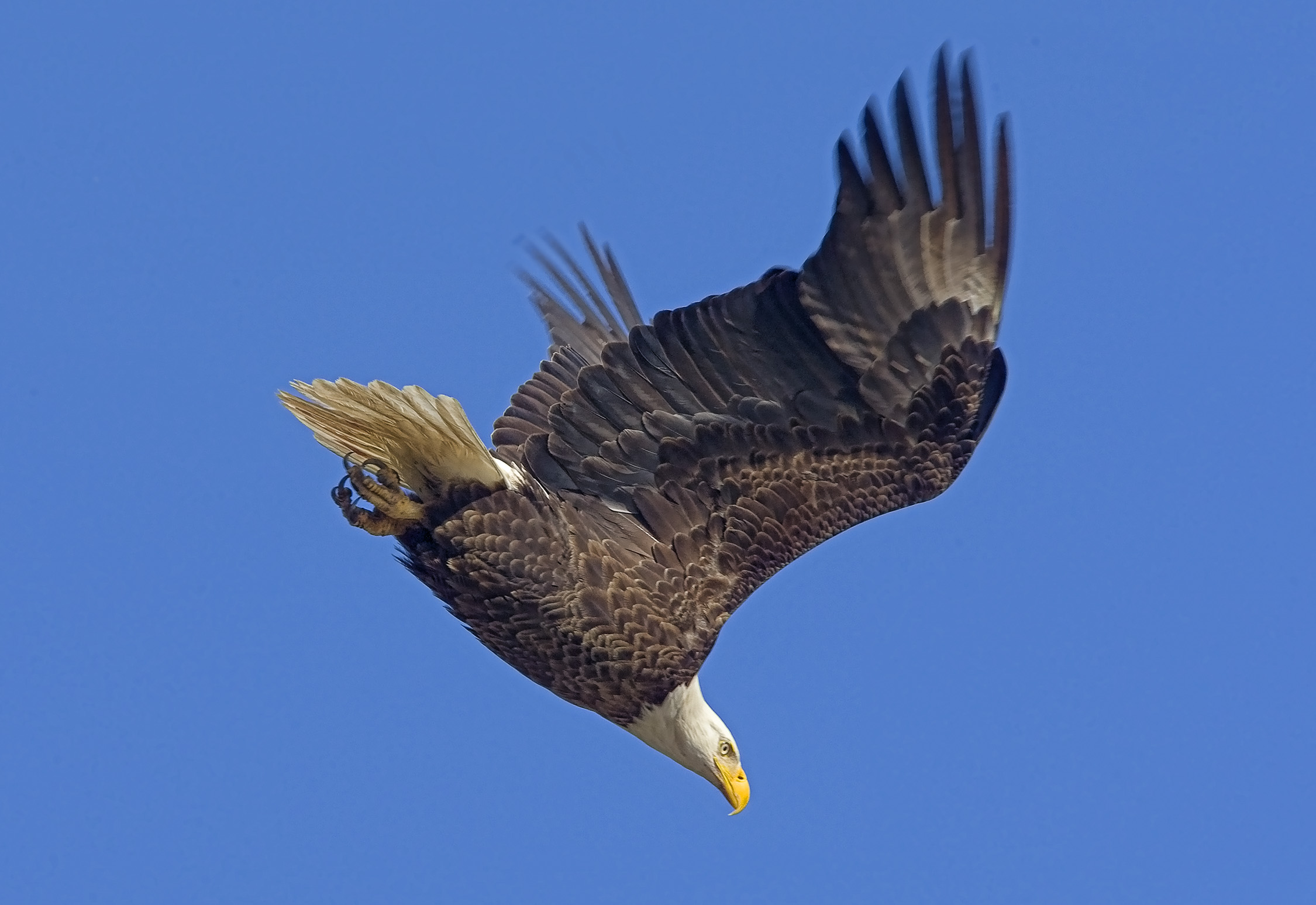
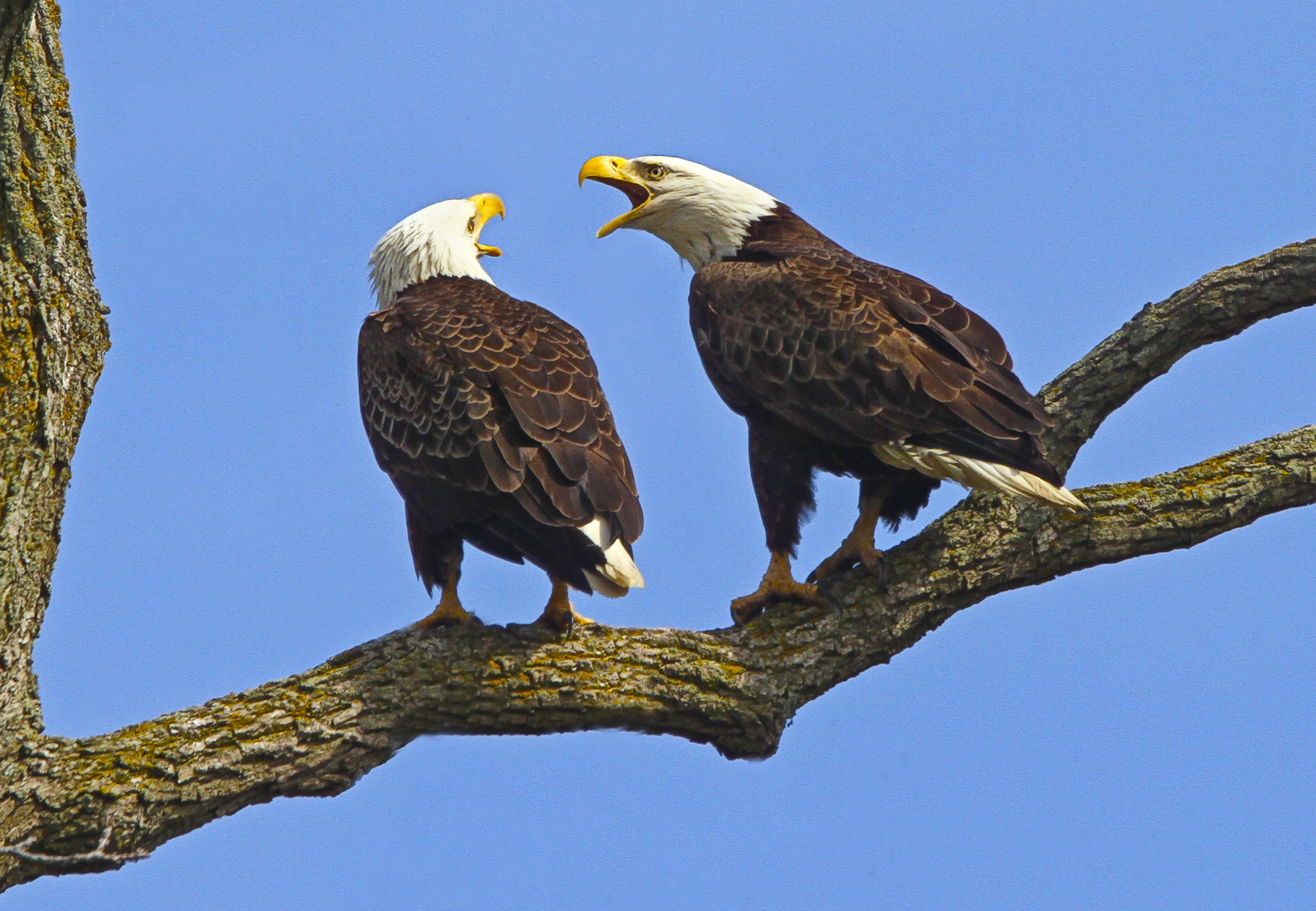
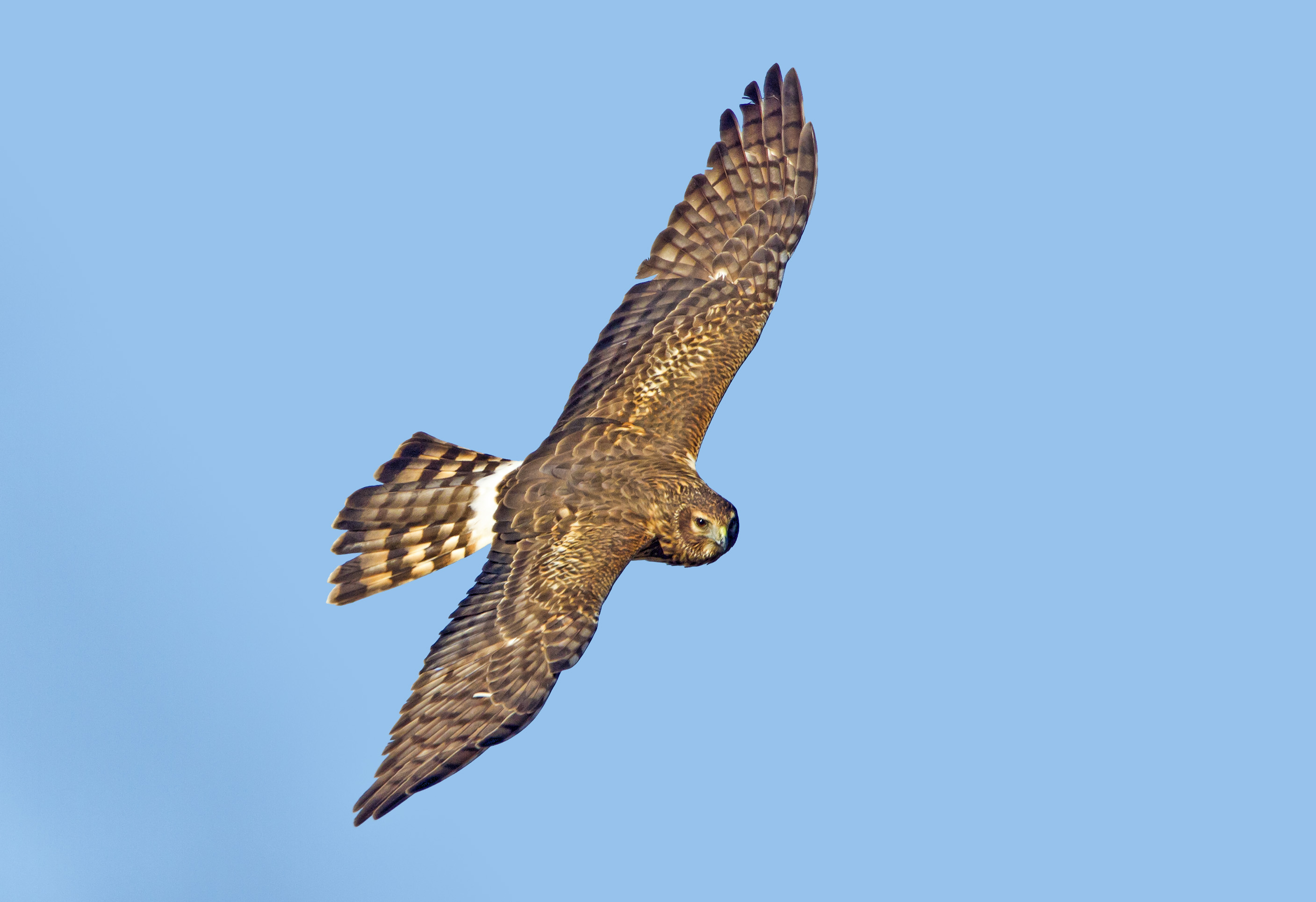
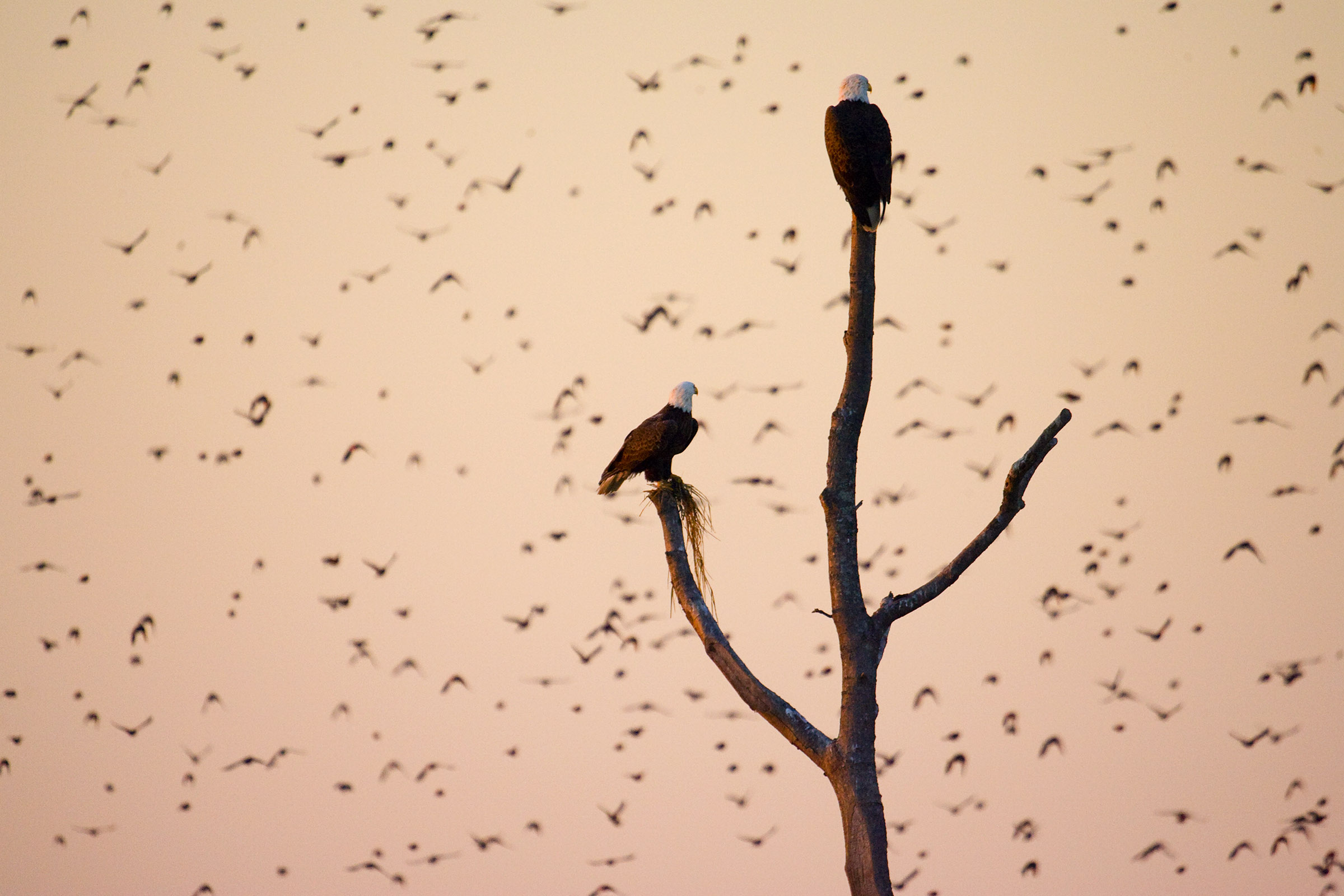
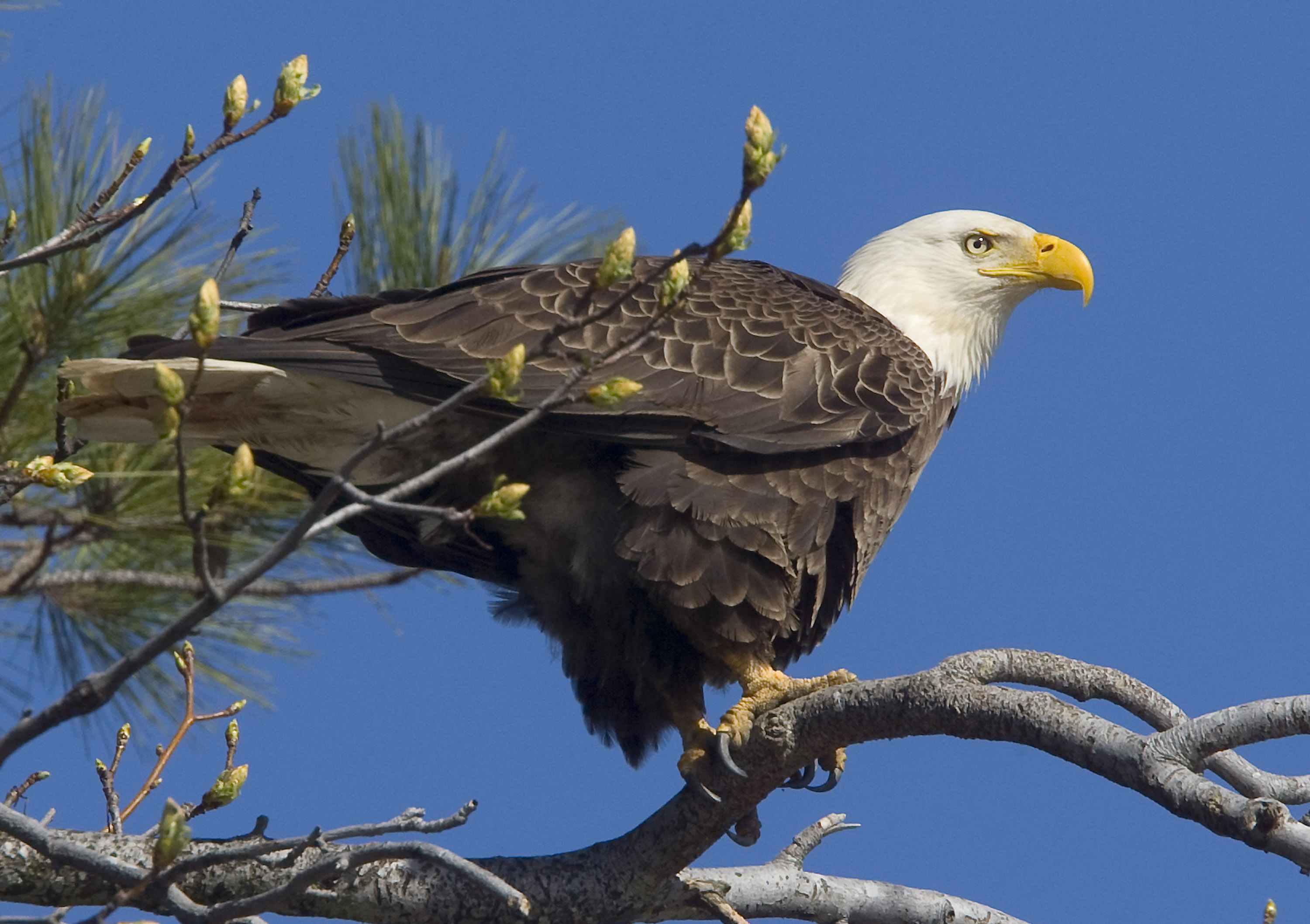
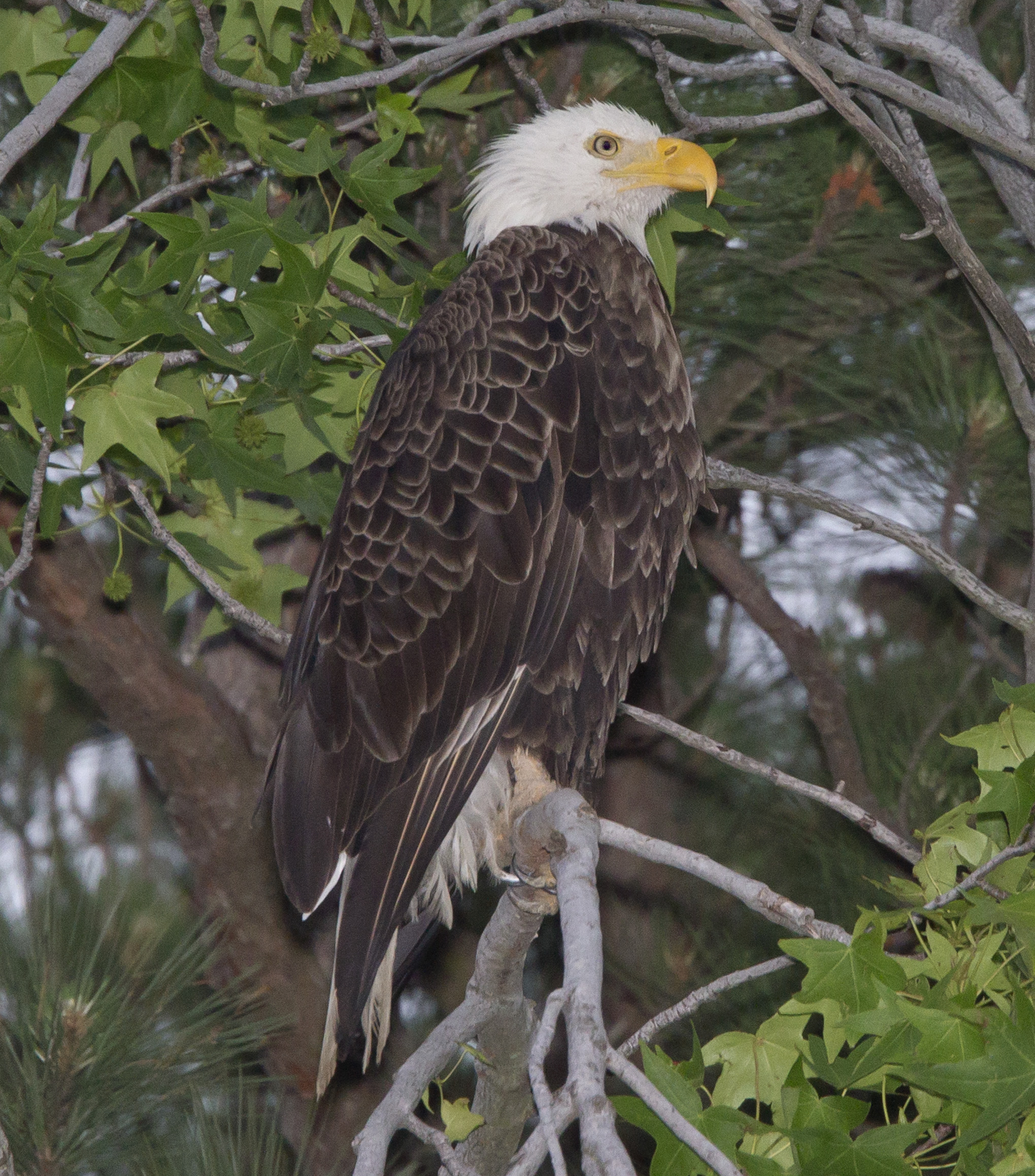
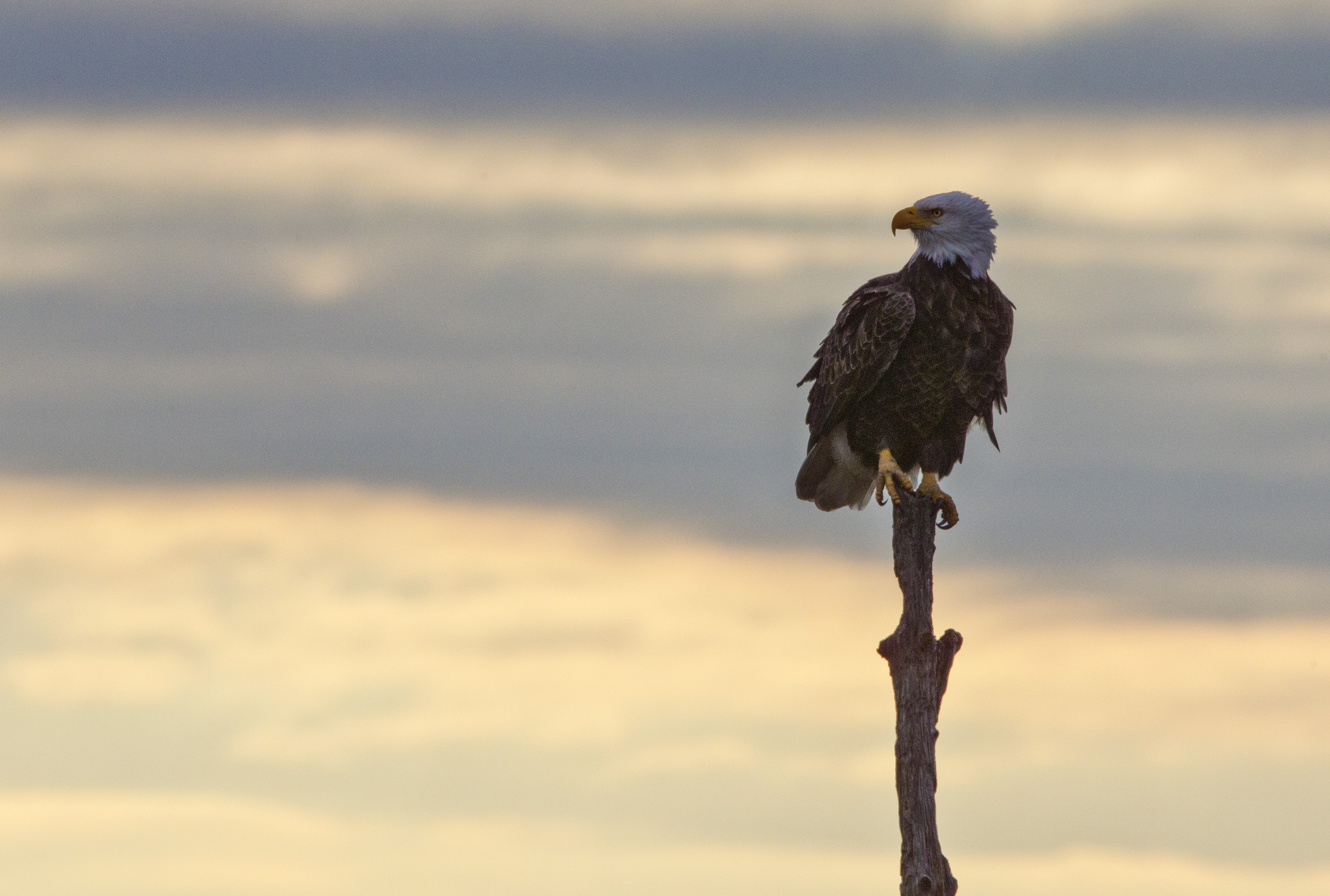
We enjoy going to the Blackwater National Wildlife Refuge outside of Cambridge, Maryland. You never know what you will find, so it is like going on a treasure hunt. It is a large refuge, so even though there are large numbers of birds & wildlife, some might be far out in the distance for photography. Long lenses are good to bring here, but if you are patient & observant you can find a lot of photo opportunities. Blackwater has a Wildlife Drive plus walking trails. It is known for its large population of Bald Eagles and also has some Golden Eagles. It has one of the largest populations of Bald Eagles on the East Coast, which nearly doubles in the Winter months. In the Summer months Ospreys return and quite often you see them interacting with the Bald Eagles. Also look for a variety of Harriers, Herons, Egrets, Swans, Ducks, Pelicans, Snow Geese, etc. Here are a few Eagles, Osprey and a Harrier.

 photoartflight