 photoartflight
Osprey Nests On Platforms @ 1200mm
Posted on July 27, 2019

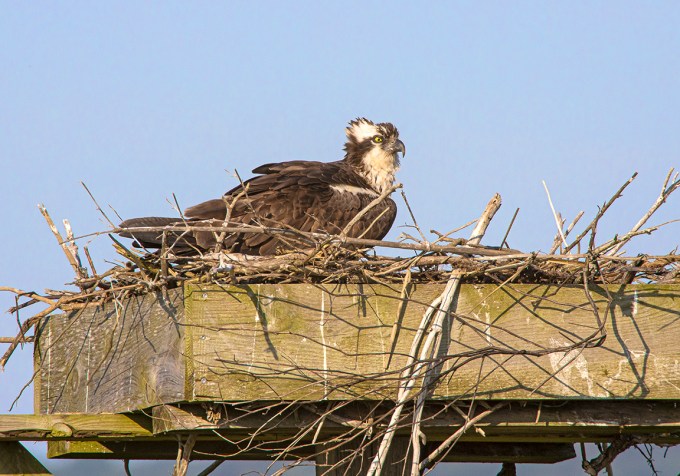
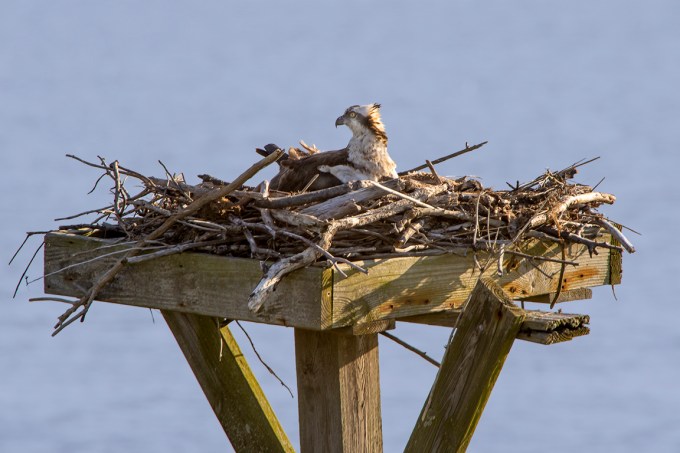
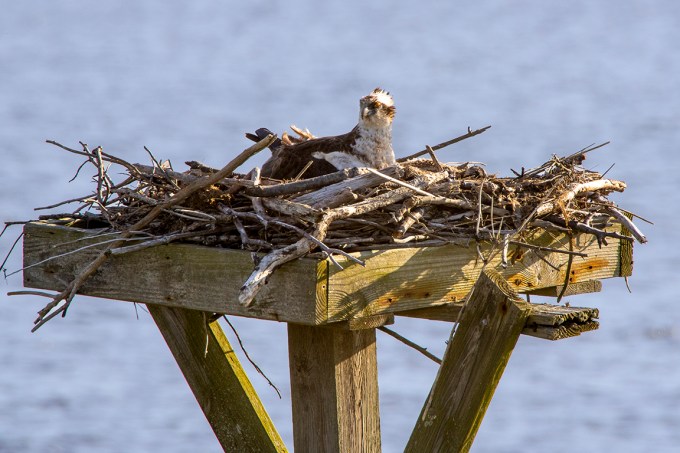
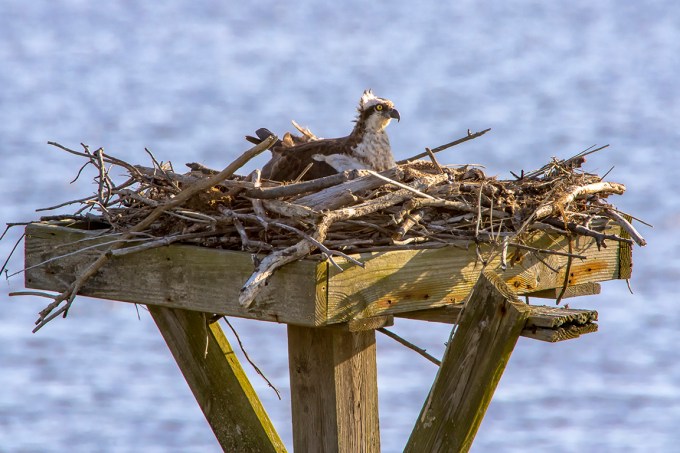
A series of Osprey Platforms with nest images from the Edwin B. Forsythe NWR in Oceanville, NJ. I was using a Tamron 150-600mm lens with a 2X teleconverter to get closer to the Osprey Platforms. Then cropped in a little for a tighter composition. You can see the nests are not the neatest or cleanest when you are looking that close, but are still interesting. Also it is interesting when an Osprey sees you photographing them they really stare you down! The Canon R, even with a 2X teleconverter on a Tamron 150-600mm auto focuses quite quickly and right on focus. The Canon R will autofocus even with stacked 2x & 1.4X (or 1.7x) teleconverters. Did not try stacking 2X Teleconverters. I have also found that when stacking teleconverters I usually stop down a little more to help with sharpness.
Snow Goose In Summer
Posted on July 27, 2019

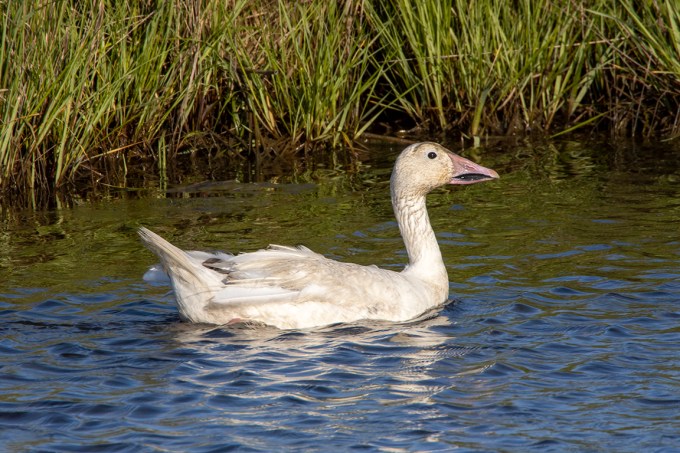
On our trip to the Brigantine Division of the Edwin B. Forsythe NWR, we saw this lone Snow Goose multiple times around one area of the refuge. Usually they are all gone from the Refuge at this time of the year. But seeing it multiple times around a certain area it seemed like the one wing might be injured. We also saw it just walking along the side of the Wildlife Drive.


Brigantine Cloud Panoramas
Posted on July 26, 2019
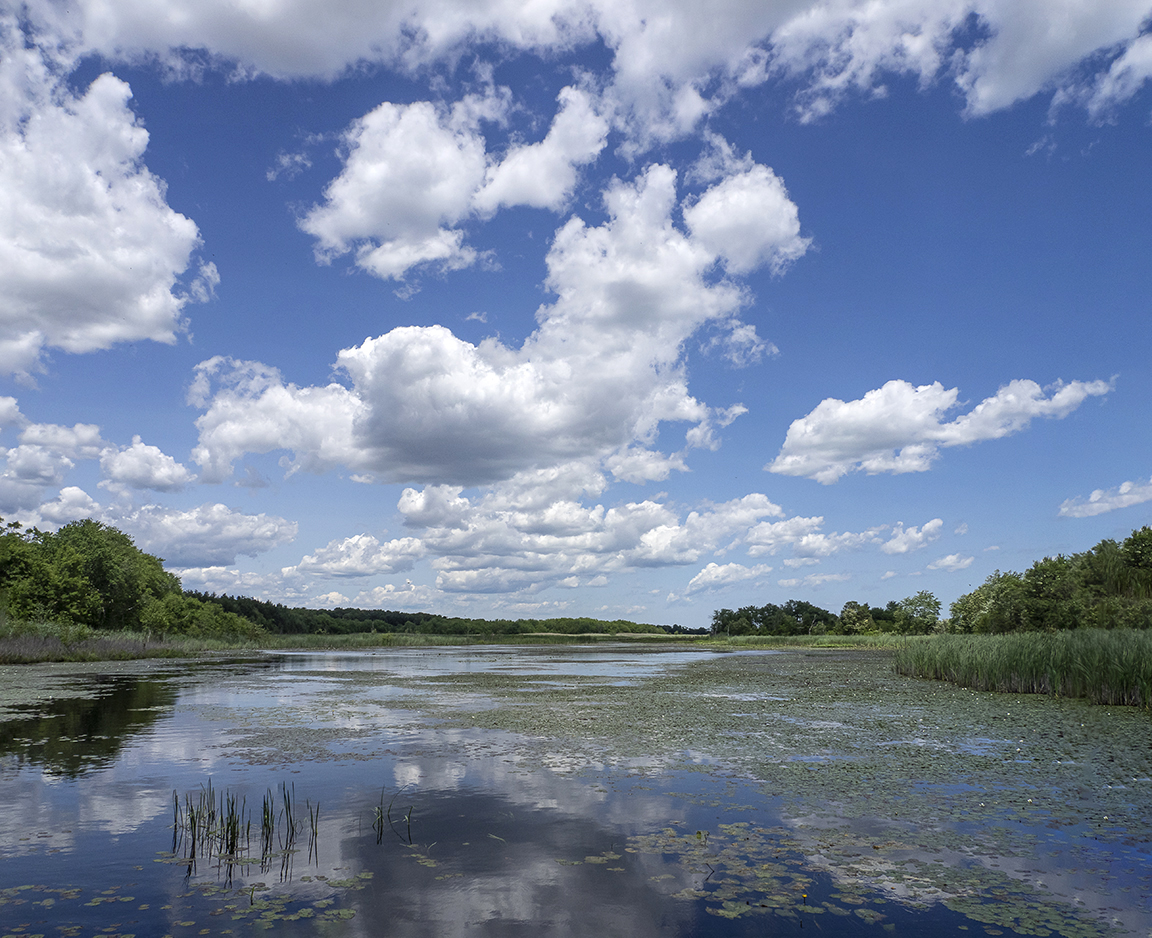
I finally had a chance to work on some panoramas I shot last month at the Edwin B. Forsythe National Wildlife Refuge, Brigantine Division in Oceanville NJ. The cloud formations on this day were amazing. So I had a lot of choices for working with series panoramas while we were there. Lately I have been using an Olympus m43 Camera with a 14mm – 140mm zoom for landscapes or general info shots and the Canon R with a 400mm DO lens or the Tamron 150-600mm for Wildlife. It is a lot easier to carry a smaller m43 camera with a wide zoom range along with the heavier full frame camera with longer lenses, instead of 2 large camera bodies. The m43 format with a 14-140mm zoom seems a little harder to do multi-image panoramas @14mm but after working with it for quite a while I am getting more usable & predictable panoramas. Sort of a learning curve I guess. Basically I overlap the images more. At 14mm with m43 format it is sort of the equivalent (field of view) of 28mm on a full frame DSLR. All the images here are shot at 14mm but go from 2 to 8 images for each photo panorama. Some were vertical images and some were horizontal images for each image.

2 – 14mm Horizontal images panorama

Panorama- 4 Vertical Images @14mm

Panorama – 3 vertical images stacked @ 14mm

3 horizontal images stacked @14mm

Panorama – 4 horizontal images @14mm

2 horizontal images stacked @ 14mm

2 Horizontal images @14mm Stacked

2 Horizontal images – Atlantic City on left @14mm

2 Horizontal Images Stacked @ 14mm

2 Horizontal Images Stacked – Osprey Platform @ 14mm

2 Horizontal images Stacked @14mm
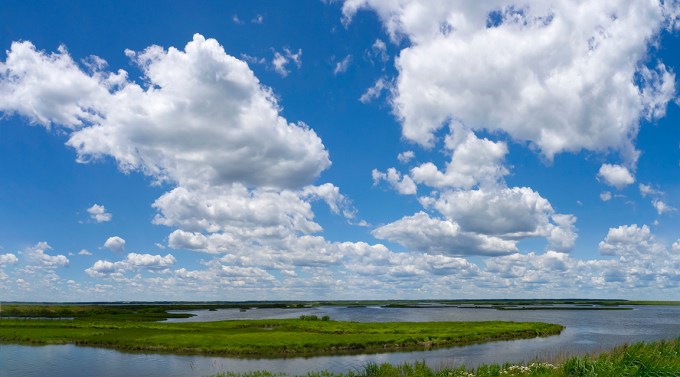
2 -Horizontal Images @14mm

3 – Horizontal Images Stacked @14mm

2 – 14mm Horizontal Images Stacked

7 – 14mm Images stacked

Two Trees – 3 Images Vertical Stacked

Brigantine Landscape- 3 Horizontal Images Stacked @14mm

Brigantine Landscape w/ Clouds – 2 Horizontal Images @14mm

Brigantine 3 Vertical Images @14mm

Brigantine – 2 Horizontal Images @ 14mm

Brigantine NWR 2 Image panorama

Brigantine NWR – 3 Image panorama @14mm

7 image panorama – 7 – 12mm vertical images combined in Photoshop

2 Vertical Images @14mm
More Black Skimmers From Brigantine
Posted on July 3, 2019
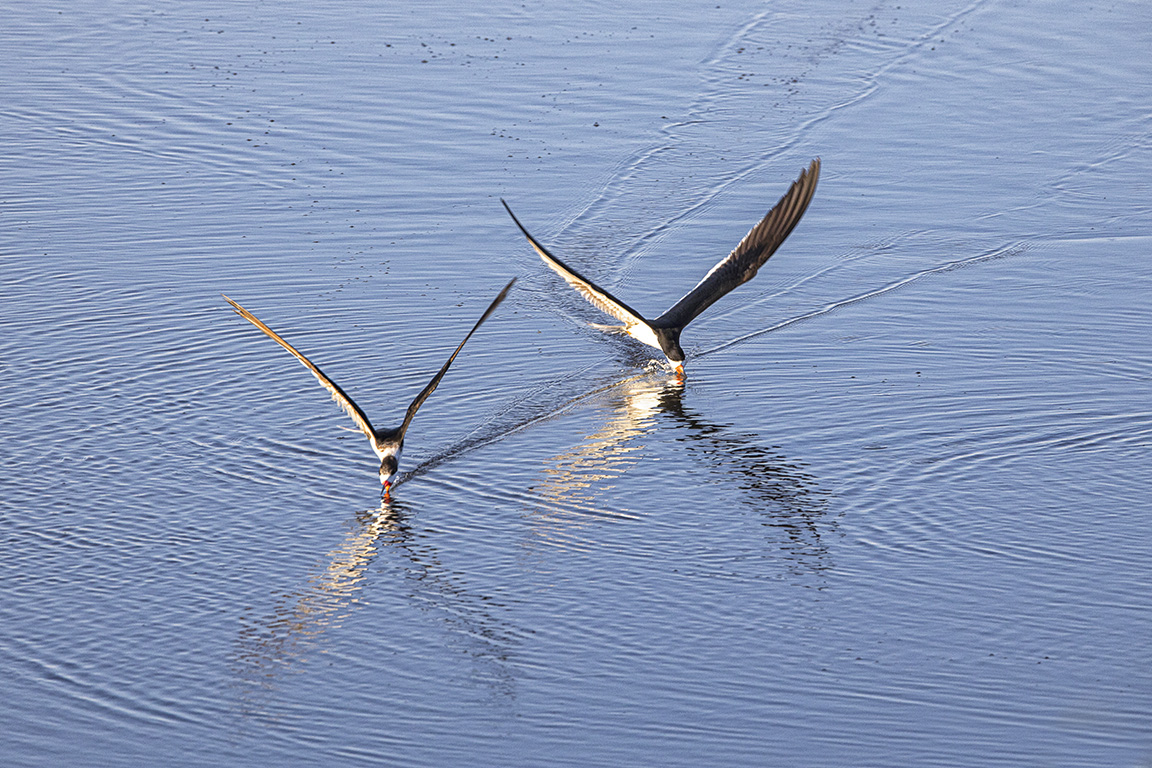
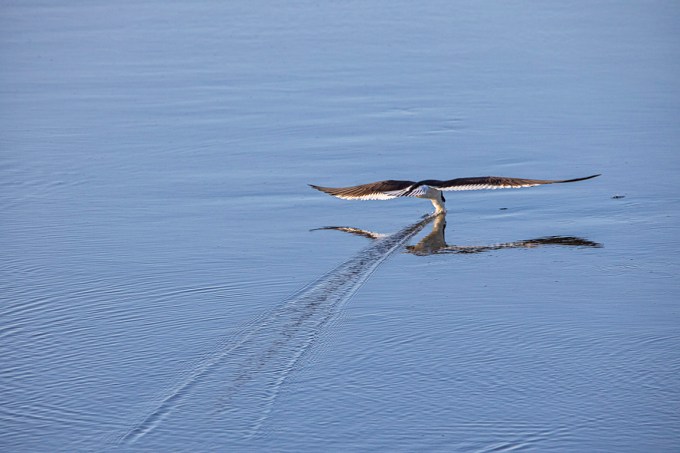
It is fun to watch Black Skimmers working in pairs. While we were at the Brigantine Division of the Edwin B. Forsythe National Wildlife Refuge we noticed this pair of Black Skimmers working this area along the Wildlife Drive. They kept flying across the main channel of water along the Drive, then turning into a perpendicular channel flying away from us. Then they would return and repeat their flight path, skimming along the water as they flew by. It is fun to photograph them when you have fairly smooth water to see their paths behind them to visually see the arcing paths they take while fishing in tandem.
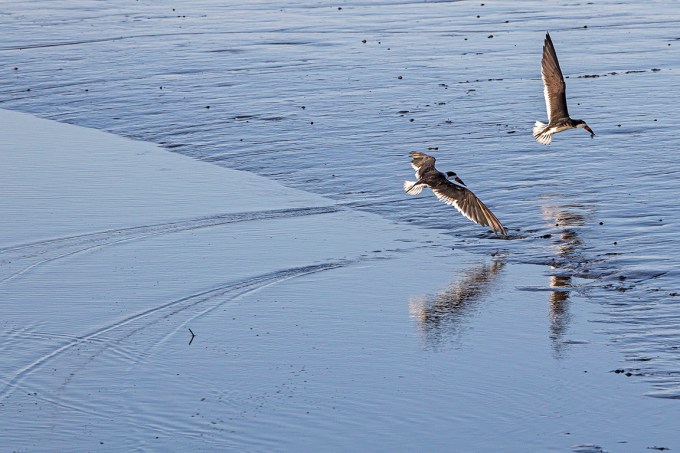
Black Skimmers banking to return for another pass

Black Skimmers @ 600mm

Returning Skimmers crossing paths
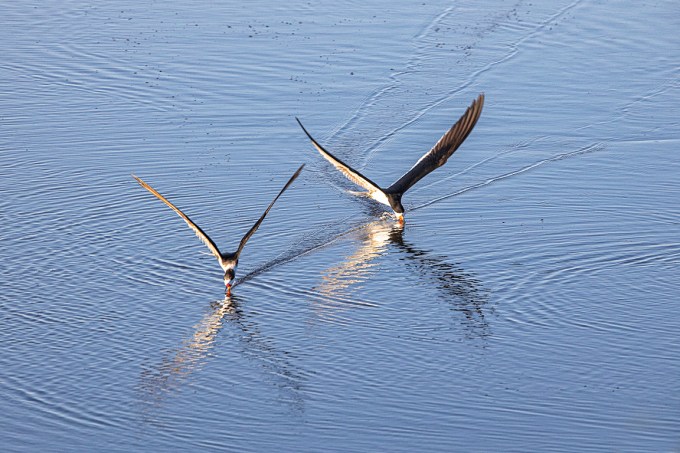
Black Skimmers changing direction
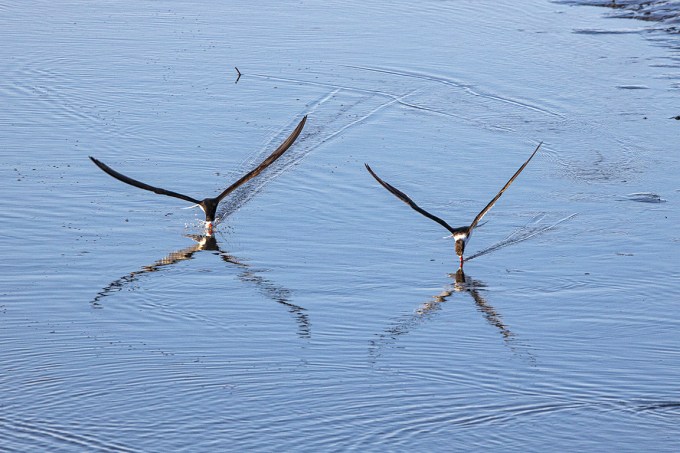


Black Skimmers At Brigantine
Posted on July 1, 2019
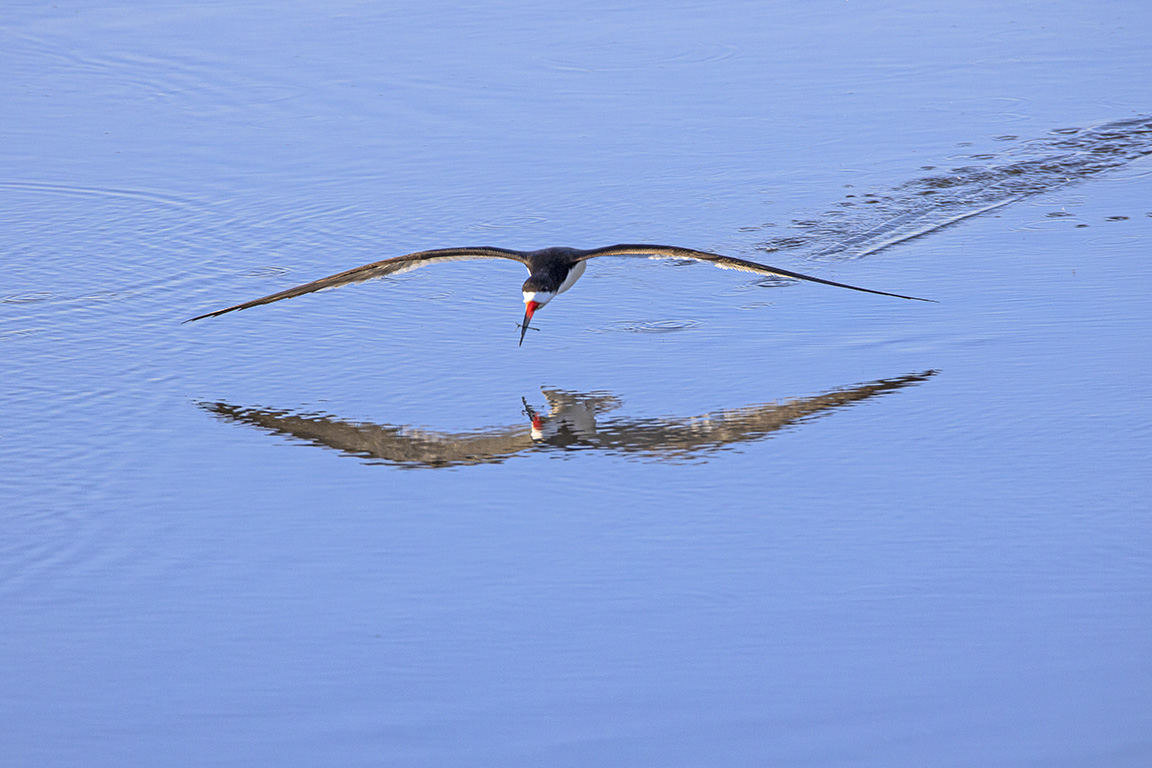
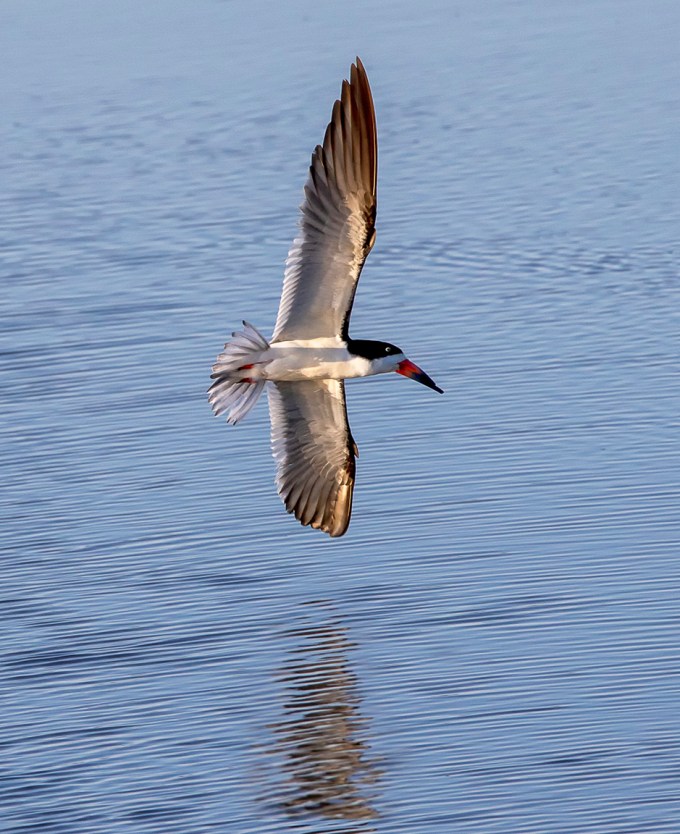
Black Skimmers are some of my favorite birds to photograph as they are fishing and skimming along the water. This group was working an area in the channel along the Wildlife Drive near the entrance to the Wildlife Drive at the Edwin B. Forsythe National Wildlife Refuge, Brigantine Division. I was shooting @ 600mm, but they were covering a large area, going down one of the channels moving away from me, then turning around coming back to me and going to the right. Then they would repeat their pattern. Time after time fishing the channels and then swinging around to skim along the other direction. There were 2 groups of 2 fishing there. In another post I will show images of the 2 skimming together.
I was using a Canon R with a Tamron 150-600mm lens and was surprised the Canon R tracked them so well. I even tried a few with a 2x teleconverter and still auto-focused well.


Panoramas of Osprey Platform – Forsythe National Wildlife Refuge
Posted on June 25, 2019

We went to the Brigantine Division of the Edwin B. Forsythe National Wildlife Refuge in Oceanville, NJ to see what we could find to photograph. We usually like the wide variety of birds, but there were not as many shore birds as usual. And many birds were way far out in the distance. Lots of Swans, Some Black Skimmers, Terns, Great Blue Herons, Egrets, etc. Mostly the usual subjects. But all of the Osprey platforms had active nests with visible chicks. We usually concentrate on the platforms further down the Wildlife Drive, mainly because they are closer to the Drive, but you also do not get the Atlantic City skyline in the background. The Ospreys were not flying much, but it was still fun to photograph the nest activity. The featured image is a 4 image panorama shot with an Olympus m43 camera @84mm. I wanted an image to portray the nest platform in the landscape. All the reat were taken with a 150-600mm Tamron lens. I was quite impressed with Tamron 150-600mm on the Canon R. I had taken it on our trip to Florida and was amazed at the fine feather detail of breeding plumage birds. It auto-focuses nicely, was quite sharp. And the details were amazing. Even pushing the limits by adding a 2X teleconverter, I was impressed. It also kept up with skimming Black Skimmers working in the channels. On this day the clouds were also amazing.
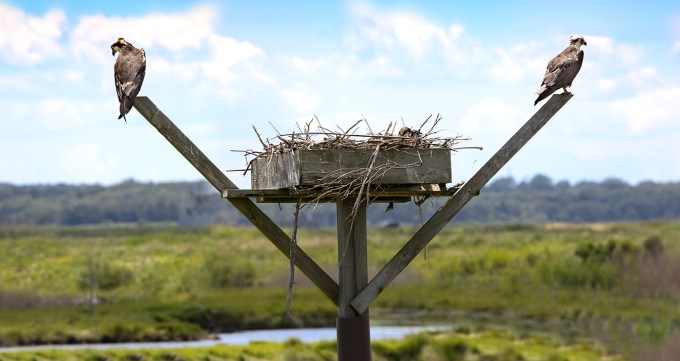
3 img pano – shot @ 1200mm, Canon R Tamron 150-600mm lens, 2X teleconverter

shot @ 1200mm, cropped a little, Canon R, Tamron 150-600mm lens, 2X teleconverter

shot @ 1200mm, Canon R, Tamron 150-600mm lens, 2X teleconverter
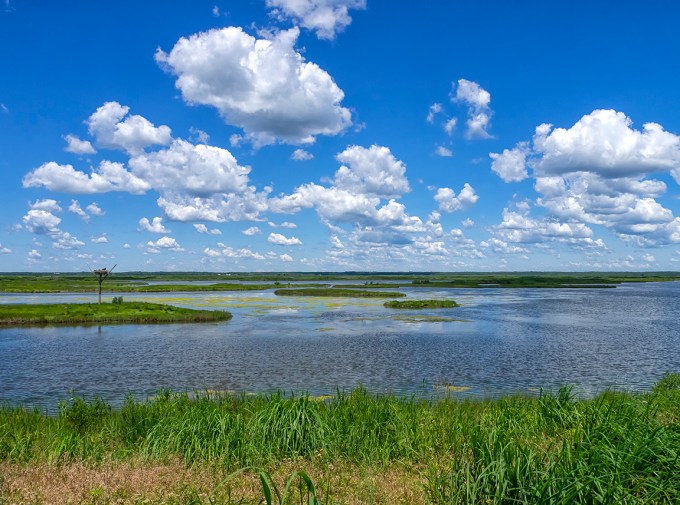
Overall landscape, Olympus m43 Camera, 14mm
Snow Geese Panoramas from Brigantine
Posted on March 7, 2019

Sometimes when I find a large groups of birds I try a few panoramas, just for fun. On this day I found a very large group of Snow Geese, mostly sleeping, so I thought I would give it a try. There was not much else around, so why not. They were not moving and stretched a long ways along the Wildlife Drive. The featured image (which will probably not show much detail in this blog) was 35 images, handheld, for a finished panorama of 550 inches long by 15.5 inches high. It took Photoshop quite a while for it to process the panorama and then I had a few touch-ups here and there because of the length. I was trying a new Canon R with a 400mm f/4 D.O. lens and 1.4X teleconverter. It was not very bright out so I should have raised my ISO and stopped down more for increased depth of field, but I thought it might be enough when I photographing them. So the foreground is a little soft, but it was still fun to try.

Cropped section to show more detail

Another Closer Cropped section

Image taken later when they started to move around. Single Image showing limited depth of field on foreground because I was focusing on the flying birds landing in background.

Starting to wake up and move around
Everythings Ducky
Posted on March 7, 2019
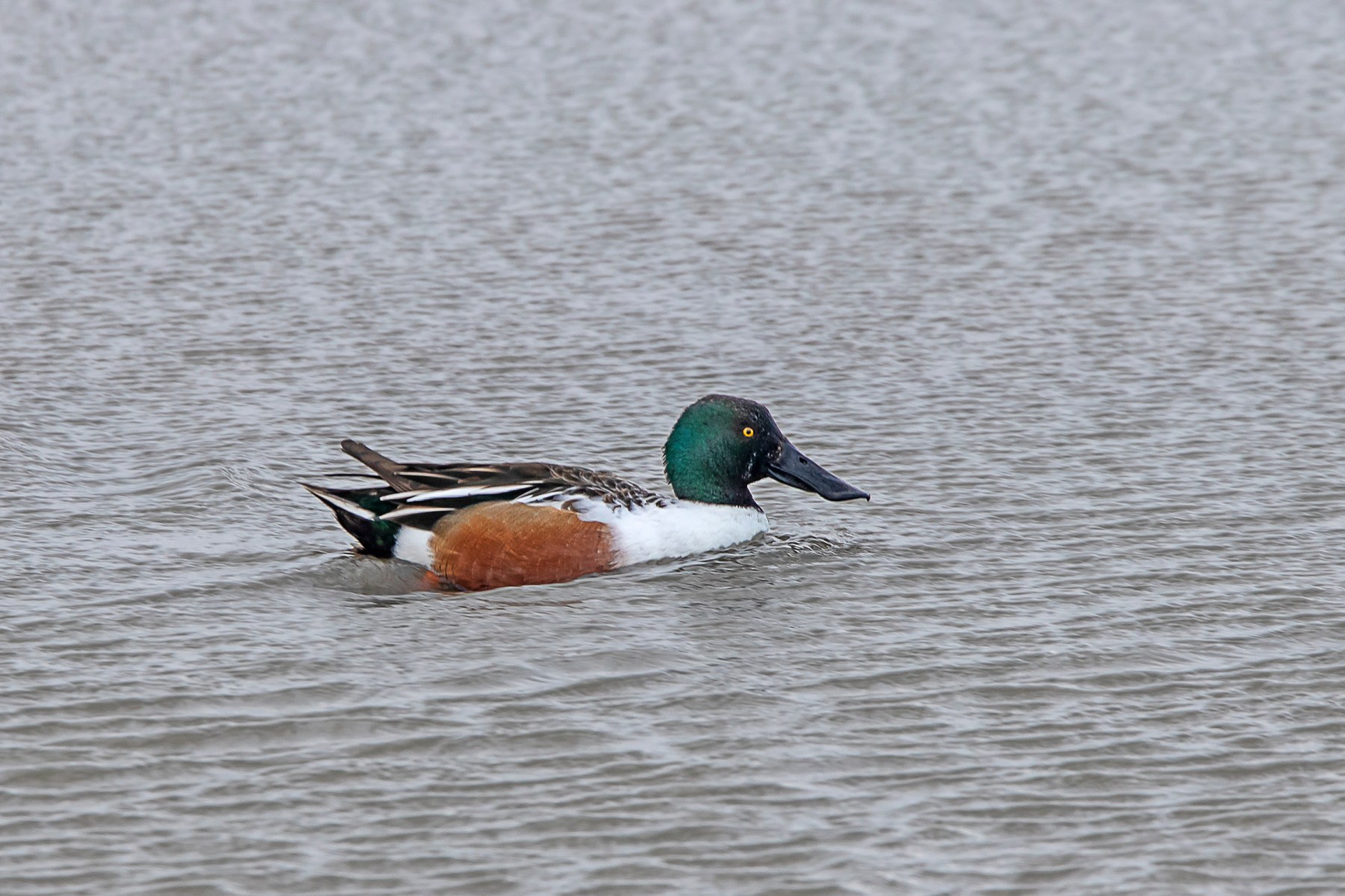
Some more images from our trip to the Brigantine Division of the Edwin B. Forsythe National Wildlife Refuge in Oceanville, NJ. We saw a large variety of Ducks on our visit there. Some were in large groups and others were either a pair or just single ducks swimming by. Most, as usual were farther out in the channel, but a few cooperated and swam closer by. All shot with a 400mm D.O. lens with a 1.4X teleconverter on a Canon R. The sky was very overcast when were photographing the ducks, so I did my best to brighten my Duck subjects. The featured image is a Male Northern Shoveler Duck. Always loved that green head with bright yellow eyes!
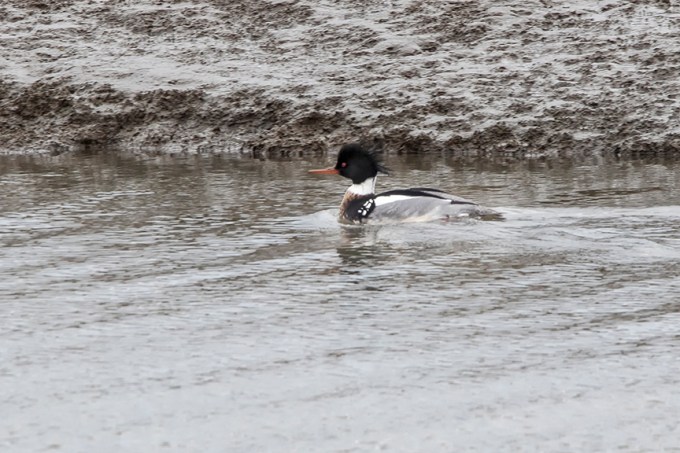
Red-breasted Merganser Duck

Hooded Mergansers
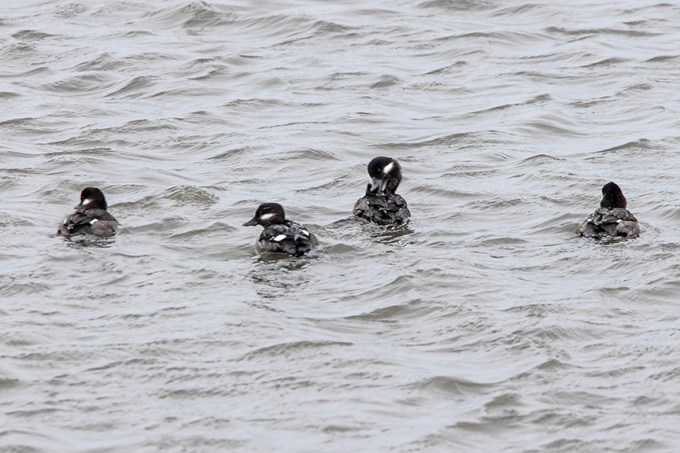
Bufflehead Ducks

Male Northern Pintail Duck

Male American Black Duck Swimming by a Female Northern Shoveler Duck
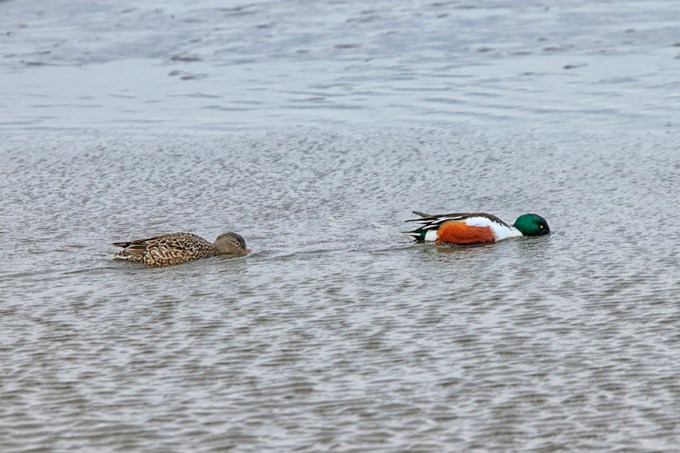
Pair of Northern Shovelers Feeding
Birds Of A Feather Not Flocking Together
Posted on March 4, 2019

While I was photographing the Snow Geese I noticed this group of birds in the foreground. I thought it was an interesting combination with the Canada Geese, a pair of Ducks and the lone Gull. The other 4 were asleep and it looked like the Gull was keeping watch over them.
Sleeping Snow Geese
Posted on March 3, 2019

When I was photographing Snow Geese at the Brigantine Division of the Edwin B. Forsythe National Wildlife Refuge, I concentrated on some very long panoramas with up to 35 images each. After I had photographed those, I also tried a few different shorter detail panoramas with only 3 to 9 images. The featured image is made with 3 horizontal images, assembled & blended in Photoshop. I could have used a wider lens and cropped off the top and bottom, but I wanted to have more detail in the images of the individual Snow Geese. For the image below, I wanted a little more height so I shot 9 vertical images for the panorama. These were shot with a Canon R with a 400mm D.O. lens with a 1.4x Teleconverter.
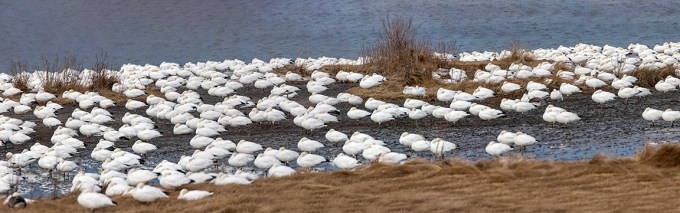
9 vertical images, handheld panorama w/ 400mm & 1.4X teleconverter
 photoartflight