 photoartflight
Black Skimmers at Brigantine
Posted on August 31, 2014

I was photographing Little Egrets along the drive when 2 Black Skimmers came down the channel. They kept working the area going back and worth and then there were 4 working the area.The 4 kept working the same area for a while and then on the next pass there were 7. They stayed for about 15 minutes giving me a large window of time to photograph Skimmers fishing and close low fly-bys. It was the best chance I have had to photograph Black Skimmers fishing and close fly-bys.

Black Skimmer Fly By, Pulling Up in a Turn. Canon EOS1 MkIV, Canon 400mm f/4 DO lens, Canon Series III 1.4X Teleconverter, f/6.3, 1/320 sec, +0.33 exposure compensation, ISO 400

Black Skimmer Fly By. Canon EOS1 MkIV, Canon 400mm f/4 DO lens, Canon Series III 1.4X Teleconverter, f/6.3, 1/500 sec, +0.33 exposure compensation, ISO 400

Black Skimmer Flying By, Turning, Cutting the Water with Tip of Beak. Canon EOS1 MkIV, Canon 400mm f/4 DO lens, Canon Series III 1.4X Teleconverter, f/6.3, 1/500 sec, +0.33 exposure compensation, ISO 400
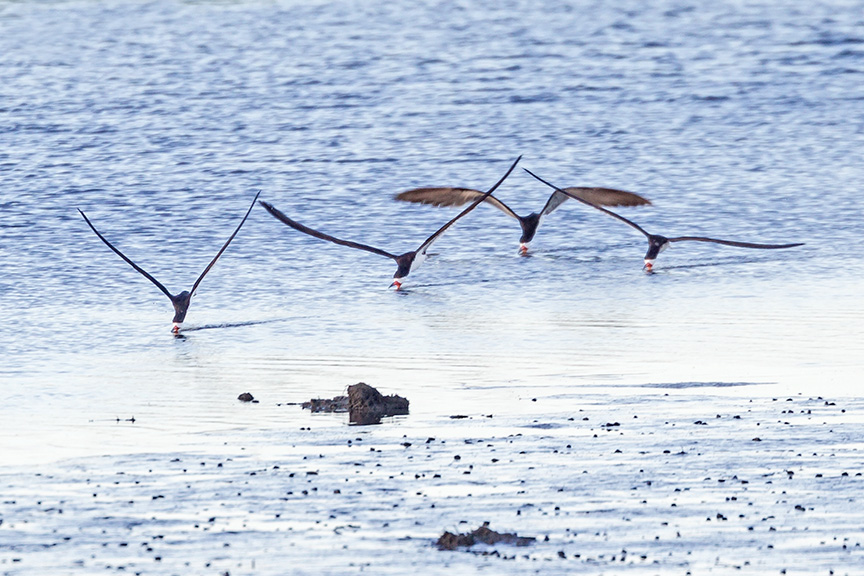
Black Skimmers Coming In. Canon EOS1 MkIV, Canon 400mm f/4 DO lens, Canon Series III 1.4X Teleconverter, f/6.3, 1/400 sec, +0.33 exposure compensation, ISO 400
Brigantine NWR Panorama Telephoto Sunrise
Posted on August 30, 2014
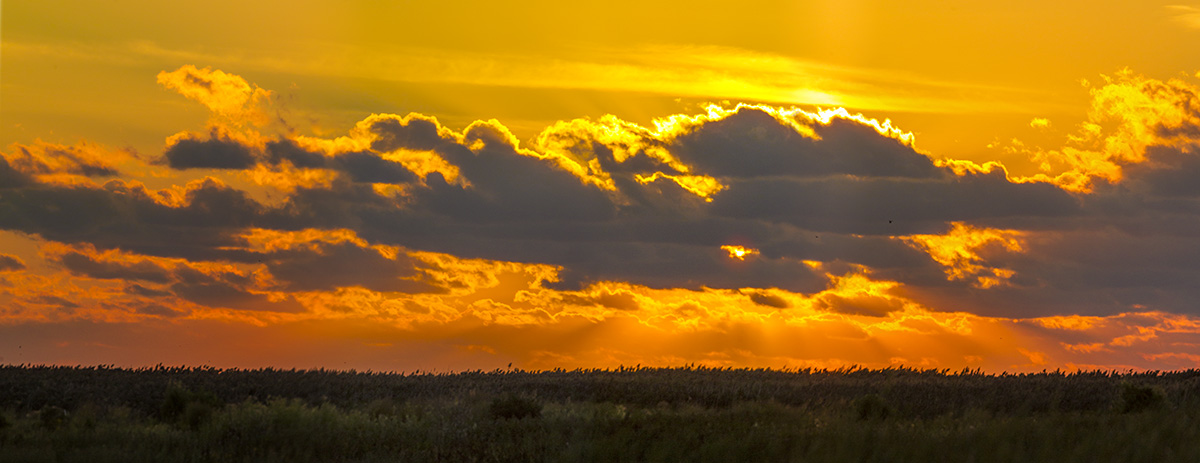
We took Friday off and went to the Edwin B. Forsythe NWR, Brigantine Division in Oceanville, NJ. We arrived before sunrise to be ready to photograph. I wanted to capture the pre-sunrise or Dawn along with the Sunrise, hopefully with birds flying through it. Sometimes Dawn is more interesting than the actual Sunrise. I was trying for a multi-shot vertical panorama Sunrise with a long lens to capture mainly the sky without too much foreground. The feature image is a 5 shot vertical panorama shot with a 400mm lens. I waited for the sun to be behind the clouds because I was using a Canon 400mm DO Lens (Diffractive Optics) which will flare when pointed at the sun. Then I concentrated on single shot images with the 400mm and adding in some with 17mm through 105 using multiple lenses.These will be posted later. Warning! Do not look directly into the sun, especially with a telephoto lens. You can and will damage your eyes! I used live view or focused off to the side then estimated where I should aim the camera. On the panorama, I just shot to one side and moved to the other side, not looking through the viewfinder.
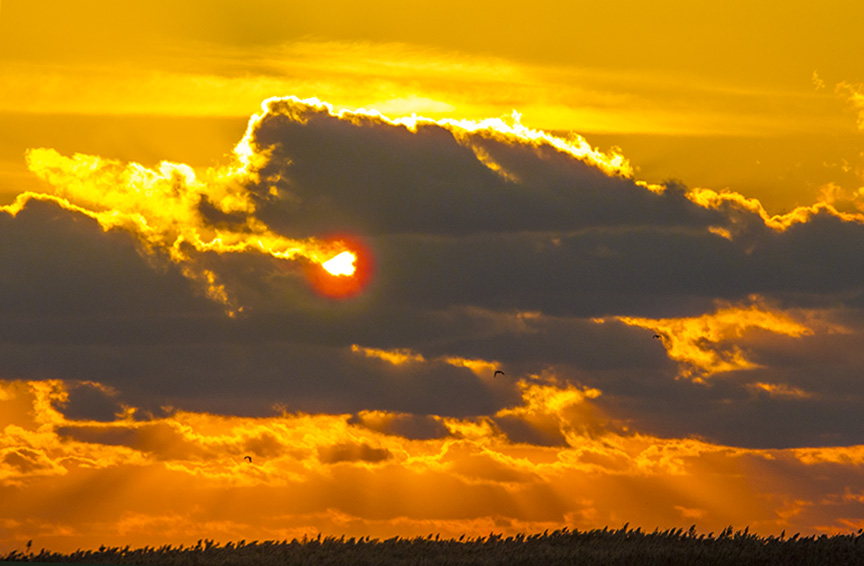
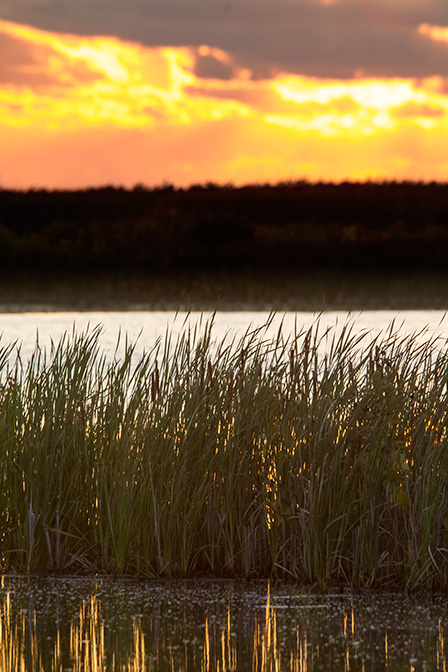
Grasses lit by Sunrise 400mm, handheld, f/7.1, 1/640 sec, -0.33 exposure comp, ISO 800


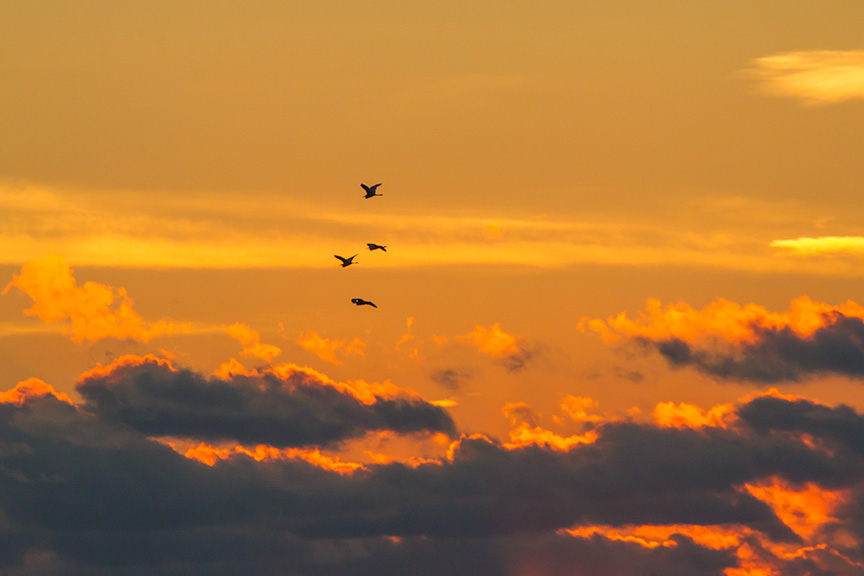
High Flight of Egrets in Sunrise

Dawn, pre-sunrise, skyscape
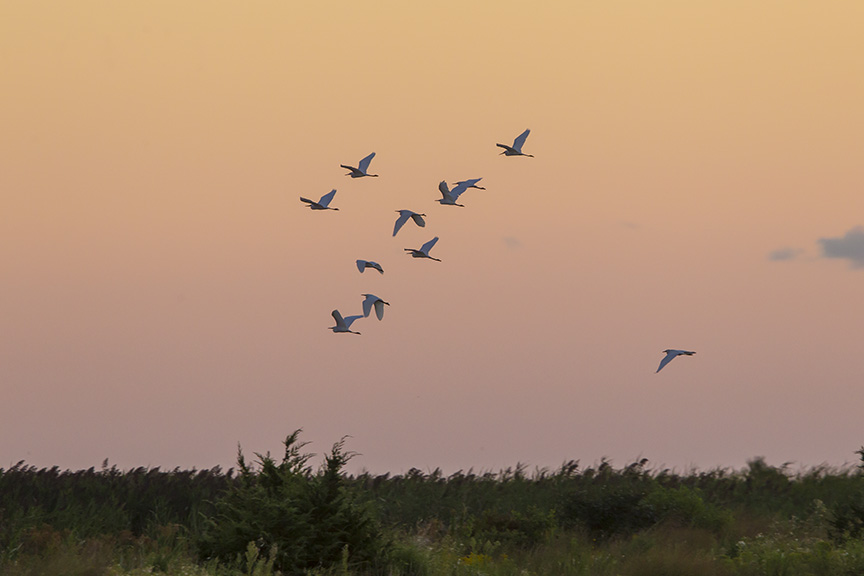
Flight of Egrets at Dawn
Common Yellowthroat Singing in the Early Morning
Posted on July 2, 2014

While driving through the Wildlife Drive at the Edwin B. Forsythe National Wildlife Refuge, Brigantine Division in Oceanville NJ, we came across this Common Yellowthroat singing in the early morning. It was fun to watch & listen to singing even though it was far away. There were many Common Yellowthroats around the brush by the first Overlook Tower along the Drive. They stayed in the shadows, bouncing around from branch to branch.

Common Yellowthroat in the shadows. There were many early in the morning along the drive. Canon EOS 1D MkIV, 400mm f/4 DO IS, Canon Series III 1.4X Teleconverter, f/5.6, 1/500 sec, ISO 400.
Common Tern Hovering Before Dive
Posted on July 1, 2014

This Common Tern was working this area for food in front of us. It turned head on to us and was flapping away before diving into the water to catch a fish. I liked the angle because it was head on to us instead of the usual side view. It still worked the area for a while, diving and hovering. Then moved down the waterway away from us.
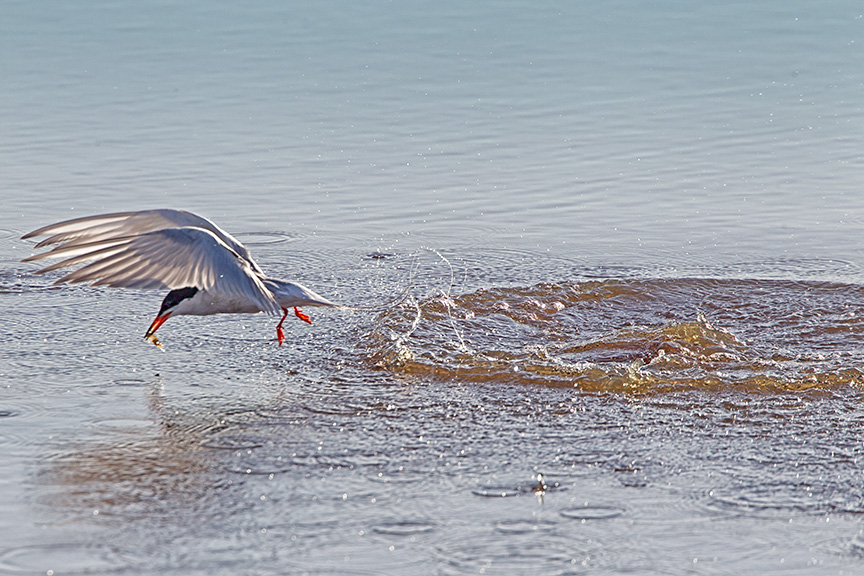
Common Tern After Dive with Fish, Still Showing Splash from Dive and Flying Out of the Water. I tried to get as much of the water ripple while still showing the Tern. Canon 1D MkIV, Canon 400mm f/4 DO IS, Canon Series III 1.4X Teleconverter, f/8, 1/2000 sec, ISO 400
Ruddy Turnstone
Posted on June 19, 2014
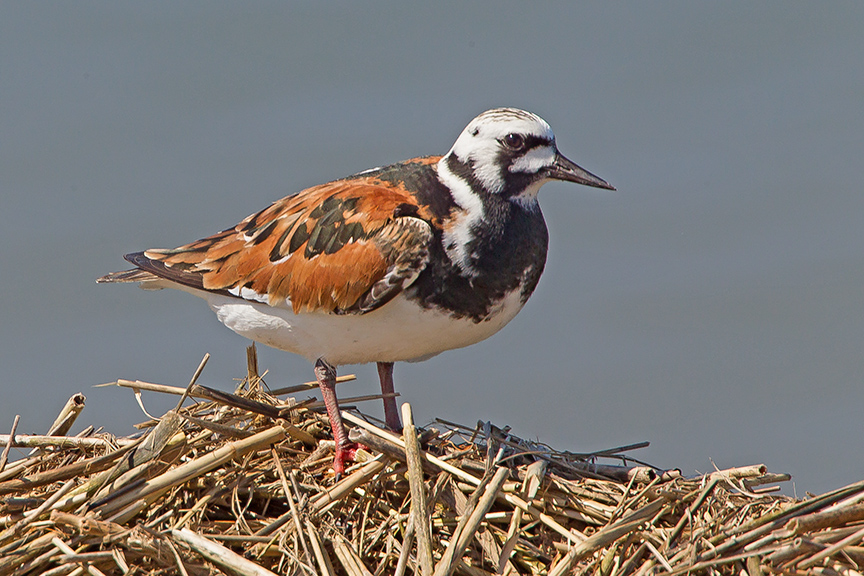
I found this Ruddy Turnstone at the Edwin B. Forsythe NWR, Brigantine Division in Oceanville, NJ. It was in these dried grasses along the Wildlife Drive. They are usually found on rocky shorelines or beaches. This one was right above the rocky shoreline and did not seem to be bothered by our presence. Usually they run off if you get too close so this bird was being very cooperative for a while. Then it ran back in the rocks.
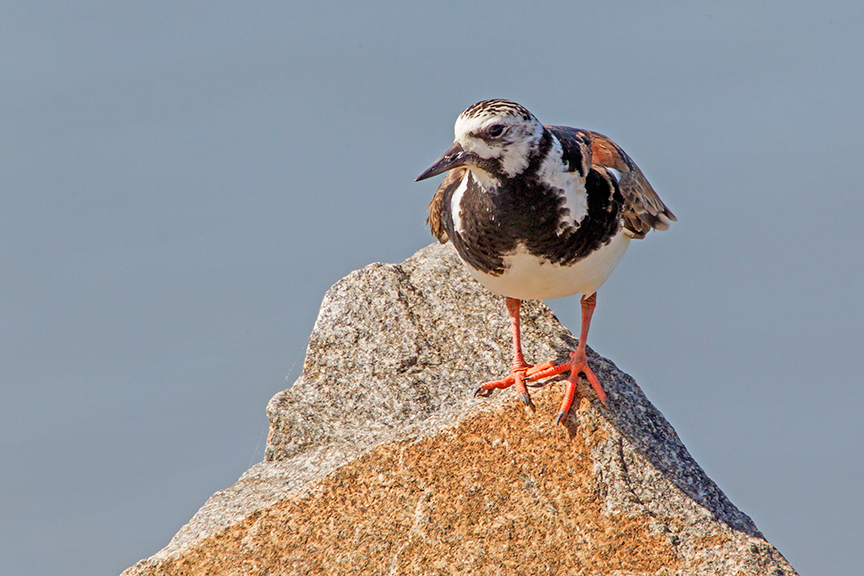
Ruddy Turnstone on Rock. Canon EOS1D MkIV, Canon 400mm f/4 DO IS, Canon 2x Series II Teleconverter, f/11, 1/800 sec, ISO 640
Ospreys at Edwin B. Forsythe NWR, Brigantine Div.
Posted on June 9, 2014
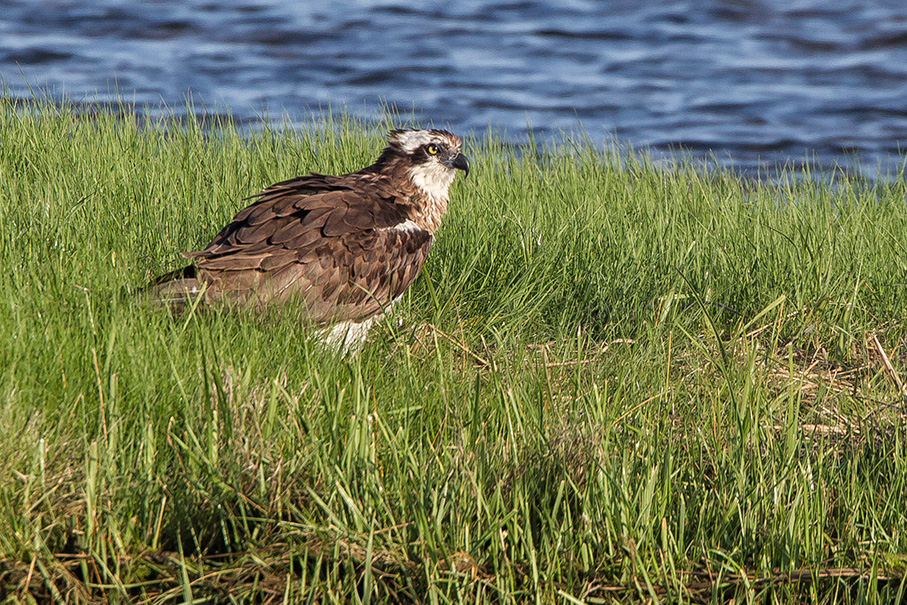
A little while ago we traveled to the Edwin B. Forsythe NWR, Brigantine Division in Oceanville NJ. There was a lot of activity along the Wildlife Drive. There are many Osprey platforms along the Drive, a few additional had been added over the last few years. This is the first time I saw all of them being used with Ospreys nesting on them. Along with the nests in the refuge not on the platforms. Because of this, the Ospreys were seen throughout the refuge with many flying quite close and overhead giving many good photo opportunities. Soon, if not now, their eggs will be hatching giving even more photo opportunities. They will be flying to and from the nests, bringing food for the young birds. Here is an adult male on the ground after catching a fish, taking off to bring the fish to the platform to eat.

Osprey with Catch, Bringing to Osprey Platform, Canon 1DMkIV, 400mm f/4 DO IS, Canon 1.4X Series III Teleconverter, f/8, 1/500 sec, +0.33 exposure compensation, ISO 400
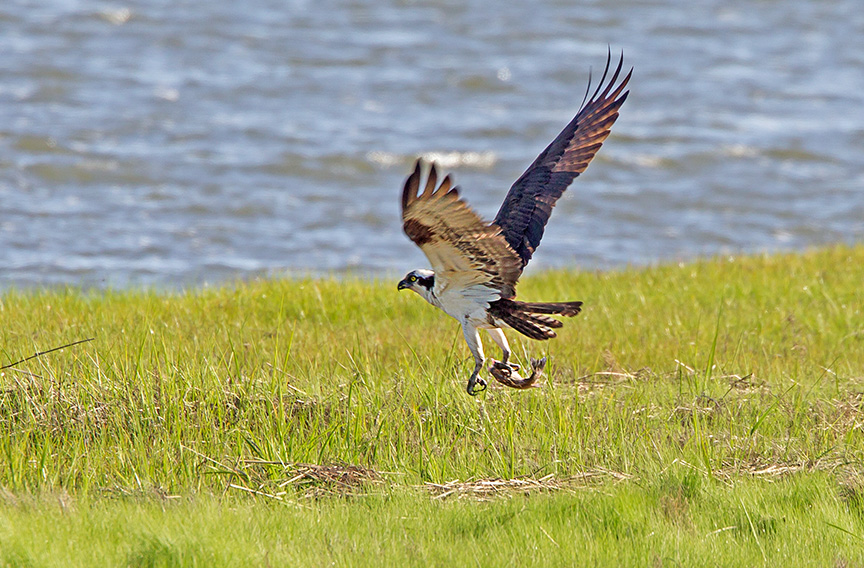
Osprey with Catch, Bringing to Osprey Platform, Canon 1DMkIV, 400mm f/4 DO IS, Canon 1.4X Series III Teleconverter, f/8, 1/500 sec, +0.33 exposure compensation, ISO 400

Osprey with nesting material, Bringing to Nest on Osprey Platform. Canon 1DMkIV, 400mm f/4 DO IS, Canon 1.4X Series III Teleconverter, 640
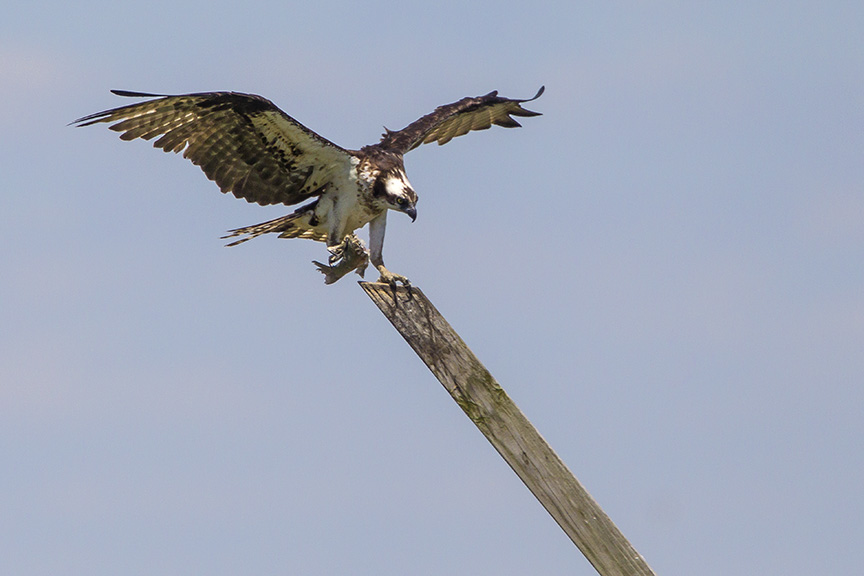
Osprey with Catch on Osprey Platform Post. Canon 1DMkIV, 400mm f/4 DO IS, Canon 1.4X Series III Teleconverter, f/5.6, 1/4000 sec, +0.67 exposure compensation, ISO 640
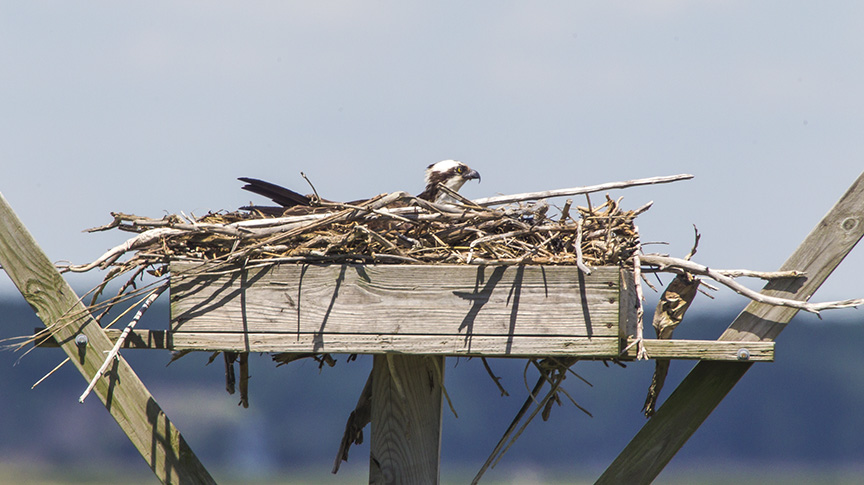
Osprey on Nest Canon 1DMkIV, 400mm f/4 DO IS, Canon 1.4X Series III Teleconverter, f/11, 1/500 sec, +0.67 exposure compensation, ISO 640

Another Osprey Platform w/ nest. Canon 1DMkIV, 400mm f/4 DO IS, Canon 1.4X Series III Teleconverter, f/11, 1/640 sec, +0.33 exposure compensation, ISO 640

Osprey on ground near Osprey Platform. Canon 1DMkIV, 400mm f/4 DO IS, Canon 1.4X Series III Teleconverter, f11, 1/500 sec, +0.33 exposure compensation, ISO 640

Osprey Flying Overhead backlite with sun on wings Canon 1DMkIV, 400mm f/4 DO IS, Canon 2 Series II Teleconverter, f/10, 1/640 sec, +1 exposure compensation, ISO 640
Black Skimmer Panorama
Posted on June 1, 2014

Work has kept me away from posting new blogs lately, but I am back with a panorama made from 9 images taken at the Edwin B. Forsythe National Wildlife Refuge, Brigantine Division, in Oceanville NJ. We went down to look for Ospreys and Black Skimmers and we found both. The Ospreys were all over the refuge and quite active. We got quite a few photos, but we did not find the Black Skimmers until we got near the end of the Wildlife Drive. They were just resting there in a large group. We decided to keep an eye on them for later in the day and see if they would be fishing. When we first found them, I decided to shoot a series of handheld shots to make a long thin panorama showing the large group while they were still there in large numbers. Doing this is fairly easy, but change to manual exposure so the exposures are consistent and make sure if you are not using a tripod, to keep the images level and lined up with plenty of overlapping between images. I assembled the panorama manually in Photoshop, but you can also let Photoshop make them for you or use a program like PT Gui. I keep a couple of Terns and Black-headed Gulls in the shot to keep balance. I tried counting a few times, but I kept getting a different count each time, but there is about 75 in this group. I used a Canon EOS 1D MkIV, with a Canon 400mm f/4 DO IS lens, with a Canon 1.4X Series III Teleconverter, f/8 @ 1/1600 sec, ISO 400.
Red-winged Blackbird in Tree
Posted on March 15, 2014

This is a 3 shot vertical panorama composite shot with the 400mm DO lens, handheld. I was looking at the lonely Blackbird and liked the angled branches of the tree with the snow behind the tree and thought it might be interesting if I made a vertical composition of the scene with the blackbird on top. Shooting vertically I could not fit it all in, so I shot 3 horizontal shots and stitched them together manually in Photoshop. I cropped a little off the sky on top, seemed like too much empty blue, and finished off with this crop.
Pintail Ducks Foraging
Posted on March 10, 2014

I saw these 2 Pintail Ducks foraging in the mud at Low Tide. They were a pair, One Female, One Male. There were a lot of Pintails at Brigantine this day, scattered throughout the Refuge. Some were in fairly large groups, while these two were off on their own. It was interesting seeing them on the mud flats at low tide, you could see their feet and more of their body versus seeing them swimming in the water. They have very interesting patterns on their bodies and which you can see better here.

Male Pintail Duck Foraging
Canon EOS 1D MkIV, 400mm DO IS lens, 2X Canon Teleconverter for 800mm,
f/11, 1/1000 sec, +0.33 exposure compensation, ISO 800

Female Pintail Duck Foraging
Canon EOS 1D MkIV, 400mm DO IS lens, 2X Canon Teleconverter for 800mm,
f/11, 1/1000 sec, +0.33 exposure compensation, ISO 800
BIF – Bufflehead
Posted on March 10, 2014

The Brigantine Division of the Edwin B. Forsythe NWR has a large variety of Ducks this time of year. Lots of Pintails, Mergansers, American Black Ducks, Rudys and the list goes on. It was busy diving in the water looking for food, so it was only on the surface for a couple seconds before it disappeared again. I was watching one of two Snowy Owls off in the distance when all of a sudden it took off and flew quickly by. I was able to get a few quick shots, but it was moving fast and out of sight quickly.
 photoartflight