 photoartflight
Monarch Butterfly Portraits
Posted on August 30, 2018

It is interesting to see and photograph Monarchs feeding on a plant. But after photographing them for years I never realized their amazing full life cycle. You know they go through the different stages, caterpillars thru to butterflies, but I did not realize how many stages they have.
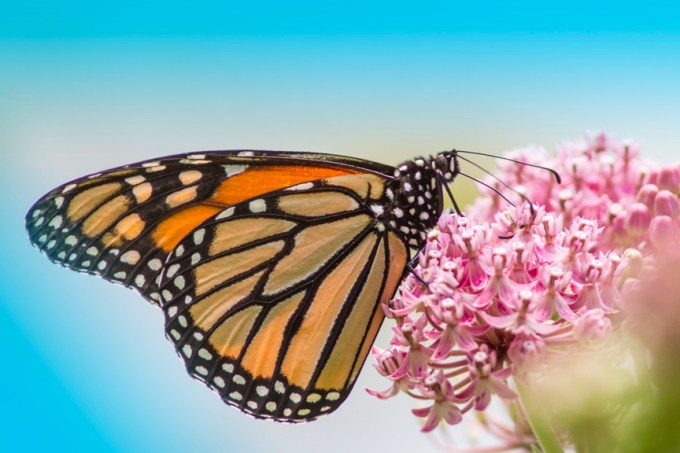
The following info is from www.learnaboutnature.com
The Photos are PhotoArtFlight Images.
Monarch butterflies go through four stages during one life cycle, and through four generations in one year. It’s a little confusing but keep reading and you will understand. The four stages of the monarch butterfly life cyclebutterfly are the egg, the larvae (caterpillar), the pupa (chrysalis), and the adult butterfly. The four generations are actually four different butterflies going through these four stages during one year until it is time to start over again with stage one and generation one.
In February and March, the final generation of hibernating monarch butterflies comes out of hibernation to find a mate. They then migrate north and east in order to find a place to lay their eggs. This starts stage one and generation one of the new year for the monarch butterfly.
In March and April the eggs are laid on milkweed plants. They hatch into baby caterpillars, also called the larvae. It takes about four days for the eggs to hatch. Then the baby caterpillar doesn’t do much more than eat the milkweed in order to grow. After about two weeks, the caterpillar will be fully-grown and find a place to attach itself so that it can start the process of metamorphosis. It will attach itself to a stem or a leaf using silk and transform into a chrysalis. Although, from the outside, the 10 days of the chrysalis phase seems to be a time when nothing is happening, it is really a time of rapid change. Within the chrysalis the old body parts of the caterpillar are undergoing a remarkable transformation, called metamorphosis, to become the beautiful parts that make up the butterfly that will emerge. The monarch butterfly will emerge from the pupa and fly away, feeding on flowers and just enjoying the short life it has left, which is only about two to six weeks. This first generation monarch butterfly will then die after laying eggs for generation number two.
The second generation of monarch butterflies is born in May and June, and then the third generation will be born in July and August. These monarch butterflies will go through exactly the same four stage life cycle as the first generation did, dying two to six weeks after it becomes a beautiful monarch butterfly.
The fourth generation of monarch butterflies is a little bit different than the first three generations. The fourth generation is born in September and October and goes through exactly the same process as the first, second and third generations except for one part. The fourth generation of monarch butterflies does not die after two to six weeks. Instead, this generation of monarchs migrates to warmer climates like Mexico and California and will live for six to eight months until it is time to start the whole process over again.
It is amazing how the four generations of monarch butterflies works out so that the monarch population can continue to live on throughout the years, but not become overpopulated. Mother Nature sure has some cool ways of doing things, doesn’t she?


Red Admiral Butterfly
Posted on November 19, 2016

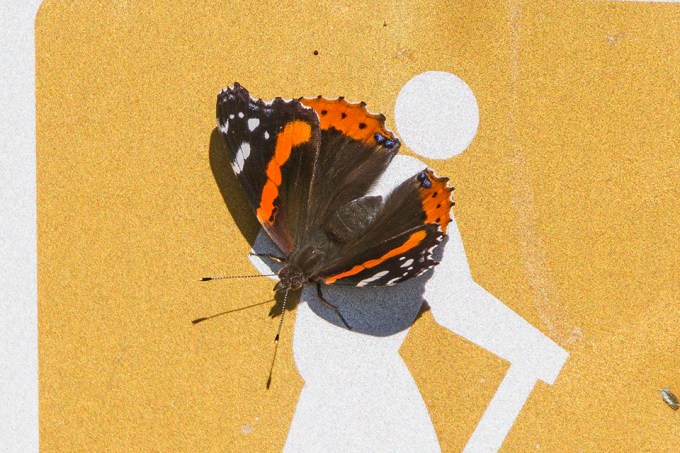
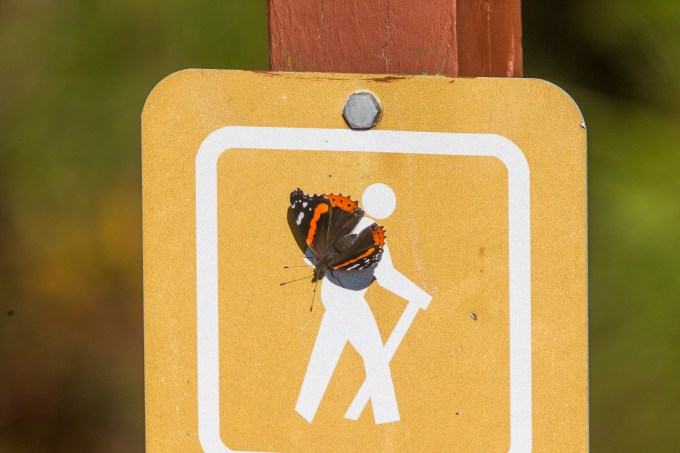
W hen we were at the Blackwater NWR, we drove over to the Tubman Trail, which is another area on the Blackwater NWR. It is more walking trails with ponds and wooded areas. We were surprised to see butterflies this late in the season. They did not sit still for long and were flirting all over. The one on the featured image stayed for about 30 seconds before it moved on. The one below was on the sign for the hiking path.
Black Swallowtail Butterfly Takeoff
Posted on September 21, 2016
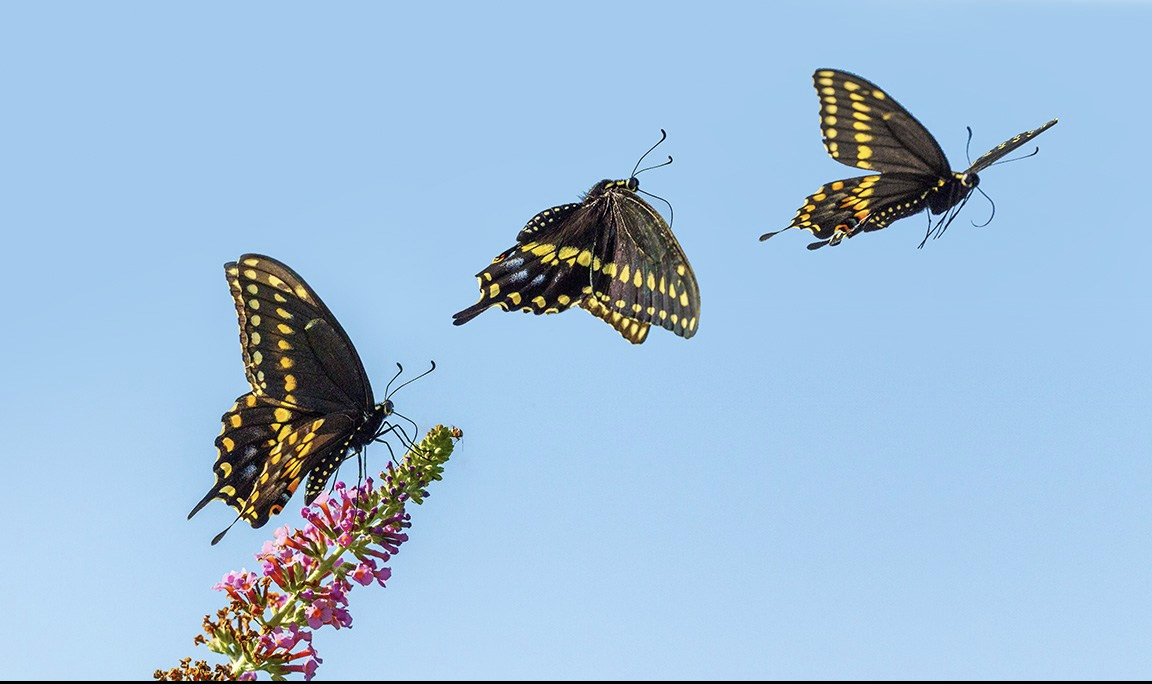
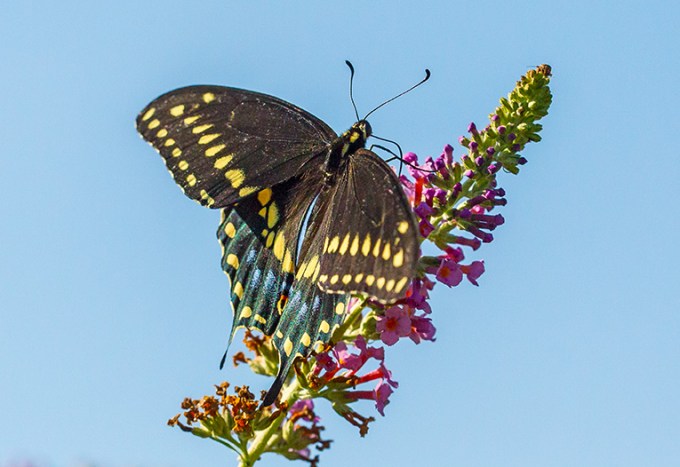
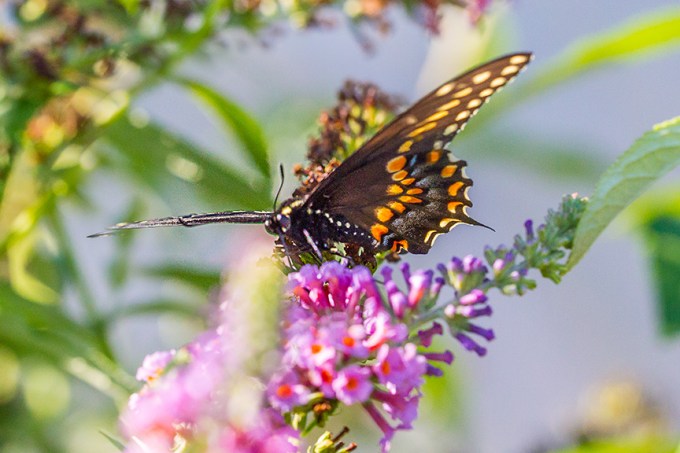
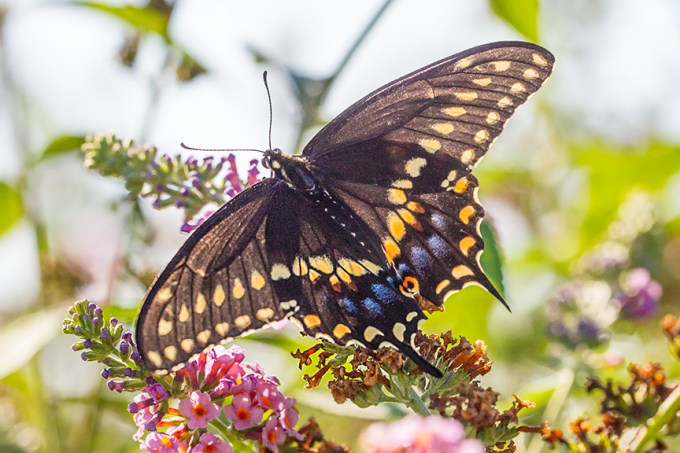
I was photographing this Black Swallowtail Butterfly and as it took off I followed it along to combine into a Take Off sequence. Combining 3 images into a panorama. I had a few more, but it just added a lot of blue sky which looked empty. It stayed in the area for a while giving me the opportunity to get quite a few shots in different poses.





Fritillary Butterfly
Posted on August 17, 2016

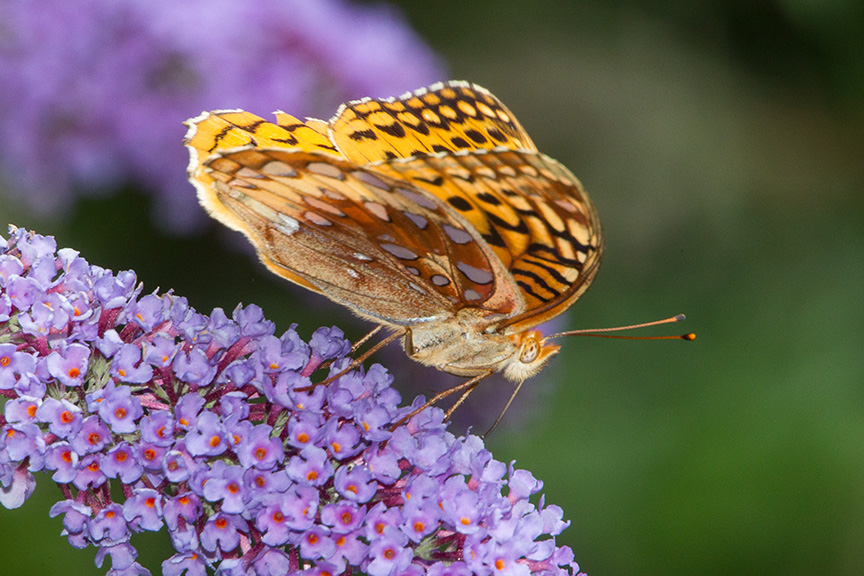
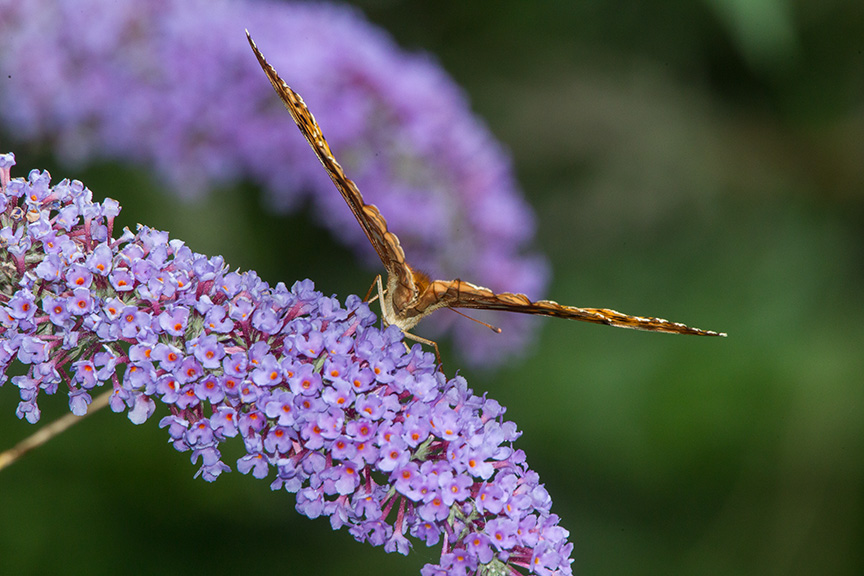
We saw this butterfly flying around our butterfly bush. Only stayed for a few seconds. But was able to get a few shots. This was my favorite from the series.
Fritillary Butterfly
Posted on July 29, 2015
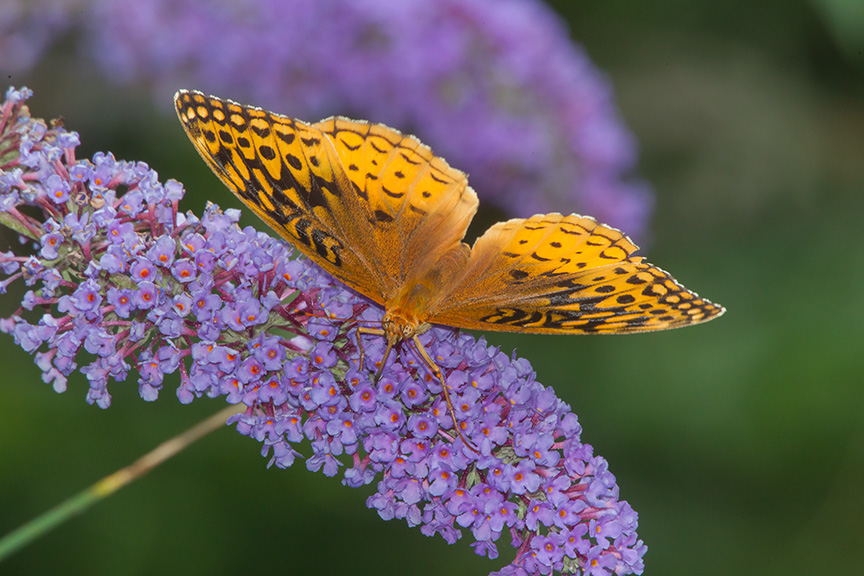
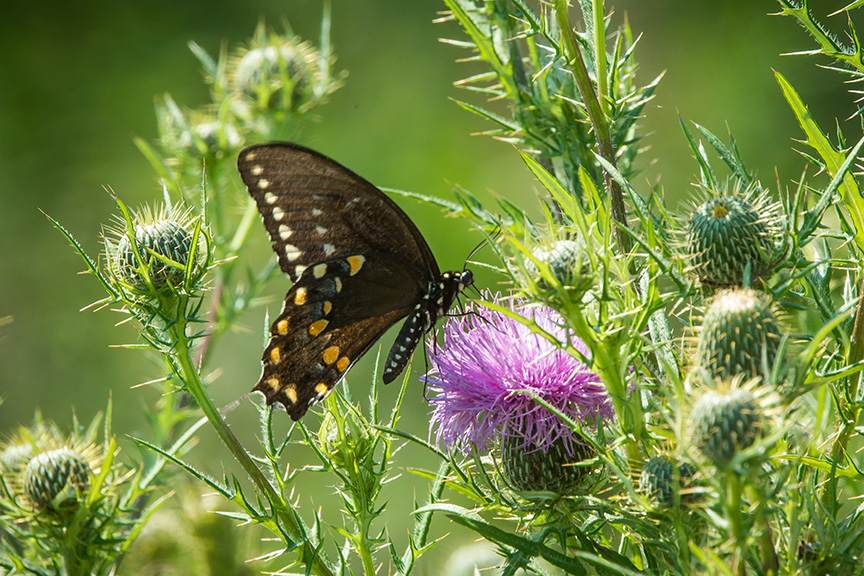
Another visitor to our pond. Not sure what type of Fritillary Butterfly it is, but was excited it stopped by for a visit.
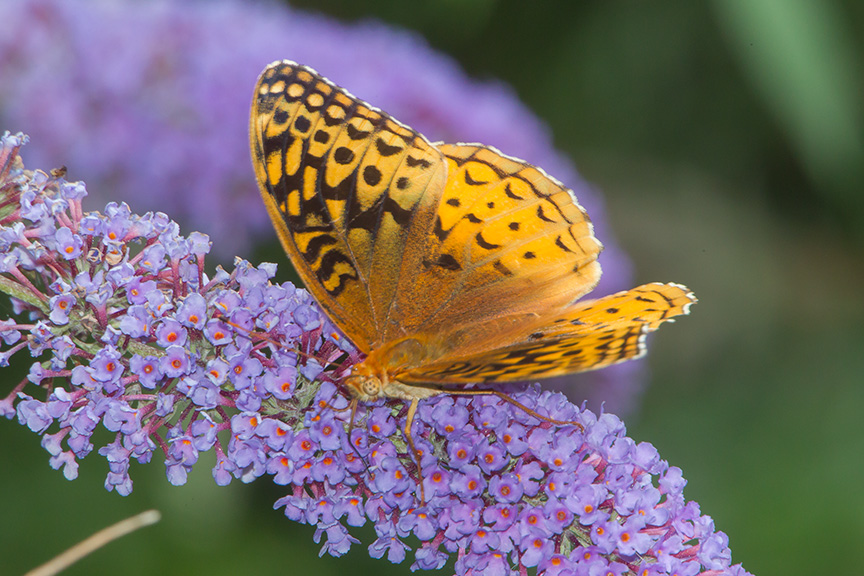
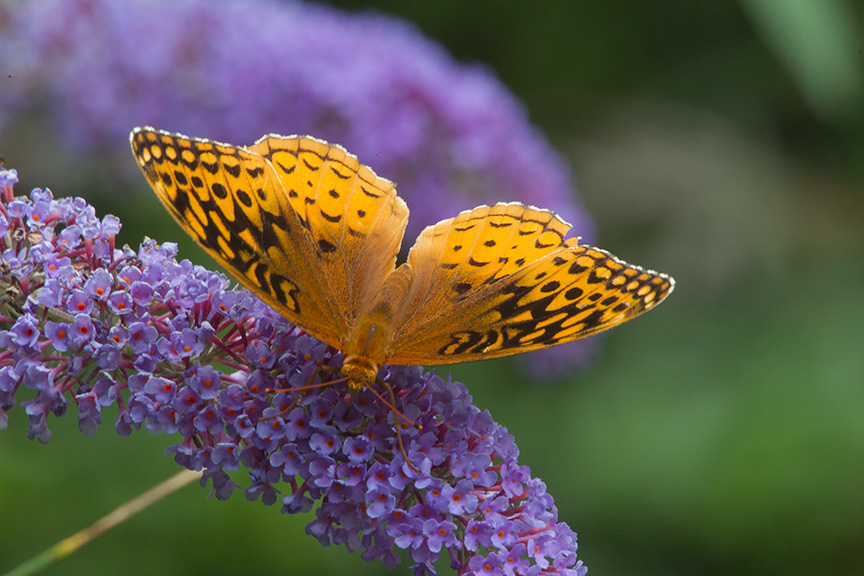
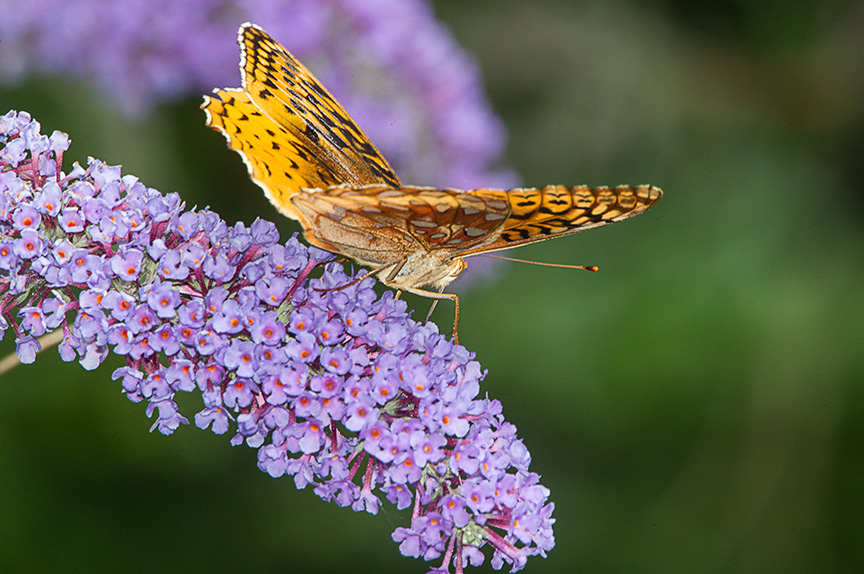


Stacked Butterfly Wing at 6.5X In Studio
Posted on December 13, 2014

Featured image is of Butterfly Wing shot in studio @ 6.5X with a Canon 1DMkIV, 1.3X crop body with Canon MP-E, 1-5X Macro Lens, set at 5X, Off Camera Flash. A series of 3 images stacked in Photoshop.
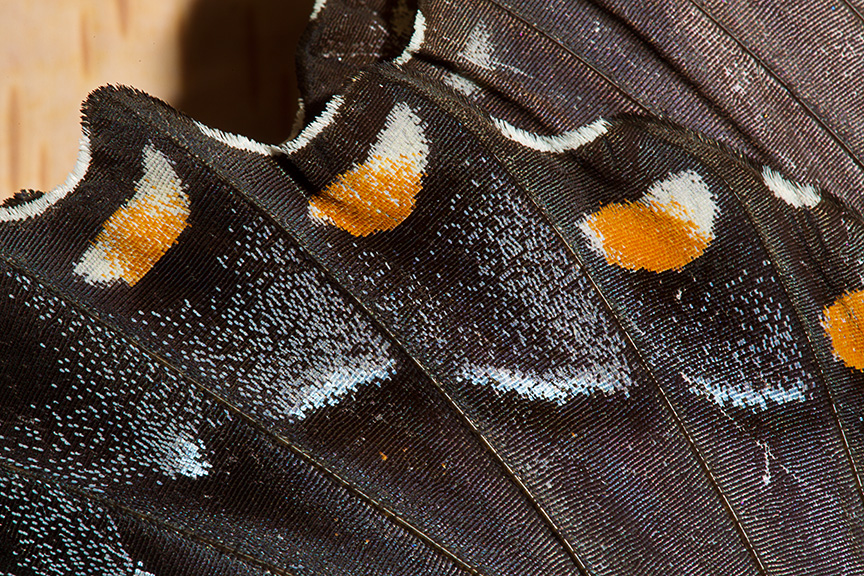 Wider view showing the area photographed for the stacked photo at 6.5X.
 photoartflight