 photoartflight
Sharp-shinned Hawk (?) Watching Me
Posted on January 5, 2018

As I was photographing a Little Blue Heron early in the morning at Ding Darling NWR, I heard a noise behind me. I turned around and saw this hawk that landed on a branch close by and was watching me. I was using a 300mm lens with a 1.4X teleconverter, so I had to back up to be able to focus on the hawk because it was too close. I was only able to get a few shots before it flew off. But it was fun to see it close by. I believe it is a Sharp-shinned Hawk, but not positive. I always had trouble ID’ing hawks.
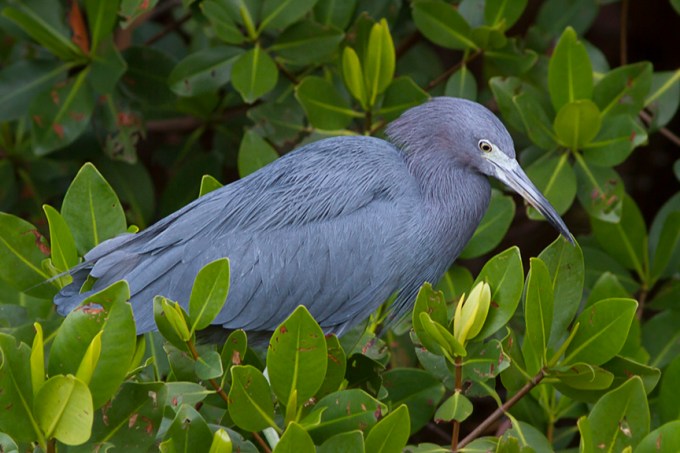
My subject I was working on early in the morning, in the shade. A Little Blue Heron in bushes, 1/50 sec handheld, f/8, ISO 800, 300mm w/ 1.4X teleconverter, handheld.
Black-Crowned Night-Heron’s Breakfast
Posted on July 21, 2017

I was going through some of my older images & I found this image of a Black-Crowned Night-Heron after it caught it’s breakfast. This was shot early in the morning as the sun was coming up. I was watching the Heron on the sticks and I was surprised that all of a sudden he lunged forward and came up with the fish for a meal. I was just watching the Heron so I was not ready for photographing the Heron catching it’s meal. But I got him as he straightened up.
Dragonfly Closeups & Image Stacked Closeups
Posted on July 12, 2017

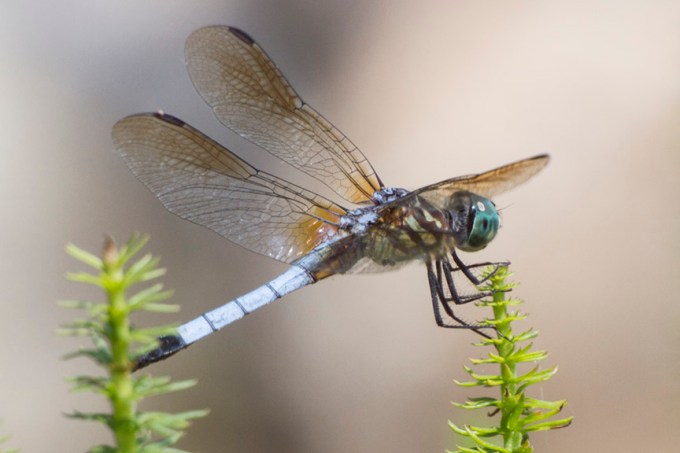
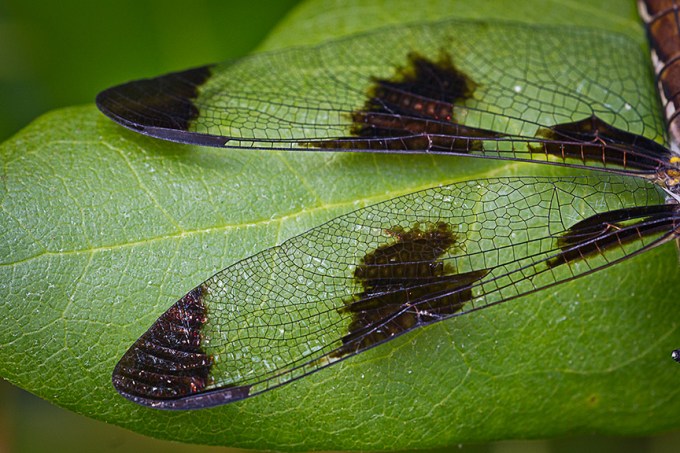
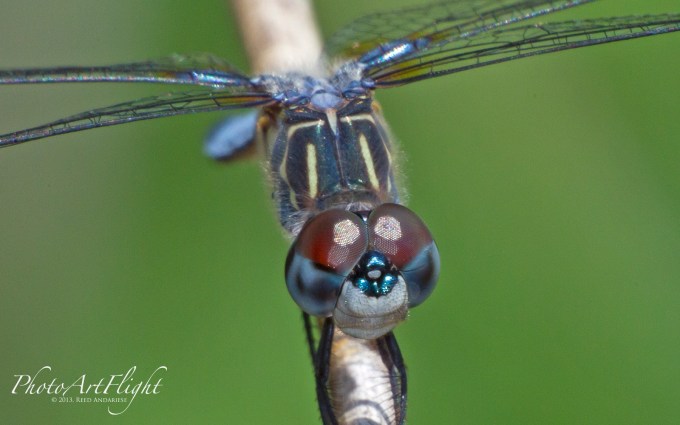
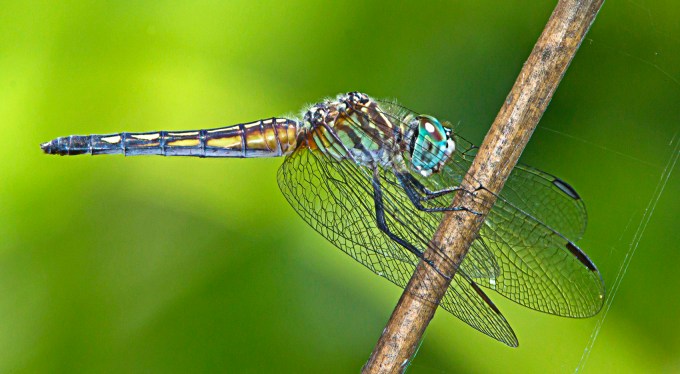
Some of the time, when photographing Dragonflies, I need to get closer, but water or something is in the way. Or I just want more working distance and do not want to use a macro lens with skidish subjects. After photographing them for over 10 or 12 years I have come up with different solutions. And I want a really soft looking backgrounds! Or I am at a National Wildlife Refuge where you can’t go off the Drive, so you need more reach for the different dragons you see there. So I have come up with different combinations to solve that problem. The more you experiment, the more combinations you come up with. I sometimes use a telephoto lens, usually 400mm f/4, an extension tube, a 1.4x teleconverter, and then a longer extension tube. Sometimes I add another 1.4x teleconverter at the camera. Than add a flash with a Better Beamer Flash extender because with the extension tubes I loose a lot of light, so I need more power to light my subject Dragonfly. This gives me a working distance, depending on which extension tubes and combinations of teleconverters I use, from 2 to 8 ft or even more, but filling the frame with my subject small Dragonfly. The Blue Dashers are about 1.5″ long. Some ot the others are a little larger and the Damselflies are smaller. The extension tube spacing actually enlarges the Dragonfly image on the sensor. But you do loose a lot of light. It seems awkward, but once you get used to the combination you use, it gets easier to use in the field. Many times I actually shoot a stack series of focus point images along a dragonfly to get a sharp final image from head to tail, wingtip to wingtip or specific areas I want in Photoshop. I probably posted too many images, but it shows the effects and details I was going for. They are such fascinating photo subjects! Sorry for such a long Post!
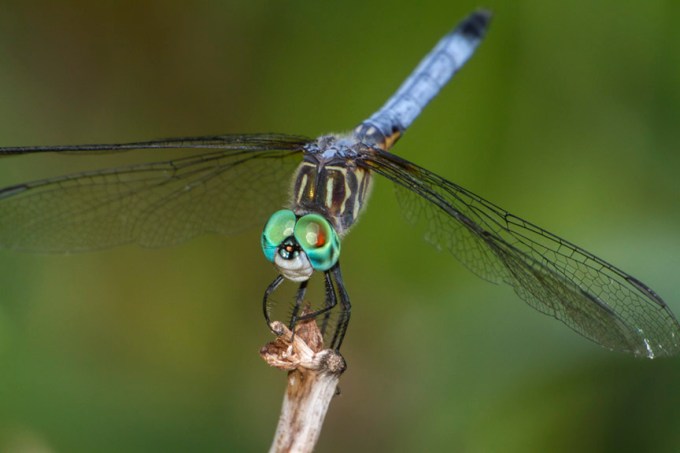
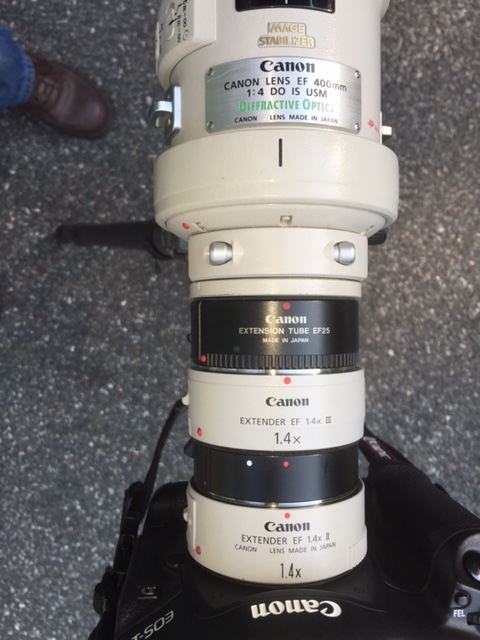
Extreme setup with 2 teleconverters, for closer focusing and extreme magnification.

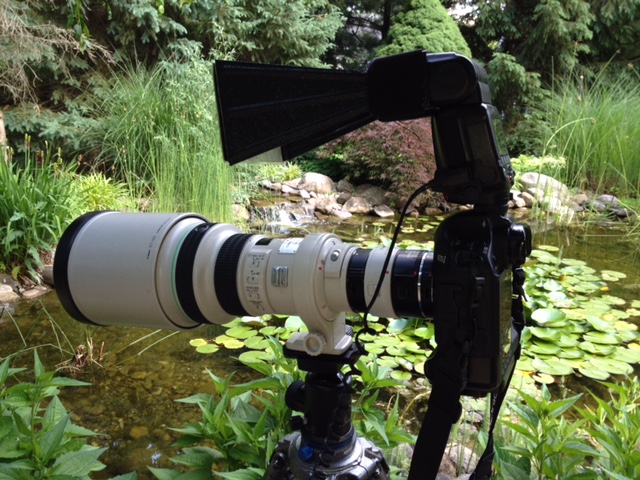
My Standard setup for closeup Dragonfly photos. The wider teleconverter next to the camera body magnifies the image a little more and you can get even more image filling frames.
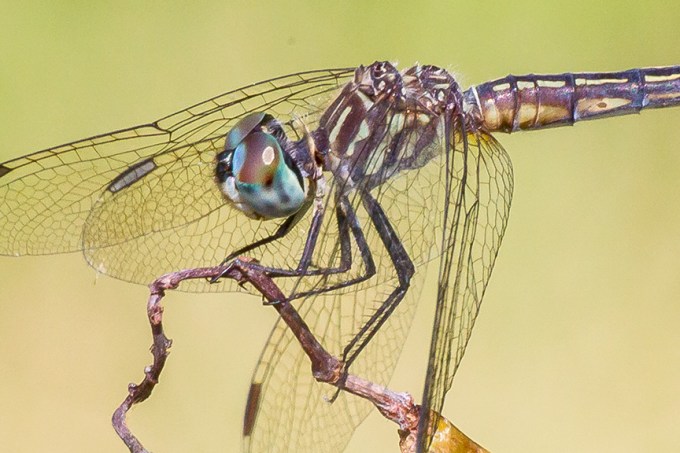

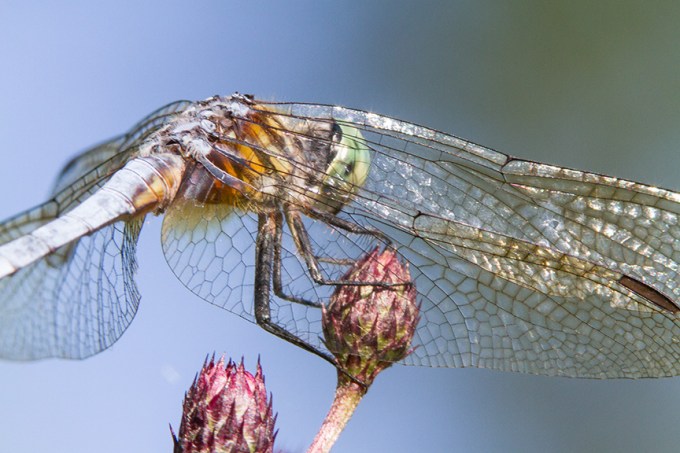

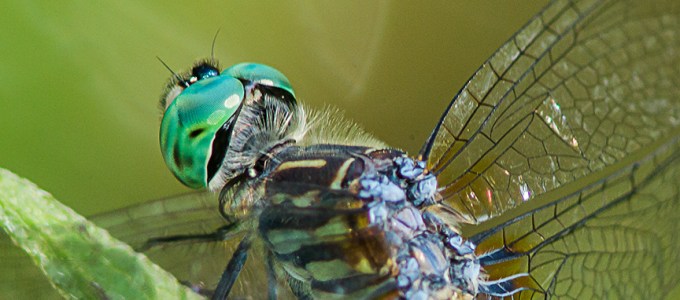


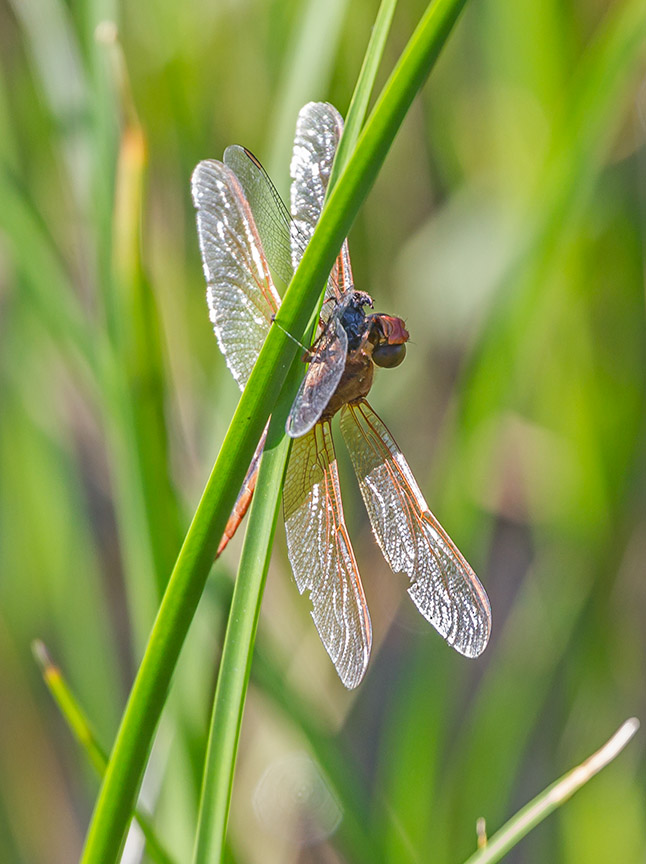
This Dragonfly was eating another dragonfly about 15 ft away



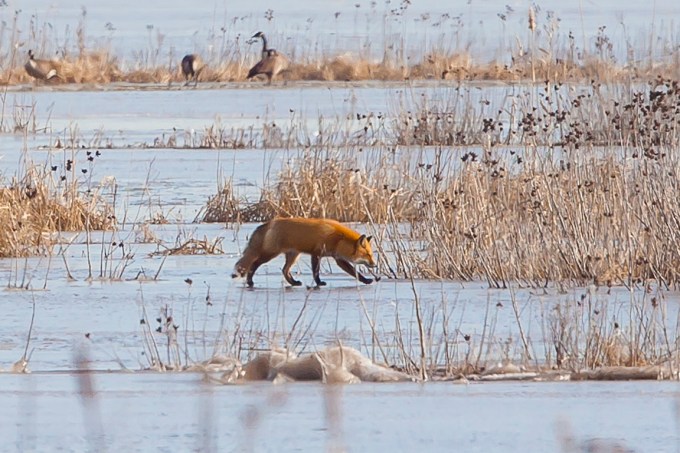
Fox on Ice
Posted on December 19, 2016
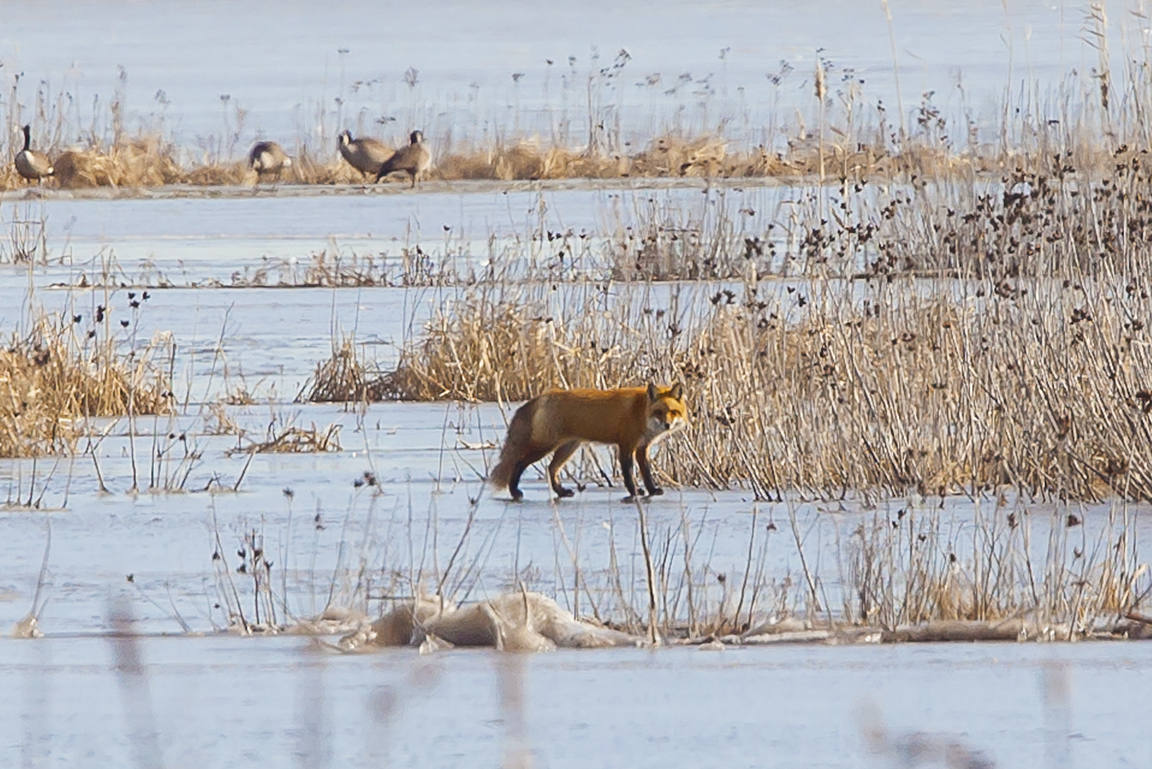
This was shot at the Edwin B. Forsythe NWR in Oceanville, NJ. The fox was very far out on the ice, so it is not a great shot. But I thought it was interesting to see a fox out on the ice wandering around the Canada Geese. I did not see it go after any of the Geese, so not sure what it was looking for.
 photoartflight