 photoartflight
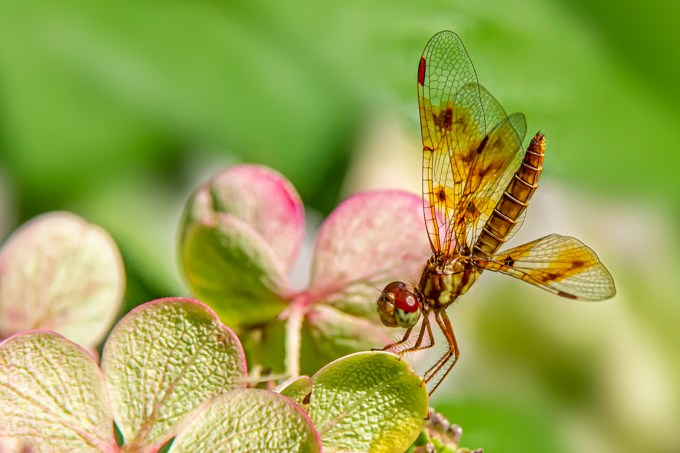
Eastern Amberwing In Garden
Posted on August 13, 2020

I was looking for bugs in the garden and noticed this female Eastern Amberwing on a Hydrangea. It was a nice photo subject as it stayed in the general area giving me multiple opportunities to photograph it on multiple plants. All images were taken with a 300mm lens with a 1.4x teleconverter on a Canon 1D mkIV.

Junk Bug On Zinnia
Posted on August 12, 2020

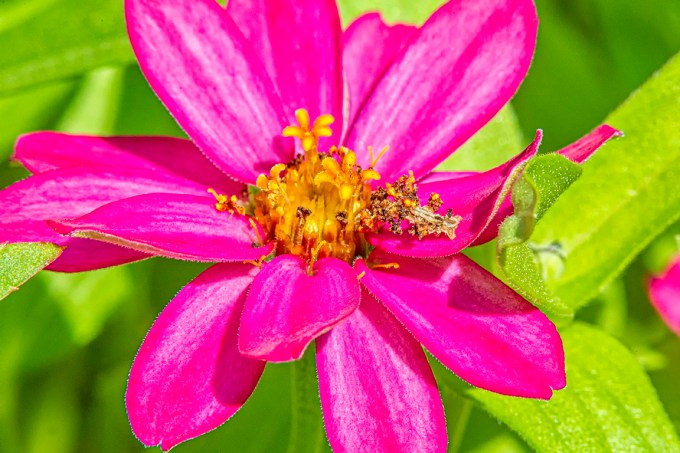
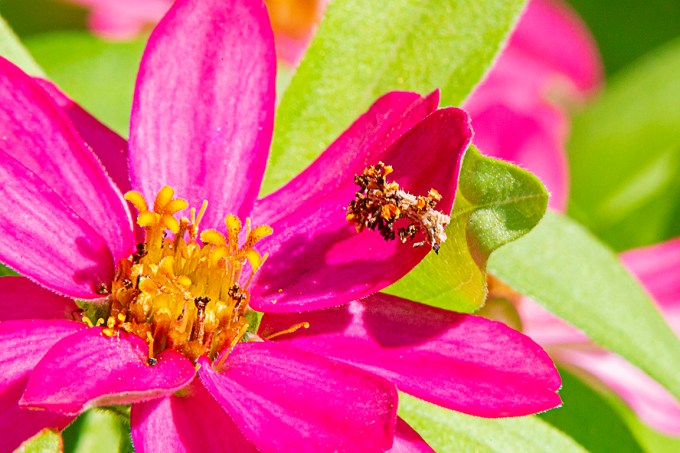
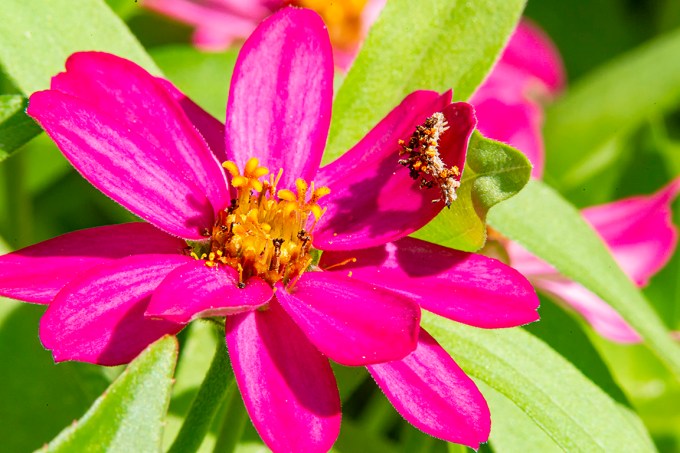
It is a lacewing larva or sometimes just called a “junk bug” because of the junk it carries around on its back. The tiny larvae come up with all sorts of creative disguises to confuse predators. Other larvae may use bits and pieces of leaves, dead insects or whatever debris is available. I have seen these in other gardens, but never tried to find out what they were.
Immature Common Whitetail Male Dragonfly
Posted on August 10, 2020

On our photo walk at Davidsons Mill Pond Park, I noticed this Immature Common Whitetail male dragonfly warming on a rock. It had a cluttered background behind the dragonfly, so I shot 3 images wide open, f5.6, at different focus points. 1st on the left wing, 2nd on the body, then the right wing. When I was working on the files, I loaded the 3 images in one layered Photoshop file. I selected all three layers and selected Auto-align, then auto-blend for the final merged image. When you do auto-blend Photoshop automatically blends what it thinks are the best areas to use for the final blended image. Sometimes you might need to do a tiny touch up here or there, but usually it does a pretty good job. Since I was using a tripod for these images they lined up nicely and I did not need much in the way of touch-ups on this image. I was using a 300mm f/4 with a 1.4x teleconverter. To keep the background smoother I was shooting wide open, but with a 1.4x teleconverter that would be @ f/5.6. Usually when I use a teleconverter, if there is enough light, I stop down a little more then I usually do to help with sharpness. On a 1.4x I stop down at least 1 f/stop, on a 2x teleconverter I stop down at least 2 stops (Again, if there is enough light). But on this series I wanted a smoother background so I did not stop down and left it @ f/5.6.
Monarch Butterfly At Davidsons Mill Pond
Posted on August 9, 2020

While I was photographing dragonflies at Davidsons Mill Pond Park this Monarch Butterfly flew in to these flowers right in front of me. I was using a 300mm lens with a 1.4x teleconverter, so I had to backup some because it was too close to focus on. I was shooting almost wide open to get a smoother background so the Monarch & the flowers would standout more against a smooth background.

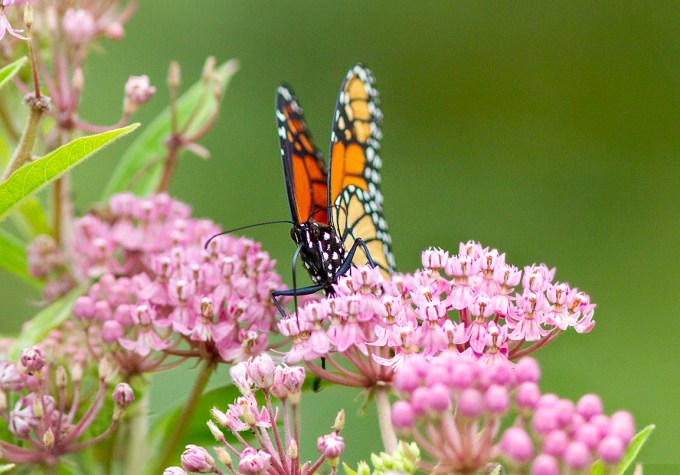
2 image limited focus stack to get a little more detail on the Monarch head & flowers right in front of the Monarch and still have a smooth background
Common Whitetail Male Dragonfly At Davidsons Mill Pond Park
Posted on August 8, 2020

It finally started to get back to normal here after the storm went though. Power in the area seems back to normal, traffic lights are working so we could finally drive to a local park to see what we could find to photograph. I was mostly looking for dragonflies or butterflies. I was surprised that there were only a few people in this usually busy park.
As I was walking to the first pond I found this Common Whitetail Dragonfly on a fallen tree limb. It was warming in the sun and allowed me to get very close without flying off. I started from a distance and then worked getting gradually closer, taking a series of images along the way.


Snowy Egret Fishing
Posted on August 4, 2020

I liked this graceful pose of this Snowy Egret. I was shooting bursts as this Snowy was fishing, dancing around in the shallow water. When I was adjusting files this one was my favorite pose from the series.
Praying Mantis With Prey
Posted on July 31, 2020
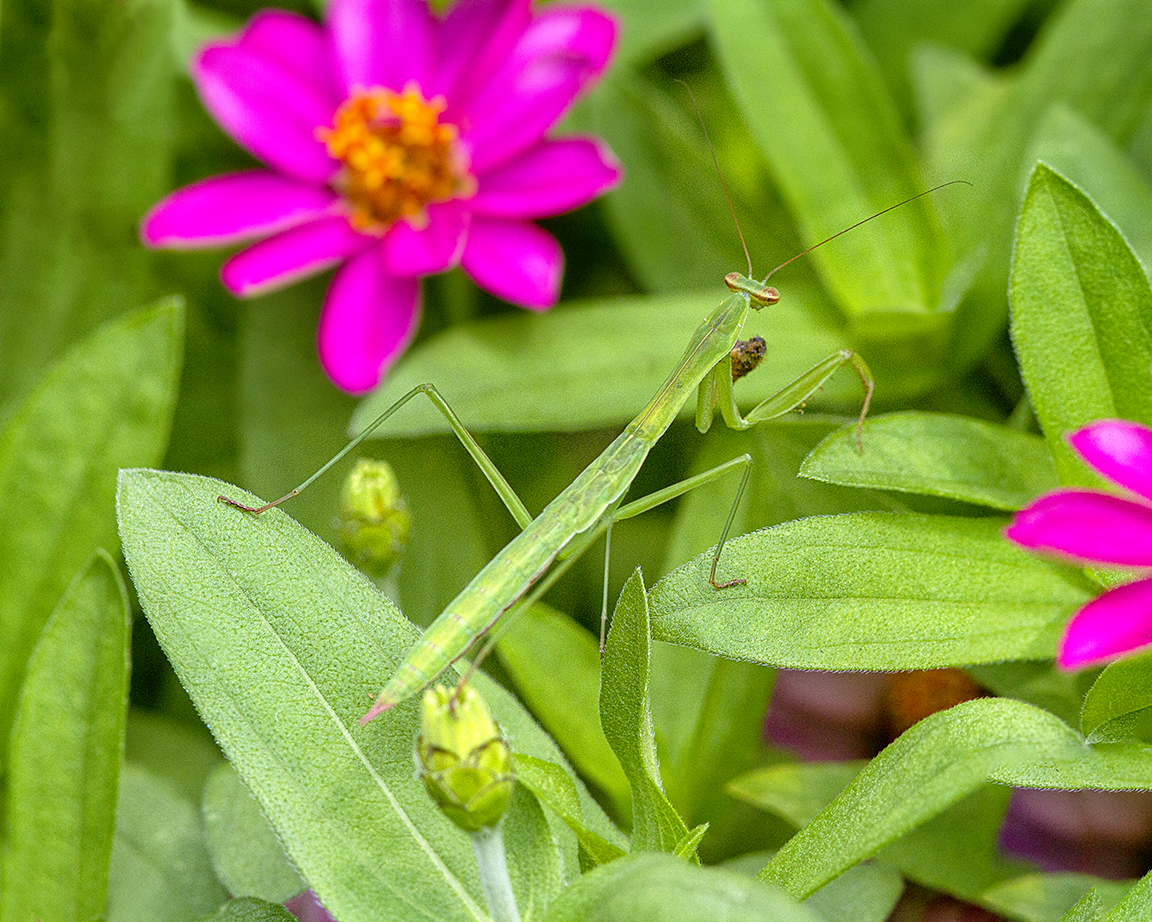
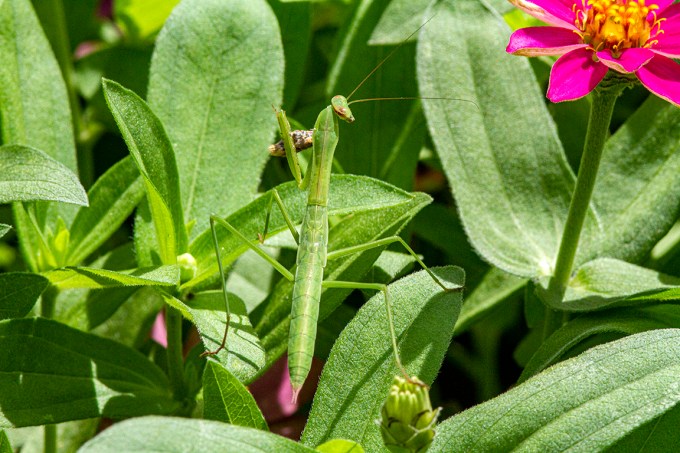
I was looking for dragonflies in our gardens when I found this praying mantis with it’s bug meal. I was setup for dragonflies with a Canon 300mm f/4 lens with a 1.4x teleconverter. So I shot a series of images, handheld, to do a stacked multi-row panorama. I ended up with 7 images for my pano. 2 rows of 3 images and an extra shot for the center. The centered shot sometimes helps for a smoother blended area in the center of the composite layered Photoshop file. I loaded all files into 1 layered PSD file and let Photoshop align the files. Then I use auto-blend to blend all the layers and combine elements for the final file which goes to the top layer. I also save the Master Layered file (just in case I need to go back for a tweak here or there). I then flatten the file for the final image. At this point if I wanted, I would run the flattened file through Nik’s Detail Extractor, then use dFine to smooth out any added noise from the Detail Extactor.

Golden-winged Skimmer Dragonflies
Posted on July 31, 2020

These Golden-winged Skimmer Images are from a previous trip to the Blackwater National Wildlife Refuge in Maryland. It is a great Refuge to photograph in, lots of photo subjects. Especially in the warmer weather – Bald Eagles, Ospreys and of course Dragonflies! There are many types of Dragonflies here and some we do not usually see in New Jersey. So it is fun to photograph some different types of dragonflies instead of the usual dragons. There are a lot of areas for dragonflies throughout the Refuge, but my favorite spots at Blackwater are the first Observation Platform along the Wildlife Drive and the Wildlife Drive area with standing water on both sides of the Drive. The Visitors Center has gardens behind the building which also is a good spot for dragonflies. At the Observation Platform there are lots of parking spaces there and dragonflies are prevalent all along here on the sides of the Drive. The platform has a long ramp to the main platform so there are lots of Dragonflies around the base and by the vegetation as you walk up.

Golden-winged Skimmer, female

Golden-winged Skimmer, male
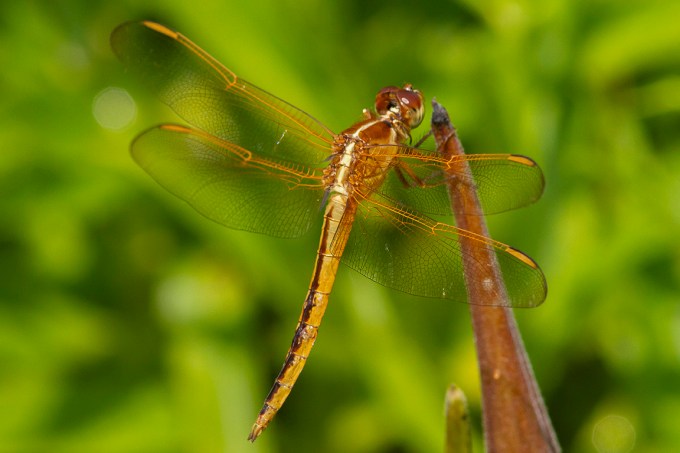
Golden-winged Skimmer, female

Golden-winged Skimmer, male
Unicorn Clubtail Dragonfly Warming On Rock
Posted on July 29, 2020

I found this Unicorn Clubtail dragonfly sunning on a warm rock. I usually never see Clubtail dragonflies in any of my places I go to photograph Dragons & Damsels. These images were taken with a Canon 400mm Canon DO lens with an extension tube and a 1.4x teleconverter on a Canon 7D. The wings on the bottom of the image look like there are 2 sets of wings on that side because of the shadow of the wings on the rock. 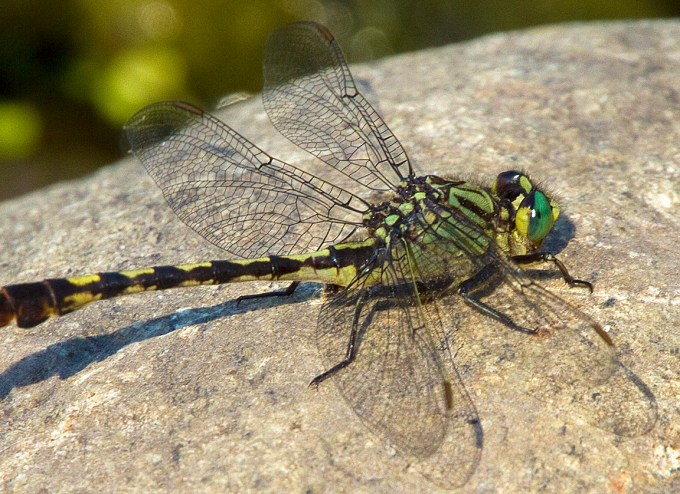
Lily Closeup Image Stacks
Posted on July 23, 2020

A series of focus stacked Lily images, taken with a Sigma f/2.8, 150mm macro lens with a Canon 1.4x teleconverter. With the Canon 1.4x Teleconverter my maximum aperture was f/4 and 210mm focal length. The featured image was a closer view, so I shot 9 focus-stacked images taken with the Sigma 150mm macro @ f/4 with a 1.4x Canon Teleconverter. I wanted to shoot a series of focus stacked images at 2 different apertures to show the difference in the number of images needed for acceptable sharpness across the main subject. So it is a matter of deciding what effect you want in your image before you start photographing.

1st Image set – Lily, @ f/4, 10 image focus stack, Sigma 150mm macro, 1.4x teleconverter
For comparison the wider open you choose for your aperture, the more images you need in your series of focus stacked images. These were handheld, so the f/8 series was a little farther away, but you can get the idea of what I am trying to show. The more you stop down your f/stop, the less images you will need for a focus stacked image. But the more you stop down, the “busier” your backgrounds become.
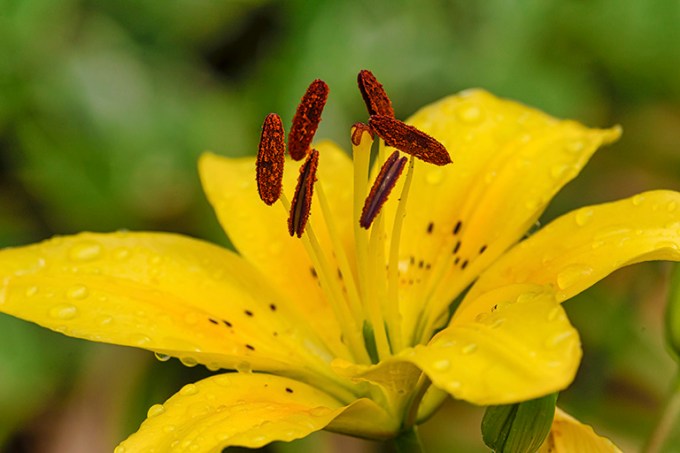
2nd image set – Lily @ f/8 – 3 image focus stack, 150mm macro, 1.4x Teleconverter
 photoartflight