 photoartflight
Female Blue Dasher CloseUp Portraits
Posted on July 17, 2020

Two close-up images of female Blue Dasher Dragonflies. I use a variety of techniques to get very close to Dragonflies. The featured image was captured with a Sigma 150mm macro with a 1.4X teleconverter on a Canon 7D. Luckily they sometimes get used to me and allow me to get very close.

Female Blue Dasher Closeup Image – 400mm Canon DO lens, Multiple Extension Tubes & 1.4x Teleconverters, Fill Flash because of light loss with multiple extension tubes & Teleconverters.
Female Seaside Dragonlet
Posted on July 13, 2020

A couple of images from a trip to Blackwater National Wildlife Refuge in Maryland. Some of the dragonflies already seem to showing a lot of wear already. Missing wing parts and just looking a little worn. It is amazing that some with almost no wing on one side can still somewhat fly. This is a Female Seaside Dragonlet and has a bent and damaged Segmented Abdomen.It amazes me the males and female dragonflies are so different in coloring & markings. Which also makes it difficult to ID sometimes. Then throw in immatures and it get more confusing! All images taken with a Canon 300mm lens with a 1/4X teleconverter on a Canon 7D.

Seaside Dragonlet – Male
Needham’s Skimmer Dragonflies From Blackwater NWR
Posted on July 13, 2020

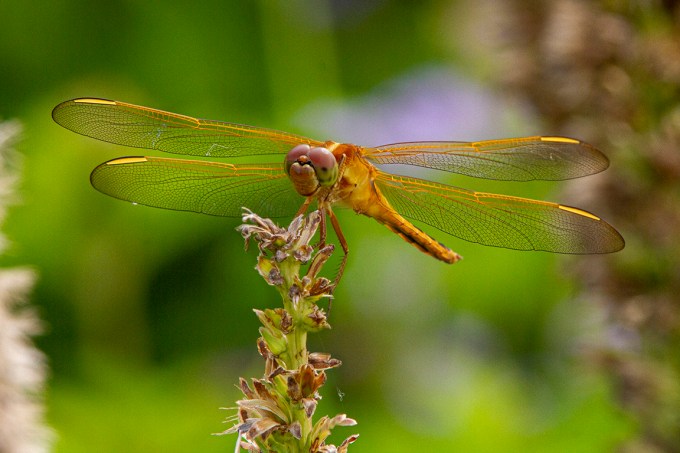
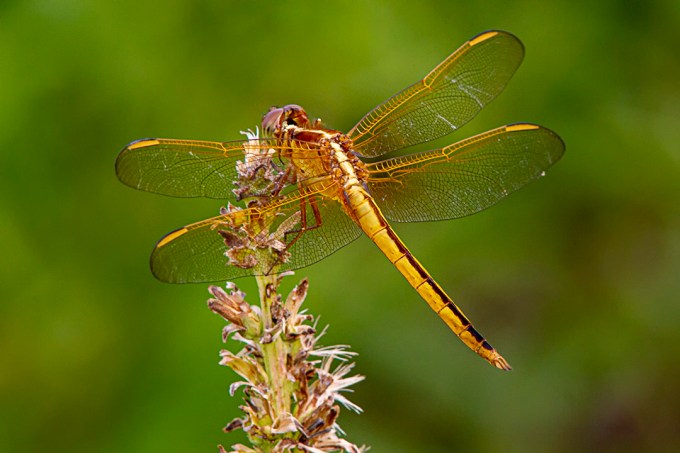
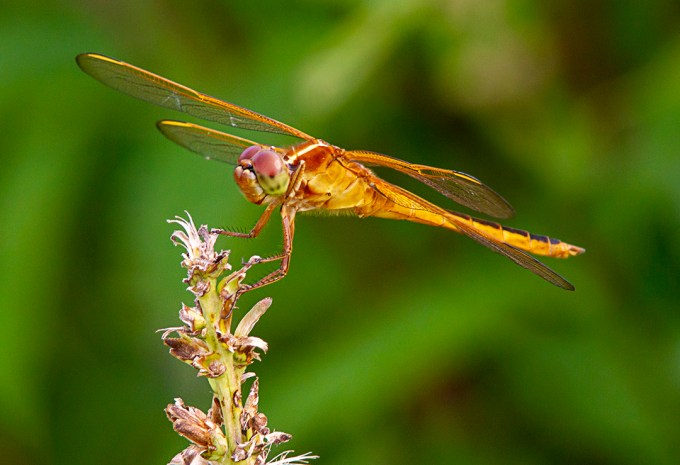
Needham Skimmer Dragonfly images from a previous trip to the Blackwater National Wildlife Refuge, outside Cambridge, Maryland. The featured image is a Needham Skimmer Dragonfly made from 3 images, focused at 3 different focus areas on the dragonfly and blended in Photoshop. I focused on near wingtip, body, then far wingtip. Even at f/14 with a 300mm lens I only needed 3 focus areas to get a sharp dragonfly from wingtip to wingtip and still have a smoother background. If I stopped down more I would get a more distracting backgrounds, so focus stacking helps the dragonfly stand out more.


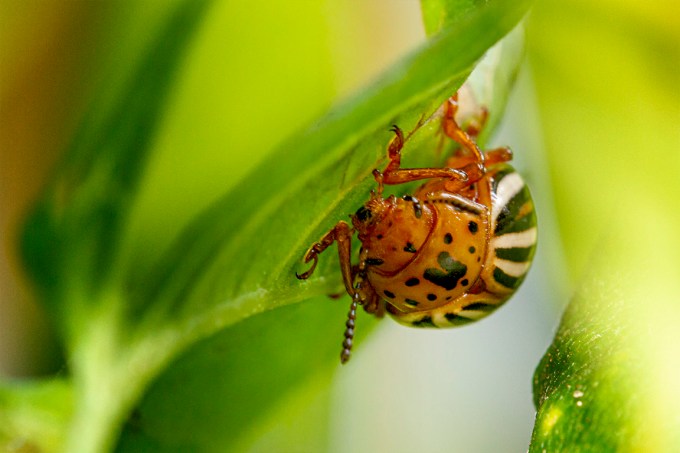
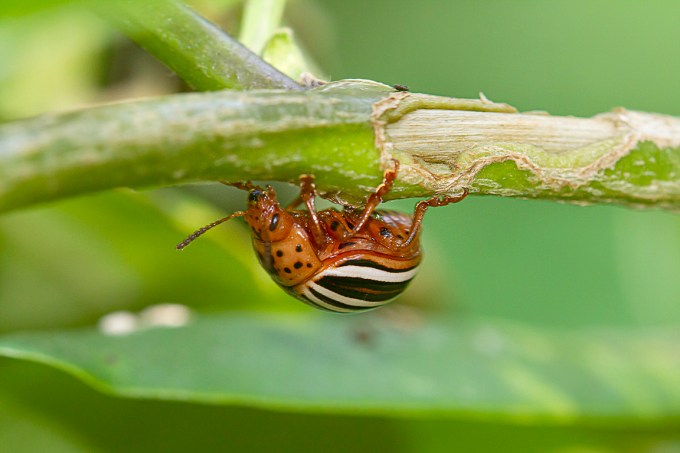
Cucumber Beetles
Posted on July 2, 2020

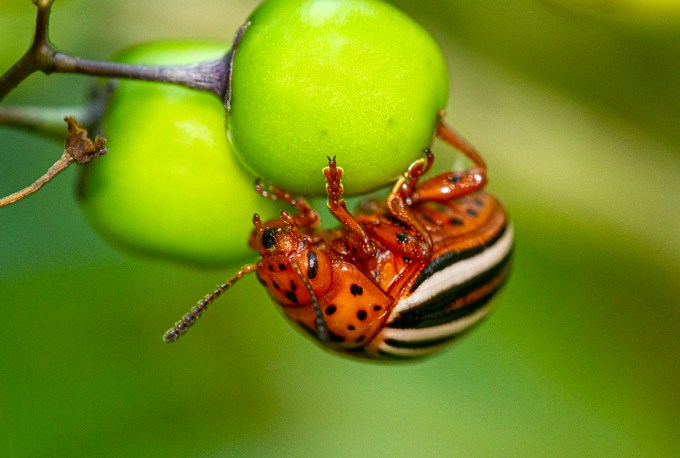
Sometimes it is fun to go out in the yard or fields to see what subjects you can find close at home. I look to see if there are any interesting bugs to photograph. Usually I look for dragonflies, but any insects will do. Here are a series of Cucumber Beetles. I was using a Sigma 150mm macro lens with a 1.4x teleconverter on a Canon 7D. I also used a flash with diffusion to add some fill light to lighten the shadow areas to give a more even light on the images.


Dragonfly Eyes
Posted on June 27, 2020
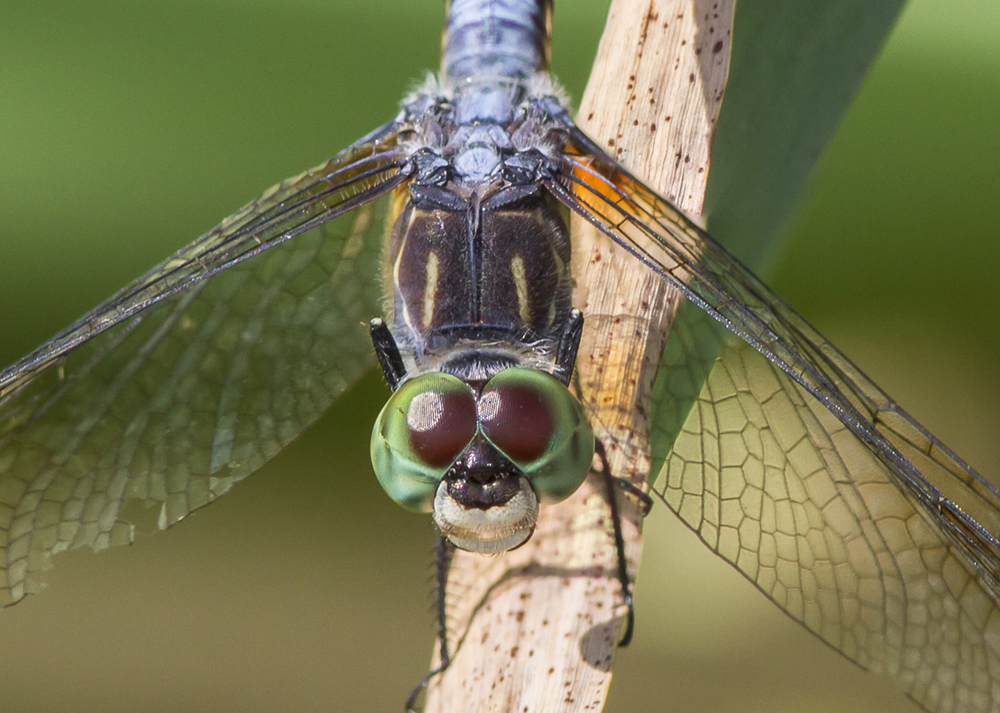
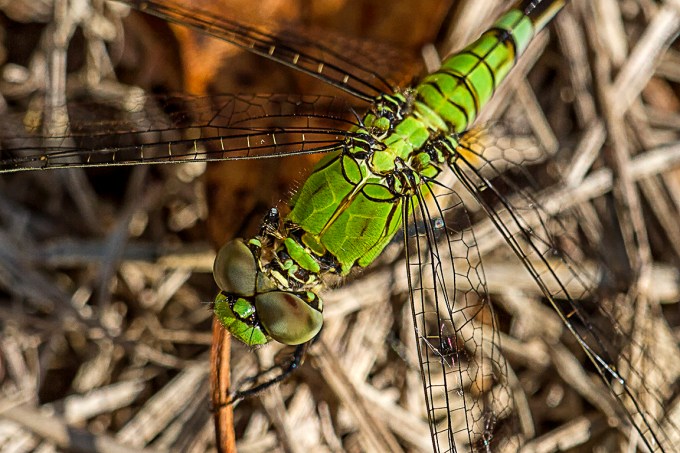
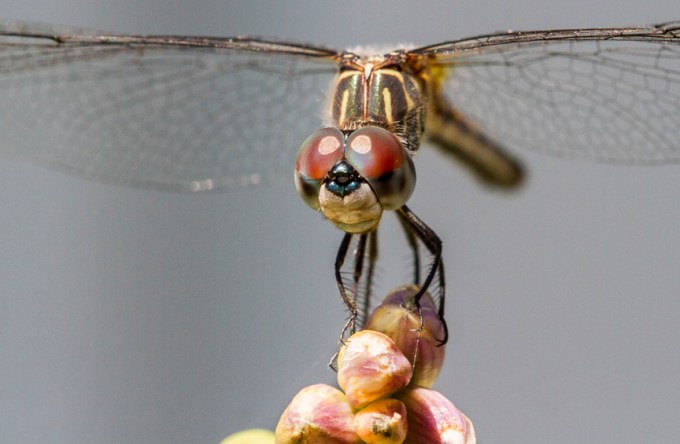
An assortment of Dragonfly closeups focusing on their eye & face details. Images taken with 300mm & 400mm lenses with extension tubes.


Odd Bug Under A Leaf
Posted on June 25, 2020

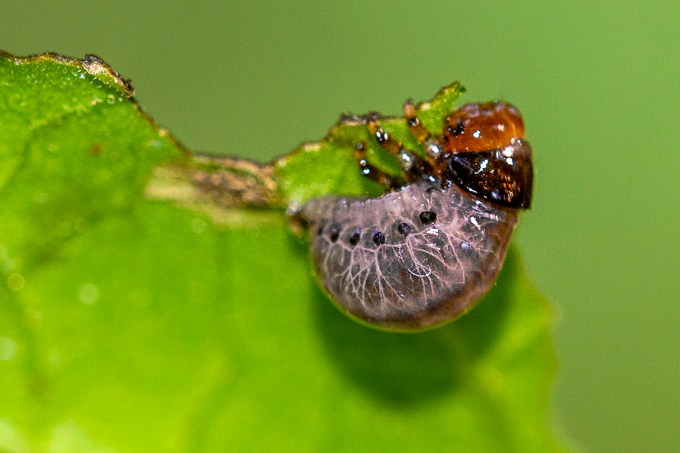
I was going through old backup drives cleaning out images to make more room and came across this odd bug image from years ago. Do not know what it is, but it is definitely different looking. Images taken with a Sigma 150mm macro with a Canon 1.4X teleconverter on a Canon 7D. I was also using some fill light in the shadows with a flash dialed down and more diffusion added to the flash head to just give a little more light on the subject as it was under the leaf.

Great Egret Early Morning Fly-In
Posted on June 16, 2020
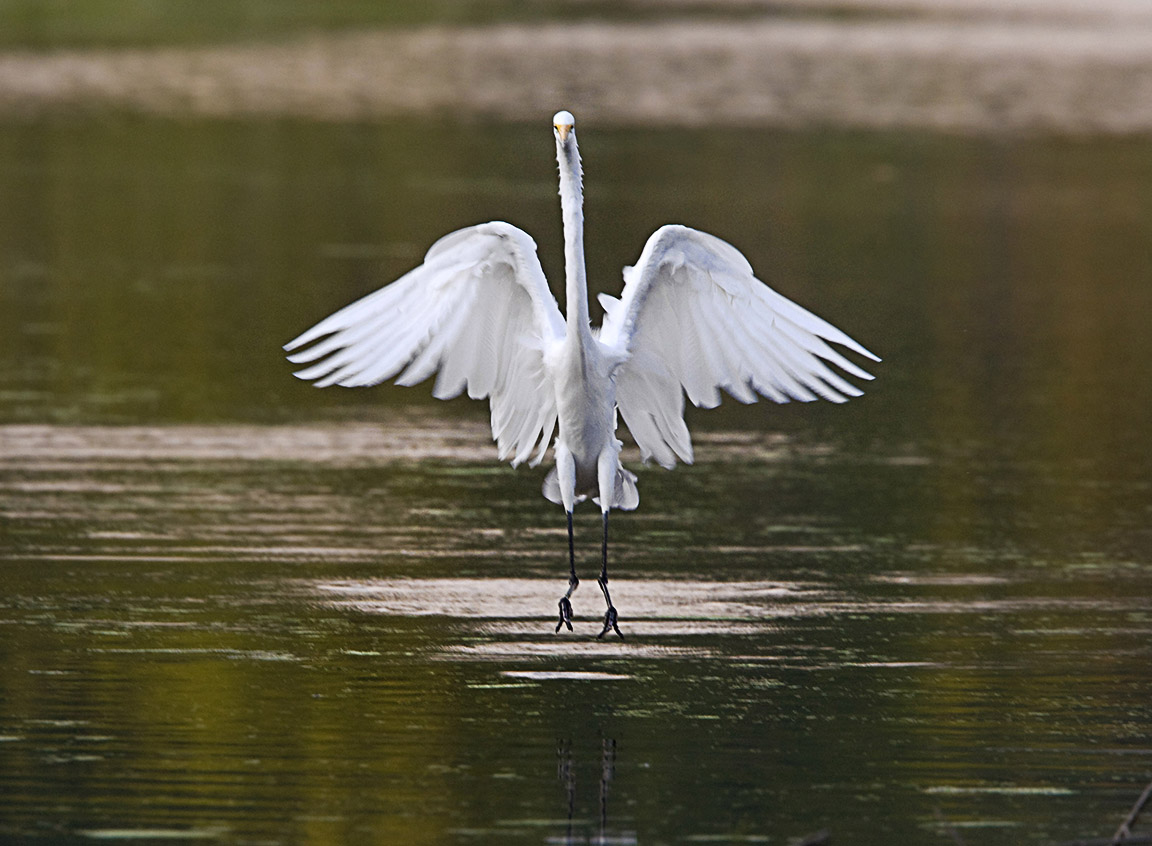
These were from many years ago when a group of us would meet at a local Wildlife Area. These images were taken a few minutes after the sun was starting to rise and had not gotten high enough to light the scene. We were still setting up our cameras. This Great Egret suddenly flew in and I was able to get a couple of images. I had not gotten to upping my ISO yet on the camera, so there is a slight motion blur because of the very slow shutter speed. But I still liked the images because of the straight on Egret landing and it’s wing positions. I also added a little High Pass sharpening on the Egret itself to diminish some of the motion blur. Images taken with 400mm Canon DO lens with a 1.4x teleconverter.
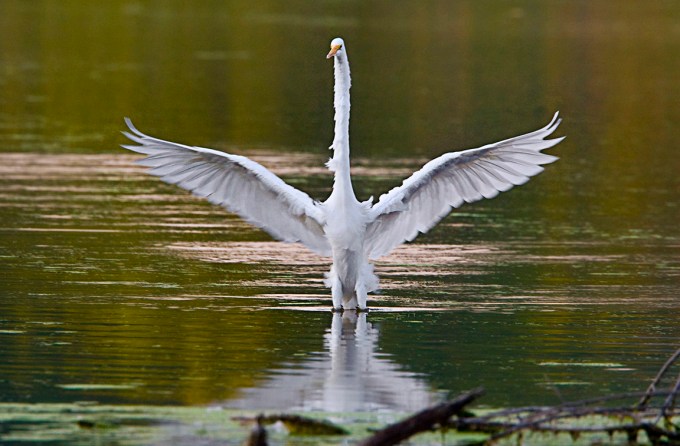
TaDa! Stuck the Landing! 10 points!
Female Red-Winged Blackbird
Posted on June 11, 2020
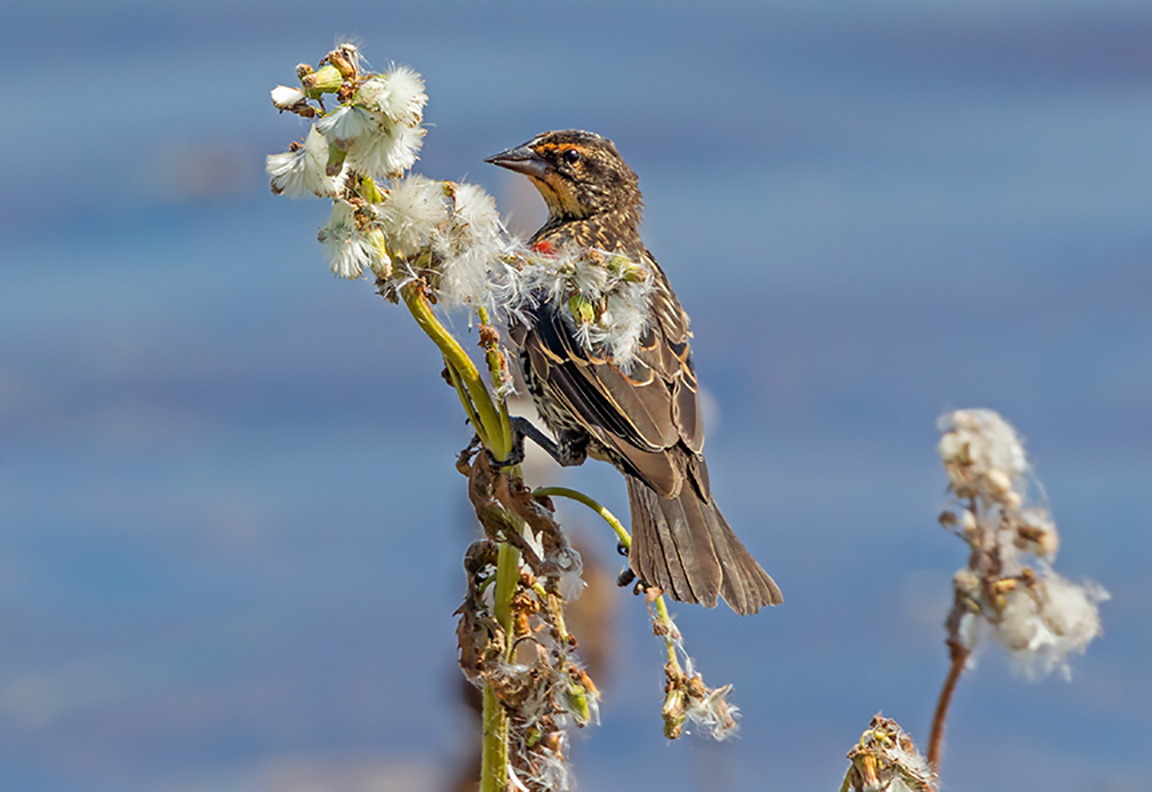
These are images taken from a previous trip to the Edwin B. Forsythe National Wildlife Refuge, Brigantine Division in Oceanville, NJ. Along the Wildlife Drive you see many birds in the vegetation along the sides of the Wildlife Drive either foraging for a meal or just hanging out on vegetation & bushes. Most of the Drive has water on both sides of the Wildlife Drive which also provides a lot of photo opportunities. Also there are many Gulls overhead that have found clams on the shorelines. They fly above the Wildlife Drive & drop the clams on the road. Once they fall on the road and crack open, they fly off to eat their meal. I guess it easier to open then. We have not had any hit the car, but some came close. So there are many photo opportunities along the Wildlife Drive. On this day there were a lot of Red-winged Blackbirds along the Wildlife Drive. But you have a better chance to get nice images if you do not try to get too close since they will just fly off. I usually use a 400mm Canon DO lens with either a 1.4x or 2x teleconverter so we do not have to get too close.
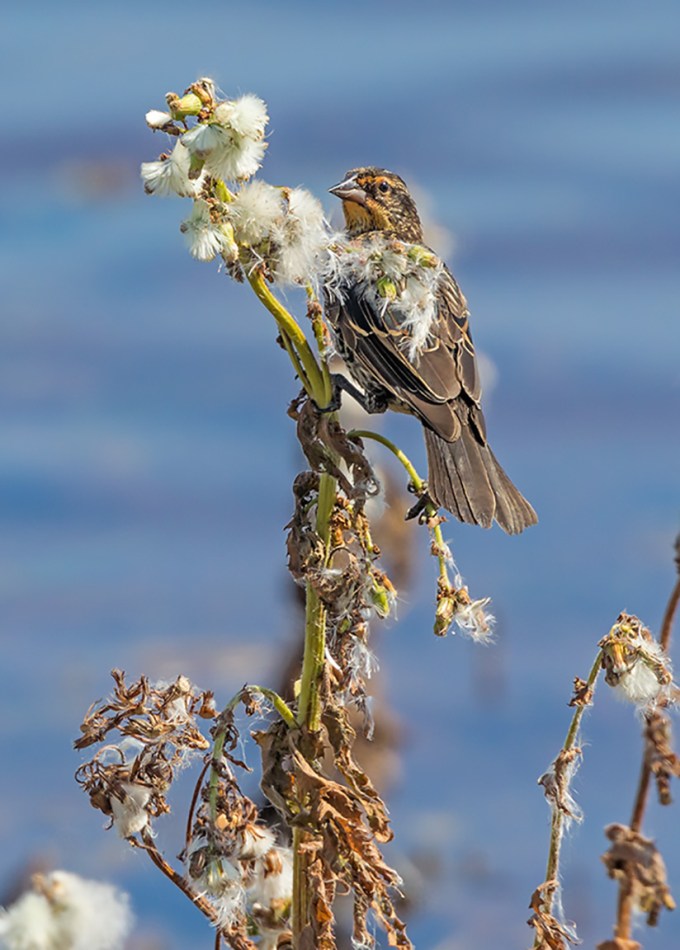
Vertical View of Red-winged Blackbird, 400mm DO lens with 1.4x teleconverter
Little Green Heron & Black-crowned Night-Heron Foraging
Posted on March 13, 2020

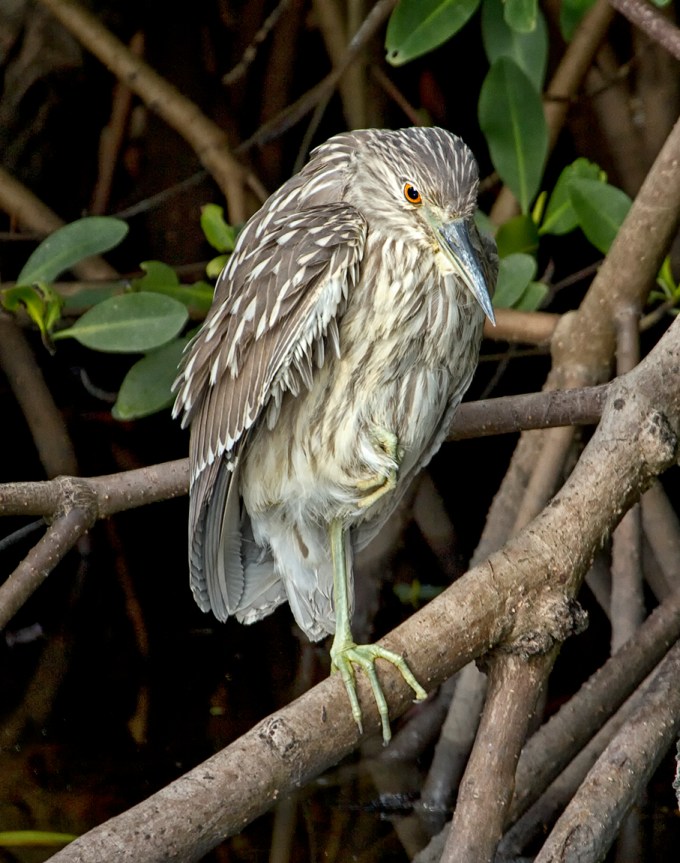
We found this Green Heron foraging for a meal early in the morning at J.N. Ding Darling National Wildlife Refuge in Sanibel, Florida. It was very focused on something in the water and hardly moved for quite a while. I guess what it was staring at disappeared and then it relaxed it’s stance and moved on. Also nearby was an immature Black-crowned Night-Heron. It was fun to see the 2 small herons close to each other. Because of the wide range of smaller photo subjects and the distance to them at J.N. Ding Darling, I usually use here a 400mm D.O. lens, with a 1.4x teleconverter on a Canon 7D. (Full Frame field of view equivalent ~896mm)
Red-shouldered Hawk Take-Off Series
Posted on March 8, 2020
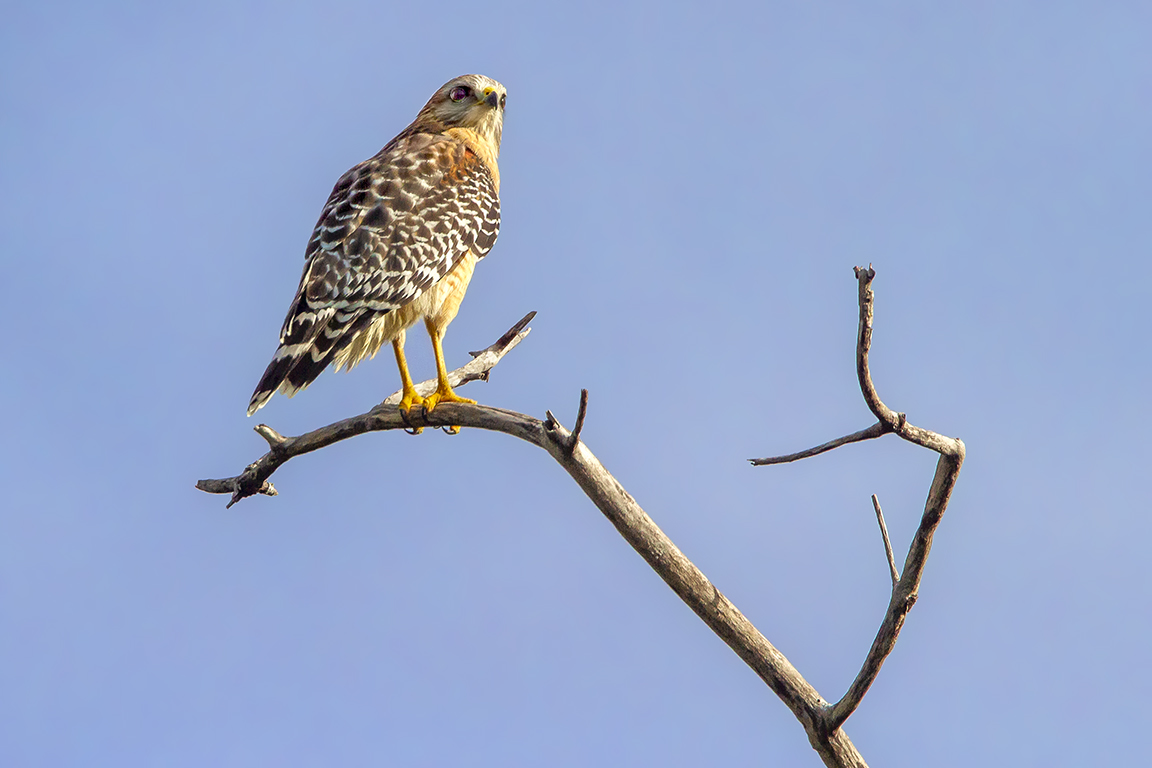
I am still going through files from past photo trips. Now that I am retired I have time to go back and work on images I had not gotten to adjust before. Work always seemed to get in the way. This is a series of images of a Red-shouldered Hawk take-off from a small branch at Ding Darling National Wildlife Refuge in Sanibel, Florida. I was using a 400mm DO lens with a 1.4x Teleconverter on a Canon 7D (for an effective Full Frame Camera equivalent field of view of ~896mm). Many times at Ding Darling you see interesting photo opportunities but the subjects are quite far away. So it is fun to try different ways to photograph distant subjects. The more you try different techniques, the better your results and are more predictable. With a 1.4x teleconverter I would stop the lens down 1 more stop than I would usually use. For a 2x teleconverter I would stop the lens down 2 stops more. With a 1.7x teleconverter I would also stop down 2 more stops than usual. Yes I actually found a 1.7x teleconverter for Canon lenses.


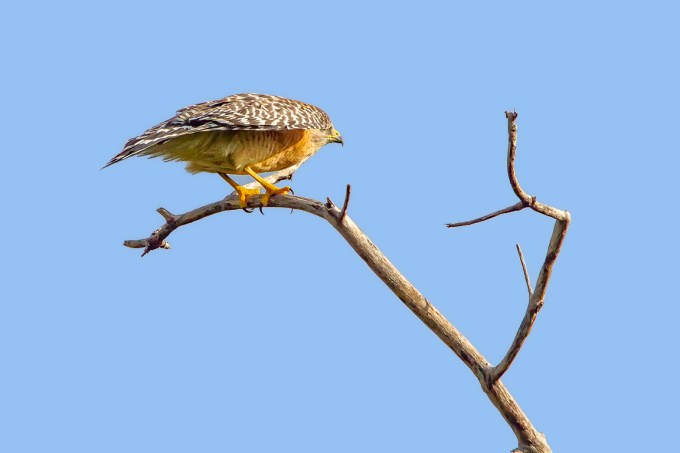
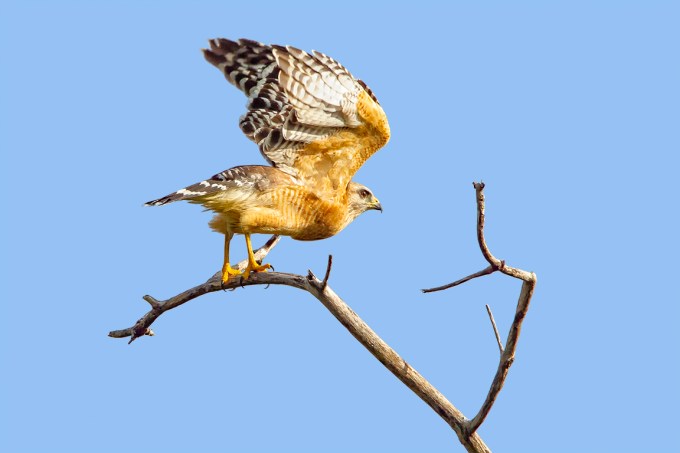

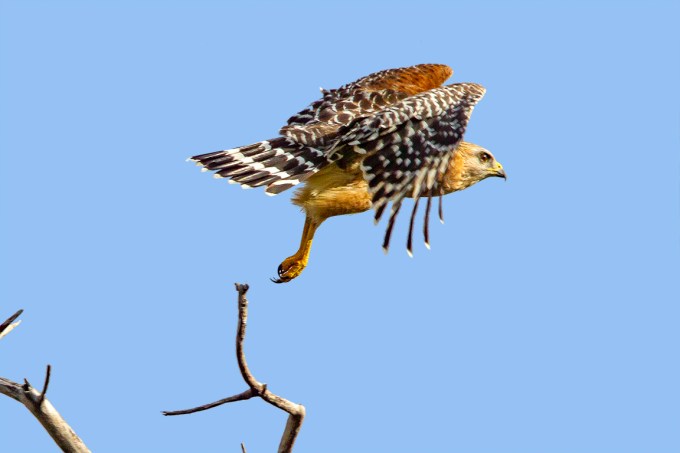

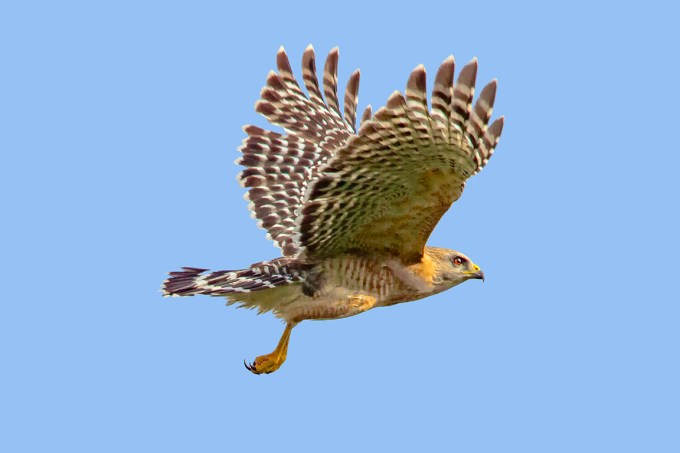

I was surprised it kept focus on the hawk and not on the branches as I was tracking the hawk.
 photoartflight