 photoartflight
Goldfinch and Dandelions
Posted on May 18, 2018
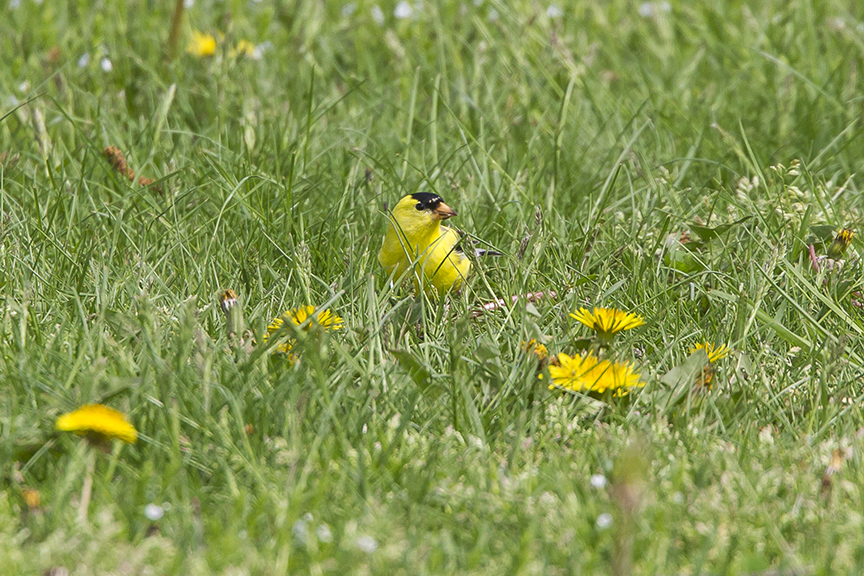
I was trying to get images of the Goldfinches that were zipping around where I was setup. They just never got close for any good images. As I was packing up this one landed a little closer, but still fairly far away. Sometimes you just have to shoot what you can get. I liked the bright yellow Goldfinch in the green grasses with the pop of Yellow color from the Dandelions. So I just got a few shots before it flew away.
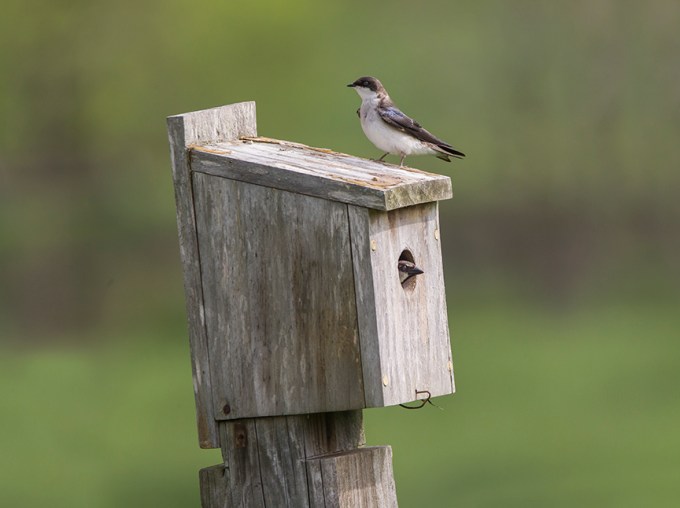
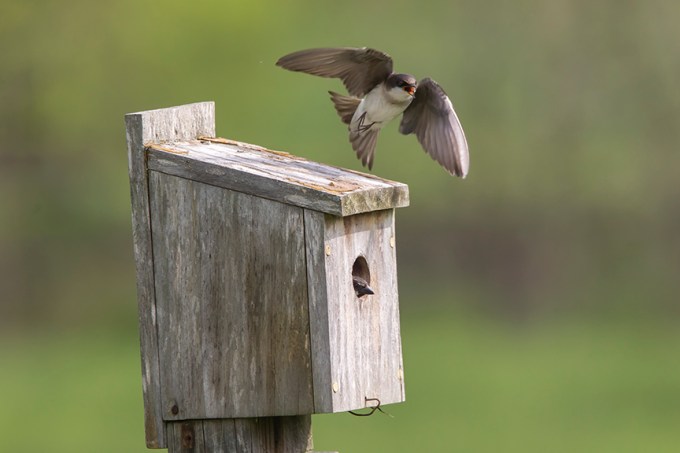
Tree Swallows Take Over Bluebird Box.
Posted on May 14, 2018

A few days before Tree Swallows and Bluebirds were fi ghting over this box. They kept swooping down and attacking the birds trying to get in the box. I had a 24-105mm lens with me that day and I did not want to get too close to the box to photograph the action. It seems the Tree Swallows must have won the battle since they were in the box on this day.
More Bluebirds from Davidsons Mill Pond Park
Posted on May 12, 2018

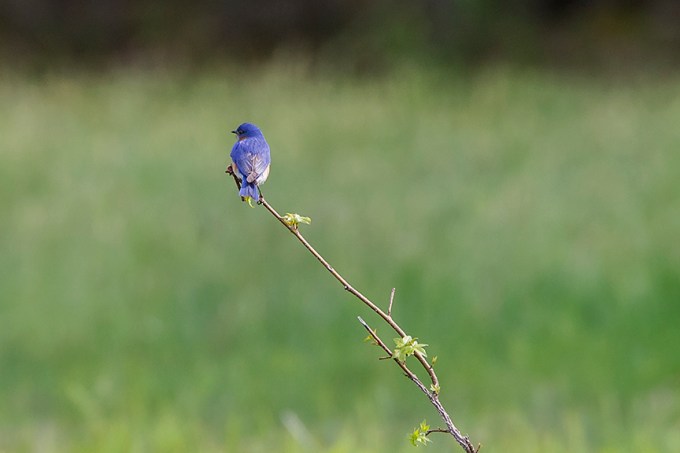
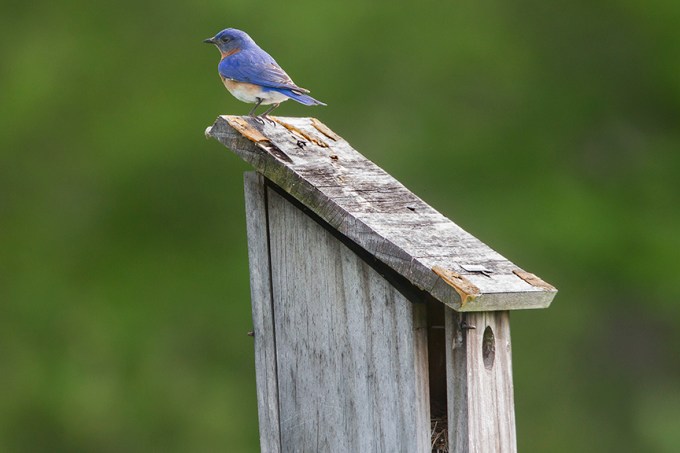
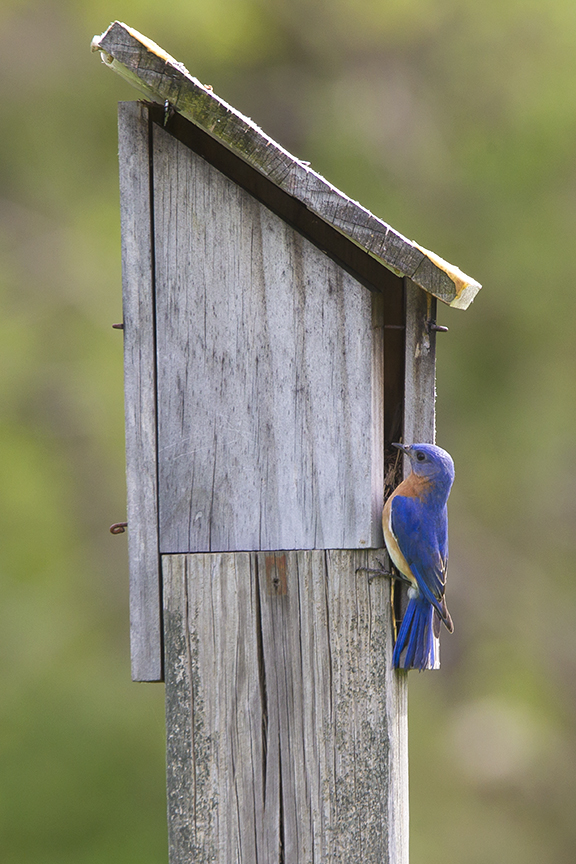
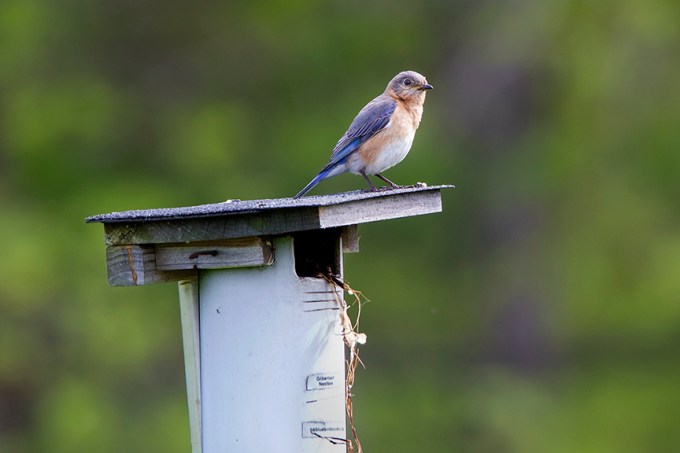
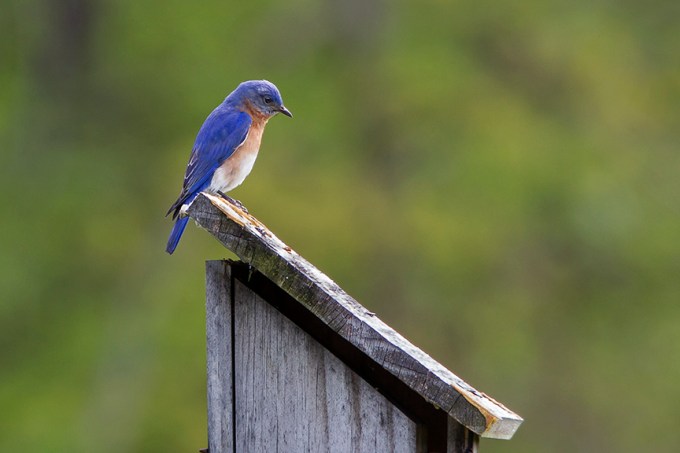
The Bluebirds seem to be quite active at Davidson’s Mill Pond Park. They seem to be constantly interacting with the Tree Swallows around the Bluebird Boxes. Here are some more images from my walk in the park looking for Bluebirds.



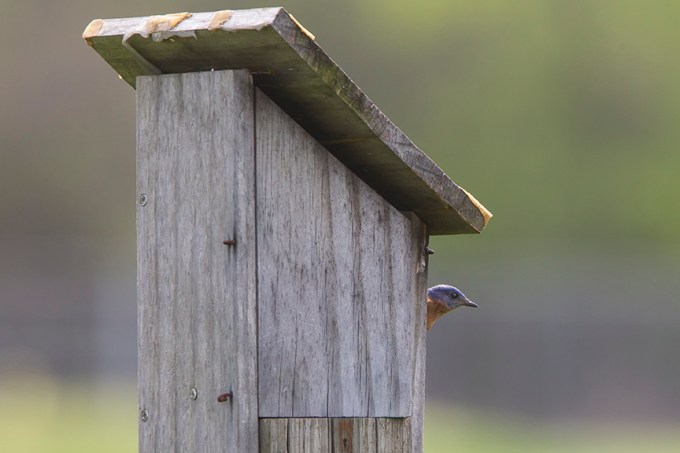

Bluebirds Checking Out The Bluebird Boxes
Posted on May 6, 2018
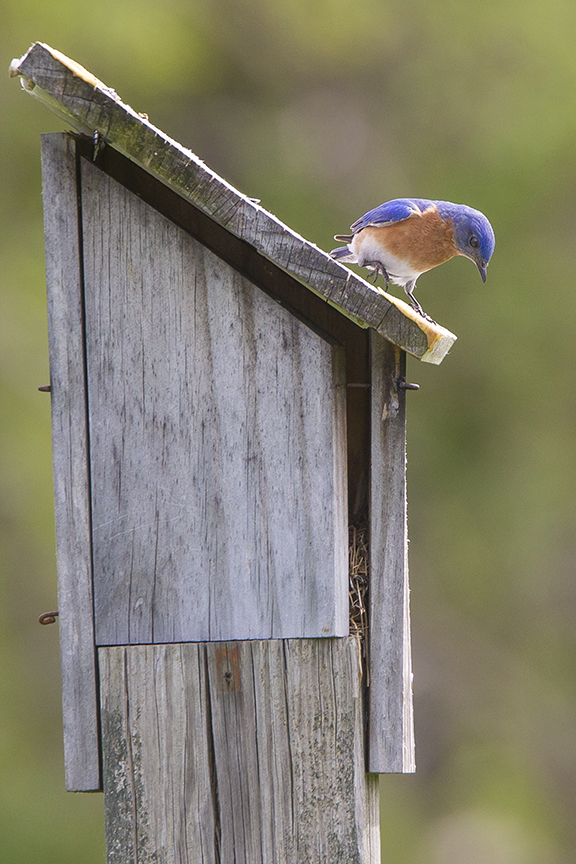
The Bluebirds are starting to come back to Davidson’s Mill Pond Park and occupying the Bluebird Boxes. Some Tree Swallows have taken over a couple of the Bluebird boxes which they were fighting over with the Bluebirds a few days ago. Here are a few images of the Bluebirds checking out their new homes.

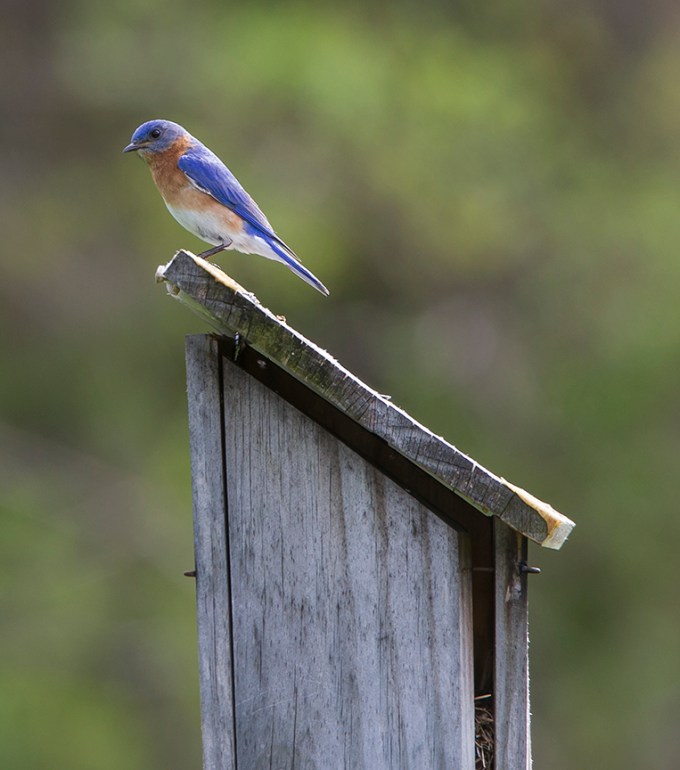


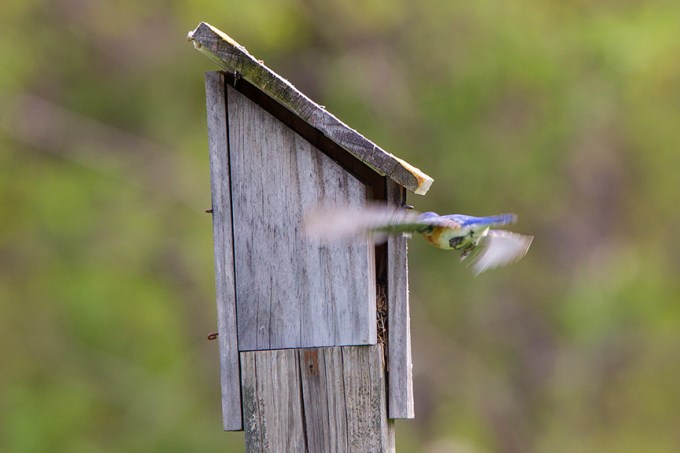
First Bluebird Of The Season
Posted on May 5, 2018
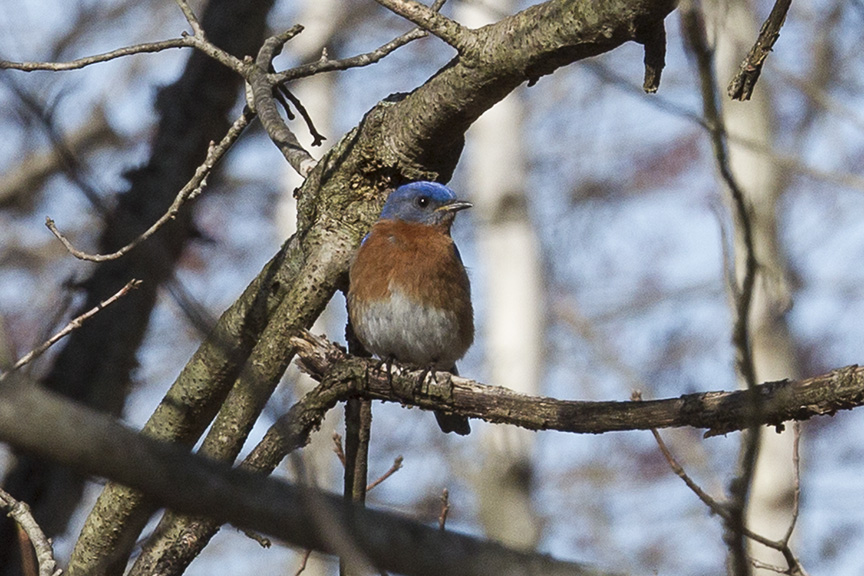
We had gone to the Plainsboro Preserve in Cranbury, NJ to see what we could find to photograph and to take a walk. I was using a 150mm macro lens with a 1.4x teleconverter thinking I would look for macro subjects. Plainsboro Preserve is 1,000 acres with 5 miles of trails. Also has McCormack Lake which is 50 acres. So it is a nice location to walk through and see what you can find. We saw lots of Beaver activity, trees chewed at the base & downed trees along the path. We were surprised to see Bluebirds along the paths, but they were high in the trees. I tried quite a few shots but with the lens I had, limited me to what I could get. Plus they did not stay on a branch long and kept moving between the branches. I finally got a few somewhat clear shots, but the Bluebird was not very large in the frame. I have made my own actions in Photoshop for uprezzing files for large prints, but it also works well for extreme cropping of images.
Original X-Wing Fighter.
Posted on April 19, 2018

While I was photographing this Slaty Skimmer, it reminded me of the X-Wing fighter in the original Star War movies. I wonder if the Star Wars X-Wing fighter was drafted from dragonflies. I guess we will never know.
Sunbeam Through Opening In Clouds
Posted on April 2, 2018

While I was working on files from a previous visit to the Blackwater National Wildlife Refuge in Cambridge, Maryland, I came across this image of a sunbeam shining through an opening in the cloud cover. I used a 400mm lens to isolate the beam so it was more prominent in the image. With a wider view, the sunbeam did not seem to stand out as much. I think the beam as is, is prominent enough against the clouds and I did not want to enhance the beam to make it stand out more, opting for a more natural look.

Double Sunbeams, 400mm f/4 with 1.4x Teleconverter
Blue Moon March 30th, 2018
Posted on March 31, 2018
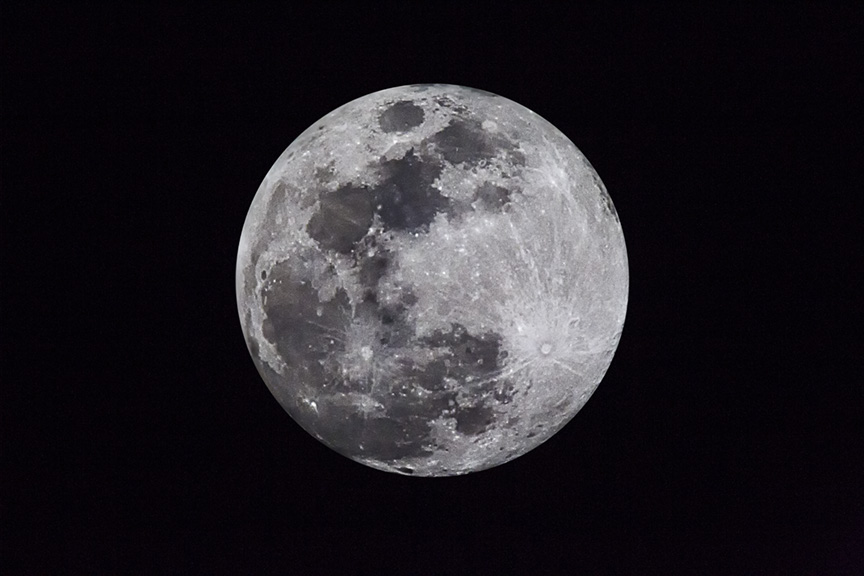
Last Night we had a Full Moon for a second time in March. Whenever two full moons appear in one month, which happens about once every 2.66 years, the second is christened a “Blue Moon.”
And yet, this is the Second Blue Moon since the beginning of the year. The second time in three months that two full moons have occurred in a calendar month. What is the reason for this anomaly? The length of time for the moon to cycle from one full moon to the next (29.53 days, on average) is called a “synodic” month. February is the only calendar month that is shorter than a synodic month, and this year, it did not have a full moon. So, to make up for this lack, March ended up with an extra full moon. There were also two full moons in January, thus giving us two Blue Moons over just 60 days, though Saturday’s Blue Moon will be the last one until 2020.
I tried a variety of setups to photograph this Blue Moon. I was using a 400mm f/4 lens. The 400mm by itself would not have enough reach, So I tried the following combinations. 400mm with a 1.4X Teleconverter, 400mm with a 2X teleconverter and finished with 2x Teleconverter with a 1.4X teleconverter stacked together. Sometimes the stacked teleconverters work, sometimes it does not. Stacking the teleconverters, I was worried about sharpness so I used a combination of a very high ISO and an f/stop of f/25 with a high shutter speed. Stacking teleconverters for Wildlife is tricky and does not always work well, but I thought it would work for the moon.

Image showing moon sizes with different teleconverters and combinations.
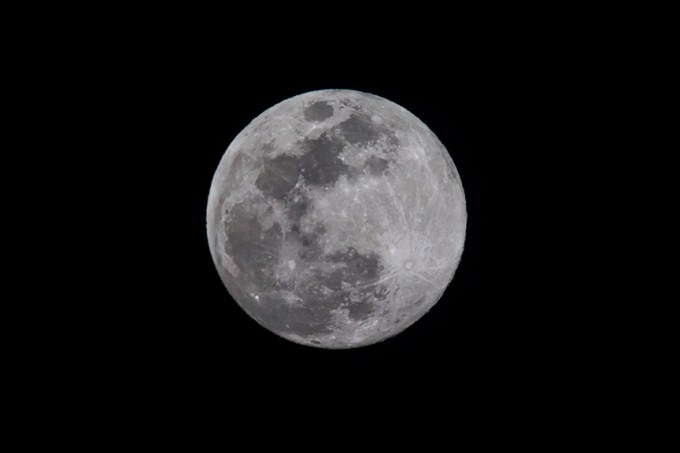
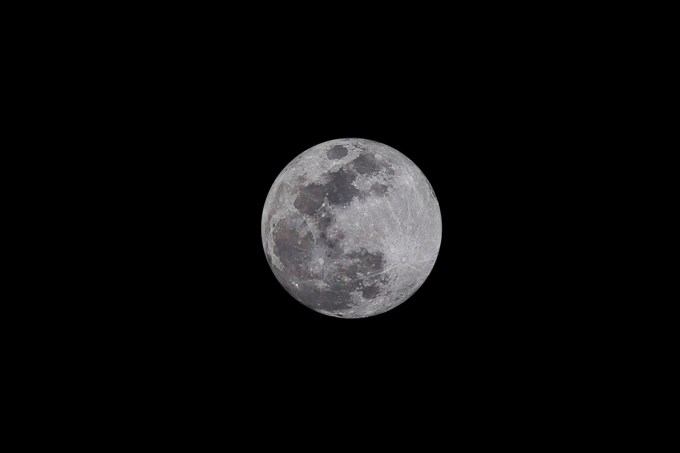

There was a glow around the moon, but the moon was so bright, I exposed for the bright moon and forced the glow to show a little.
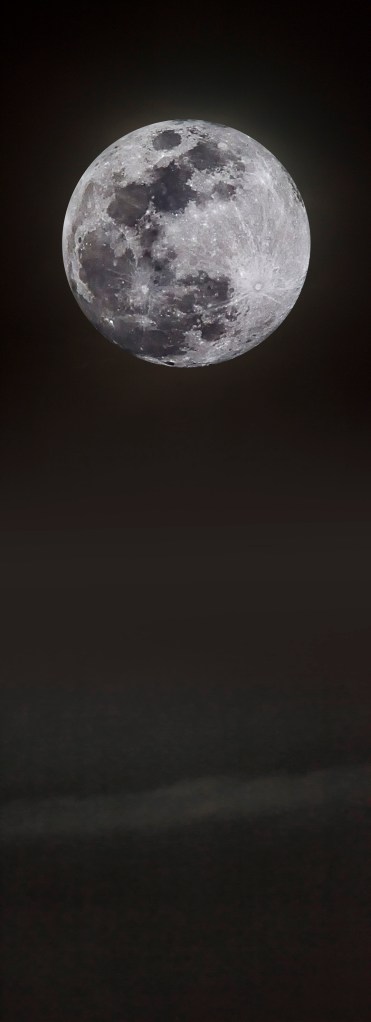
3 image vertical panorama showing Blue Moon with cloud formation below the moon. To expose for the cloud below the moon would just be a white blown out circle. I just brought up the brightness a little so the clouds below the moon were somewhat visible.
Incoming Snow Geese Landing In The Early Morning
Posted on March 1, 2018

These Snow Geese were coming in for a landing early in the morning. In the early morning, the light was not great, so I was using a slower shutter speed than I usually like. I liked the blur on the moving wingtips because of a slower shutter speed but was fast enough to keep their bodies fairly sharp. It seems to give the sense of movement with the blurred wing tips.
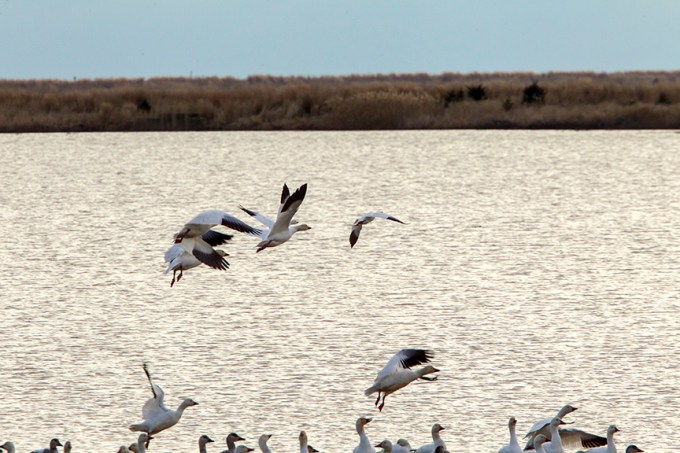
Distant small group of Snow Geese taking flight
Reddish-Egret – 2 Shot Pano
Posted on February 10, 2018
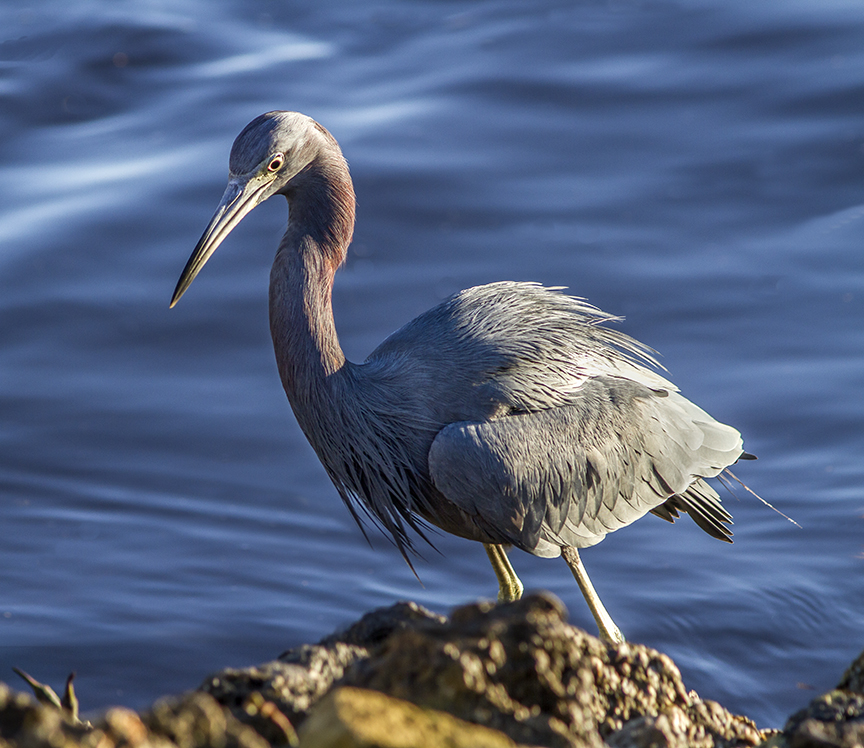
It is not often that while I am walking looking for photo subjects, that one comes so close I cannot fit it all in the viewfinder. So I try shooting my subject with 2 overlapping images. You have to take a few multiple images quickly, to try to avoid any movement of your subject. Usually a little movement, I can deal with. In Photoshop I try letting Photoshop automatically align and combine them. If that does not work I do it manually. So one way or another, it is a way to get the image.
The featured image is 2 horizontal images stacked vertically and combined.
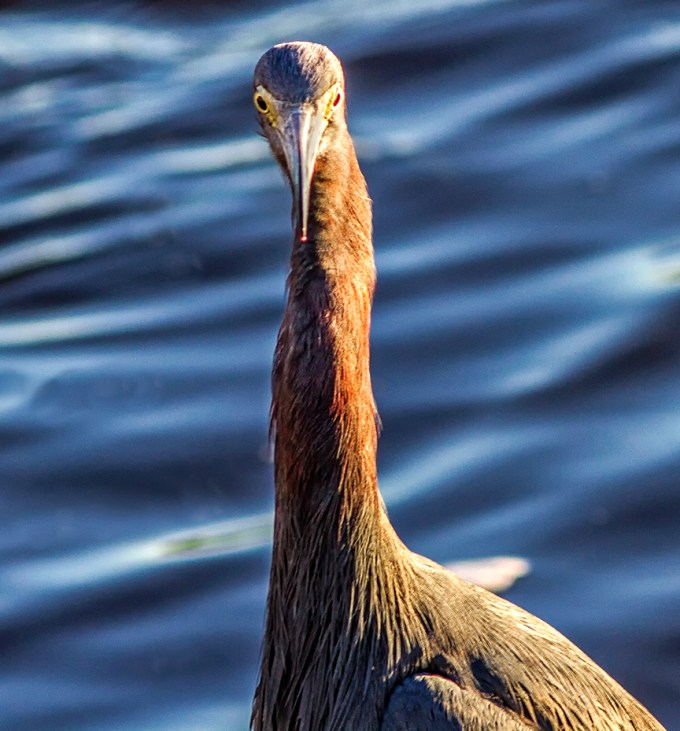
Another 2 shot composite. 2 horizontal images stacked in Photoshop. 300mm f/4 lens

Example – showing top half of image before combining and adjusting colors, etc. in Photoshop.
 photoartflight