 photoartflight
Brown Pelican FlyBy
Posted on August 27, 2020
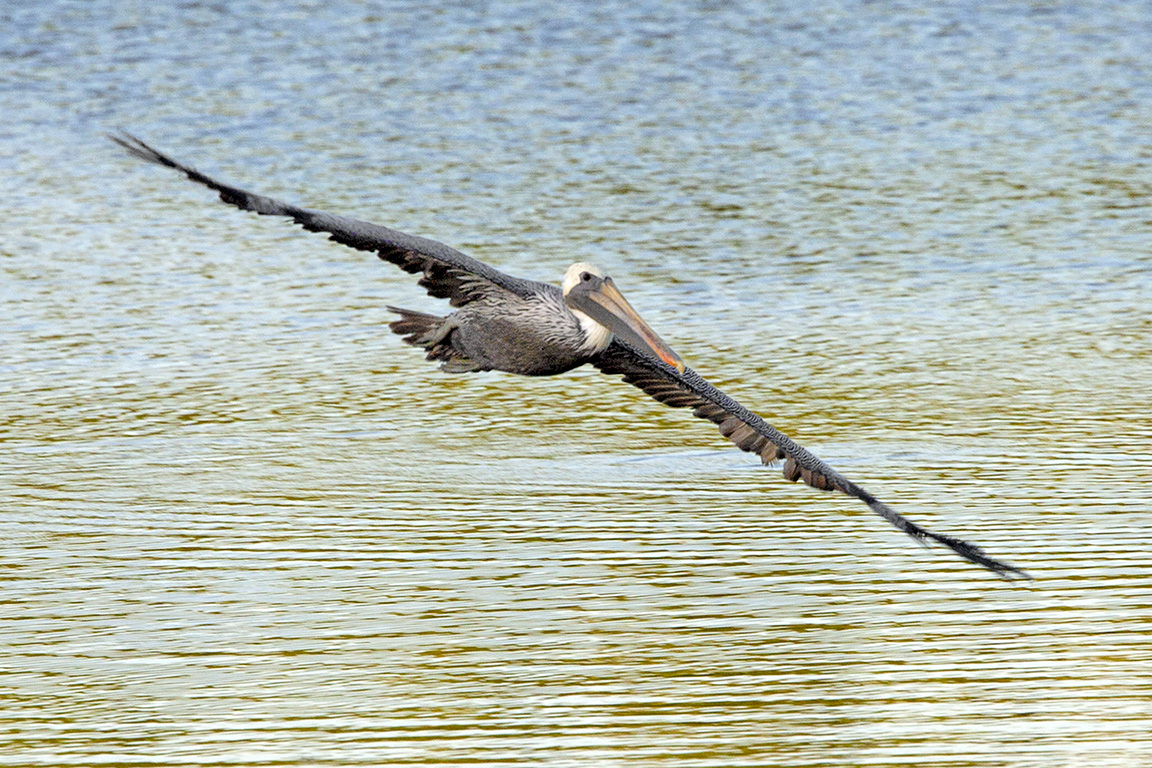
A close flyby image of a Brown Pelican from the Blackwater National Wildlife Refuge in Cambridge, Maryland. I was purging files from backup hard disks and thought this was an interesting image of the Brown Pelican to post here. Image taken with a 400mm Canon DO lens on a Canon 1D mkIV.
Praying Mantises In The Garden
Posted on August 24, 2020

I was looking in our gardens for Praying Mantises to photograph. I found 2 fairly large ones on two different plants. The featured image is 7 images, focus stacked in Photoshop. I was using a 300mm lens with a 2x teleconverter. When doing focus stacking with live subjects you have to photograph your series of images quickly, because you can touch-up slight movement of your subject, but if there is a lot of movement it makes the blending of images much harder.
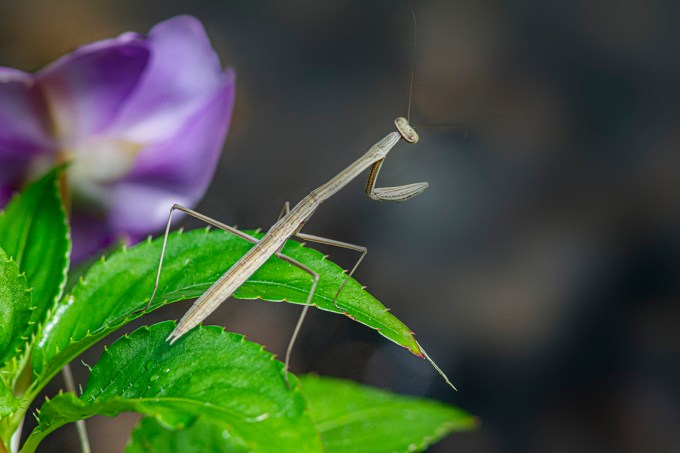
Smaller Praying Mantis, 2 Image Focus Stack, 300mm, 2x teleconverter
Early Morning Canon Sunrise
Posted on August 16, 2020

I was going through old backup drives and found this image of a sunrise at a local Wildlife Area near my old home. I used to carry a small Panasonic LX1 pocket camera with me when I was carrying my main camera with a long lens. This was handy for wider view images and not have to lug a second larger camera. Now I just rely on my iPhone 11 Pro which does a much better job. Especially if you set the phone for HEIC Raw Images. While I was working on this file I never noticed before a bug on the tip of the lens by the sunburst ray. Panasonic LX1 image taken @ 6.3mm (full frame image equivalent ~ 32mm)
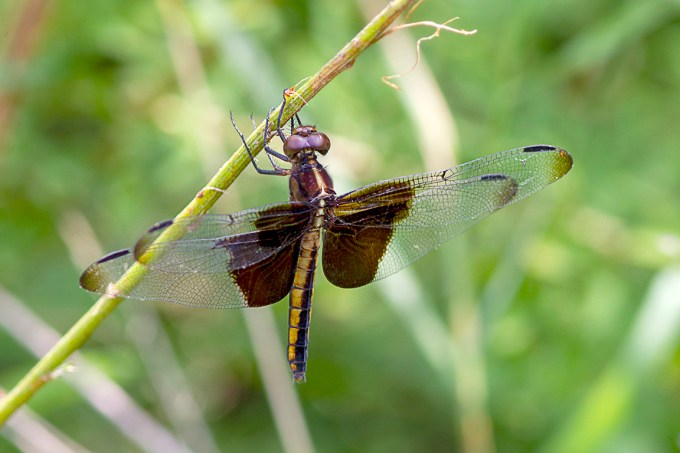
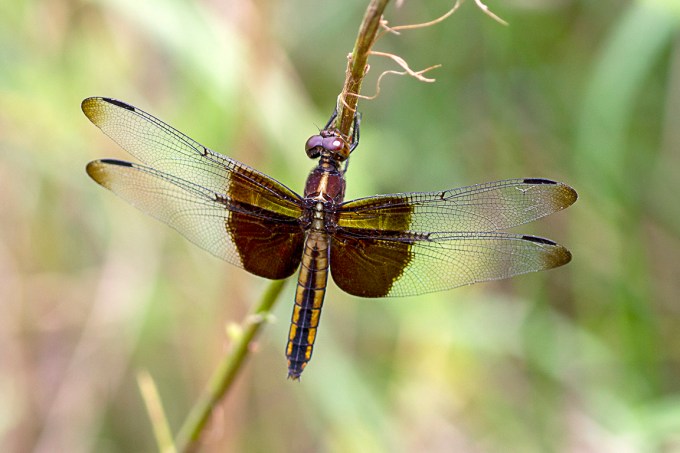
Widow Skimmer Dragonflies – Male & Female
Posted on August 15, 2020

The featured image and the one below are male Widow Skimmers. Images taken with a 300mm f/4 canon lens with a 1.4X Canon teleconverter.

Below are images of female Widow Skimmer dragonflies. Female Widow Skimmers do not have white on the wings and have a different body coloring.
Eastern Amberwing In Garden
Posted on August 13, 2020

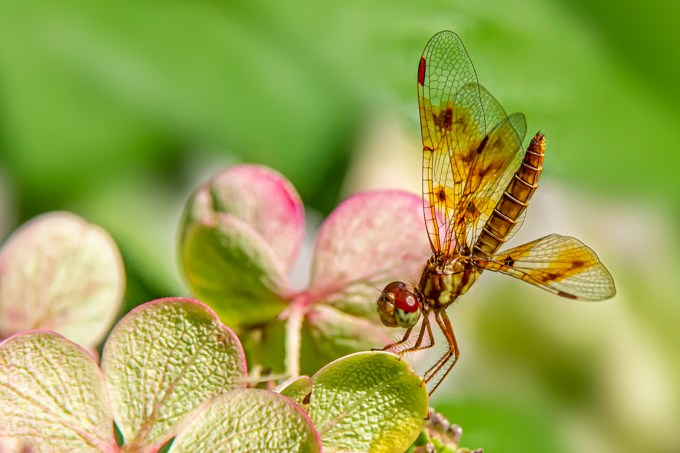
I was looking for bugs in the garden and noticed this female Eastern Amberwing on a Hydrangea. It was a nice photo subject as it stayed in the general area giving me multiple opportunities to photograph it on multiple plants. All images were taken with a 300mm lens with a 1.4x teleconverter on a Canon 1D mkIV.

Junk Bug On Zinnia
Posted on August 12, 2020

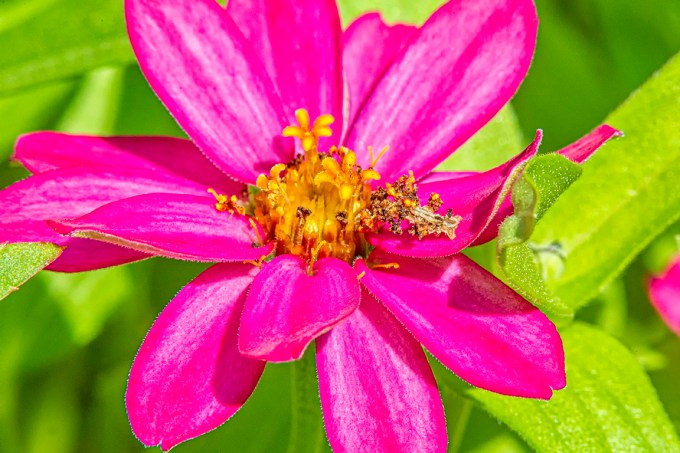
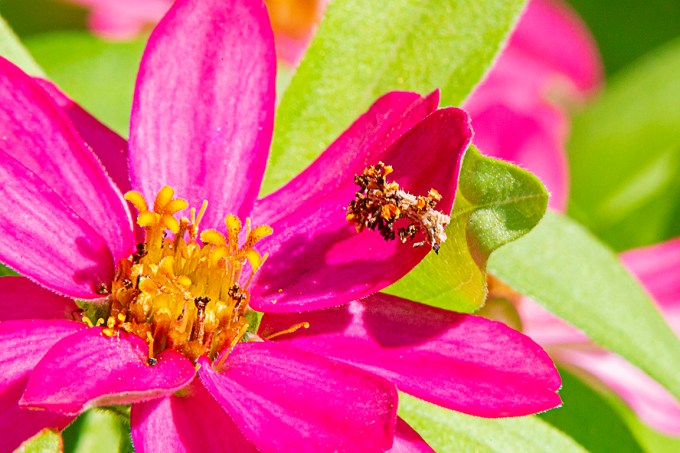
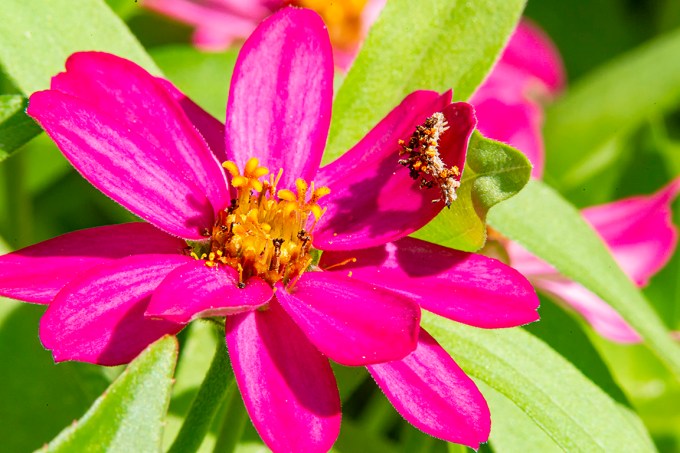
It is a lacewing larva or sometimes just called a “junk bug” because of the junk it carries around on its back. The tiny larvae come up with all sorts of creative disguises to confuse predators. Other larvae may use bits and pieces of leaves, dead insects or whatever debris is available. I have seen these in other gardens, but never tried to find out what they were.
Snowy Egret Fishing
Posted on August 4, 2020

I liked this graceful pose of this Snowy Egret. I was shooting bursts as this Snowy was fishing, dancing around in the shallow water. When I was adjusting files this one was my favorite pose from the series.
Lady Bug On Thistle
Posted on July 28, 2020
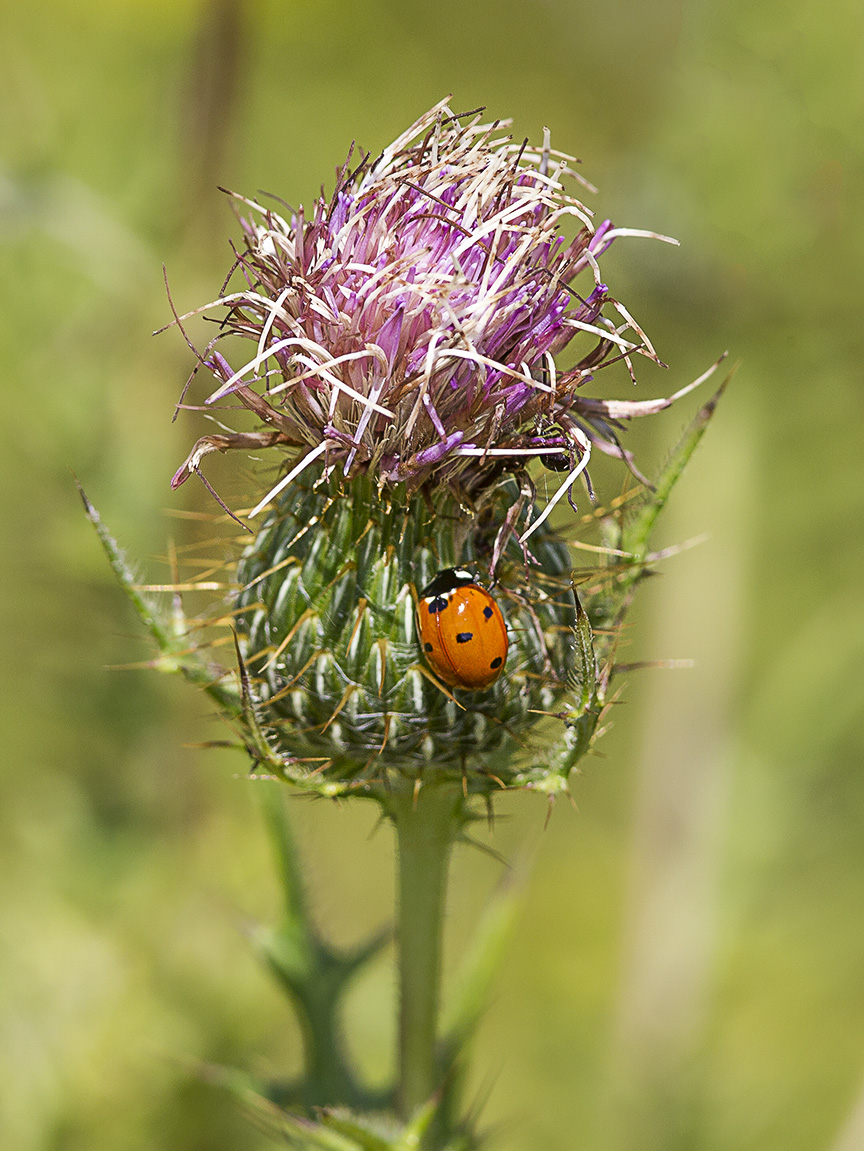
During a walk at Davidsons Mill Pond Park we noticed this Lady Bug on a Thistle. I thought it looked interesting against the textures on the Thistle. Also it sort of had the same roundish shape as the Thistle. I was traveling light with a 300mm f/4 lens on a Canon 1D mkIV.
Lily Closeup Image Stacks
Posted on July 23, 2020

A series of focus stacked Lily images, taken with a Sigma f/2.8, 150mm macro lens with a Canon 1.4x teleconverter. With the Canon 1.4x Teleconverter my maximum aperture was f/4 and 210mm focal length. The featured image was a closer view, so I shot 9 focus-stacked images taken with the Sigma 150mm macro @ f/4 with a 1.4x Canon Teleconverter. I wanted to shoot a series of focus stacked images at 2 different apertures to show the difference in the number of images needed for acceptable sharpness across the main subject. So it is a matter of deciding what effect you want in your image before you start photographing.

1st Image set – Lily, @ f/4, 10 image focus stack, Sigma 150mm macro, 1.4x teleconverter
For comparison the wider open you choose for your aperture, the more images you need in your series of focus stacked images. These were handheld, so the f/8 series was a little farther away, but you can get the idea of what I am trying to show. The more you stop down your f/stop, the less images you will need for a focus stacked image. But the more you stop down, the “busier” your backgrounds become.
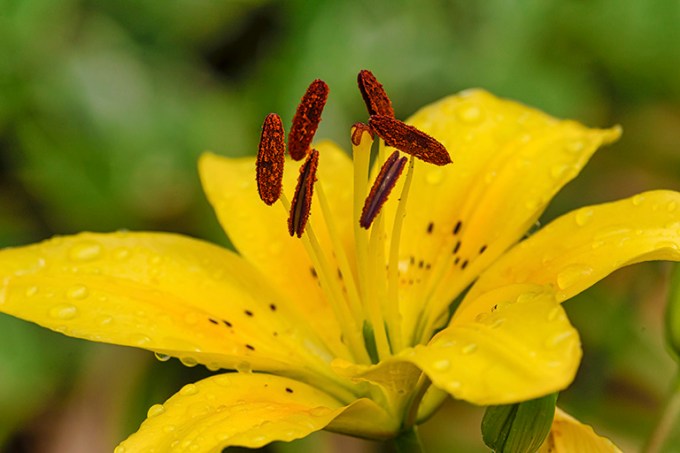
2nd image set – Lily @ f/8 – 3 image focus stack, 150mm macro, 1.4x Teleconverter
Female Great Blue Skimmer Dragonfly
Posted on June 28, 2020

I was photographing dragonflies at a local park when I noticed this female Great Blue Skimmer dragonfly off to the side. I quickly switched from the usual dragonfly subjects and got a few images of this one before it flew off. I was using a 400mm lens with an extension tube to be able to focus closer for Dragonflies. All images were taken @ f/11 giving a little more depth of field yet still have smoother cleaner backgrounds.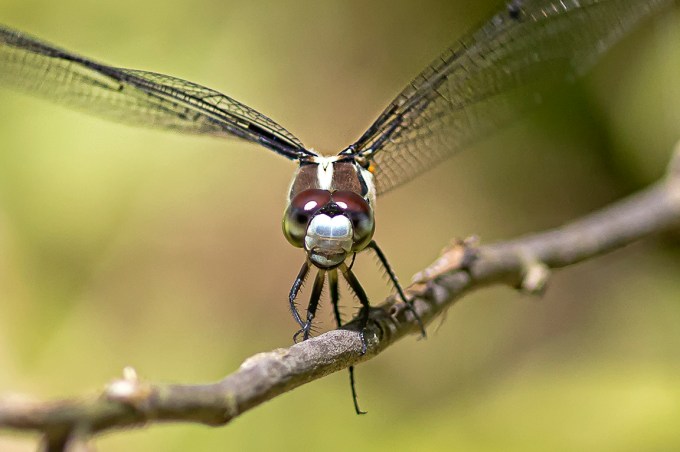

 photoartflight