 photoartflight
Chipping Sparrow on a Branch
Posted on June 13, 2020
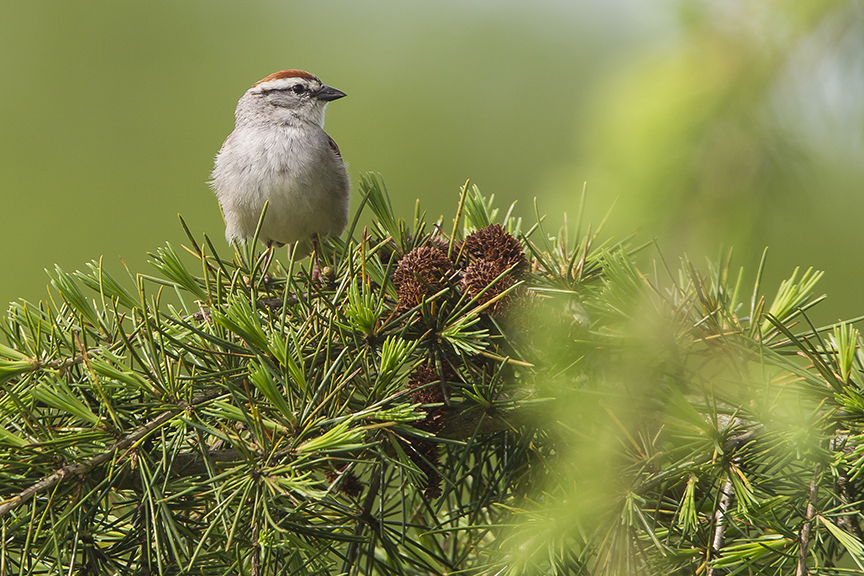
We had gone to a local park, Davidson’s Mill Pond Park, and noticed quite a few Chipping Sparrows flying around. The Sparrows were on the branches that were near the top of the tree. I was using a 400mm Canon DO lens with a 2x teleconverter to get closer and cropped the images slightly.

Osprey Flyover
Posted on May 20, 2020

It is always fun to photograph Ospreys flying overhead. And the Edwin B. Forsythe National Wildlife Refuge, Brigantine Division in Oceanville, NJ usually has quite a few around the Wildlife Drive. Especially in nesting season. I was using a Canon 400mm DO Lens with a 2x teleconverter to photograph these flying Ospreys.

Osprey In Tree Sunset
Posted on March 19, 2020
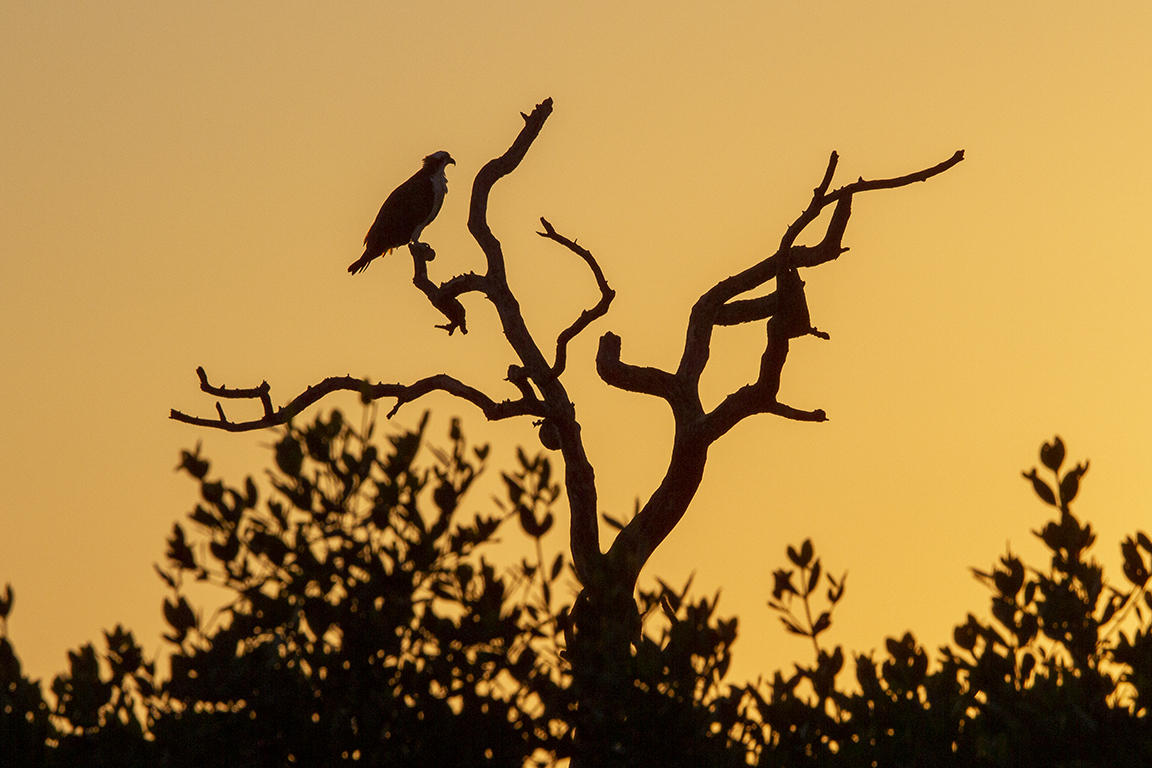
As the sun was setting and the sky was glowing orange I noticed this Osprey in a tree along the Wildlife Drive at J. N. Ding Darling NWR on our way out of the Refuge. I liked the stark dark Osprey & tree silo against the colorful sky. Image taken with 400mm DO lens.
More CloseUp American Alligator Images From Florida
Posted on March 10, 2020
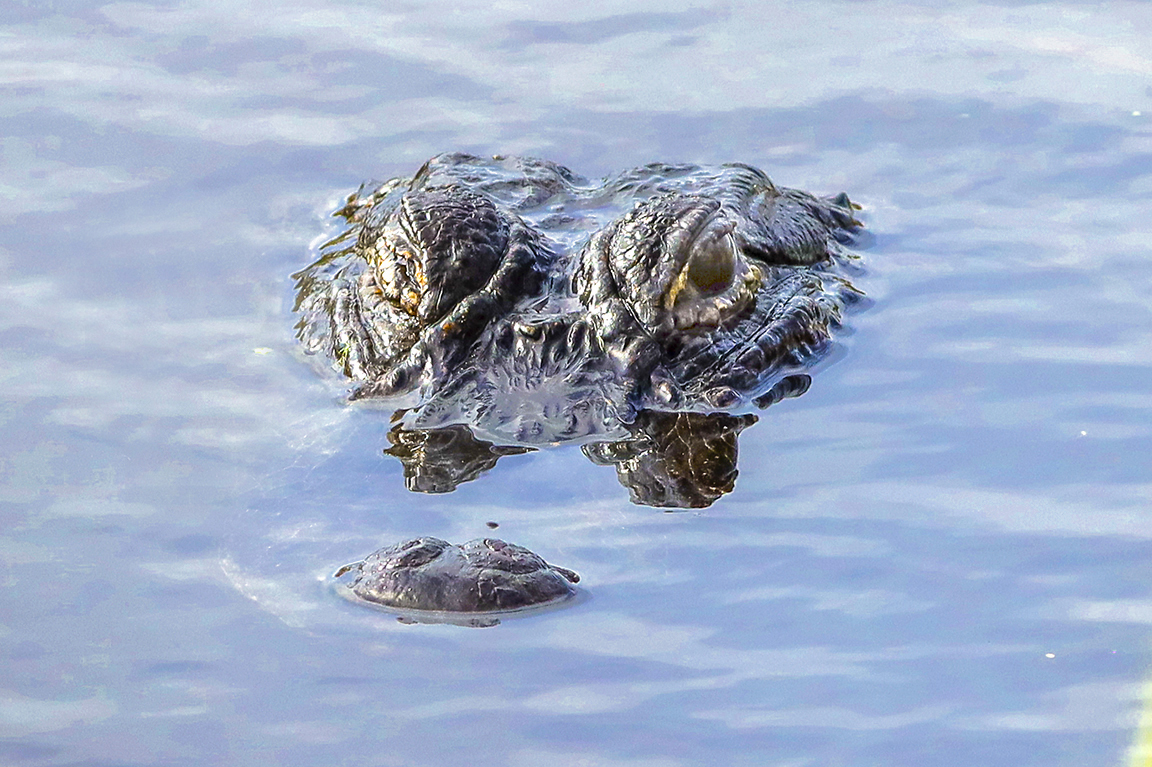
An assortment of close-up images of Alligators from 2 Florida locations, along the paths at Ding Darling National Wildlife Refuge in Sanibel, Florida and the St. Augustine Alligator Farm’s Rookery. Featured image taken at Ding Darling NWR with 300mm f/4 Lens, Canon R.

Alligator Teeth 560mm, Ding Darling NWR, Sanibel, Florida. Canon 1D mkIV, 400mm DO lens, 1.4X Teleconverter

Alligator @ 400mm, Tamron 150-600mm lens, Canon R, St. Augustine Alligator Farm
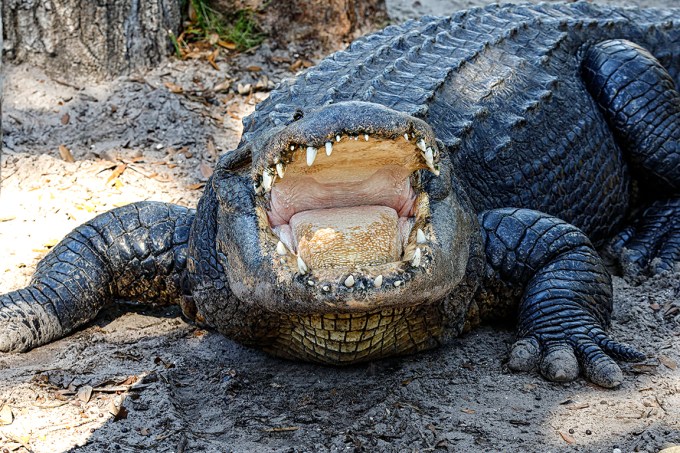
Alligator @ 226mm, Tamron 150-600mm lens, Canon R, , St. Augustine Alligator Farm
Following is information on Alligators from Ding Darling NWR’s website.
One of only two alligator species in the world, the American Alligator is a large reptile found in freshwater habitats throughout the southeastern United States. Adult male alligators can grow up to 4.6 meters long and weigh over 500 pounds while females are generally smaller and average only 3 meters long with a weight of 200 pounds. Commonly portrayed as green, the skin of an American alligator is actually a dark grey color with pale yellow on the underside, and the juveniles have bright yellow stripes along their backs until they mature and the striped fade. The dark coloration allows this predator to better blend into the swamps, marshes, and wetlands it inhabits and camouflages the animal while it hunts at night. Another adaptation that allows the alligator to better hunt within its watery habitat is a double set of eyelids. One set of eyelids is much like a humans, they close up and down and protect the eye from debris and light. A second set of translucent eyelids, called a nictitating membrane, close front to back and are used to protect the eyes while the alligator is underwater. Like other reptiles, American alligators are cold blooded and need heat from the sun or other sources such as warm water to be active or even to digest their food. Special bone plates called scutes grow between layers of skin along the back of the alligator, giving the animal an armored appearance and acting as a solar plate. The scutes collect heat from the sun when the alligator sunbathes and warms the blood that runs through the vessels of the skin, transferring the heat throughout the body. Despite their appearance as slow, lazy, or unresponsive which sunbathing as alligator is capable of running up to 11 miles per hour on land in short bursts. This species is much better built for water travel, where it is able to utilize its tail as a paddle and rudder to guide the torpedo-shaped body through the water at speeds up to 20 miles per hour.
Cattle Egrets In Breeding Plumage
Posted on March 3, 2020
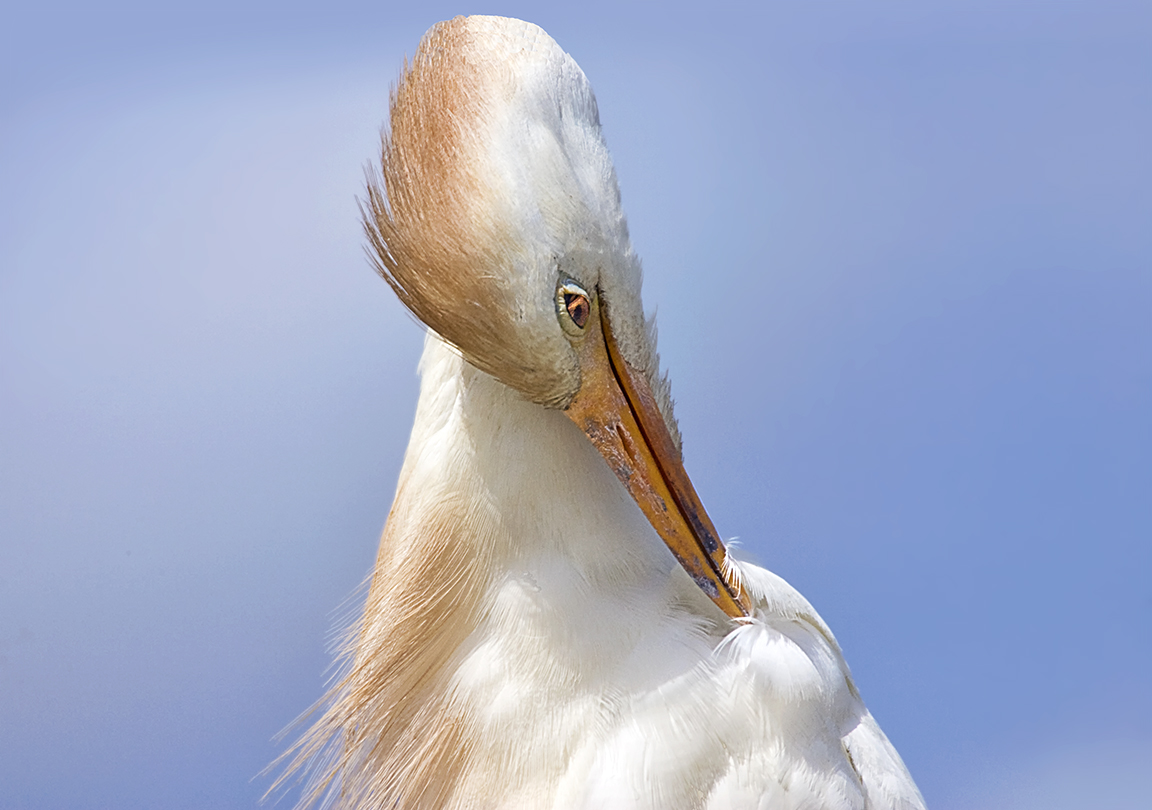
I am still going through older images and cleaning up my backup hard drives. The images here are from a older trip to the Edwin B. Forsythe National Wildlife Refuge in Oceanville NJ. We noticed a few Cattle Egrets in breeding plumage. Usually we do not see Cattle Egrets here, so it was fun to photograph them. The featured image is one on the top of a small tree along the start of the Wildlife Drive. The other images are from various locations further along the Wildlife Drive. All images are @ 800mm using a 400mm DO lens with a 2X teleconverter.

Cattle Egret in Grasses along Wildlife Drive
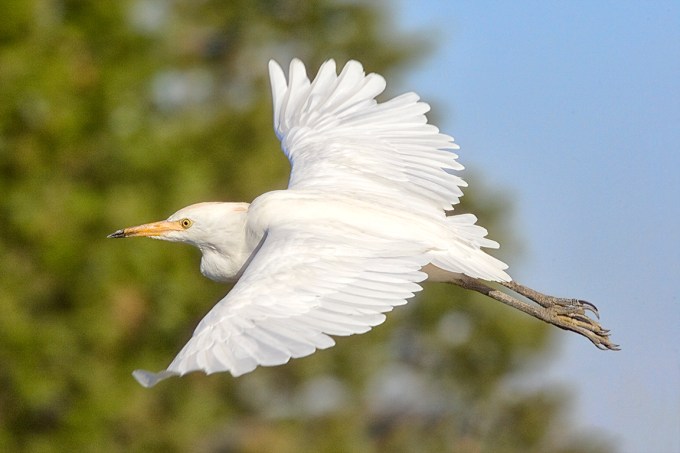
Cattle Egret Flyby @ 800mm

Tree Top Cattle Egret @ 800mm
Bald Eagles From Blackwater NWR
Posted on January 12, 2020
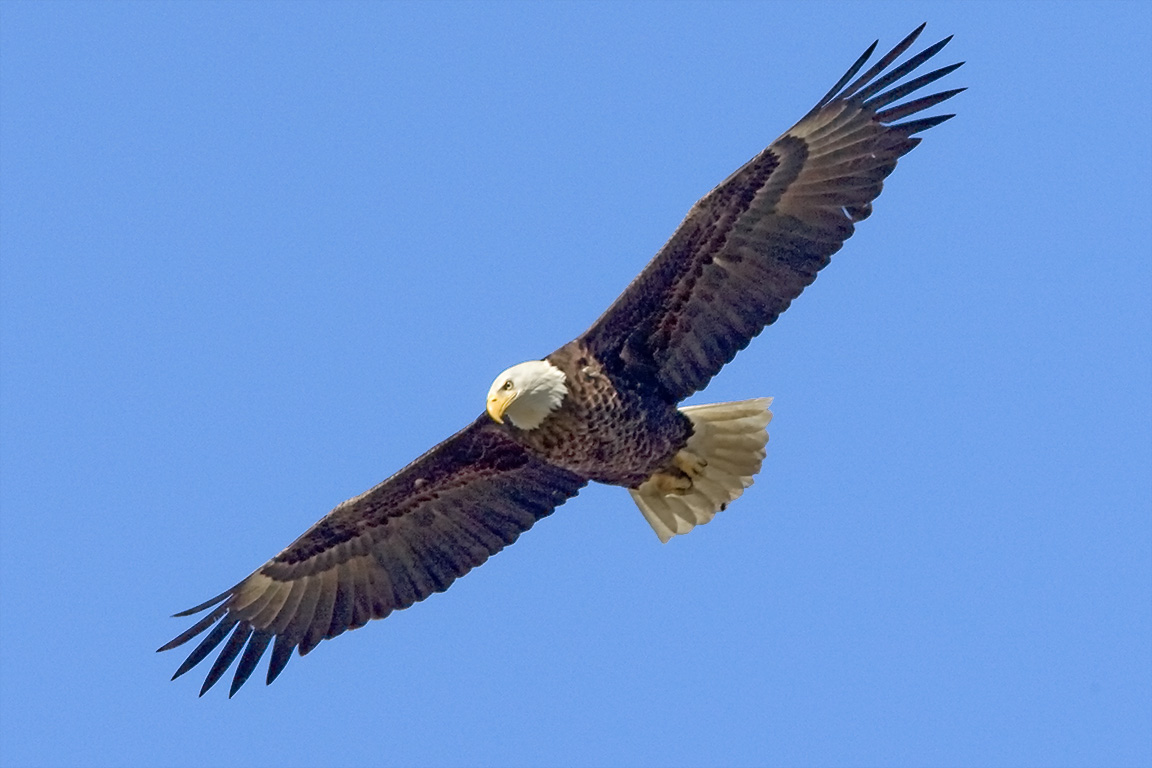
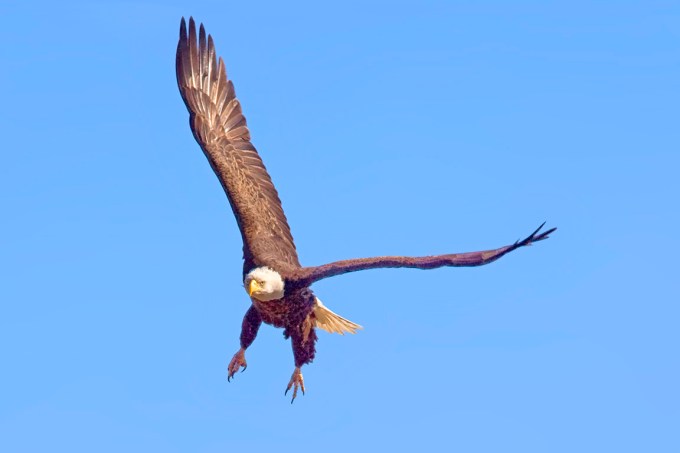
Here are some more Bald Eagle images from a previous trip to the Blackwater National Wildlife Refuge in Maryland. It is a wonderful location for photographing Eagles. The number of Eagles increases in the colder months so there are more opportunities to get Eagles flying by. All images shot with a 400mm DO lens with a 1.4x teleconverter.


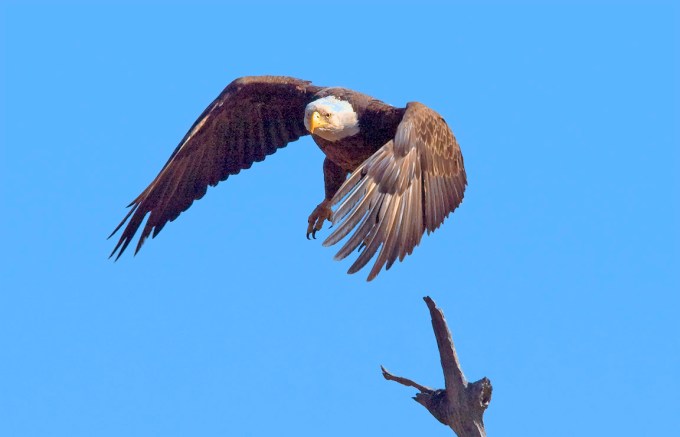
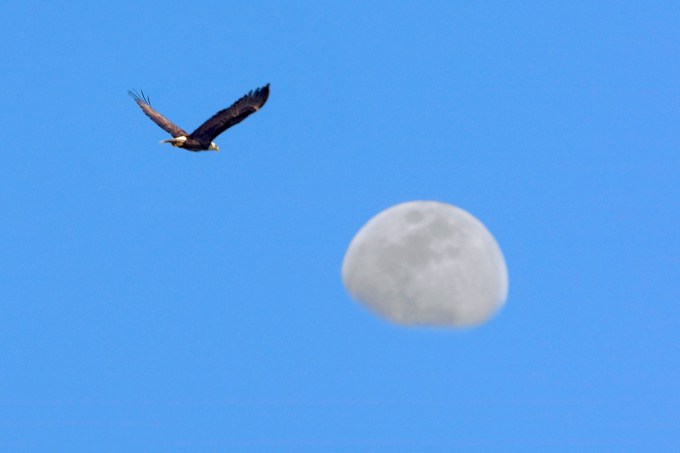
Great Egret Preening Wing
Posted on December 31, 2019
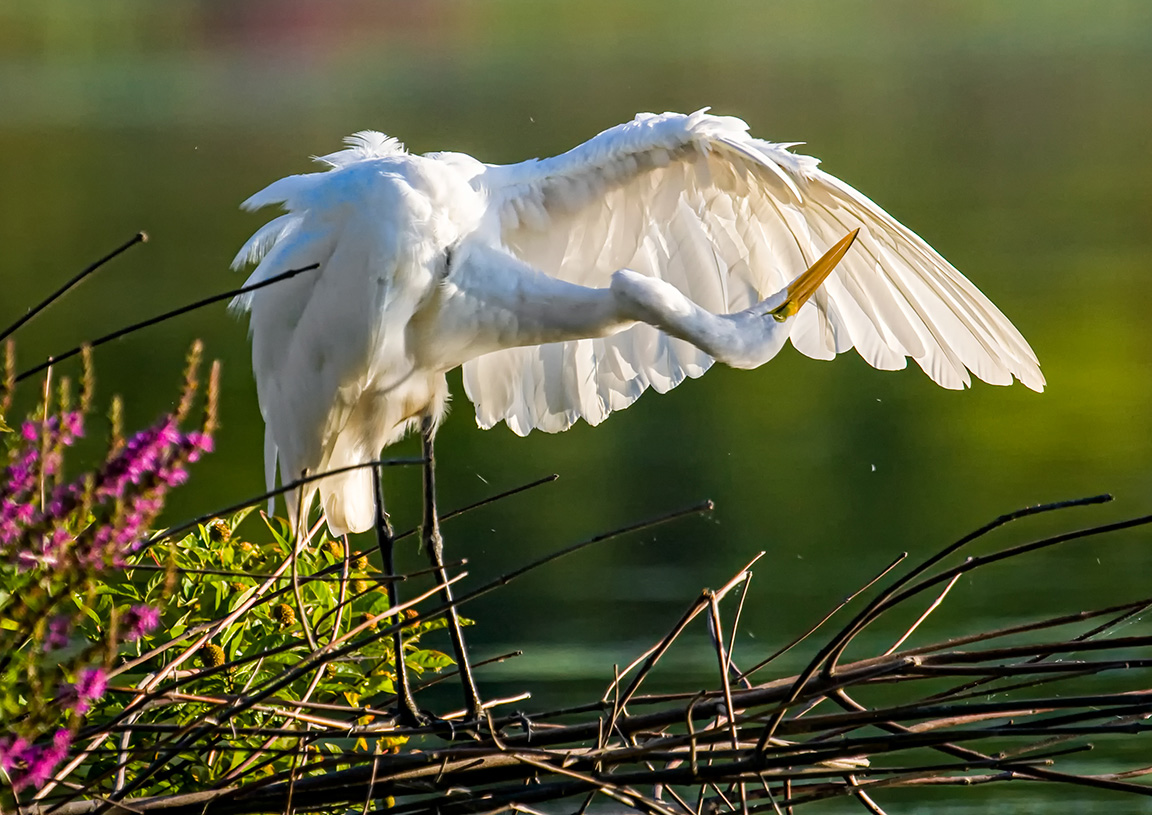
I was photographed this Great Egret at a local park years ago. It started to preen it’s wing and I liked the early morning sun lighting the wing. Image shot with a Canon 400mm Canon DO lens with a 1.4x Teleconverter.
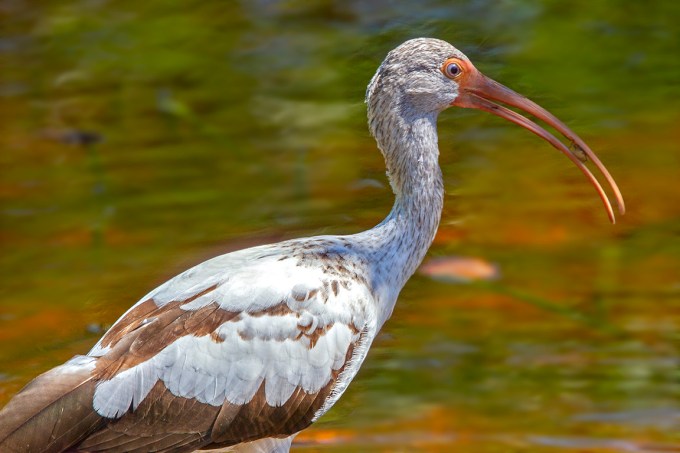
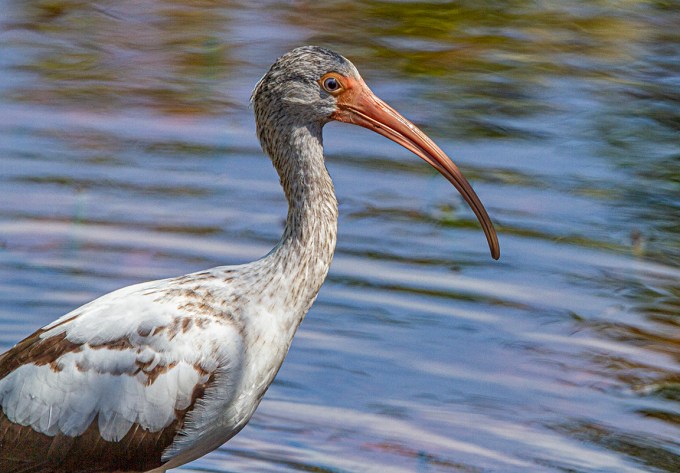
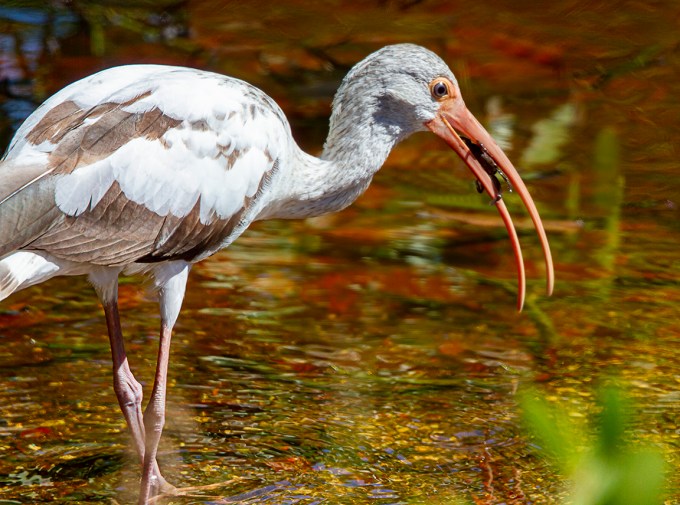
Immature American White Ibises Foraging
Posted on December 28, 2019

We found a group of immature American White Ibises working an area for their morning meal. They seemed to have great success in finding their breakfast. All images were shot with a Canon 400mm DO lens.


White Ibis foraging – 2 image panorama, 400mm Canon DO lens, handheld, assembled in Photoshop
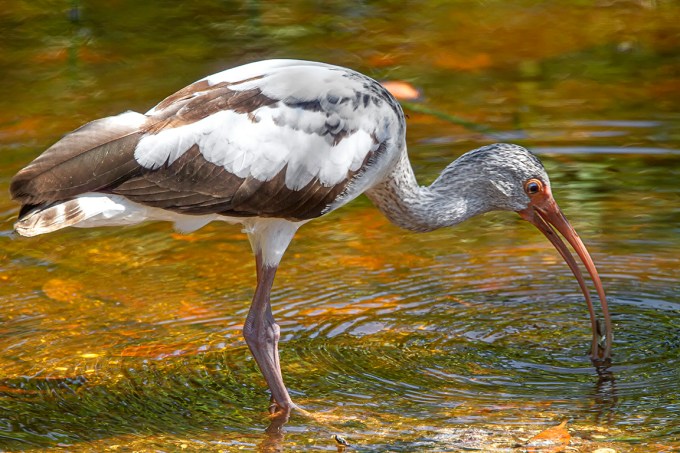
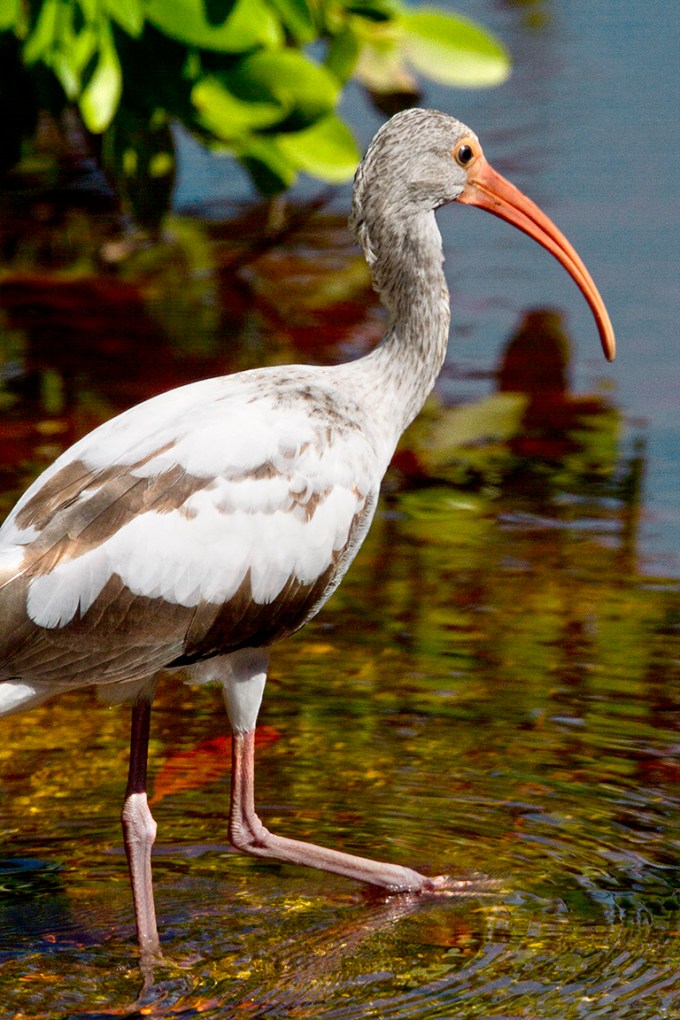
Immature American White Ibis foraging – 2 image Vertical Panorama
Osprey Hovering Before Diving
Posted on December 23, 2019

At the end of the year I go through my backup drives to cleanup and delete files no longer needed. I found this Osprey image taken years ago on one of those backup drives. This was taken at the Edwin B. Forsythe National Wildlife Refuge in Oceanville, New Jersey. Image taken with the Sigma 300-800mm f/5.6 lens @ 800mm. This was one of my favorite lenses back then. A beast to haul around, but once you were setup in an area, you could really get amazing results working that area for images. It did well with flying birds on a Canon 1D style camera body back then. Between the 1D mk IV body, heavy duty Gitzo tripod and Wimberly gimbal head you were over 20 pounds. So you did not roam around to much with this combo. But it was definitely a fun combo to use and produced extremely sharp images. For birds in flight it was great because you could zoom out to find them flying in the distance, then zoom in to get the shot. I do miss it from time to time but I make due with the 400mm Canon DO and Tamron 150-600mm lenses with teleconverters. Not as sharp as the 300-800mm f/5.6 Sigma, but close enough and my back appreciates the lighter load to carry.
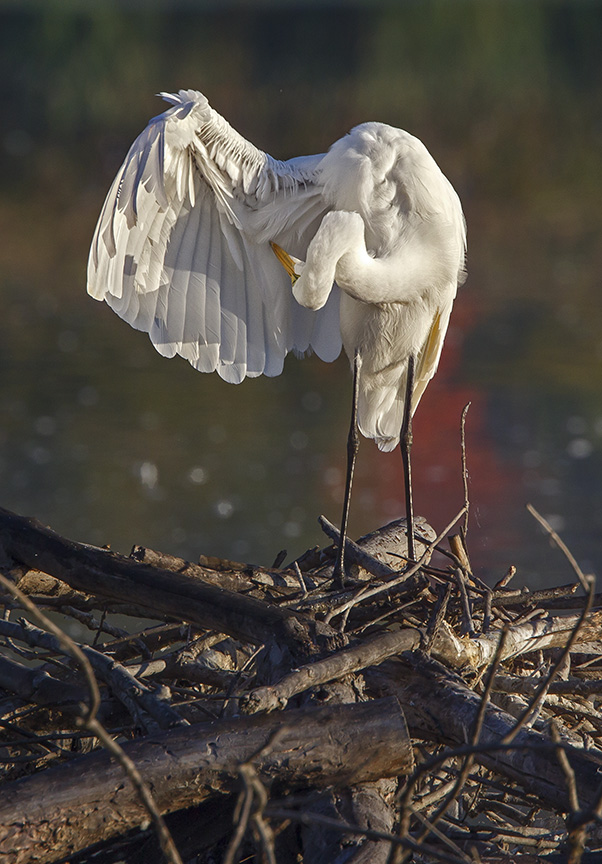
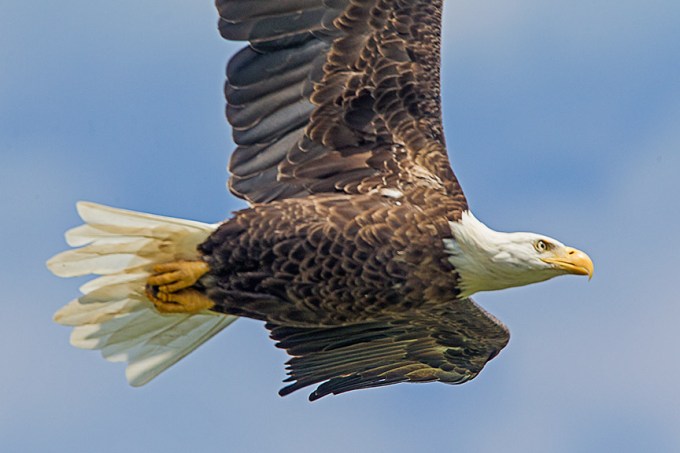
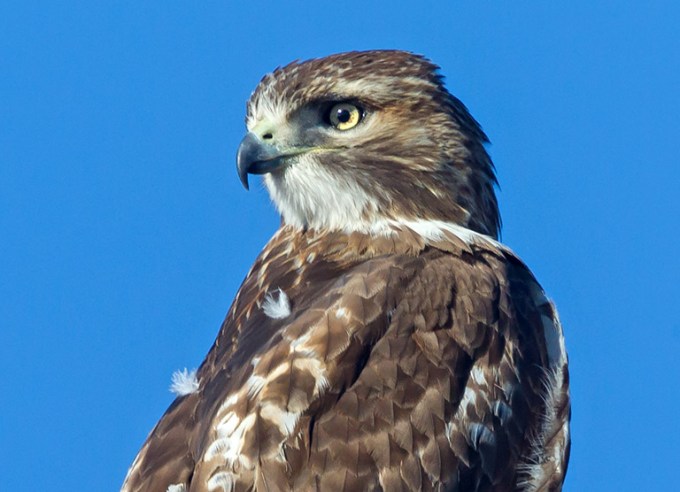
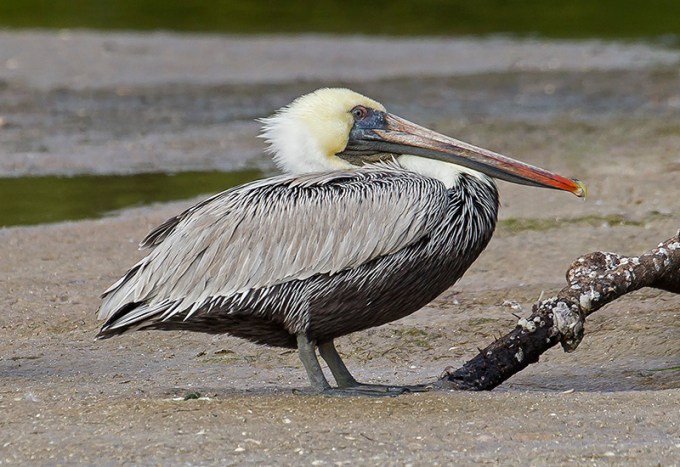
More Sigma 300 – 800mm images below —





Blackwater NWR – Trees In Light Fog
Posted on December 22, 2019

On one of our trips to the Blackwater NWR, there was a light fog at the Refuge when we arrived. Along the Wildlife Drive in the wooded area, I thought the fog looked interesting. It seemed to make the trees near to us stand out more against the hazy softer trees in the distance. I was using a 24-105mm lens @ 90mm to concentrate on the closer trees near the Wildlife Drive, adding depth to the image.
 photoartflight