 photoartflight
Little Green Heron Hunting For Breakfast
Posted on December 21, 2019
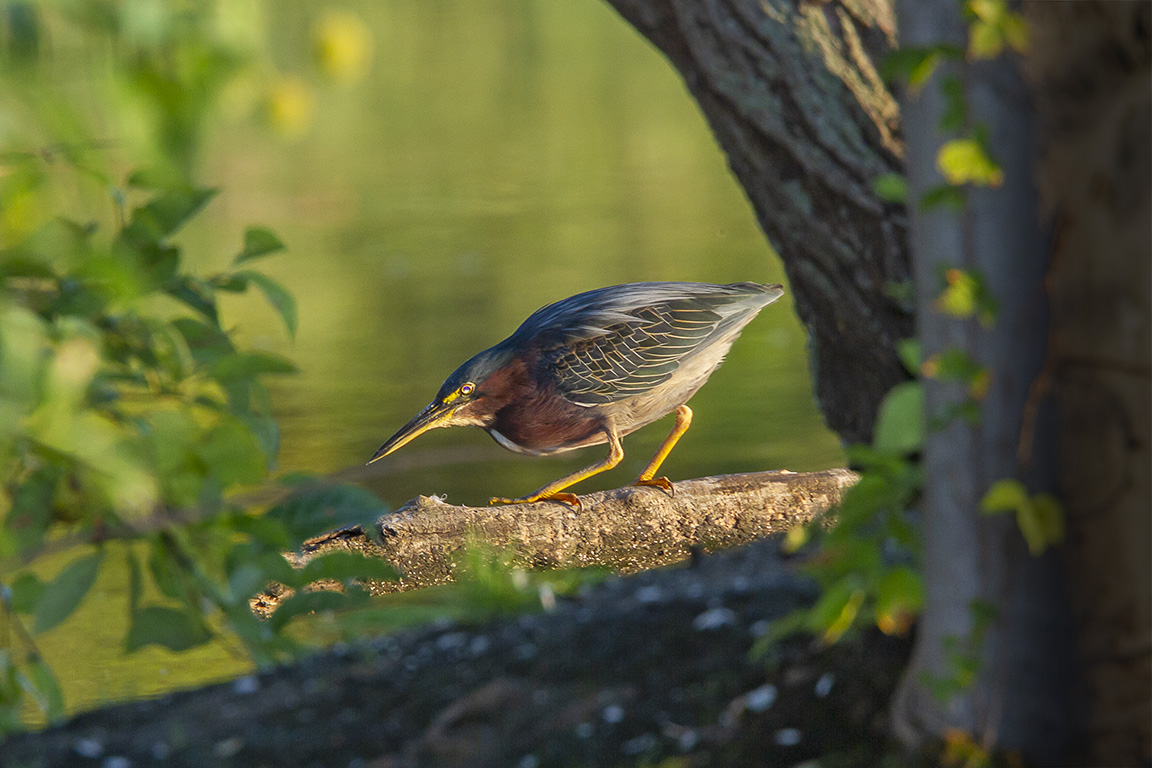
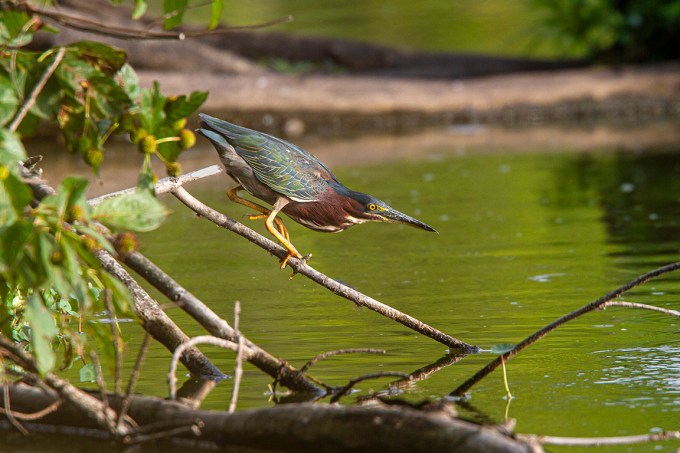
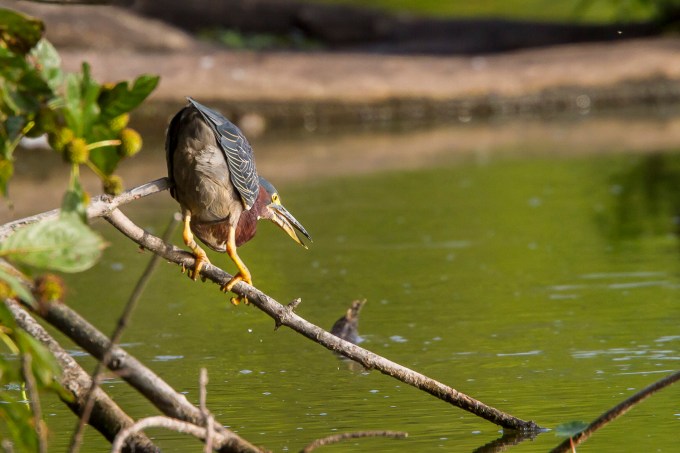
I am going through backup hard drives, cleaning out files I do not need to make more space for future projects. Also I can use some images for posting here. These were from a few years ago at a local Nature area we used to go to that was close to our old home. While I was photographing the Heron, it did not have much luck for a meal. But it did get a dragonfly.

90 Cormorants Panorama From Brigantine
Posted on December 18, 2019

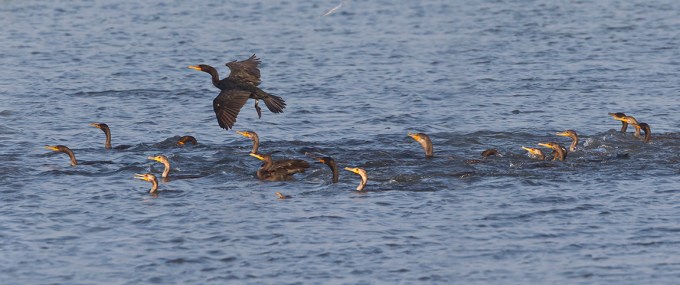
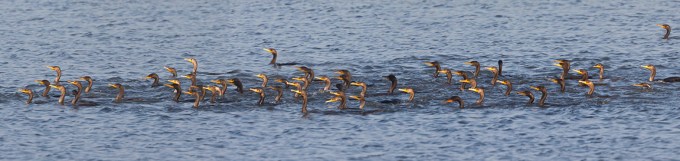
Now that I am retired, I have time to work on files from years ago that I had not finished or even gotten around to. The featured image is a 10 image panorama of a large group of Cormorants swimming down one of the channels along the Wildlife Drive at the Edwin B. Forsythe National Wildlife Refuge in Oceanville, NJ. I was on the Wildlife Drive photographing ducks when this group came by. I shot a series of 12 handheld overlapping images to get them all in as they were going by. There are 90 Cormorants visible but there are a few underwater, that surfaced after I had shot that area as I continued photographing the series. For some reason I always photograph my series for panoramas from left to right. Also most of my panoramas are handheld. Mainly because I am photographing something else when I notice an image that I think would make an interesting panorama. Photoshop usually does a good job aligning the images. For this image I was using a Canon 400mm DO Lens with a Canon 1.4X Teleconverter on a 1D MkIV body.
When shooting “moving” panoramas, I tend to try to overlap even more on each section. This helps when one section might have an element that is not what I wanted or liked and I would still have enough images to overlap for a finished image.
The finished panorama with black border (below) is 86 inches long x 21 inches high @ 250 ppi. If I ever print it, it would go even larger @ 150 or 200ppi.

Cropped in sections from the panorama to show detail below.
Moonrise Thru The Clouds
Posted on December 10, 2019

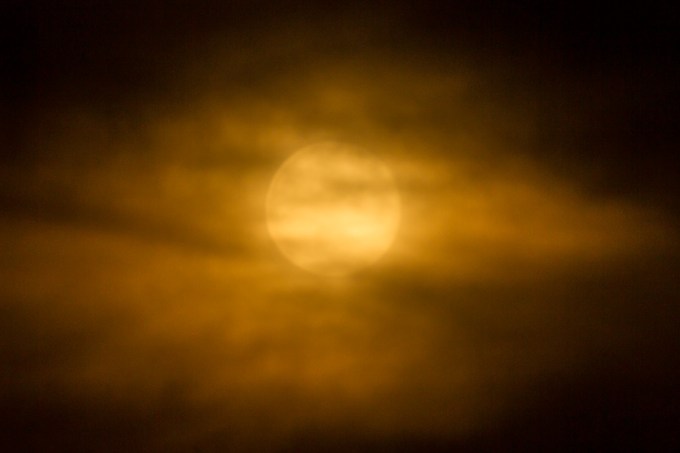
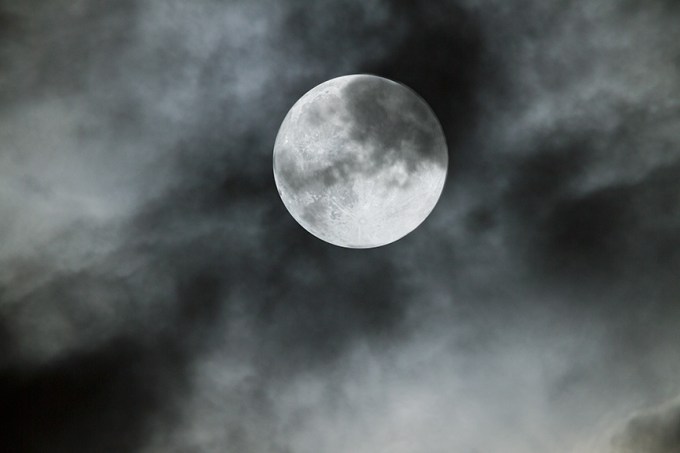
Earlier I photographed this Moon rising in the early evening sky. I liked the wispy cloud going diagonally across the rising moon giving an abstract element to the image. Featured Image taken with a Canon 1D MkIV, 400mm f/4 DO lens with a 1.4X Teleconverter, handheld @ f/8, 1/640 sec, ISO400
A couple more moon images from previous moon shoots.
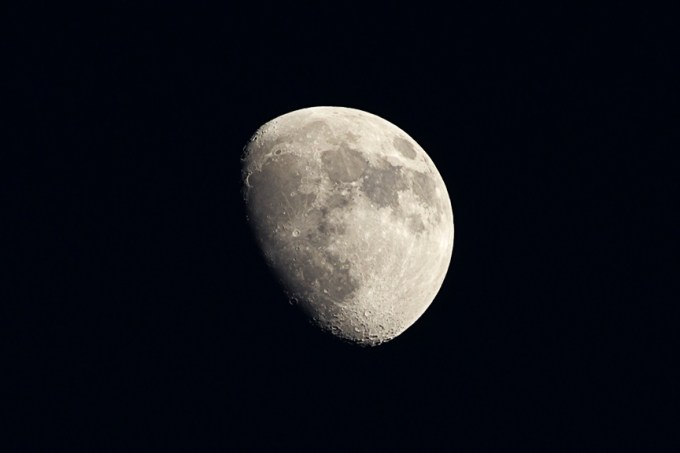
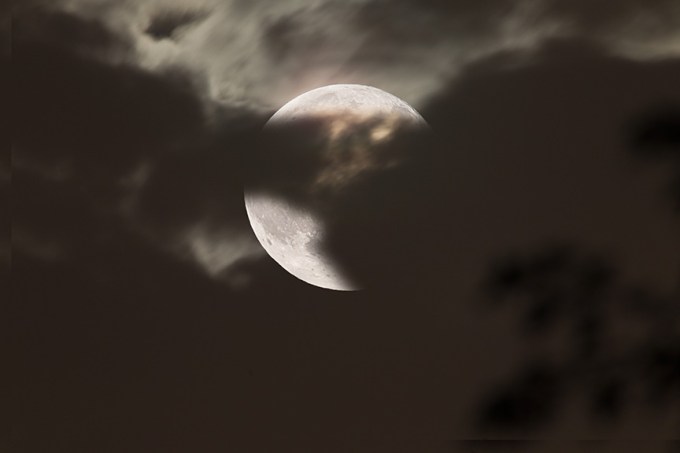
Moon Over Captiva, Florida – 300mm f/4 lens, 1.4X Teleconverter, f/8, 1/200 sec., 300mm f/4 lens w/ 1.4X Teleconverter, -1 stop exposure compensation
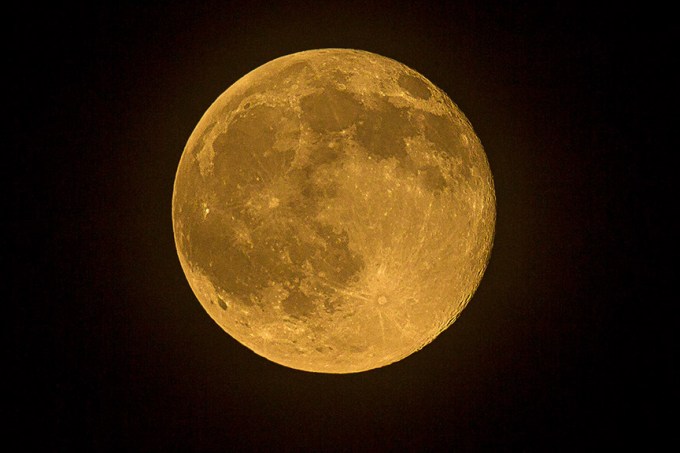
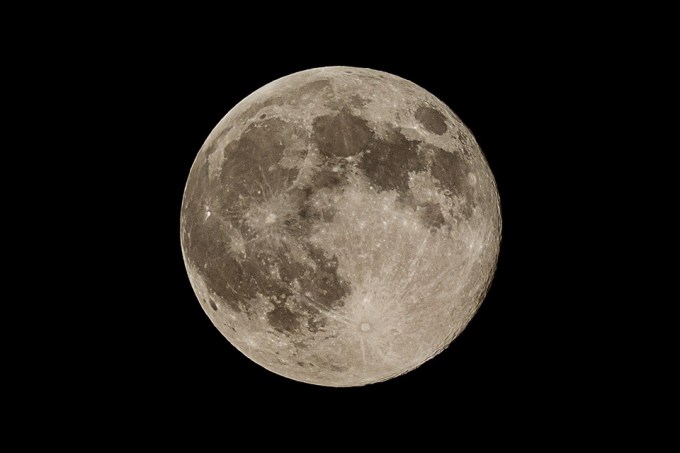
Strawberry Moon – 400mm f/4 DO lens, 1.4X Teleconverter, f/10, 1/400 sec, ISO 400
More Moons from past years.



Immature Bold Eagle Coming In For Landing
Posted on October 5, 2019

Near the exit of the Wildlife Drive at the Blackwater National Wildlife Refuge I was looking for photo subjects in the fields. Then this Immature Bold Eagle flew in and landed giving me a few more images on our way out.


Buckeye Butterfly @ Plainsbore Preserve
Posted on September 5, 2019
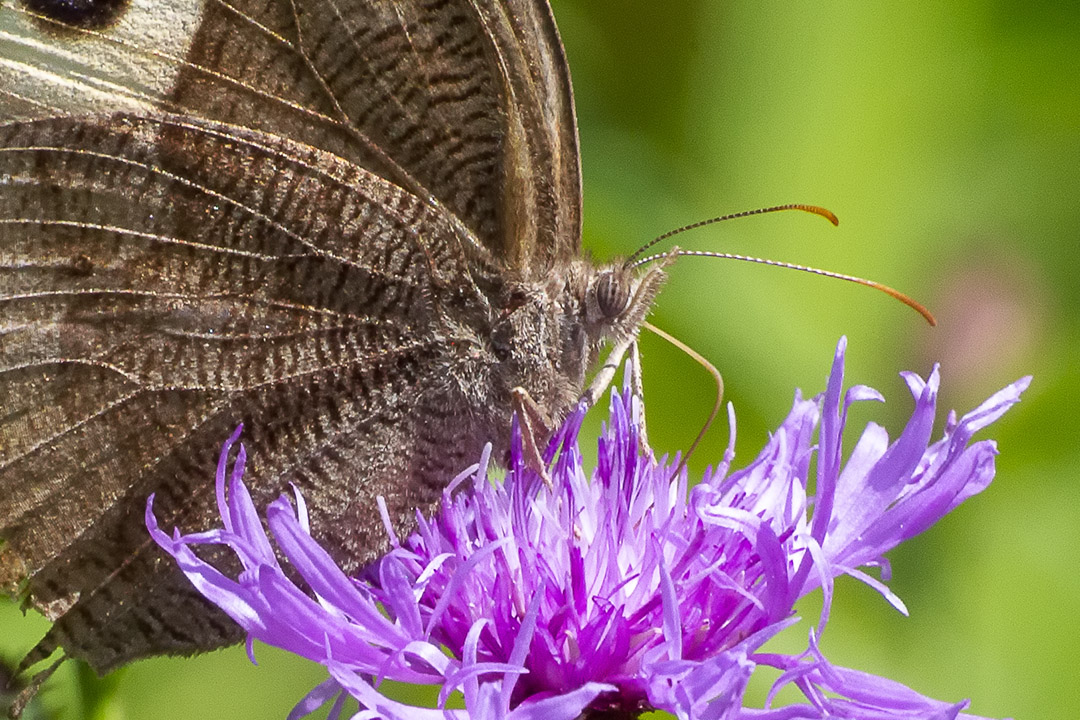
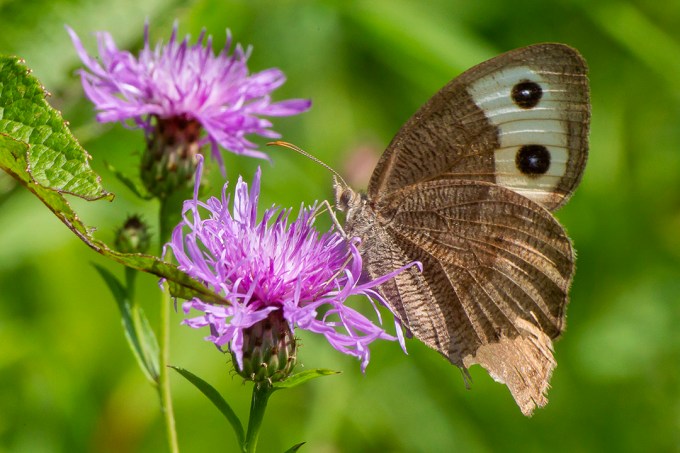
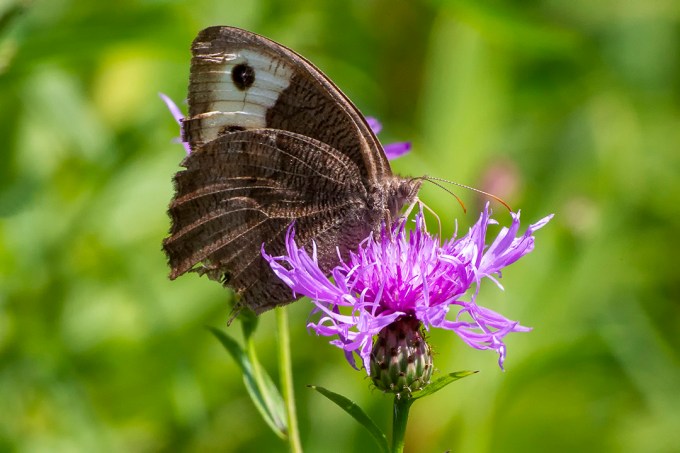
While we were looking for photo subjects at Plainsboro Preserve, I spotted this Buckeye Butterfly working this flower. The Butterflies and Dragonflies all seem to have a look of wear & tear now this time of year. But it is still fun to get some photos. I was using a Canon 400mm f/4 DO lens with an extension tube for closer focusing. This Buckeye had quite a bit of wing damage.


Recent Dragonfly Images
Posted on September 1, 2019
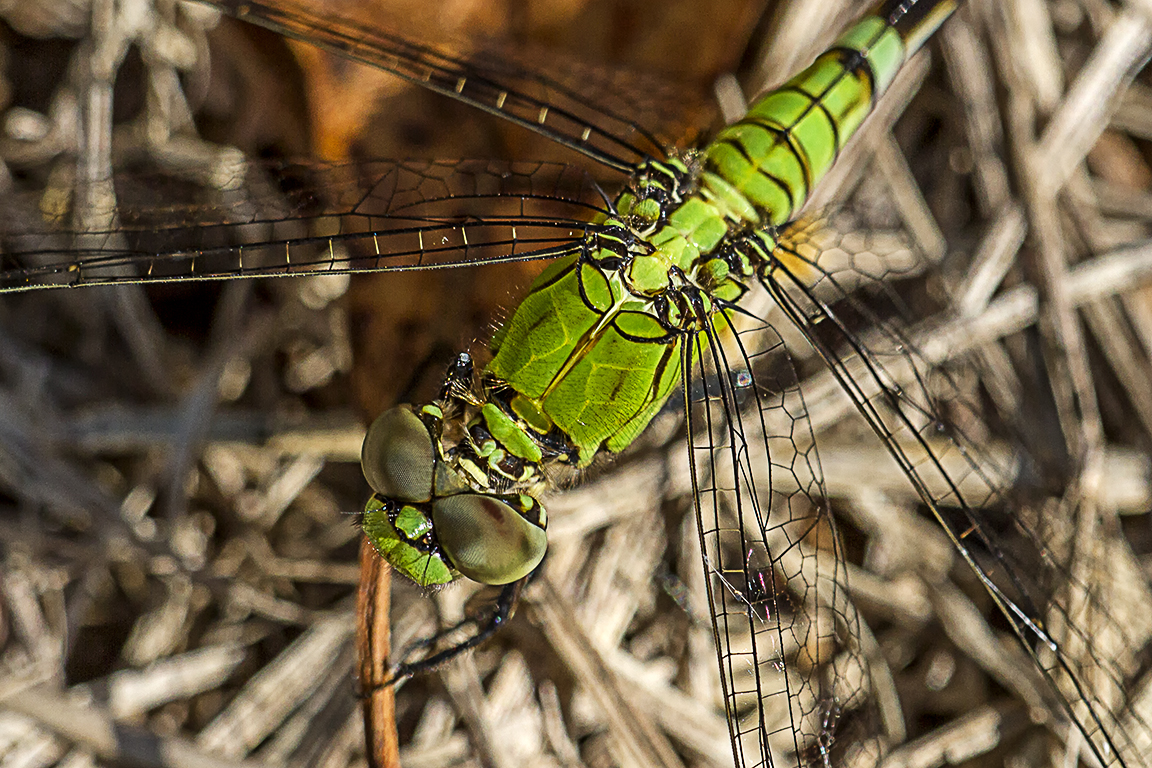
Here are a few images of Dragonflies and a Damselfly from a few local parks in our area. Most were shot with a close focusing 300mm f/4 lens with either extension tubes to get closer or 1.4X or 2X teleconverter. A few I used a Canon 400mm f/4 DO with Extension tubes and 1.4X teleconverter. The featured image is a female Eastern Pondhawk that was quite cooperative for extreme closeups. Image taken with Canon 7D, handheld, 300mm @ f/8, 1/1000 sec, ISO 400.

Blue Dasher extreme closeup – 2 image focus stack Canon 7D, Canon 300mm f/4 IS, 1.4X teleconverter, w/extension tubes
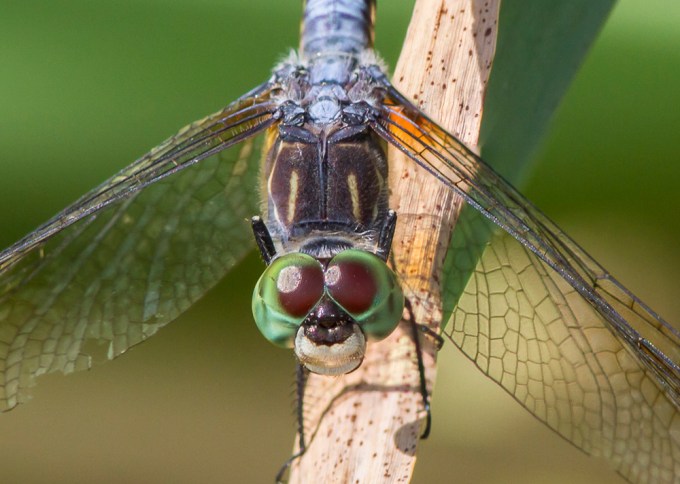
Blue Dasher extreme closeup – 2 image focus stack Canon 7D, Canon 300mm f/4 IS, 1.4X teleconverter, w/extension tubes (f/11, 1/200 sec, ISO 400)

Damselfly – multi image stack, 400mm f/4 DO with extension tubes, f/8, 1/50 sec, 1600 ISO, camera on tripod
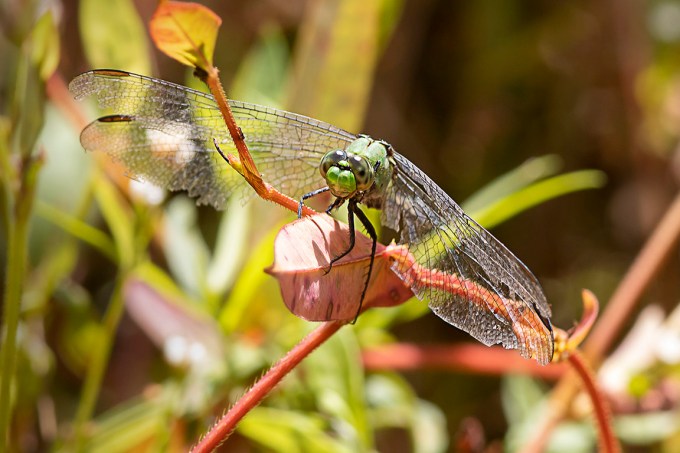
Female Eastern Pondhawk- f/11, 1/320 sec, 300mm f/4 w/ 1.4X teleconverter
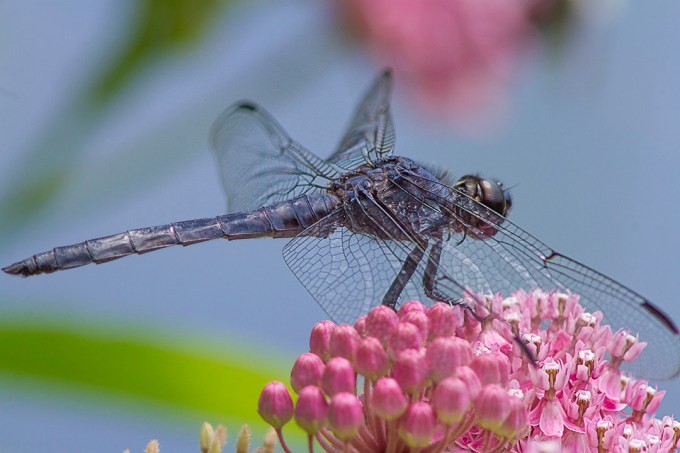
Slaty Blue Dragonfly, f/11, 1/160 sec, +1/3 exp. comp, 300mm w/ 2X teleconverter, Single image, flew off before focus stacking images
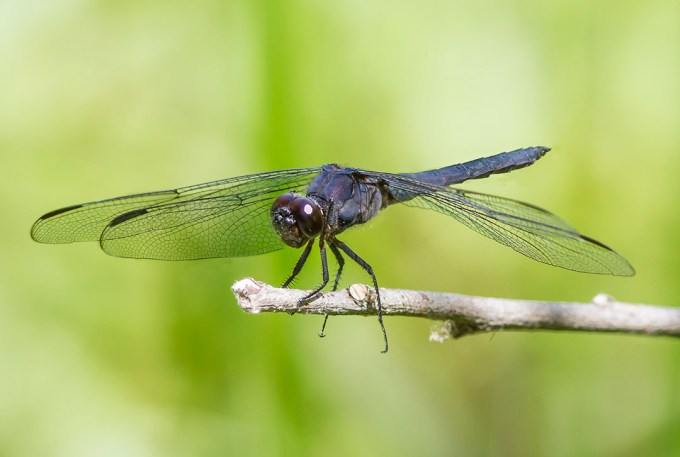
Slaty Blue Dragonfly, f/10, 1/320 sec, 300mm w/1.4X teleconverter, effective 420mm
Little Egret Panorama
Posted on August 14, 2019

I was photographing along the Indigo Trail at the Ding Darling NWR early in the morning on this day. We finally had found a large number of birds along the trail. It was quite dark under the trees, but we managed to get a lot of images of a variety of Egrets and Herons while they were foraging for food. With this Egret, I liked it’s reflection in the water and it was just keeping an eye on me as I was photographing it. After shooting a few images of the Egret, I shot vertical images for a long panorama. I was traveling light on this walk so I only had the 400mm DO lens with a 1.4x teleconverter. It was quite dark under all the trees so I had to raise my ISO higher than I like. After assembling in Photoshop, I trimmed the left & right sides a little so the Egret would be more prominent in the long vertical image. Then removed some “noise” from using a higher ISO than normal.
Immature Little Blue Heron Foraging For Breakfast
Posted on August 5, 2019
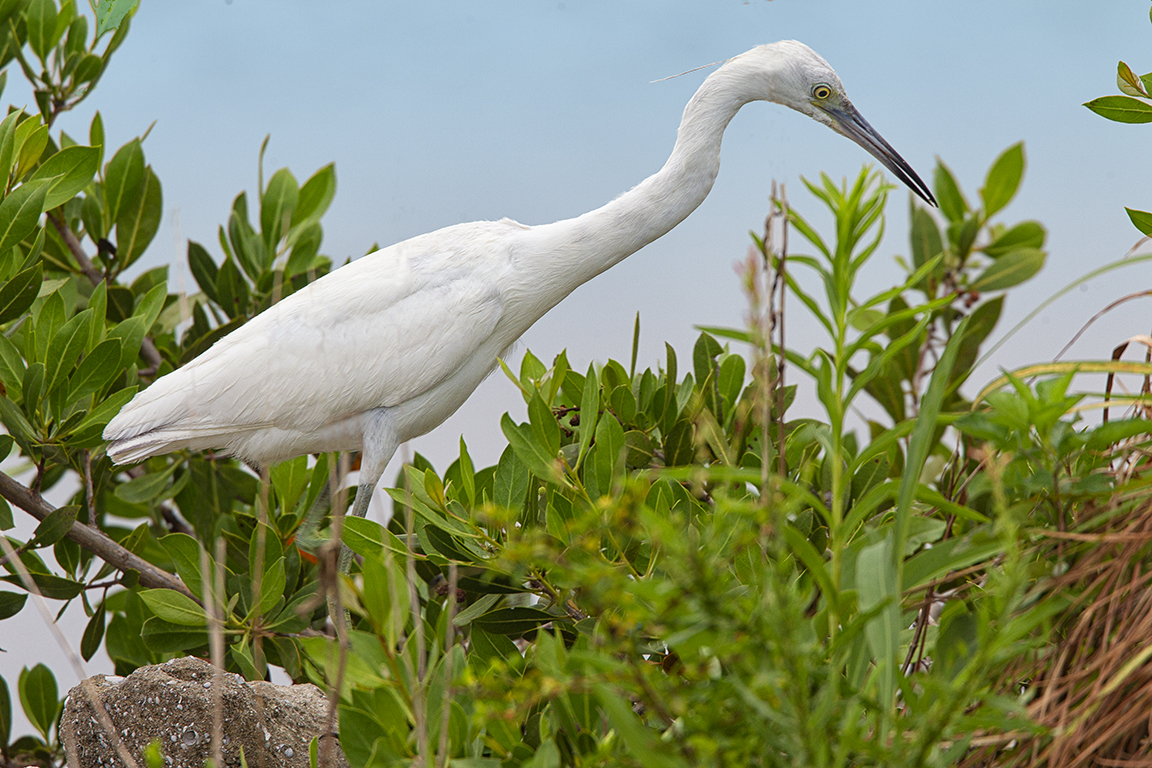
We saw this Immature Little Blue Heron looking for its breakfast. It was just working an area around us and seemed not to be bothered by the many people around. Just kept searching for a meal. After a few bugs it did finally find a small lizard.
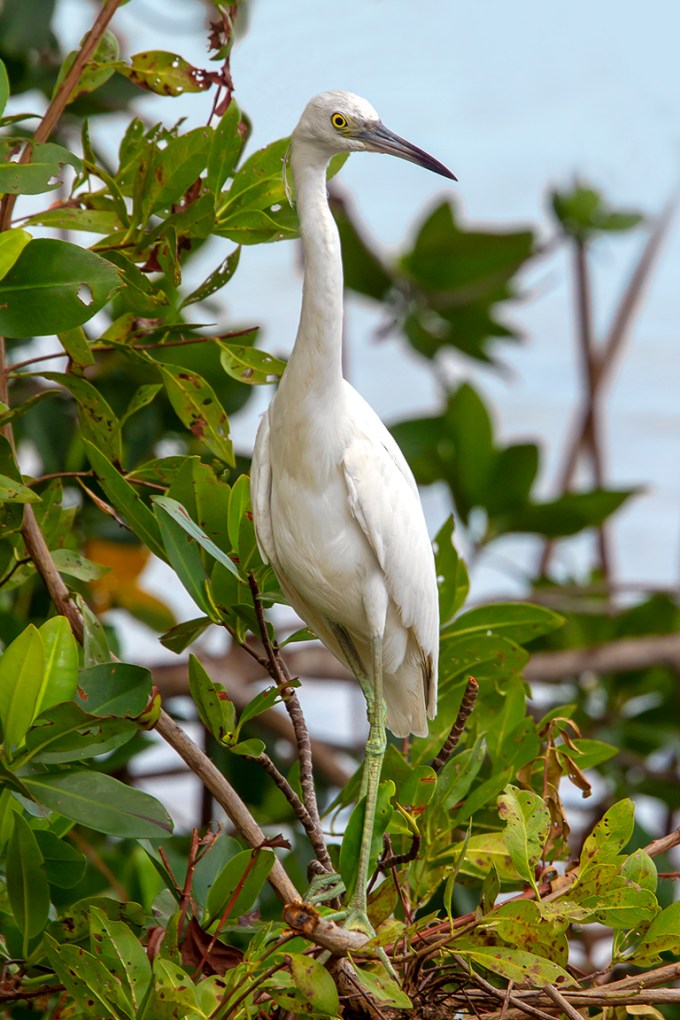
Immature Little Blue Portrait – 400mm f/4 DO with 1.4x teleconverter. Two images stacked and blended in Photoshop.
Black Skimmer Panoramas
Posted on July 30, 2019

It is a challenge to photograph flying birds for a panorama. After some practice the success rate goes up (hopefully). Basically you shoot a burst of images as you try to cover the area of birds flying you want. Also panning as you shoot, going in the direction they are flying. I found that shooting with a wide angle lens for a large group of birds flying does not give you as much detail as shooting them with a telephoto lens for a panorama. A pretty high shutter speed is also helpful. You might have a few touch-up areas or overlaps to fix once you assemble the base Panorama.
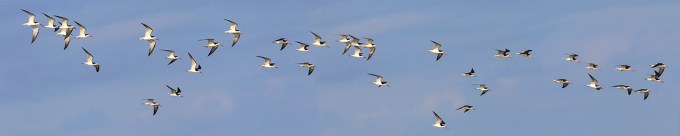 The panoramas below are a group of Black Skimmers on or close to the shoreline. This is a little easier because most of them are not moving, but again you might need a few touch-ups here or there.

Black Skimmers, 4 images, 400mm f/4 DO lens
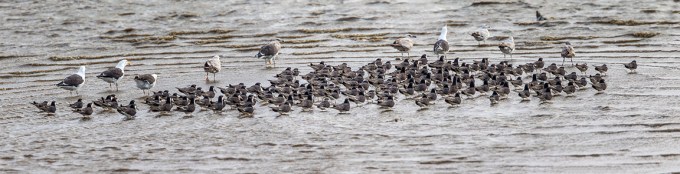
Black Skimmer Panorama, 7 images @ 400mm & 1.4X Teleconverter
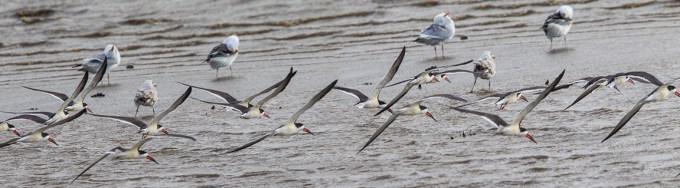
Black Skimmer Panorama, Early Morning, Bad Light, 2 images @ 400mm w/ 1.4X Teleconverter
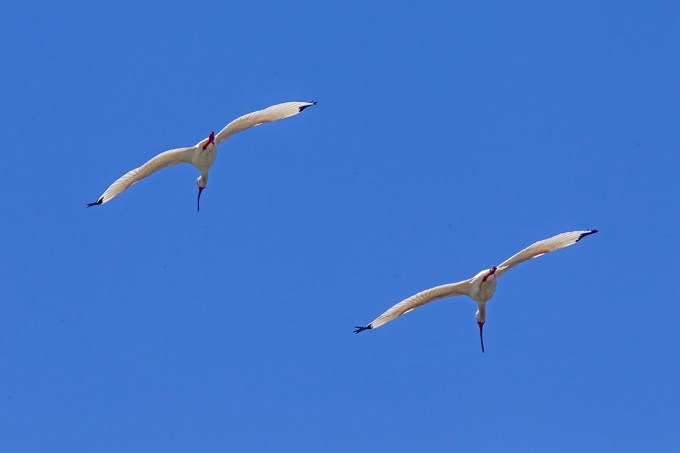
White Ibis FlyBy From Lake Woodruff NWR
Posted on July 13, 2019

I am still going thru images from our photo trip to Florida. Here are a few more images from Lake Woodruff NWR of White Ibises we saw flying above us at Lake Woodruff NWR.

 photoartflight