 photoartflight
Blue Dasher Dragonflies
Posted on July 9, 2021

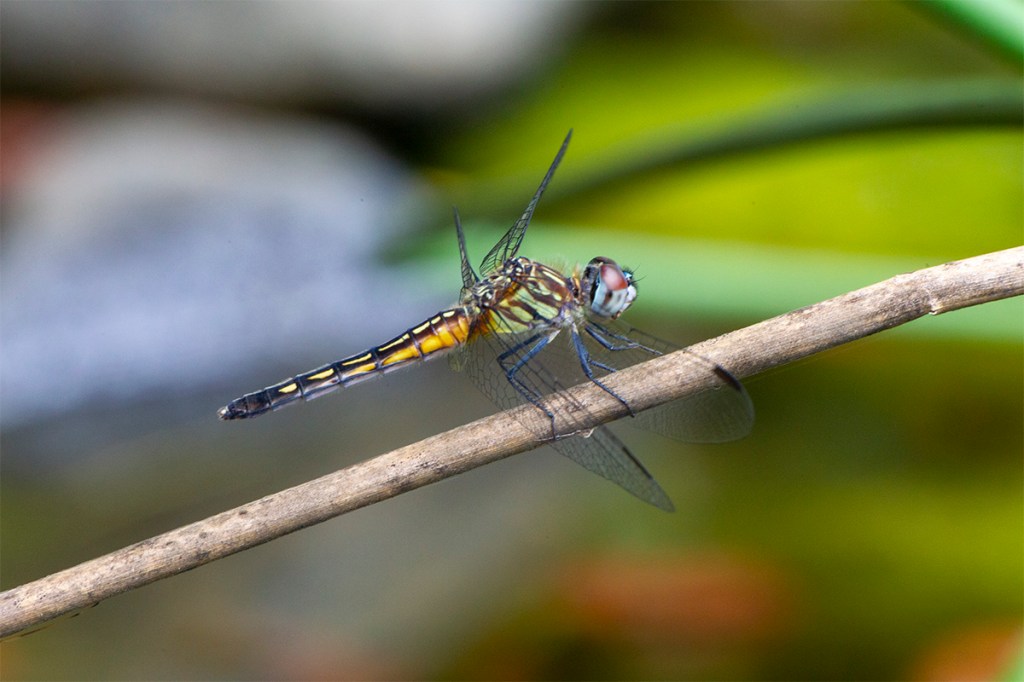
A couple of images of Blue Dasher Dragonflies. The Featured Image of the male Blue Dasher was taken with a 400mm DO lens with a 1.4X Teleconverter @ f/8 on a Canon 1D mkIV. To get the smoother background I wanted I only stopped down 1 more f/stop to f/8 since I already lost 1 stop with the 1.4X Teleconverter attached. My usual workflow when (on bright days) using teleconverters for a little more sharpness is to stop down at least 1 additional stop when using a 1.4X and at least 2 stops when using a 2X teleconverter. If I am using a 3X Teleconverter I would stop down 1 or 2 more stops than when using a 2X Teleconverter if I could. But then again a 3X Teleconverter usually is so bad I would just stack a 1.4X & 2X teleconverter. If using an extension tube on Telephoto lenses to get closer focusing I would also stop down at least 1 or 2 more stops for more depth of field.

American White Pelican Flying In At Blackwater NWR
Posted on March 8, 2021
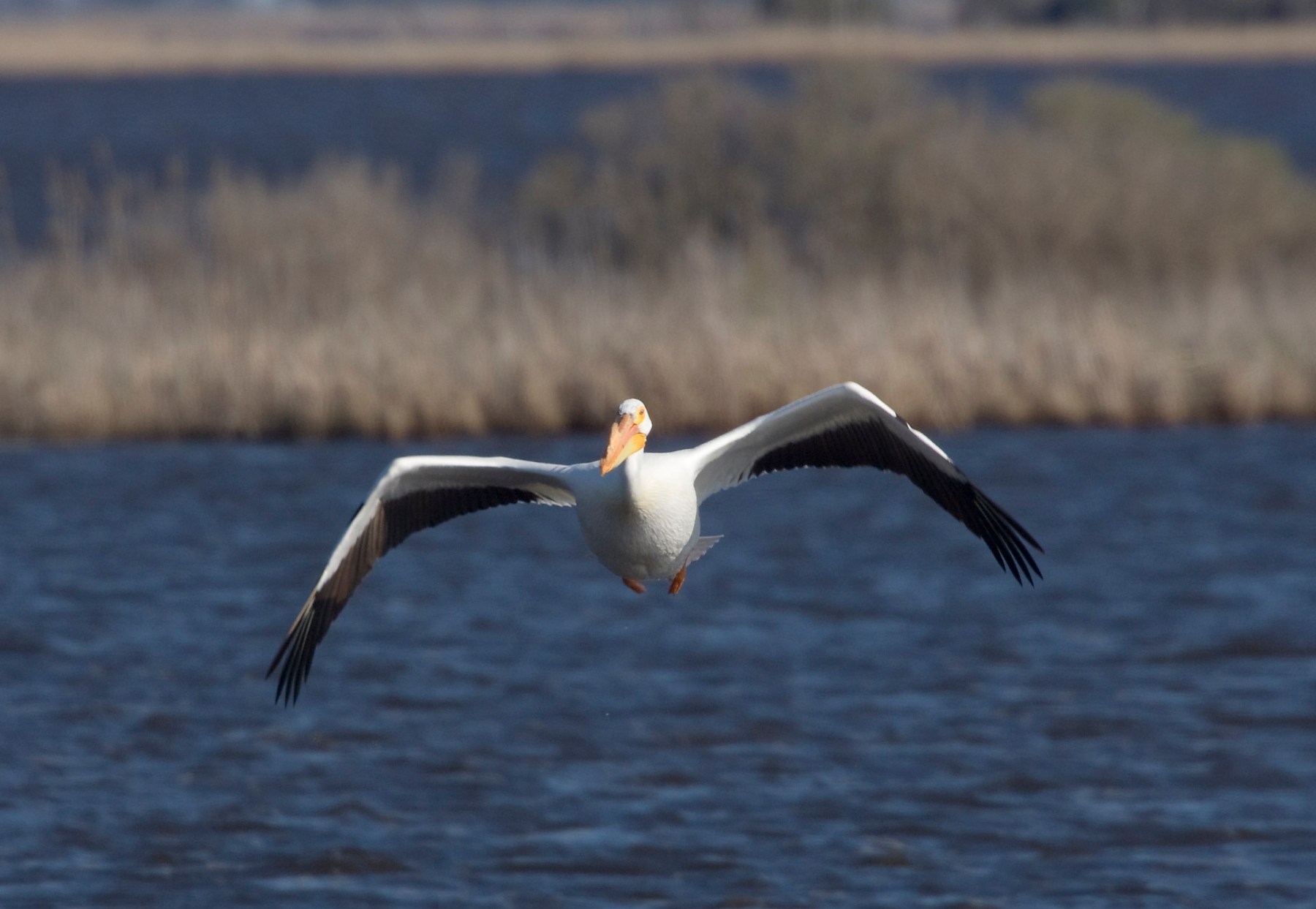
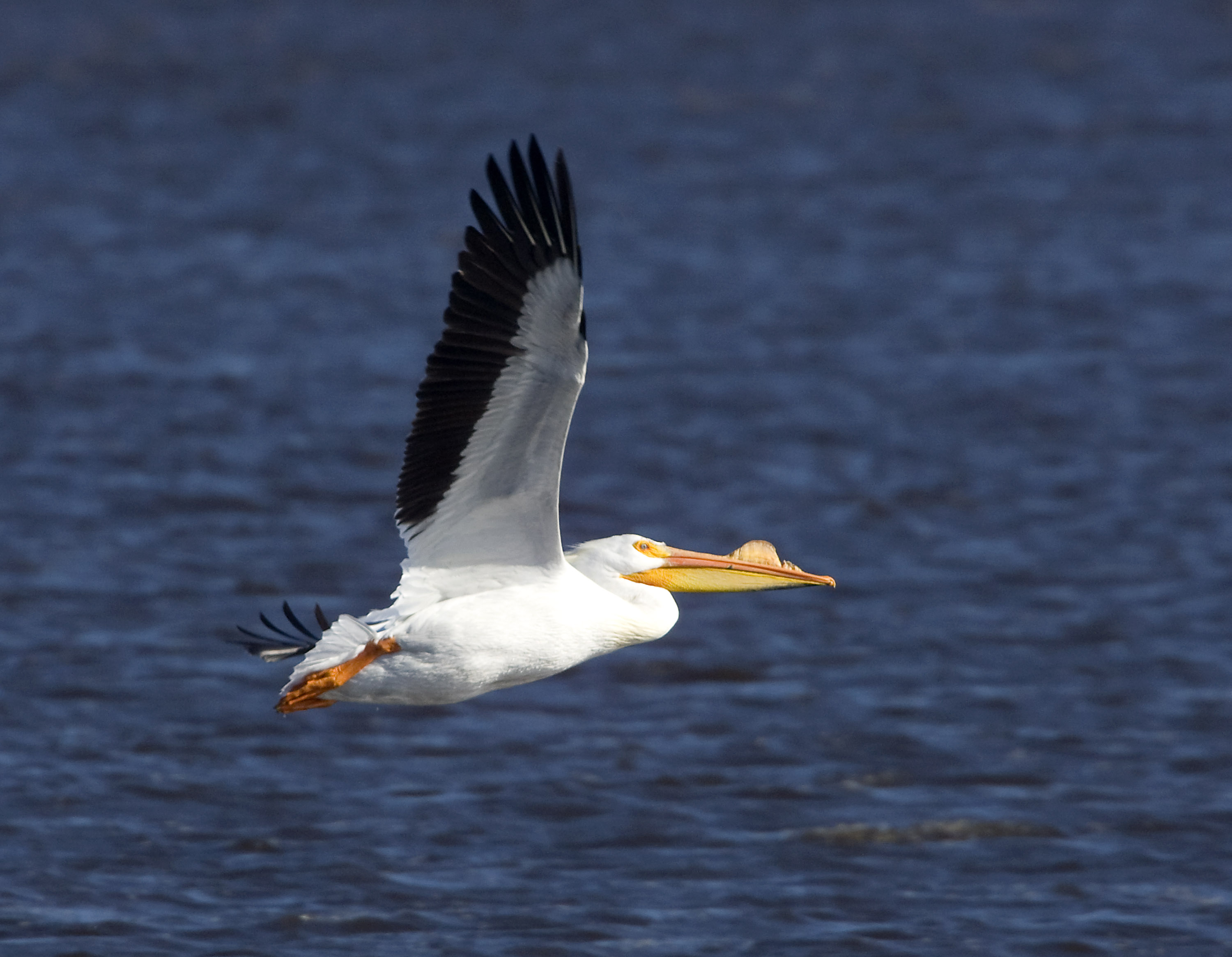
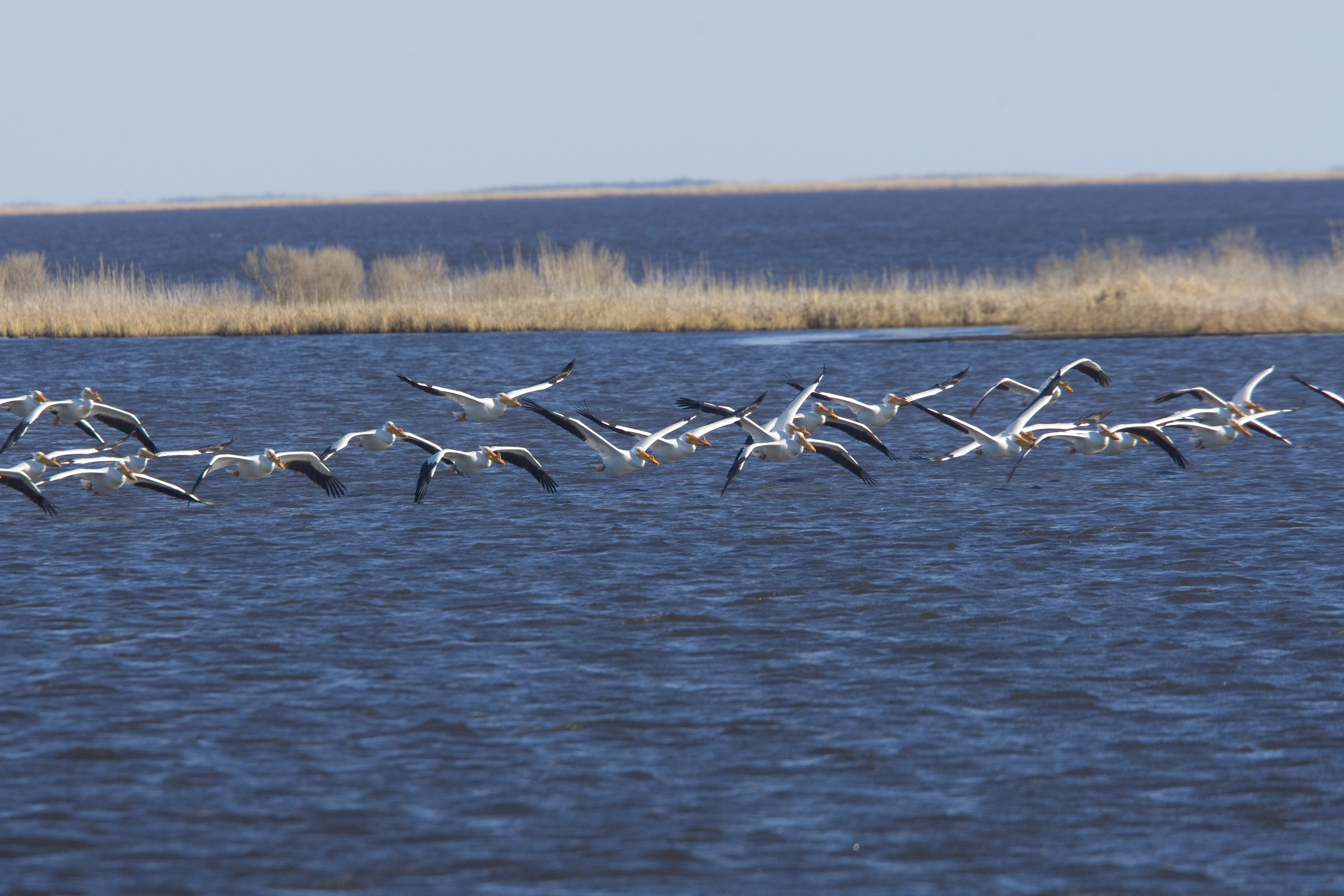
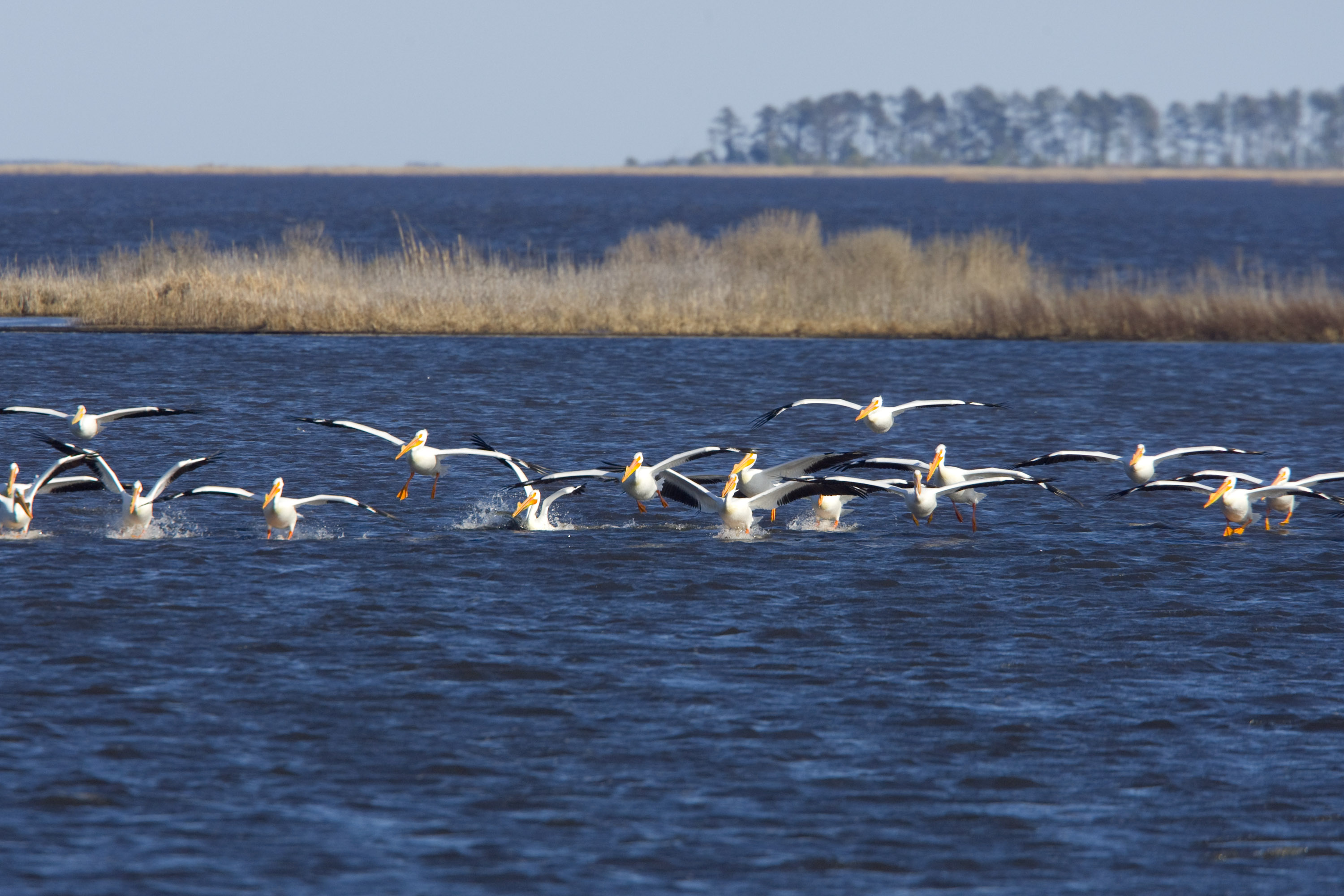
These are from a past trip a couple of years ago in April. I was photographing a Bald Eagle when I noticed a lone American White Pelican heading straight towards me. I started photographing it and was shooting a series of images as it was coming towards me. It banked sharply and landed in the water. After it landed in the water I noticed a whole flock flying in from the side that was apparently following the lone Pelican. So I guess he was the leader of the group. The bright white Pelicans really stood out against the deep blue color of the water. Also you can see the lone American White Pelican was in Breeding Plumage with the fibrous epidermal plate on it’s upper mandibles about one third of the way up their bills. All images were taken with a Canon 400mm DO lens with a Canon 2X Teleconverter on a Canon 1D mkIII.



Snowy Owl In Piermont, NY
Posted on January 24, 2021

Still going through backup drives to look for interesting images to post. Back in 2007 I heard there was a Snowy Owl in the Piermont NYC Metro Area. Piermont is a Rockland County town tucked in along the Hudson River, just south of the Tappan Zee Bridge. There were tall pilings far out in the water where it seemed it liked to hang out from what we heard. When I got there it was on top of a telephone pole near the edge of the water. It then flew out to the pilings farther out in the water which looked nicer for photos. I shot a series of images and then left since a huge crowd was assembling and did not want to be the middle of it. Image taken with a Canon 400mm DO lens with a 2X Teleconverter on a Canon 1D mkII.
Immature Little Green Heron
Posted on October 31, 2020

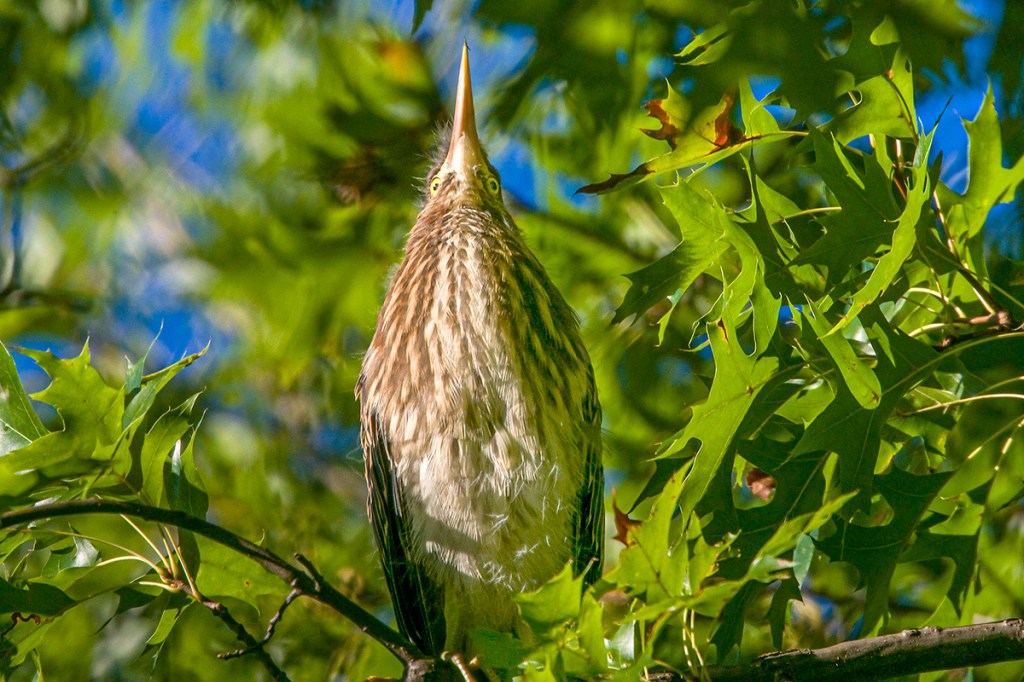
I was going through backup Hard Drives, cleaning up files I do not need and found these images of an Immature Little Green Heron in the trees near it’s nest. These were from The Celery Farm Natural Area in Allendale, NJ in 2007. I was using a Canon 1D mkIII with a 400mm DO lens with a Canon 2X Teleconverter, giving me 800mm to help fill the frame with the immature Little Green Heron. It was fun to get some frame filling images of this immature Little Green Heron. Usually they are very timid and not out in the open.


Praying Mantises In The Garden
Posted on August 24, 2020

I was looking in our gardens for Praying Mantises to photograph. I found 2 fairly large ones on two different plants. The featured image is 7 images, focus stacked in Photoshop. I was using a 300mm lens with a 2x teleconverter. When doing focus stacking with live subjects you have to photograph your series of images quickly, because you can touch-up slight movement of your subject, but if there is a lot of movement it makes the blending of images much harder.
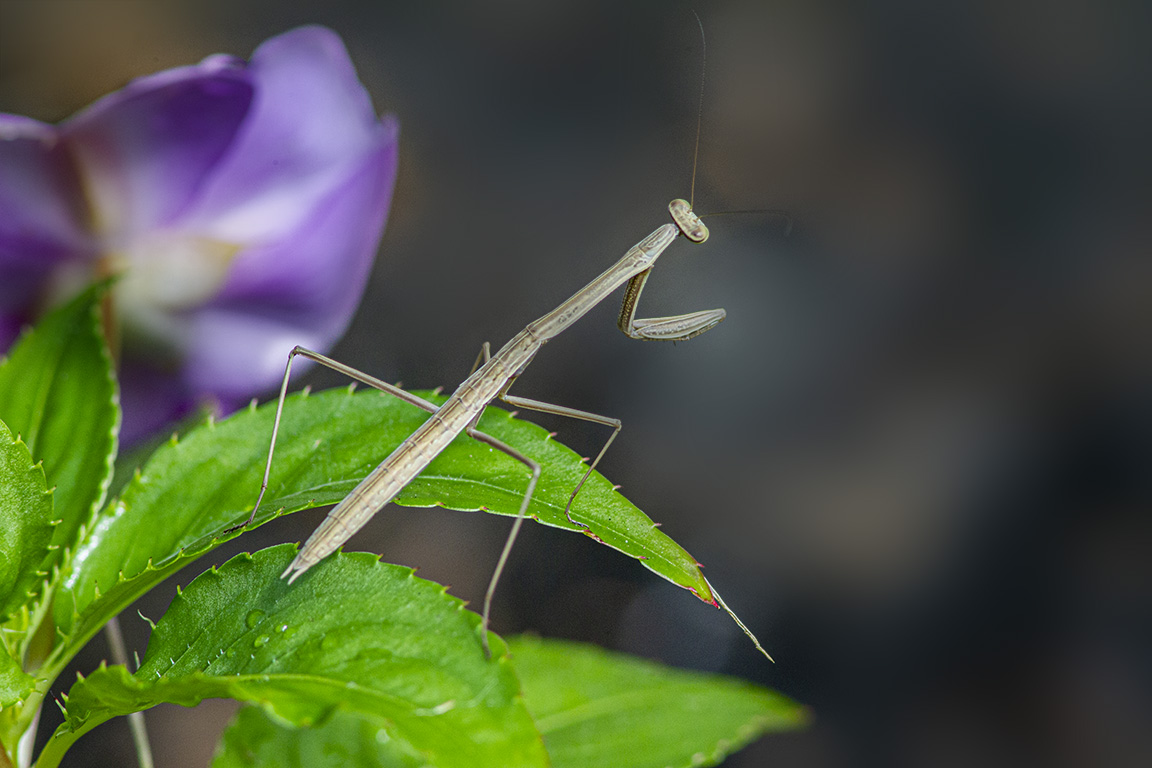
Smaller Praying Mantis, 2 Image Focus Stack, 300mm, 2x teleconverter
Banded Hairstreak Butterfly
Posted on August 6, 2020
I was out in the yard looking for macro subjects after the Tropical Storm Isaias. In our community we had a few large branches come down from the strong winds, but nothing too major from what we saw during an early morning walk. We did not loose power, but 40% of our town lost power and close by towns were without power. Apparently it will take days for all power to be up again. A lot of the roads are closed and takes hours to try to get anywhere. Even close by stores are probably without power also, from what neighbors said that tried.
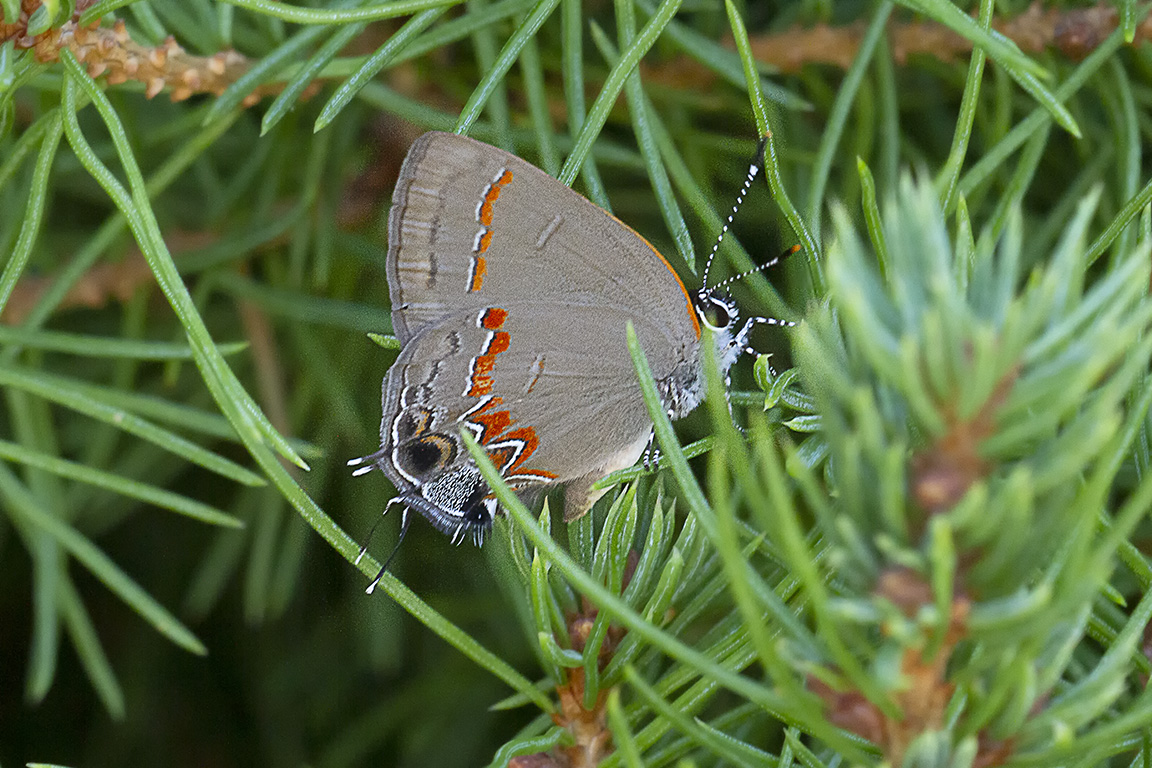
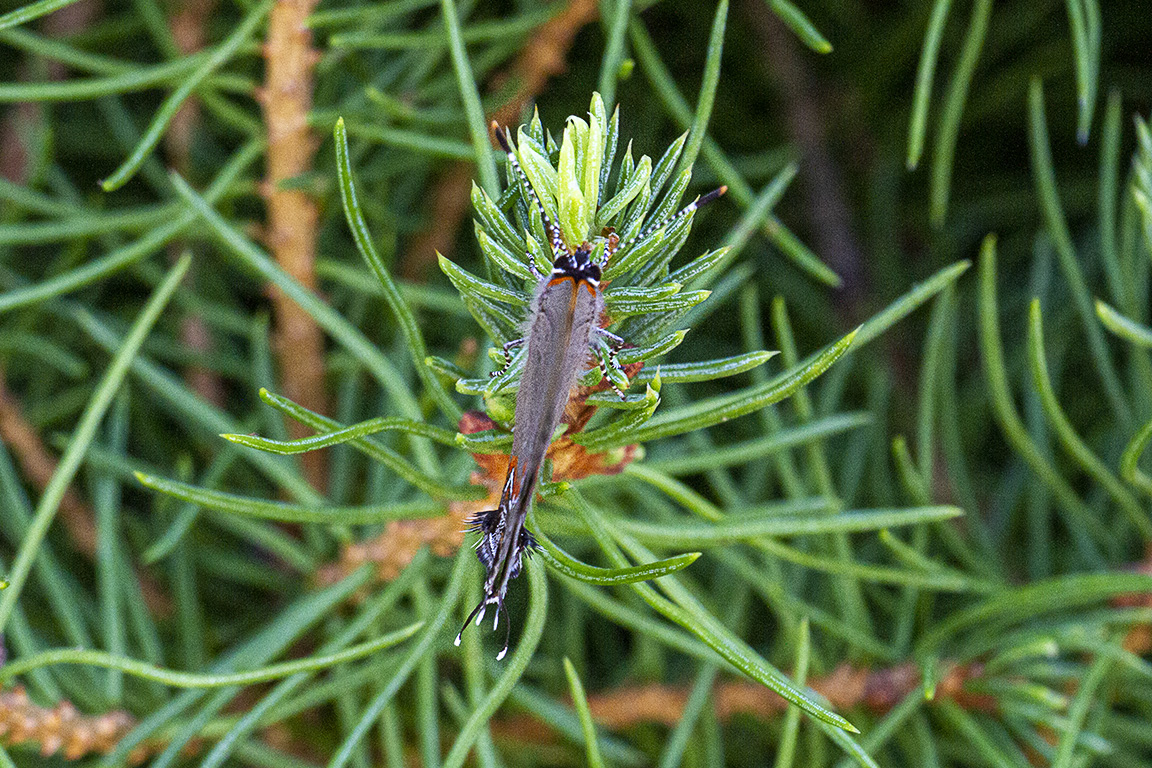
In the yard we found a Banded Hairstreak Butterfly in a Dwarf Alberta Spruce by our front door. I was able to get a few images before it disappeared in the Alberta Spruce. I was using a Sigma 150mm macro with a Canon 2x teleconverter.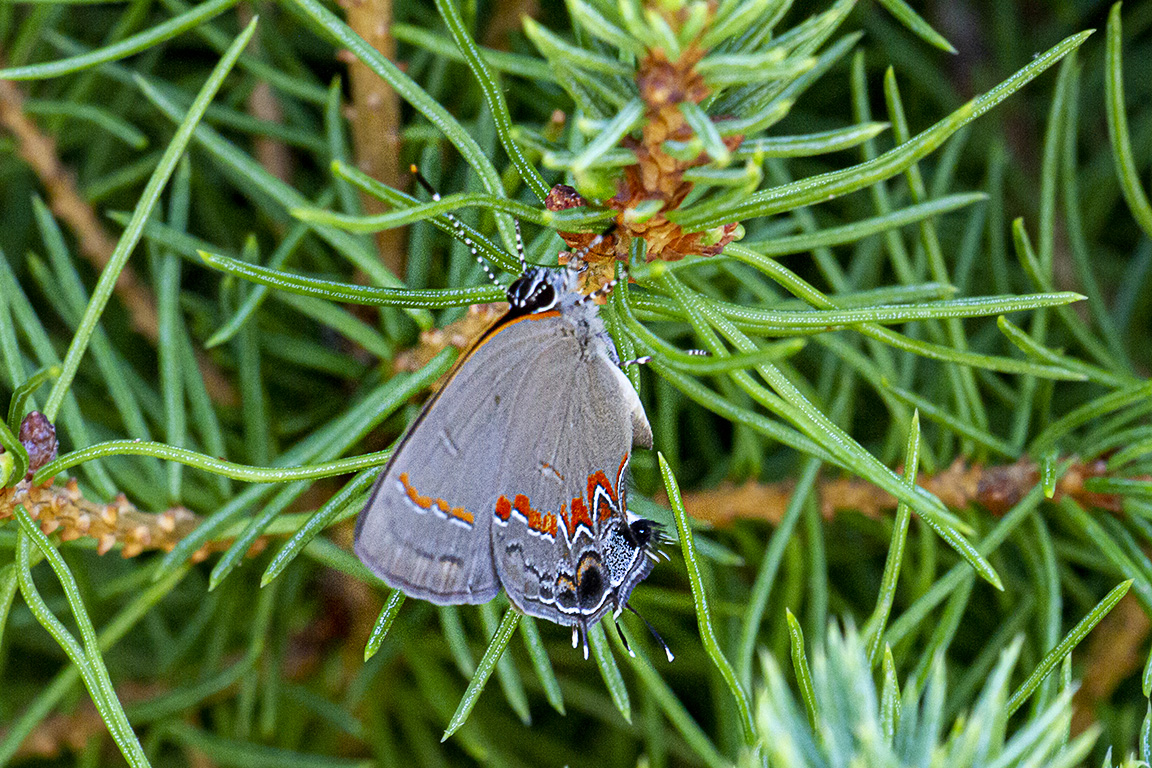

Chipping Sparrow on a Branch
Posted on June 13, 2020
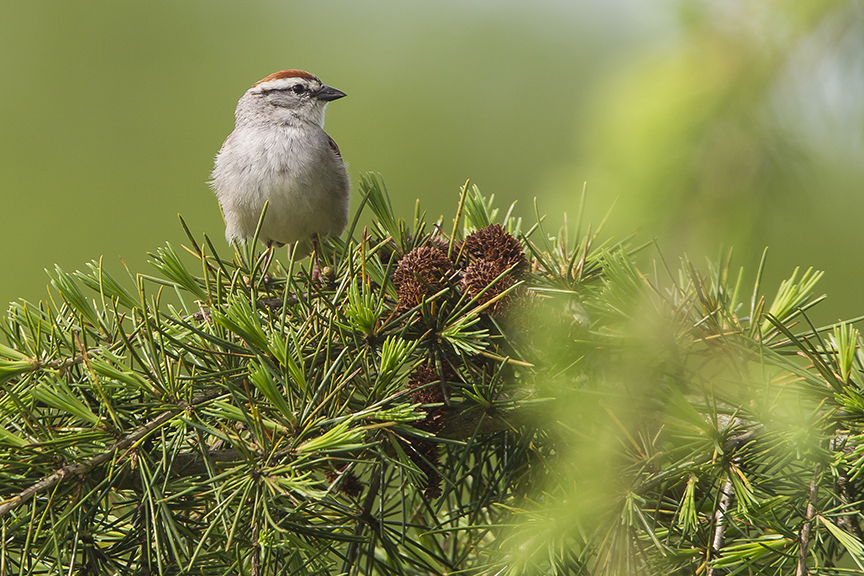
We had gone to a local park, Davidson’s Mill Pond Park, and noticed quite a few Chipping Sparrows flying around. The Sparrows were on the branches that were near the top of the tree. I was using a 400mm Canon DO lens with a 2x teleconverter to get closer and cropped the images slightly.

Northern Shoveler Duck In Warm Early Morning Light
Posted on June 12, 2020

I noticed this Male Northern Shoveler Duck swimming towards me in the early morning. I liked the warm light of the rising sun on the water, but as the Shoveler got closer it looked a little annoyed and started swimming faster. It then veered to the side and chased another duck that was behind trees & down a channel so I could not photograph more of the action going on. I was using a 400mm lens with a 2x teleconverter.
Damselfly 8 Image Focus Stack
Posted on June 11, 2020
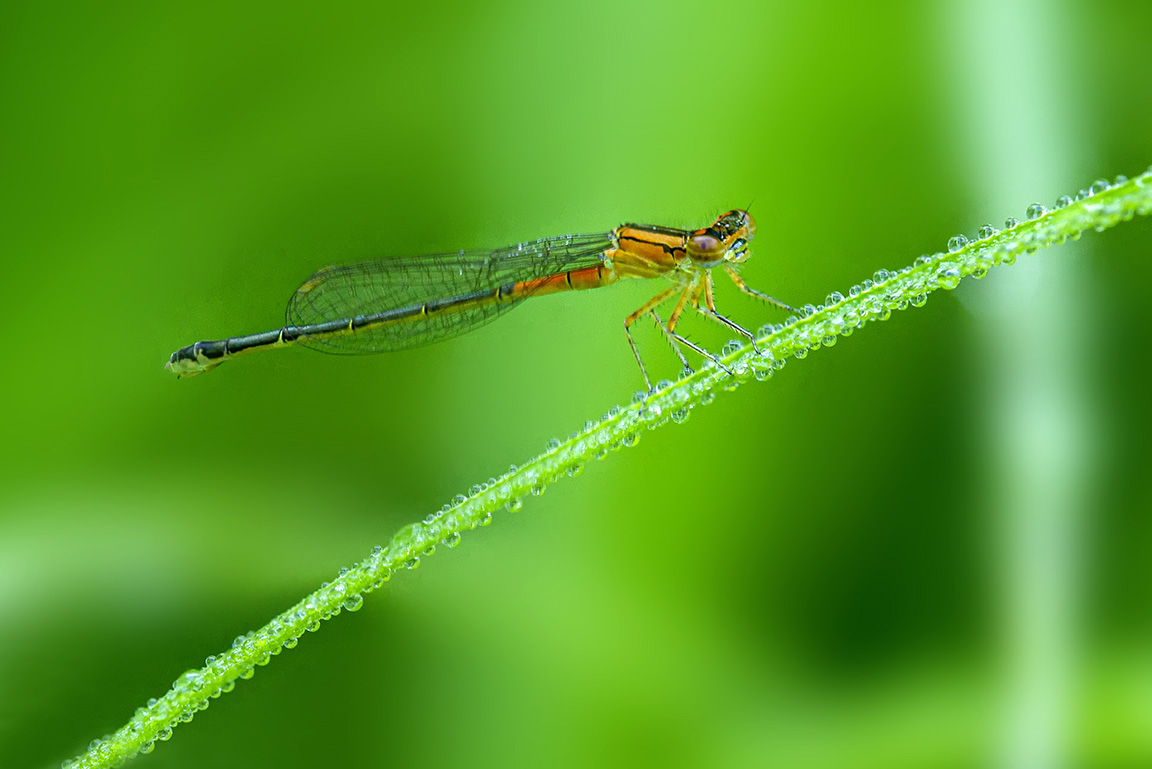
When I was photographing this Damselfly, I decided to shoot with the aperture wide open. I wanted a very smooth background to highlight the Damselfly and the water drops and keep a smooth background. So I shot a series of 8 images focusing on the Damselfly and the water drop covered stem. I shot a series focused on 8 different focus points, going from left to right. I was using a Sigma 150mm Macro with a 2x teleconverter. With the 2x teleconverter on my 150mm f/2.8 lens, my maximum (Aperture) f/stop was f/5.6 wide open. (With a 2x teleconverter you loose 2 stops). I loaded the 8 images into 1 Photoshop layered file and used Photoshop to automatically align the 8 layers in the file. Next I used Photoshop to automatically pick the the sharpest areas & soft background areas in each layer for the final image. I saved that file in case I need to make minor touch ups here or there. After that I flattened the layers for my final image.
Osprey Flyover
Posted on May 20, 2020

It is always fun to photograph Ospreys flying overhead. And the Edwin B. Forsythe National Wildlife Refuge, Brigantine Division in Oceanville, NJ usually has quite a few around the Wildlife Drive. Especially in nesting season. I was using a Canon 400mm DO Lens with a 2x teleconverter to photograph these flying Ospreys.

 photoartflight