 photoartflight
Snowy Owls
Posted on March 10, 2014

We had heard that there was a Snowy Owl at the Brigantine Division of the Edwin B. Forsythe National Wildlife Refuge in Oceanville NJ, but we thought it had moved on or that we never could find it, if it was still even there. We mainly went to see the large flocks of Snow Geese. To our surprise we found 2 Snowy owls there. 1 around the bend from the other one, near the end of the Wildlife Drive before the wooded area. They were quite far out, but we were still surprised they were still there and we actually saw them throughout the rest of our time there. It was hard to spot them because it was warm and a lot of the snow had disappeared, leaving small clumps of snow out in the fields, so you were basically looking for a small “more vertical clump of white” out in the fields. They seemed to keep getting farther out in the fields as the day progressed. They are not great shots, but what I could get with what we had. I wish I had a tripod with me, which would have helped, but we were traveling light that day. I tried a few with stacked Teleconverters also. So with a 1.4X Canon Teleconverter, with a 2X Canon Teleconverter, giving me with the 1.3 crop of the Canon MkIV about a 1456mm. Not really a 1456mm, but equivalent to that field of view as a 35mm format. These were also handheld, but with that combination I had a max f/stop of f/11, so I stopped down one more stop to f/16 and raised my ISO to 1250. I was surprised the MkIV still auto focused with all that added on. After a series I then went back to just the 2X Teleconverter. With the 400mm DO, stacking that much with the Diffractive Optics took it’s toll a little. The 400mm DO works great with a 1.4X Teleconverter at all distances. With a 2X it works well unless your subject is pretty far out, then the DO optics get softer and a little gritty, so the Stacking teleconverters was pushing it. Anyway we still had fun seeing them. Thanks for looking.
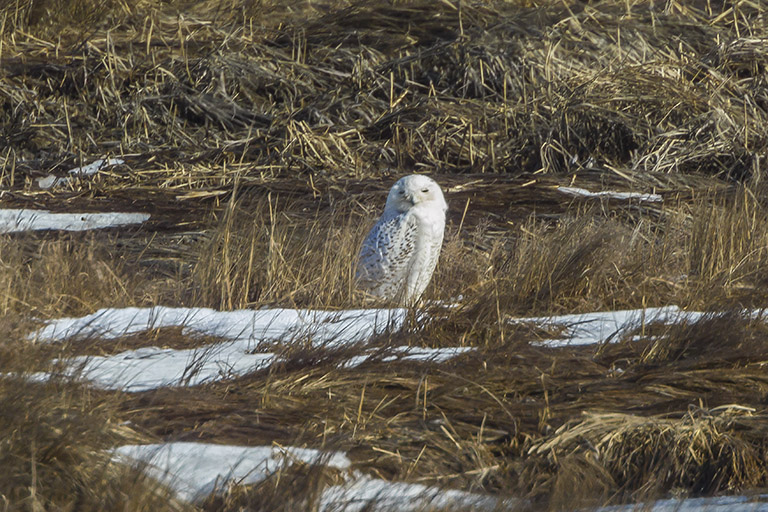
Snowy Owl – cropped
Canon EOS 1D MkIV, Canon 400mm DO IS lens, Canon 1.4X Series III Teleconverter, Canon 2X Series II Teleconverter, f/16 @ 1/250 sec, -0.33 exposure compensation, ISO 1250

Snowy Owl – Full Frame Image
Canon EOS 1D MkIV, Canon 400mm DO IS lens, Canon 1.4X Series III Teleconverter, Canon 2X Series II Teleconverter, f/16 @ 1/250 sec, -0.33 exposure compensation, ISO 1250
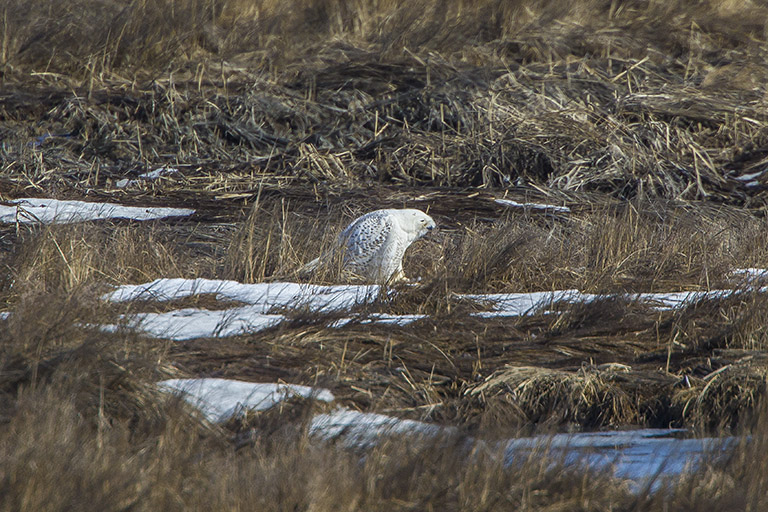
Snowy Owl – Full Frame Image
Canon EOS 1D MkIV, Canon 400mm DO IS lens, Canon 2X Series II Teleconverter, f/11 @ 1/1000 sec, -0.67 exposure compensation, ISO 800

Snowy Owl – Cropped Image
Canon EOS 1D MkIV, Canon 400mm DO IS lens, Canon 2X Series II Teleconverter, f/11 @ 1/1000 sec, -0.67 exposure compensation, ISO 800

Snowy Owl – Cropped Image
Canon EOS 1D MkIV, Canon 400mm DO IS lens, Canon 2X Series II Teleconverter, f/11 @ 1/1000 sec, -0.67 exposure compensation, ISO 800

Snowy Owl – Cropped Image
Canon EOS 1D MkIV, Canon 400mm DO IS lens, Canon 2X Series II Teleconverter, f/11 @ 1/1250 sec, -0.67 exposure compensation, ISO 800
Snowy Owl – Cropped Image
Canon EOS 1D MkIV, Canon 400mm DO IS lens, Canon 2X Series II Teleconverter, f/11 @ 1/1000 sec, -0.67 exposure compensation, ISO 800
Immature Red-tailed Hawk
Posted on March 9, 2014
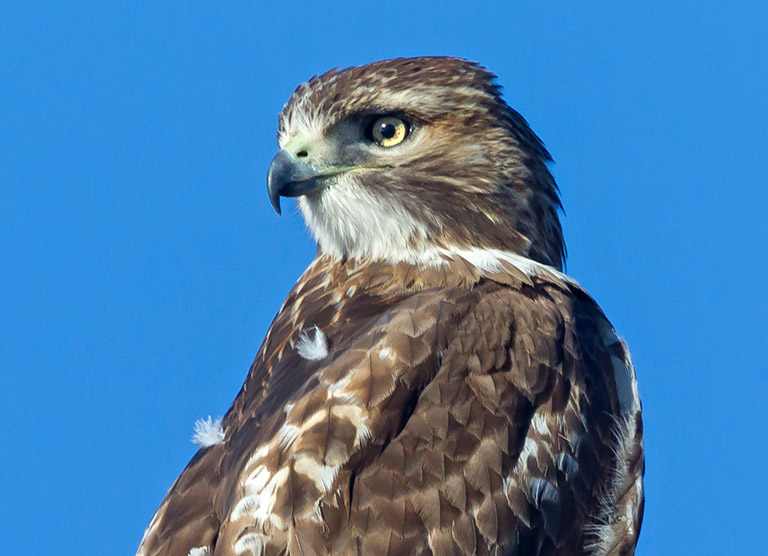
We drove down to the Edwin B. Forsythe National Wildlife Refuge, Brigantine Division in Oceanville, NJ to see how the refuge has survived our heavy handed Winter so far. When we got there we found what I think is an Immature Red-tailed Hawk in the trees along the Wildlife Drive. He attracted quite an audience as he moved from treetop to treetop along the way. He seemed to be posing for photos and was not bothered by the group watching him. Some closeup images are cropped into from my full adjusted master files.
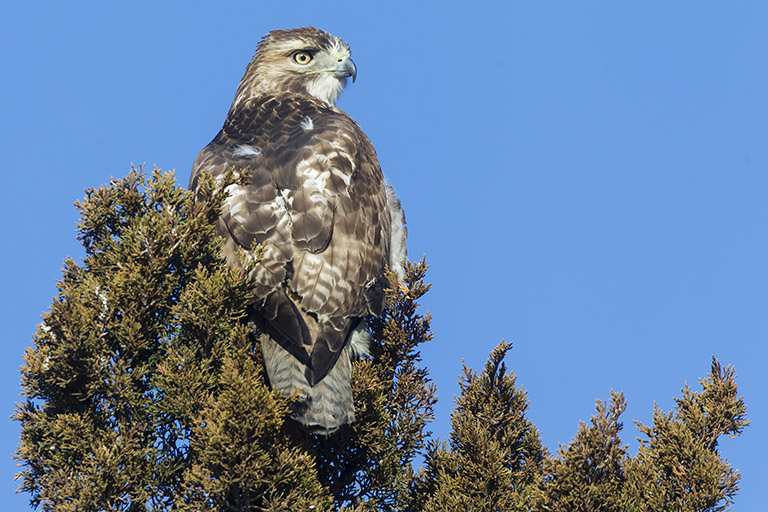
Posing – Looking Pretty for the Cameras
Canon EOS 1D MkIV, Canon 400mm f/4 DO IS Lens, Canon 1.4X Teleconverter Series III, f/8 @ 1/1600 sec, ISO 400, handheld

Keeping a Watchful Eye
Canon EOS 1D MkIV, Canon 400mm f/4 DO IS Lens, Canon 1.4X Teleconverter Series III, f/8 @ 1/1000 sec, ISO 400, handheld

Stretching my Wings
Canon EOS 1D MkIV, Canon 400mm f/4 DO IS Lens, Canon 1.4X Teleconverter Series III, f/8 @ 1/1600 sec, ISO 400, handheld

Getting Bored with the Watchers
Canon EOS 1D MkIV, Canon 400mm f/4 DO IS Lens, Canon 1.4X Teleconverter Series III, f/8 @ 1/800 sec, ISO 400, handheld

What’s Happening This Way
Canon EOS 1D MkIV, Canon 400mm f/4 DO IS Lens, Canon 1.4X Teleconverter Series III, f/8 @ 1/1000 sec, ISO 400, handheld
Immature White Ibis
Posted on March 3, 2014

We saw quite a few Immature White Ibises. You might think that they are Immature Glossy Ibises, but they have some white on the belly and rump with splotchy mottling. This one was feeding along the shore and did not seem to be bothered by my presence enabling me to get some closeup shots. He walked up to me so I did not think I was bothering him. After he ate his shrimp he moved on.
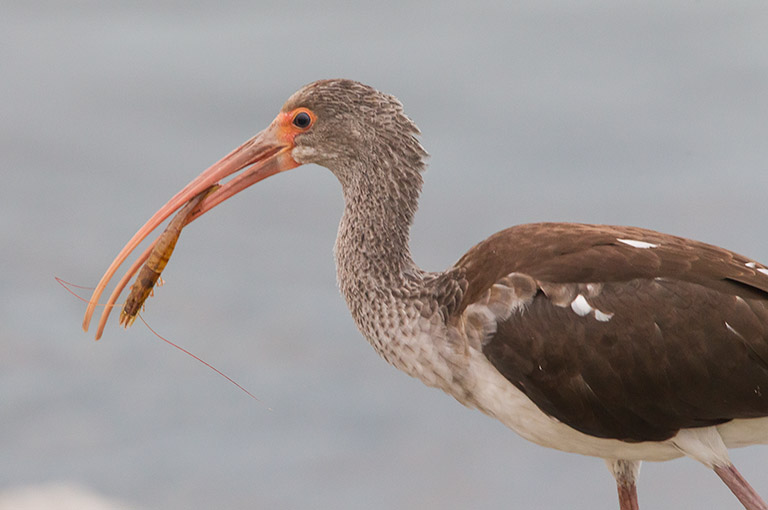
Ibis with Shrimp
Canon EOS 1D MkIV, Canon 400mm DO IS f/4 lens, Canon 1.4X Series III Teleconverter, @ f/8, 1/160 sec, ISO 2000
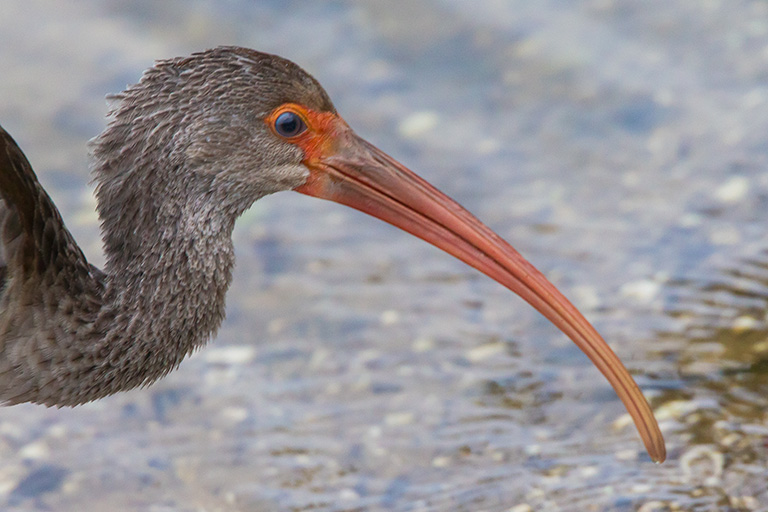
What a Beak!
Canon EOS 1D MkIV, Canon 400mm DO IS f/4 lens, Canon 1.4X Series III Teleconverter, @ f/8, -0.33 exposure compensation, 1/200 sec, ISO 2000

No Meal Under Here!
Canon EOS 1D MkIV, Canon 400mm DO IS f/4 lens, Canon 1.4X Series III Teleconverter, @ f/8, -0.33 exposure compensation, 1/200 sec, ISO 2000
BIF – Osprey
Posted on February 22, 2014

Here is another BIF – Bird in Flight. This time it is an Osprey that was circling over the water then came in closer. Ospreys are a little harder to get good shots because their heads are always turning side to side, looking below, so you might get a nice wing position, but the head is at an odd angle or looking away. I also add some positive exposure compensation for the darker feathers under the wings. You still have to be careful not to go to far and blow out the whites. You have the same problems with Eagles. I then open up the shadows under the wings a little in Photoshop. I usually do not like to use fill flash when photographing flying birds, I prefer to work on my raw files to open up some of the darker areas.

Canon EOS 1D MkIV, Canon 400mm IS DO f/4, Canon Series III 1.4X Teleconverter, f/11, 1/640 sec, +0.67 Exposure Compensation, ISO 400
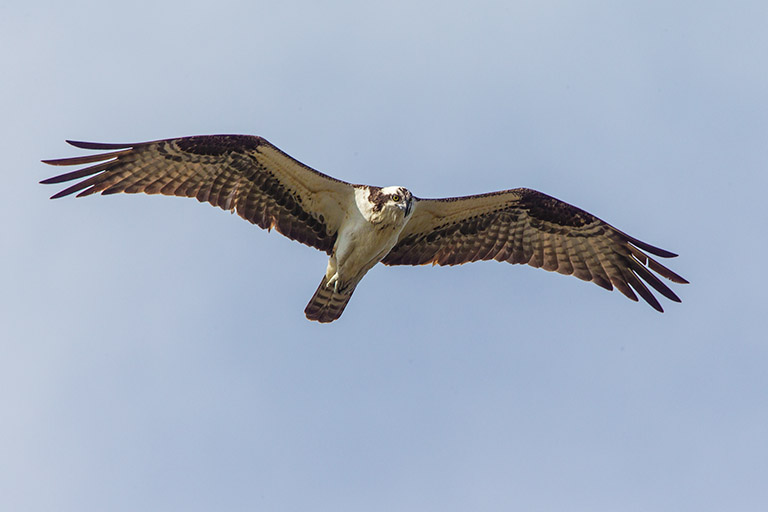
Canon EOS 1D MkIV, Canon 400mm IS DO f/4, Canon Series III 1.4X Teleconverter, f/11, 1/800 sec, +0.33 Exposure Compensation, ISO 400

Canon EOS 1D MkIV, Canon 400mm IS DO f/4, Canon Series III 1.4X Teleconverter, f/11, 1/640 sec, +0.67 Exposure Compensation, ISO 400

Canon EOS 1D MkIV, Canon 400mm IS DO f/4, Canon Series III 1.4X Teleconverter, f/11, 1/640 sec, +0.67 Exposure Compensation, ISO 400

Canon EOS 1D MkIV, Canon 400mm IS DO f/4, Canon Series III 1.4X Teleconverter, f/11, 1/500 sec, ISO 400

BIF – Snowy Egret
Posted on February 18, 2014
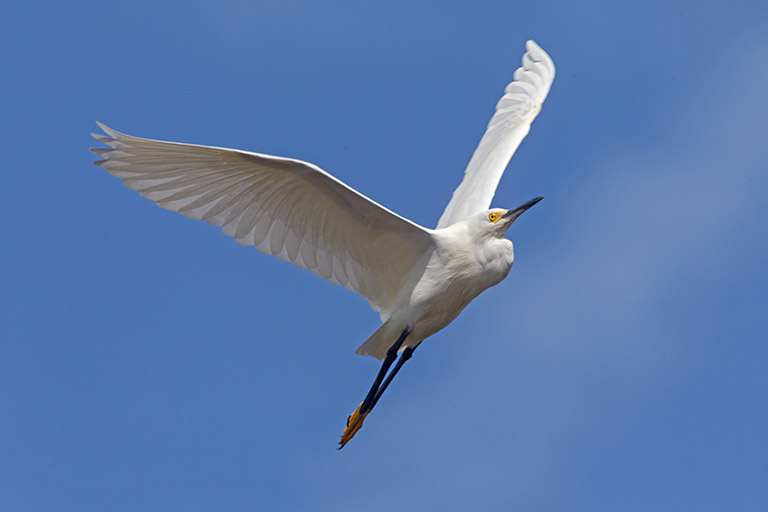
One of my favorite photos to capture are birds in flight (BIF). It is a challenge and rewarding at the same time. Sometimes you can track them coming in towards you so you can get ready for them and compose your shots. Other times they just come upon you and you have little time to react and get a few shots, like this series. My favorite combination for this is the Canon MkIV and the Canon 400mm DO IS f/4 lens, sometimes with a Canon Series III 1.4X teleconverter. The 400mm DO f/4 is a lightweight , shorter in length the a normal 400mm, easy to handle and track on a subject lens, perfect for fast moving subjects such as flying birds. Some do not like the DO series of lenses, but if you learn how to use them and learn how to adjust your files it is a real winner. It is also only 4.3 lbs, so it is relatively lightweight to carry for long periods of time. This Snowy Egret just came out over the trees and was close in so there was little time to react and compose my shots.
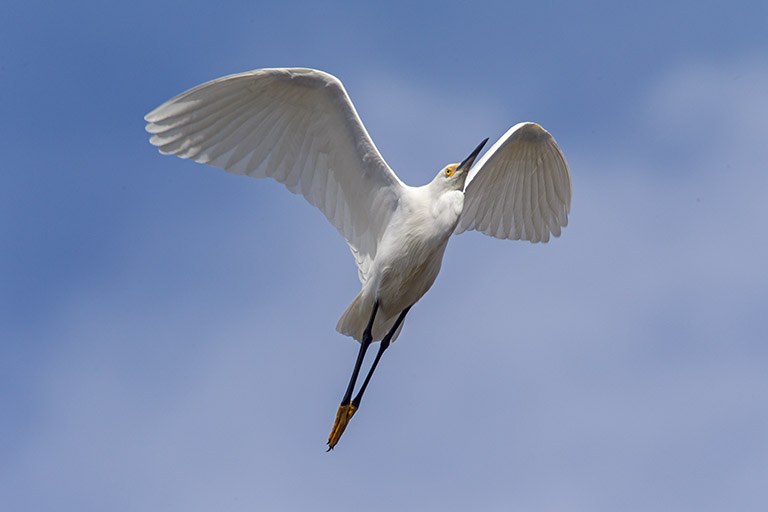
Snowy Egret Getting Closer
Canon EOS 1D MkIV, Canon 400mm DO IS f/4, Canon Series III 1.4X Teleconverter, f/11, 1/1250 sec, ISO 400

Closer
Canon EOS 1D MkIV, Canon 400mm DO IS f/4, Canon Series III 1.4X Teleconverter, f/11, 1/1000 sec, ISO 400

Snowy Egret Almost Overhead
Canon EOS 1D MkIV, Canon 400mm DO IS f/4, Canon Series III 1.4X Teleconverter, f/11, 1/1250 sec, ISO 400
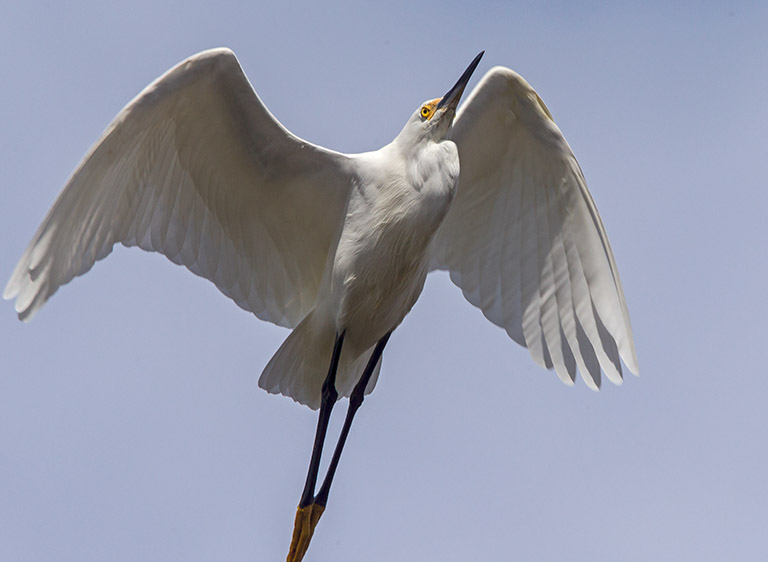
Snowy Egret Overhead
Canon EOS 1D MkIV, Canon 400mm DO IS f/4, Canon Series III 1.4X Teleconverter, f/11, 1/1600 sec, ISO 400
A Study in White
Posted on February 8, 2014
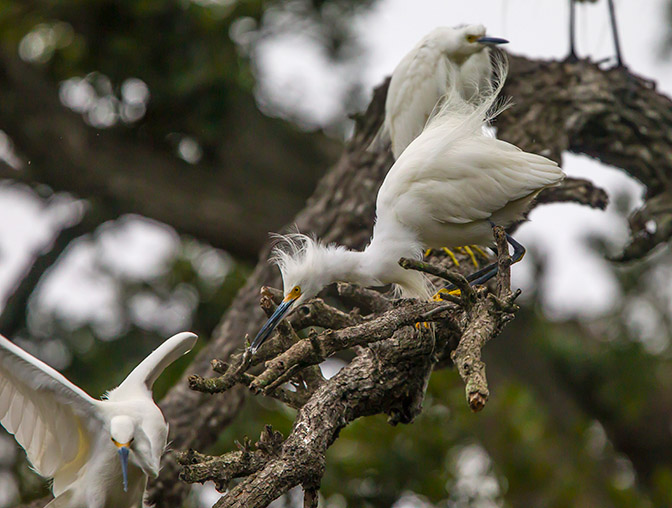
Here is a selection of White Egrets – Snowy and Great Egrets. They were roosting in the trees near the end of the day. It was getting dark and was cloudy, in some ways it was easier to get good exposures of the white birds, without the bright sun, but I had to raise my ISO higher than I usually use. They seemed somewhat territorial when another got too close. It was fun to watch and hear them interacting with each other.

Closeup
Canon EOS 1D MkIV, Canon 400mm f/4 DO IS lens, handheld @ f/4.5, 1/ 800 sec, ISO 1600

Got an Itch
Canon EOS 1D MkIV, Canon 400mm f/4 DO IS lens, handheld @ f/4.5, 1/ 1250 sec, ISO 1600
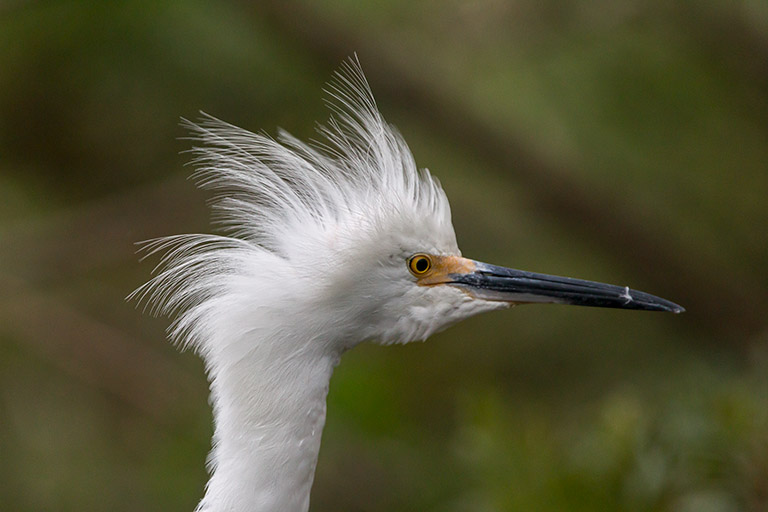
Side Portrait
Canon EOS 1D MkIV, Canon 400mm f/4 DO IS lens, handheld @ f/4.5, 1/ 1250 sec, ISO 1600

Stacked Egrets
Canon EOS 1D MkIV, Canon 400mm f/4 DO IS lens, handheld @ f/4.5, 1/ 250 sec, ISO 1600
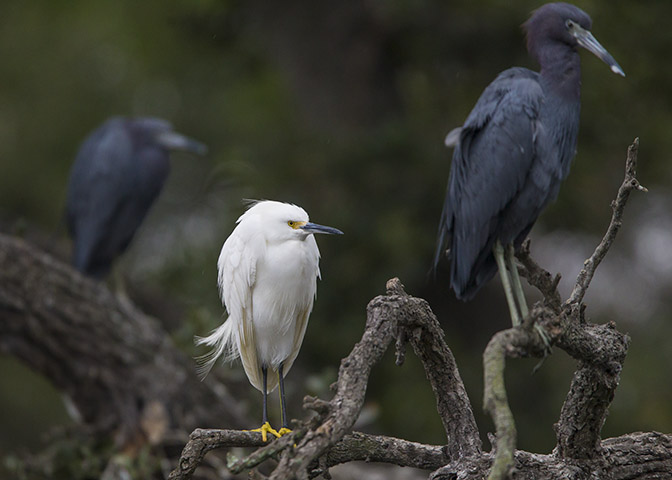
One of These is Not Like the Other
Canon EOS 1D MkIV, Canon 400mm f/4 DO IS lens, handheld @ f/4.5, 1/ 4500 sec, ISO 1600
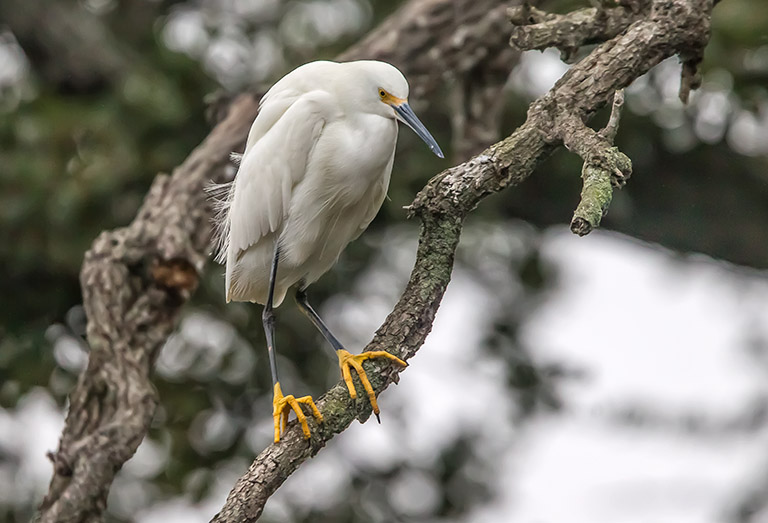
Keeping Watch
Canon EOS 1D MkIV, Canon 400mm f/4 DO IS lens, handheld @ f/4.5, 1/ 1250 sec, ISO 1600
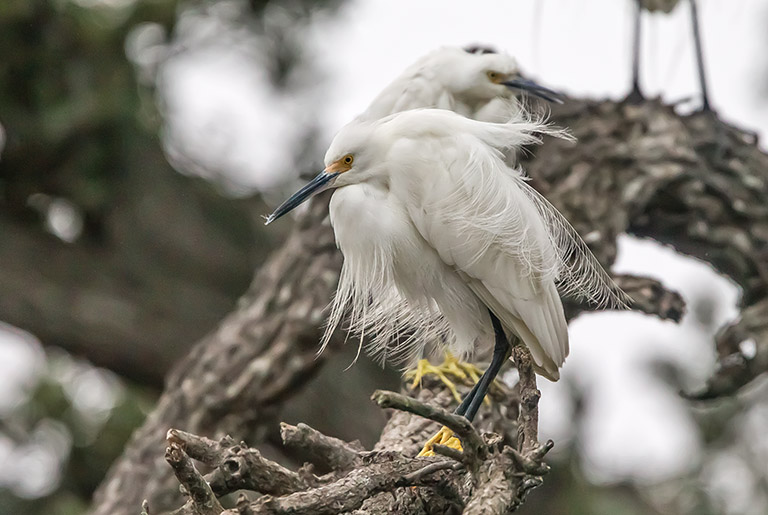
Waiting for Night
Canon EOS 1D MkIV, Canon 400mm f/4 DO IS lens, handheld @ f/4.5, 1/ 1600 sec, ISO 1600

End of the Day
Canon EOS 1D MkIV, Canon 400mm f/4 DO IS lens, handheld @ f/4.5, 1/ 1000 sec, ISO 1600
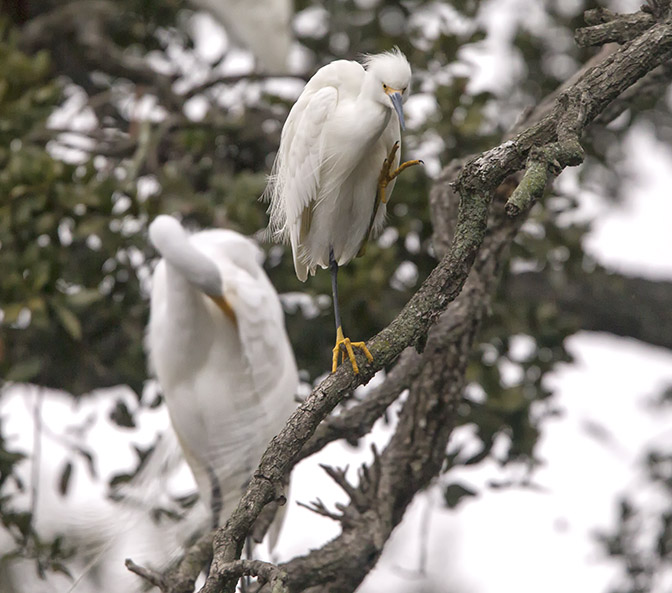
Hi
Canon EOS 1D MkIV, Canon 400mm f/4 DO IS lens, handheld @ f/4.5, 1/ 1250 sec, ISO 1600
Snowy Egret Portrait
Posted on February 5, 2014
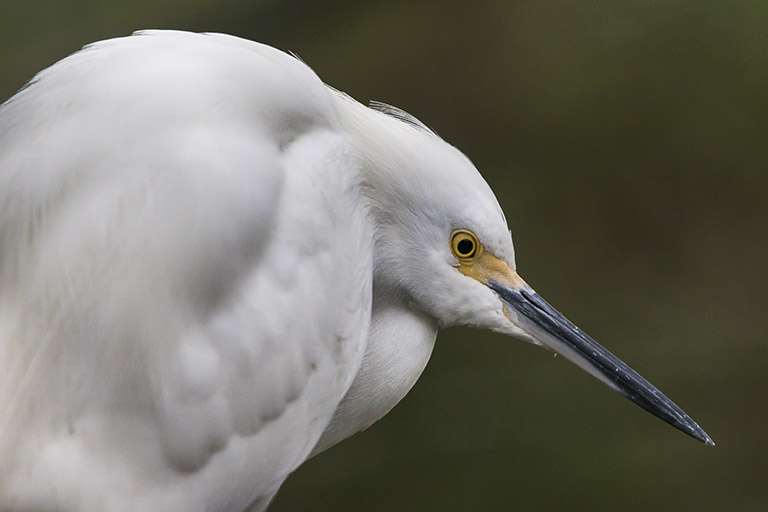
I found this Snowy Egret at the St. Augustine Alligator Farm Rookery. It was in the branches of a tree along the boardwalk path in the Rookery. It was close to the walk but in the dark shadows under the branches of the tree. I opened up my aperture and raised the ISO to 1600 since I was also trying to get birds in flight flying in to roost in the gray drizzly evening. The Snowy was a little wet from a drizzle and was getting ready for the evening. It did not seem bothered by my presence, but it kept an eye on me. I took a series of shots, then moved on so I did not bother him.
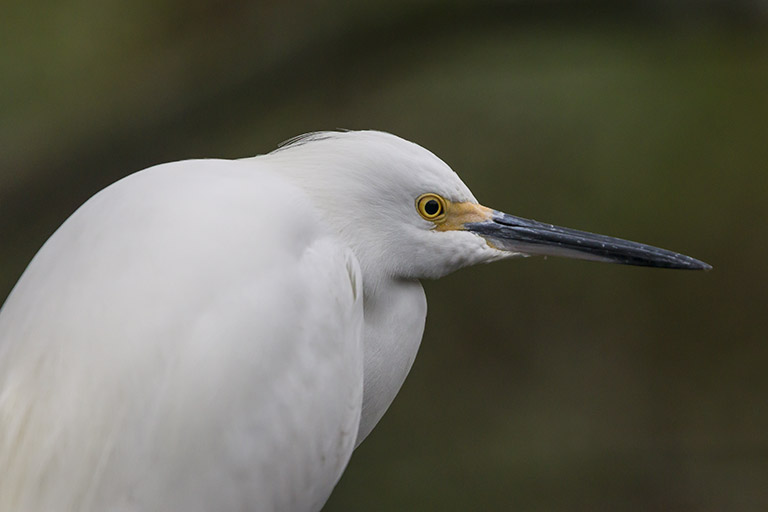
Canon EOS 1D MkIV, Canon 400mm DO f/4 IS, handheld, f/4.5, 1/000 sec, ISO 1600
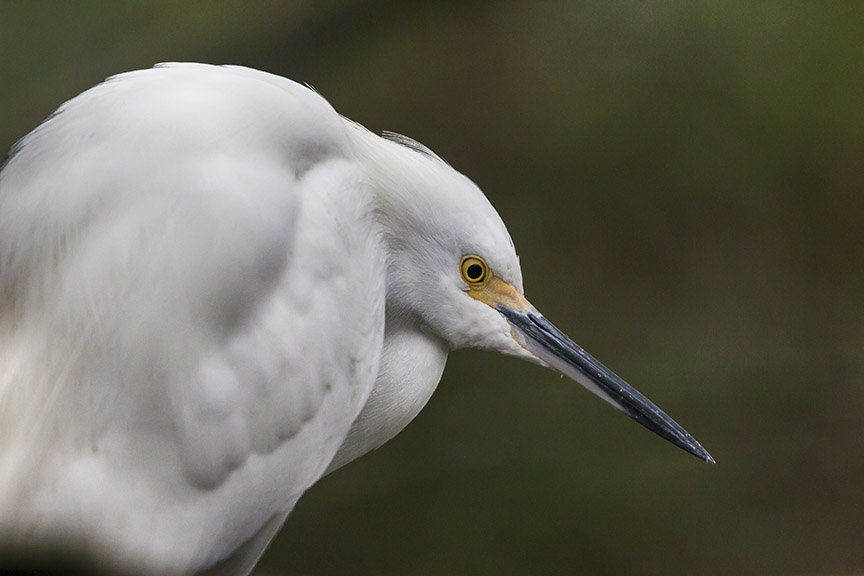
Canon EOS 1D MkIV, Canon 400mm DO f/4 IS, handheld, f/4.5, 1/000 sec, ISO 1600
Reddish Egret
Posted on February 3, 2014

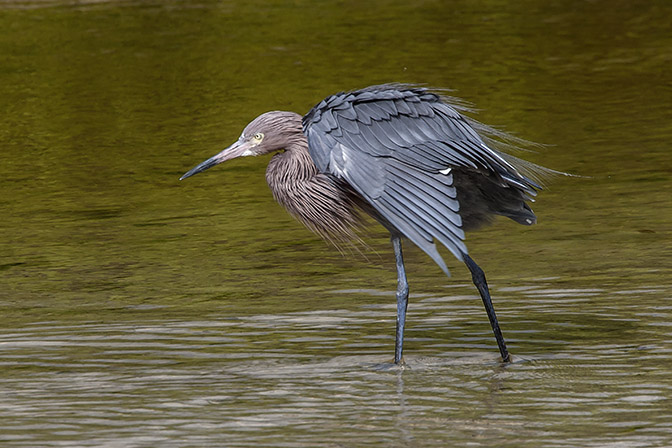
This Reddish Egret was walking not far from the shore, stopping to look around, then moving on again. I was waiting to see if it would start hunting for a meal, but it kept moving slowly along. The Egret takes quite long strides as it walks giving it an almost slow motion look its slow walk.
Header photo, Canon EOS 1D MkIV, Sigma 300-800mm DG lens @800mm, tripod mounted with Wimberly Gimbal Head, f/7.1, 1/500 sec, ISO 640.
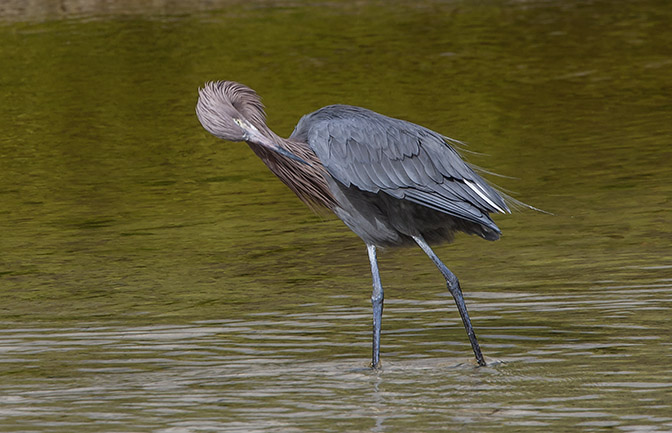
- Got an Itch
Canon EOS 1D MkIV, Canon 400mm DO IS f/4 lens, Canon 1.4X teleconverter, handheld, f/11, 1/200 sec, ISO 400
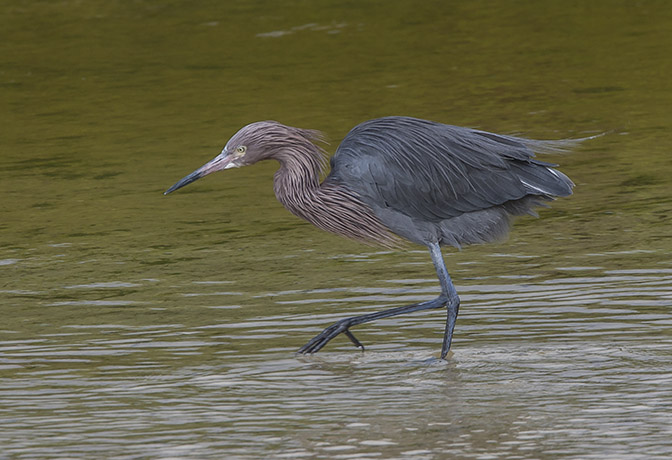
Striding Along
Canon EOS 1D MkIV, Canon 400mm DO IS f/4 lens, Canon 1.4X teleconverter, handheld, f/11, 1/200 sec, ISO 400

Looking Ahead
Canon EOS 1D MkIV, Canon 400mm DO IS f/4 lens, Canon 1.4X teleconverter, handheld, f/11, 1/200 sec, ISO 400
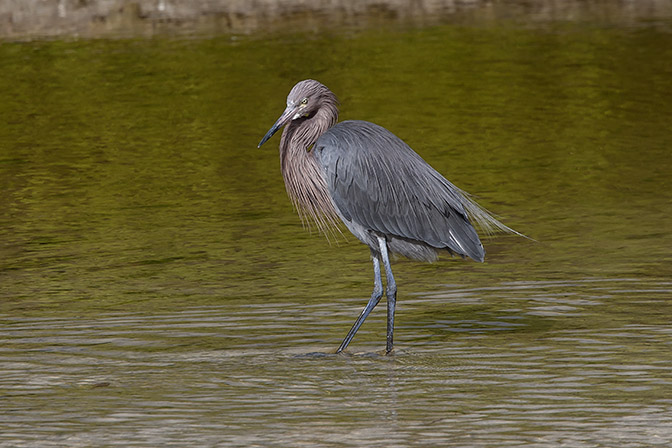
Stopping to Pose
Canon EOS 1D MkIV, Canon 400mm DO IS f/4 lens, handheld, Canon 1.4X teleconverter, handheld, f/11, 1/100 sec, +0.33 Exposure Compensation, ISO 400

Moving Along Again
Canon EOS 1D MkIV, Canon 400mm DO IS f/4 lens, handheld, Canon 1.4X teleconverter, f/11, 1/400 sec, ISO 400

Rainy Day
Posted on February 3, 2014
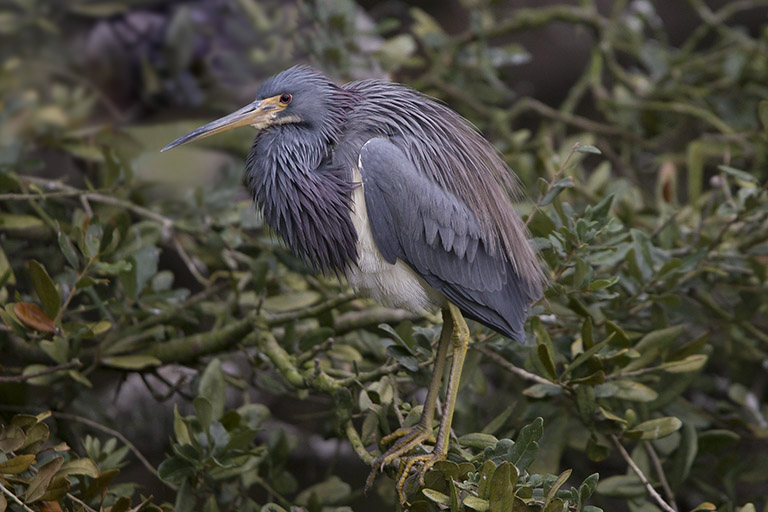
I came upon this Tricolored Heron sitting on a branch, feathers puffed out because of the drizzly rain. I thought the heron looked interesting because of the different look of the feathers and the larger look of the body. A different look from how I usually find them.

Another Wet Tricolored Heron
Canon EOS 1D MkIV, Canon 400mm DO f/4 IS, handheld @ f/4.5, 1/200 sec. , ISO 1600
Eye to Eye
Posted on February 1, 2014

We stopped at the Lake Woodruff National Wildlife Refuge as we were heading home from our trip to Florida. When we got there it was overcast and looked like it had really rained before we got there. We decided to go in anyway and soon after we started walking, it started to drizzle. We went on and found a few photo opportunities, but the light was quite dark and dreary. I found these Little Blue Herons in a tree along the path. I thought it was interesting, there was an Immature (the white bird with bluish beak) and a Mature Little Blue looking at each other. The lighting was horrible and I had to raise my ISO to 1600 which starts to get noisy on a Canon EOS 1D MkIV. I try to keep the ISO to 1250 max, preferably 400, but I wanted to use f/8 for a little more depth of field. In Adobe Camera Raw I got as much noise as I could out without loosing too much detail. We went on looking for Sandhill Cranes and I finally saw a few flying in and landing in a group of about 20. They were really far out, but at least we saw some.
 photoartflight