 photoartflight
Canada Geese On Thin Ice
Posted on February 27, 2018
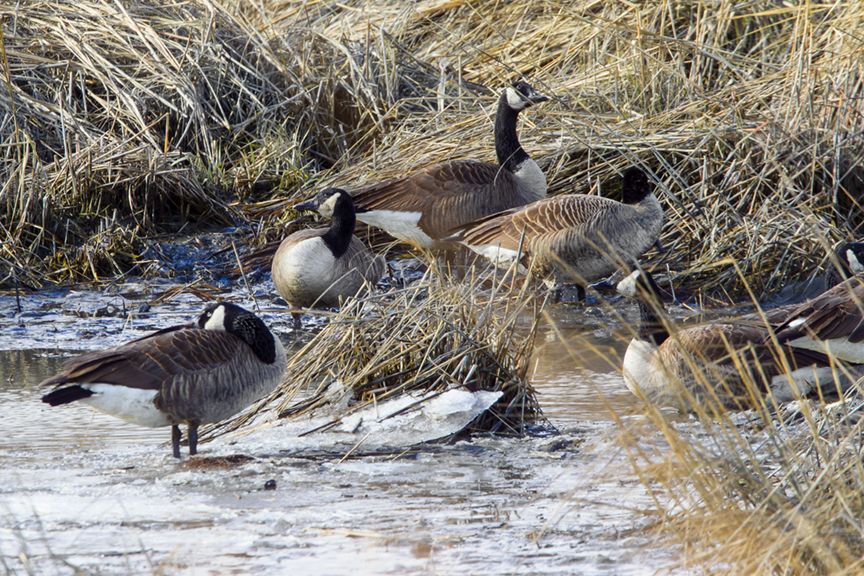
Along the Wildlife Drive at the Edwin B Forsythe National Wildlife Refuge, I noticed these Canada Geese near the entrance. They were standing and sitting on thin sections of ice. The cold did not seem to bother them. They stayed fairly quiet until later when the sun came out more and the ice started melting and they started moving about.
Snow Goose Coming At You
Posted on February 9, 2018
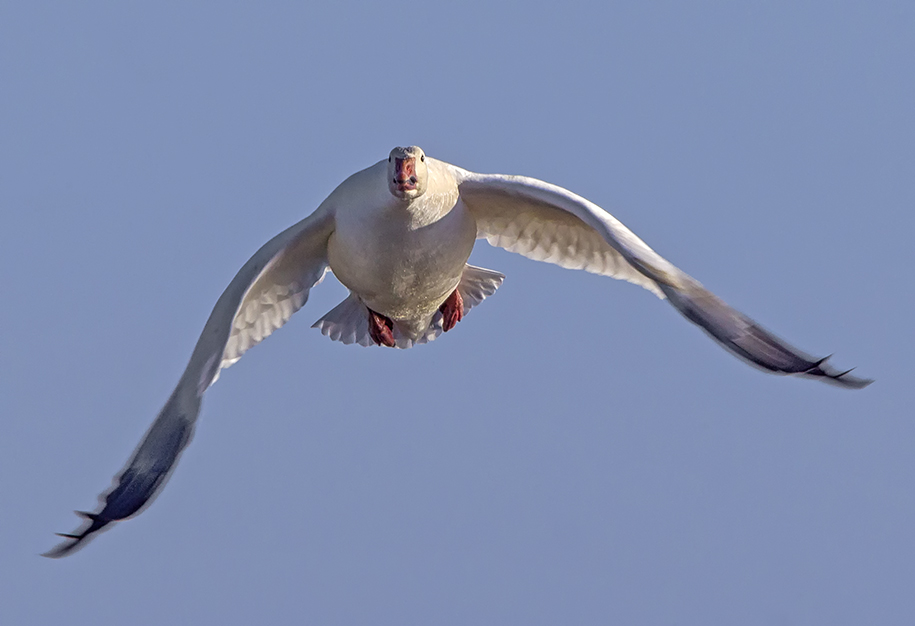
When we were at the Edwin B. Forsythe National Wildlife Refuge in NJ, we were looking for Snow Geese. We were glad to see huge numbers of Snow Geese there in multiple locations. I waited for large groups taking off, but they seemed content to just make a lot of noise squawking away.
We did see a few small groups or single geese flying around and even coming right at us, like the featured image.
It was still fun to see large groups in the distance covering a large area, even though we missed the large takeoffs.
Mute Swan Closeups with Reflections
Posted on February 4, 2018
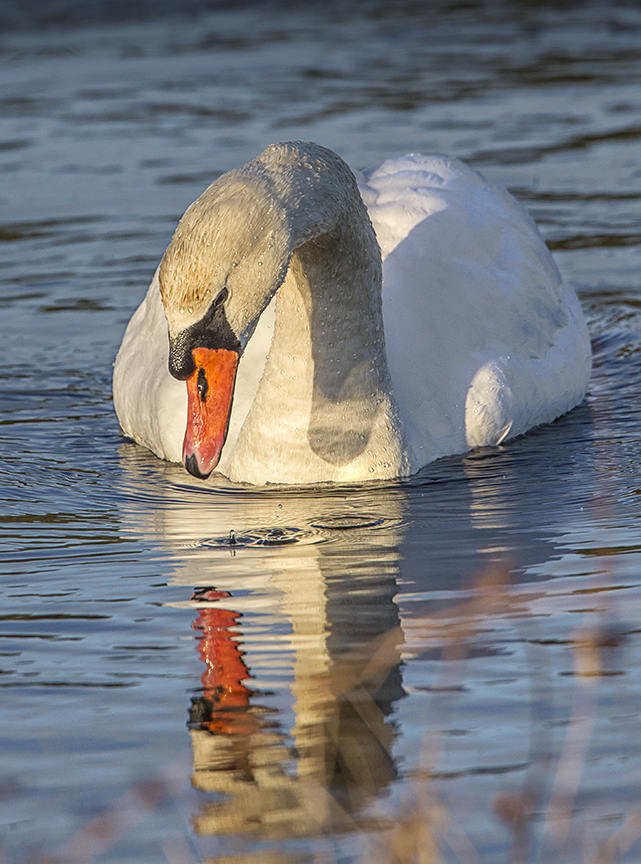
Continuing from a previous post. These are a series of images when the Swan swam up to where I was standing. I had to take off my 1.4x teleconverter and even back up to get the whole swan in the image for the featured image and the first one below. The last two were with the 400mm Canon f/4 DO lens with the 1.4x Series III teleconverter as they were a little farther out but still swimming towards me.


Mute Swans Feeding
Posted on February 3, 2018
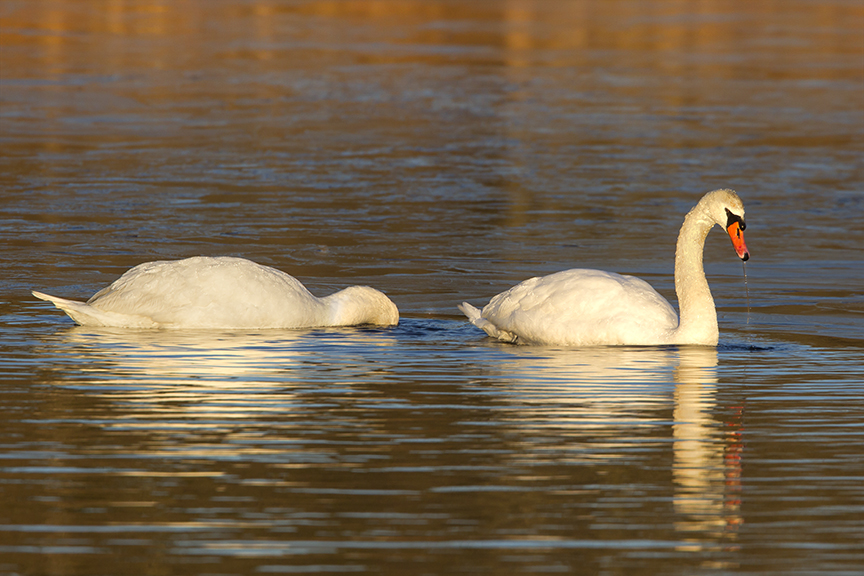
We had gone to the Edwin B. Forsythe National Wildlife Refuge, in Oceanville NJ, to see what we could find for photo subjects. We were looking for large groups of Snow Geese, but along the way on the Wildlife Drive, I found 2 Mute Swans feeding in Gull Pond. With the early morning warm light giving a nice warm color on the White Swans.
They were far out on the pond, but kept getting closer as I was photographing them. It was hard to get photos where one did not have a head under water. It seemed like they alternated, when one was up, the other was down.
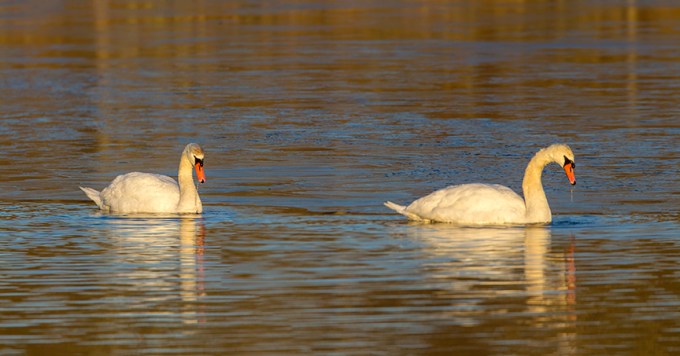
Finally got a few when they both had their heads above water. Canon 400mm f/4 DO lens with a Canon Series III 1.4x teleconverter.
They kept coming closer. It seemed that they were not bothered by me being there. Next post will have a closer series of images.
Tern
Posted on August 8, 2017

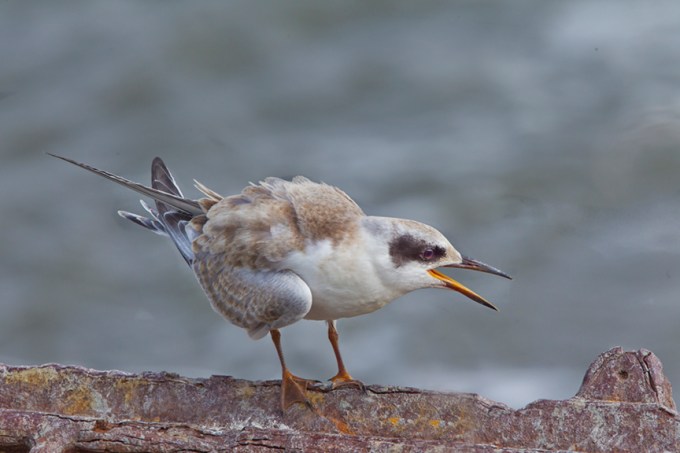
I came upon this Tern as I was going along the Wildlife Drive at the Brigantine Division of the Edwin B. Forsythe National Wildlife Refuge. Usually they fly off right away or they are busy diving into the water fishing for a meal. This one was content to just make some noise and flap it’s wings and pose for me. After a few shots I left it alone so it could go back to what it was doing and I could look for other photo subjects.

Great Egret 2 Image Panorama
Posted on August 7, 2017
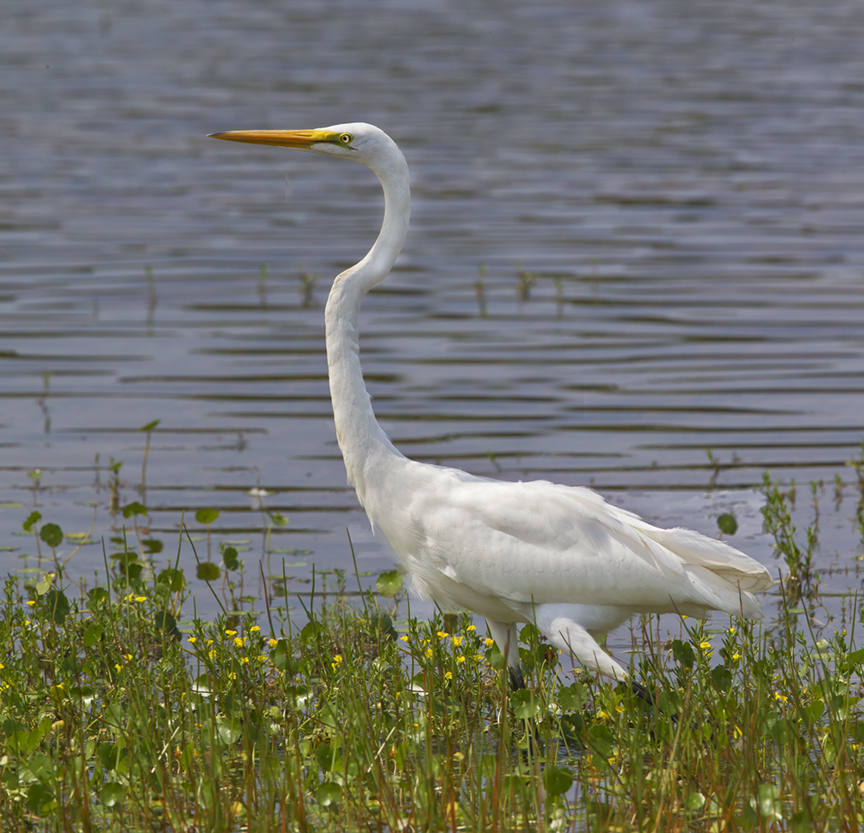
I photographed this Great Egret along the Wildlife Drive at the Edwin B. Forsythe National Wildlife Refuge. I was using a 400mm lens when this Egret landed and walked by. I could not get the whole Egret in one shot so as it was walking along the shore I tried a few 2 shot panos and used the 2 shot series that worked the best for assembling into one image. After I assembled my 2 shot pano, I duplicated the white feathers in another layer and pulled more detail out of the white feathers, since the Egret was in bright sunlight.
Mad Bluebird
Posted on July 19, 2017

When we were at the Blackwater National Wildlife Refuge awhile ago, we saw this Bluebird on a post near the drive to the Visitor Center. It seemed to have quite an expression that made it look rather like it was mad. It just kept looking at us this way so I left it alone and moved on.
Dragonfly Closeups & Image Stacked Closeups
Posted on July 12, 2017

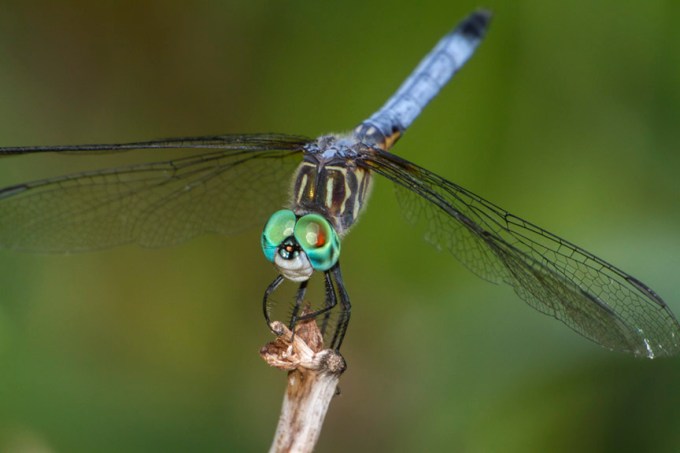
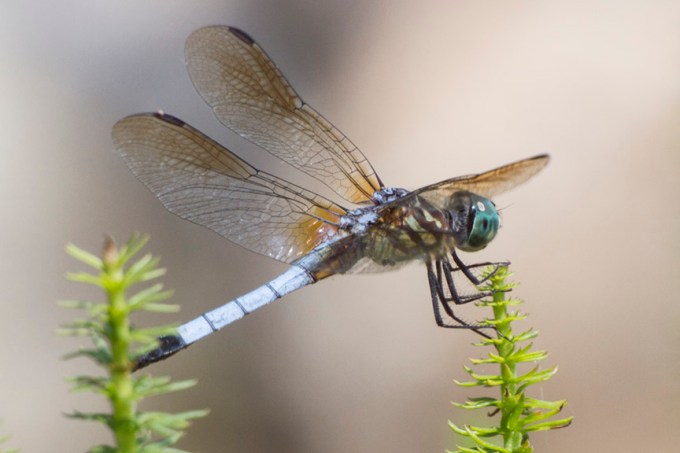
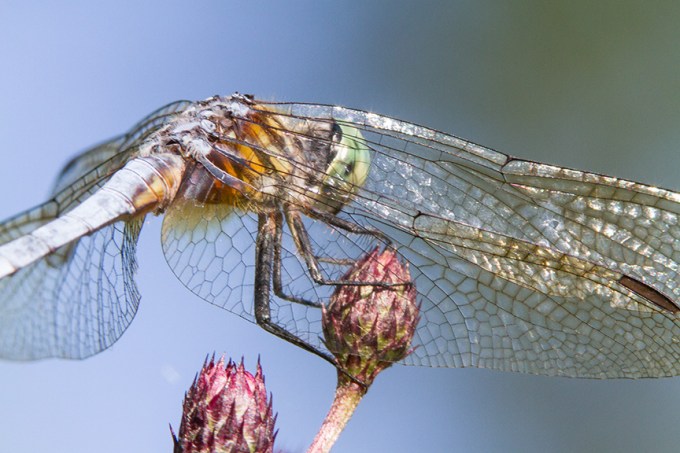
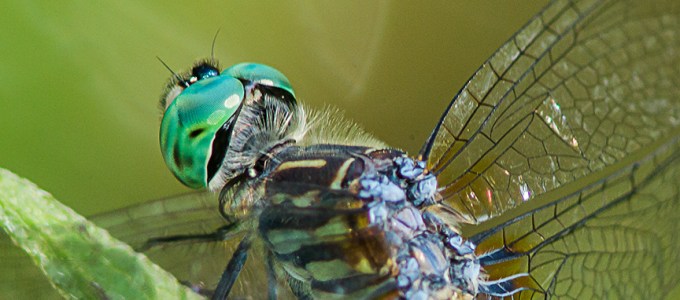
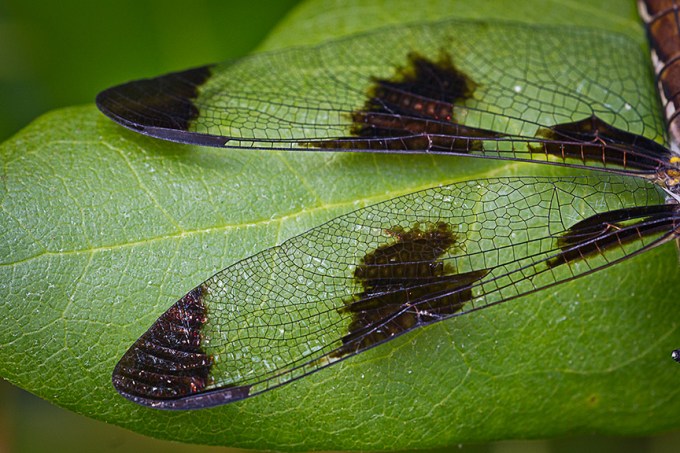
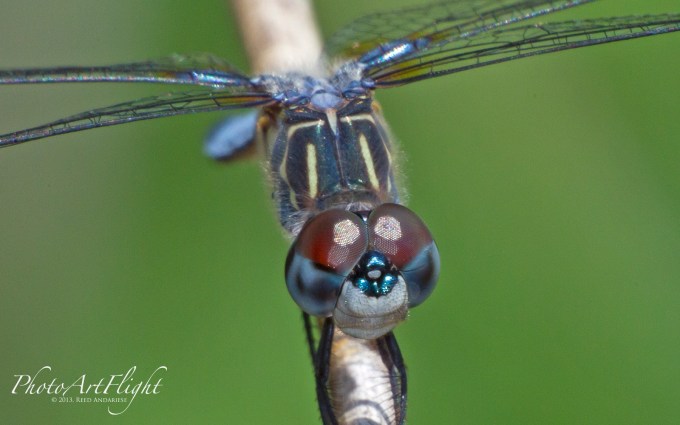
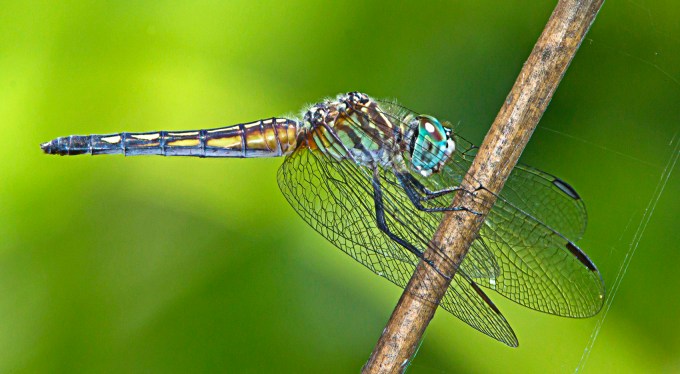
Some of the time, when photographing Dragonflies, I need to get closer, but water or something is in the way. Or I just want more working distance and do not want to use a macro lens with skidish subjects. After photographing them for over 10 or 12 years I have come up with different solutions. And I want a really soft looking backgrounds! Or I am at a National Wildlife Refuge where you can’t go off the Drive, so you need more reach for the different dragons you see there. So I have come up with different combinations to solve that problem. The more you experiment, the more combinations you come up with. I sometimes use a telephoto lens, usually 400mm f/4, an extension tube, a 1.4x teleconverter, and then a longer extension tube. Sometimes I add another 1.4x teleconverter at the camera. Than add a flash with a Better Beamer Flash extender because with the extension tubes I loose a lot of light, so I need more power to light my subject Dragonfly. This gives me a working distance, depending on which extension tubes and combinations of teleconverters I use, from 2 to 8 ft or even more, but filling the frame with my subject small Dragonfly. The Blue Dashers are about 1.5″ long. Some ot the others are a little larger and the Damselflies are smaller. The extension tube spacing actually enlarges the Dragonfly image on the sensor. But you do loose a lot of light. It seems awkward, but once you get used to the combination you use, it gets easier to use in the field. Many times I actually shoot a stack series of focus point images along a dragonfly to get a sharp final image from head to tail, wingtip to wingtip or specific areas I want in Photoshop. I probably posted too many images, but it shows the effects and details I was going for. They are such fascinating photo subjects! Sorry for such a long Post!
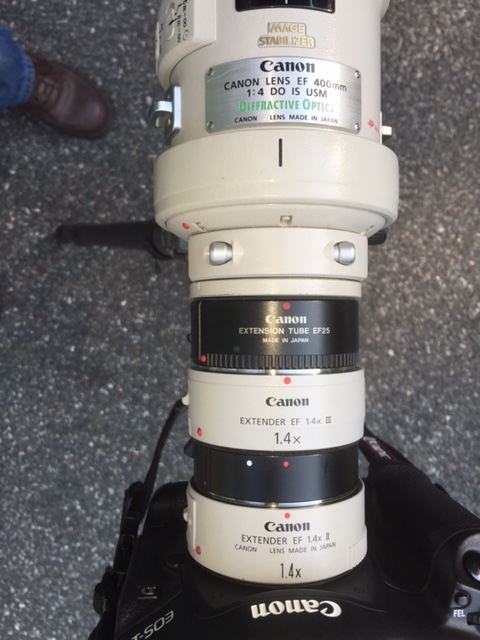
Extreme setup with 2 teleconverters, for closer focusing and extreme magnification.

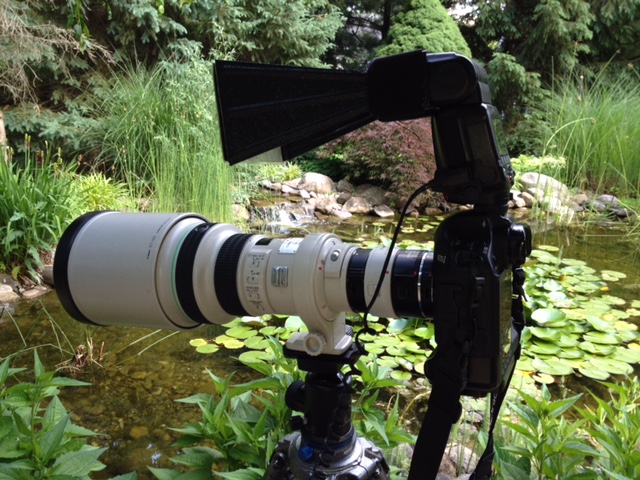
My Standard setup for closeup Dragonfly photos. The wider teleconverter next to the camera body magnifies the image a little more and you can get even more image filling frames.
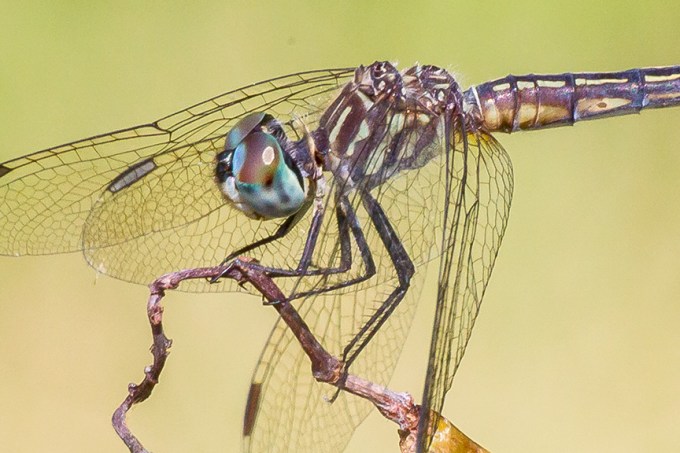




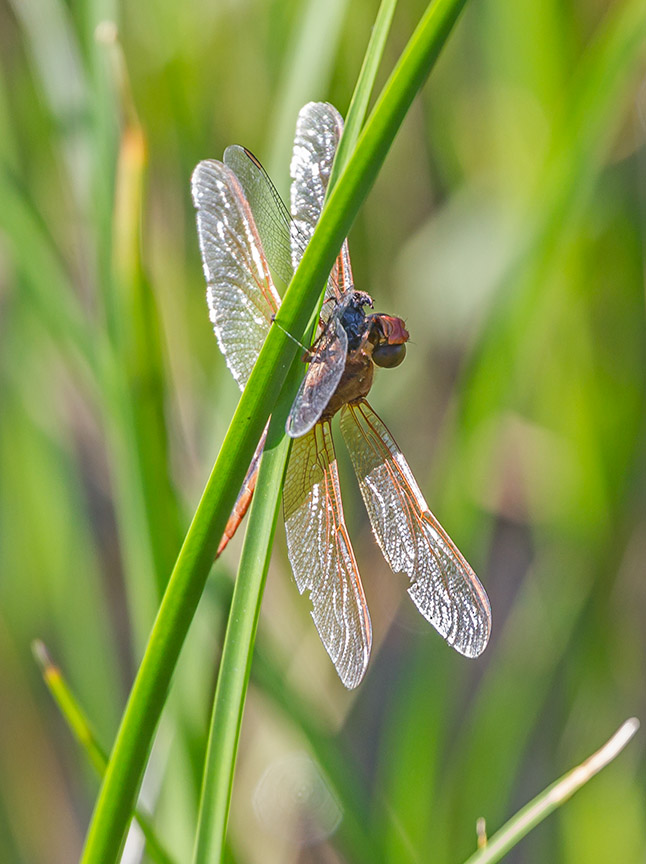
This Dragonfly was eating another dragonfly about 15 ft away



Little Green Herons
Posted on July 9, 2017

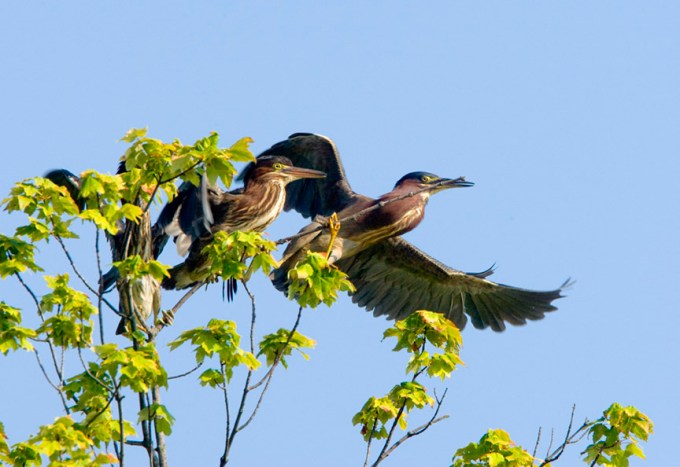
Herons & Egrets are one (of many) birds I like to photograph. The larger ones are more of the common ones you tend to see & easier to photograph. One they are a larger subject, but two, they seem to be more used to people. But the smaller Green Heron, Black-Crowned Night-Heron & Yellow-Crowned Night Heron & Bitterns seem to be more elusive and more of a challenge. So I think they are more fun to photograph. You just have to find them. Over the years I have found quite a few. Here are some images of Green Herons. I usually found Green Herons very early in the morning, when there was hardly any light. Luckily if they noticed you they stood very still. Some of these were shot at 1/25 of a sec. Then when the young ones fledged you could see them in the treetops interacting with each other. Below are a few I found on old backup drives. 


Flaps Down For Landing
Posted on July 7, 2017
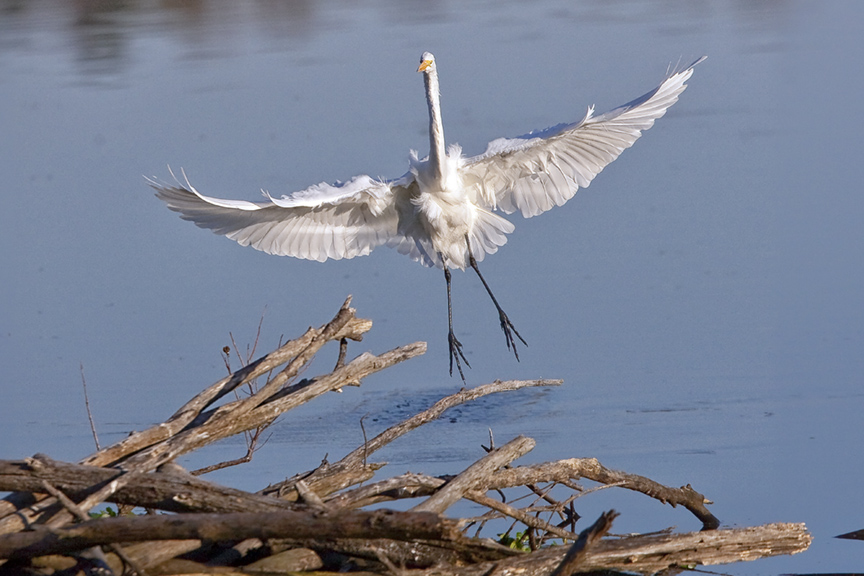
This Great Egret flew across the lake heading for the pile of sticks in the water. As it was landing it’s wings flared out and reminded me of private aviation flying, flaps down. I liked the wing position and angle of the landing Egret.
 photoartflight