 photoartflight
American Oystercatchers
Posted on April 7, 2020

I photographed these American Oystercatchers from a much earlier trip to the Brigantine Division of the Edwin B. Forsythe National Wildlife Refuge. We saw quite a few Oystercatchers around especially by the waters edge. They seem to be very skiddish birds so I was using a Canon 400mm DO lens with a 1.4x teleconverter on 7D Camera (for a Full Frame Field of View ~ 896mm). I really like their bright colored beak and eyes! They really stand out!


Alligator With Smile & Feather
Posted on April 1, 2020

I found this Alligator at the St. Augustine Alligator Farm. It looked like it was happy & smiling. Then I noticed the feather above it’s eye! Maybe it looked happy because it just finished a feathery meal. Or maybe the feather dropped down from the birds in the trees above the gator. The Alligators there actually protect the many nests in the rookery that are above the alligators. They keep many of the predators that would be attacking the nests from getting to the nests. It is amazing how many nests there are at the St. Augustine Alligator Farm.
Little Green Heron & Black-crowned Night-Heron Foraging
Posted on March 13, 2020

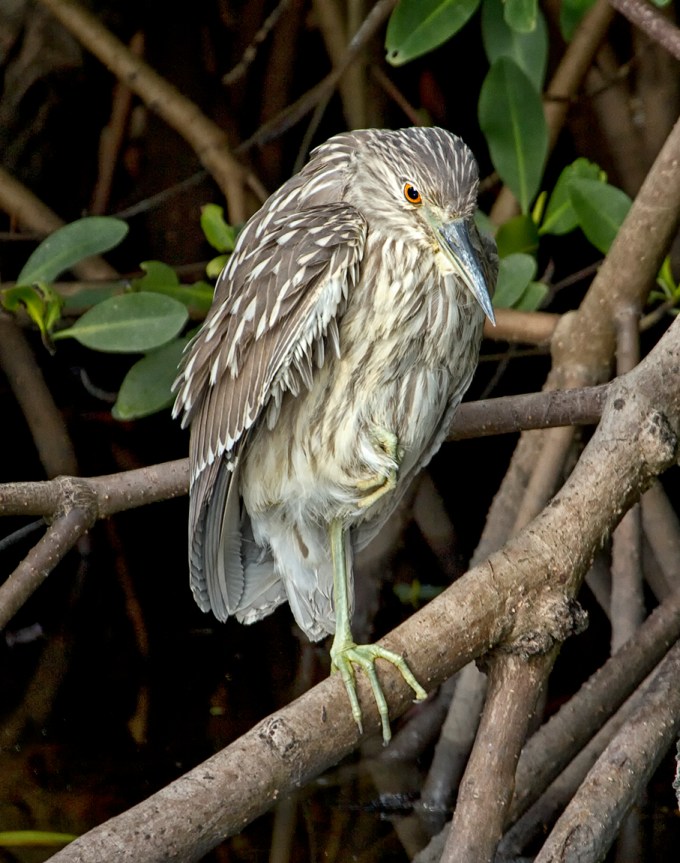
We found this Green Heron foraging for a meal early in the morning at J.N. Ding Darling National Wildlife Refuge in Sanibel, Florida. It was very focused on something in the water and hardly moved for quite a while. I guess what it was staring at disappeared and then it relaxed it’s stance and moved on. Also nearby was an immature Black-crowned Night-Heron. It was fun to see the 2 small herons close to each other. Because of the wide range of smaller photo subjects and the distance to them at J.N. Ding Darling, I usually use here a 400mm D.O. lens, with a 1.4x teleconverter on a Canon 7D. (Full Frame field of view equivalent ~896mm)
Bird Pattern In Ice
Posted on March 12, 2020
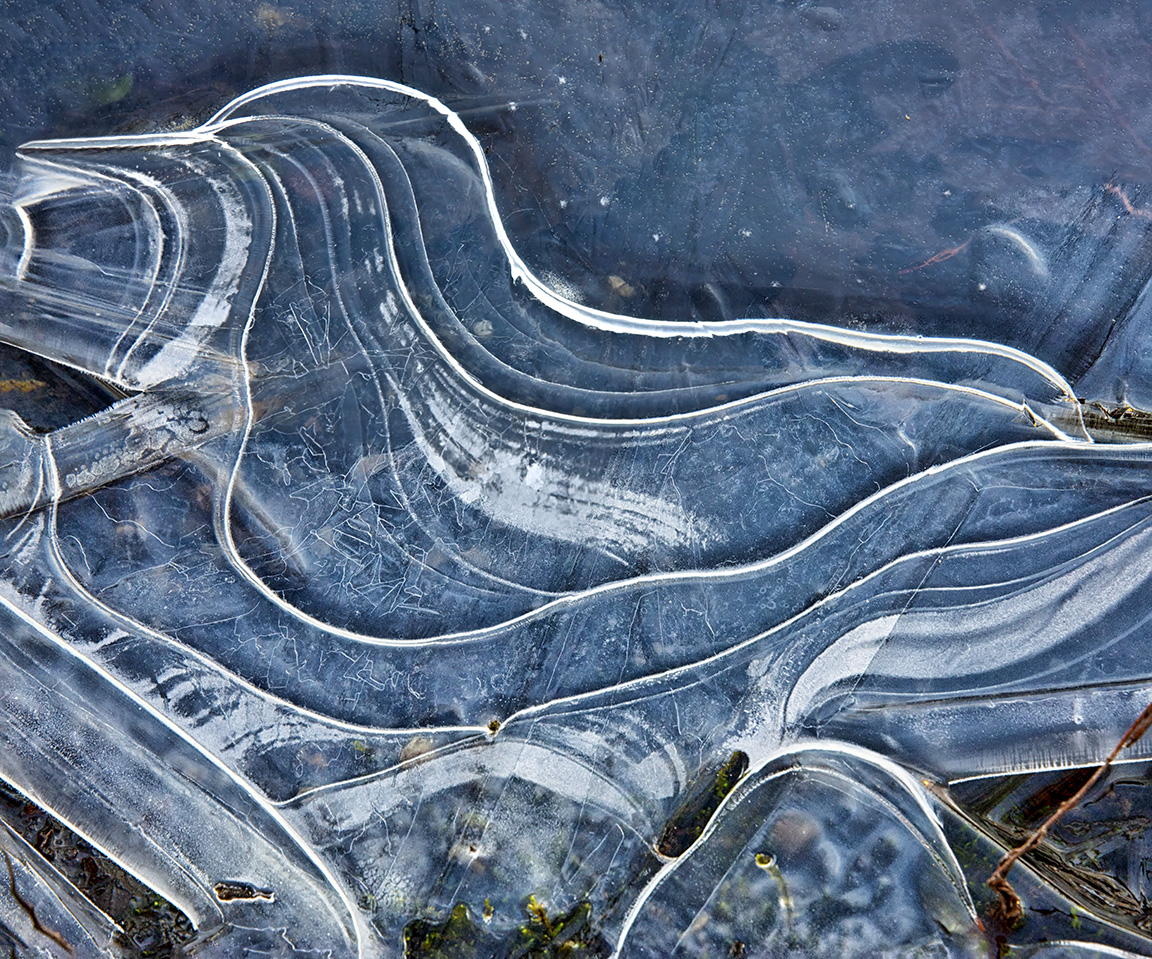
I am cleaning up some of my old backup drives, eliminating duplicate files and just generally deleting unnecessary files. And in the process, I also found interesting files to post here. I liked ice images I recently saw on Stephen Gingold Nature Photography Blog. I found a series of ice images from about 10+ years ago. So I thought I would post some here. The featured image was a 2 shot pano captured with a Canon 70-300mm DO lens @ 300mm, aligned & blended in Photoshop. Also the featured image was photographed in early morning cooler light. It reminded me of a Bird with the beak to the left.
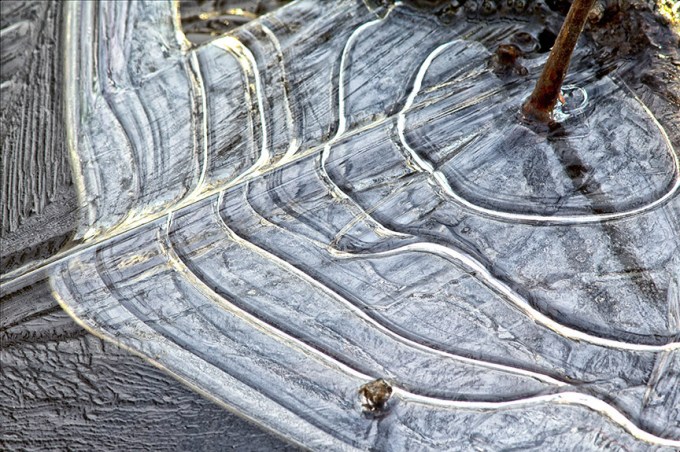
Multi-Image Staggered Ice focus stack @ 300mm, 1.4x Teleconverter

Lower Section of “bird” Ice Montage @ 235mm
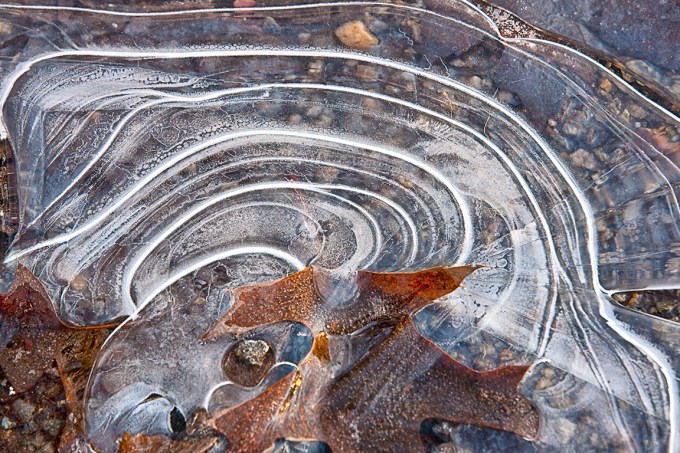
Ice Detail @ 300mm

Ice Patterns @ 300mm
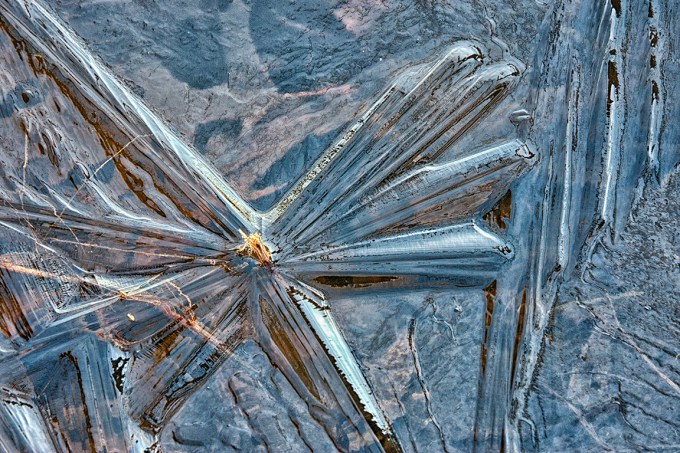
Ice Patterns @ 300mm
Reddish Egret In Shadows
Posted on March 10, 2020

I found this Reddish Egret foraging in the water along the Wildlife Drive at J.N. Ding Darling National Wildlife Refuge in Florida. Because the Egret was in the shade, the auto white balance enhanced the dappled sunlight with a warmer golden glow to the spots of sun on the featured image. We actually saw quite a few Reddish Egrets through the Refuge. All images taken with a 400mm DO lens with 1.4x teleconverter on a Canon 7D.
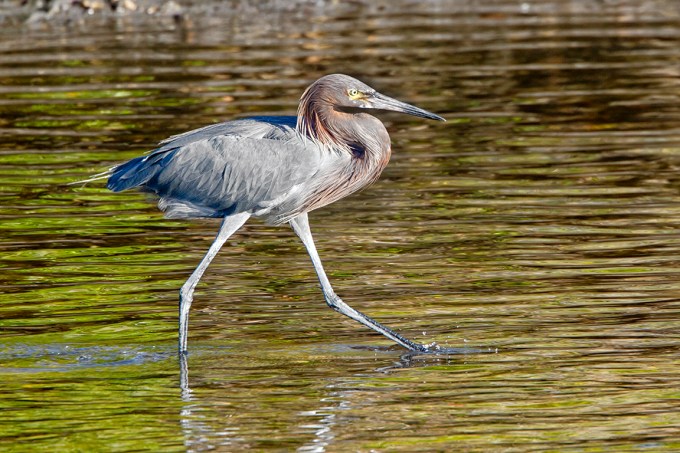
Reddish Egret strolling in sunlight
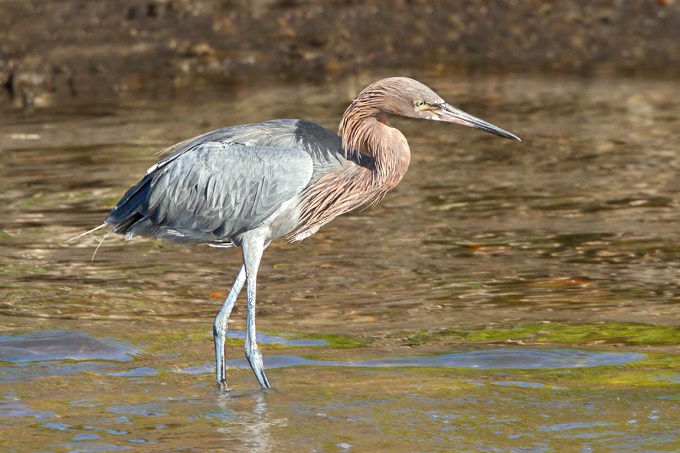
Reddish Egret Foraging
American Alligators At Ding Darling NWR
Posted on March 9, 2020
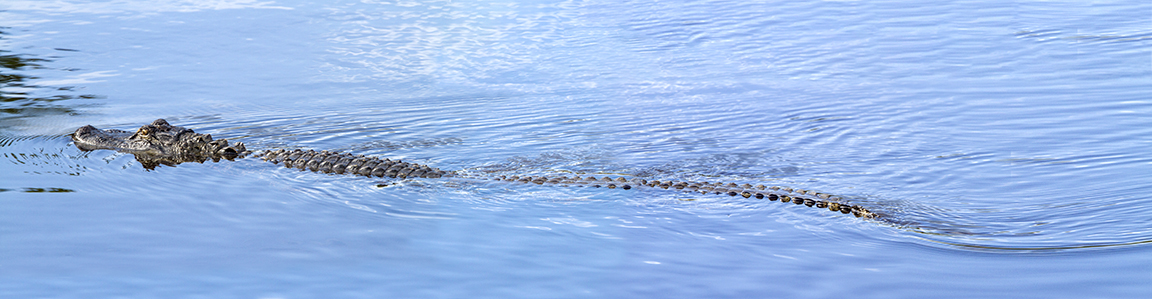
This is a series of images featuring American Alligators from a previous visit to the J.N. Ding Darling National Wildlife Refuge in Florida. Because Alligators are long and thin, it seemed to make sense to photograph them with some panoramas! This way you also limit a lot of empty water areas on top & bottom of the image making your subject alligator more the focus of your image. All images were taken with a Canon 400mm DO lens with a Canon 7D. The featured image is made from 4 images to fit all of the Alligator in the finished panorama. You also have to photograph your series of images quickly because your subject is actually swimming along as you are photographing them. So by photographing the series quickly it helps to minimize the slight difference in the overlapping images.
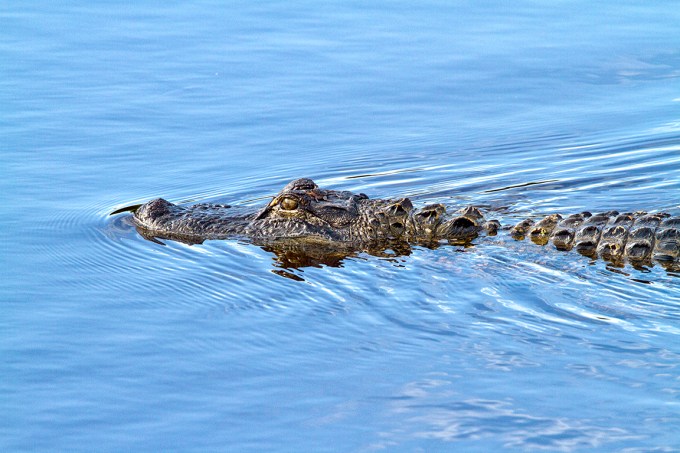
Head Shot, 1 image, 400mm, Canon 7D
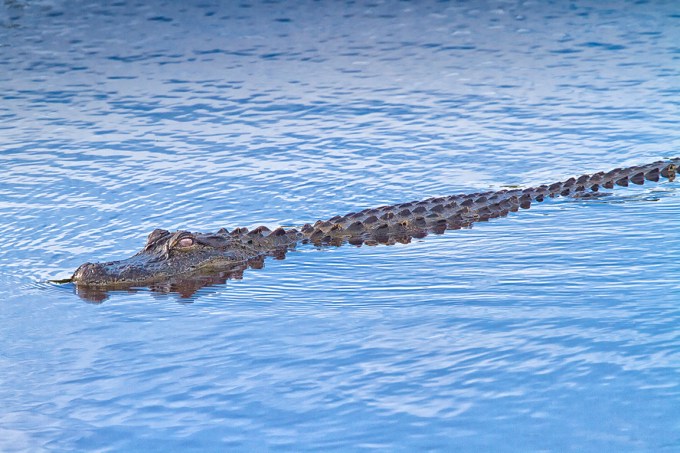
3/4 Alligator Image, 400mm, Canon 7D (Single Image)
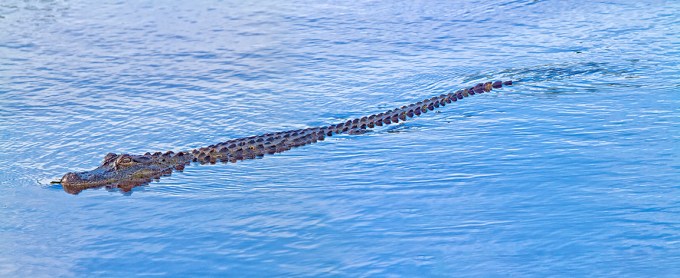
2 Image Panorama, 400mm, Canon 7D
Female Anhinga Reflection Panorama
Posted on March 9, 2020

We were photographing this female Anhinga at J. N. Ding Darling National Wildlife Refuge and I really liked the Anhinga’s reflection and wanted to include it in the final image. So I shot 2 images to combine in Photoshop. I manually aligned the 2 images (300mm) and did a soft edge mask to blend the 2 images into the final image. Sometimes when you blend 2 images automatically in Photoshop, it distorts or greatly skews one of the layers so it looks strange. So manual alignment sometimes works best.

Closer Image, Single Female Cormorant Image with 400mm Canon DO lens with 1.4x Teleconverter , Canon 7D
Big Cloud, Little Bird
Posted on March 7, 2020

It is always fun to photograph Belted Kingfishers. But they are very small birds that are usually very skittish. So it is hard to get closeups of them. But I noticed this Kingfisher way off in the distance when we were at J.N. Ding Darling NWR. I liked the large cloud background accenting the small Kingfisher. The featured image was captured with a 400mm DO lens on a Canon 7D (Full Frame FOV ~ 640mm)
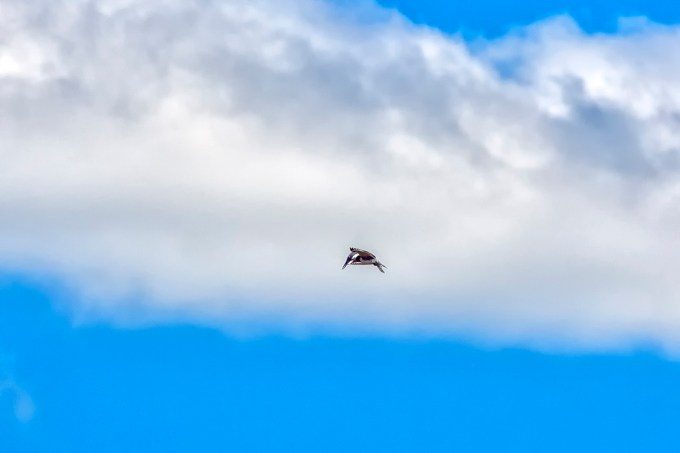
Slightly cropped for closer view

More Extreme crop of above images

Another view. Liked the raised wing. Extreme crop
Roseate Spoonbills En-Garde In TreeTops
Posted on March 6, 2020
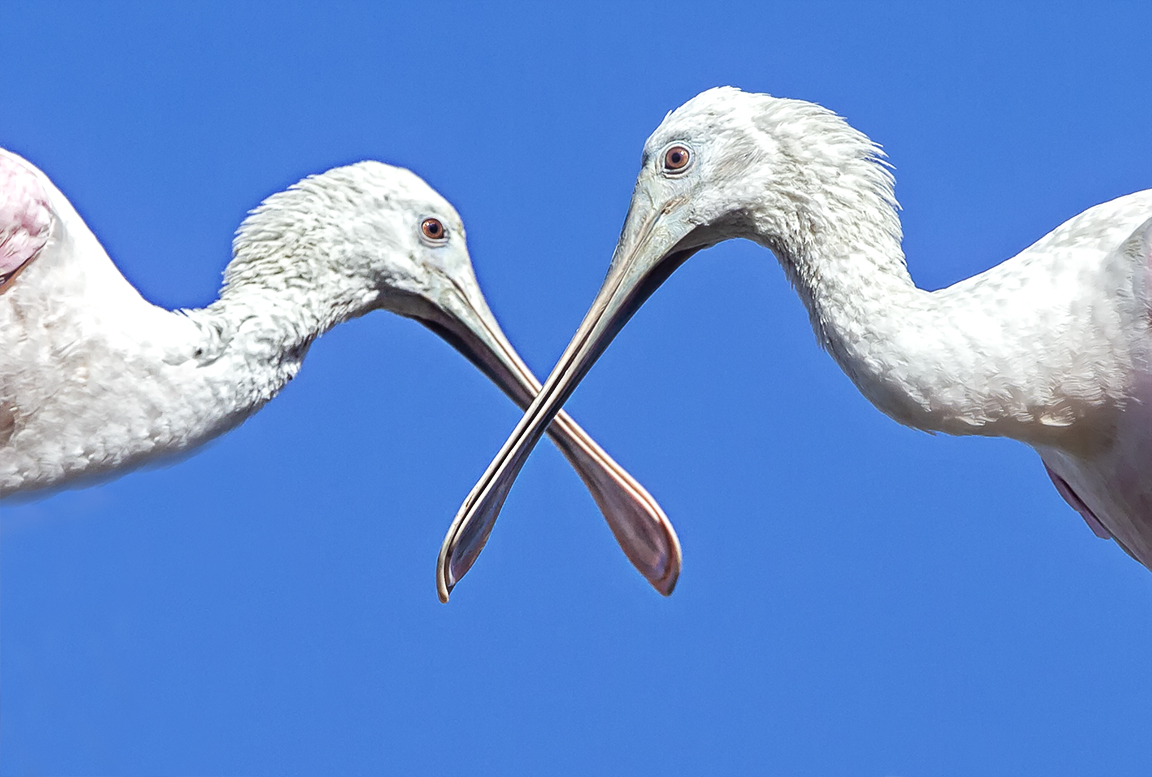
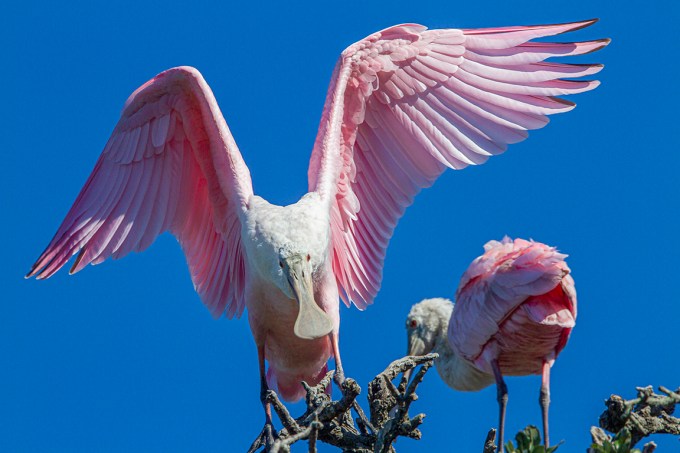
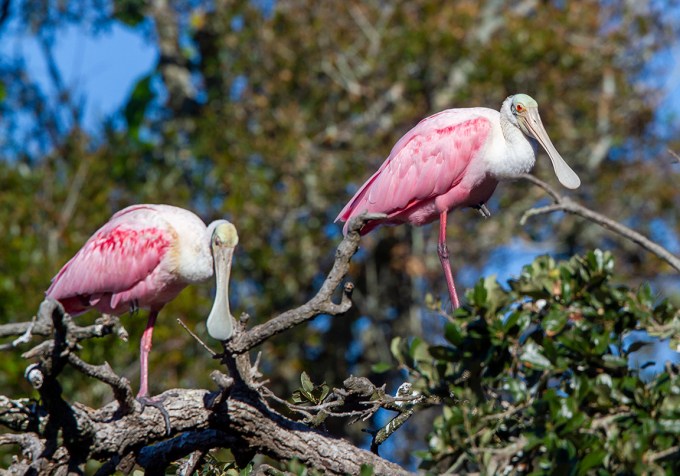
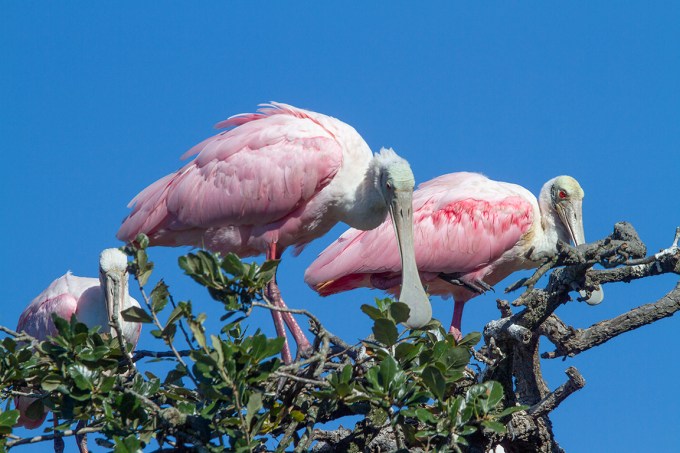
It is also fun photographing Roseate Spoonbills interacting with each other around or by their nests or just roosting in the tree tops. They seem to be in small groups scattered around the nests. They can also be quite vocal! Sometimes it sounds a little eerie! The featured portrait image looks a little strange because you do not see the usual striking pinkish color of these birds. All images captured @ 400mm with a Canon 7D (effective full frame FOV ~ 640mm)



Roseate Spoonbill FlyBy
Posted on March 5, 2020

Here are a series of images of Roseate Spoonbills in flight. These are from a previous trip to Florida, but did not post them before. One of my favorite birds to photograph! Plus they are a Large and Colorful bird. Easier to fill the frame and you definitely see them coming! Also they are interesting to watch how they interact with each other in the tree tops. My next post will show some of those images. Being retired now I have time to go through my large backlog of past trips. These are all taken back then with a Canon 400mm f/4 DO lens on a Canon 7D (Full Frame FOV ~ 640mm)


 photoartflight