 photoartflight
Incoming Roseate Spoonbill
Posted on February 25, 2020
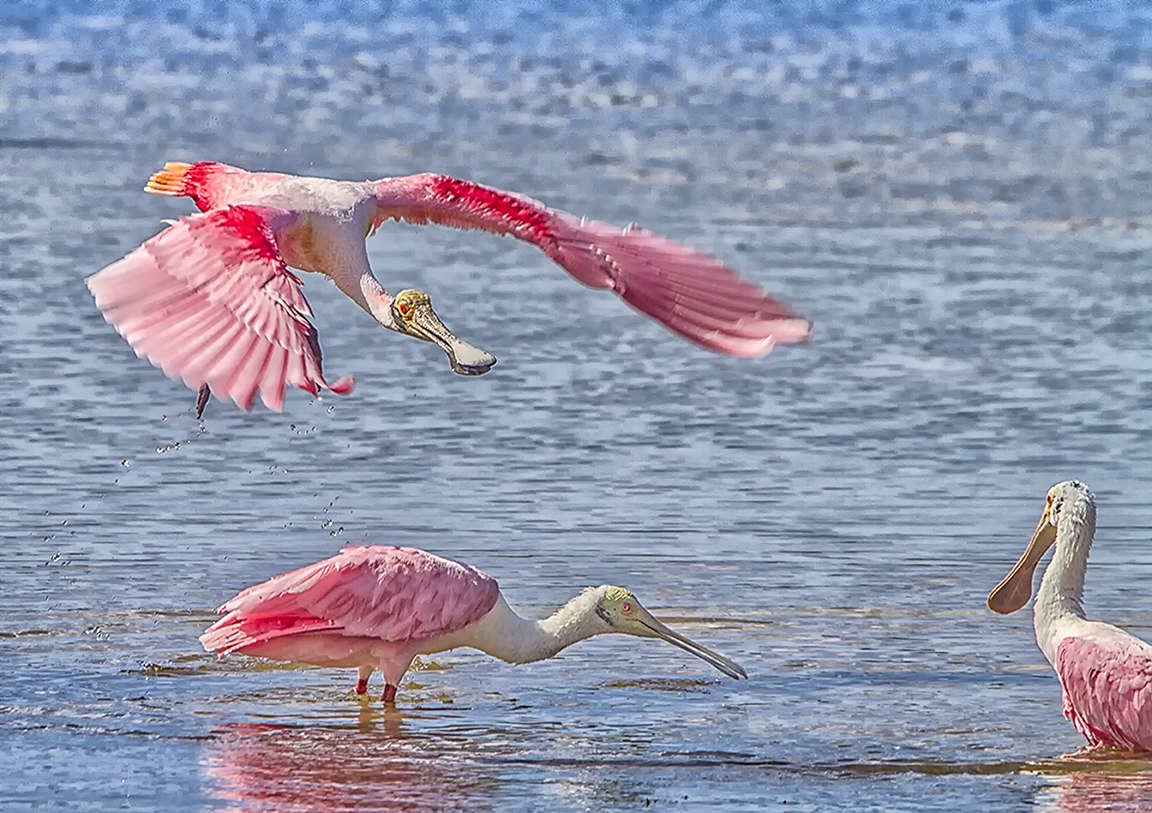
I am going through backup Hard Drives cleaning up and removing unneeded files. Sometimes you find interesting images you have not used before or you want to try different ways to adjust the file and bring out more details on already worked on files. The more you adjust files you find different ways or techniques to improve the image. This image was taken years ago at Ding Darling NWR with a Canon 7D with a 400mm f/4 DO lens with a 1.4X Teleconverter ( ~ 896mm effective Full Frame FOV)
Cormorant Portraits, Sunning On Treetops
Posted on February 15, 2020

We saw a quite a few Cormorants sunning on the top of trees as we were walking the trails on our trip to Lake Woodruff NWR. The featured image was taken with a 300mm f/4 lens. I liked the strong sunlight on the Cormorant enabling more detail in the dark black bird. The images here were 2 different cormorants from different tree branches.
Additional Cormorant Images:
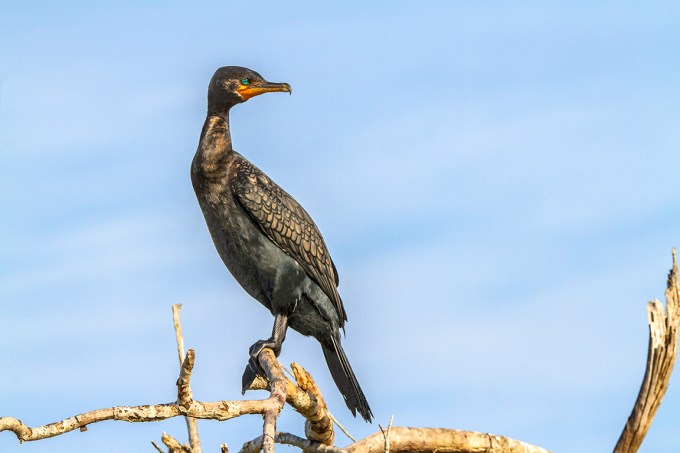
Cormorant @ 273mm

Cormorant @ 375mm
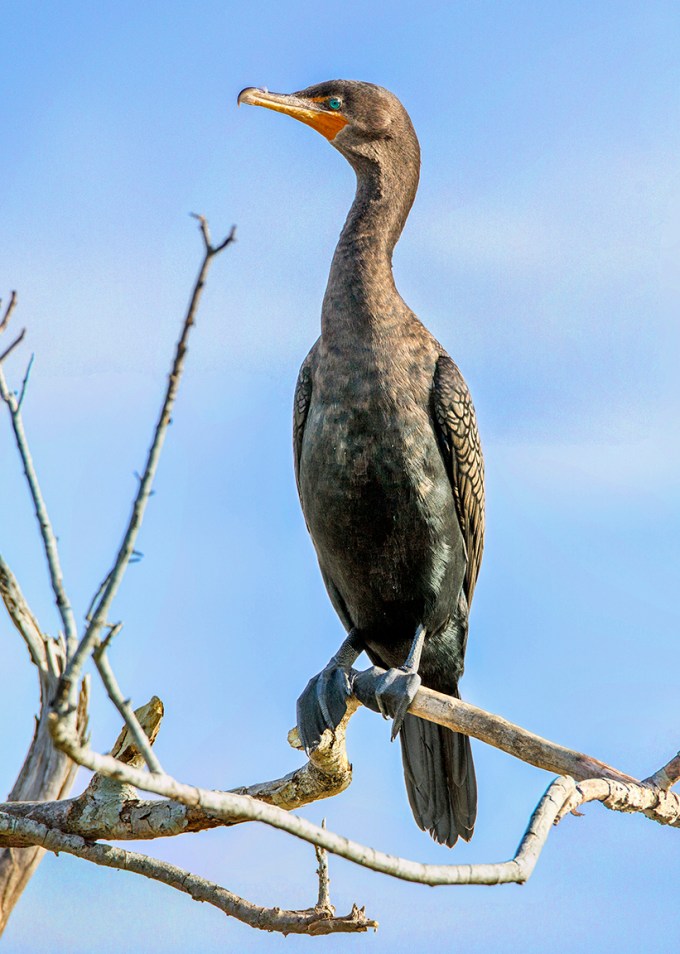
Cormorant @ 375mm
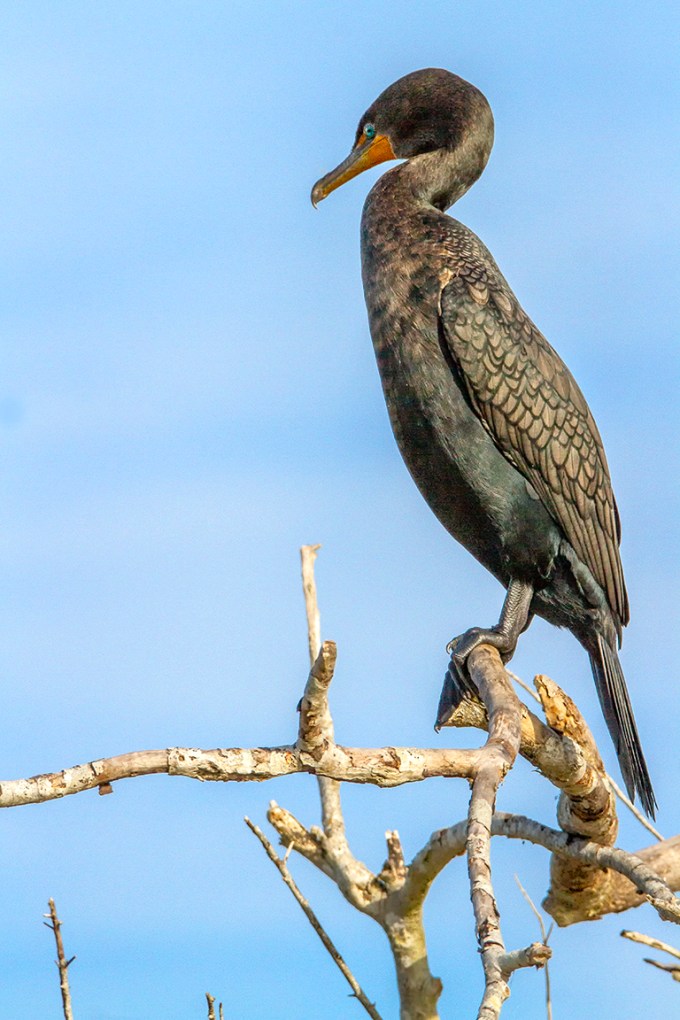
Cormorant @ 375mm

Cormorant @ 309mm
Marsh Rabbit
Posted on February 7, 2020
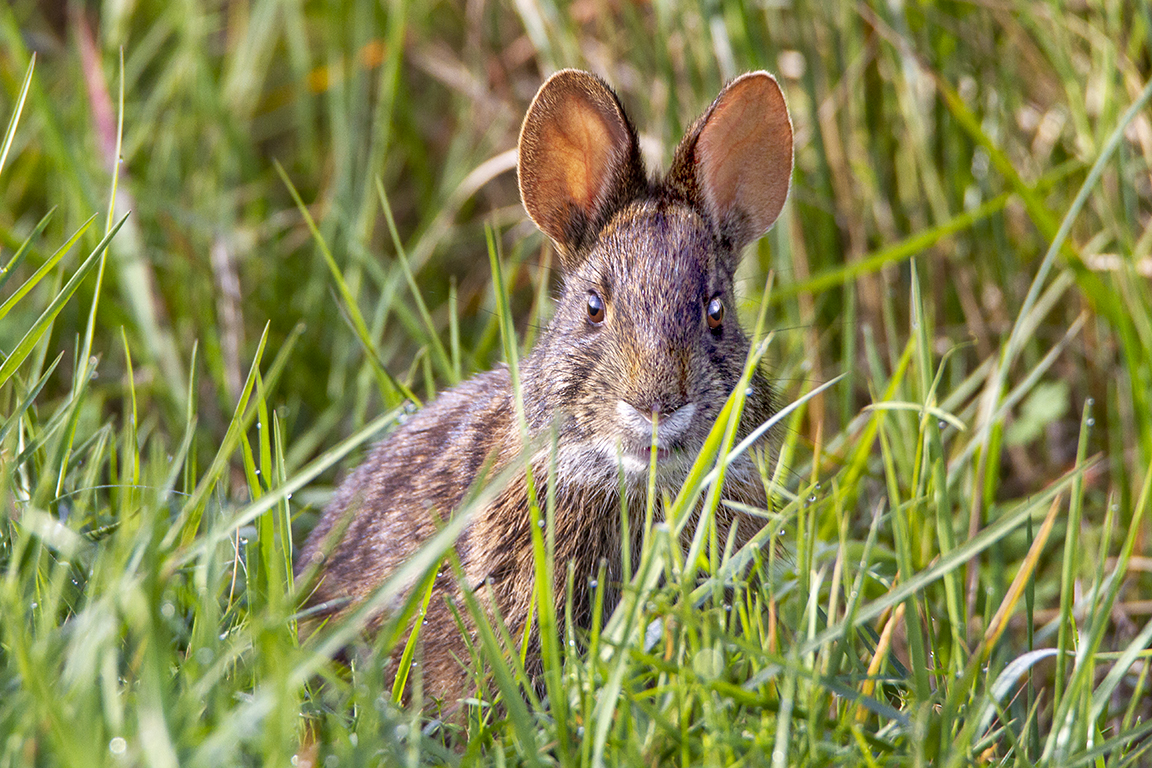
While we were walking the trails at Lake Woodruff NWR, we saw a few small rabbits. Looking them up they seem to be Marsh Rabbits. Marsh rabbits are typically smaller than Eastern Cottontail Rabbits. Adults from the Florida peninsula weigh approximately 2.2–2.6 pounds with a total length upwards of 17 inches. The hind feet of the average mainland marsh rabbit is also larger, at 3.6 inches compared with 3.5 inches for the typical Florida Marsh Rabbit. The featured image was taken @ 600mm.
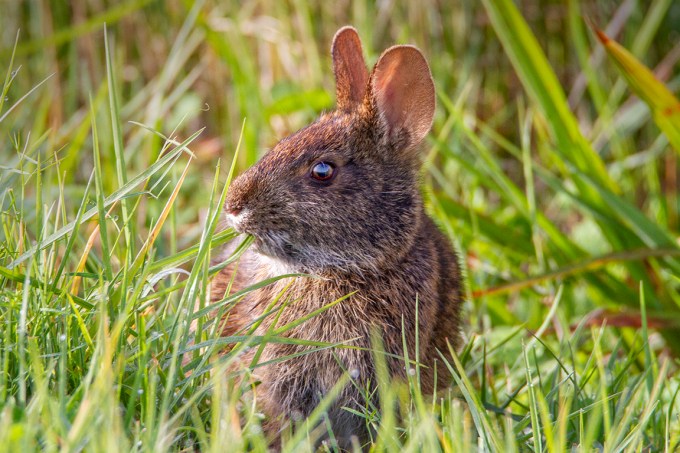
Marsh Rabbit @ 600mm
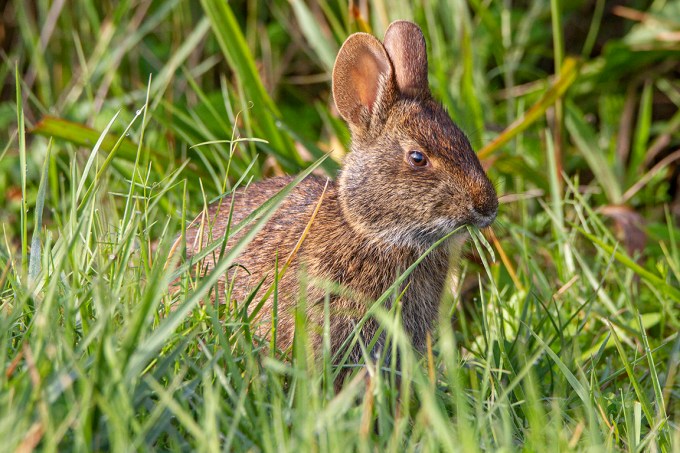
Marsh Rabbit @ 428mm
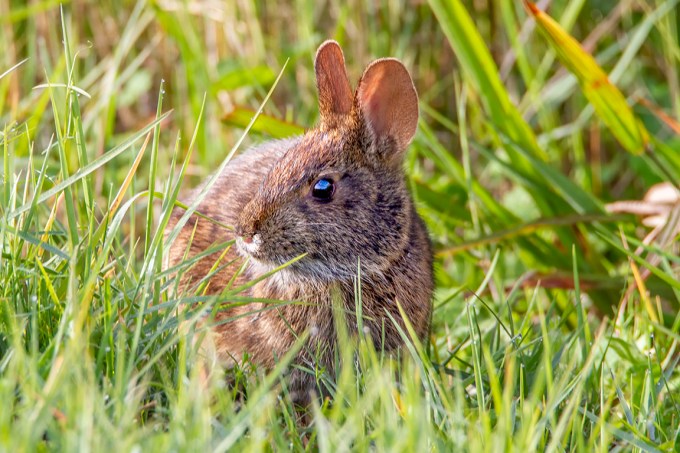
Marsh Rabbit @ 600mm
American Alligators @ Lake Woodruff NWR
Posted on February 6, 2020

On our trip to Lake Woodruff NWR we saw quite a few American Alligators in the channels along the paths. In other years we saw more, but they are not my favorite photo subjects, so it was fine for me. This is a closeup Head shot that was taken along one of the channels near the entrance. Other years we saw them on the paths or the shoreline. But this trip they were mostly in the water. It was hard to get good shots of them because of the reflections of the grasses and other plants along the shoreline which made the background busy looking.

Same image as the featured image with a feathered in softer background
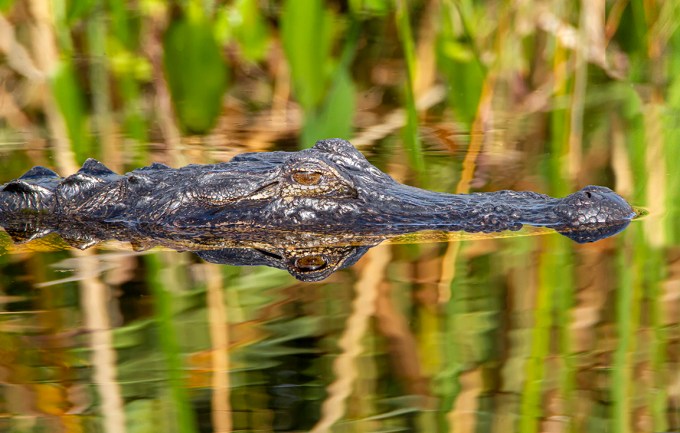
American Alligator @ 600mm
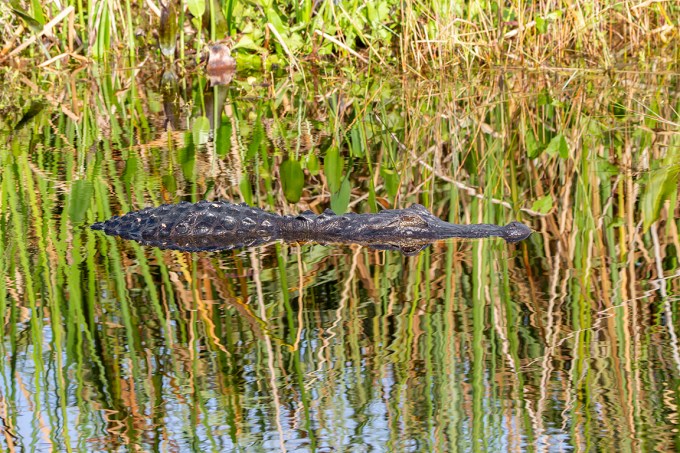
American Alligator with reflections of the grasses in the water @ 200mm
Sandhill Cranes FlyBy In Morning Light
Posted on February 5, 2020
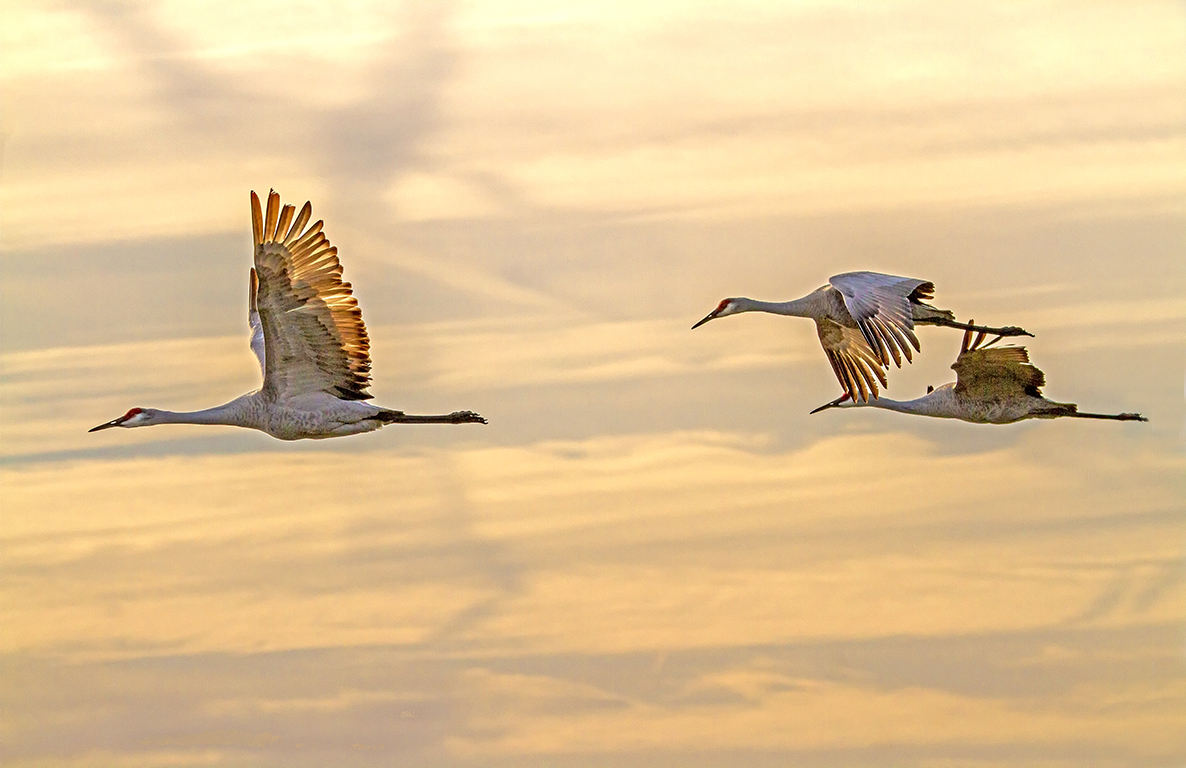
A couple of images of Sandhill Cranes flying out early in the morning. Images shot at 213mm with a 150-600mm Tamron lens.
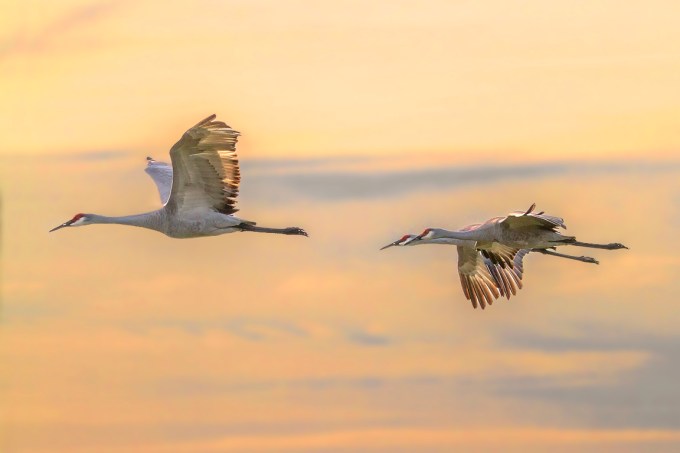
Sandhill Crane Fly-By Sequence
Posted on February 5, 2020
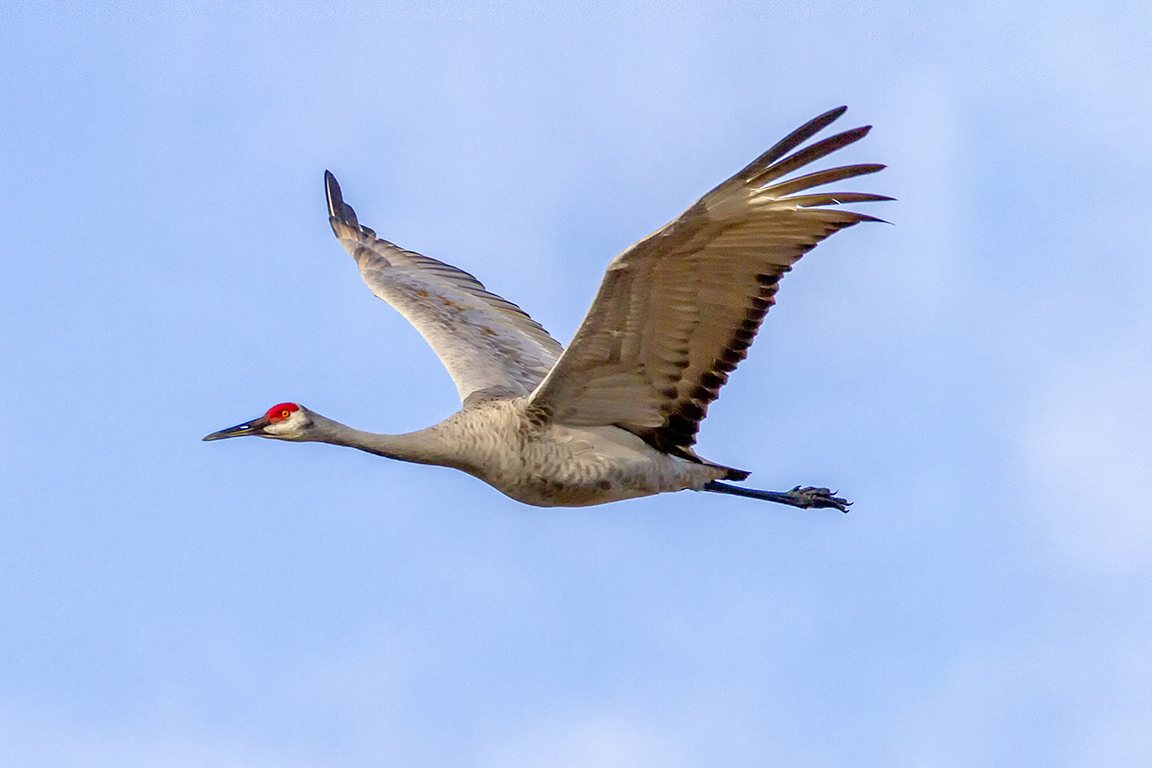
A series of images of a Sandhill Crane Slow FlyBy. Interesting to see the wing positions as it slowly flew by me. I was using a Tamron 150-600mm lens. Images captured @ 428mm.

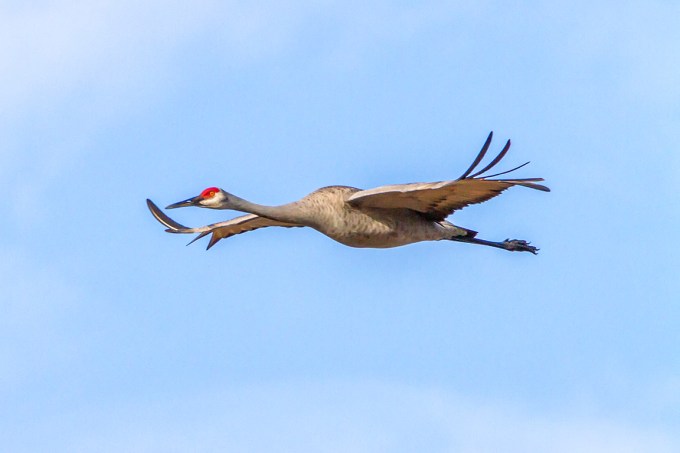
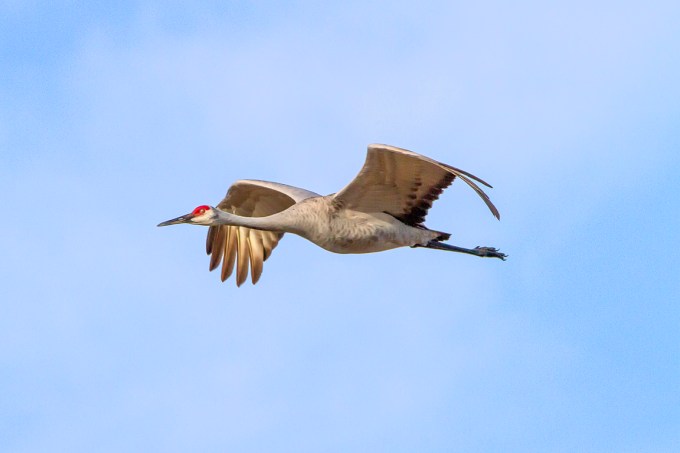
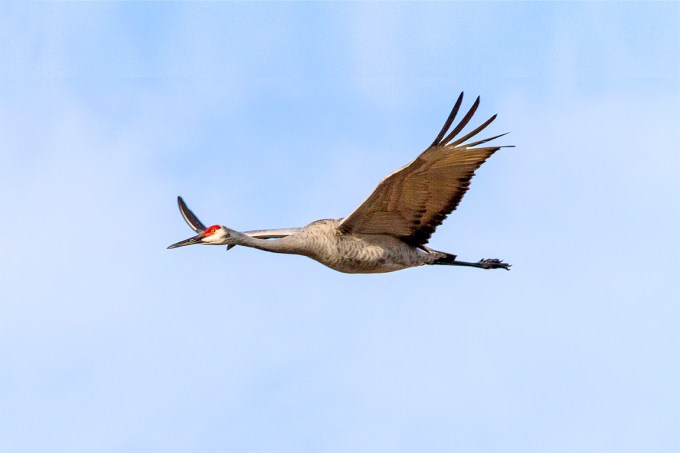

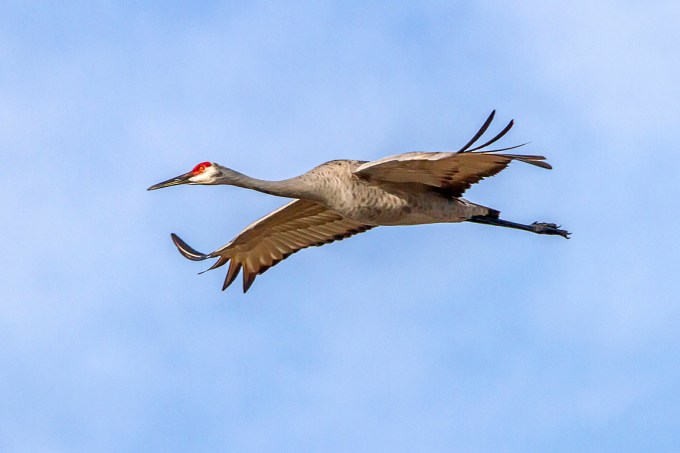
Sandhill Crane Panoramas From Lake Woodruff NWR
Posted on February 5, 2020

On our trip to Lake Woodruff NWR in DeLand Florida we were hoping to see Sandhill Cranes. They did not disappoint us. The only problem was it was a spur of the moment trip so I traveled light and only chose the lenses I thought would be best. I did not want to load up the car with too many lenses to carry once we got there. So for long lenses I brought a 300mm with a close focusing capability and a Tamron 150-600mm zoom for versatility along with teleconverters. Usually the Sandhill Cranes are in large flocks or off in the distance. The first walk in to the trails, 2 Sandhills landed right by us within a couple of feet. They stuck with us for quite a while giving me the opportunity to get a lot of portraits. But to get the whole Sandhill Crane in, I resorted to shooting panoramas of them. All panos were shot handheld and assembled in Photoshop. The featured image is only 2 vertical images blended because the Crane was a little further away from me at this point.

Sandhill Crane, 2 Vertical Image Panorama, 300mm lens

7 horizontal images, handheld panorama, 300mm lens
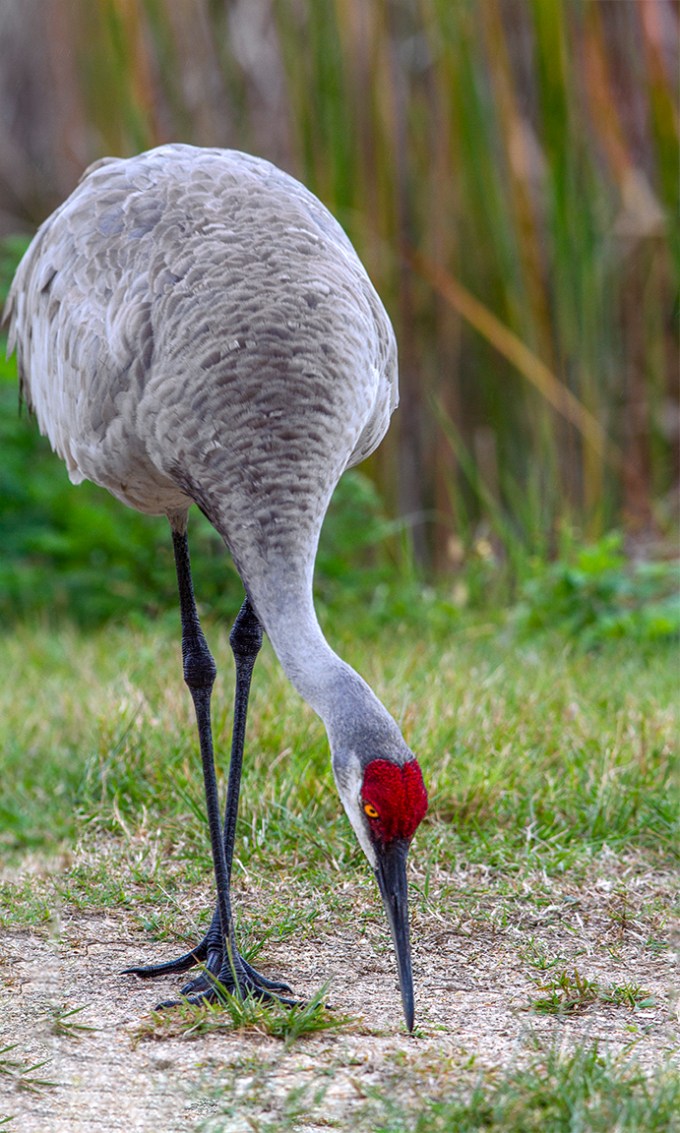
Sandhill Crane, 2 Vertical Image Panorama, 300mm lens

Sandhill Crane Panorama, 7 Horizontal Images, 300mm
Great Blue Heron FlyBy
Posted on February 4, 2020
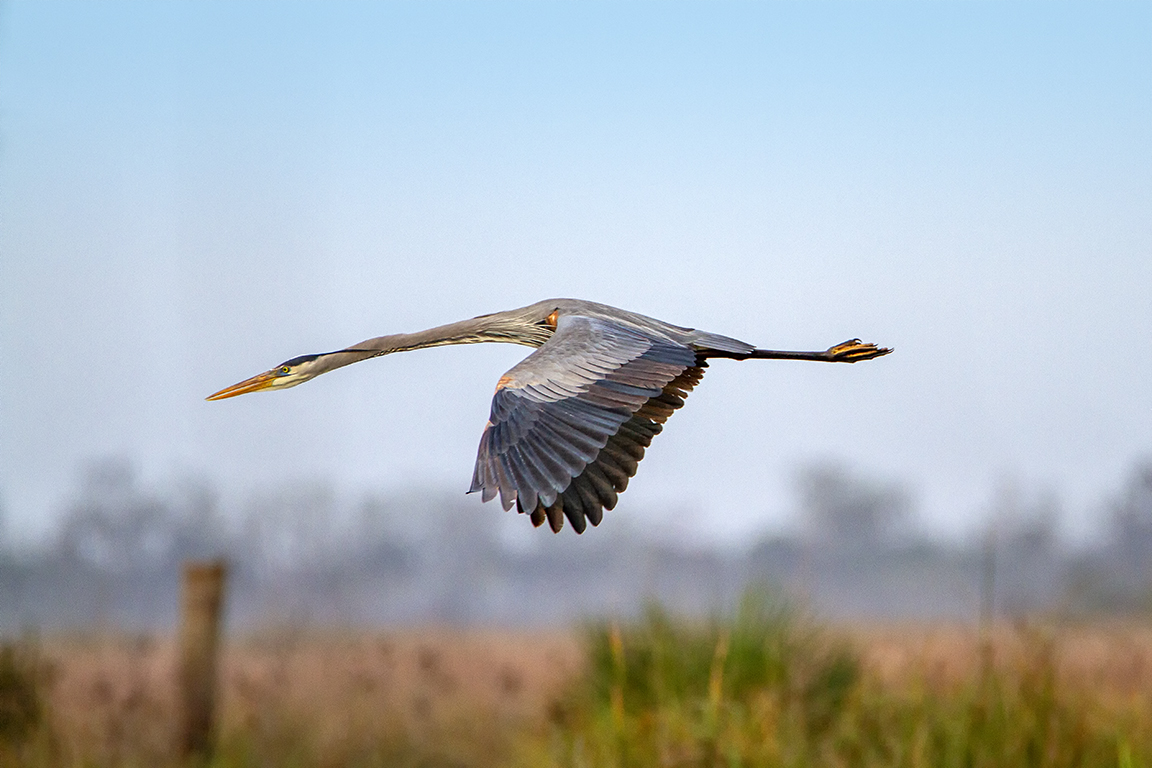
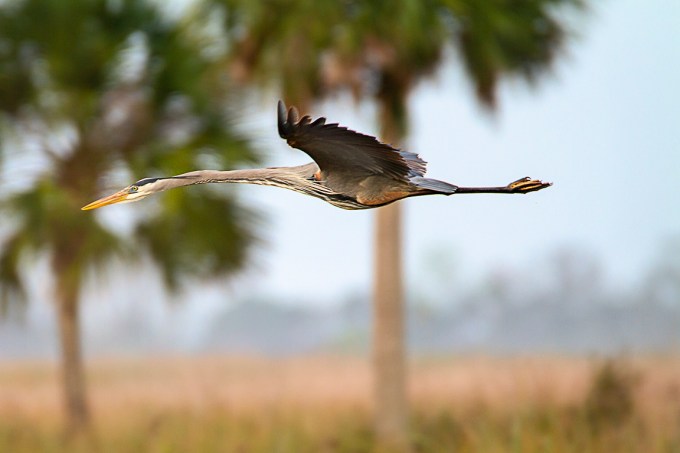
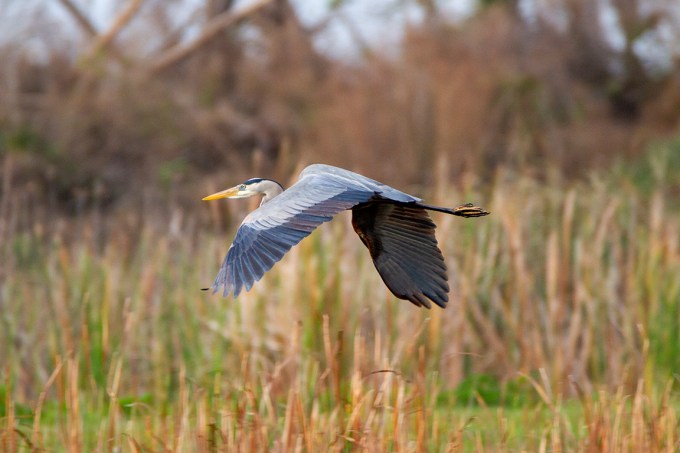
Here are a few Great Blue Heron images taken on our Lake Woodruff NWR trip to Florida. As we were walking the trails I saw this Great Blue Heron coming by us. I was ready and got a few side view images that I liked showing an angular side view. I thought it really showed the length and form of the Great Blue Egret as it flew by. This view also shows how large they really are when stretched out in flight. All images were @ 600mm, taken with a Tamron 150-600mm lens. I am really liking the Tamron lens. It produces great images with fine detail and is very versatile with the wide zoom range. Especially nice when you are walking and not wanting to carry a variety of lenses to cover what you might see to photograph along the way.
Great Blue Heron FlyBy @600mm
Winging Further Away @ 600mm
Sandhill Crane Portrait
Posted on January 29, 2020

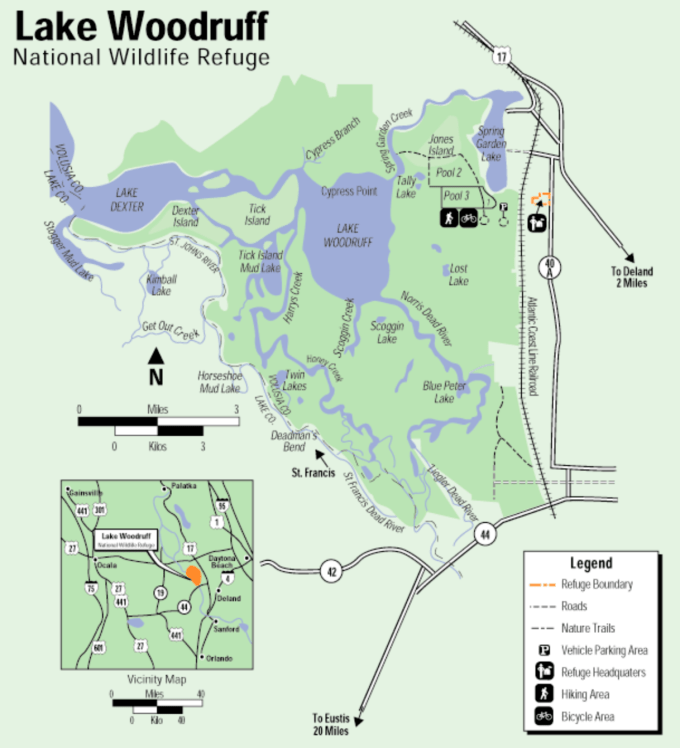
We decided to go on a quick trip to Florida to one of our favorite NWRs, Lake Woodruff National Wildlife Refuge in DeLeon Springs, Florida. We were only there for a few days, but it was an amazing spot for photos of wildlife and landscapes. The Sandhill Cranes and River Otters were not disappointing! As we were walking the trails, Sandhill Cranes would land right in front of us giving us fantastic photo opportunities. Sometimes it was strange to have them land & walk right up to you. They would just stare at you checking you out! We were traveling light and most of the time I was using a 300mm or a 150-600mm lens. For detail or landscapes I used my iPhone 11Pro. Since I was traveling light, a lot of my images of Sandhill Cranes I had to shoot a series of images for a panorama to get the whole Crane in. Lake Woodruff National Wildlife Refuge is not one of the NWRs that gets a lot of visitors or attention. You are pretty much on your own except for a few locals walking or birding there. But for us it is one of our favorite NWRs to visit. It does not have a visitor center and has a small parking lot down a small road that is only wide enough for 1 car. So if you meet someone going the other way you have to pull over so 1 can pass. The 22,000-acre refuge contains a myriad habitats: among them are marshes, swamps, creeks, hammocks and uplands. We only found it years ago because there was an accident on Route 95 that closed the highway overnight. So we had to stay at a motel and at breakfast the waitress asked where we were going. We said we were going to Ding Darling NWR for photography and she said we should go to Lake Woodruff NWR and might like it better. She was right! Sometimes you really feel quite alone when walking the trails, except for the wildlife.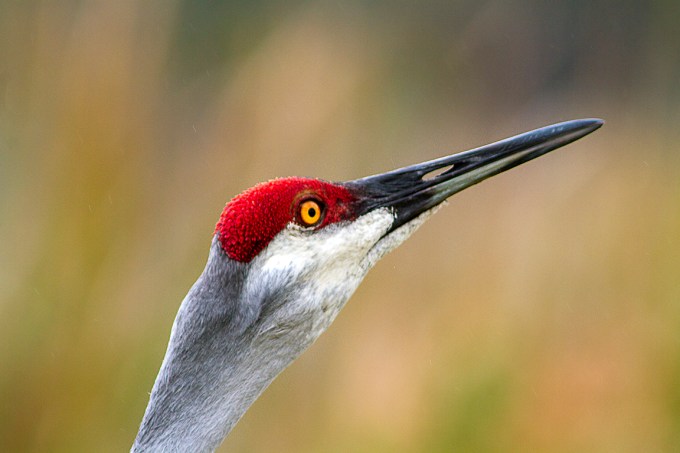
Black-Crowned Night-Heron Foraging
Posted on January 9, 2020

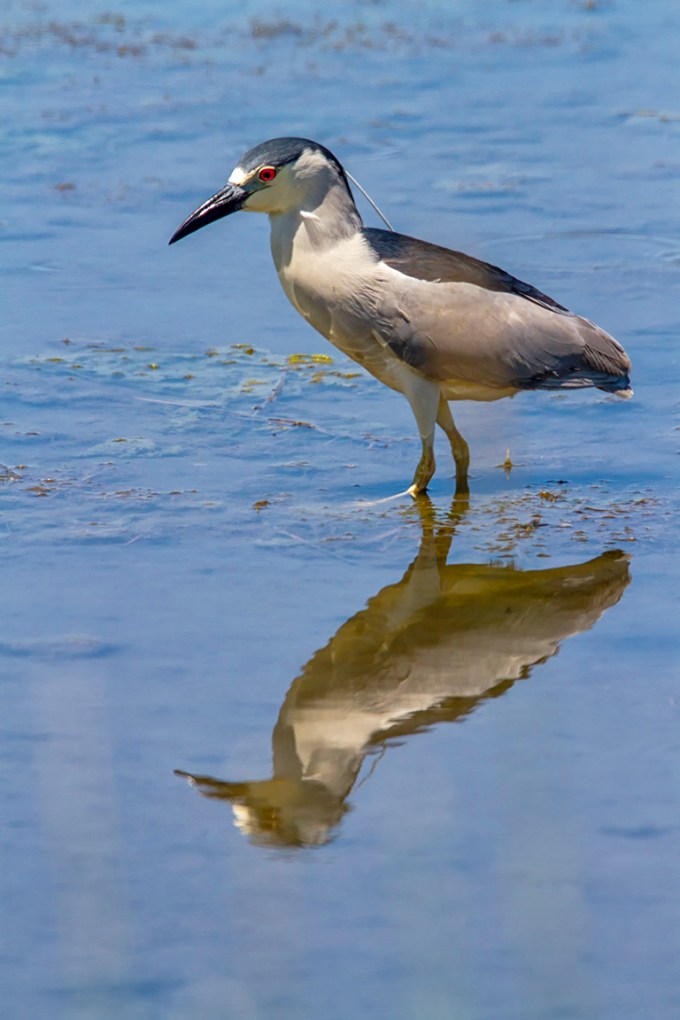
Here is a series of images from a previous trip to the Edwin B. Forsythe National Wildlife Refuge in Oceanville New Jersey. Now that I am fully retired and closed my studio, I have time to go through images from previous photo outings that I have on my backup drives. This is a series of images of a Black-crowned Night-heron in breeding plumage, foraging for a meal. It was darting back and forth really working this area in one of the channels along the Wildlife Drive. It was fun to watch the Night-Heron and also be close enough to the Wildlife Drive to get closeup images.


2 image panorama (horizontal images)

 photoartflight