 photoartflight
Anhingas In Trees
Posted on January 7, 2020

I was walking along the Wildlife Drive at the J.N. Ding Darling National Wildlife Refuge when I came upon this Anhinga. We tend to like walking along the Drive because you see more wildlife and have more opportunities for getting interesting photos. Plus you are not in the middle of large groups of photographers photographing the same subject at some of the main photo hotspots there.

Reddish Egret Looking For A Meal
Posted on January 6, 2020

I saw this Reddish Egret looking for a meal as it was strolling along in the water in front of me. Usually you see them darting around with their wings raised casting a shadow for the fish to swarm to. Images taken with 300mm lens with 1.4X Teleconverter.


Anhinga Fishing – Diving In
Posted on January 4, 2020

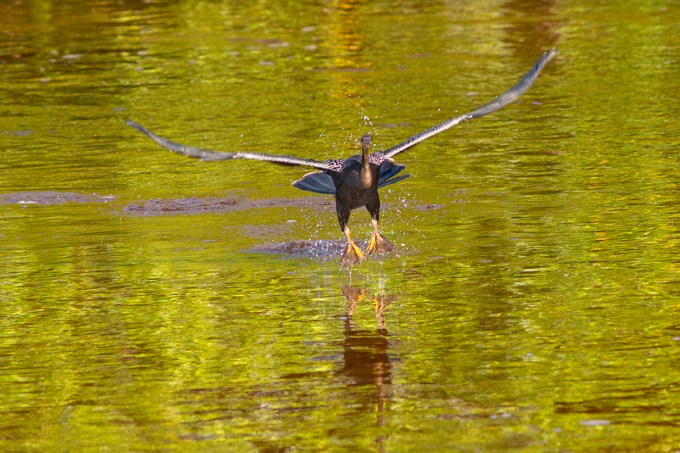
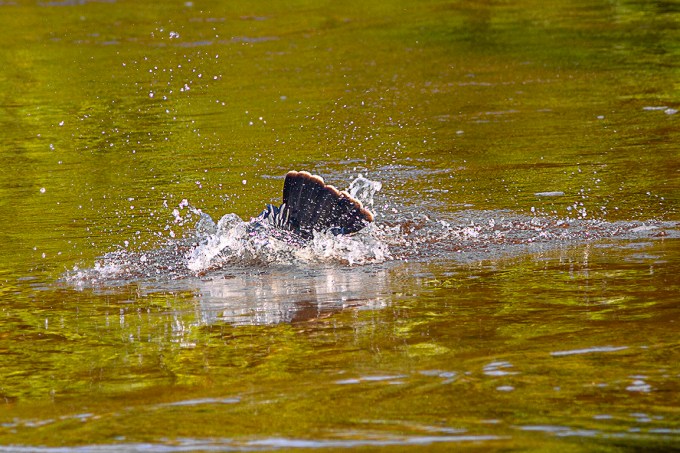
While I was photographing Pelicans at J.N. Ding Darling National Wildlife Refuge, I noticed this Anhinga flying in and diving into the water going after a fish. They must have great eyesight! The featured image is out of sequence in the series showing when it first started to hit the water. The series below was when the Anhinga was flying in to get its meal.


Alligators From Ding Darling NWR
Posted on December 26, 2019

I am going through my backup drives trying to clean out files for the New Year that are not needed or duplicates. But in the process I am finding files I have not used or adjusted. Work always seemed to get in the way! Here are a few from a trip years ago in 2011 to the Ding Darling National Wildlife Refuge in Florida. All images were taken with a Canon 400mm f/4 DO lens on a Canon 7D. We were walking the Indigo Trail & Cross Dike Trail and came upon a couple of alligators sunning themselves. The featured image with the alligator was in the shade under some branches near the edge of the water as we walked past. For some reason it seems like it is almost smiling in the images.
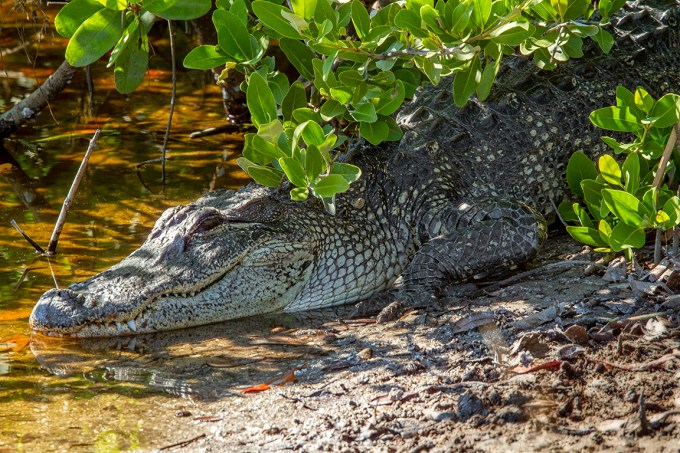
Same Alligator from farther away before I decided to get closer. ( 400mm, Canon 7D )
This Alligator below was further down the trail from the featured Alligator. Again I shot 2 images for the panorama. I have since changed my technique by shooting more images for my panoramas. With adding more images for the panorama at different focus points, I can use an f/stop of f/8 or so. This way I get a more even focus across the whole panorama. If I do not need them I just skip to the next frame in the series of images. But at least I know I have enough images to use for making the pano. It is amazing how fast these alligators can move when they want to.

Another Alligator further down the trail – 2 – 400mm images stacked panorama @ f/11, assembled in Photoshop
Hawk Tree Top Take-Off
Posted on December 16, 2019
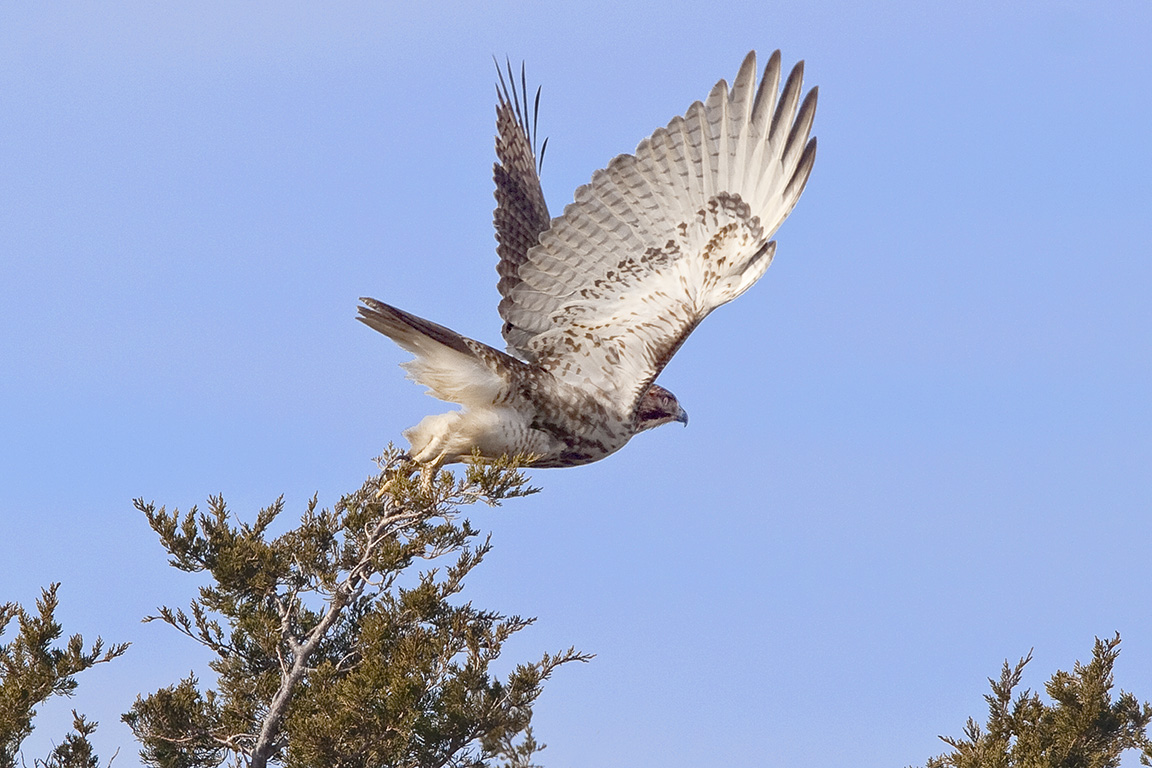
 We noticed a hawk in the trees by the turnaround along the two way section of the Wildlife Drive at the Edwin B. Forsythe National Wildlife Refuge In Oceanville, NJ. I was photographing the hawk as it was looking around and also at me. Then it moved to the top of another tree. After a while it flew off and was able to get a few shots of the takeoff. I was using a Canon 7D with a Canon 400mm DO lens and Canon 1.4x Teleconverter. (FIeld of View – sort of equivalent would be 896mm on Full Frame Camera). I always have trouble ID’ing hawks. Do not know why. Let me know!


Hawk starring at me while I was photographing it.
Recent Dragonfly Images
Posted on September 1, 2019
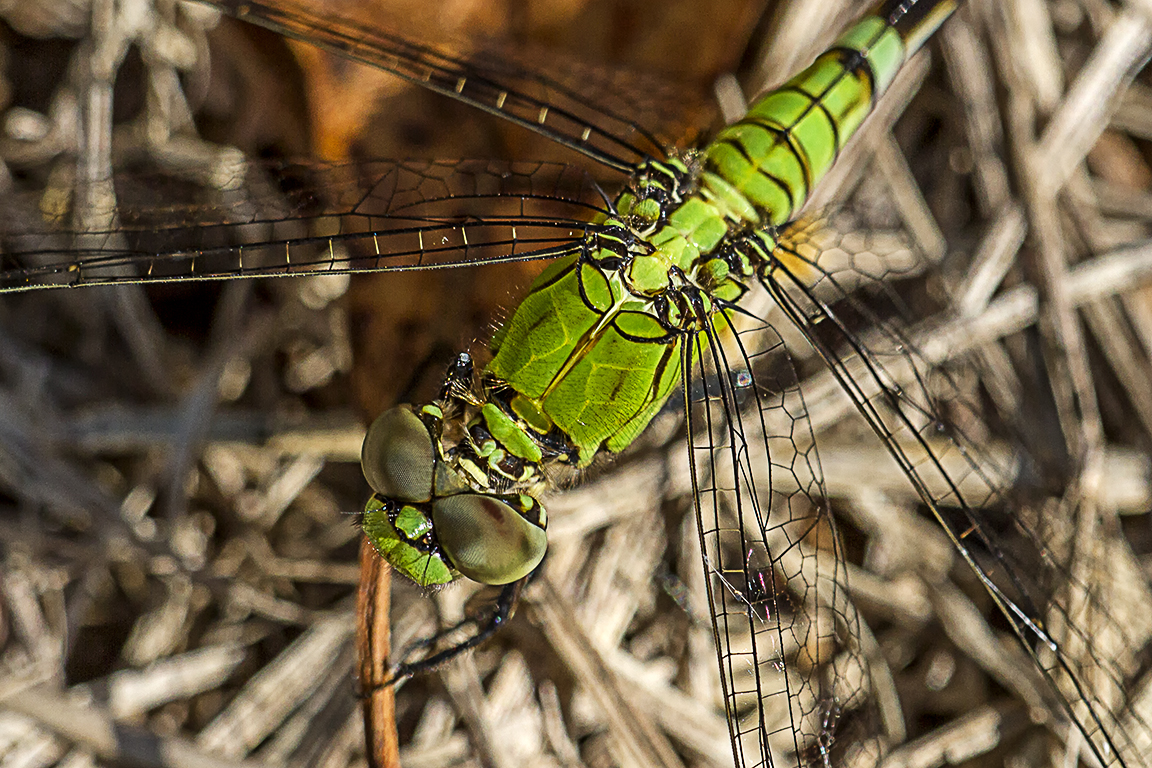
Here are a few images of Dragonflies and a Damselfly from a few local parks in our area. Most were shot with a close focusing 300mm f/4 lens with either extension tubes to get closer or 1.4X or 2X teleconverter. A few I used a Canon 400mm f/4 DO with Extension tubes and 1.4X teleconverter. The featured image is a female Eastern Pondhawk that was quite cooperative for extreme closeups. Image taken with Canon 7D, handheld, 300mm @ f/8, 1/1000 sec, ISO 400.

Blue Dasher extreme closeup – 2 image focus stack Canon 7D, Canon 300mm f/4 IS, 1.4X teleconverter, w/extension tubes
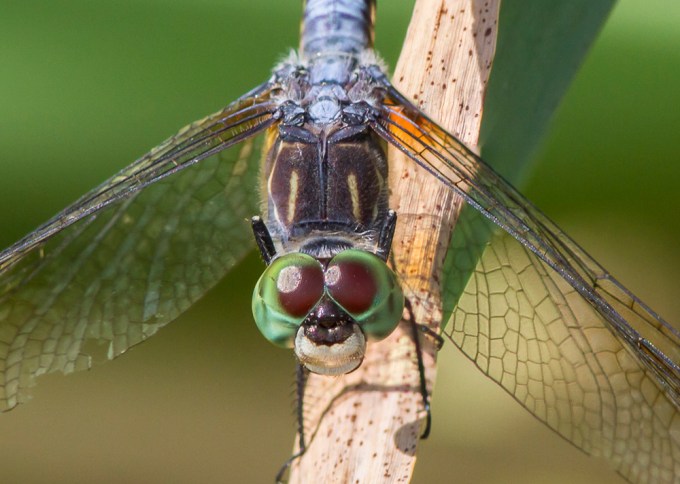
Blue Dasher extreme closeup – 2 image focus stack Canon 7D, Canon 300mm f/4 IS, 1.4X teleconverter, w/extension tubes (f/11, 1/200 sec, ISO 400)

Damselfly – multi image stack, 400mm f/4 DO with extension tubes, f/8, 1/50 sec, 1600 ISO, camera on tripod
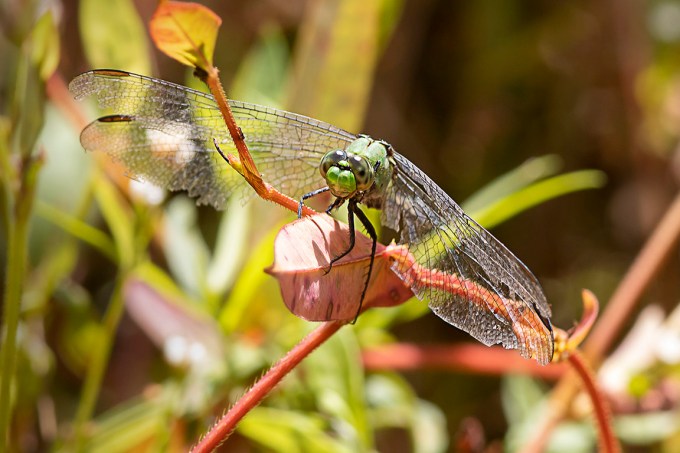
Female Eastern Pondhawk- f/11, 1/320 sec, 300mm f/4 w/ 1.4X teleconverter
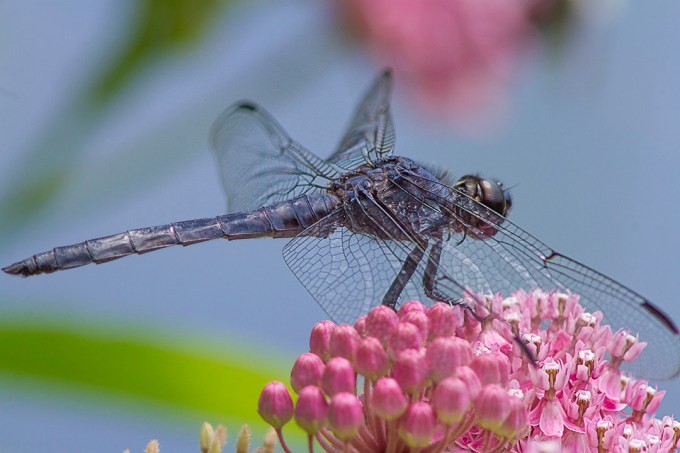
Slaty Blue Dragonfly, f/11, 1/160 sec, +1/3 exp. comp, 300mm w/ 2X teleconverter, Single image, flew off before focus stacking images
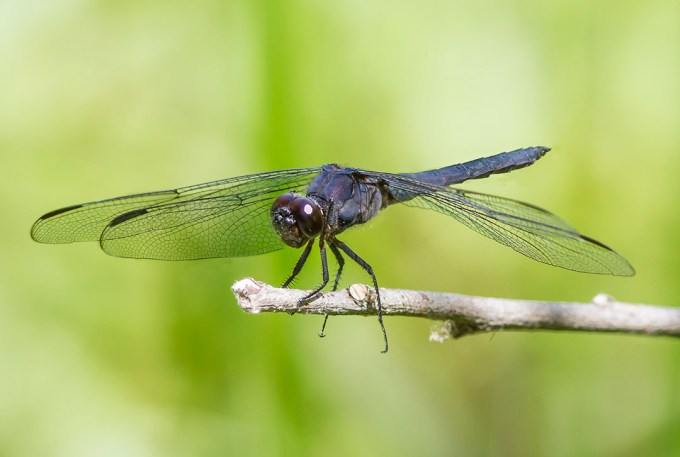
Slaty Blue Dragonfly, f/10, 1/320 sec, 300mm w/1.4X teleconverter, effective 420mm
Chipping Sparrow In Tree
Posted on May 9, 2018
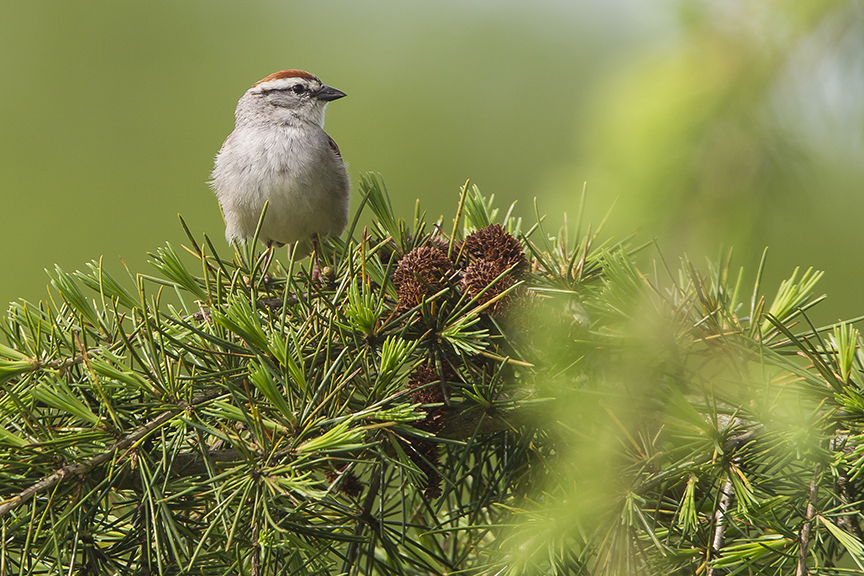
While I was photographing the Bluebirds I saw a few different types of Sparrows and Finches. This Chipping Sparrow was watching me from a nearby tall tree, so I got a few shots while the Bluebirds were out in the fields. I usually photograph raptors and larger birds like herons, egrets, etc., so it was fun to photograph these smaller birds, but more of a challenge since they are smaller targets. Plus harder to get close images of them because they are so skittish. I found if I just setup in an area with a bunch of trees around me they would fly to where I could get good shots. I was shooting with a 2X teleconverter & a Canon 1.6X crop camera body so it was approximately equivalent to 1280mm on a full frame camera.
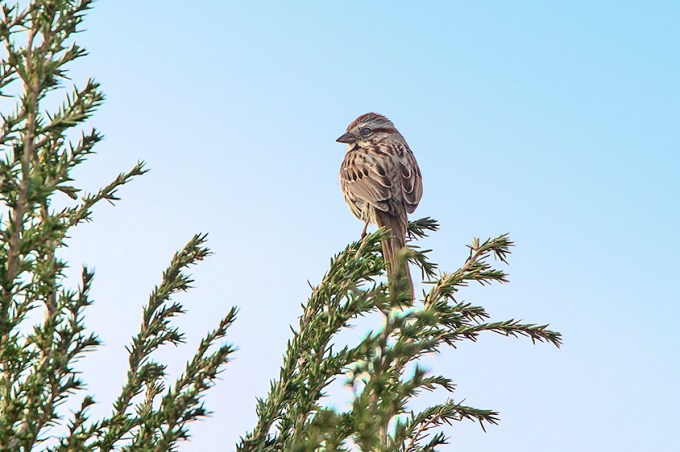
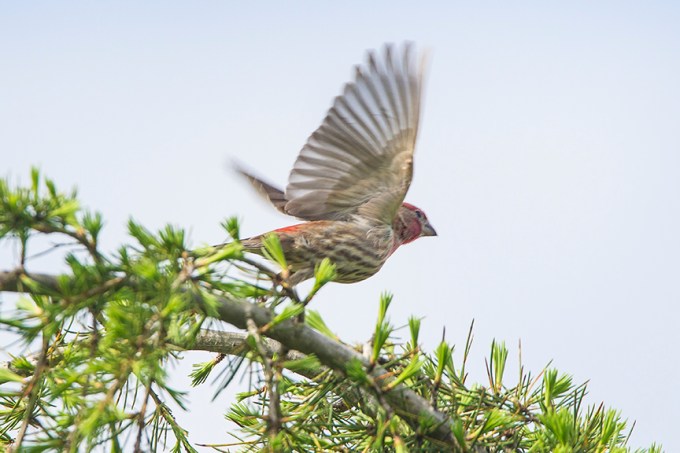
Below are a sampling of some of the different birds that stopped by to see what I was doing. A variety of sparrows and a House Finch.



Roseate Spoonbills
Posted on April 30, 2018

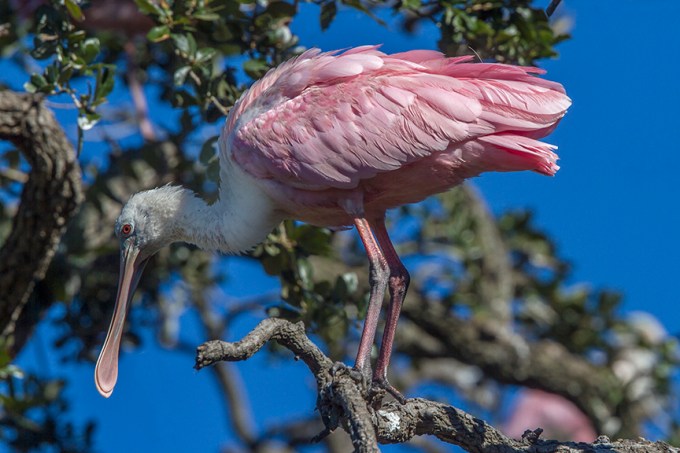
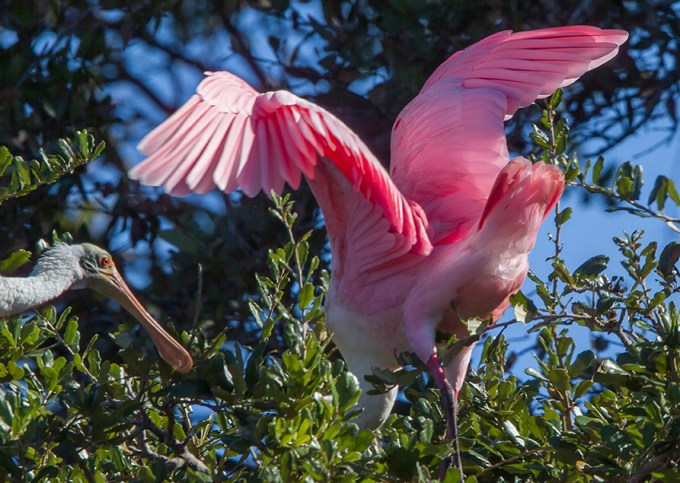
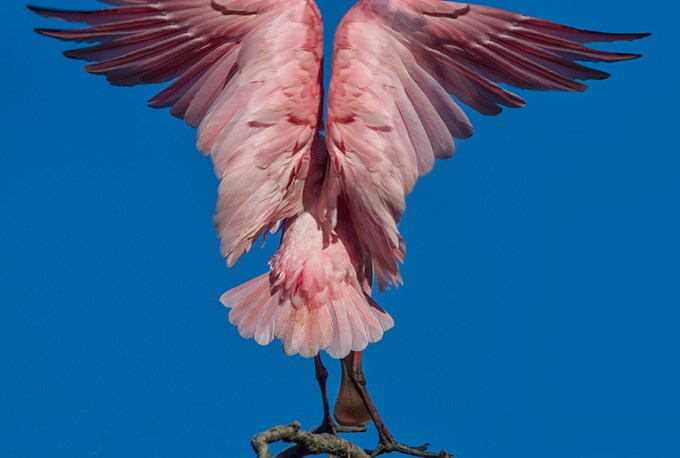
These were from a previous trip to Florida. Did not post these then, but was working on older files and found them and decided to work on them. They are a fun bird to photograph and almost comical in some ways. Plus they are a large and colorful bird so easier to fill the image and get interesting poses. It is fun to watch them interacting with each other. You just have to make sure you do not overexpose the whites especially in bright sunlight.



Black-Crowned Night-Herons In The Trees
Posted on April 12, 2018

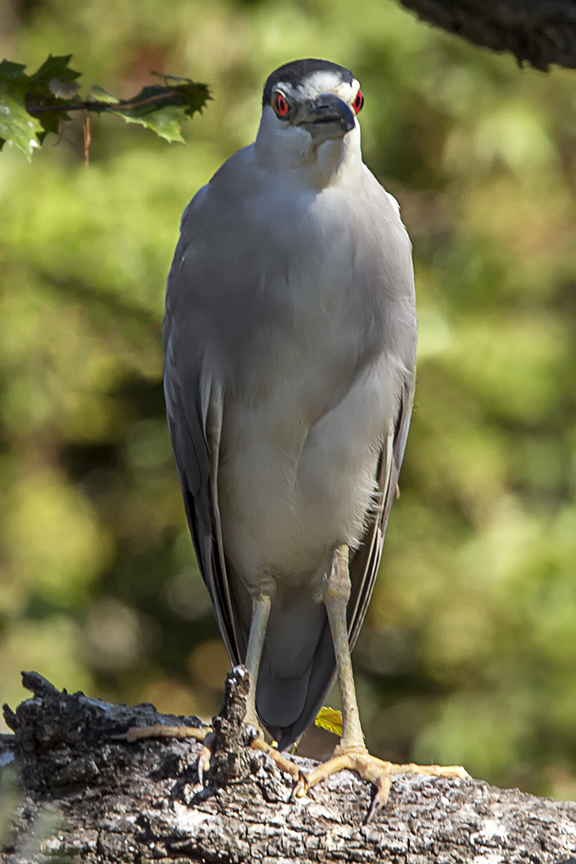
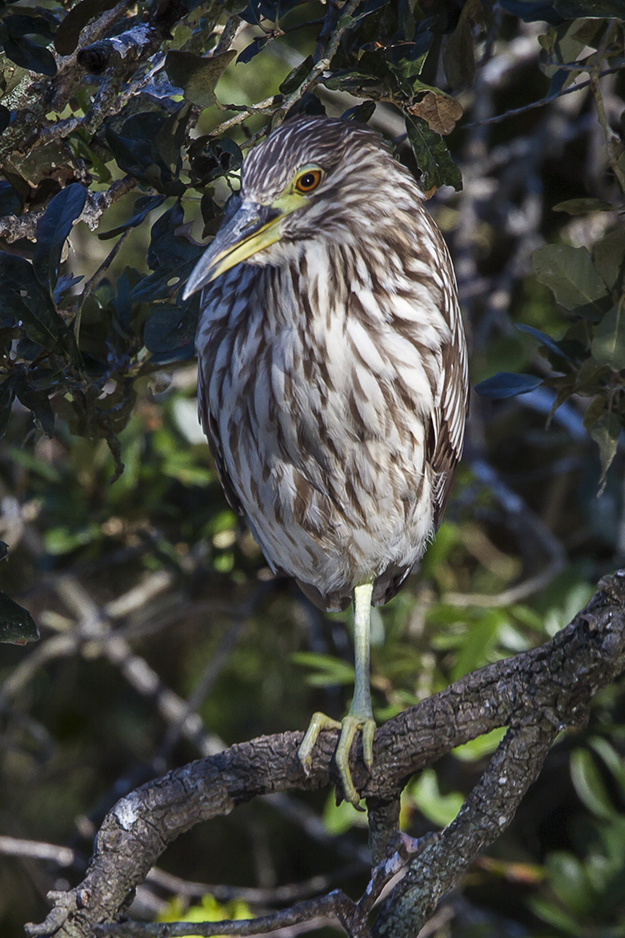
These are from a previous trip to the Saint Augustine Alligator Farm in Florida. Sometimes it takes me a while to go through images that I have shot in the past. We found quite a few Black-Crowned Night-Herons that had nests in the trees at the St. Augustine Alligator Farm on this trip. We got there late in the afternoon and only had a short amount of time to photograph. They were just hanging out on the branches near their nests. It was interesting to photograph them in the dappled light, giving a slight highlight effect. We were surprised how many had nests in the trees there. If you waited for them to move around you could get shots with the sun highlighting their head. This is a series with mature and immature Black-crowned Night-herons. They are one of my favorite herons to photograph because of how they are often hidden in the vegetation and their animated action when catching a meal. Also they are more seclusive and a challenge to get uncluttered images of them. There were also large amounts of other Herons, Egrets and Spoonbills. I also believe you can get there early and pay extra to get in early to photograph on the boardwalk.


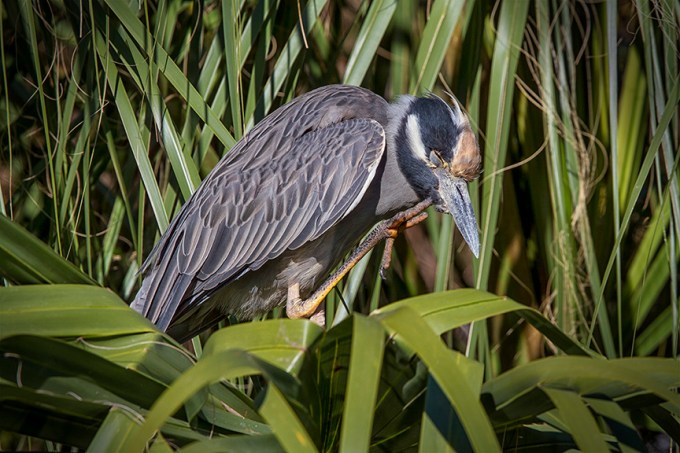
Yellow-Crowned Night-Heron
Posted on April 9, 2018
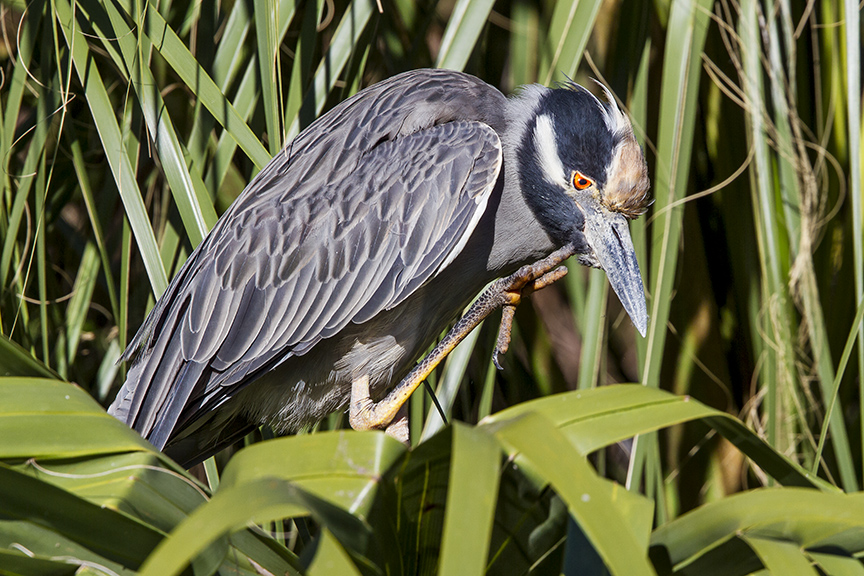
I was looking through one of my backup Hard disks and found a series of images from a trip to Florida years ago that I had not worked on. They were from the St. Augustine Alligator Farm with a lot of birds nesting in the trees. There were lots of Black & Yellow-crowned Night-Herons, Roseate Spoonbills, Egrets and others. I was told they like nesting here because their nests seem safer because the alligators take care of predators that invade their nests.

 photoartflight