 photoartflight
TableTop Photography With Focus Stacking For Detail & Depth of Field
Posted on December 6, 2019

It is getting colder outside and not a lot of interesting subjects to photograph. When I was out photographing during the year, I look for interesting objects & props for subjects in my little indoor studio for the colder & snowy months. I also have a series of prepared 13 x 19 or larger backgrounds I have designed in Photoshop and printed on a heavyweight Luster Photo media. This gives me stock backgrounds ready to use for my “still life” shots. I print at the highest print setting to minimize the inkjet dot pattern in the prints, which only really might show up in very close macro shots. For this series, I used a set of 400 watt second monolights with softboxes for overall lighting. The images here are shot with a 100mm macro lens with 3 to 8 different focused area shots for each main image. Then put those shots into 1 layered Photoshop file for each of the different still life layered setups. Next I used Photoshop to “Focus Stack” and align those layers. I then used Photoshop to blend the sharpest sections of each of the layers below into one final top layer with the sharpest areas from those below. By shooting a variety of sharp focus points across your image, you “pick and choose” your areas you want sharp, or areas you want to de-emphasize by softening that area. In the “Old Days” I would have used view cameras with swings & tilts to maximize sharpness across the image. Or purposely throw off sharpness for soft out of focus areas that your eye then goes to the sharp in focus area that draws your attention to a certain spot in the image. All images in this series were photographed with a Canon 100mm f/ 2.8 macro lens.
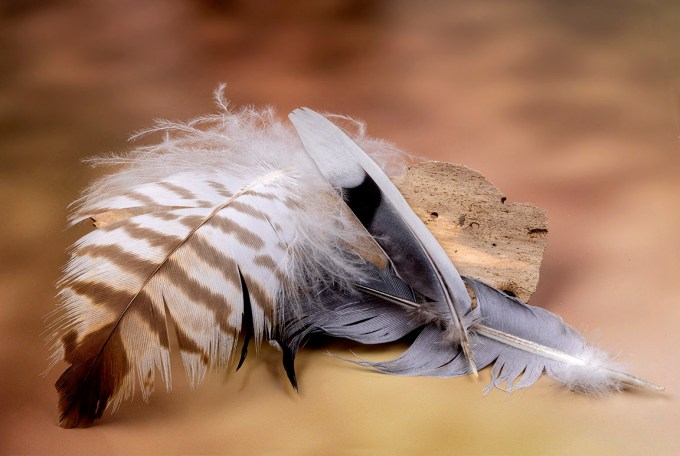


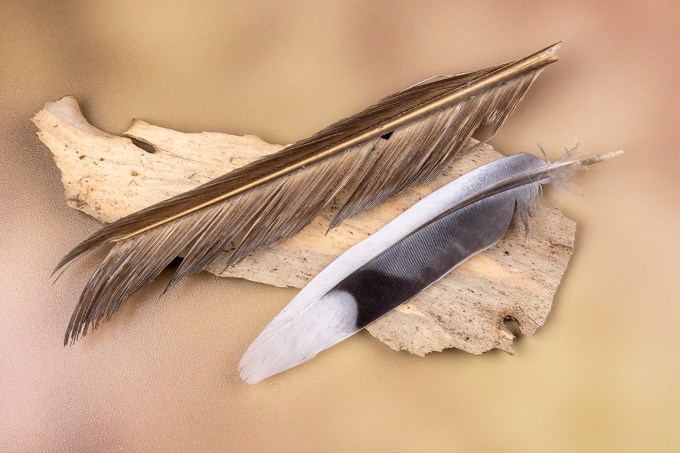
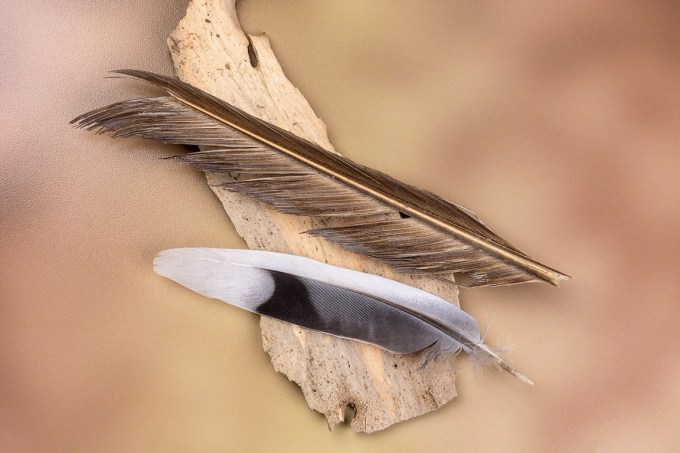
Sometimes you try a few layouts then choose the one you like best when they are all assembled. The image above this one was the image I liked best from these 2 layouts, Probably because they were pointing upwards instead of downward.
Great Egret Catches Lunch
Posted on October 17, 2019
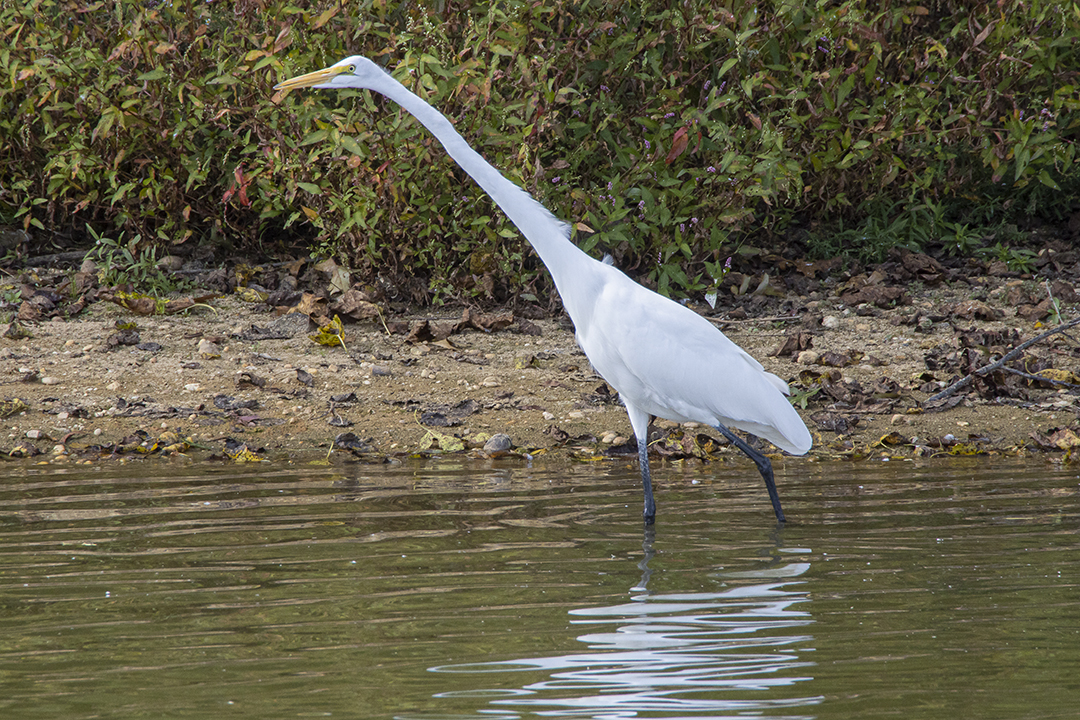
Outside our complex is a small pond along an access road. There usually are a lot of Canada Geese here, but scattered along the far shoreline in the pond are Great Egrets, Great Blue Herons and Cormorants. Also a few shore birds are working along the edge. It is down a slope from the road, so you are sort of shooting down at them from quite a distance so you need a long lens to photograph them. Because of the distance I was using a Tamron 150-600mm lens with a Sigma 2X teleconverter for a 1200mm field of view to fill the frame more with the birds. I am surprised the Canon R autofocuses quickly with the combination of a 2X Teleconverter on a f/6.3 zoom lens. With the 2X teleconverter on the Tamron 150-600mm f/6.3 lens, my wide open f/stop was f/13. So I stoped down to f/16 to help with shrapness. My Canon 1D Series bodies would not autofocus past f/11 if you stacked teleconverters.
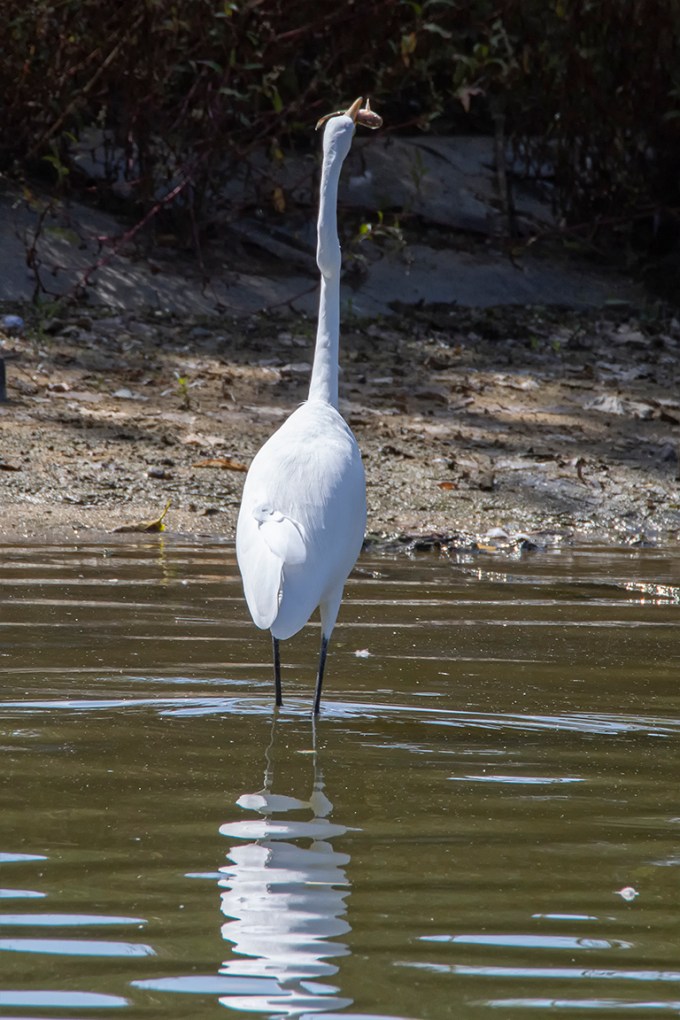
Great Egret finally catches a fish for lunch – Canon R @ 1200mm
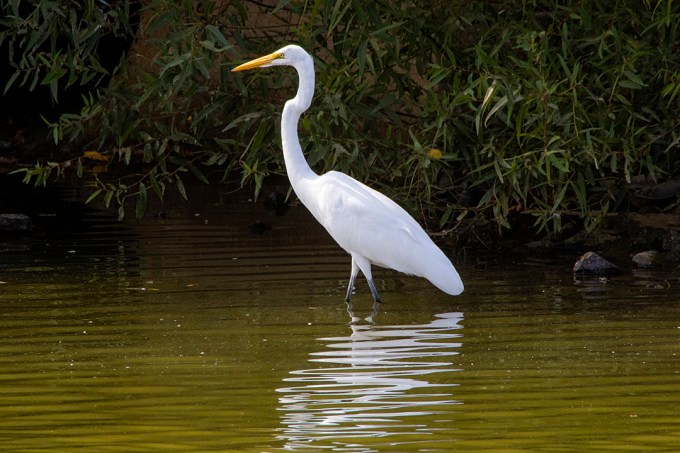
Great Egret Working Shoreline – Canon R @ 1200mm

Great Egret Working It’s way down the far Shoreline – Canon R @ 1200mm

Cormorants Swimming By – Canon R 1200mm

Cormorants Swimming By – Canon R – 1200mm

Great Egret working the Far Shoreline – Canon R – 1200mm
Great Blue Heron In Finis Pool @ Bombay Hook NWR
Posted on October 2, 2019

Towards the end of the Wildlife Drive at Bombay Hook is Finis Pool. Quite often you can get photos of turtles here along with ducks. On this day we found a cooperative Great Blue Heron that posed for us. We took a few images and then moved on to not disturb the Heron. Plus a couple of turtle images, since we were there. Here I was using a Canon R with a Tamron 150-600mm zoom.
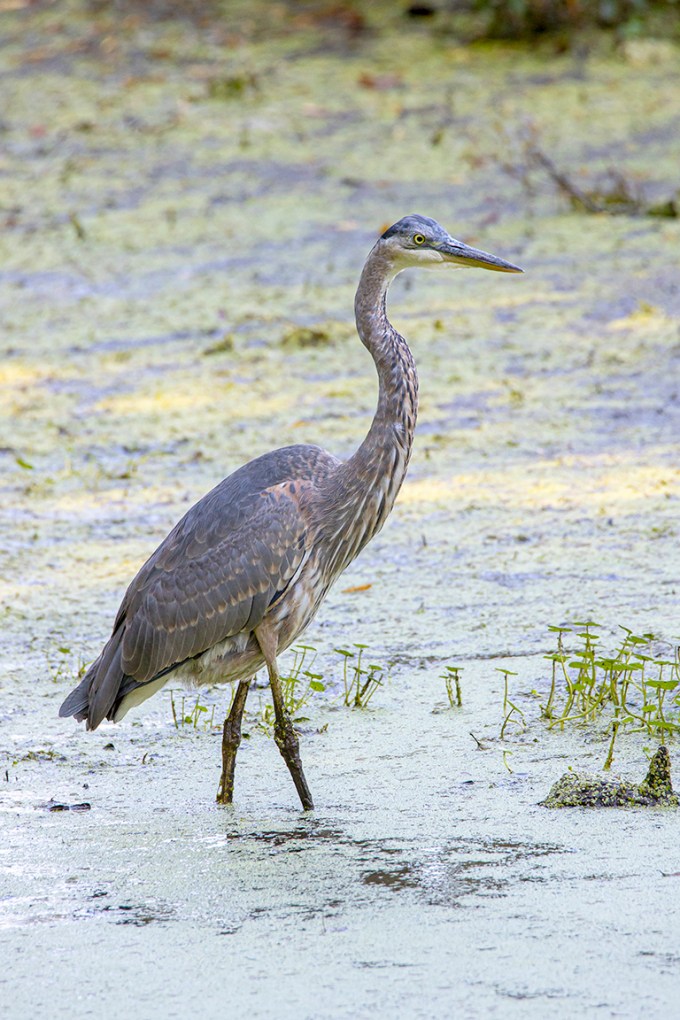
Great Blue Heron @ 600mm
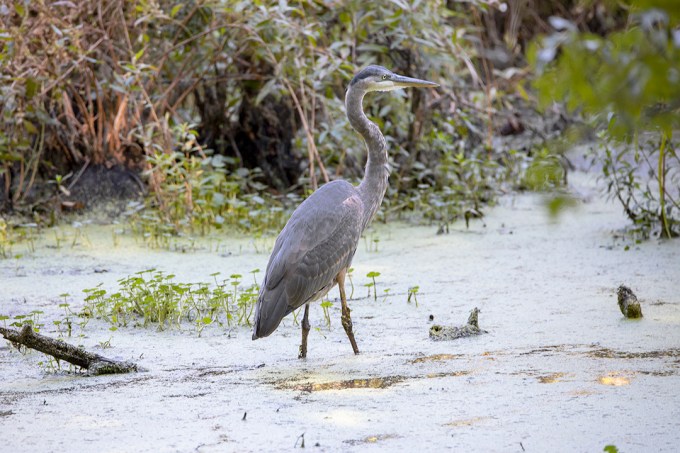
Great Blue Heron @ 428mm
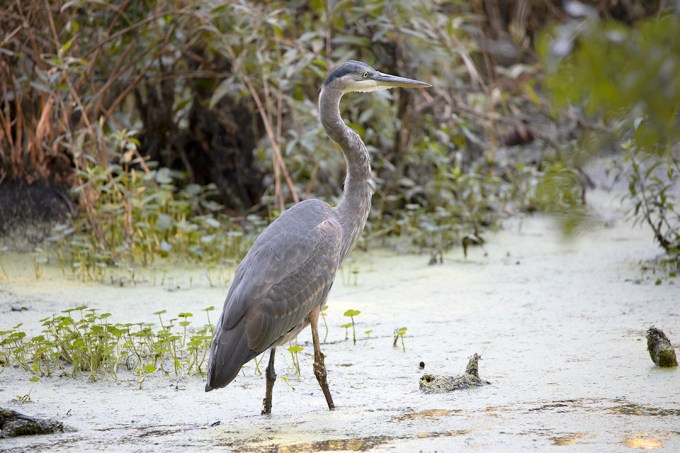
Great Blue Heron @ 600mm
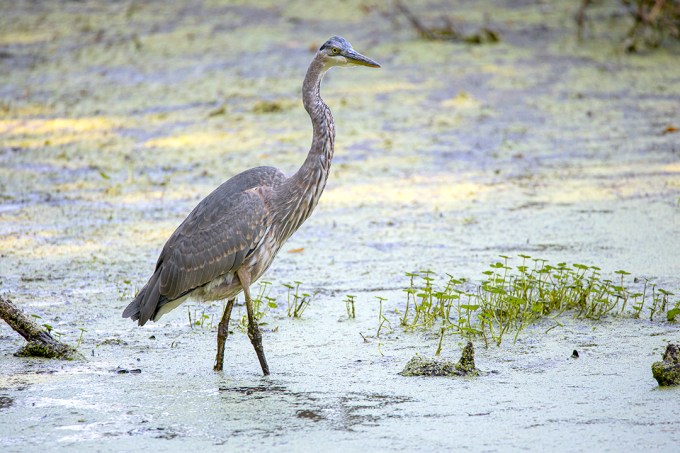
Great Blue Heron @ 600mm

Turtle on Stump – Finis Pool – 600mm
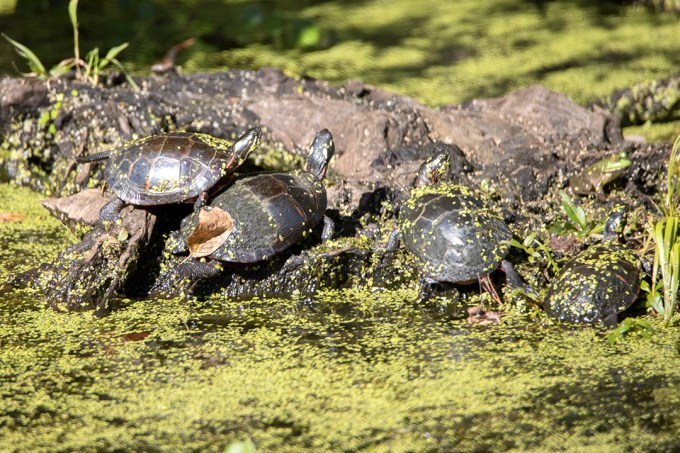
Turtles Warming In Sun – Finis Pool, 600mm
American Avocets At Bombay Hook NWR
Posted on October 1, 2019

On our visit to Bombay Hook National Wildlife Refuge we saw large flocks of American Avocets. The only problem was they were so far out in the Shearness Pool. Photographing large flocks was acceptable at 600mm, but I added a 2x teleconverter to get to 1200mm for individual Avocets. Even then I had to crop quite tightly for the individual Avocets. These are also handheld, so I upped my ISO to 1200 ISO and f/16 hoping for more sharpness with the 2X Teleconverter.

Avocets @ 600mm

Avocets @ 1200mm

Avocets @ 1200mm

Avocets @ 1200mm
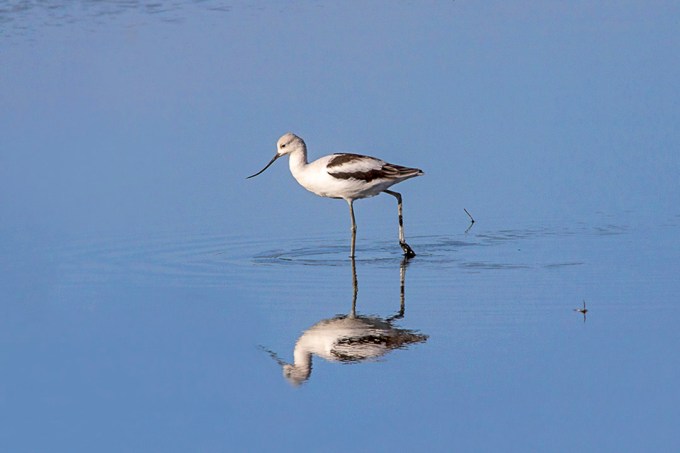
Avocets @ 1200mm
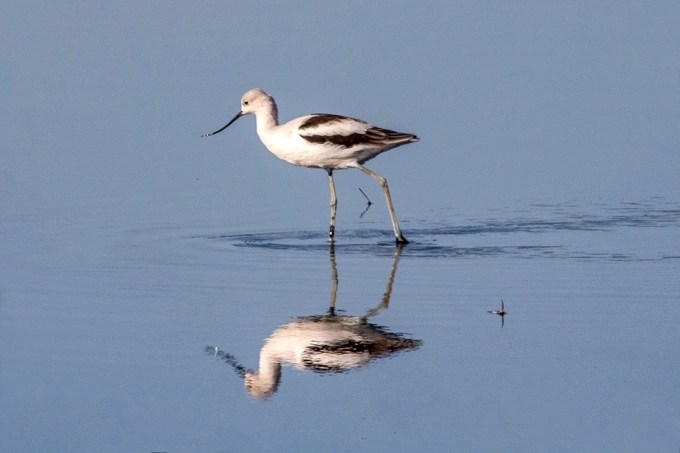
Avocets @ 1200mm
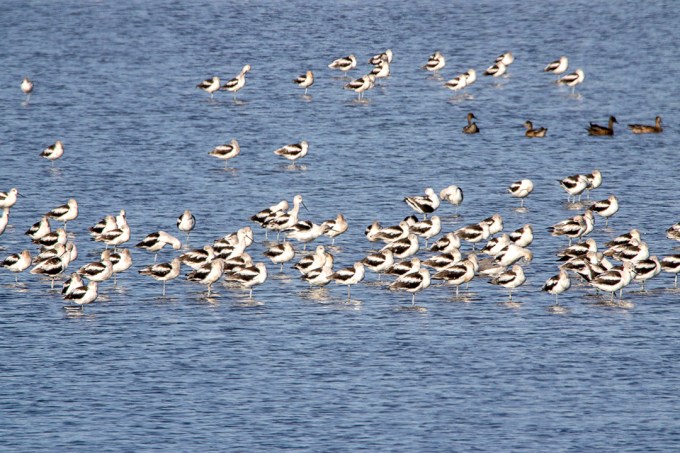
Avocets @ 600mm
Semipalmated Sandpipers In Flight
Posted on September 30, 2019

We went to Bombay Hook National Wildlife Refuge in Delaware to see what we could find for photo subjects. Usually you can find some close birds, but most of the pools were dried up so that limited quite a few spots to photograph. Also landscapes are nice here, with nice cloud formations to add interest. It is a large NWR and usually most photo subjects there are quite far in the distance, so you need long lenses. But sometimes they cooperate and you find some closeup subjects. Especially when the pools have water. It is fun to see what you can find. This post features flying Semipalmated Sandpipers

Semipalmated Sandpipers In Flight at Shearness Pool @ 600mm
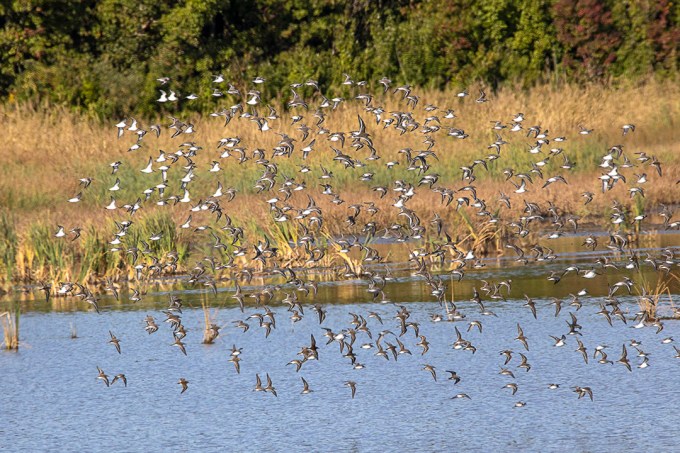
Semipalmated Sandpipers In Flight at Shearness Pool @ 600mm

Semipalmated Sandpipers In Flight at Shearness Pool @ 600mm

Semipalmated Sandpipers Foraging
Beaver Lodges At Davidsons Mill Pond Park
Posted on September 26, 2019

A few weeks ago we were at Davidson’s Mill Pond Park and we saw a lot of Beaver activity by the water areas along the trail through the woods. We were there for a walk so I only had a m43 camera with a 14-140mm zoom, which with it’s small sensor has a field of view sort of equivalent to 28-280mm on a full frame camera. There are a lot of fallen trees so we could see they have been very busy. But as were were looking at what we thought was a Beaver Lodge, a beaver actually ran along a fallen tree and submerged to go inside the Lodge. It was fun to watch, but Beavers are mostly busy at night. It was a distant shot so it was not great, but I still documented it. We went back, but during the day they are usually not active, so I was shooting a series of the 2 Lodges we could see and the surrounding landscape. Around the bend we thought we spotted a few more Lodges but could not get clear shots of them. Another Park we enjoy walking in, Plainsboro Preserve & Audobon Facility, has even more Beaver Activity / Damage. But it is hard to get close to the water, and along the trails you see more trees chewed down. So there is even more Beaver activity there.
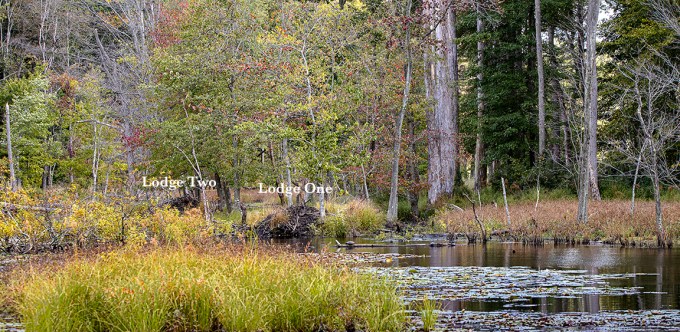
3 image Panorama of the 2 Lodges

CloseUp Beaver Lodge #1
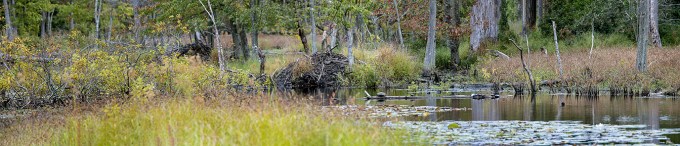
Beaver Lodge #1 & 2- 7 image Panorama – Tamron 150-600mm @ 150mm – showing surrounding landscape

Beaver Lodges 1 & 2 – 5 img Panorama, Tamron 150-600mm
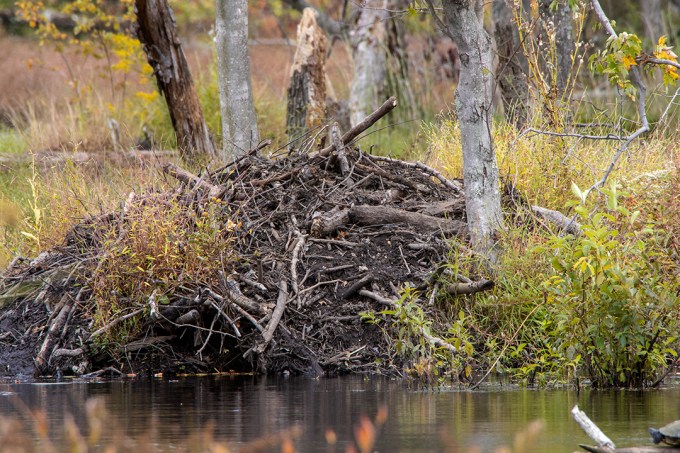
Closer View Beaver Lodge #1
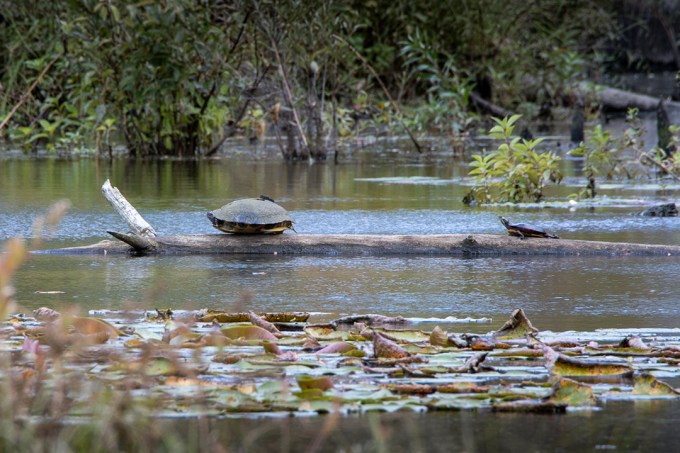
Turtles on felled tree by Lodge #1

CloseUp Beaver Lodge #2

Beaver Felled Tree – Amazing how they can take down Large Trees
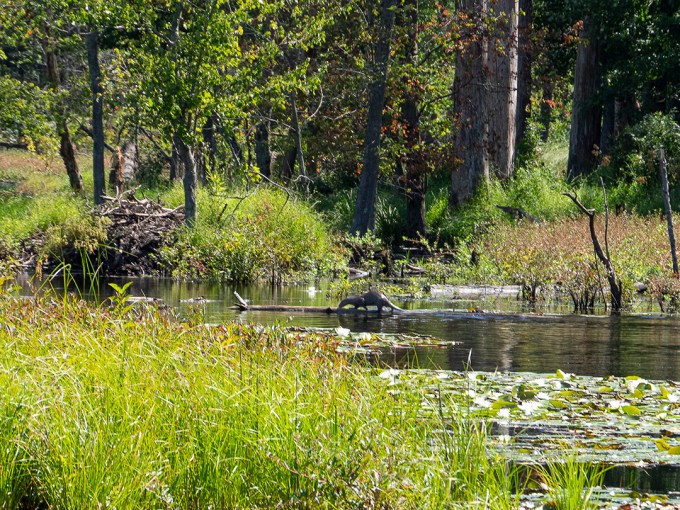
Beaver “Lodge #1” with Otter in forground – 140mm m43, X-Large crop
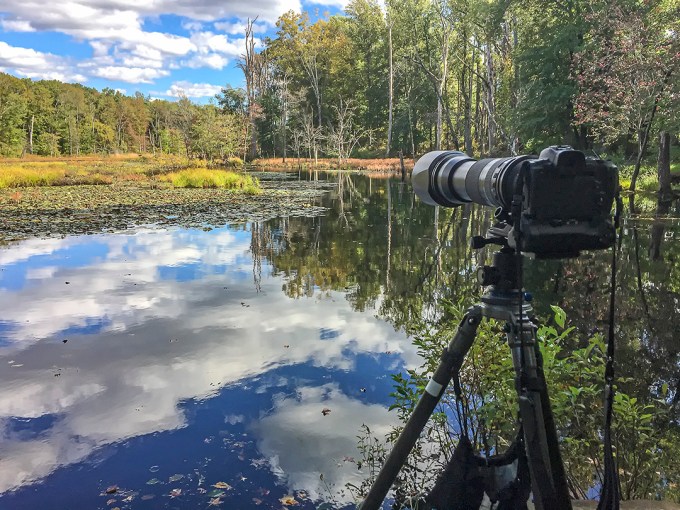
Camera setup to photograph Lodges in the distance, iPhone 6

Tree Felled by Beavers – Amazing how many there are and how long it must take. but I guess they do not have anything else to do.
Praying Mantis Garden Close-ups
Posted on September 25, 2019
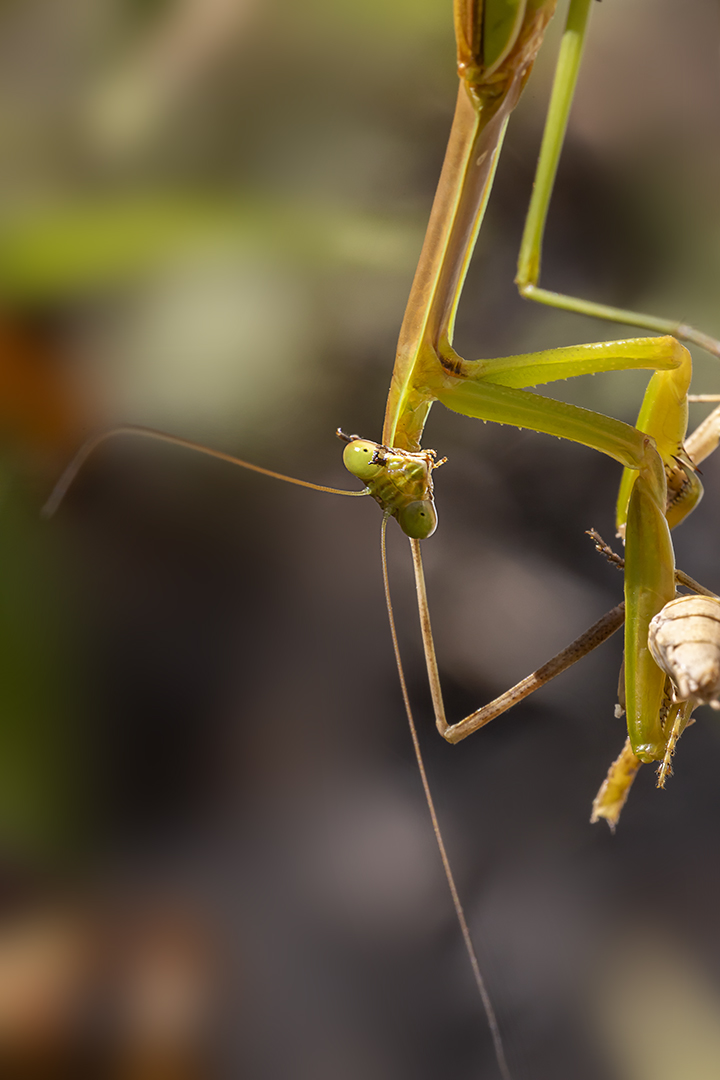
We seem to have had a lot of Praying Mantises in our Gardens this year. We also saw quite a few in local parks. This series shows some closeups shot with a 150mm Macro. Some I concentrated more on the head, others just overall shots. When you get really close it is interesting to see their eyes and you feel they are really looking at you as you photograph them. To keep softer non-distracting backgrounds I shot @ f/8 or f/11 and smoothed backgrounds as I was working on the files. I liked the Featured image best because it seemed to say “Who you looking at!”
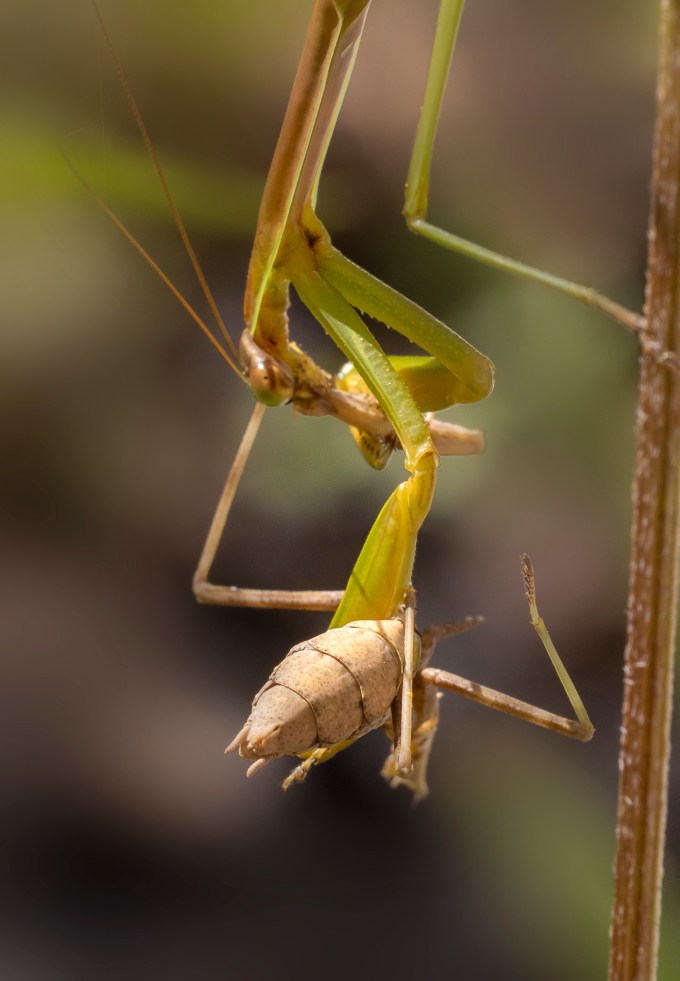
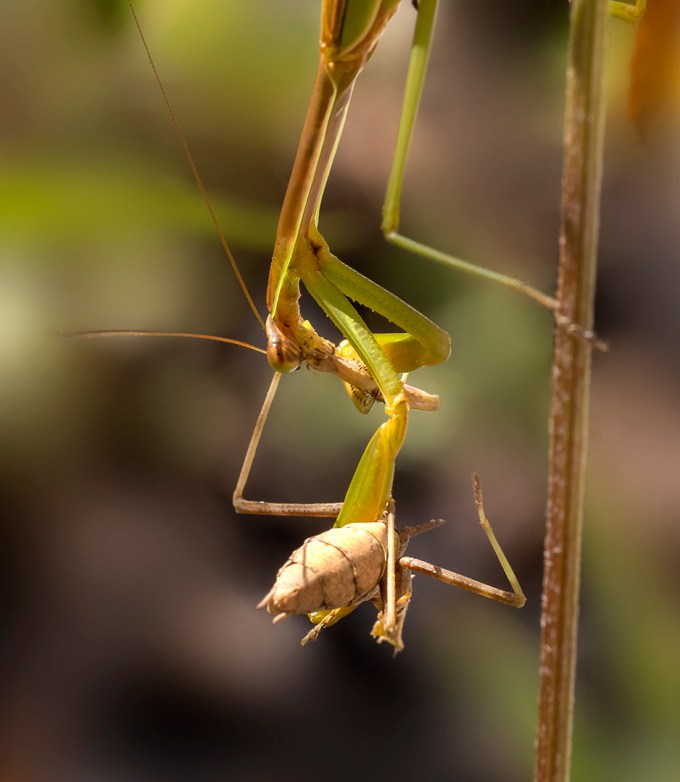
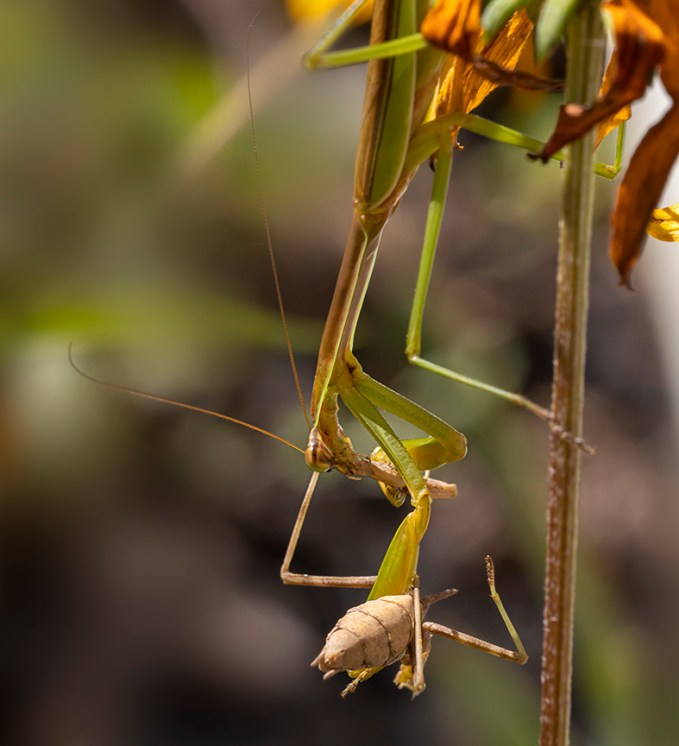
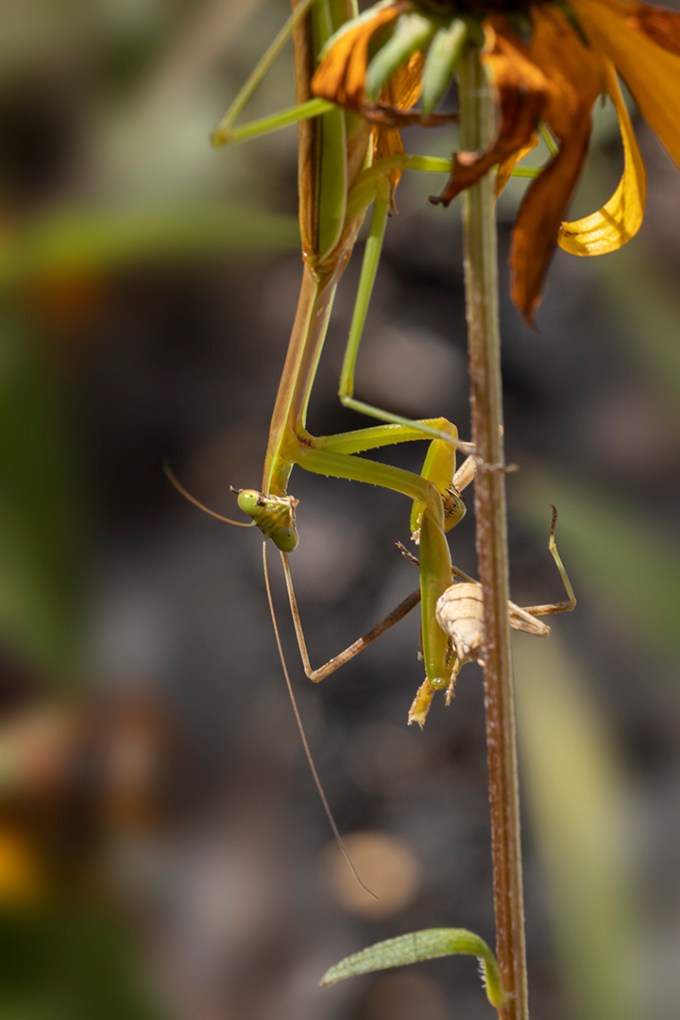
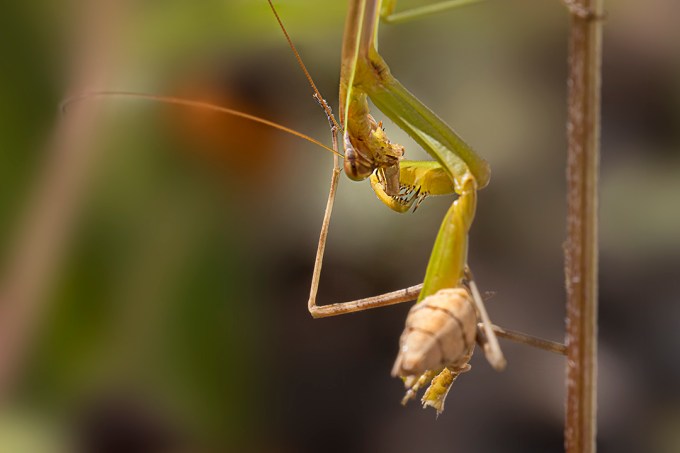
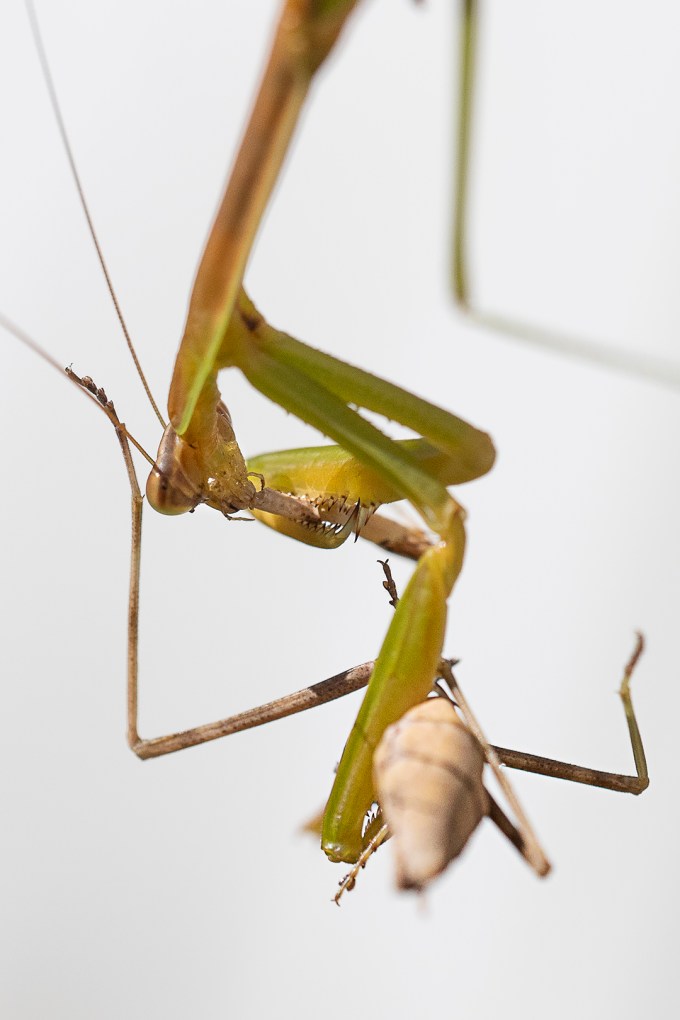
Same location, Different Angle for lighter background
End Of Season Butterflies
Posted on September 21, 2019
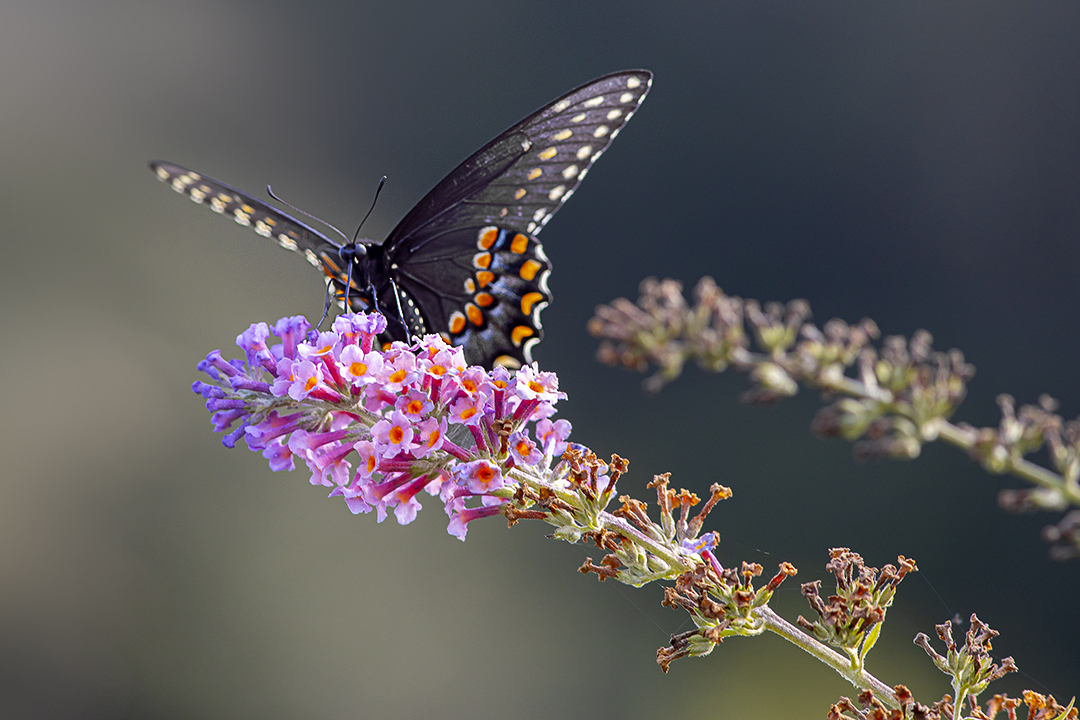
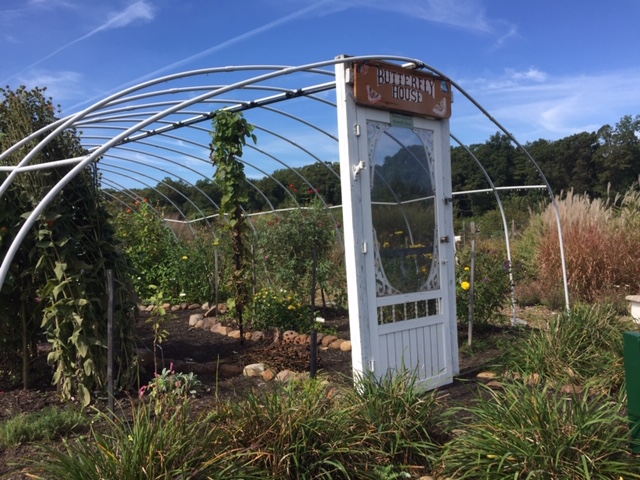
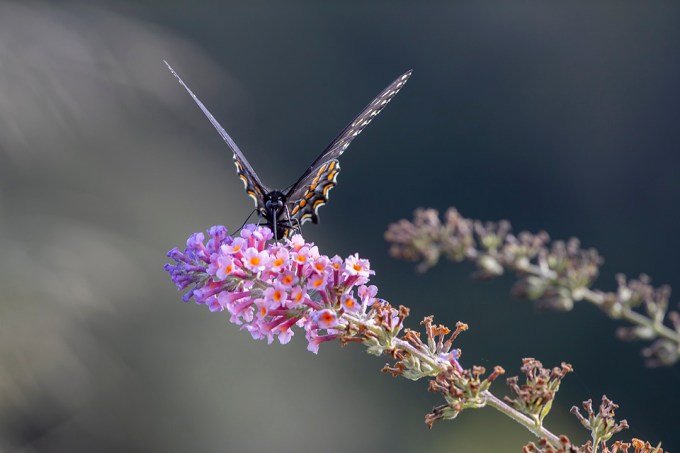
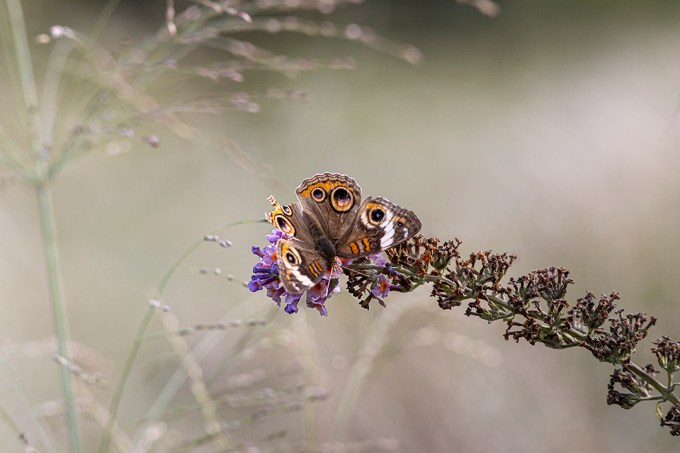
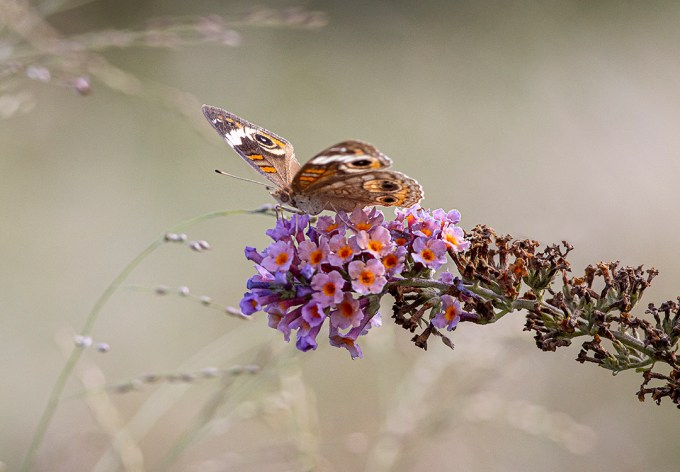
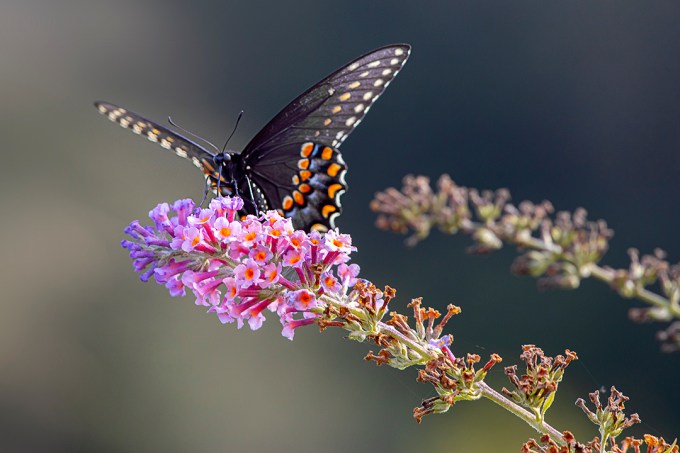
We went for a walk at Davidson’s Mill Pond Park to see what photo subjects we could find. Weeks ago was the end of season for the Butterfly House, but they still had the covering over the framework and you could still see a few butterflies flying around in there. But on this visit we were surprised they took down the covering so the butterflies were now loose in the fields and gardens around the framework. Just a few days ago the butterflies we did photograph in the fields looked quite the worse for wear. These butterflies looked in extremely good condition so we had a great time photographing them on the branches of bushes around their old home. I was using a 300mm f/4 lens but was shooting at f/4 or f/5.6 to keep the background smoother & softer to minimize a distracting background.


Night After Full Moon Camera Tests @ 1200mm & 1920mm
Posted on September 17, 2019
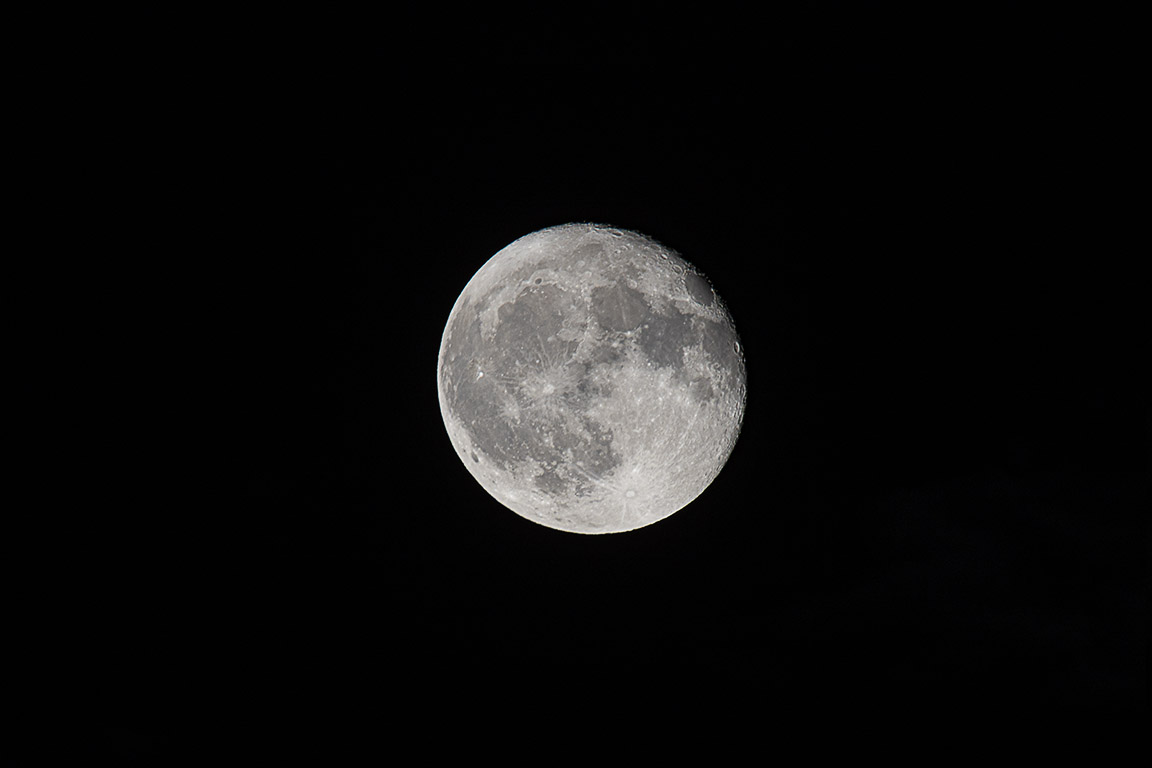
I wanted to try a few simple tests photographing the Full Moon with the Canon R Camera & the Tamron 150-600mm lens with a 2X Teleconverter. The Sigma 2X teleconverter fits on the Tamron where the Canon Teleconverters do not. I really like the Canon R compared to all my other Canon cameras because of the extremely clean image quality and low noise in the images. The 2X Teleconverter would give me the equivalent of 1200mm focal length. But on that night it was overcast and the moon was not visible. I did the tests the day after the Full Moon. So it was an almost Full Moon. I was very pleased with the test images from the Canon R. Very clean images compared with the other tests done with an older Canon 7D. In the past I usually used the 7D because of the 1.6X cropped sensor for photographing the moon. The 7D, with the 1.6X crop factor gave a FOV (Field of View) on a Full Frame camera of 1920mm, but had a lot more visible “noise” compared with the newer “R”. Even controlling “Noise” when opening the 7D file in Adobe Camera Raw and NIK Software’s Dfine noise reduction once opened, the image was quite “noisey”.
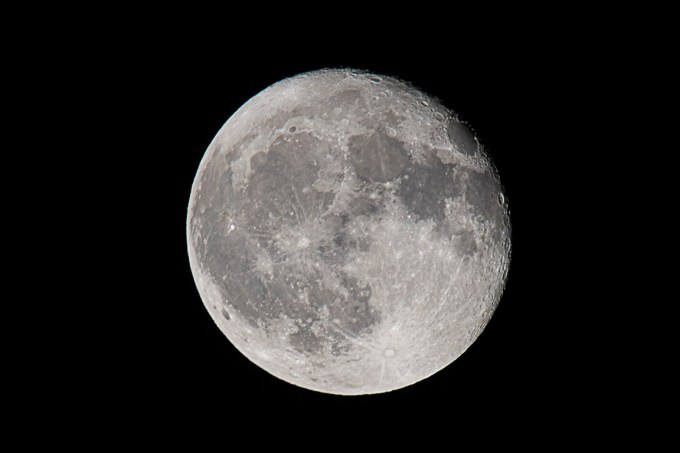
Cropped tighter image shot @1200mm with Canon R
The “Featured” Image is the Canon R, with Tamron 150-600mm lens with a 2X Teleconverter. The Canon R autofocused quickly even with the 2X Teleconverter. Next time I will try stacking 1.7x or 1.4x teleconverters with the 2X teleconverter.
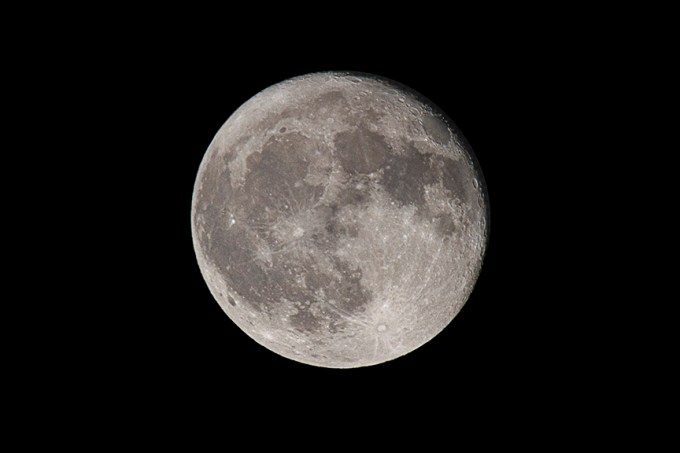
Moon Image, 7D, 150-600mm Tamron Lens, 2X Teleconverter, FOV 1920mm (Field Of View) compared with Full Frame Canon R
Recent Dragonfly Images
Posted on September 1, 2019
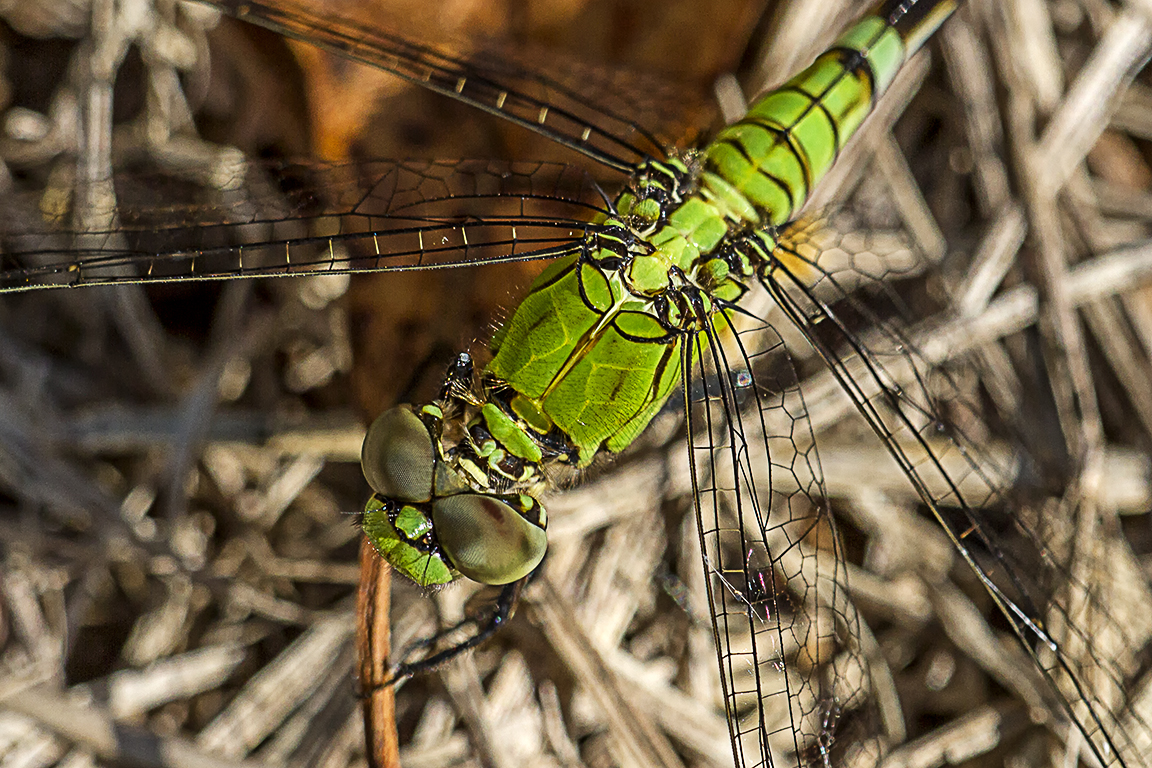
Here are a few images of Dragonflies and a Damselfly from a few local parks in our area. Most were shot with a close focusing 300mm f/4 lens with either extension tubes to get closer or 1.4X or 2X teleconverter. A few I used a Canon 400mm f/4 DO with Extension tubes and 1.4X teleconverter. The featured image is a female Eastern Pondhawk that was quite cooperative for extreme closeups. Image taken with Canon 7D, handheld, 300mm @ f/8, 1/1000 sec, ISO 400.

Blue Dasher extreme closeup – 2 image focus stack Canon 7D, Canon 300mm f/4 IS, 1.4X teleconverter, w/extension tubes
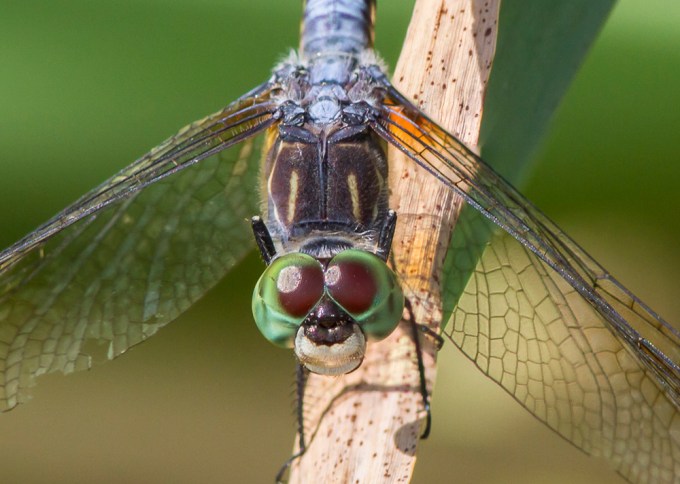
Blue Dasher extreme closeup – 2 image focus stack Canon 7D, Canon 300mm f/4 IS, 1.4X teleconverter, w/extension tubes (f/11, 1/200 sec, ISO 400)

Damselfly – multi image stack, 400mm f/4 DO with extension tubes, f/8, 1/50 sec, 1600 ISO, camera on tripod
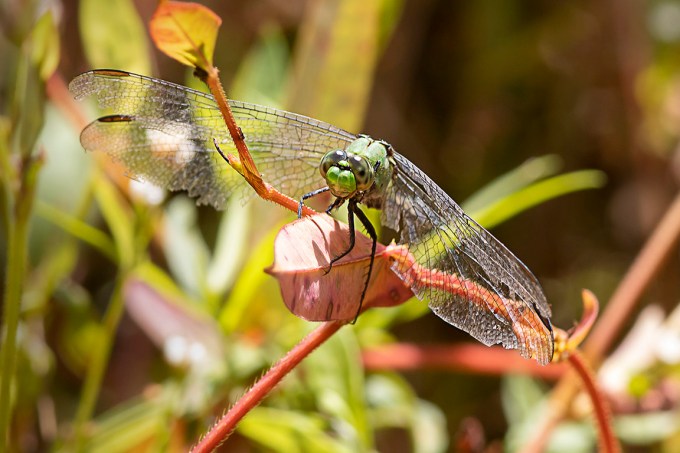
Female Eastern Pondhawk- f/11, 1/320 sec, 300mm f/4 w/ 1.4X teleconverter
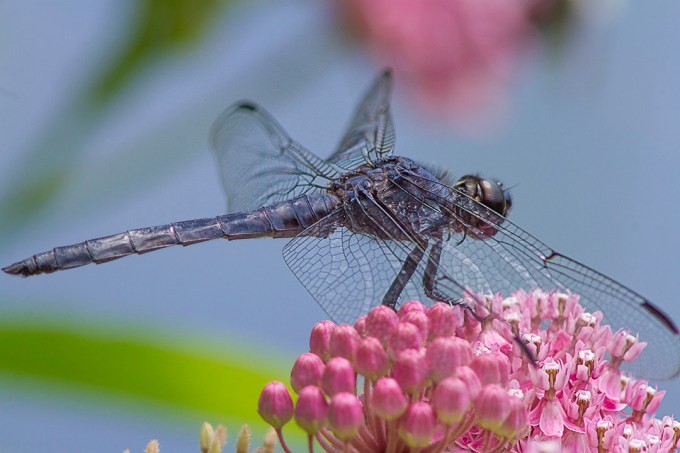
Slaty Blue Dragonfly, f/11, 1/160 sec, +1/3 exp. comp, 300mm w/ 2X teleconverter, Single image, flew off before focus stacking images
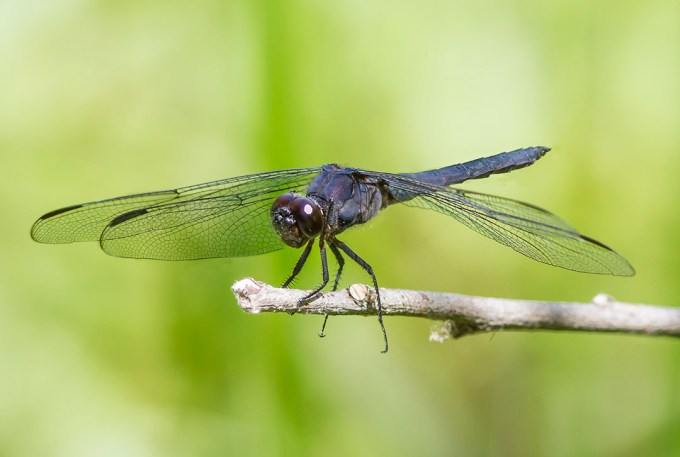
Slaty Blue Dragonfly, f/10, 1/320 sec, 300mm w/1.4X teleconverter, effective 420mm
 photoartflight