 photoartflight
Great Egret Landing
Posted on February 23, 2020
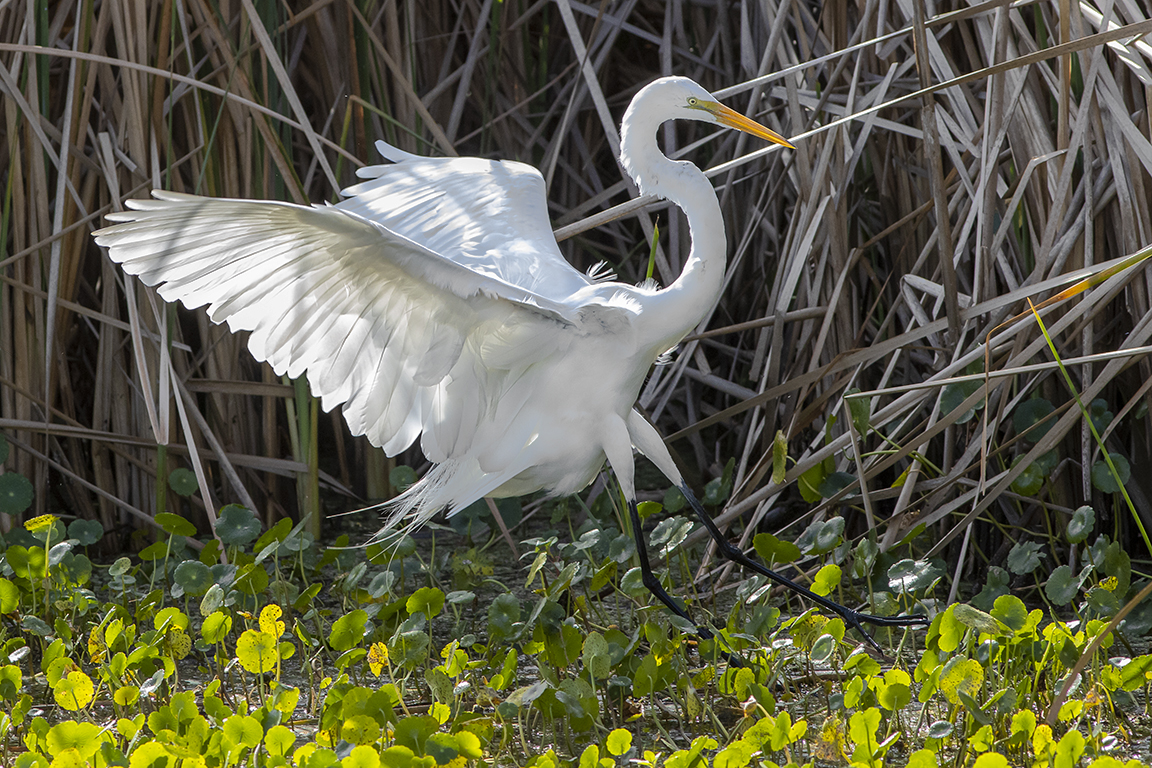
When we were photographing the Otters at Lake Woodruff NWR, this Great Egret flew in by the Otters. I liked the sunlight highlighting the feathers in the wing as it was landing. I was using a Canon R with a 300mm lens. The Canon R holds the highlight details much better than my other Canon cameras and has better shadow detail also.
Anhinga Panorama
Posted on February 2, 2020
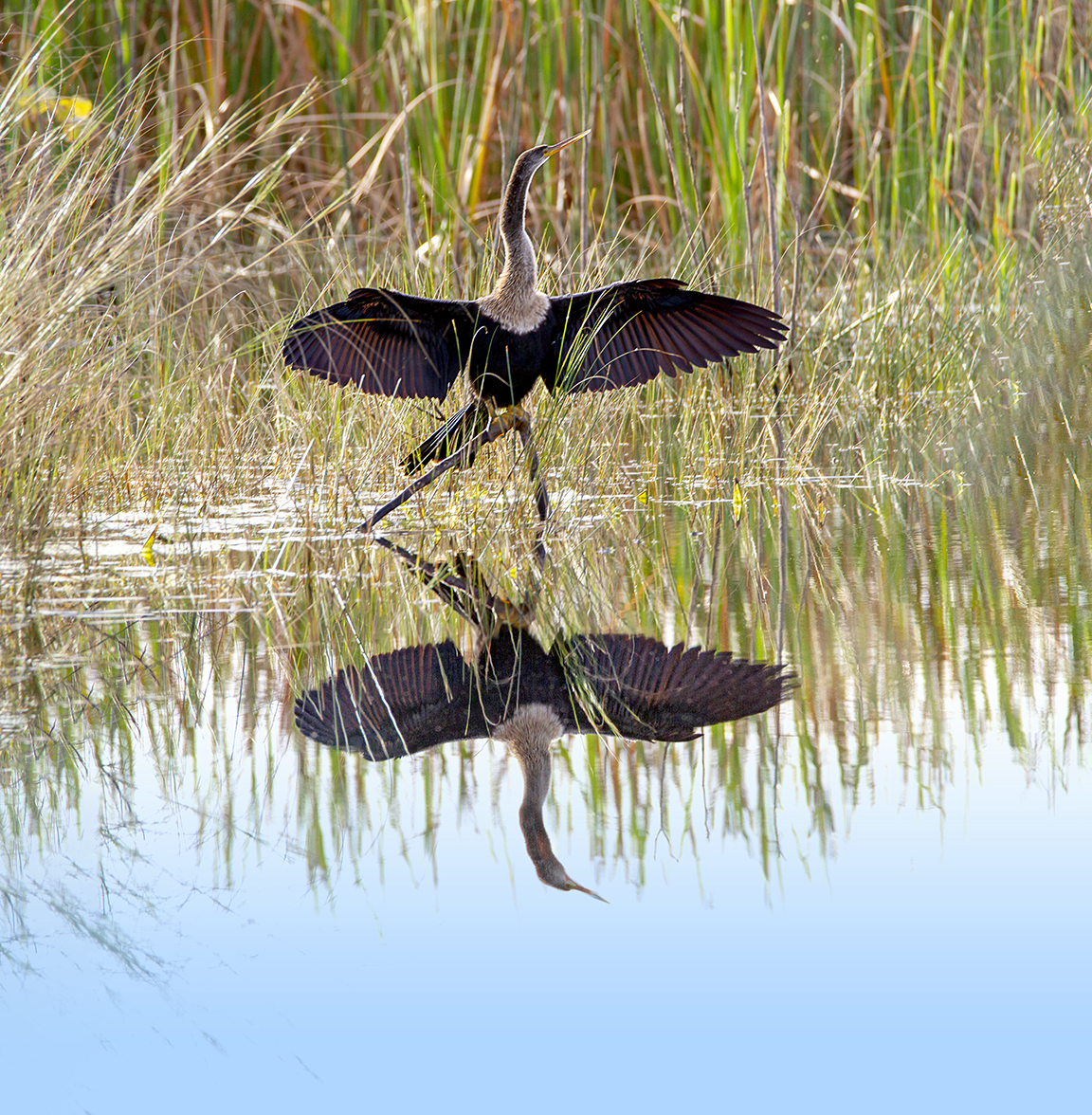
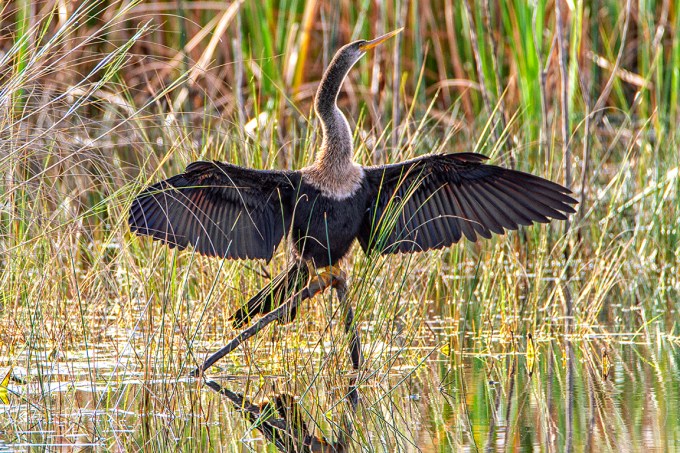
We saw quite a few Anhingas when we were at the Lake Woodruff National Wildlife Refuge. Most were females and easy to identify with their brownish neck. After fishing in and under the water they like to dry their wings in the pose above and below. They will stay with their wings stretched out for quite a while. The featured image is a 2 image panorama taken with a Tamron 150-600mm lens @ 600mm. Anhingas swim with their bodies partly or mostly submerged and their long, snakelike neck held partially out of the water. After a swim they perch on branches or logs to dry out, holding their wings out and spreading their tails. They frequently soar high in the sky, riding on thermals much like raptors and vultures.


Panoramas Are Not Just For Landscapes
Posted on October 18, 2019
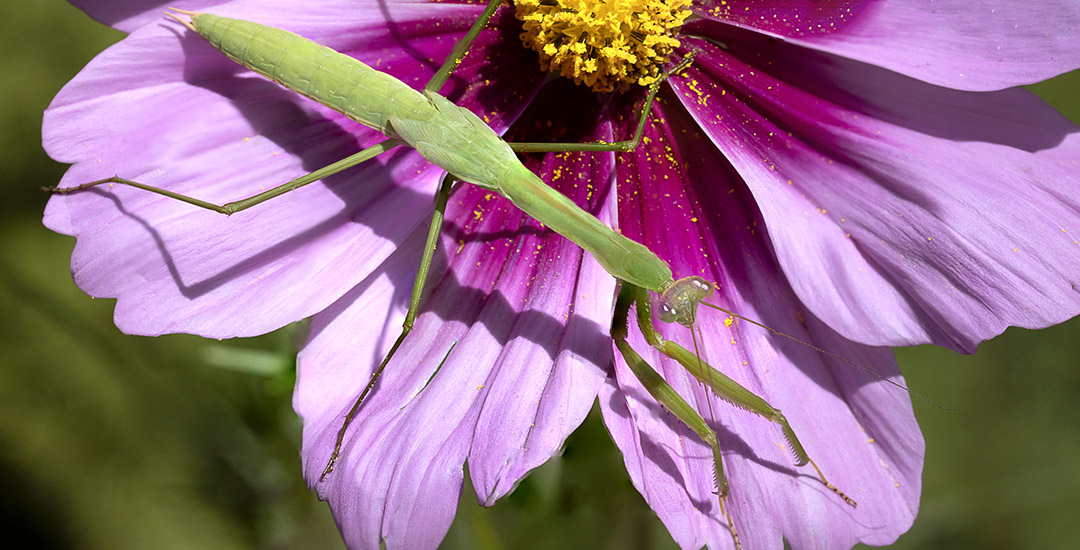
I am still going through images I photographed earlier in the Summer. The featured image is a panorama of a Praying Mantis in our garden at home. Using 3 images and assembled in Photoshop. It was a windy day so the flower it was on was blowing wildly in the wind. I had no way to stabilize the flower, so I was shooting bursts at a high shutter speed to hopefully get a sharp enough image and have the frames needed to blend together. I was shooting with a Sigma 150mm macro lens so the movement of the subject Mantis was all over in the frames. I was shooting bursts to hopefully get some in the frame and in focus and have enough to work with.
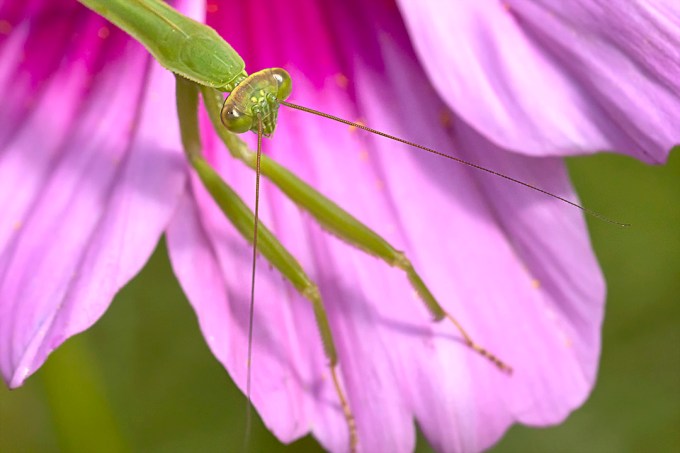
Single Image Closeup – 150mm Sigma Macro, Canon R, f/11, 1/400sec, 1600 ISO
RainDrops After The Storm
Posted on October 6, 2019

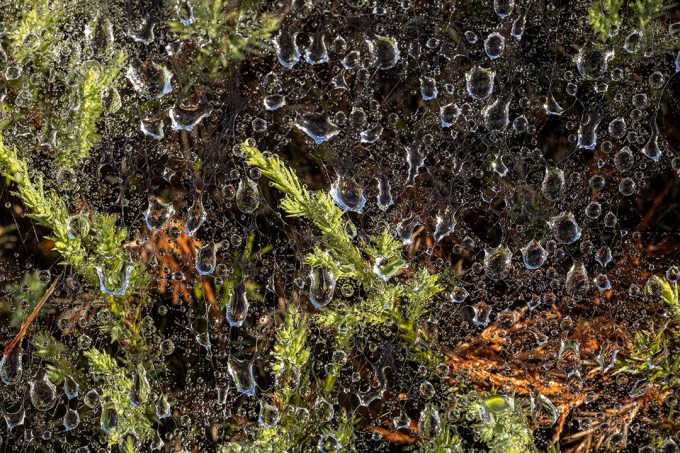
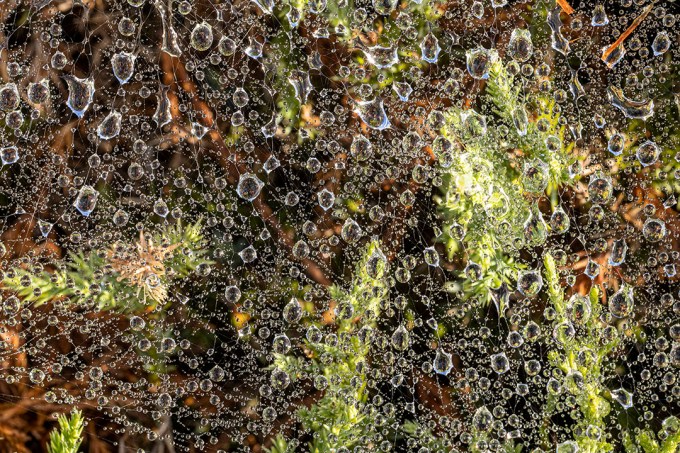
Sometimes it is fun to look for raindrops after a heavy rain storm. I tried during a light drizzle, but the camera was getting too wet. So I waited til the next morning after the heavy rain storm was over and the sun was out. I was using a Sigma 150mm macro lens for all images here. Also the images here are just single shots, except for two listed as a 2 image stacked panorama. It also helped there were webs in the bushes for the raindrops to land on.


2 image stacked panorama


2 image panorama, 150mm
Bombay Hook NWR Landscapes
Posted on October 3, 2019
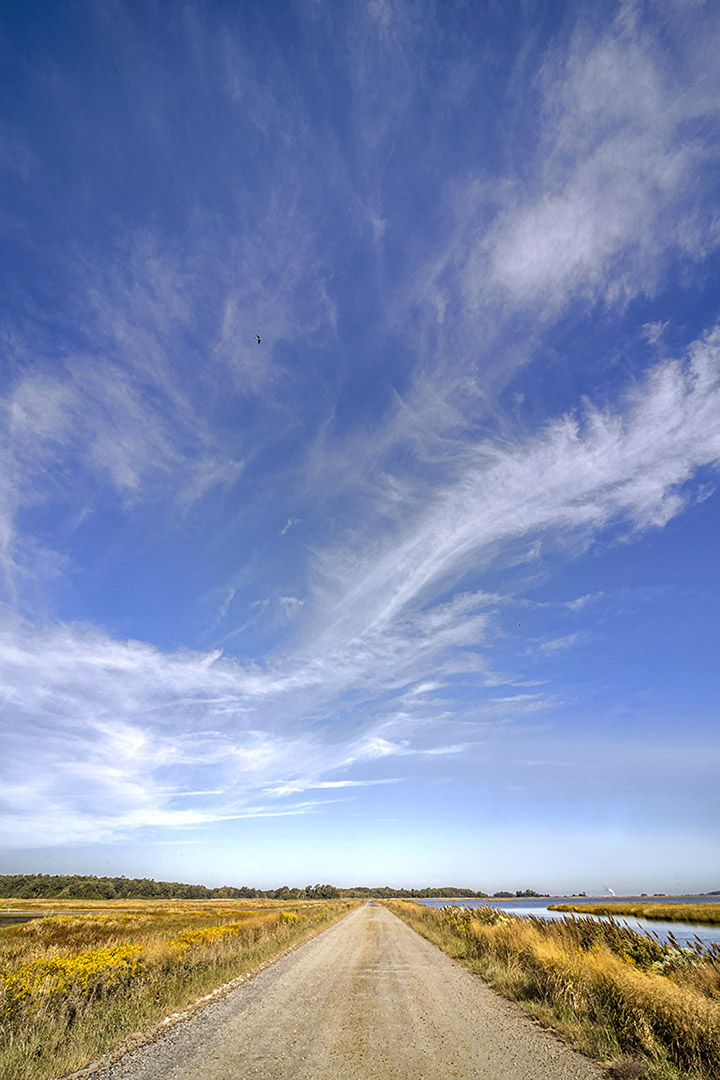
Here are a series of landscape & cloudscape images from a recent visit to Bombay Hook National Wildlife Refuge in Delaware. The featured image was shot @ 14mm along the Wildlife Drive.
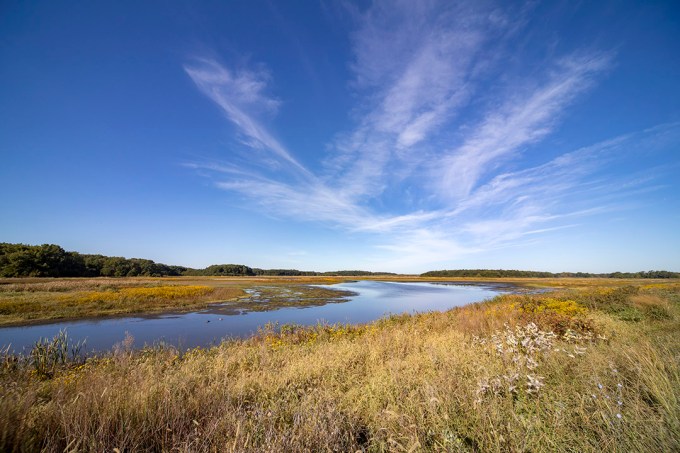
Bombay Hook Landscape along Wildlife Drive – Shearness Pool @ 12mm, Canon R
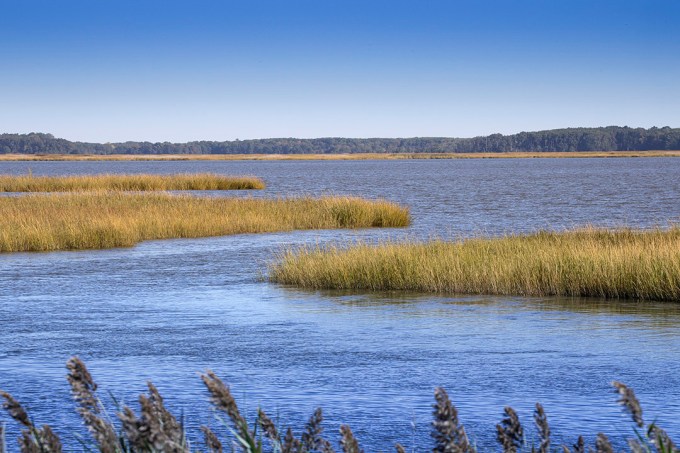
Bombay Hook Landscape along Wildlife Drive @ 158mm, Canon R, Tamron 150-600mm
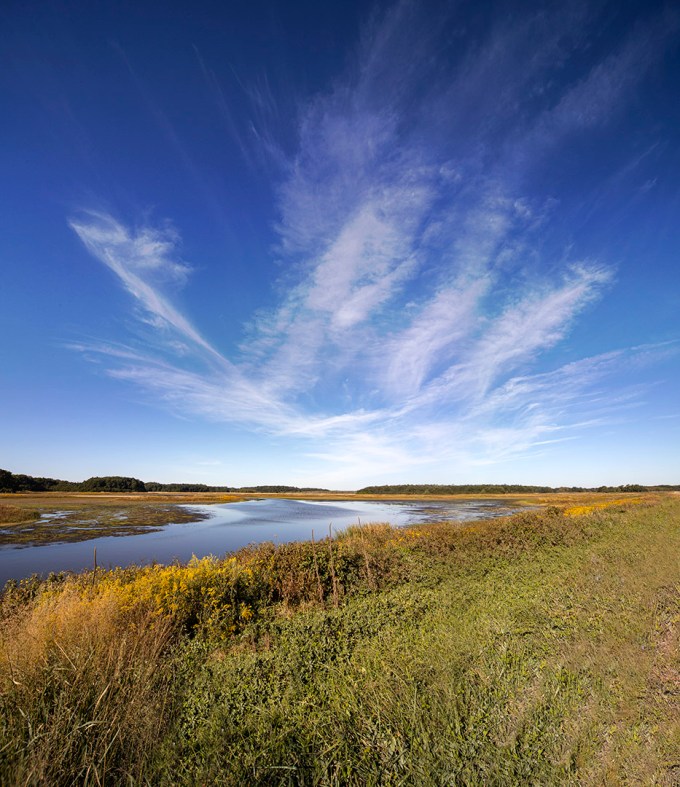
Bombay Hook Landscape along Wildlife Drive – Shearness Pool @12mm, 2 img pano, Canon R
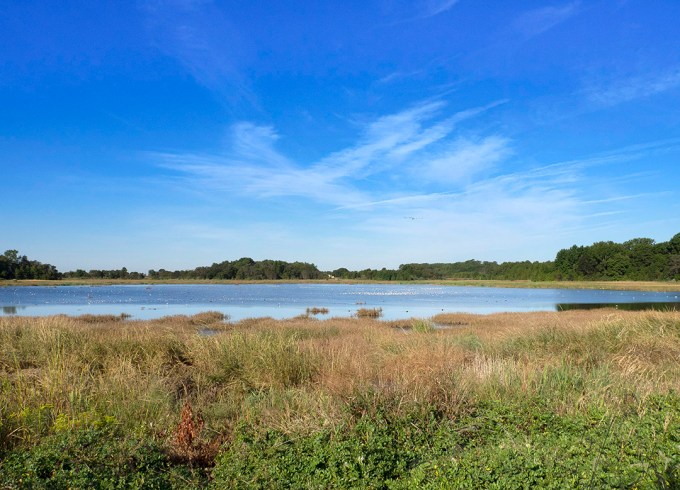
Bombay Hook Landscape, Shearness Pool along Wildlife Drive @ 14mm, Olympus OM-D
Night After Full Moon Camera Tests @ 1200mm & 1920mm
Posted on September 17, 2019
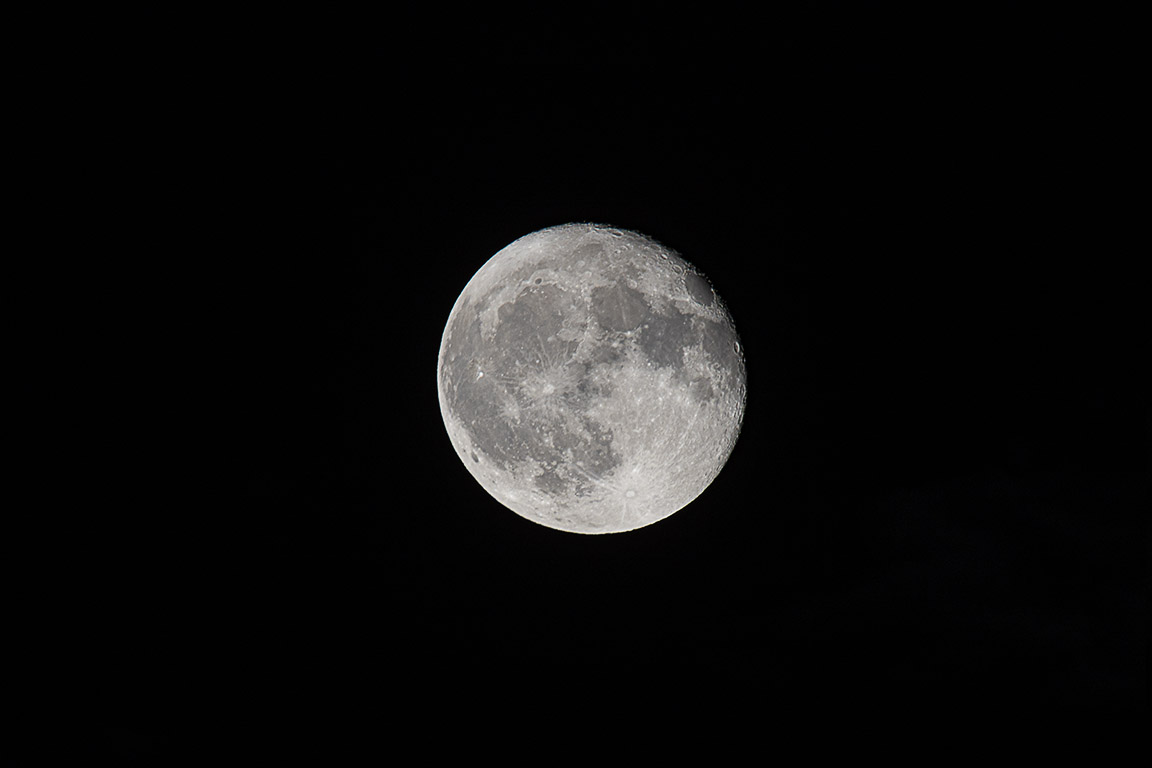
I wanted to try a few simple tests photographing the Full Moon with the Canon R Camera & the Tamron 150-600mm lens with a 2X Teleconverter. The Sigma 2X teleconverter fits on the Tamron where the Canon Teleconverters do not. I really like the Canon R compared to all my other Canon cameras because of the extremely clean image quality and low noise in the images. The 2X Teleconverter would give me the equivalent of 1200mm focal length. But on that night it was overcast and the moon was not visible. I did the tests the day after the Full Moon. So it was an almost Full Moon. I was very pleased with the test images from the Canon R. Very clean images compared with the other tests done with an older Canon 7D. In the past I usually used the 7D because of the 1.6X cropped sensor for photographing the moon. The 7D, with the 1.6X crop factor gave a FOV (Field of View) on a Full Frame camera of 1920mm, but had a lot more visible “noise” compared with the newer “R”. Even controlling “Noise” when opening the 7D file in Adobe Camera Raw and NIK Software’s Dfine noise reduction once opened, the image was quite “noisey”.
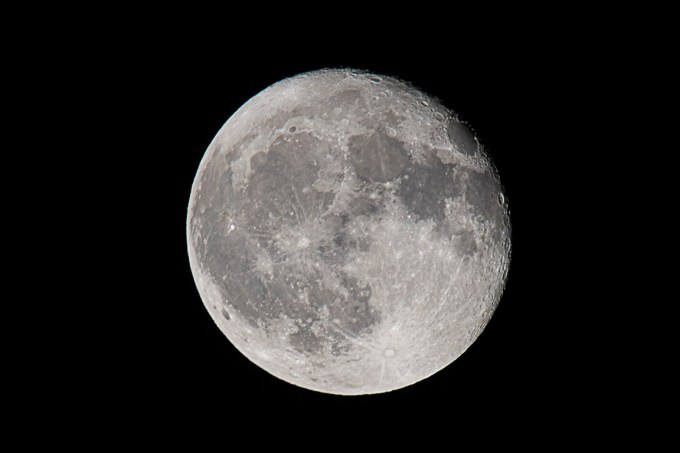
Cropped tighter image shot @1200mm with Canon R
The “Featured” Image is the Canon R, with Tamron 150-600mm lens with a 2X Teleconverter. The Canon R autofocused quickly even with the 2X Teleconverter. Next time I will try stacking 1.7x or 1.4x teleconverters with the 2X teleconverter.
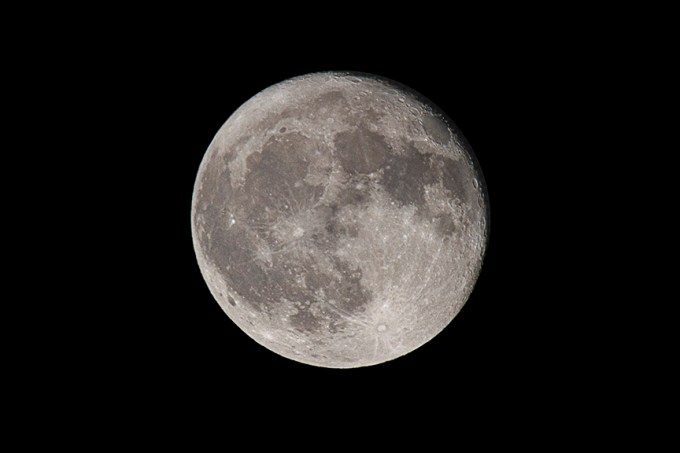
Moon Image, 7D, 150-600mm Tamron Lens, 2X Teleconverter, FOV 1920mm (Field Of View) compared with Full Frame Canon R
Black Swallowtail Butterfly
Posted on August 14, 2019
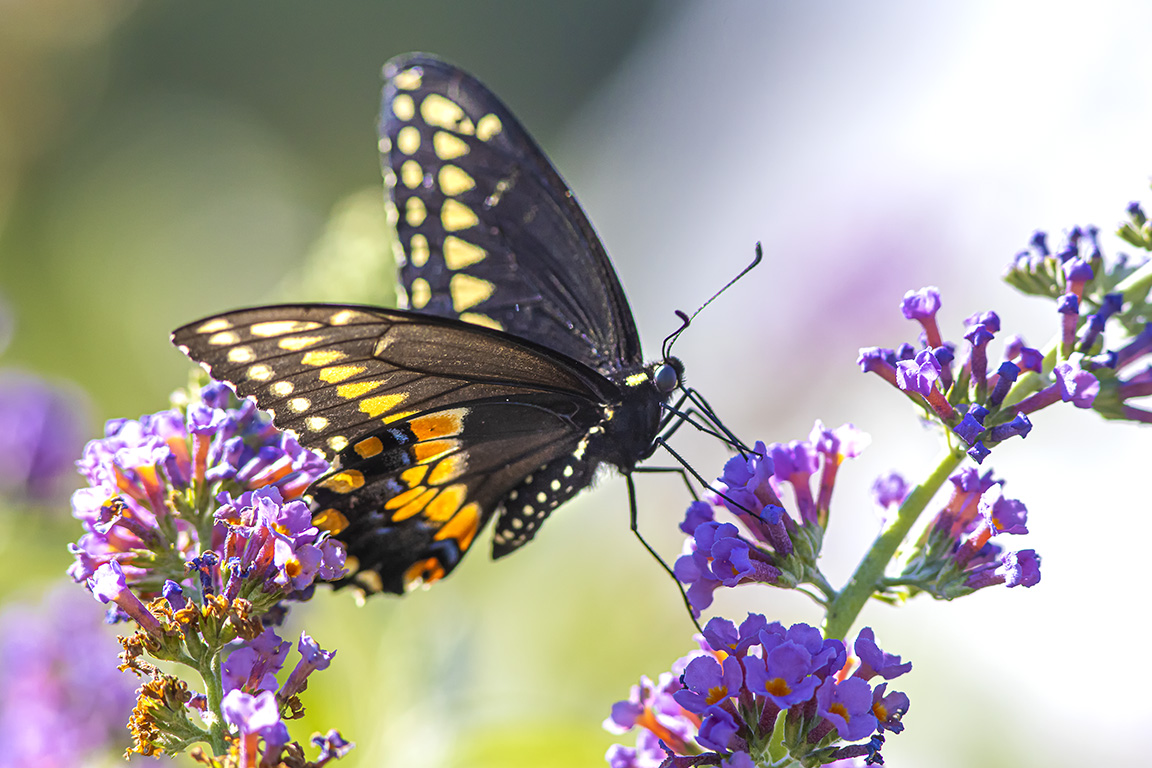
We went to a local park to look for Dragonflies, but I noticed this Black Swallowtail Butterfly on some flowers by the pond on the way in. It looked colorful with the flowers and I liked the contrast of the dark colored butterfly against the flowers.


Reddish Egret with Radio Tracker @ Ding Darling NWR
Posted on August 7, 2019

When I was working on the files of this Reddish Egret I photographed at Ding Darling NWR, there was one feather that always looked like it was sticking up and seemed strange. So on the images I was working on I just cloned it out because it looked odd. It was not til I was working on the last image I saw it was a radio tracker, not a weird feather sticking up. I was surprised how large it was. I was going to go back and leave it in, but decided to stay with a “cleaner” look for most of them. I have seen tracking bands on their legs, but it was a first time I saw a radio tracker on a bird at Ding Darling NWR. Especially a tracker that large. This Reddish Egret was working this area from early morning with cooler light and gradually I got some warmer shots as the sun got higher in the sky. You can see the progression of cooler early morning images, then to the last warmer with the sun higher in the sky.

Early Morning Light @600mm


Earlier morning light before sun warmed up the area. With Tracker antenna showing.

Same Reddish Egret in Warmer light
Female Great Blue Skimmer Dragonfly
Posted on July 29, 2019

I have not photographed as many Dragonflies this year as I have in other years. Maybe because I have been working on a few personal projects. I found these female Great Blue Skimmers at Plainsboro Preserve which is a Preserve and Nature Center along with an Audubon Center. It is about 1,000 acres, with a 50 acre lake and miles of nature trails. So it is a fun place to wander around and look for photo subjects, especially Dragonflies! On this day we mostly saw Great Blue Skimmers. Lately I use a 300mm f/4 Canon lens with a 1.4X Teleconverter for photographing Dragonflies. It allows me to get close images and seems to work well @ f/11 for getting detail, but still have a somewhat soft background. Sometimes I will go to f/8 for the series if the background is busier and shoot a series with more focus points. I then blend the images in Photoshop, to keep a softer background for my Dragonfly images but still get more of the dragonfly in focus.

Head-On View, 300mm w/ 1.4X Teleconverter
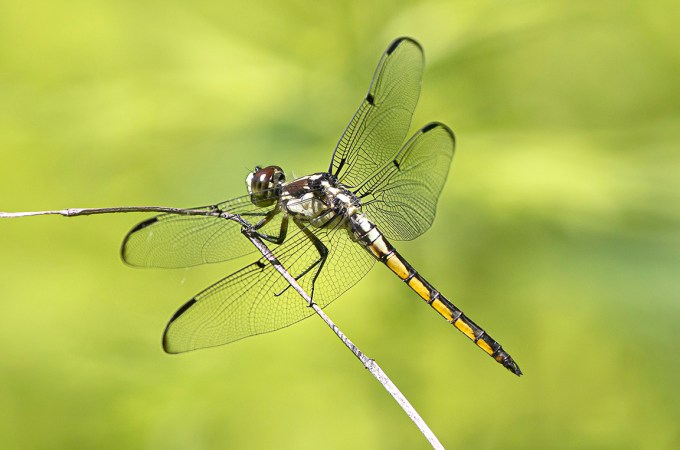
Female Great Blue Skimmer Dragonfly – 3/4 view from behind

Female Great Blue Skimmer Dragonfly – Side view, Single image
Celery Farm Natural Area Panoramas – InfraRed BW & Full Color
Posted on July 24, 2019

We went to one of my favorite small Natural Areas that was close to where we used to live. The clouds were impressive so I shot a series of panoramas @ 17mm with a Canon 17-40mm lens and 12mm with a 12-24mm lens on a Canon R. I was mostly shooting with the Hoya R72 InfraRed Filter, but did a few without the R72 filter also.
The images below show the series of panorama images going from the raw image as shot with the Hoya R72 InfraRed filter, then the image balanced to the white card I also shot for color balance. Then going to the grayscale B&W Image.
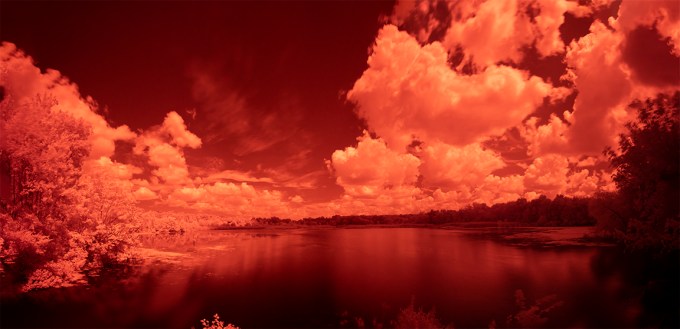
IR Image Hoya R72 Filter – @ 17mm – 4 Horizontal Image Pano
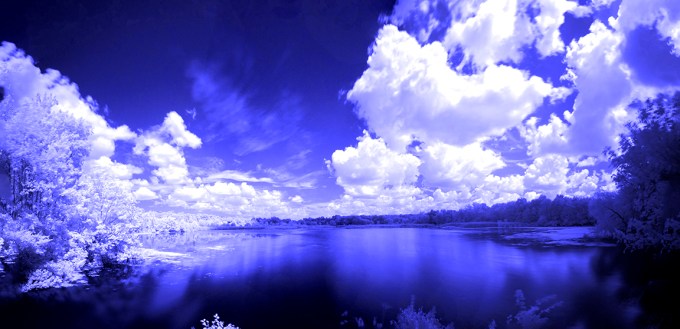
Above Image color balanced with White Card Image for color balance

Featured Image Converted to BW Infrared after white balancing color infrared image
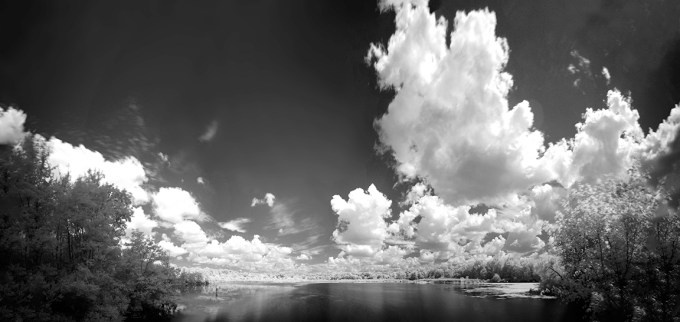
7 Images (vertical) @ 17mm – Converted to BW Infrared

7 image panorama -shot @ 12mm – 7 vertical images combined in Photoshop
 photoartflight