 photoartflight
Courting Wood Storks
Posted on May 2, 2019

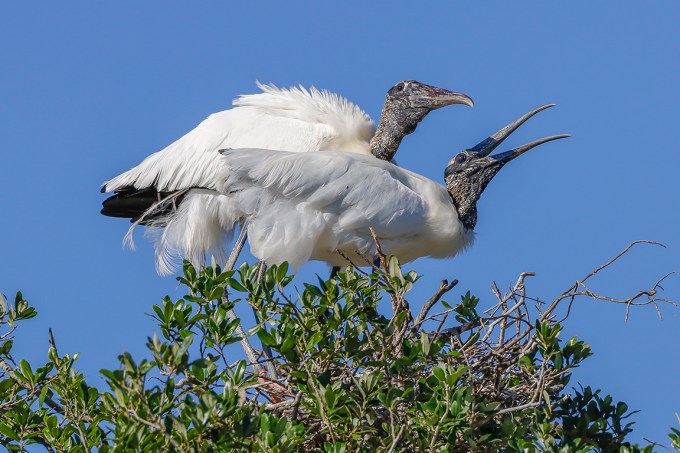 With all the nests at the rookery, it was probable you would find some birds mating. Did not think it would be Wood Storks though. These Storks were at the top of one of the tallest trees in the Rookery. Not sure if it was their nest or an existing abandoned nest. Images shot @ 600mm. The images below are why there are so many nests at the Rookery. The alligators are basically protecting the nests from predators that would climb up the trees to feed on the young birds. These are just a few of the 30 or more alligators below the walkway.


More Great Egret Nests
Posted on April 30, 2019

Among the wide variety of nesting birds at the St. Augustine Alligator Farm’s Rookery, there are many Great Egret nests in the trees. This blog post shows a few of these. It is amazing to see so many nests in most of the trees. Some trees have a dozen or more nests in a single tree. Also the variety of birds nesting in the same tree.


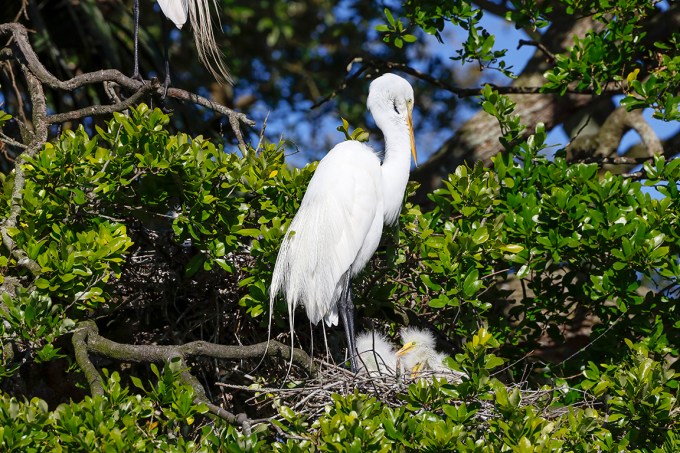

Great Egret – Breeding Plumage
Posted on April 29, 2019
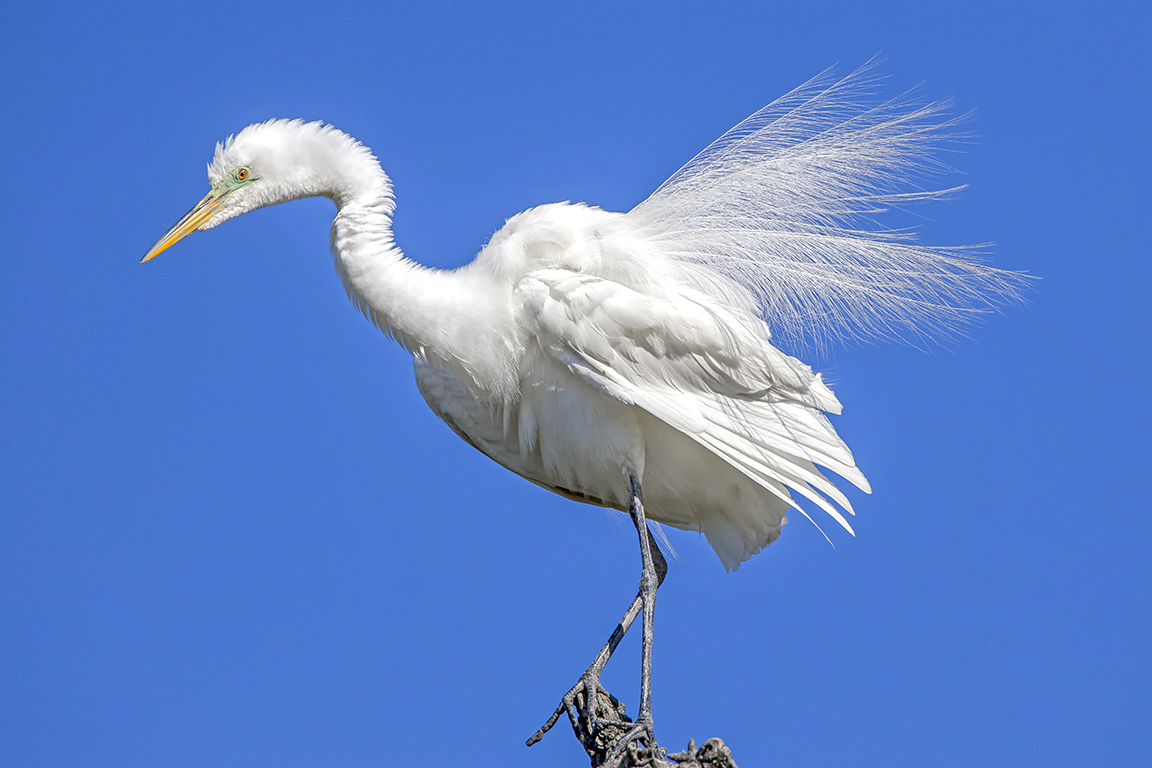
This Great Egret was at the very top of a tree that was loaded below with other nests of various types of birds. It really stood out against the bright blue sky. Photographed @ 600mm with a Tamron 150-600mm lens.
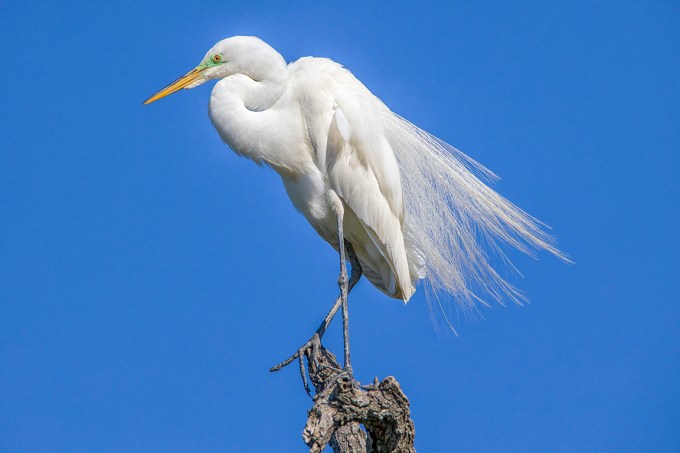

Same tree, off to one side
Tricolored Heron Nest With Eggs
Posted on April 26, 2019

I have not posted recently because we were traveling to a variety of spots for a photography vacation. The featured image is a Tricolored Heron Nest in a rookery at one of our stops. The image is a 2 image panorama @ 600mm and I did not want to zoom out to get it all in so I went with 2 handheld shots to assemble for the final image. I also wanted to show a little more to the right & left around the nest. It was an interesting spot to photograph with a wide variety of nesting birds with probably over 100 nests throughout the rookery. I was trying out a 150-600mm lens and it seemed to work extremely well with a Canon R mirrorless camera body. Especially with the White birds in bright sunlight, all types of Egrets, Herons & Wood Storks, etc. The Canon R did not blow out any of the highlights and had amazing detail in the “whites”. It especially worked well with the fine feathery Breeding Plumage

Tricolored Heron Eggs in Nest


Another single image from a 2 image series showing nest, but cutting off right bill. 2nd image would show more to the right background.
Immature Cooper’s Hawk
Posted on April 2, 2019
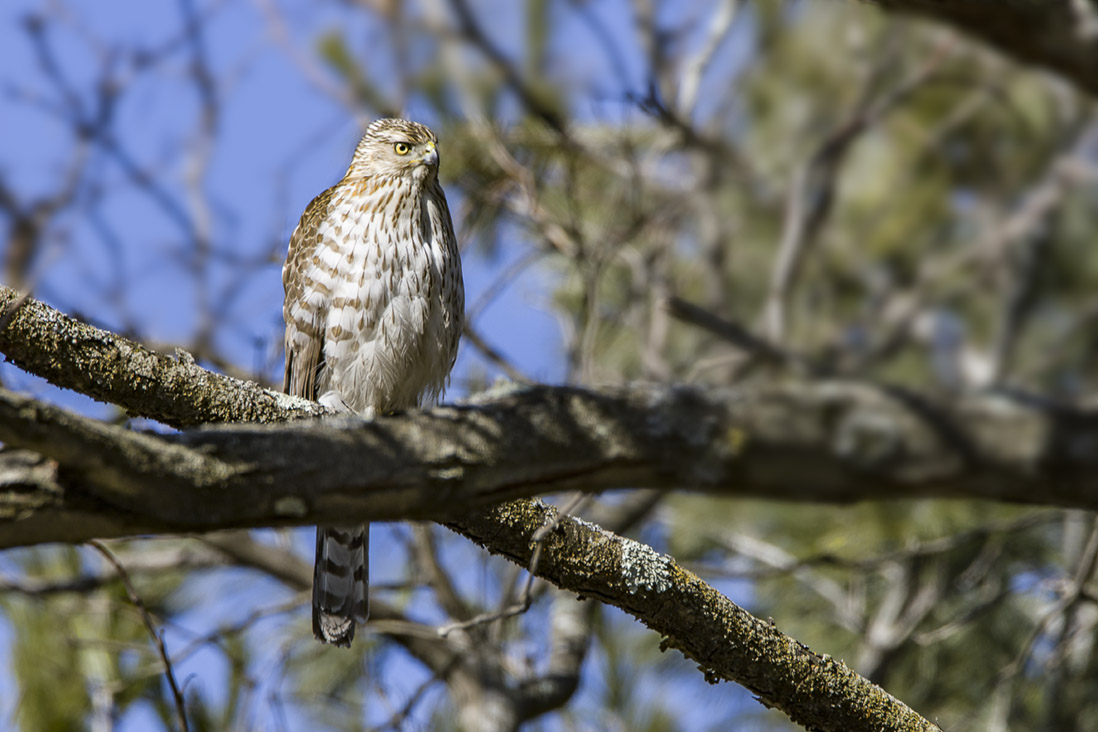
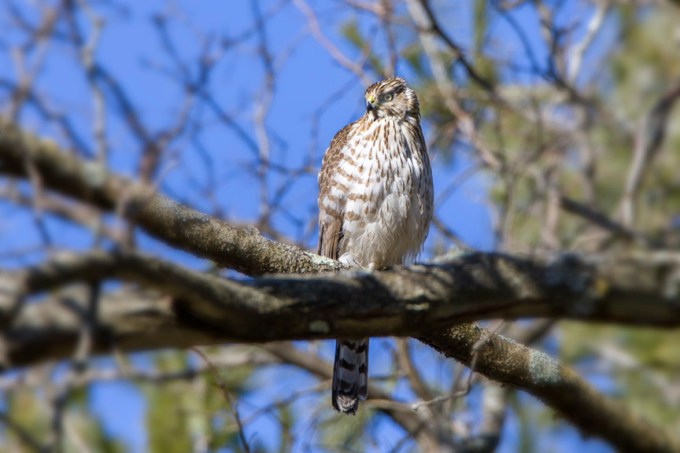
While I was by my carport I heard a Hawk making quite a racket, squawking away. I looked up and saw this Immature Cooper’s Hawk on a tree branch right above me. I went in and got a camera to get some photos. Another hawk flew in and then they both flew off. It was fun to see them by my home!
Female Wild Turkeys
Posted on March 19, 2019

I was checking out a new lens to see how it would work with a Canon R Camera. Sometimes, especially since I am getting older, I want to travel with fewer lenses to make life easier. I was looking at the Sigma 60-600mm, but it weighed a lot more. So I am trying a Tamron 150-600mm zoom lens to see if I like the images. This is not a full setup test, just a first test to see how the lens handled. I was just sitting outside my home photographing tree branches and other subjects to see the sharpness of the lens when I saw this group of Wild Turkeys coming towards me in a wooded area. The Male stayed further back in another yard, but the females were closer. I did not have a tripod with me so these are all handheld which was a challenge because they were in the shade so not a lot of light, but I tried a variety of shutter speeds, High ISO settings and f/stops. This also gave me an idea of how good the lens stabilization was. Wide open @ f/6.3 still gave me a limited slow shutter speed, so I increased ISO to get the shutter speed up somewhat. You will see some feet might have a slight blur from movement because of the lack of light. Also I tried a few teleconverters but the only one that would work on the Tamron was a Sigma 2X, but it did not pick up the teleconverter info and thought it was still an f/6.3 lens. It auto focused fine and and was quite responsive. The other teleconverters just gave me an error message on the Canon “R”.
The featured image was shot, handheld @ 375mm 1/200 sec, ISO 1600

Female Turkey, 600mm, 1/1250 sec, f/6.3, 3200 ISO (because of shade)

Female Turkeys, further back, In extreme shade, 600mm w/ Sigma 2X Teleconverter, 1/125 sec, f/6.3 (handheld) ISO 6400 (because of the lack of light and the 2X teleconverter. The f/6.3 is wrong, but the Canon R did not “see” the Sigma teleconverter, but still autofocused fine and was precise.
Snow Geese Panoramas from Brigantine
Posted on March 7, 2019

Sometimes when I find a large groups of birds I try a few panoramas, just for fun. On this day I found a very large group of Snow Geese, mostly sleeping, so I thought I would give it a try. There was not much else around, so why not. They were not moving and stretched a long ways along the Wildlife Drive. The featured image (which will probably not show much detail in this blog) was 35 images, handheld, for a finished panorama of 550 inches long by 15.5 inches high. It took Photoshop quite a while for it to process the panorama and then I had a few touch-ups here and there because of the length. I was trying a new Canon R with a 400mm f/4 D.O. lens and 1.4X teleconverter. It was not very bright out so I should have raised my ISO and stopped down more for increased depth of field, but I thought it might be enough when I photographing them. So the foreground is a little soft, but it was still fun to try.

Cropped section to show more detail

Another Closer Cropped section

Image taken later when they started to move around. Single Image showing limited depth of field on foreground because I was focusing on the flying birds landing in background.

Starting to wake up and move around
Everythings Ducky
Posted on March 7, 2019
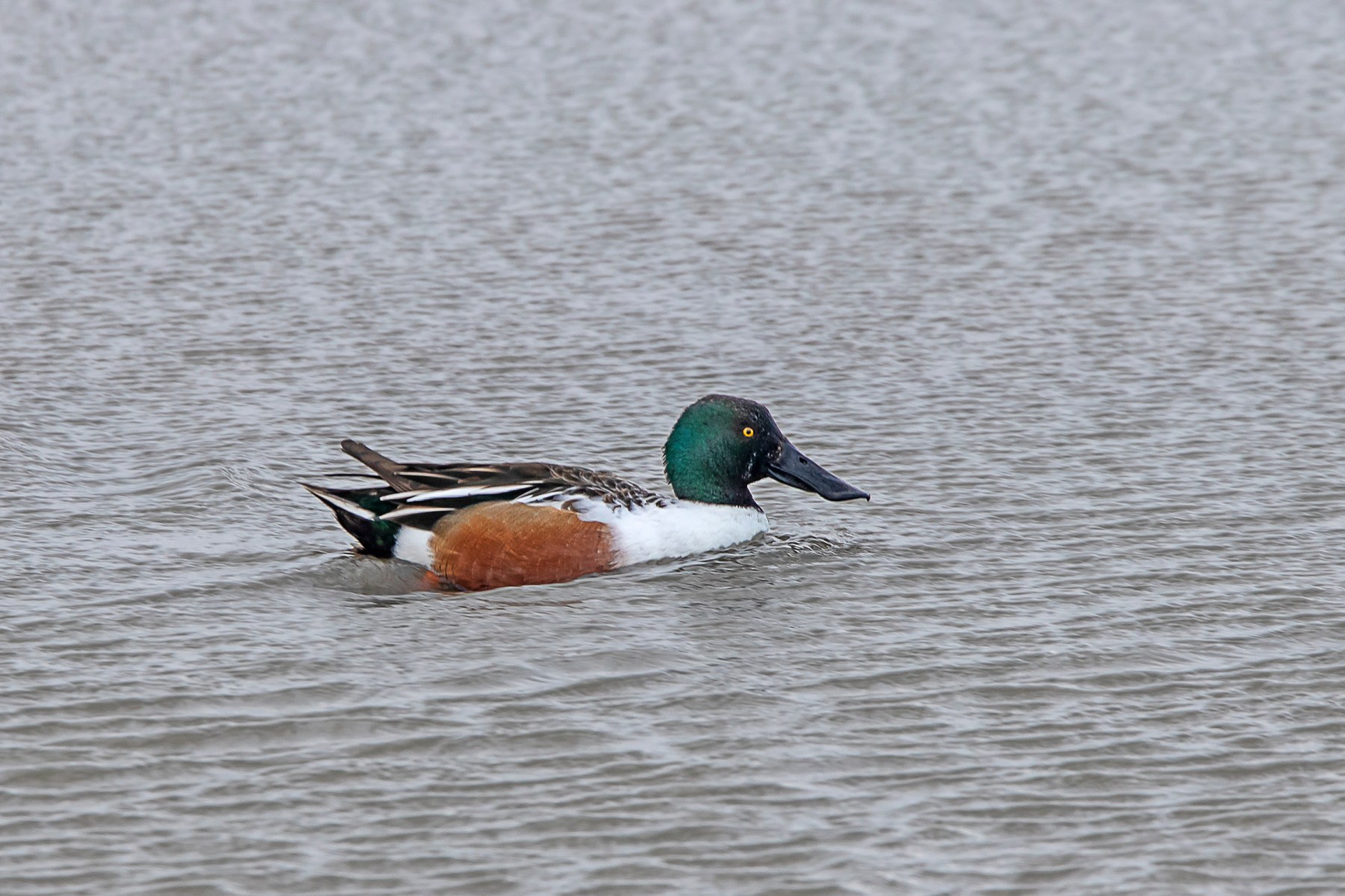
Some more images from our trip to the Brigantine Division of the Edwin B. Forsythe National Wildlife Refuge in Oceanville, NJ. We saw a large variety of Ducks on our visit there. Some were in large groups and others were either a pair or just single ducks swimming by. Most, as usual were farther out in the channel, but a few cooperated and swam closer by. All shot with a 400mm D.O. lens with a 1.4X teleconverter on a Canon R. The sky was very overcast when were photographing the ducks, so I did my best to brighten my Duck subjects. The featured image is a Male Northern Shoveler Duck. Always loved that green head with bright yellow eyes!
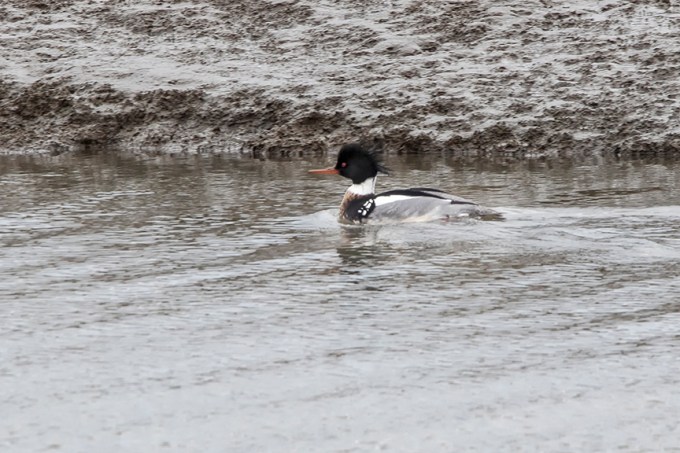
Red-breasted Merganser Duck

Hooded Mergansers
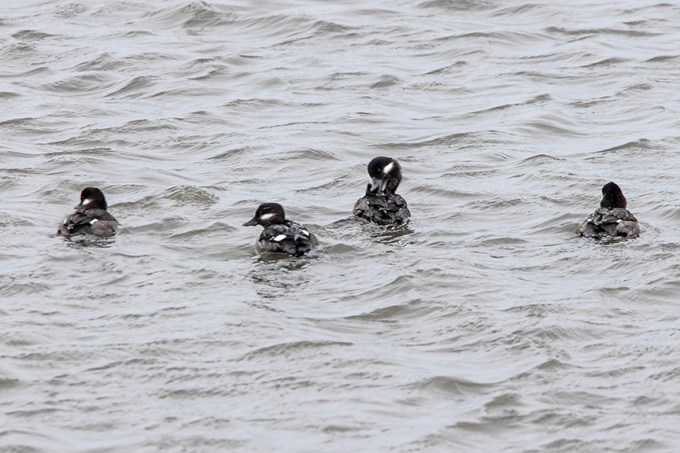
Bufflehead Ducks

Male Northern Pintail Duck

Male American Black Duck Swimming by a Female Northern Shoveler Duck
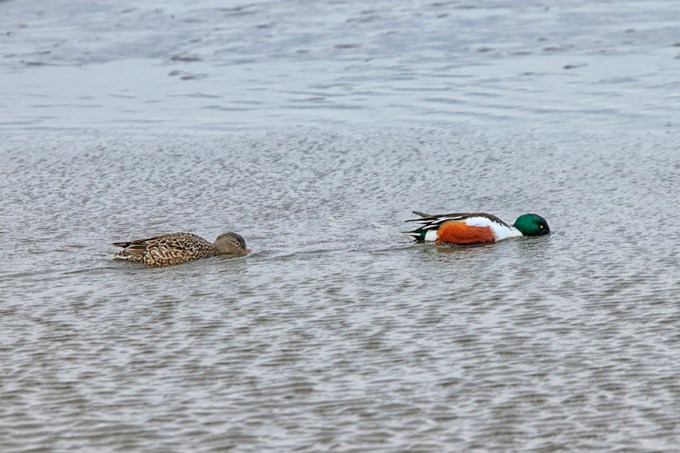
Pair of Northern Shovelers Feeding
Birds Of A Feather Not Flocking Together
Posted on March 4, 2019

While I was photographing the Snow Geese I noticed this group of birds in the foreground. I thought it was an interesting combination with the Canada Geese, a pair of Ducks and the lone Gull. The other 4 were asleep and it looked like the Gull was keeping watch over them.
Sleeping Snow Geese
Posted on March 3, 2019

When I was photographing Snow Geese at the Brigantine Division of the Edwin B. Forsythe National Wildlife Refuge, I concentrated on some very long panoramas with up to 35 images each. After I had photographed those, I also tried a few different shorter detail panoramas with only 3 to 9 images. The featured image is made with 3 horizontal images, assembled & blended in Photoshop. I could have used a wider lens and cropped off the top and bottom, but I wanted to have more detail in the images of the individual Snow Geese. For the image below, I wanted a little more height so I shot 9 vertical images for the panorama. These were shot with a Canon R with a 400mm D.O. lens with a 1.4x Teleconverter.
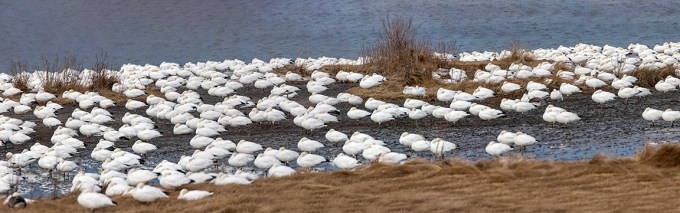
9 vertical images, handheld panorama w/ 400mm & 1.4X teleconverter
 photoartflight