 photoartflight
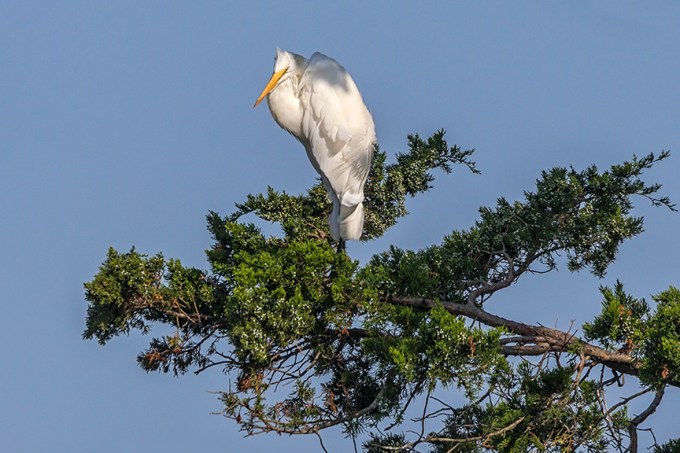
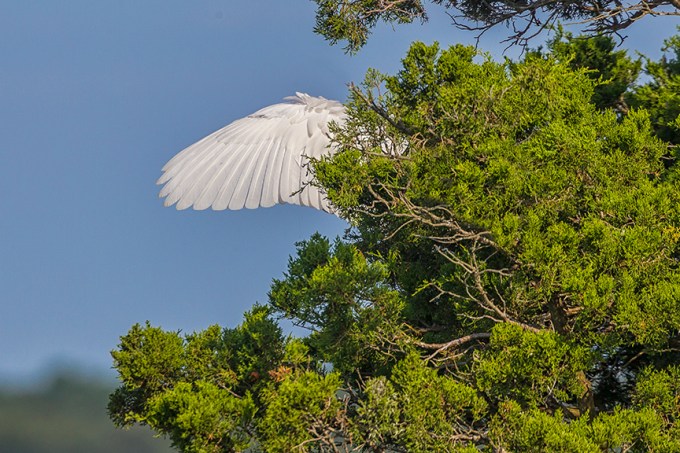
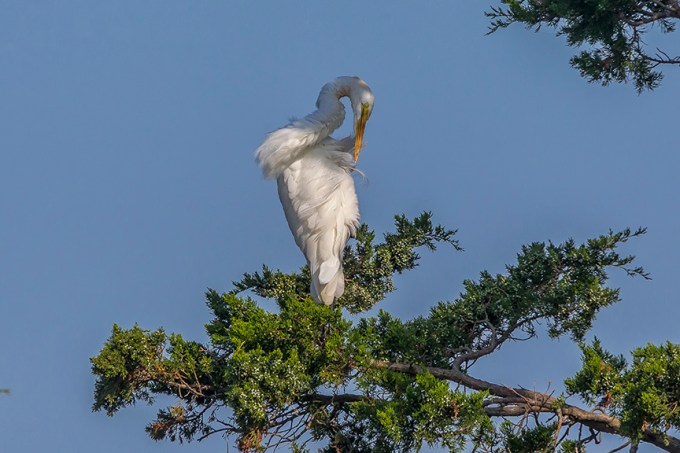
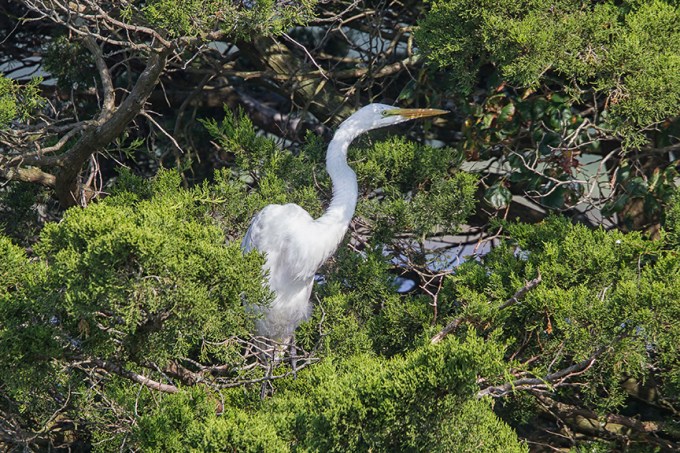
Great Egrets Roosting In Trees
Posted on September 2, 2018
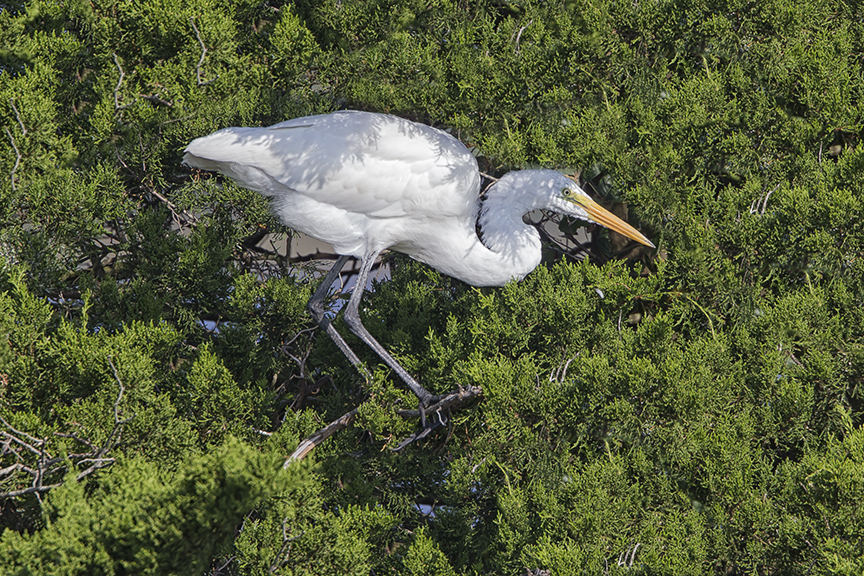
Along the Wildlife Drive in the Edwin B. Forsythe National Wildlife Refuge, there is a group of trees at one of the bends in the drive that seems to attract a variety of Herons along with Egrets. You can usually see Black-Crowned Night-Herons, Great Egrets, Great Blue Herons, and occasionally Yellow-crowned Night-Herons & Cattle Egrets. This series are with the Great Egrets.
Monarch Butterfly Portraits
Posted on August 30, 2018

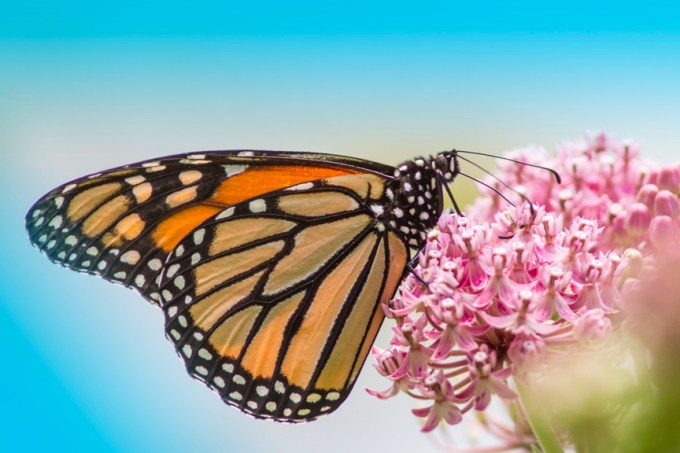
It is interesting to see and photograph Monarchs feeding on a plant. But after photographing them for years I never realized their amazing full life cycle. You know they go through the different stages, caterpillars thru to butterflies, but I did not realize how many stages they have.
The following info is from www.learnaboutnature.com
The Photos are PhotoArtFlight Images.
Monarch butterflies go through four stages during one life cycle, and through four generations in one year. It’s a little confusing but keep reading and you will understand. The four stages of the monarch butterfly life cyclebutterfly are the egg, the larvae (caterpillar), the pupa (chrysalis), and the adult butterfly. The four generations are actually four different butterflies going through these four stages during one year until it is time to start over again with stage one and generation one.
In February and March, the final generation of hibernating monarch butterflies comes out of hibernation to find a mate. They then migrate north and east in order to find a place to lay their eggs. This starts stage one and generation one of the new year for the monarch butterfly.
In March and April the eggs are laid on milkweed plants. They hatch into baby caterpillars, also called the larvae. It takes about four days for the eggs to hatch. Then the baby caterpillar doesn’t do much more than eat the milkweed in order to grow. After about two weeks, the caterpillar will be fully-grown and find a place to attach itself so that it can start the process of metamorphosis. It will attach itself to a stem or a leaf using silk and transform into a chrysalis. Although, from the outside, the 10 days of the chrysalis phase seems to be a time when nothing is happening, it is really a time of rapid change. Within the chrysalis the old body parts of the caterpillar are undergoing a remarkable transformation, called metamorphosis, to become the beautiful parts that make up the butterfly that will emerge. The monarch butterfly will emerge from the pupa and fly away, feeding on flowers and just enjoying the short life it has left, which is only about two to six weeks. This first generation monarch butterfly will then die after laying eggs for generation number two.
The second generation of monarch butterflies is born in May and June, and then the third generation will be born in July and August. These monarch butterflies will go through exactly the same four stage life cycle as the first generation did, dying two to six weeks after it becomes a beautiful monarch butterfly.
The fourth generation of monarch butterflies is a little bit different than the first three generations. The fourth generation is born in September and October and goes through exactly the same process as the first, second and third generations except for one part. The fourth generation of monarch butterflies does not die after two to six weeks. Instead, this generation of monarchs migrates to warmer climates like Mexico and California and will live for six to eight months until it is time to start the whole process over again.
It is amazing how the four generations of monarch butterflies works out so that the monarch population can continue to live on throughout the years, but not become overpopulated. Mother Nature sure has some cool ways of doing things, doesn’t she?


Golden-Winged Skimmer
Posted on August 18, 2018
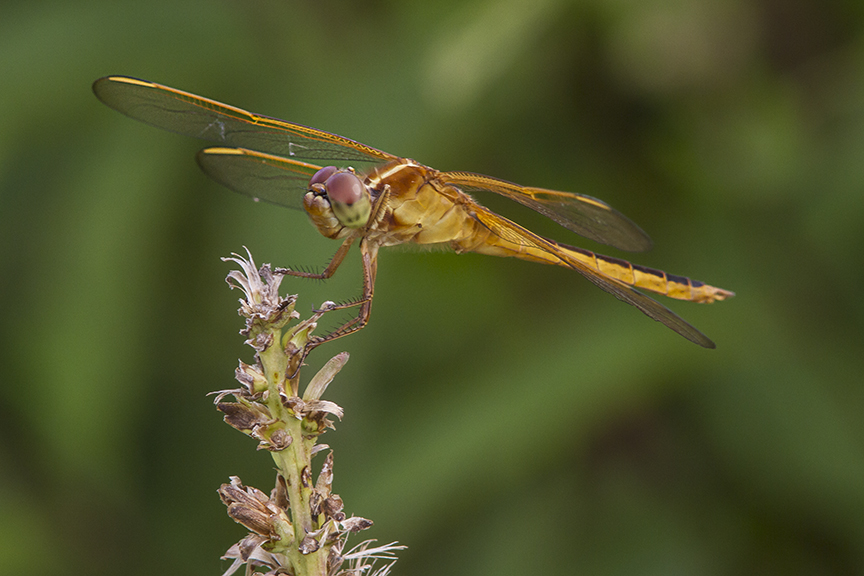
While I was at the Blackwater National Wildlife Refuge I photographed a lot of dragonflies. Some I have not noticed before. It is fun to find some that are different from my usual local varieties. I really liked these Golden-winged Skimmers. Besides their main color which really stands out, the wings look really cool also. Some images are focus stacked images, combined in Photoshop.


Spangled Skimmers
Posted on August 16, 2018
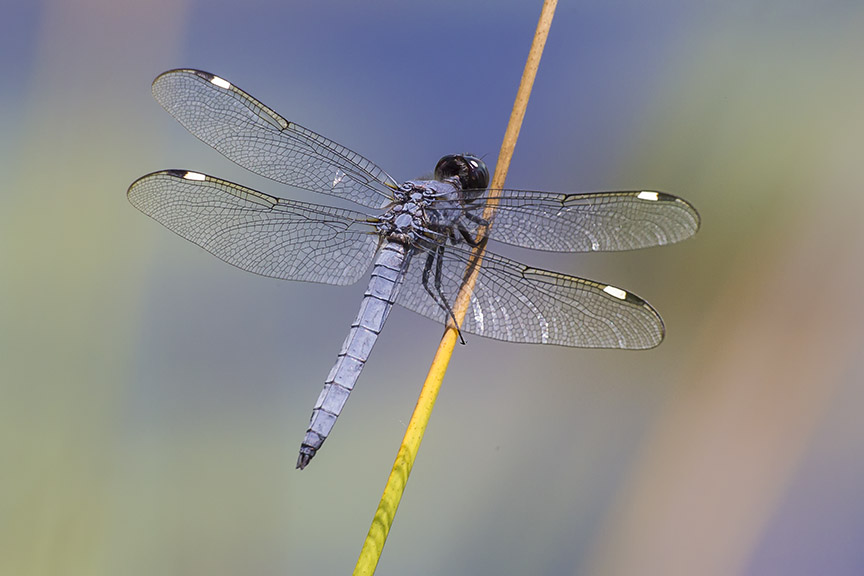
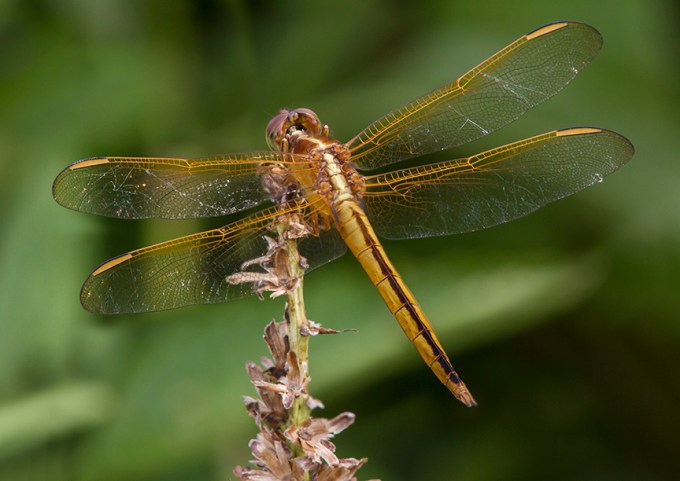
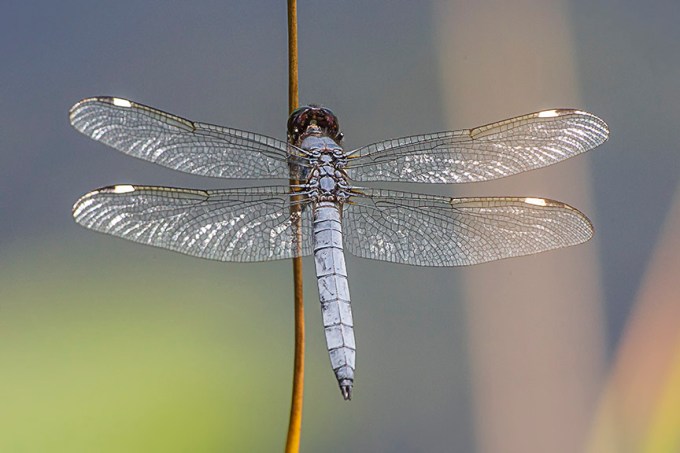
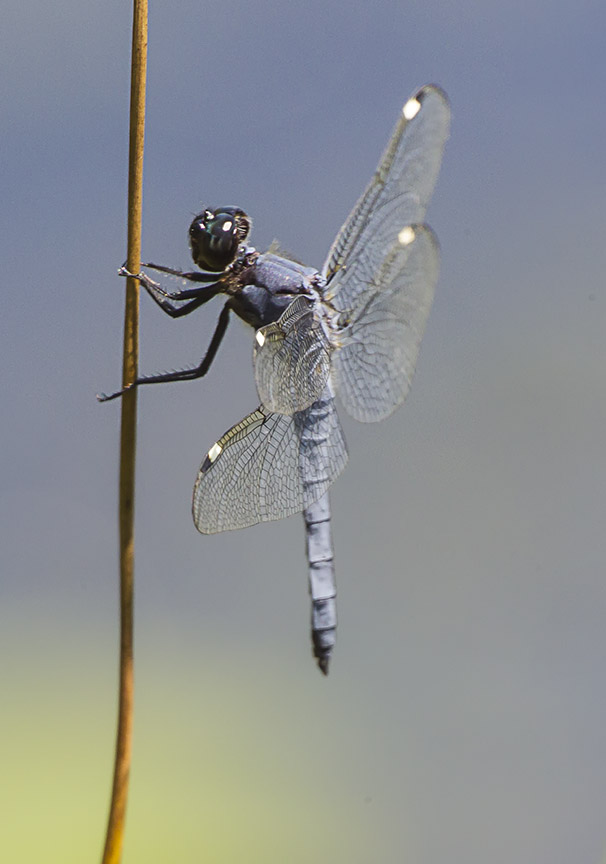
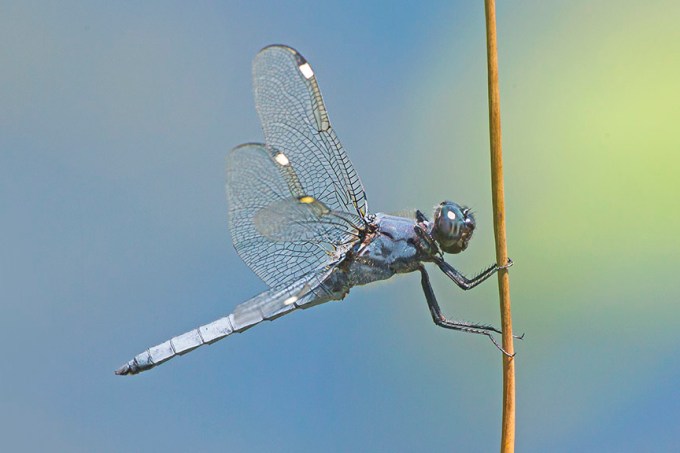
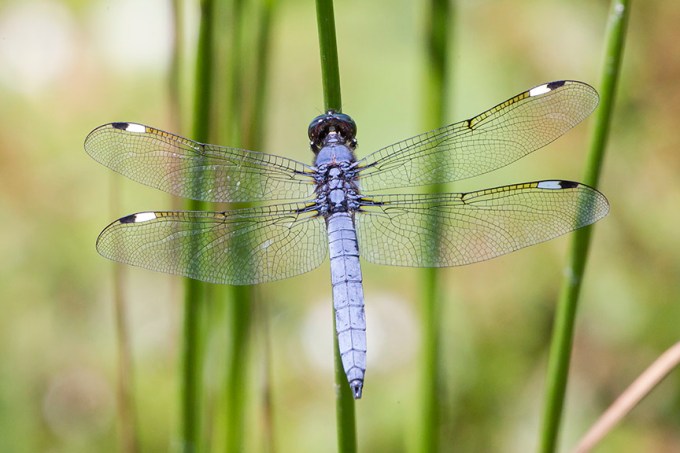
We found quite a few Spangled Skimmers At Davidson’s Mill Pond Park when we went to look for and photograph Dragonflies. It gave us opportunities to get a variety of angles and views of the Spangled Skimmers as they darted around the small pond there. Looking them up online it seems they like Well-vegetated ponds and lakes or occasionally slow-moving areas of streams. Also they are more prevalent in Summer while others are around starting in the Spring.




Blackwater Osprey Platforms
Posted on August 15, 2018

Along the Wildlife Drive there are a few Osprey Platforms close enough to photograph. If you are patient and have a long lens, you can usually get some good flight images as they fly in and out of the nests there. Usually in the morning or later in the afternoon. On this day they seemed content to just hang out there or fly away from where I was on the Wildlife Drive. The Ospreys in the platform closest to the entrance were busy fishing before the sun came up but it was too dark to photograph them. But it was nice to hear them screeching as they were flying around the Little Blackwater River area where I was waiting for the sunrise.


Great Blue Heron Flyby
Posted on August 8, 2018
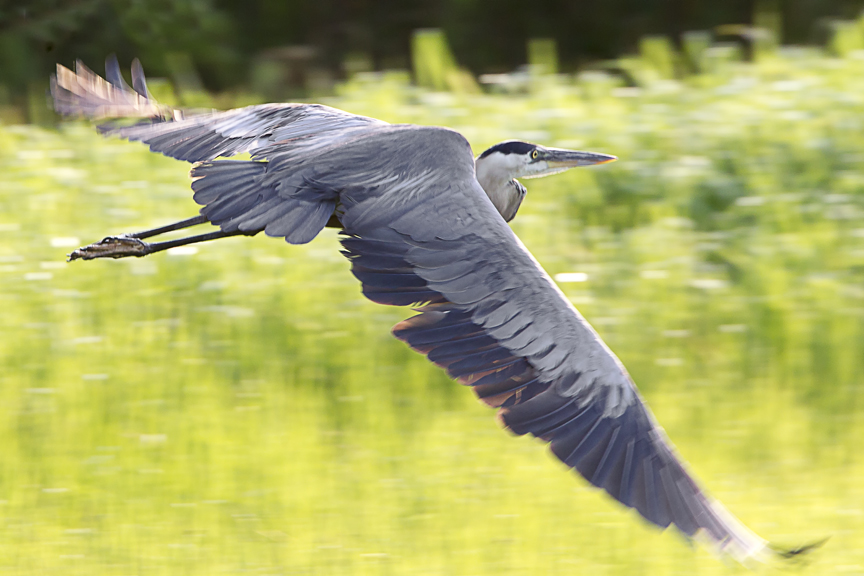
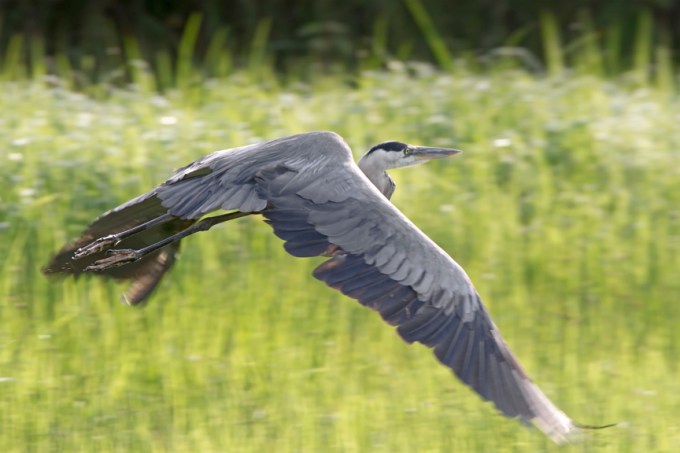
While I was photographing a Great Blue Heron off in the distance, this closer one took off and flew by right in front of me. I was using a slower shutter speed because I had my lens stopped down more than usual because of the distance and wanted more depth of field, so the wingtips of this Heron show some blurred movement. Thought it was still interesting and liked the movement of the wingtips.
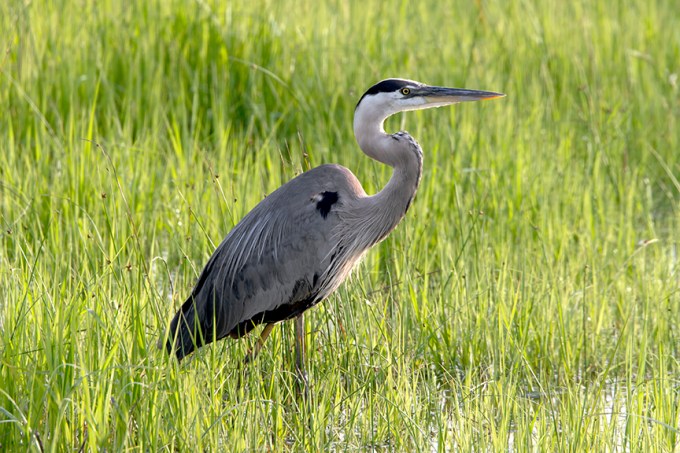
Great Blue Heron In field before taking flight
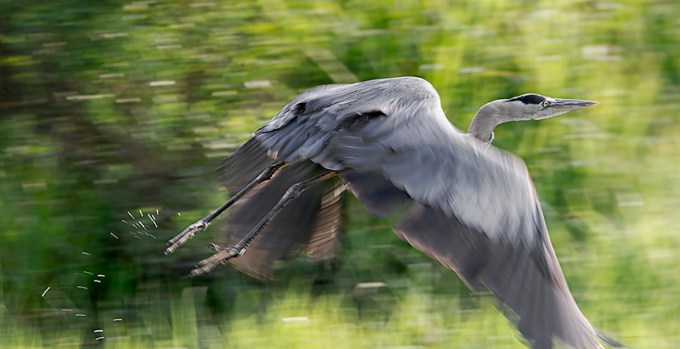
Great Blue Heron Takeoff
Two Ospreys – Tree Toppers
Posted on August 7, 2018

Towards the end of the Wildlife Drive at the Blackwater National Wildlife Refuge, there is a large strip of trees jutting out into the water, parallel to the end of the Wildlife Drive. Some of the trees are dead trees which act as very tall snags for the birds to roost. You can usually find a few Eagle nests near the top of some of the trees with leaves. Also Eagles seem to like roosting there. But on this day Ospreys seemed to like the tall trees. There are a few Osprey nests behind these trees plus one Osprey Platform in the water to the left of the trees.
The featured image is made from 5 horizontal images, stacked vertically, handheld, assembled in Photoshop, taken with a Canon 400mm f/4 DO lens with a Canon Series III teleconverter.
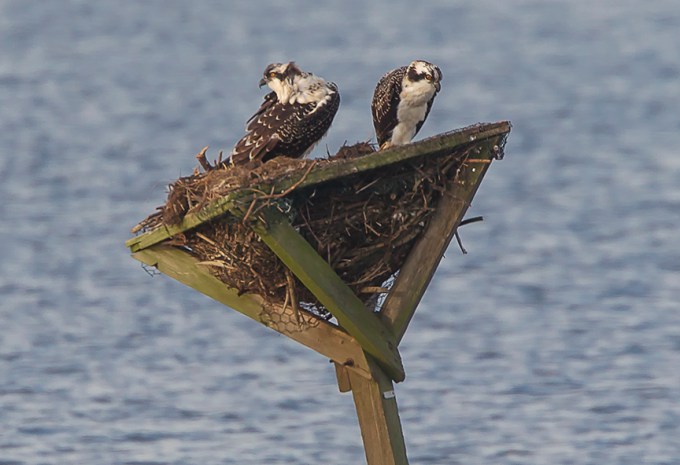
Osprey Platform in water to the left of the line of trees.
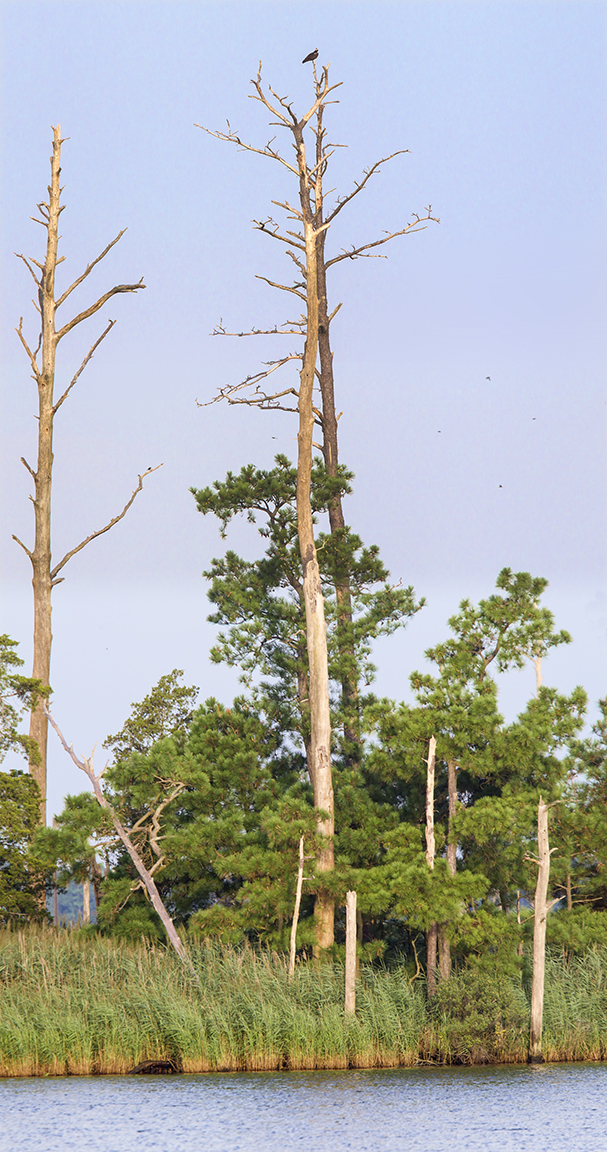
One lonely Osprey on treetop. again 400mm w/ 1.4x teleconverter, 5 shots handheld.
Sleeping Great Blue Heron
Posted on August 6, 2018

I saw this Great Blue Heron towards the end of the Wildlife Drive at the Blackwater National Wildlife Refuge. It was standing on a fallen tree stump, out in the open. It appeared to be sleeping or taking a nap since it was not preening or moving after watching for 5 minutes. So we moved on. On the end of the second trip around the Wildlife Drive I decided to stop and get a few shots since it was still there. After a few minutes watching the Heron it looked up or woke up and kept looking around. Right to left. 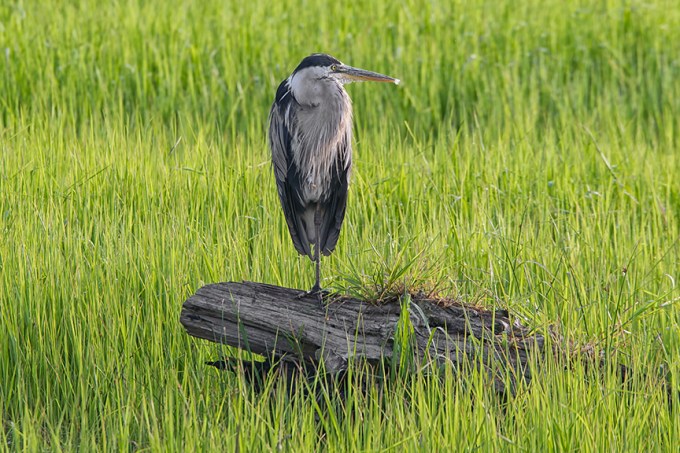
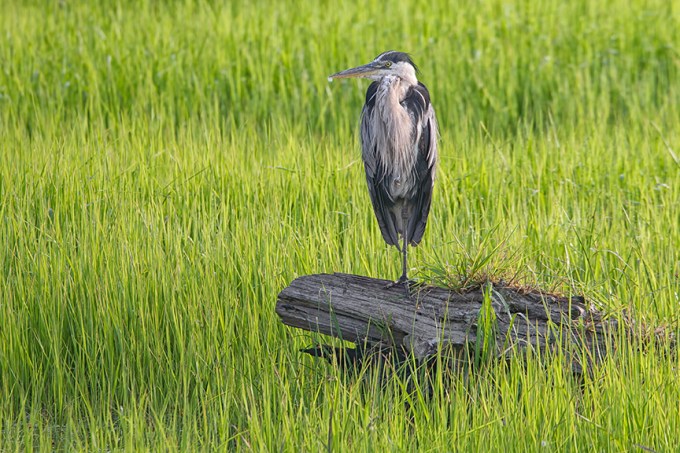
After watching & photographing for a few minutes we moved on since I did not want to bother the Heron, even though we were on the other side of the channel of water between us. We were surprised that we only saw a few Eagles. Most of the birds we saw were Ospreys, Great Egrets and Great Blue Herons.
Kingbird With Dragonfly Meal
Posted on August 6, 2018
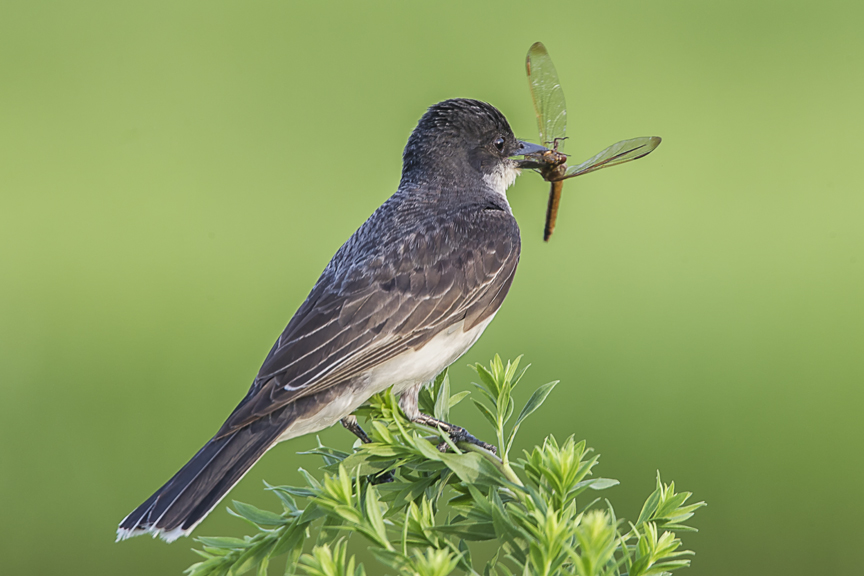
I was photographing a Great Blue Heron along the Wildlife Drive, when this Kingbird landed to the right of me. I noticed it had caught a Dragonfly for a meal. I think the dragonfly was an Eastern Amberwing. The Kingbird was not close so I tried to get a little closer and I managed to get a quick shot before it flew off.
Young Black-Crowned Night Heron
Posted on July 26, 2018

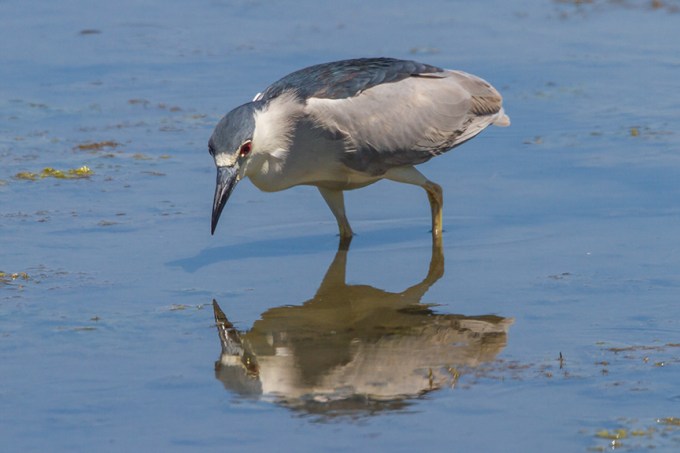
When we were at the Edwin B. Forsythe National Wildlife Refuge I noticed this young Black-crowned Night-Heron along the Wildlife Drive. There are a few areas along the drive that seem to be a popular spot for them to usually be there to get a few photos. They are also one of my favorite birds to photograph, especially when they are searching for a meal. 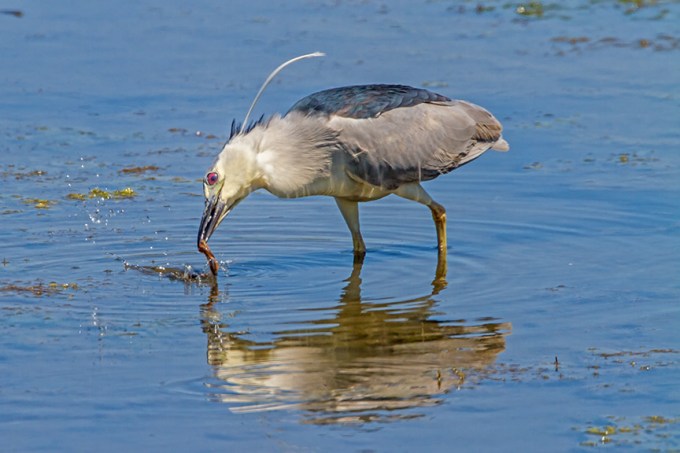
 photoartflight