 photoartflight
Widow Skimmer
Posted on July 23, 2018
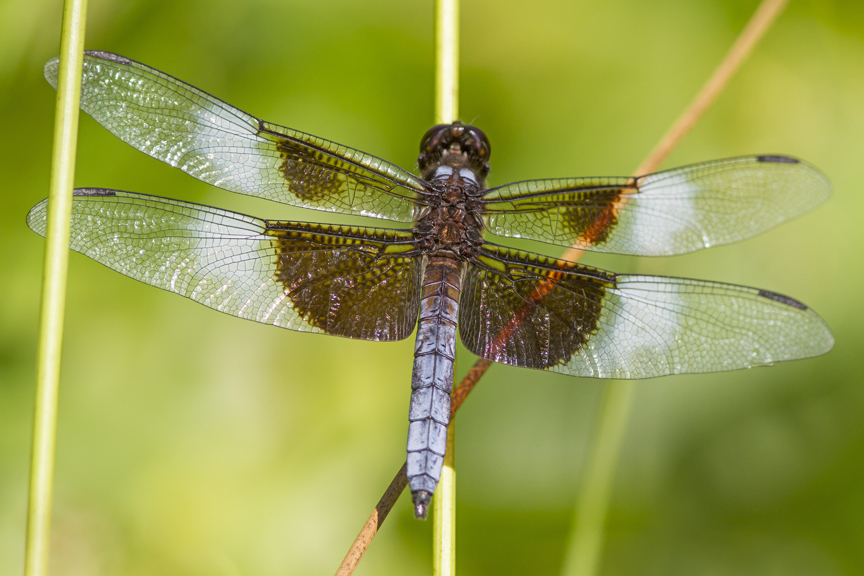
We went to Davidson’s Mill Pond Park to photograph Dragonflies. Here are a series of images of Widow Skimmers. Shot with a 400mm lens, extension tube and then a 1.4x teleconverter in that order. It allows for closer focusing plus enlarges the image some on the sensor, since my subjects are not by the shoreline. You try to get any advantage to get your subject closer or bigger in the frame.

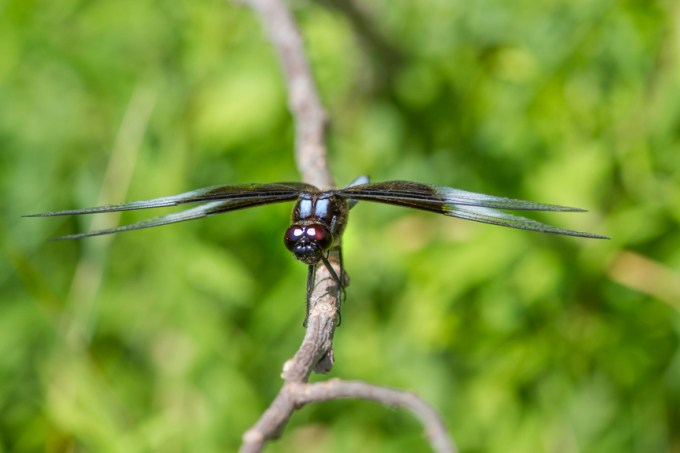
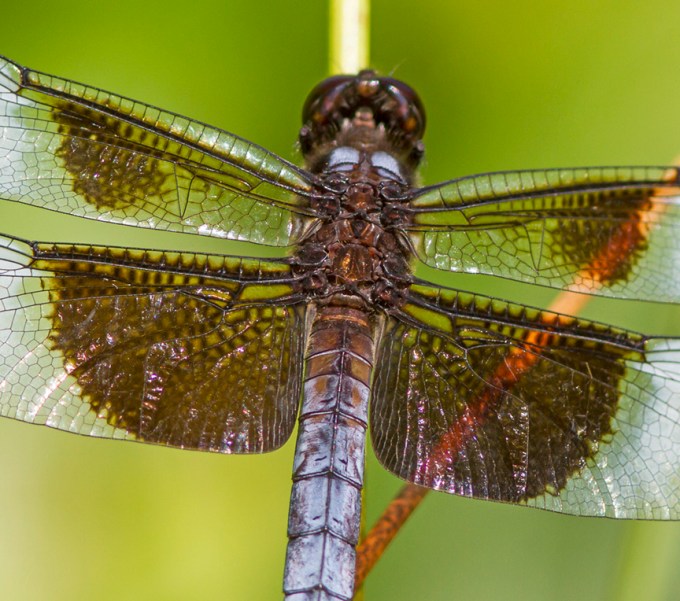

Common Whitetail Dragonflies
Posted on July 10, 2018

We saw quite a few Common Whitetail Dragonflies while we were at Davidson’s Mill Pond Park. Here are a few images from the many we saw. It is interesting at the small pond, which you can walk almost completely around, you tend to see many of one or two types in certain areas but not many in other areas. It seems certain types like certain areas. Then you see really large dragonflies constantly zooming around the center above the Lily pads. Overall they are fun to watch. I guess I should post a few different photo subjects and take a break from dragonflies.


Smiling Blue Dasher Dragonfly
Posted on July 6, 2018

For some reason Blue Dasher Dragonflies seem to look like they are smiling when you see them head on, giving an impression of a Happy Dragonfly. This Blue Dasher was out in a pond at a public county park, probably 6 to 8 feet from the shoreline. The featured image is a 4 shot Image Stack, manually focused and assembled in Photoshop. I used a combination of a 400mm lens, an extension tube, then a 1.4x teleconverter to actually enlarge the image on the sensor with the extension tube added. Sometimes I add another extension tube between the teleconverter and the camera body which enlargens the image on the sensor even more. But narrows your focus range even more and you tend to need a fill flash because of loss of light reaching the sensor to get a usable exposure for a subject that is somewhat moving its head or wings or its perch is moving in a breeze. Plus the added extension tubes also takes away light reaching the sensor. Sort of like the “Old” days when you were using a 4×5 or 8×10 view camera when you had the bellows racked out and had to adjust your exposure because of light loss from the distance of the lens and the film plane. By moving teleconverter and extension tubes you can get a variety of focus windows and enlargement of your final image on the sensor.
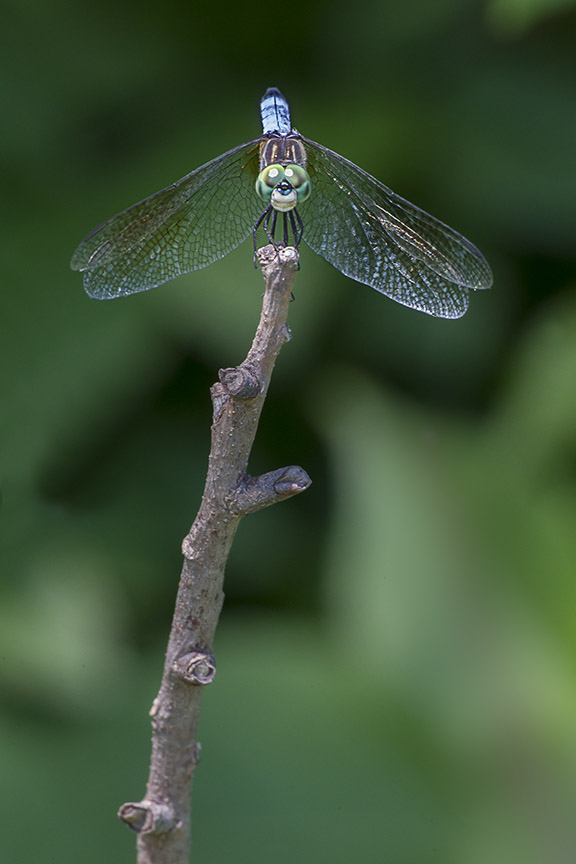
Blue Dasher 4 img Stack for Blue Dasher, then 4 image pano for the stick the Dasher was on. So 2 techniques used for final image.

Older shot showing similar Setup with one 1.4x teleconverter plus fill flash needed for using two separated extension tubes.
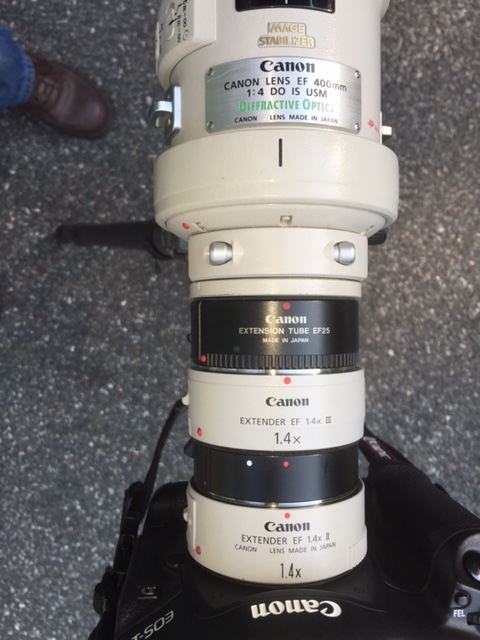
Another extreme setup with 2 extension tubes and 2 teleconverters. This really enlargens the image on the sensor but you need a fill flash or a very high ISO setting and has a very limited focus window.
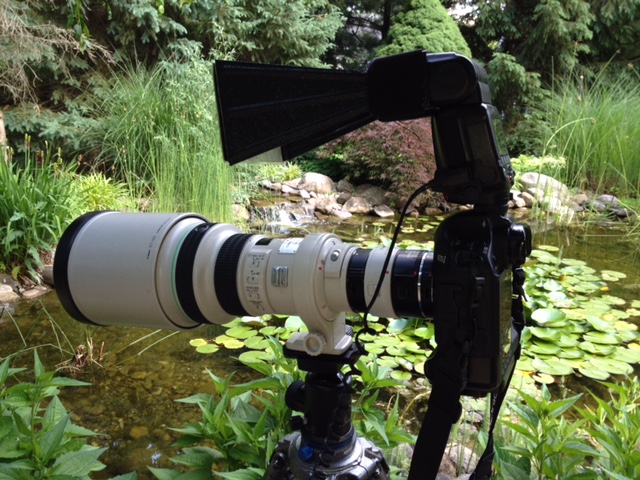
Dragonfly setup at my old pond
Halloween Pennant
Posted on July 6, 2018
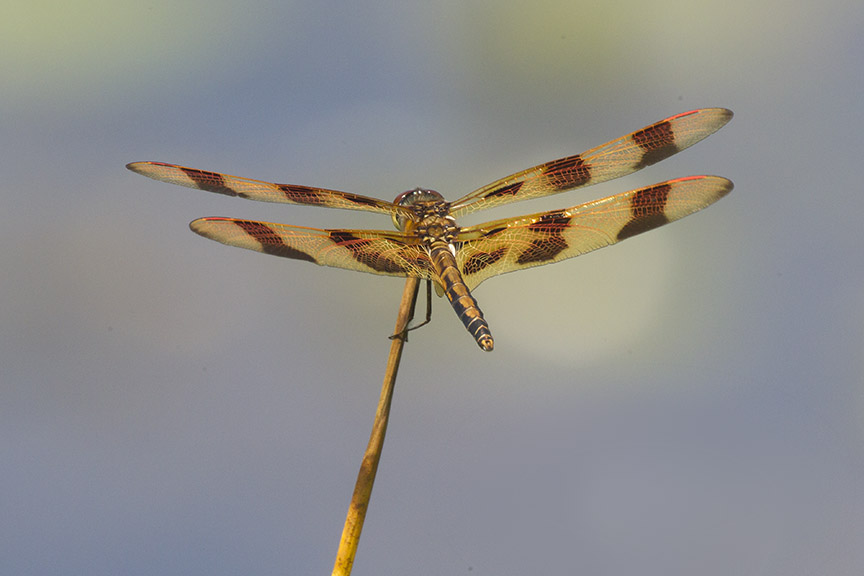
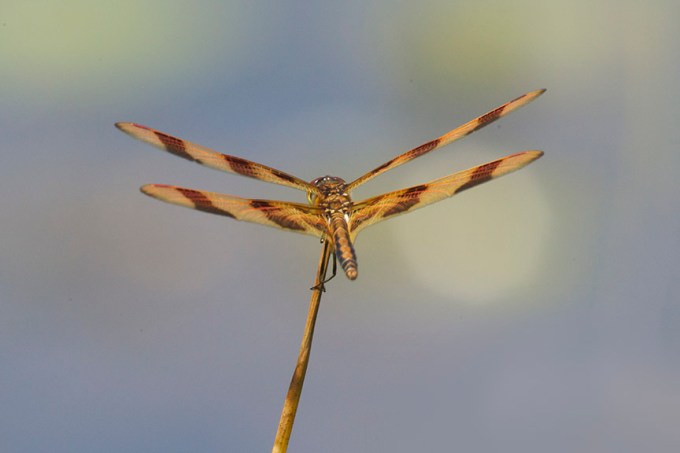
The Halloween Pennant is one of my favorite dragonflies so I like it when I find one (or more) to photograph. At my old home I had my own pond which was my combination macro & dragonfly studio along with several favorite National Wildlife Refuges with different varieties of dragonflies. So I am still exploring the local parks near my new condo for good dragonfly locations. I had the week off but the heat index was 110 degrees plus & minus all week so it was tough to get out to look for subjects to photograph. I did manage to get quite a variety earlier in the week and I am going through them.
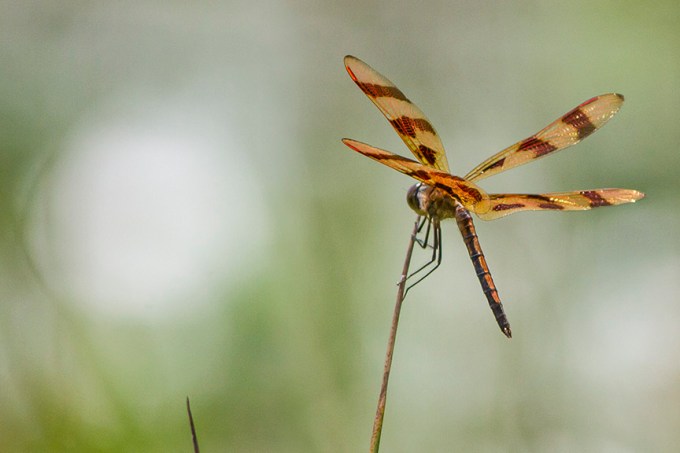

Slaty Skimmer Dragonfly
Posted on June 25, 2018

We went to Davidson’s Mill Pond Park to look for Dragonflies and whatever else we could find to photograph. We found a lot flying around both the large pond and the small pond. There was a large variety but many of the larger dragonflies are constantly zooming by, so they are hard to get photos of. But we did find about 6 different types that were more cooperative for our photo interests. Along with quite a few damselflies. It is a hard location to get closeups because the ponds are lower than the surrounding grass areas with lots of vegetation and plants blocking the smaller plants on the shoreline where most of the Dragonflies were active. I was using a 300mm f/4 IS lens with a 1.4x teleconverter on a Canon 1.6x crop body. The 300mm lens can focus very close without using an extension tube. So the whole combination gave me a field of view equivalent to a 672mm lens which helped fill the frame with my distant subject Dragonflies. This is a 3 Image focus stack assembled in Photoshop for more sharpness from the head to wings & wingtips and to the tip of the tail.
Pair Of Wood Ducks
Posted on June 23, 2018
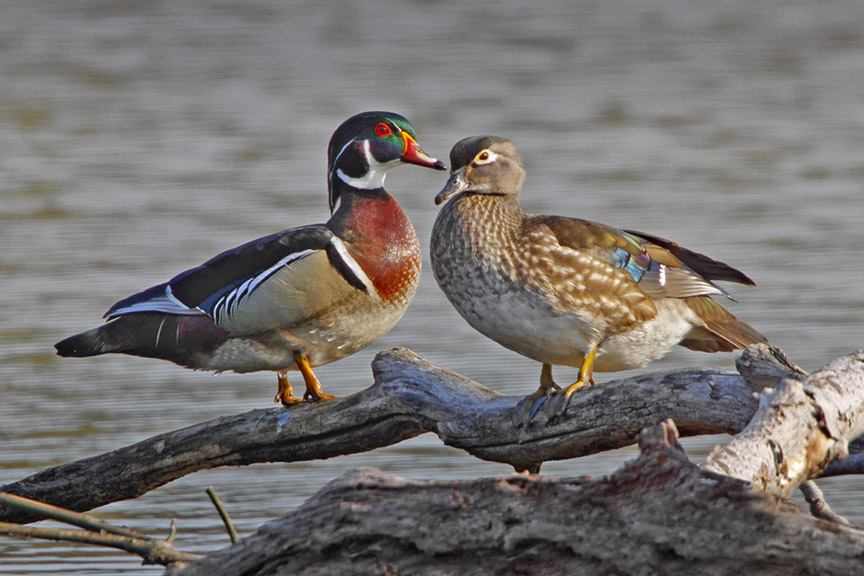
I saw this pair of Wood Ducks at a local park. Usually Wood Ducks are swimming around the lake or on the shore. So it was different to see them balancing on these branches that were in the water. They are definitely colorful ducks!
Moonrise in the Afternoon
Posted on June 19, 2018
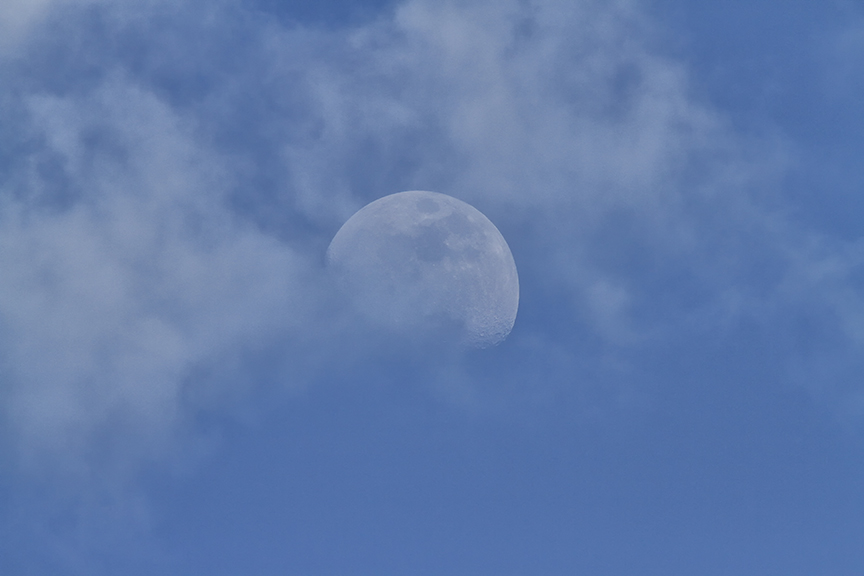
Moonrise in late afternoon. While I was looking for photo subjects in the yard, I thought the moon looked interesting with the thin cloud cover. Not great, but something for the blog.
Pre-Sunrise Clouds – 24 Shot Panorama @ 400mm
Posted on June 18, 2018

I like going to the Blackwater National Wildlife Refuge in Maryland for their colorful Sunrises and Sunsets. (Also for Eagles & Ospreys and…) On this day the clouds were very interesting so I was shooting a few different versions, compositions, focal lengths and Camera/lens combos. Then I noticed a thin long length of colorful clouds above the trees but below the main larger clouds. So I tried a 400mm with a 1.4X Teleconverter pano version. I shot 24 images with that combo, with large overlaps on each shot, all handheld. This is the Featured Image above. I used a lot of overlapping images because it usually lines up better, especially when the camera is handheld. If I do not need them I can just use a few instead. Below are more versions with different camera and lens combinations. Also some eagles that flew by in the colorful sky adding some interest and a subject in the colorful sky. In the featured image about 2/3rds over to the right there is a small dot below the clouds. That was another Bald Eagle flying through and I decided to leave it and not clone it out.
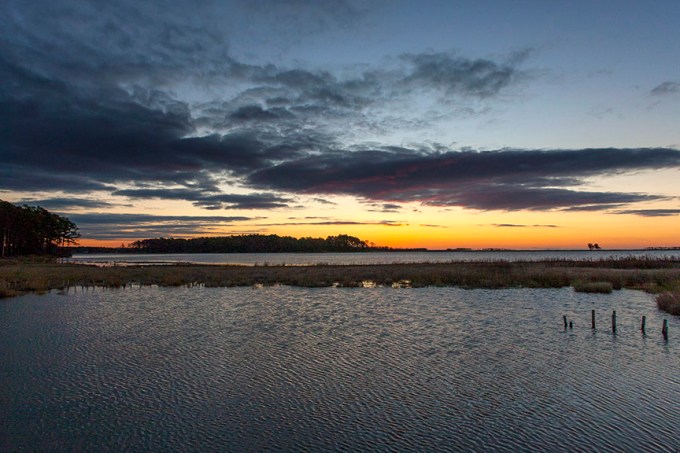
Blackwater NWR PreSunrise @ 24mm (2 image blend for foreground detail)

Blackwater NWR Sunrise, 2 Image pano @ 24mm
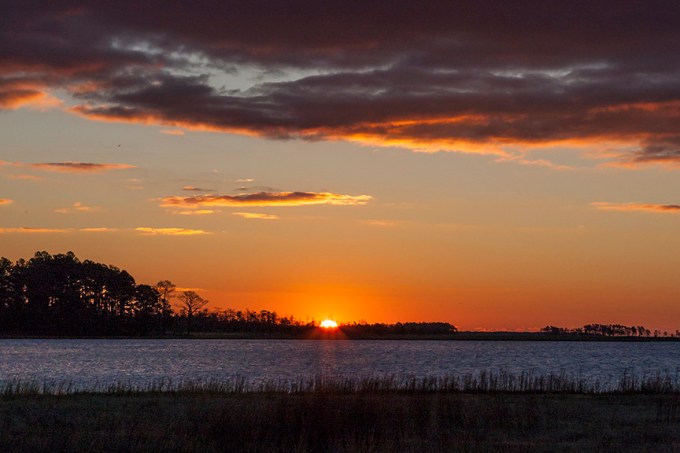
Blackwater NWR Sunrise @ 400mm, Canon 400mm DO lens

Blackwater NWR Sunrise @ 400mm, Canon 400mm DO lens w/ Canon 1.4X Teleconverter

Immature Bald Eagle Soaring in the Sunrise, Canon 400mm DO w/ 1.4X Teleconverter
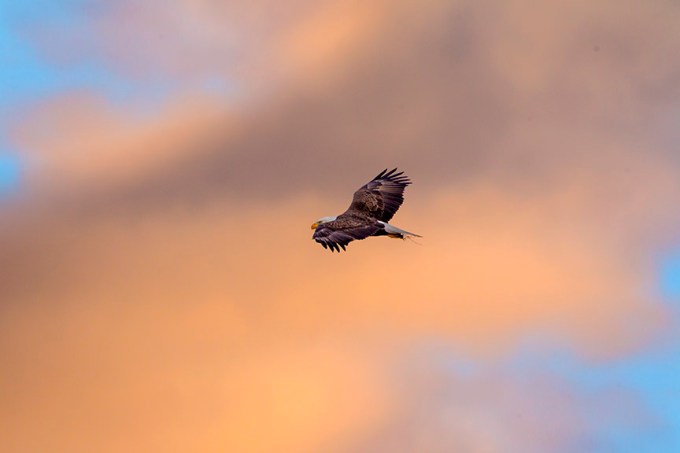
Closer Bald Eagle Flying in the Sunrise, Canon 400mm DO w/ 1.4X Teleconverter
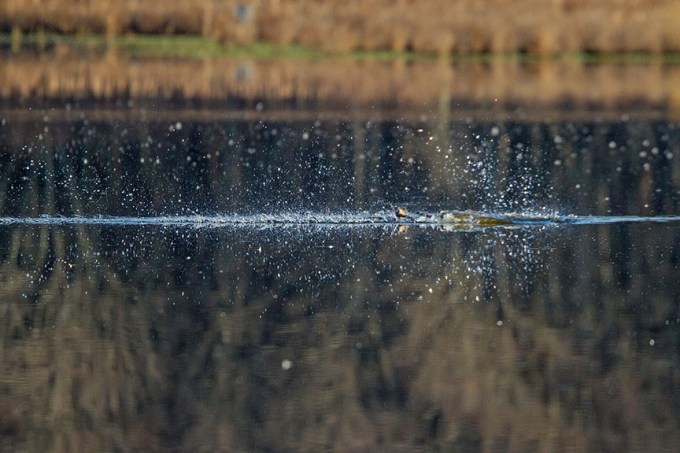
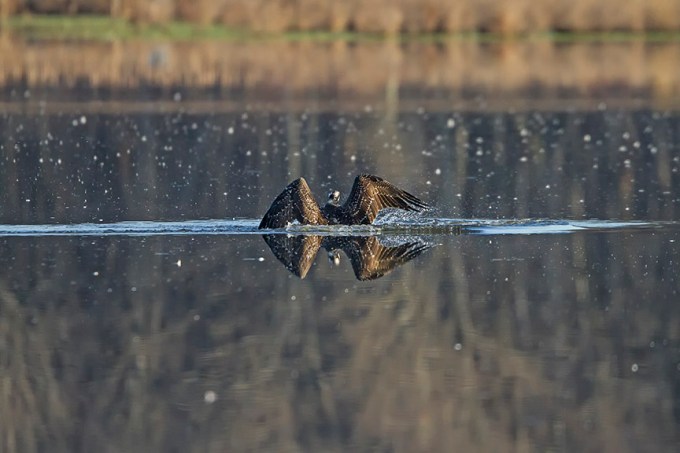
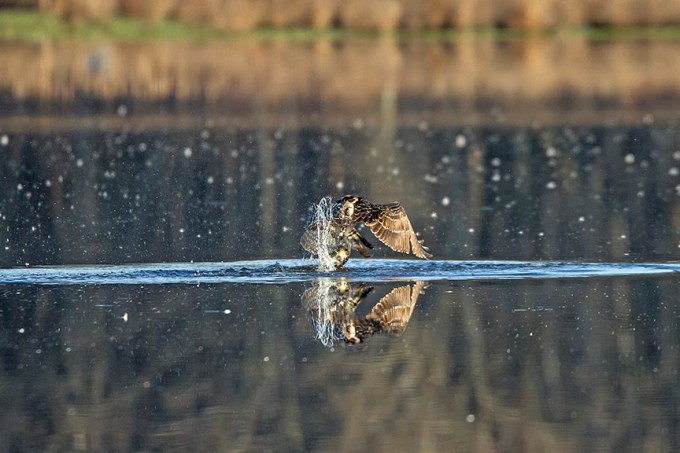
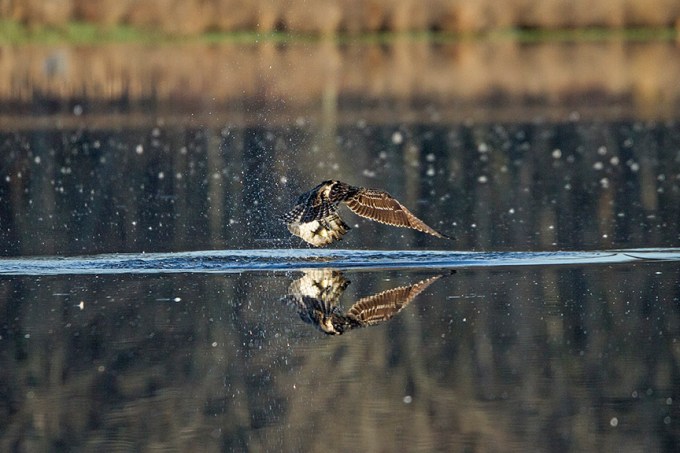
Osprey Fishing Sequence
Posted on June 10, 2018

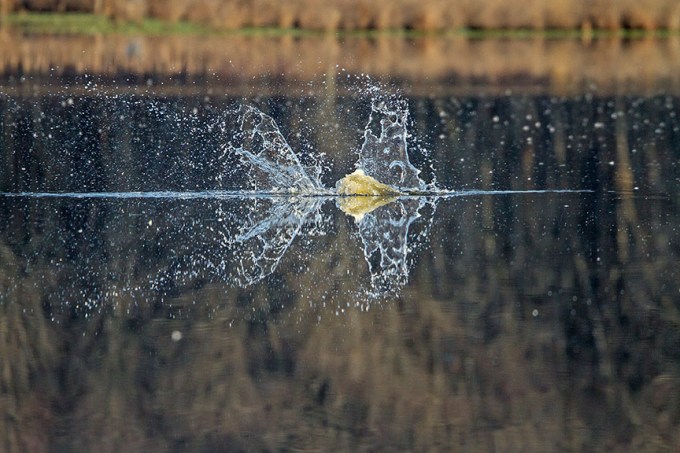
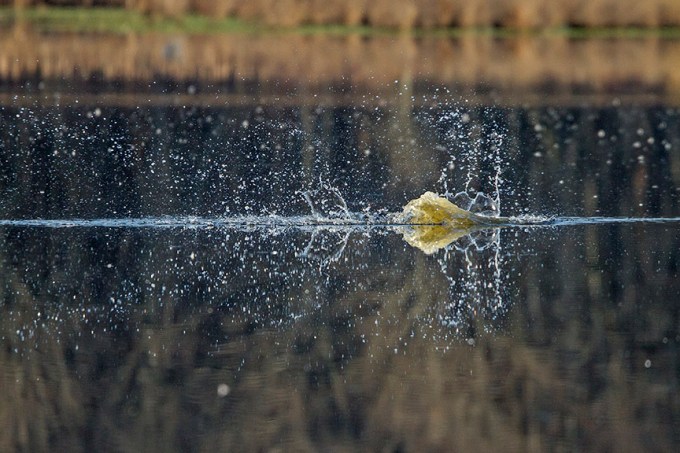
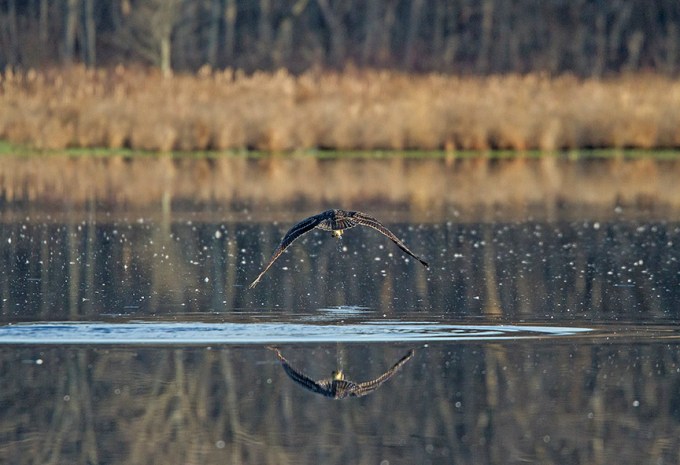
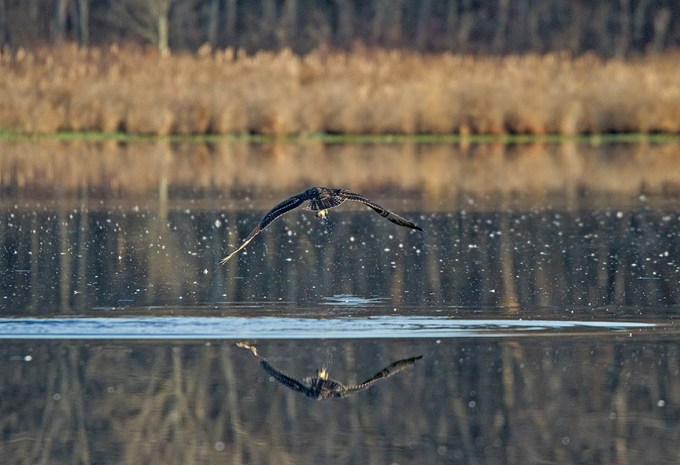
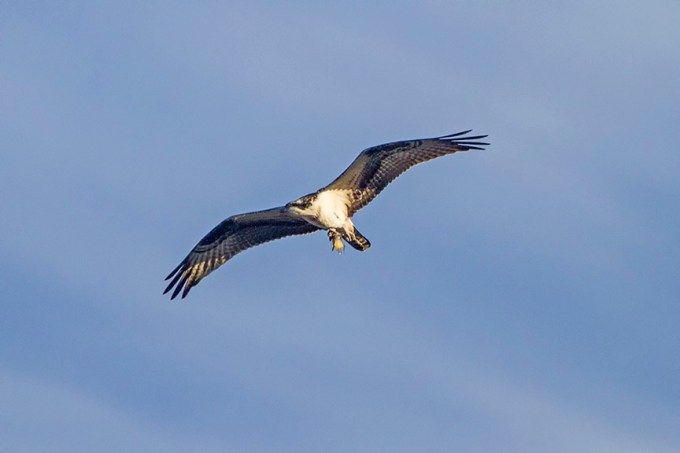
This is a set of images of an Osprey fishing series. I was photographing this Osprey flying overhead when it saw something and went into a dive to catch a meal. I lost the Osprey in my viewfinder on the way down but got it again as it hit the water. I kept shooting while it caught it’s prey, surfaced and flew off. The final image is when it circled around and flew by me with it’s fish in its claws.








Roseate Spoonbill Coming In
Posted on May 27, 2018
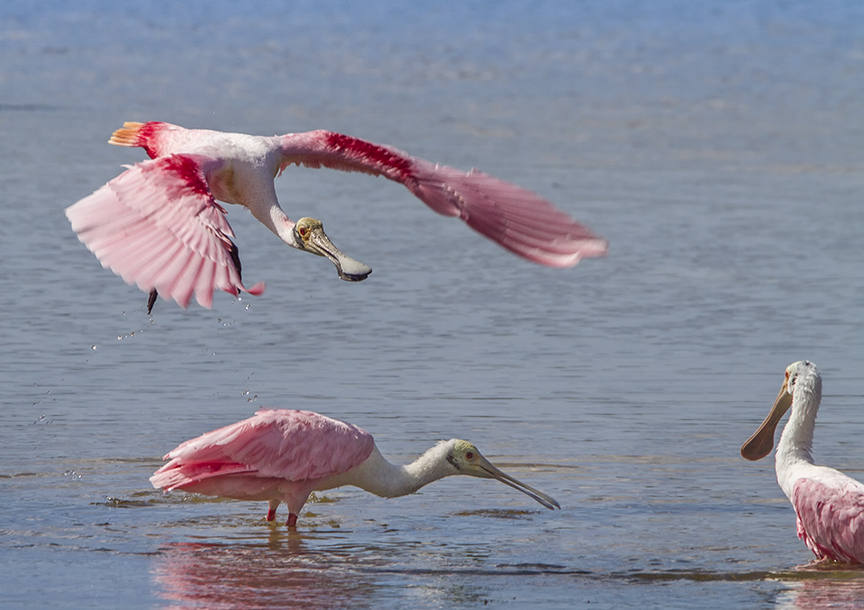
From an earlier trip to the J.N. Ding Darling National Wildlife Refuge in Sanibel Florida. Sometimes it takes me a while to go through images I have shot. Work gets in the way and then I might work on more recent images when I go back to my personal images. Spoonbills are definitely fun to photograph, they seem almost comical the way they interact with each other. Plus they are a big subject and colorful for photography.
 photoartflight