 photoartflight
Blue Dasher Dragonfly Focus Stacks
Posted on July 19, 2020
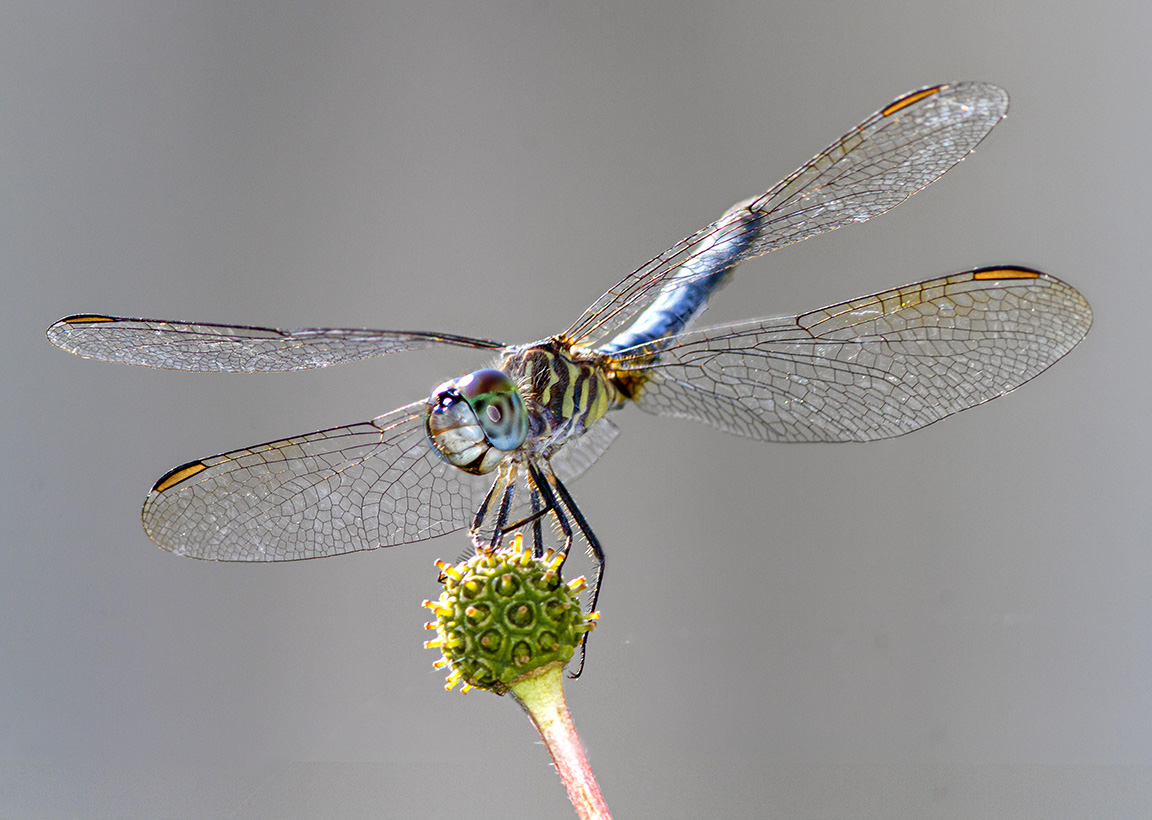
Here are two different Blue Dasher focus stacks. The featured image is made with 3 images. First image is focused on the head, then fore wings & then front of the hind wings. I was using a 300mm f/4 lens on a Canon 7D with a 1.4x teleconverter. I loaded each image into a layered Photoshop file and let a Photoshop align & blend the sharpest areas. The second image I wanted to mainly focus on the face but the plant was in the same focus plane as the face. I thought that might reinforce the roundness of the dragonfly head because of the roundness of the plant. I was shooting @ f/ 5.6 for a shallow depth of field. I then focused on the fore wing because I wanted a sharp edge on the fore wing and let the rest go softer into the darker background.

Great Egret Landing
Posted on June 20, 2020
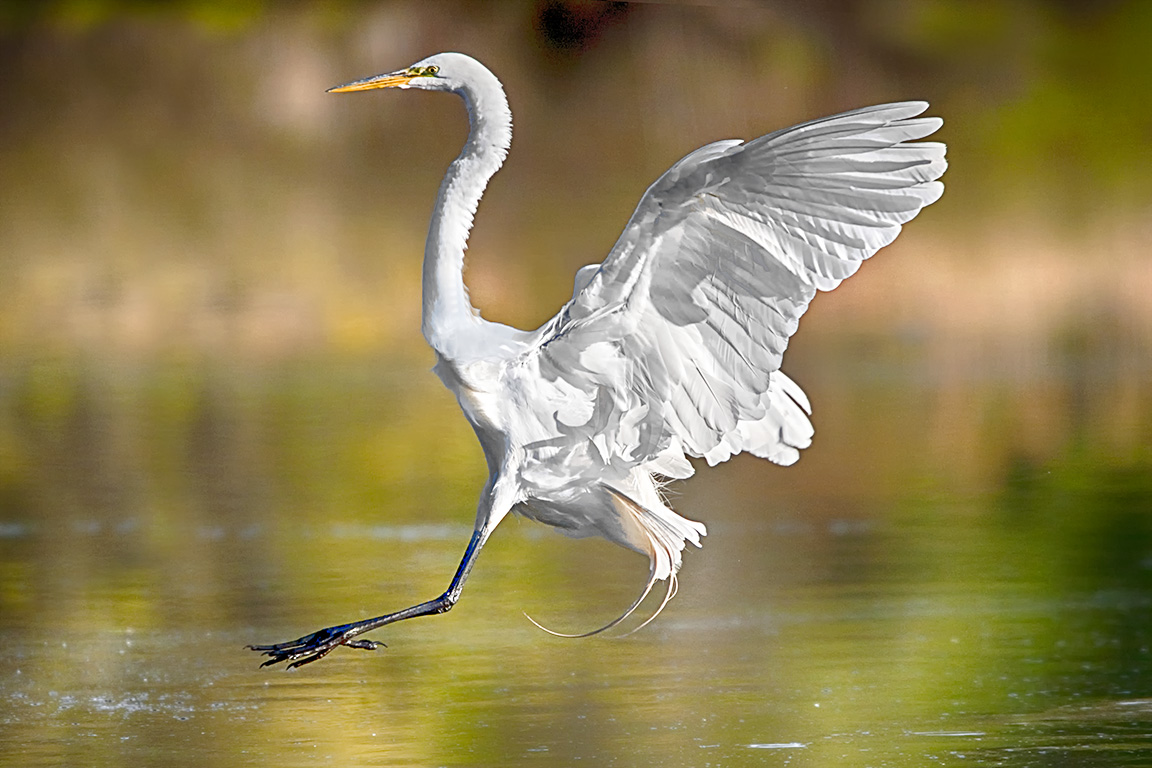
A Great Egret landing in the early morning light at a small local lake. Image taken with 400mm DO lens with 1.4X teleconverter.
Bald Eagle Soaring At Blackwater NWR
Posted on May 1, 2020

I am still going through my backup hard drives for images to post on the blog. I think we will finally be able to go to some local parks tomorrow to get some recent images to post on the blog. One in particular usually has Bluebirds this time of year. The images posted here are from a previous trip years ago to Blackwater NWR in Maryland. They were taken soon after we got there early in the morning as the sun was rising. To bad the Eagle was flying away from me, but I liked the colorful sky that helped make the images interesting. All images were taken with a 400mm Canon DO lens with a 1.4x teleconverter on a 1D series body.


Eastern Tiger Swallowtail Butterfly
Posted on April 28, 2020
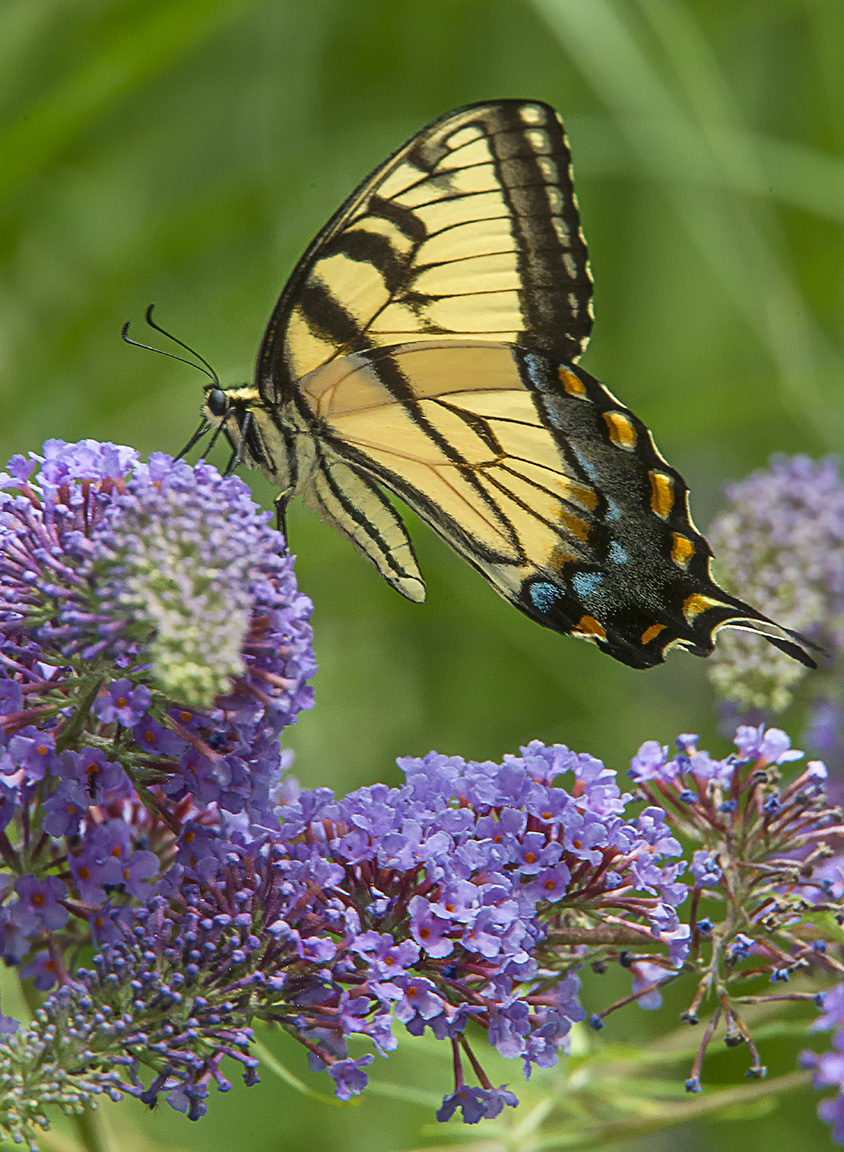
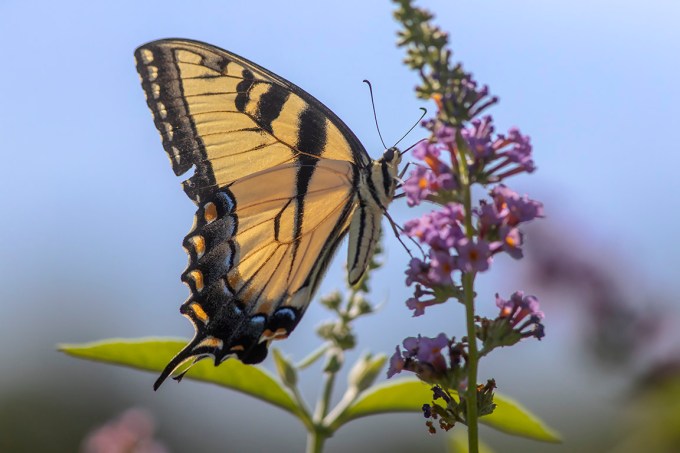
These were taken years ago at my pond in our old yard. I did not realize that when we removed a 20×40 ft pool and put in a large pond it would turn into my outdoor Macro & Wildlife Studio. Got lots of interesting images there. Also got to try many different techniques to photograph small subjects across the pond.
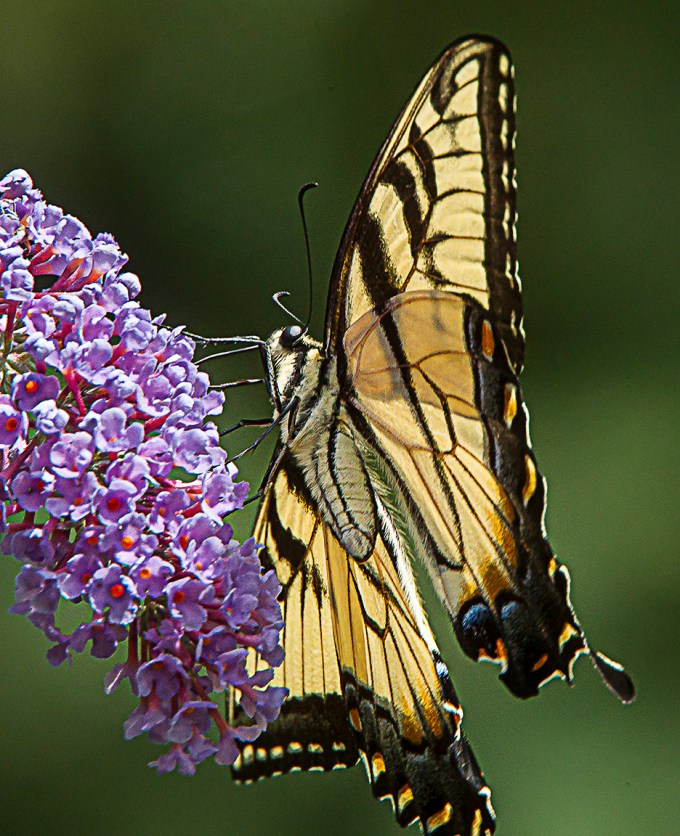
Eastern Tiger Swallowtail Butterfly – 400mm w/ 1.4X Teleconverter
Snow Geese Fly By
Posted on April 24, 2020

This large group of Snow Geese was flying in a long & low to the water flock of birds. The white Snow Geese overlapping the bright sun lit water really blended in with the bright water, but I thought it was still an interesting image. Image from Blackwater National Wildlife Refuge a few years ago. Shot with a Canon 400mm DO lens with a 1.4x teleconverter.
22 Image Damselfly Focus Stack
Posted on April 17, 2020
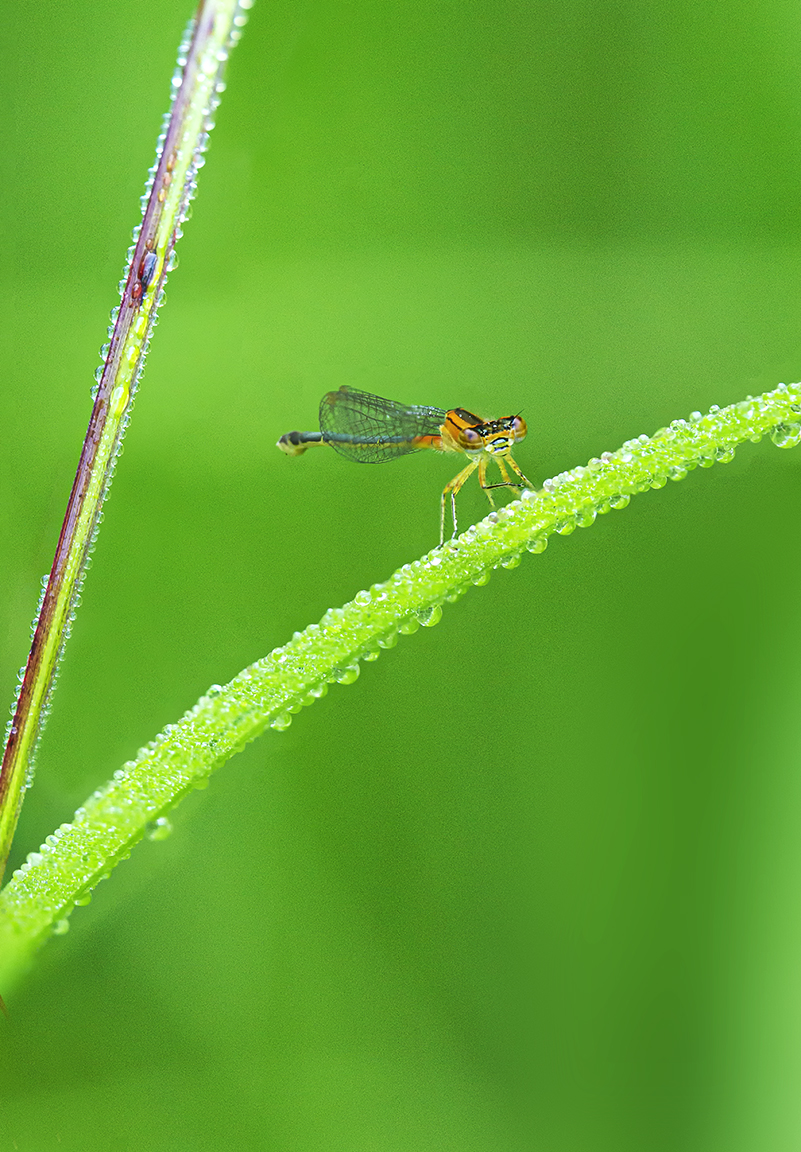
Another Focus-Stacked Damselfly Image. This time I tried shooting stopped down to f/22. I usually do not stop down that far for stacked images, but I thought I would give it a try just to see what happens. For this image the out of focus background was further away from the subject damselfly which helped because of the f/22 f/stop giving a larger depth of field for that focal length. At f/22 with 22 images, it was probably overkill for this image, but if I needed them, I would have them. Better than needing them and not having them. Again I used a Sigma 150mm macro lens with a Canon 1.4X Teleconverter giving me a focal length of 210mm. This Damselfly and Water Drops did not have as much depth to the leaves & water drops so I did not need as many as my previous post especially with the f/22 f/stop.
Image Stacking For Detail With Soft Backgrounds
Posted on April 16, 2020

Quite often I use Image Stacking techniques for my macro images. This works best if you are using a longer macro lens for shallower depth of field & softer cleaner backgrounds. I shot with the lens wide open and take images starting from the closest area I want in focus & ending where I want the background to go softer. The image I chose for this blog is one I photographed years ago. It was photographed using a tripod with a Sigma 150mm Macro lens & 1.4x Canon Teleconverter. I also went a little overboard on layers, but because I was using a 150mm lens with a 1.4x Teleconverter I shot more focus points than usual. I ended up with 44 images in this stack. But shooting @ f/2.8 & adding the 1.4x teleconverter it was actually f/4 (Wide Open). I started from the bottom of the image & worked my way up to the top. You can also not use all the layers if you want to select where the softness ends or begins. Here I purposely ended where I wanted it to end. You can also use a smaller aperture / larger f/stop number to use less images for the stack but I like the smoother background.
I then load all the images into one Photoshop layered file and select all layers.
A) Under Edit – chose Auto Align Layers

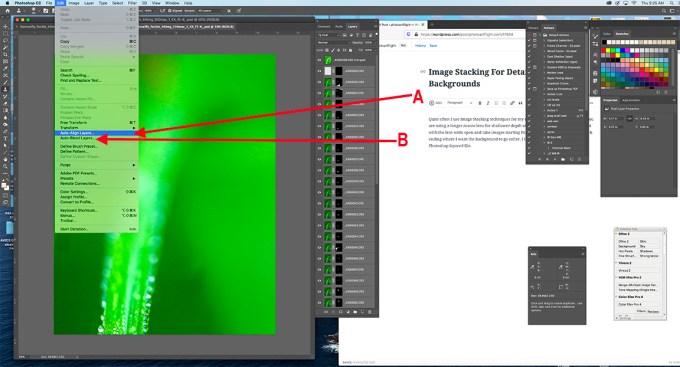
(B) then select Edit – Auto-Blend Layers – for final blending.
Below is Final Blended file on the top layer in Photoshop with all the sharpest sections of each Layer (masked) below the final layer.
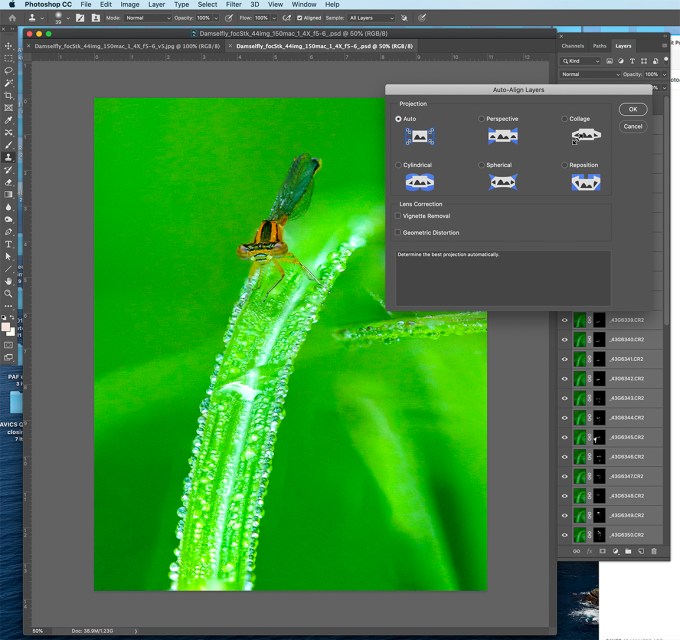
I use this technique with my macro images mainly to get the greatest detail on my main subject and the softest backgrounds behind them. You can also control how much sharpness you have on your subject and where the softness starts. With practice the results get more reliable for what you are envisioning when you are photographing them. Also you can change your mind after you captured the series and have the detail or less detail where you want it while you are adjusting your files.
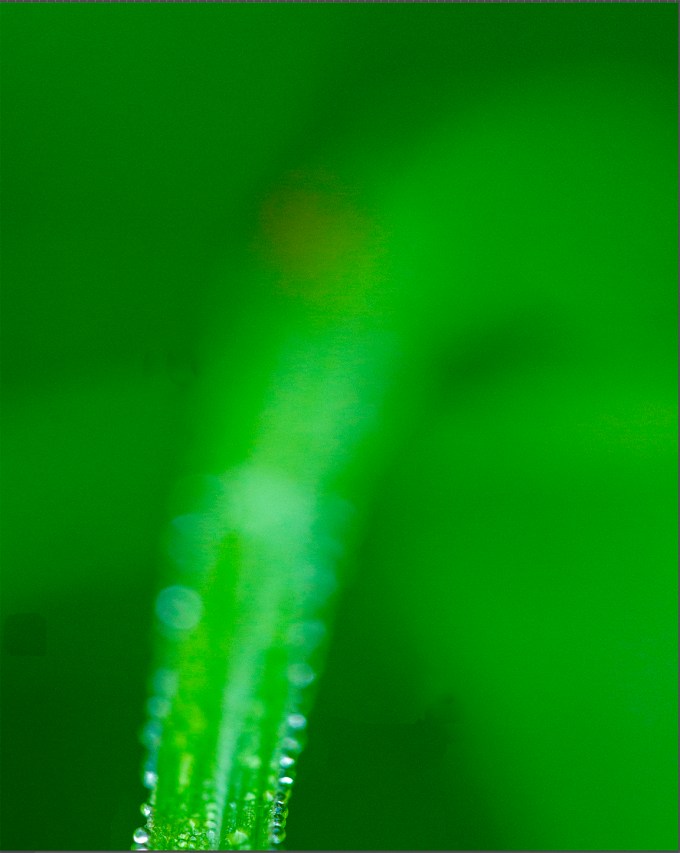
First Image in Series
American Oystercatchers
Posted on April 7, 2020

I photographed these American Oystercatchers from a much earlier trip to the Brigantine Division of the Edwin B. Forsythe National Wildlife Refuge. We saw quite a few Oystercatchers around especially by the waters edge. They seem to be very skiddish birds so I was using a Canon 400mm DO lens with a 1.4x teleconverter on 7D Camera (for a Full Frame Field of View ~ 896mm). I really like their bright colored beak and eyes! They really stand out!


Snowy Egret Bad Feather Day
Posted on March 29, 2020

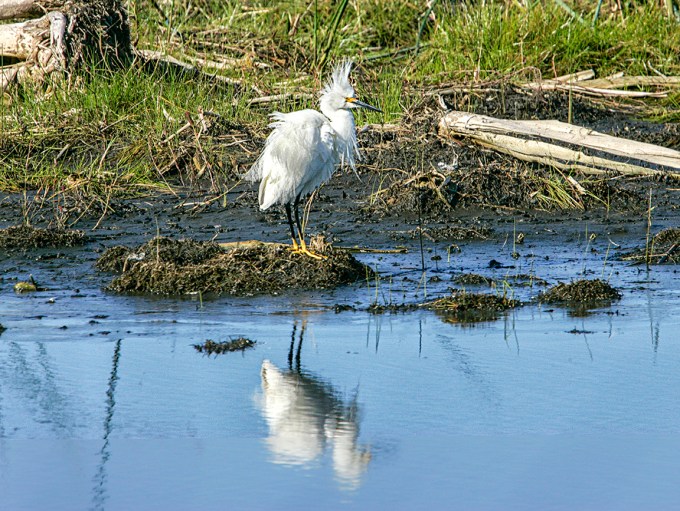
These are from a previous visit years ago to Lake Woodruff NWR in DeLand Florida. The wind picked up some and I liked the ruffled feathers on this Snowy Egret. I was using 100 – 400mm zoom with a 1.4x teleconverter to get a little closer view.

More CloseUp American Alligator Images From Florida
Posted on March 10, 2020
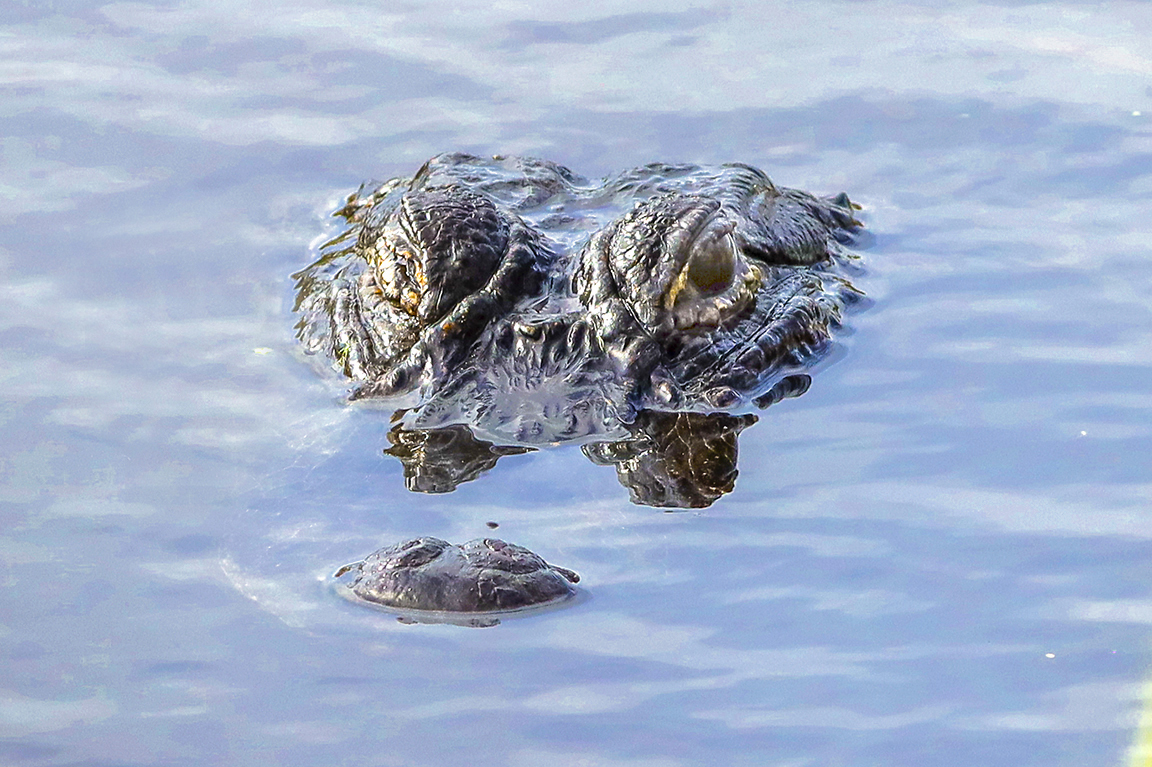
An assortment of close-up images of Alligators from 2 Florida locations, along the paths at Ding Darling National Wildlife Refuge in Sanibel, Florida and the St. Augustine Alligator Farm’s Rookery. Featured image taken at Ding Darling NWR with 300mm f/4 Lens, Canon R.

Alligator Teeth 560mm, Ding Darling NWR, Sanibel, Florida. Canon 1D mkIV, 400mm DO lens, 1.4X Teleconverter

Alligator @ 400mm, Tamron 150-600mm lens, Canon R, St. Augustine Alligator Farm
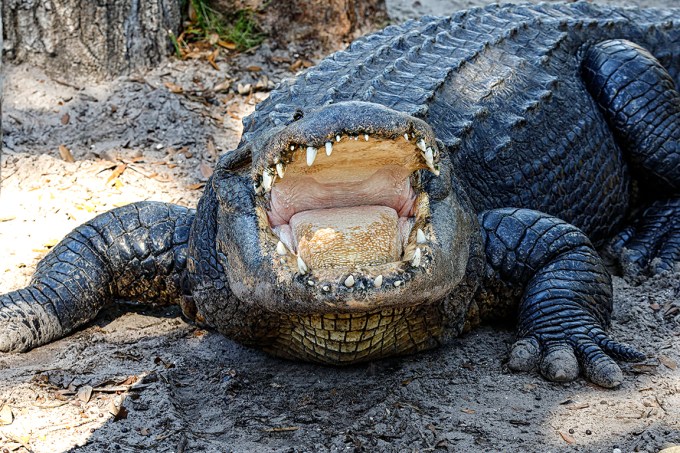
Alligator @ 226mm, Tamron 150-600mm lens, Canon R, , St. Augustine Alligator Farm
Following is information on Alligators from Ding Darling NWR’s website.
One of only two alligator species in the world, the American Alligator is a large reptile found in freshwater habitats throughout the southeastern United States. Adult male alligators can grow up to 4.6 meters long and weigh over 500 pounds while females are generally smaller and average only 3 meters long with a weight of 200 pounds. Commonly portrayed as green, the skin of an American alligator is actually a dark grey color with pale yellow on the underside, and the juveniles have bright yellow stripes along their backs until they mature and the striped fade. The dark coloration allows this predator to better blend into the swamps, marshes, and wetlands it inhabits and camouflages the animal while it hunts at night. Another adaptation that allows the alligator to better hunt within its watery habitat is a double set of eyelids. One set of eyelids is much like a humans, they close up and down and protect the eye from debris and light. A second set of translucent eyelids, called a nictitating membrane, close front to back and are used to protect the eyes while the alligator is underwater. Like other reptiles, American alligators are cold blooded and need heat from the sun or other sources such as warm water to be active or even to digest their food. Special bone plates called scutes grow between layers of skin along the back of the alligator, giving the animal an armored appearance and acting as a solar plate. The scutes collect heat from the sun when the alligator sunbathes and warms the blood that runs through the vessels of the skin, transferring the heat throughout the body. Despite their appearance as slow, lazy, or unresponsive which sunbathing as alligator is capable of running up to 11 miles per hour on land in short bursts. This species is much better built for water travel, where it is able to utilize its tail as a paddle and rudder to guide the torpedo-shaped body through the water at speeds up to 20 miles per hour.
 photoartflight