 photoartflight
Pond Bubbles
Posted on April 1, 2014
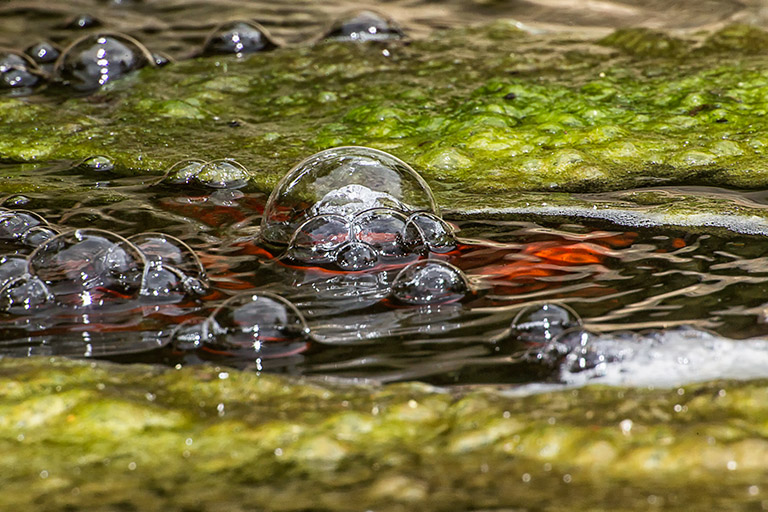
With the coming of Spring, I cannot wait to get our pond cleaned out from Winter’s leaves and debris, to ready it for the flowers, bugs, Dragonflies & Damselflies. It is my outdoor macro and small critter studio and is amazing what shows up during Spring, Summer and Fall to Photograph. Here are some images from last year.

Closeup Dragonfly Wing – Canon EOS 7D, Sigma 150mm f/2.8 Macro @f/14, 1/13 sec, +0.33 exposure compensation, ISO 640

Closeup Dragonfly Wing – Canon EOS 7D, Sigma 150mm f/2.8 Macro @f/14, 1/50 sec, ISO 640

Common Green Darner, Canon EOS 1D MkIV, Canon 400mm f/4 DO lens, 30mm Extension tube, Canon 1.4X Series III Teleconverter, 20mm Extension Tube, f/8, 1/125 sec, -0.33 exp. comp, ISO 1250
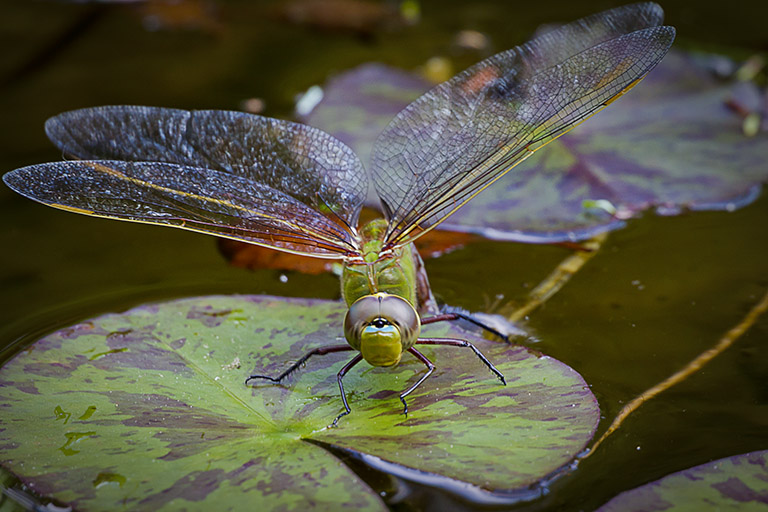
Common Green Darner, Canon EOS 1D MkIV, Canon 400mm f/4 DO lens, 30mm Extension tube, Canon 1.4X Series III Teleconverter, 20mm Extension Tube, f/8, 1/100 sec, -0.67 exp. comp, ISO 1250

Blue Dasher, Canon EOS 1D MkIV, Canon 400mm f/4 DO lens, 30mm Extension tube, Canon 1.4X Series III Teleconverter, 20mm Extension Tube, f/8, 1/250 sec, -0.67 exp. comp, ISO 1250

Hemlock Cones, Canon EOS 7D, Sigma 150mm Macro f/2.8, Canon 1.4X Teleconverter Series III, f/5.6, 1/60 sec, ISO 400

Bug on Leaf, Canon EOS 7D, Sigma 150mm Macro f/2.8, f/7.1, 1/320 sec, -0.33 exp. comp, ISO 320

Canon 7D, Sigma 150mm Macro f/2.8, Canon 1.4X Series III Teleconverter, f/8, 1/320 sec, +0.33 exposure compensation
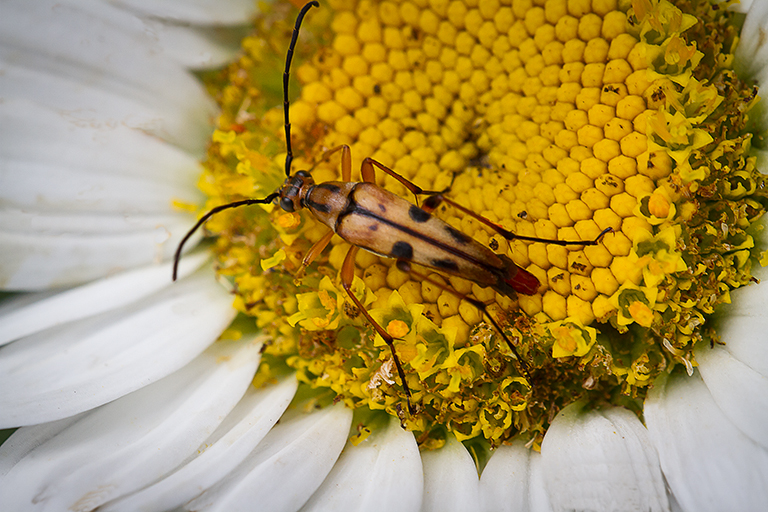
Canon EOS 7D, Sigma 150mm Macro f/2.8, f/8, 1/200 sec, ISO 400

Canon EOS 7D, 70-300mm f/4-5.6 DO lens, f/11, 1/320 sec, +0.33 exposure compensation, ISO 320
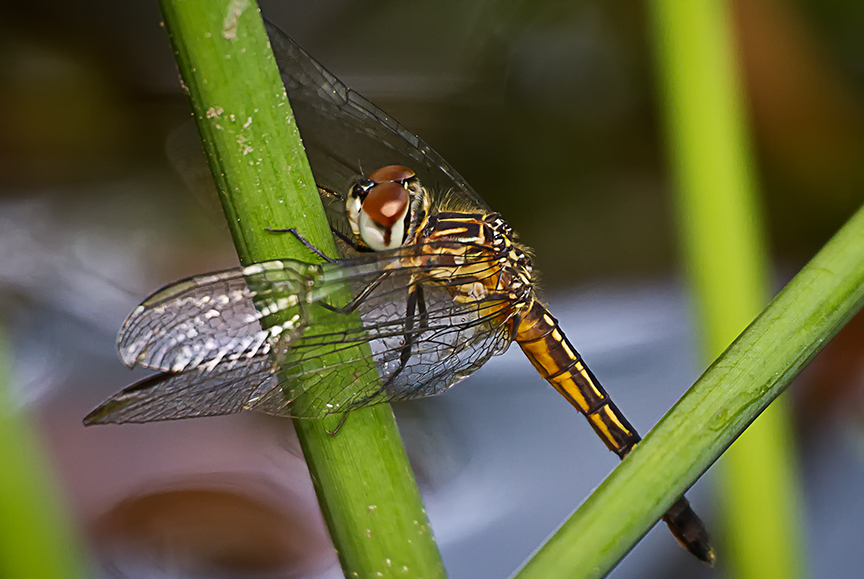
Blue Dasher, Female, Canon EOS 7D, Canon 400mm DO f/4, Extension Tubes, Canon Series III 1.4X Teleconverter, f/5.6, 1/200 sec., -1.33 exposure compensation, ISO 1250
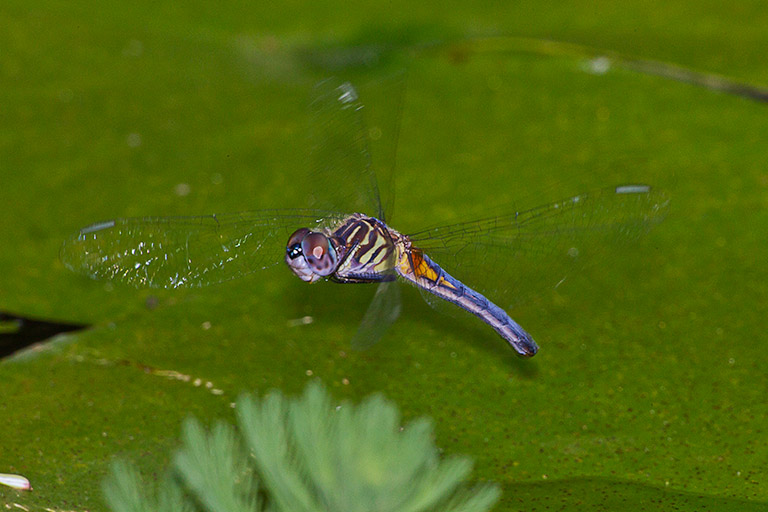
Flying Blue Dasher, Canon EOS 1D MkIV, Canon 400mm DO f/4, 30mm extension tube, Canon 1.4X Series III Teleconverter, 20mm extension tube, On Camera Fill Flash w/ Better Beamer Flash Extender, – 2.67 exp compensation, f/10, 1/125 sec, ISO 640

Blue Dasher, Canon EOS 1D MkIV, Canon 400mm DO f/4, 30mm extension tube, Canon 1.4X Series III Teleconverter, 20mm extension tube, On Camera Fill Flash w/ Better Beamer Flash Extender, – 0.67 exp compensation, f/8, 1/250 sec, ISO 400

Blue Dasher, Canon EOS 1D MkIII, Canon 400mm DO f/4, 30mm extension tube, Canon 1.4X Series III Teleconverter, 20mm extension tube, On Camera Fill Flash w/ Better Beamer Flash Extender, -1 exp compensation, f/8, 1/30 sec, ISO 400
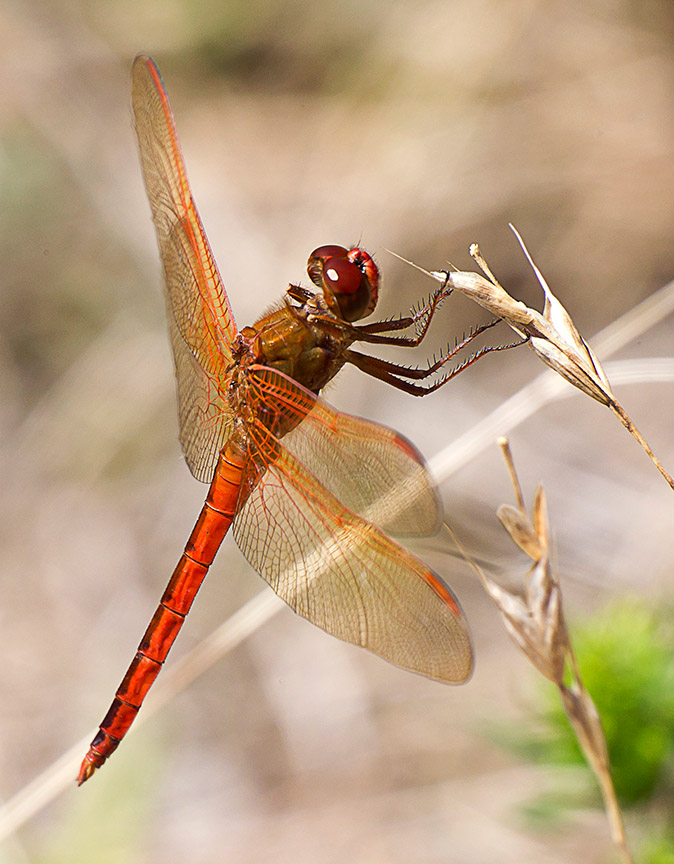
Big Red Skimmer, Canon EOS 1D MkIII, Canon 400mm DO f/4, 30mm extension tube, Canon 1.4X Series III Teleconverter, 20mm extension tube, On Camera Fill Flash w/ Better Beamer Flash Extender, – 1 exp compensation, f/8, 1/30 sec, ISO 400
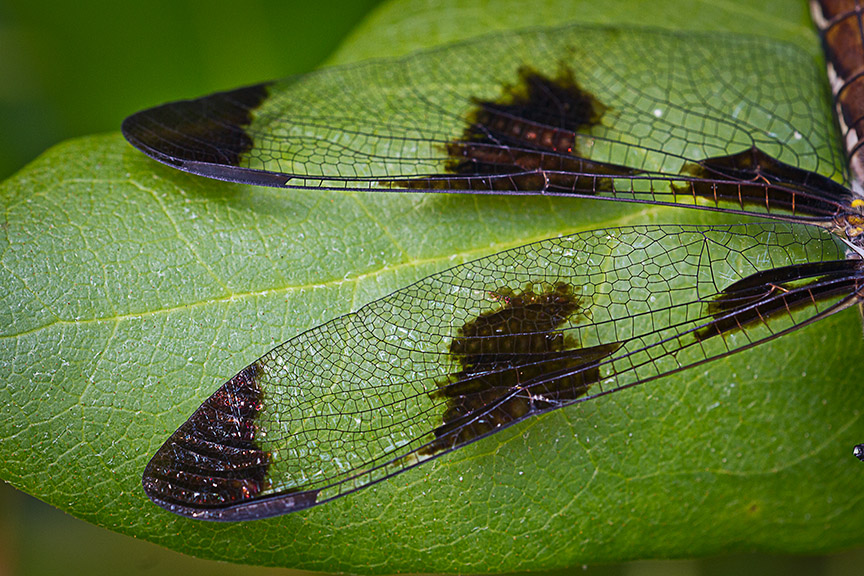
Closeup Dragonfly Wing – Canon EOS 7D, Sigma 150mm f/2.8 Macro @f/8, 1/30 sec, -1 exp. comp., ISO 400
Water Droplets
Posted on September 29, 2013
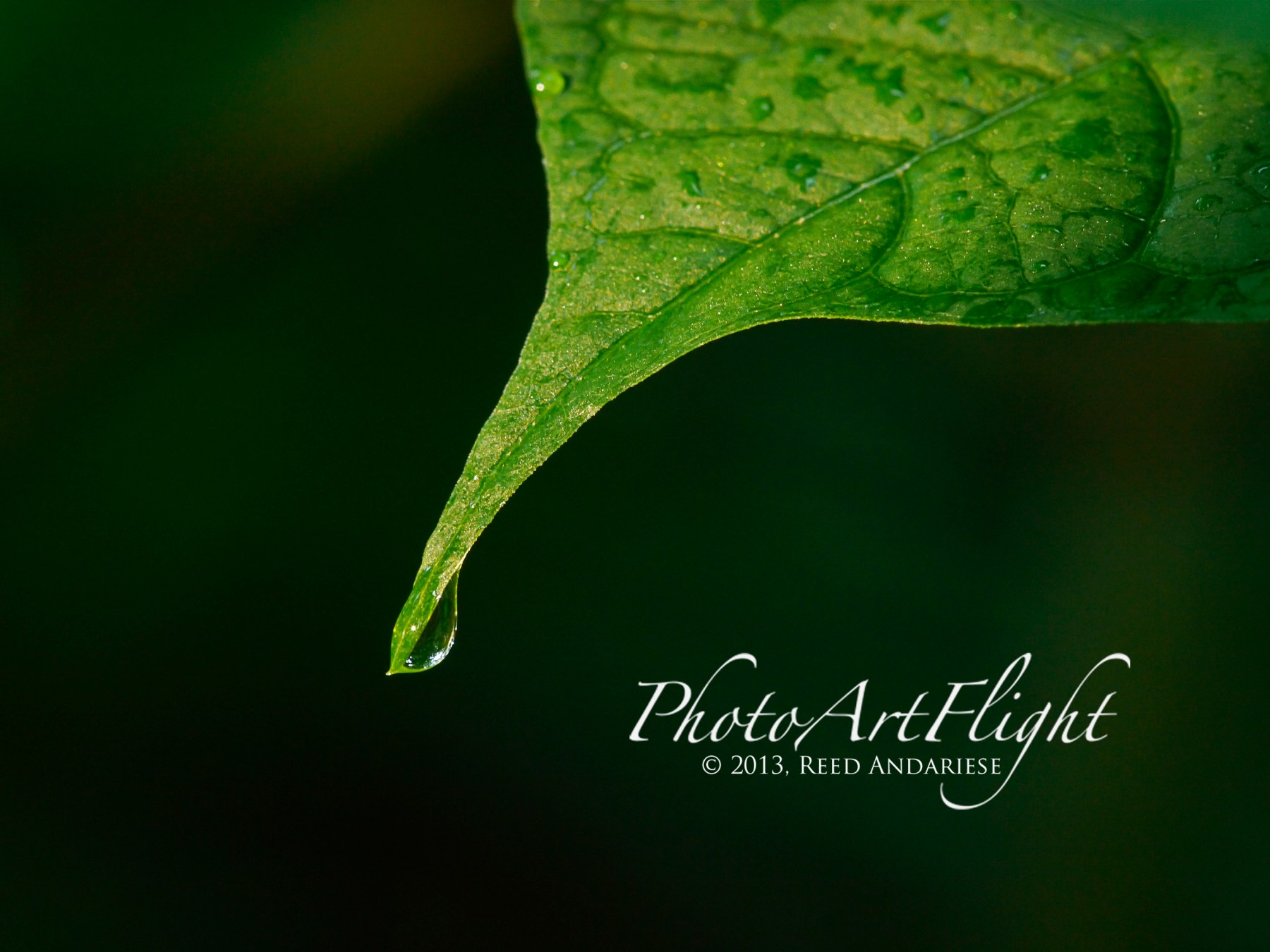
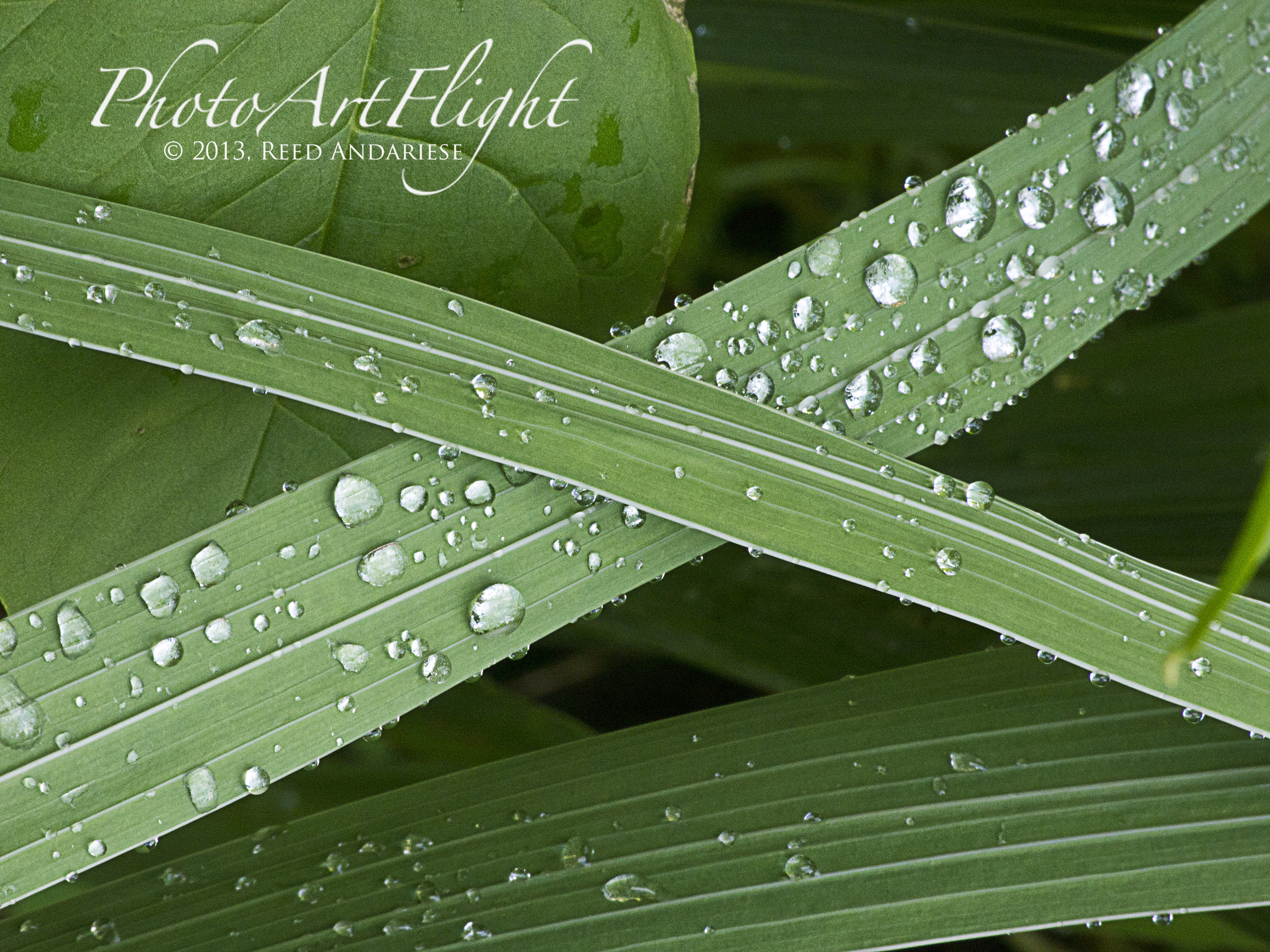
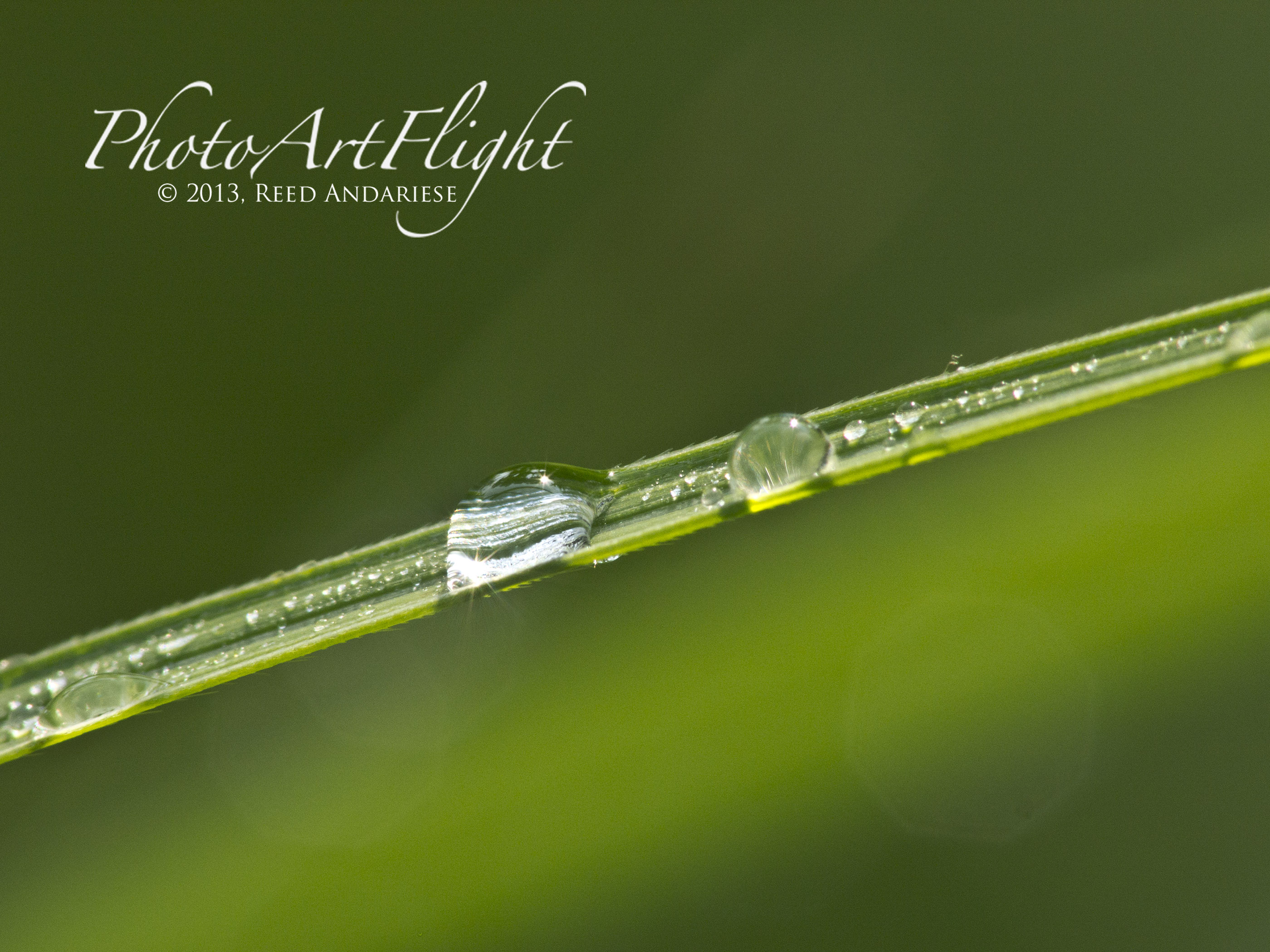
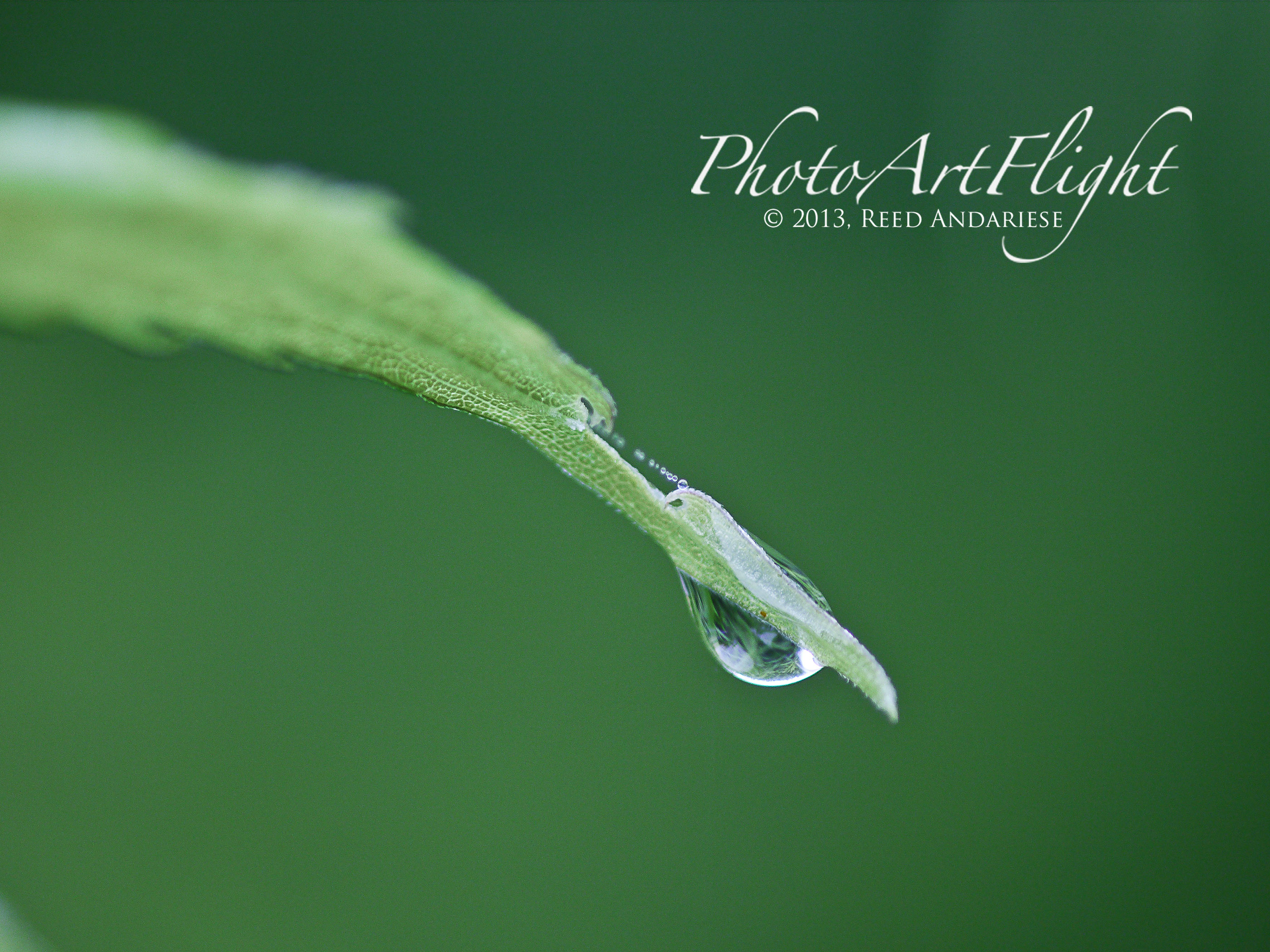
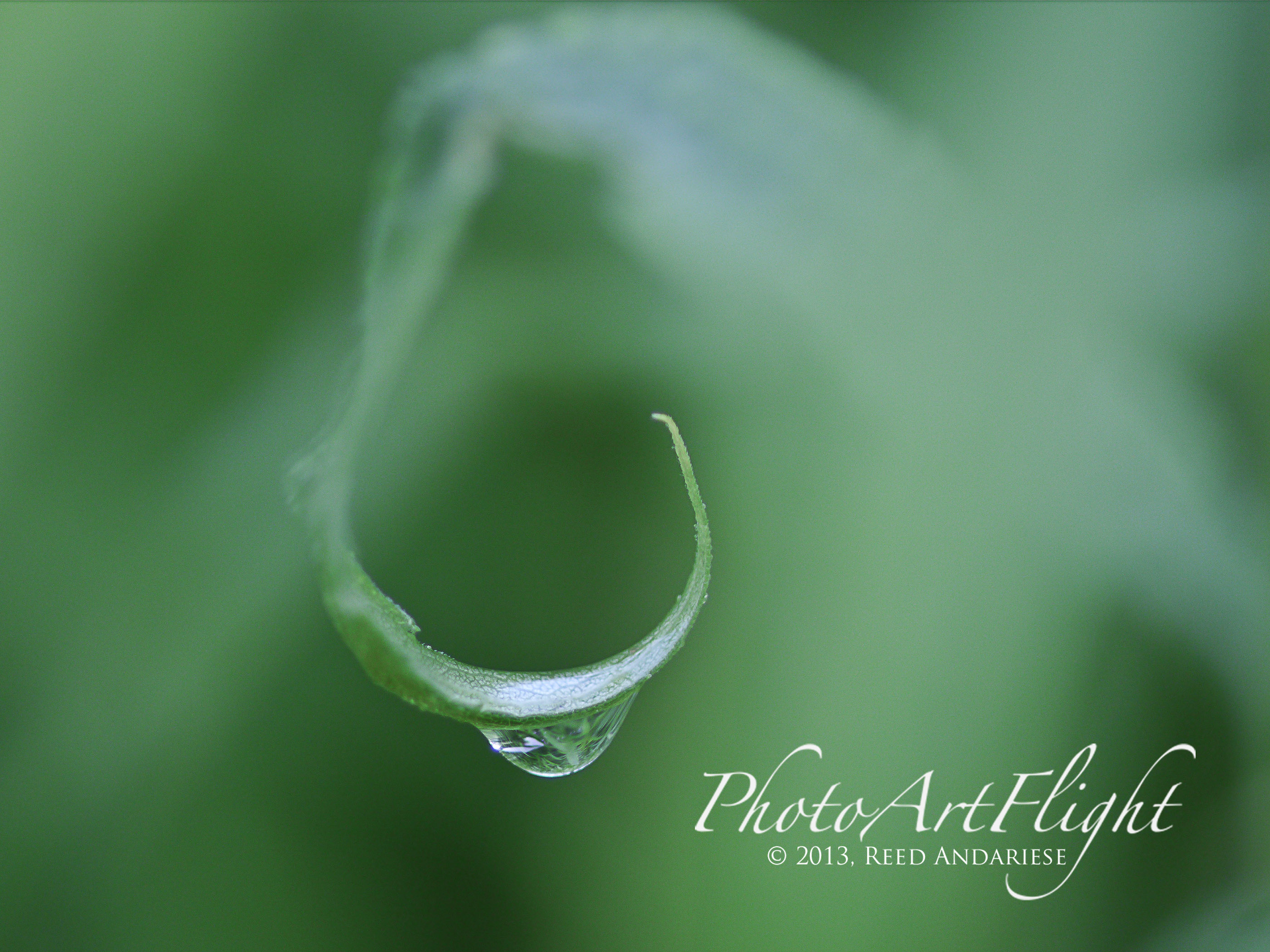
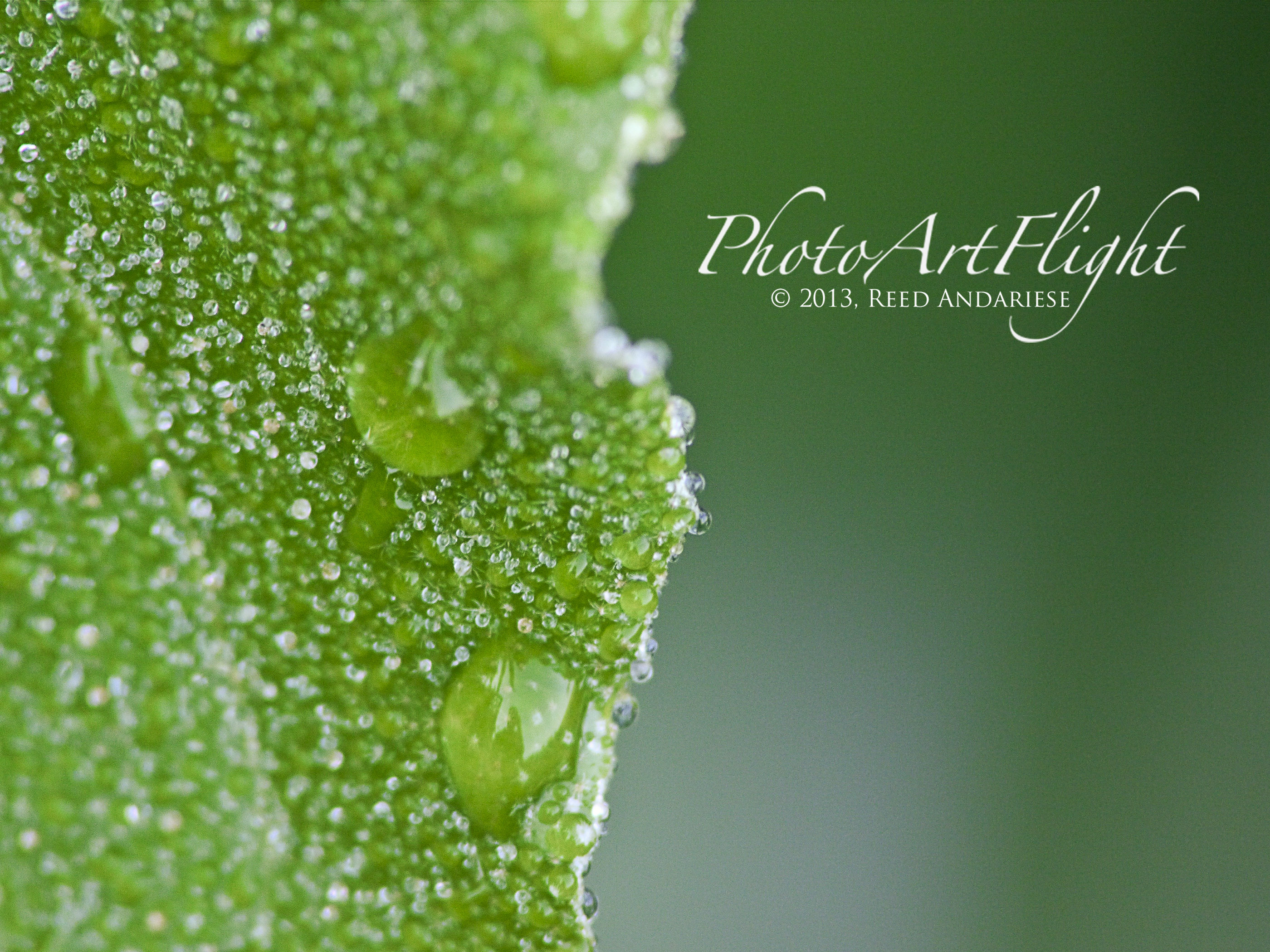
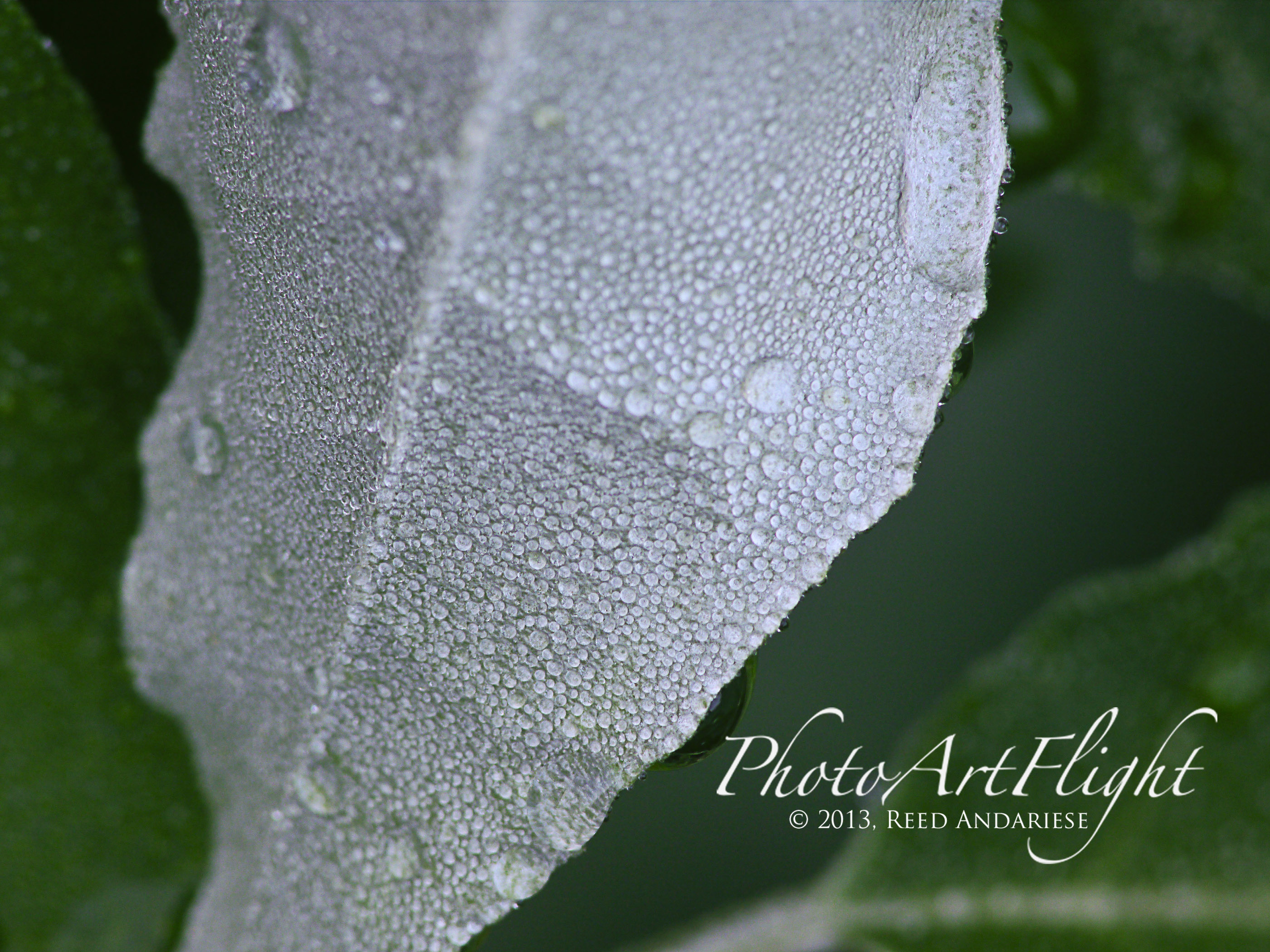
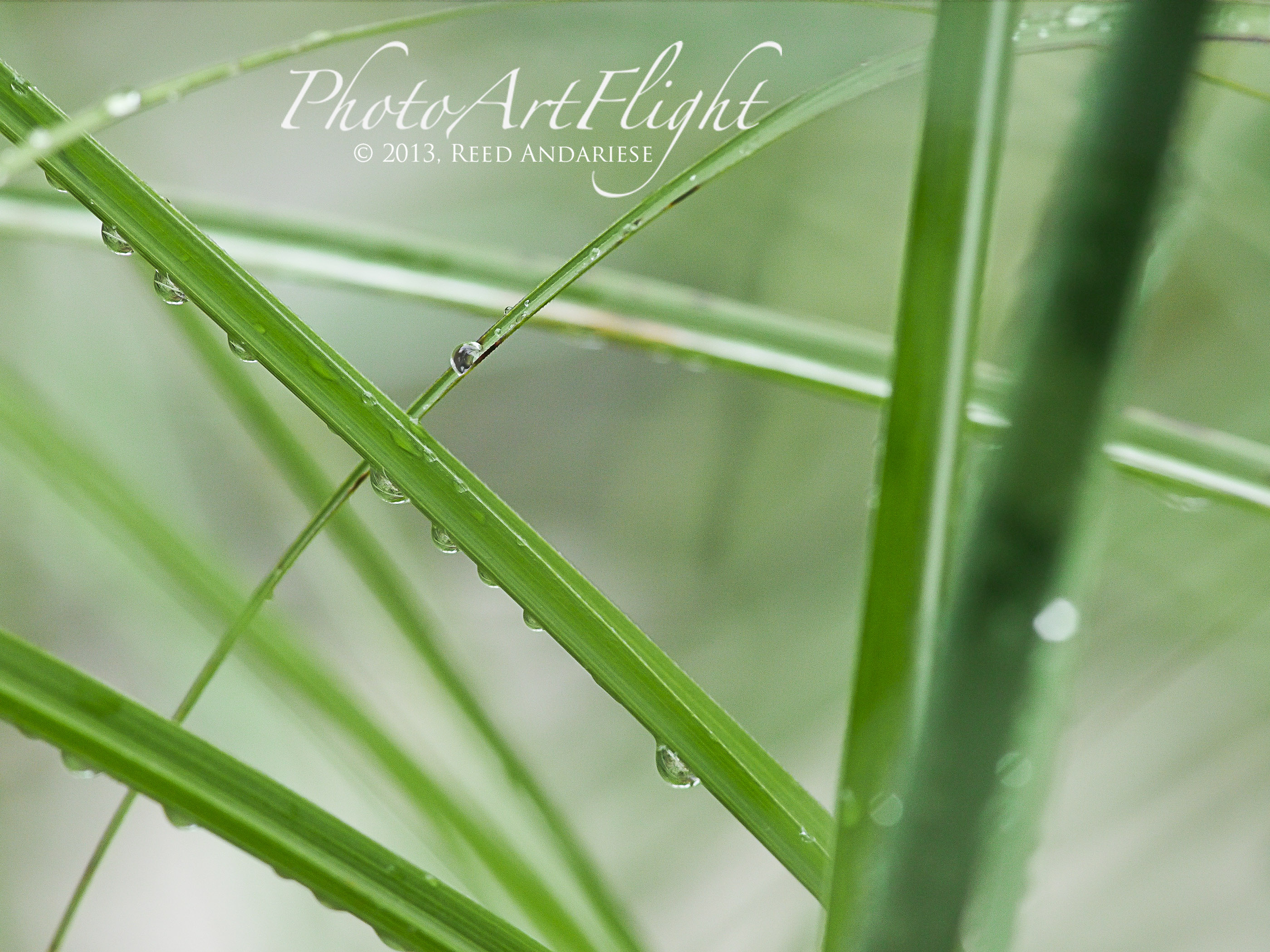
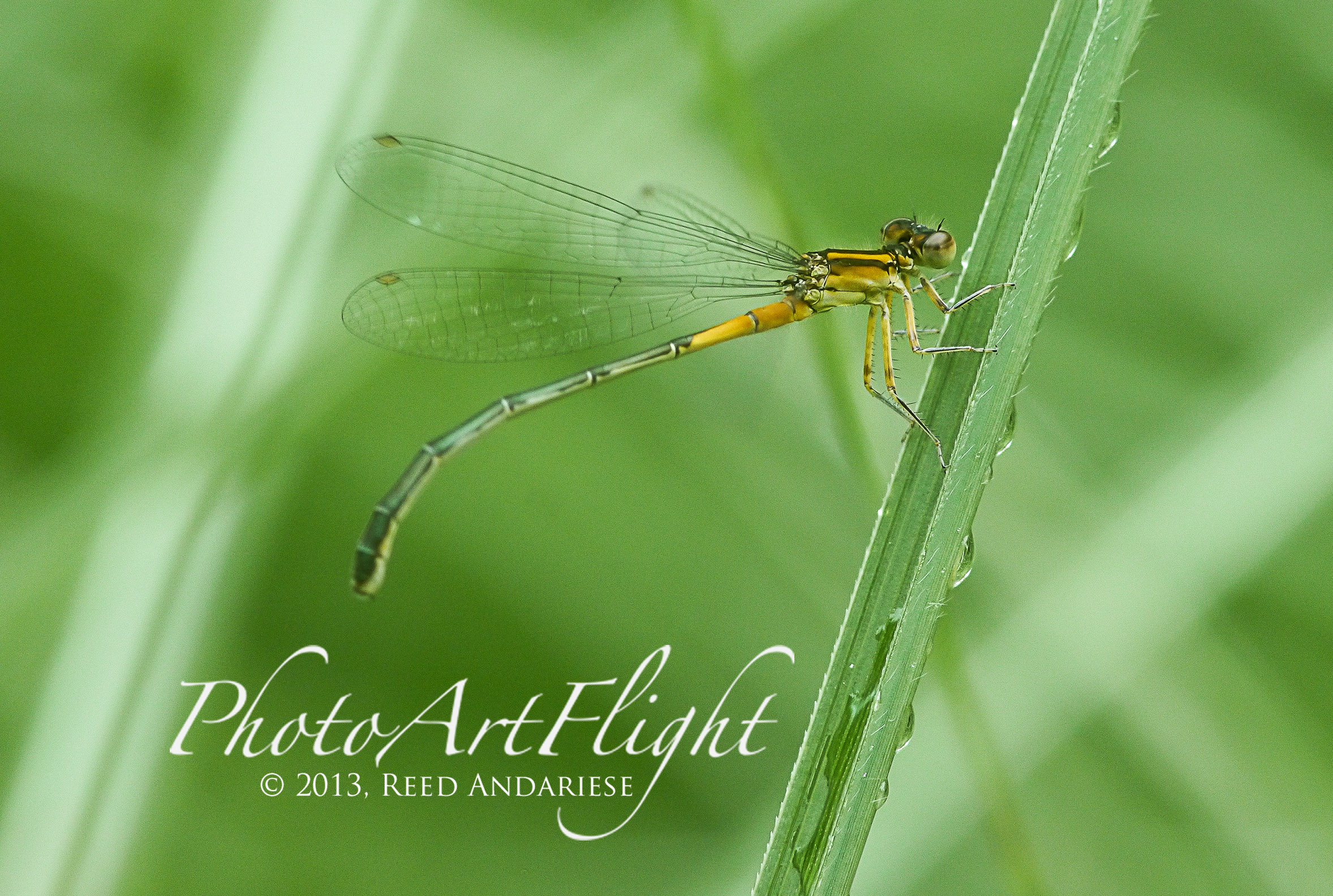
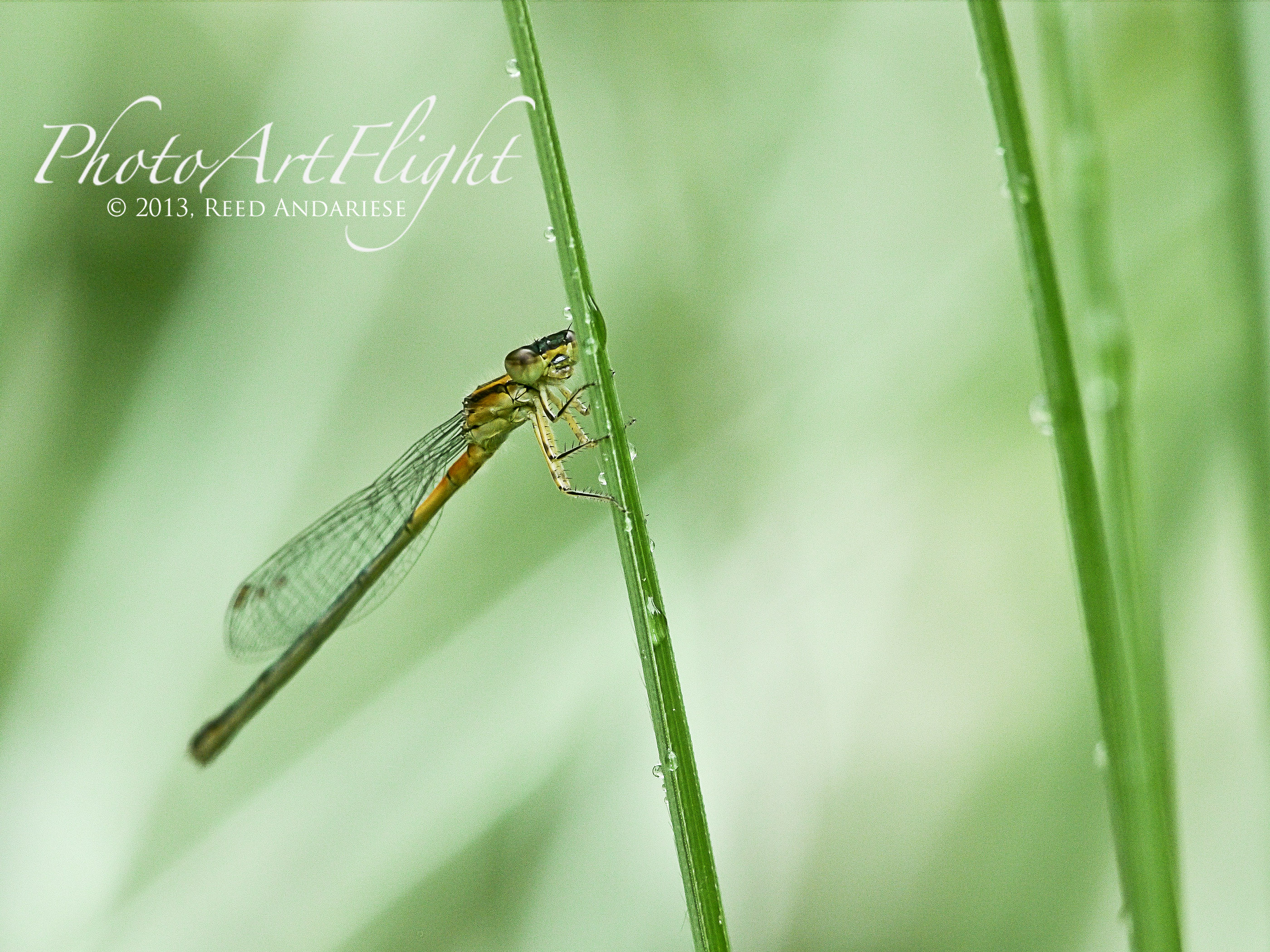
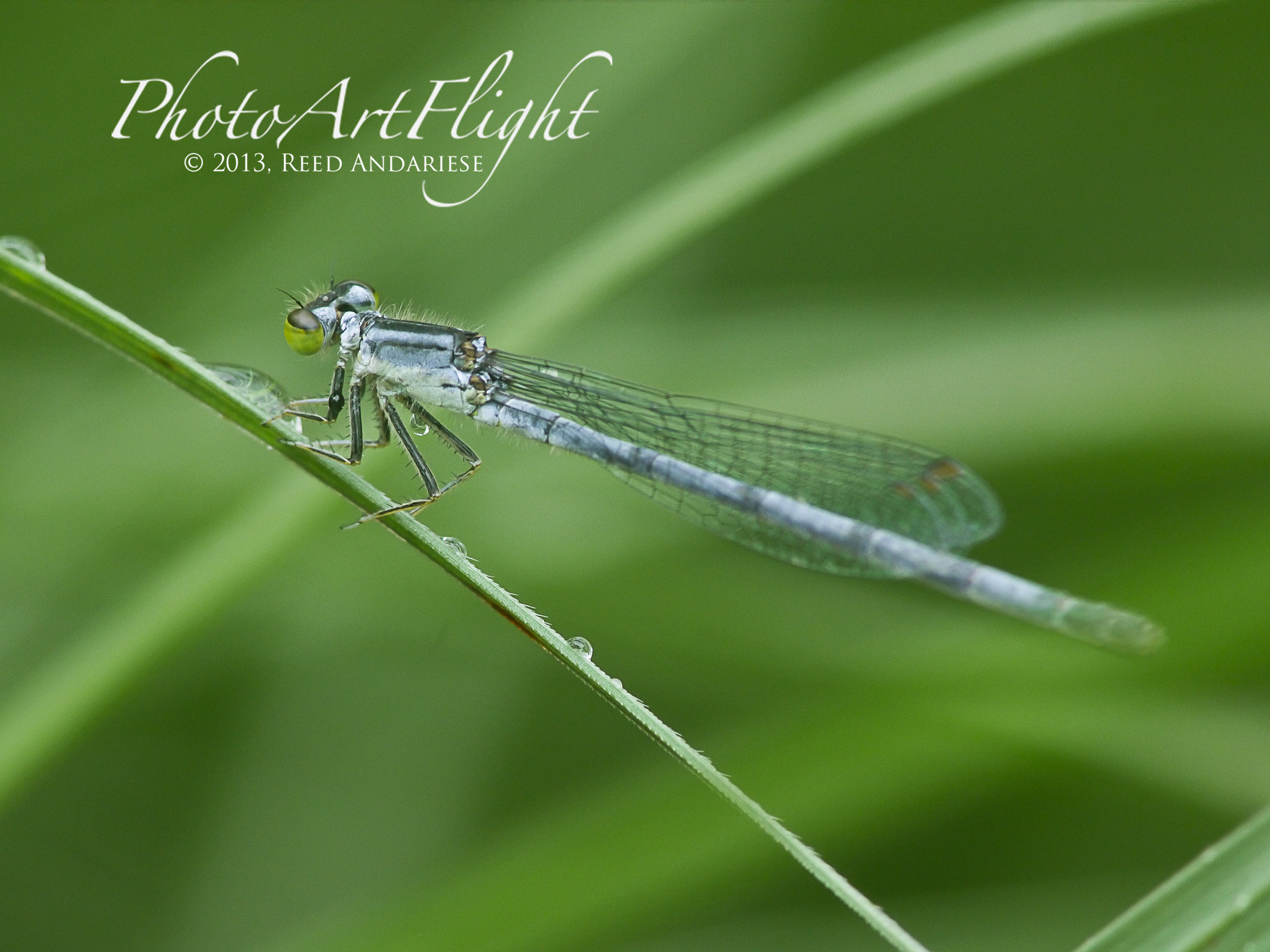
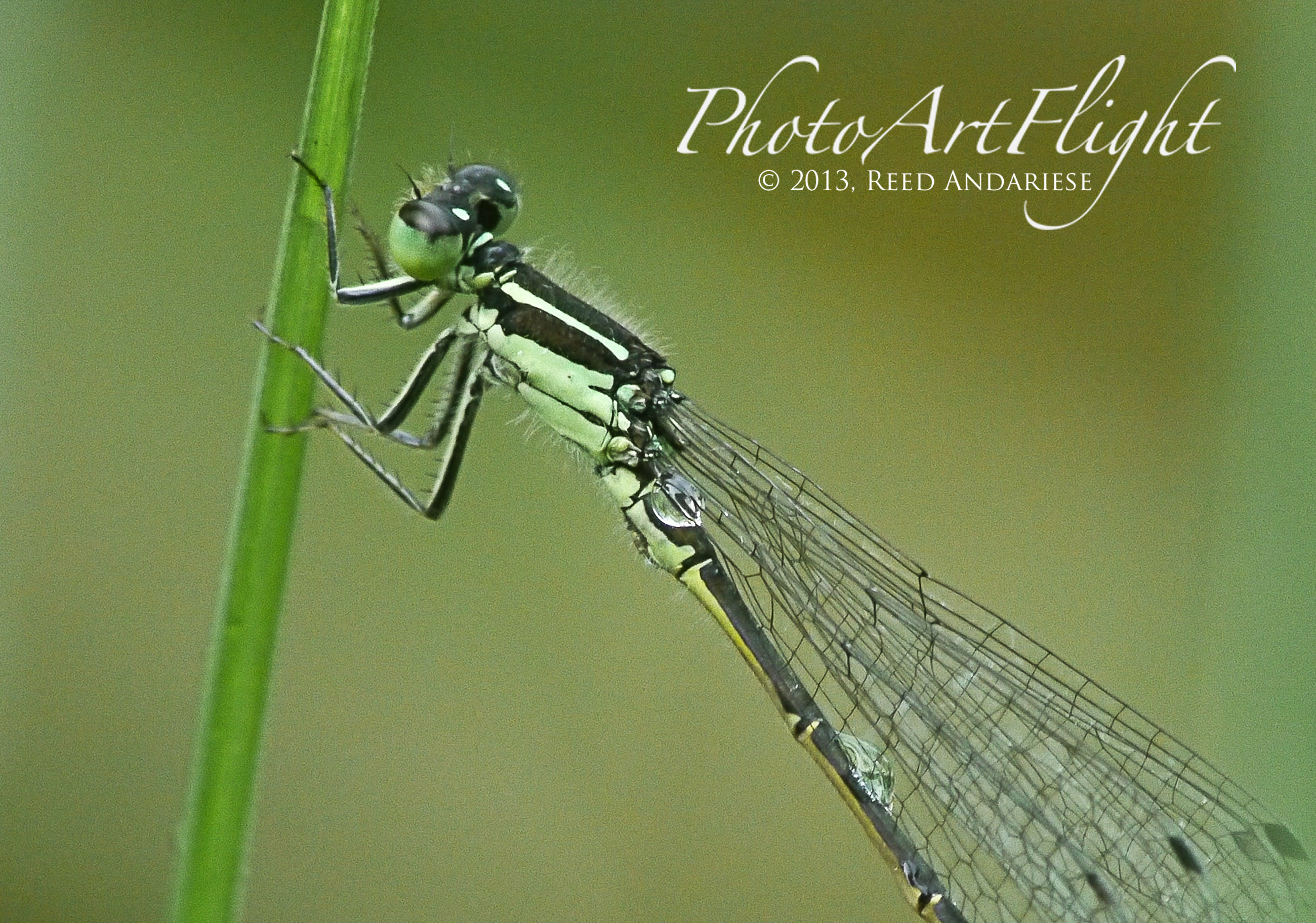
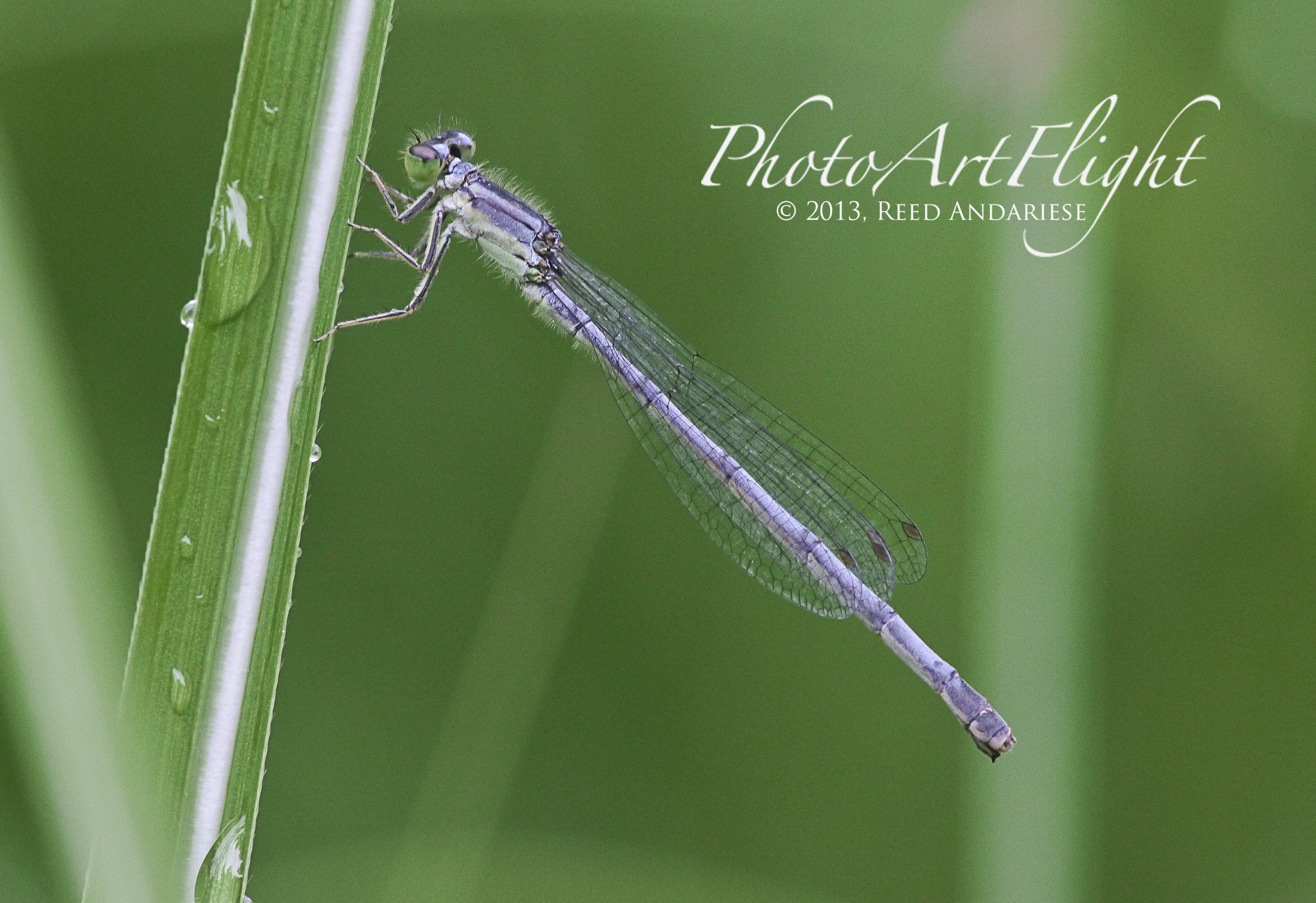
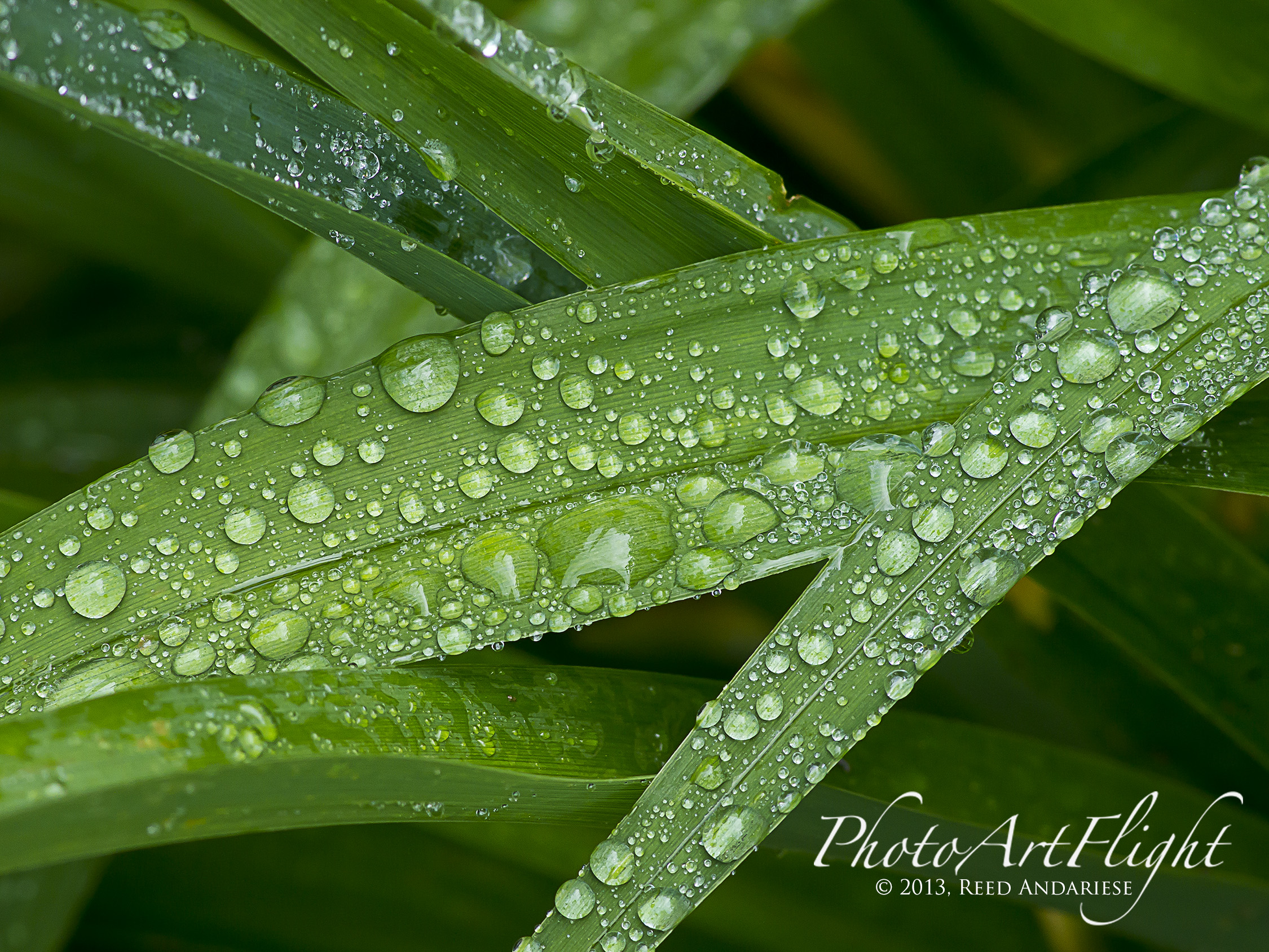
A lot of photographers do not like it when it rains, cuts down on their photography. I like a rain showers, when it ends or just drizzles a little, it gives you an opportunity to go and add water droplets to your photos. It adds interest and dimension to leaves and other subjects. It is like a Treasure hunt and you can do it in your own yard or a local park. When shooting wet leaves, sometimes it helps to use a polarizing filter to cut down on the glare if the sun comes out. Most of the photos shown here were shot using the Panasonic GH2 m43 camera with an older manual focus Canon FD 200mm f/4 macro lens. I like using this combination for macro. With this combo it is like using an f/4 400mm macro that goes to 2X without extension tubes. Your depth of field is also extended because it is a 200 mm lens, but with the 2X crop factor of m43 giving you 400mm. Plus you are not right on top of your subjects, gives you a nice working distance. You just press in the exposure compensation and the image in your viewfinder zooms in for critical focus. Then you just touch the shutter button and it zooms out for the full image on the viewfinder. Also as you stop down, the image remains bright in the electronic viewfinder, but you also see the full depth of field of the aperture you set. After you shoot your shot you also instantly see a preview of what you just shot for a second and will give you “blinkies” on a bright area that might have gotten blown out so you can instantly compensate and reshoot a darker exposure. So enjoy and go out and look after a rain shower to see what you can find.











One of My Favorite Macro Setups
Posted on September 19, 2013
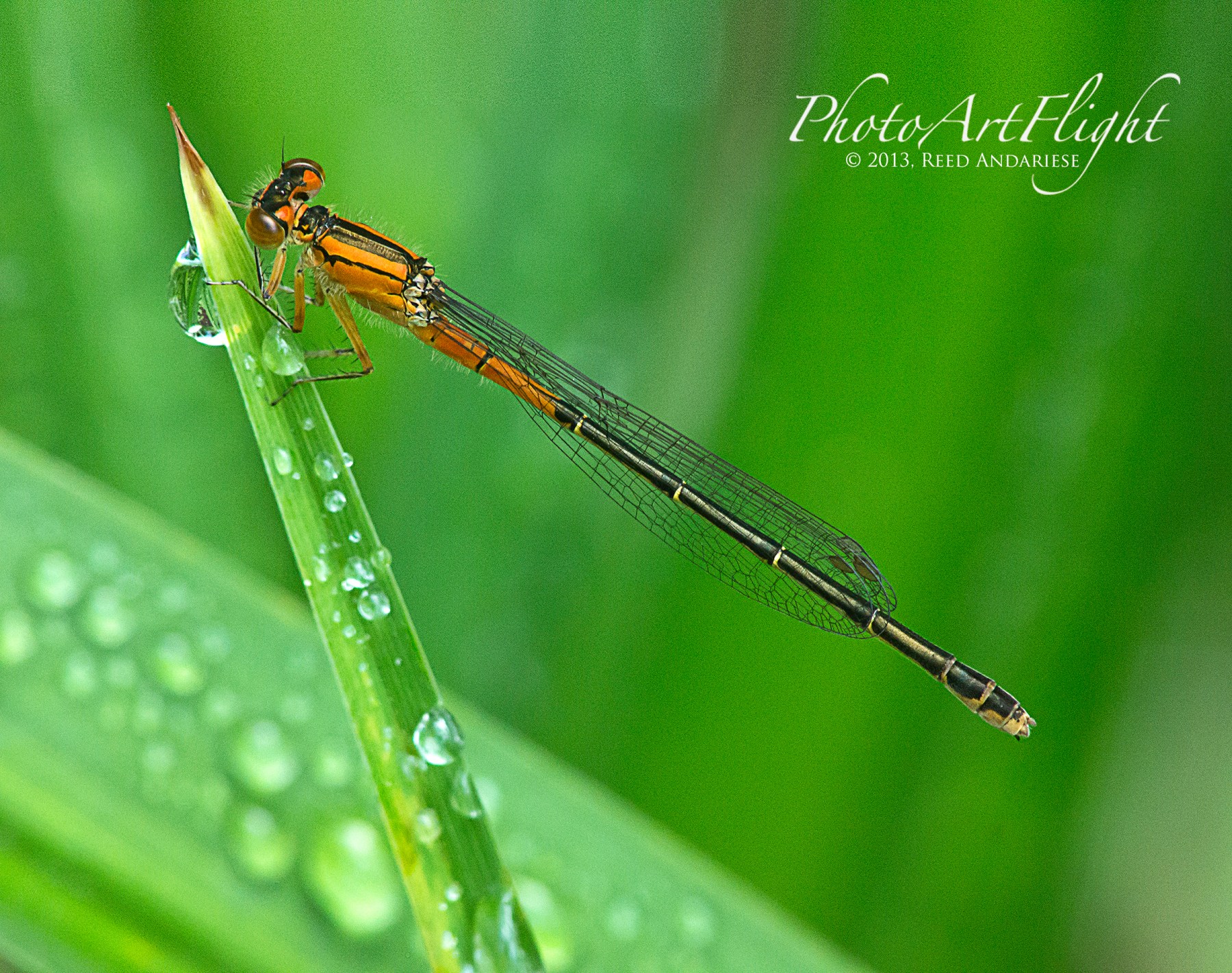
I enjoy shooting a lot of closeup and macro shots. One setup I like when I do not want to carry a lot of gear and still have maximum flexibility, is a m4/3 camera body with adapters for my old manual Canon FD 200mm f/4 macro and Nikon 55mm macro. I am using a Panasonic GH2 body, but with the crop factor it is like using a 400mm f/4 macro, but with the depth of field of a 200mm macro, which is more depth of field than a 400mm. This helps when you get really close. Because my old macro lenses are manual focus, on the GH2 with the electronic viewfinder, I just push the control wheel, and zoom in for critical focus. Also as you are shooting you get a preview in the viewfinder of your shot, so you instantly see if any highlights are blown or if you need exposure compensation. With the articulating rear screen it also helps when your subjects are in difficult positions. Because the body is not stabilized I use my tripod when using the old manual focus lenses. The Olympus OM-D e-m5 or the new OM-D Pro bodies have stabilization in the bodies so using these lenses would then be on a stabilized setup which is an interesting. Using the old manual focus Nikon 55mm, with the crop factor, would be like a 110mm macro with amazing depth of field. The GH2 with the Panasonic 14-140mm & 100-300mm stabilized lenses, with the crop factor (2X) is like carrying 28- 280mm and 200-600mm in a lightweight package. I am quite impressed with image quality of both of these lenses and often carry the GH2 with one of them as a second backup setup when my main setup is a Canon body with long telephotos or macro lens. Gives the opportunity to shoot something wide if a 400mm is my main camera, or something far if my main camera has a macro lens. I shoot raw files and using Adobe Camera Raw adjust for sharpness and to control the noise. If I have to I can use up to 3200 – 6400 ISO. A lot of damselflies and dragonflies I shoot at my pond are late in the evening or early in the morning when they are not moving around yet, or after a rain shower when the light is low. If you access to a m43 body give it a try, it is a lot of fun.




 photoartflight