 photoartflight
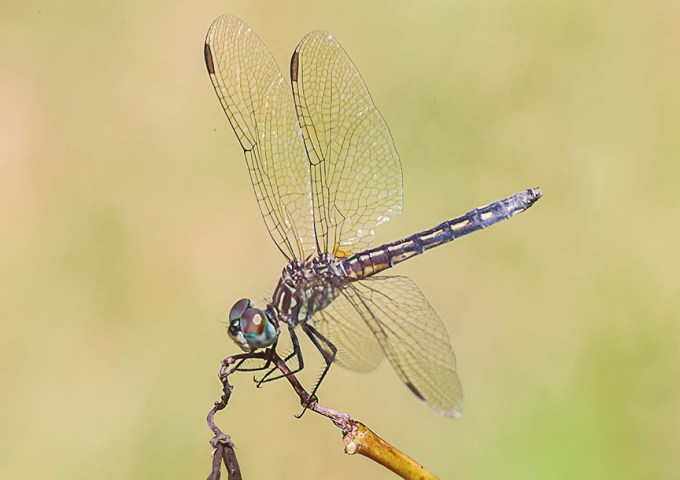
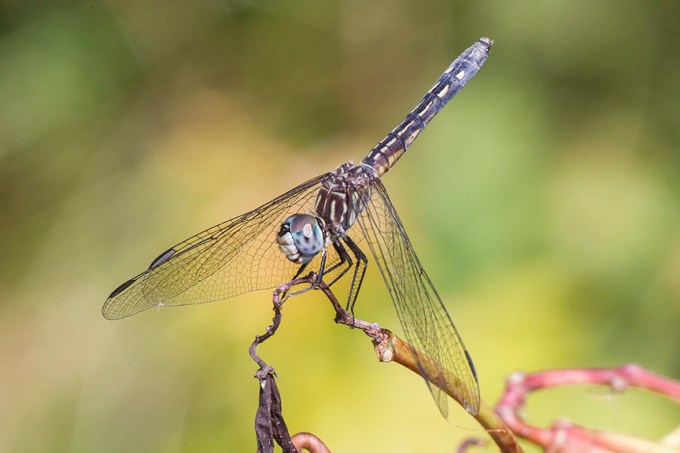
Widow Skimmers At Davidson’s Mill Pond
Posted on July 9, 2018

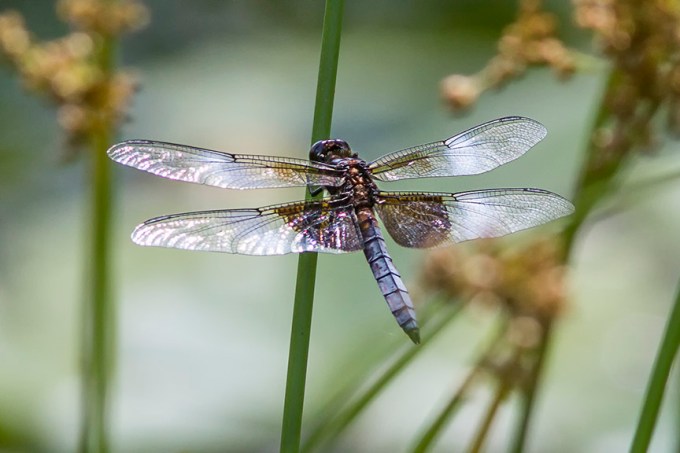
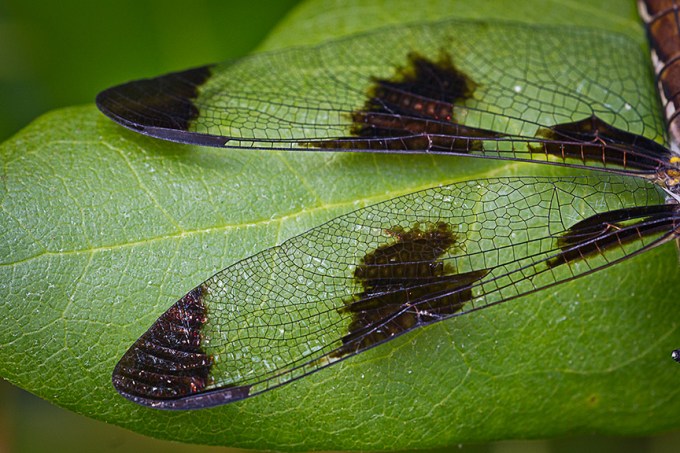
I am still going through my images of dragonflies I photographed at Davidson’s Mill Pond Park in NJ. It has been extremely hot here in New Jersey. That seems to make the dragonflies even more active. But seems to have the reverse effect on me! Here are two images of 2 different Widow Skimmers. Images focus stacked and assembled in Photoshop. Shot with a 400mm f/4 lens, extension tube then a 1.4x teleconverter to achive closer focusing on the dragonfly. It is fun to hunt for Dragonflies here because I am finding some I have not found where I used to live.
Spangled Skimmers At Davidson’s Mill Pond Park
Posted on July 8, 2018
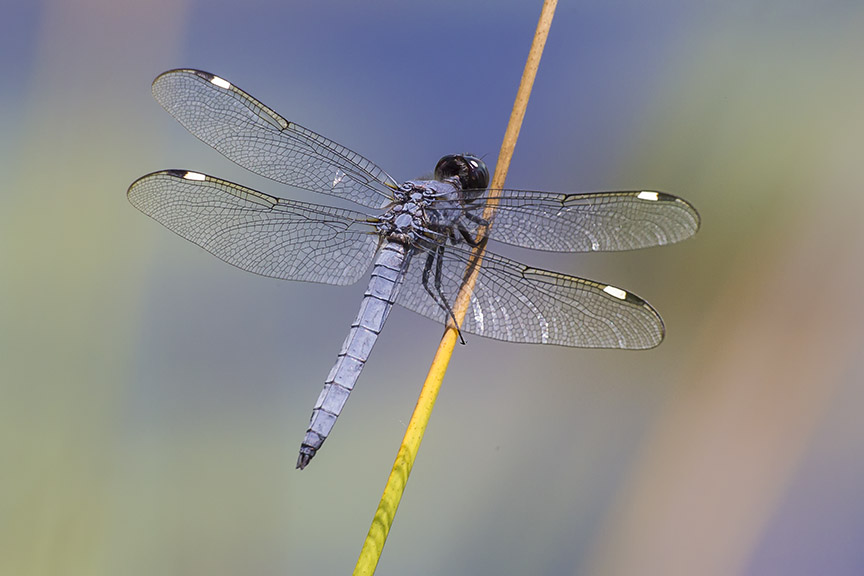
The Dragonflies are abundant at Davidson’s Mill Pond Park giving photographers a lot of photo opportunities. The temperature here has finally gotten down to normal temperatures for this time of year. With the heat index’s around 110 degrees for most of the week it was not a great time to photograph outdoors chasing dragonflies. There are a lot of Spangled Skimmers in the two main ponds. So this post will highlight these dragonflies. This is the first time I have come across these dragonflies. It is interesting to see a few different varieties of dragonflies by moving to a new home only 65 miles from where I used to be.



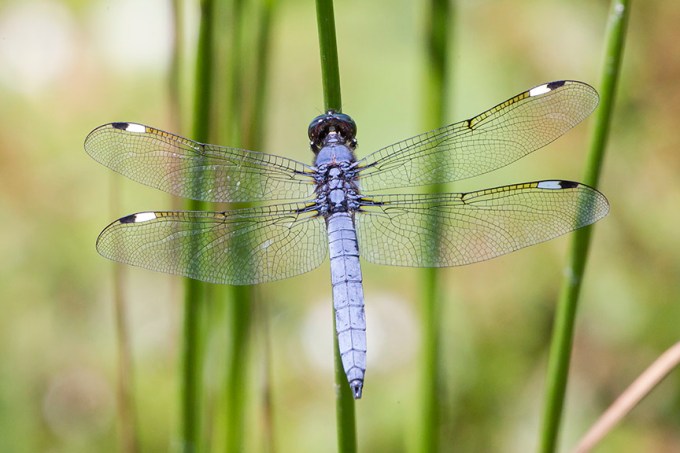


Common Whitetail Dragonfly
Posted on June 4, 2018

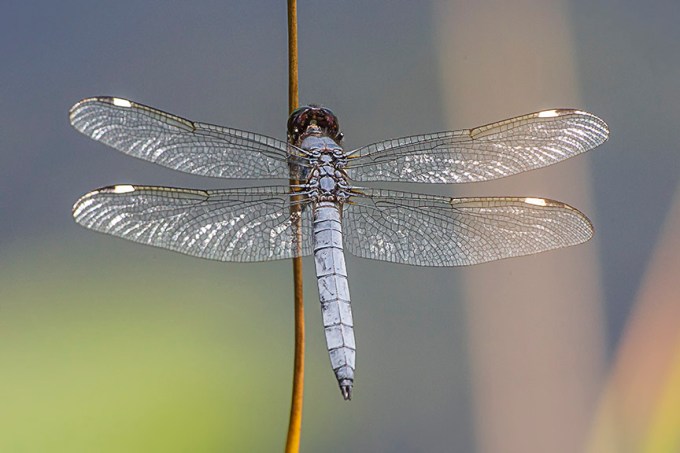
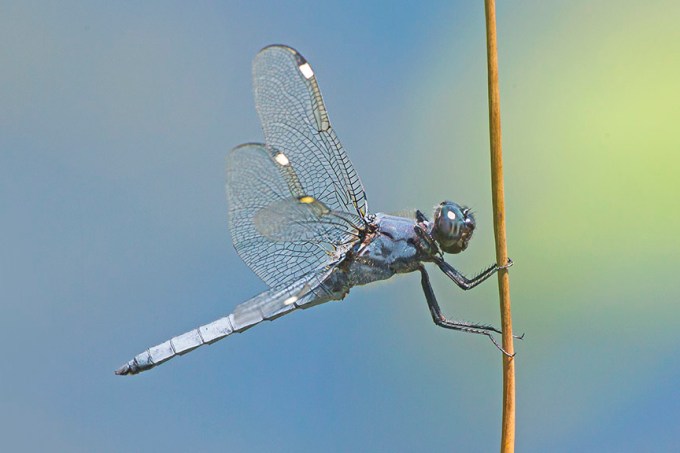
We went for a walk at a local park looking for Dragonflies. We saw quite a few but not many close enough to get good photos of them. This year, so far, they seem wary and stay at a distance. This Common Whitetail landed close by on a piece of wood on our way out. Shot with a 300mm lens setup for close focusing for Dragonflies.
Blue Dasher Female Portrait
Posted on July 17, 2017

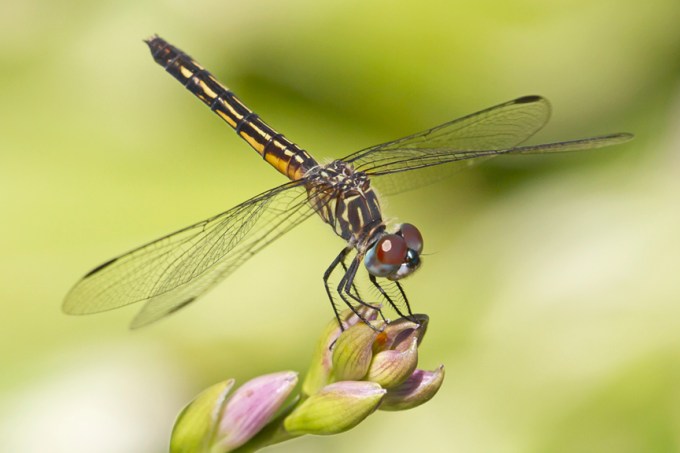
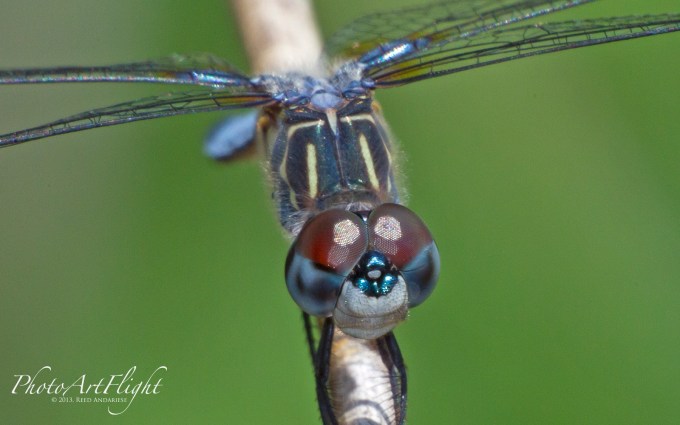
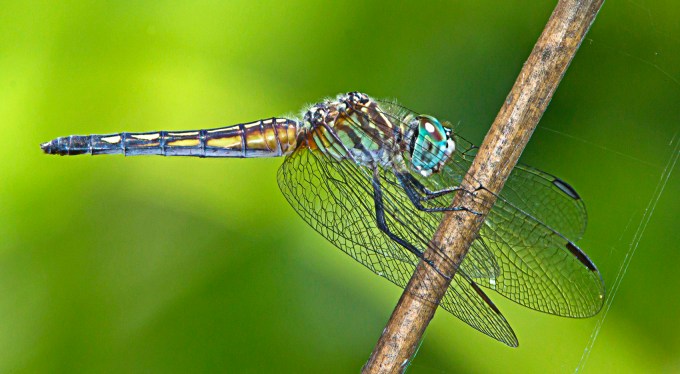
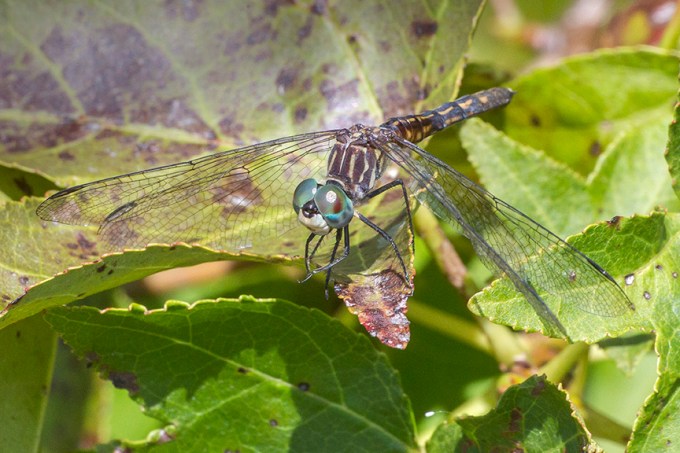
I found this female Blue Dasher in the yard. It was bouncing back and forth on the flowers. I stood watching for a few minutes and then it seemed to not fly off when I got closer. I guess it got used to me being there. I was using a 150mm macro lens with a 1.4x teleconverter so it allowed me to get pretty close. It is interesting that the female dragonflies are usually a different color scheme than the males. Sometimes makes it harder to ID.


Eastern Pondhawk Dragonfly
Posted on July 16, 2017
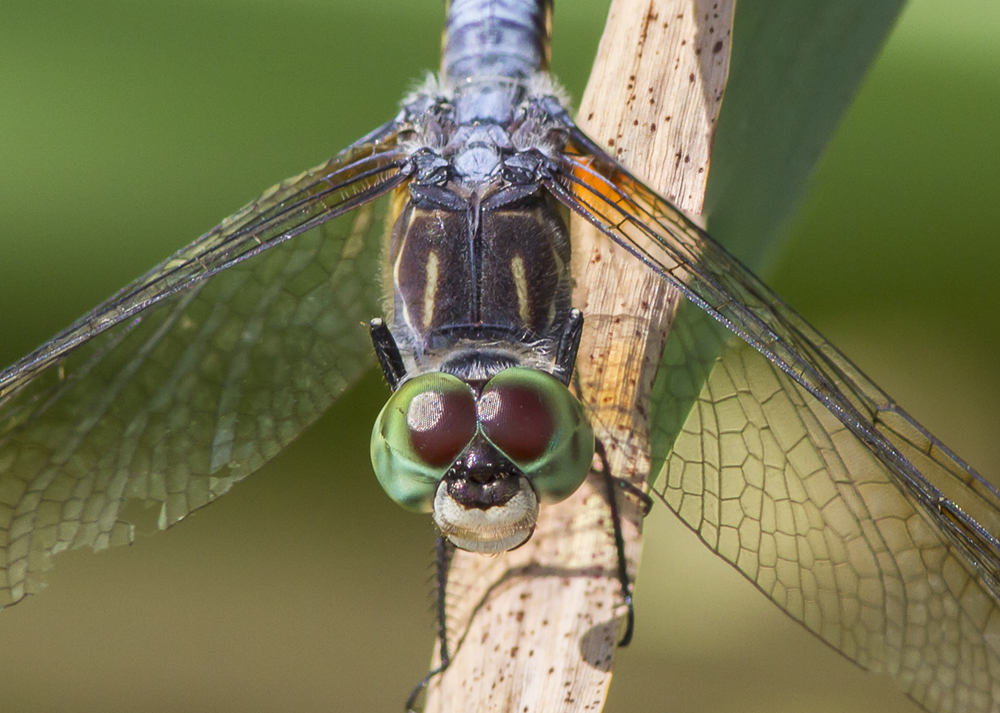
Closeup image of an Eastern Pondhawk Dragonfly. It almost seems like it is smiling at you. It seems many of the dragonflies at this location are showing signs of “wear & tear” on their wings already. It seems early in the season for that. Usually you see this in late Summer. If you stay in an area for a while it seems like they get used to you and are not as skiddish or wary of you so you can get closer.
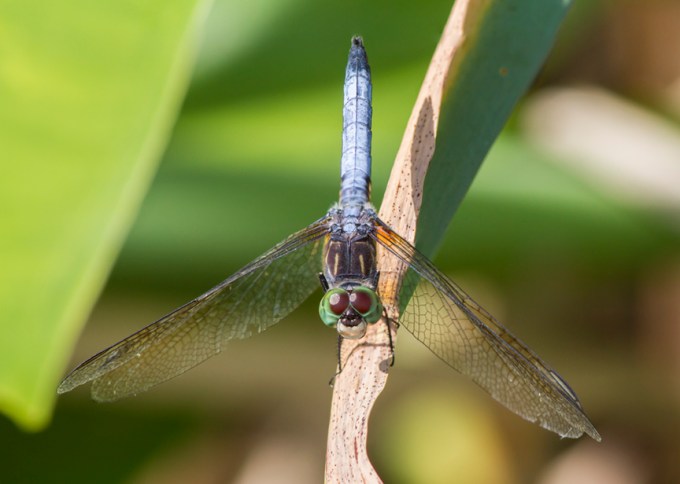
Eastern Pondhawk at a distance. Three shot focus stacked image.
Dragonfly Closeups & Image Stacked Closeups
Posted on July 12, 2017

Some of the time, when photographing Dragonflies, I need to get closer, but water or something is in the way. Or I just want more working distance and do not want to use a macro lens with skidish subjects. After photographing them for over 10 or 12 years I have come up with different solutions. And I want a really soft looking backgrounds! Or I am at a National Wildlife Refuge where you can’t go off the Drive, so you need more reach for the different dragons you see there. So I have come up with different combinations to solve that problem. The more you experiment, the more combinations you come up with. I sometimes use a telephoto lens, usually 400mm f/4, an extension tube, a 1.4x teleconverter, and then a longer extension tube. Sometimes I add another 1.4x teleconverter at the camera. Than add a flash with a Better Beamer Flash extender because with the extension tubes I loose a lot of light, so I need more power to light my subject Dragonfly. This gives me a working distance, depending on which extension tubes and combinations of teleconverters I use, from 2 to 8 ft or even more, but filling the frame with my subject small Dragonfly. The Blue Dashers are about 1.5″ long. Some ot the others are a little larger and the Damselflies are smaller. The extension tube spacing actually enlarges the Dragonfly image on the sensor. But you do loose a lot of light. It seems awkward, but once you get used to the combination you use, it gets easier to use in the field. Many times I actually shoot a stack series of focus point images along a dragonfly to get a sharp final image from head to tail, wingtip to wingtip or specific areas I want in Photoshop. I probably posted too many images, but it shows the effects and details I was going for. They are such fascinating photo subjects! Sorry for such a long Post!
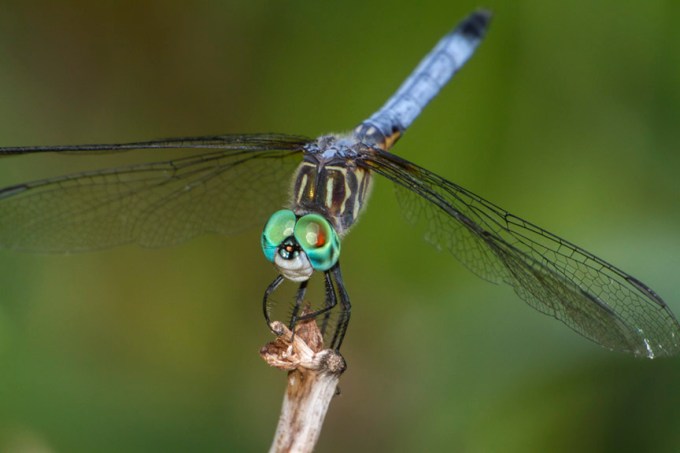
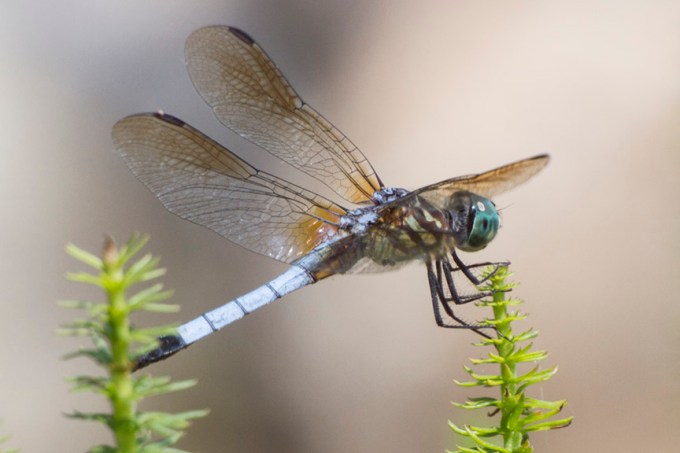
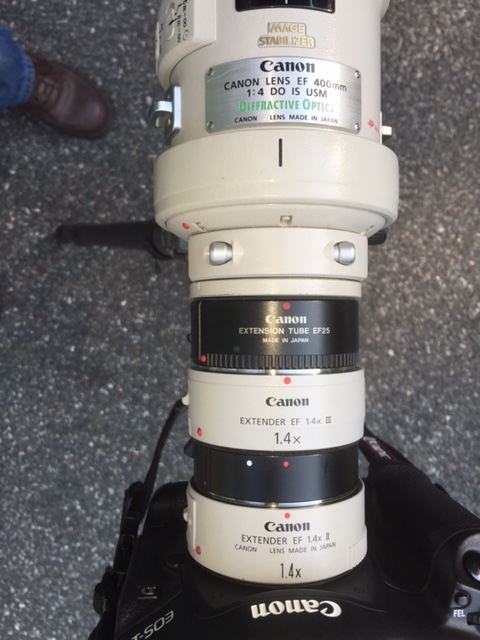
Extreme setup with 2 teleconverters, for closer focusing and extreme magnification.

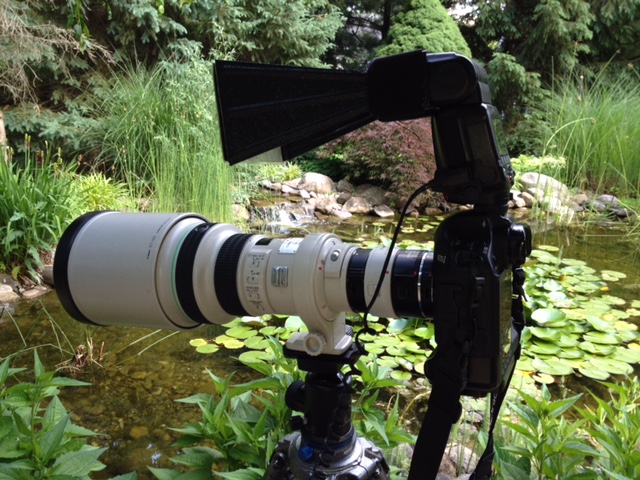
My Standard setup for closeup Dragonfly photos. The wider teleconverter next to the camera body magnifies the image a little more and you can get even more image filling frames.
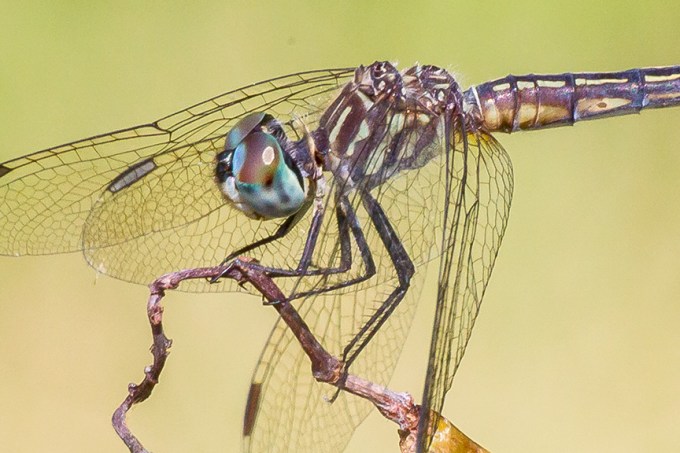

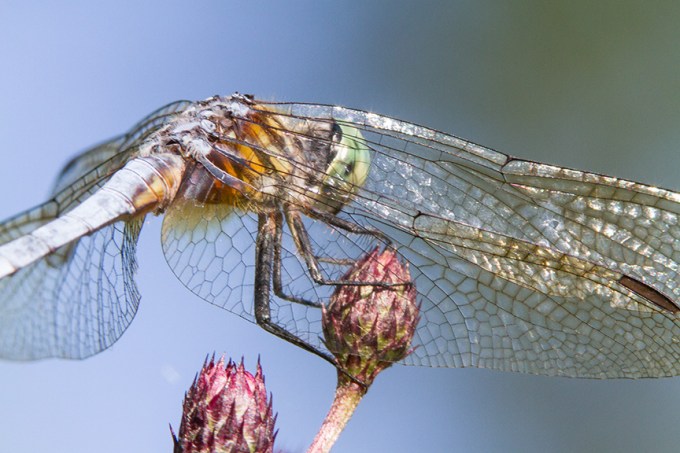

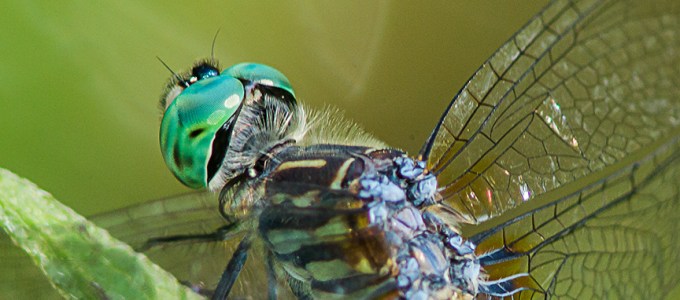


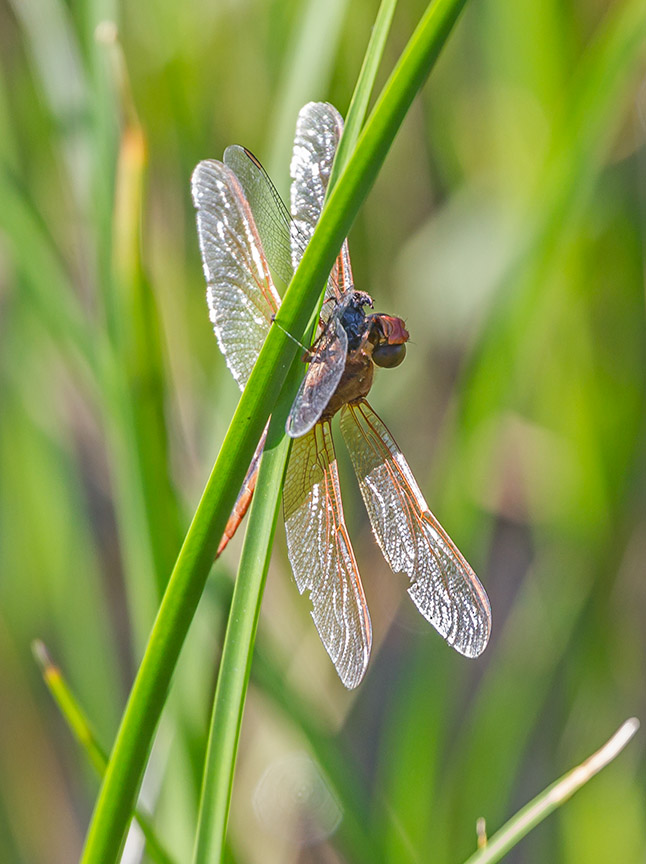
This Dragonfly was eating another dragonfly about 15 ft away



Mating Dragonflies
Posted on June 27, 2017

These mating Lancet Clubtail Dragonflies landed on the path in front of me. I only got a couple of shots before they flew off. I wish the background was not so busy and distracting, But it was still interesting to see them land right in front of me.
Lancet Clubtail Dragonfly
Posted on June 24, 2017

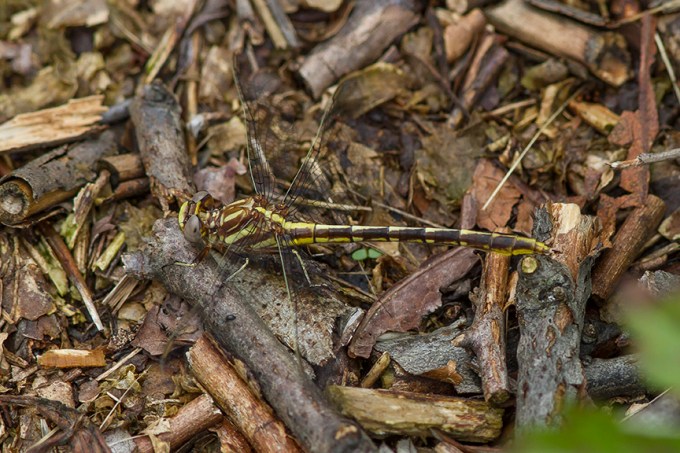
We saw quite a few of these Lancet Clubtail Dragonflies at the Plainsboro Preserve during our walk. So I guess they like this area. Most were sunning along the path. After these 2, I stopped photographing them on the path because they all looked like the same Dragonfly. Plus their mostly clear wings just seemed transparent against the busy background of the path. They seemed to like the sun and warmth of the path so they were very prevalent along the path.

 .
.
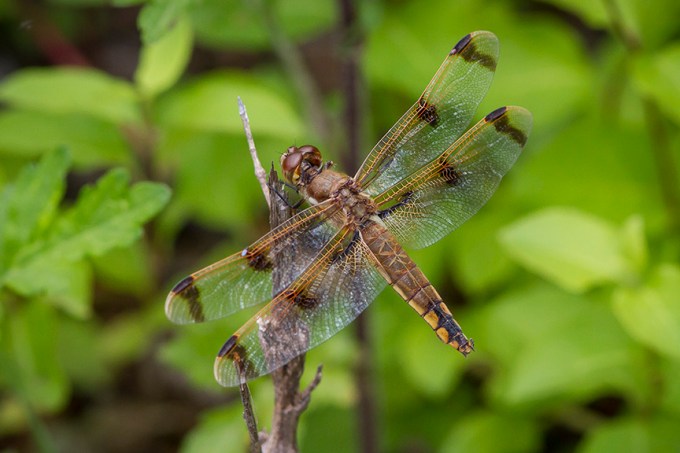
Painted Skimmer Dragonfly
Posted on June 23, 2017

Since we moved, going from Northern NJ to Central NJ, I have to learn the specific names of some of my favorite subjects to photograph, Dragonflies & Damselflies. We are seeing quite a few different types here, we just have to learn the names. Also Males and Females are usually quite different in coloring & markings, so sometimes it is difficult.
We went to Plainsboro Preserve, a 1000 acre Audubon Nature Preserve, looking for Dragons & Damsels and we found quite a few. Most were sitting on the path, warming on the warm gravel & stones. Unfortunately that made for very busy backgrounds. The one below cooperated by sitting on a small branch, giving me a nicer background. I was using a 300mm f/4 lens and was shooting at f/4 to help keep the background softer looking. I sacrificed depth of field for a cleaner looking background. So I tried to shoot fairly straight in to my subject on the first. And a slight angle on the second.

Female Blue Dasher Dragonfly Photography With Teleconverters & Extension Tubes
Posted on October 19, 2016
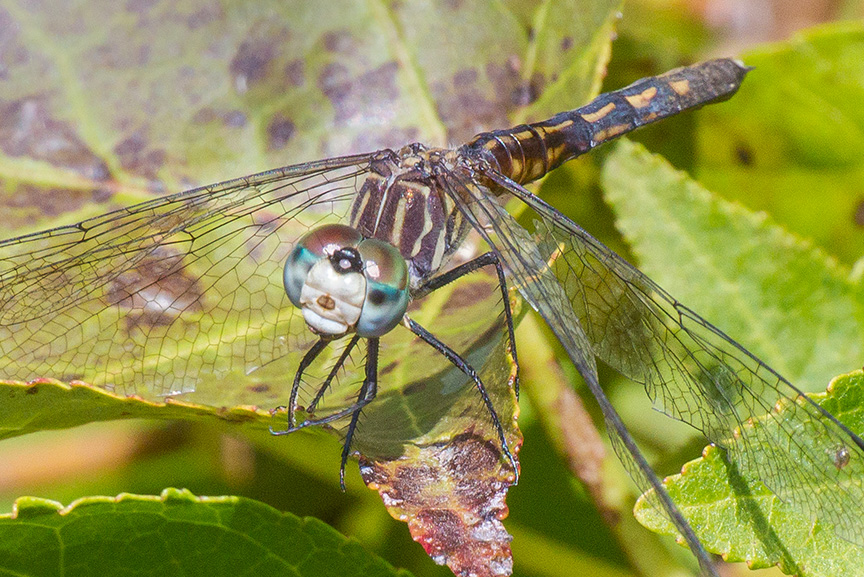
This Female Blue Dasher Dragonfly flew into a bush close to the edge of a pond where I was set up for photographing Dragonflies. I was concentrating on a different dragonfly before I noticed this one. It allowed me to get fairly close with a 300mm lens with extension tubes and then I added a 1.4x Teleconverter to get even closer. I like photographing Dragonflies for the challenge, but did not like using a macro lens. Either I had to get too close and it flew off or it was in a spot I could not get close to. So I came up with a few solutions that work for me. One, I do not bother the Dragonflies or Damselflies by being too close and having them fly off and 2, I can photograph them closeup even if I cannot get close to them. By putting the 1.4x teleconverter in front of the extension tubes, it actually magnifies the image larger on the camera sensor. To get even more magnification I sometimes use two extension tubes placing them in a certain order – lens, shorter extension tube – 1.4x teleconverter – larger extension tube then camera body. I have even used 2 1.4X Teleconverters with success. Sometimes you have to think outside the box. You lose auto exposure and auto focus so you have to look at your histogram to adjust your exposure. Also fill flash with a Better Beamer flash extender helps. I also raise the ISO to raise the shutter speed because with the Extension Tubes & Teleconverter you are losing light and your shutter speed drops. This enables you to get close to dragonflies that are out a little from the shoreline at a pond or lake. It also gives you a longer working distance so the subject does not fly off. Trying different configurations and practice is fun and rewarding when seeing your final images. I have even done 5 or 6 shots with this for a panorama of a Dragonfly about 1.5″ long, Moving and focusing along the Dragonfly and assembling the image in Photoshop.
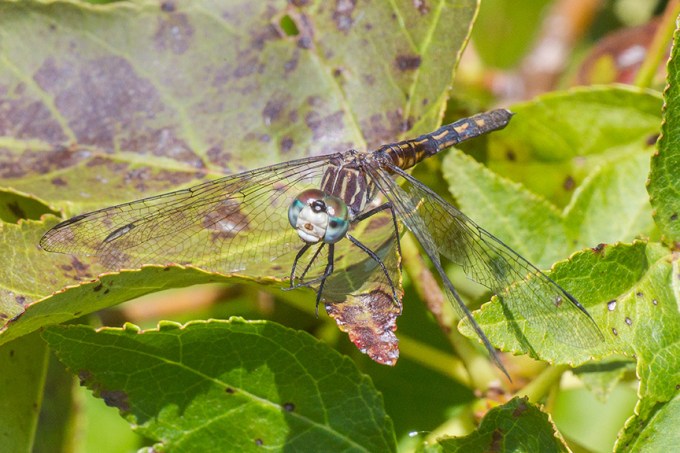

Male Blue Dasher (Body is about 1.5″) , 5 shot panorama with focus stacking as I moved down the length of the Dragonfly, with a 300mm lens assembled in Photoshop yielding about a 50 inch long print.
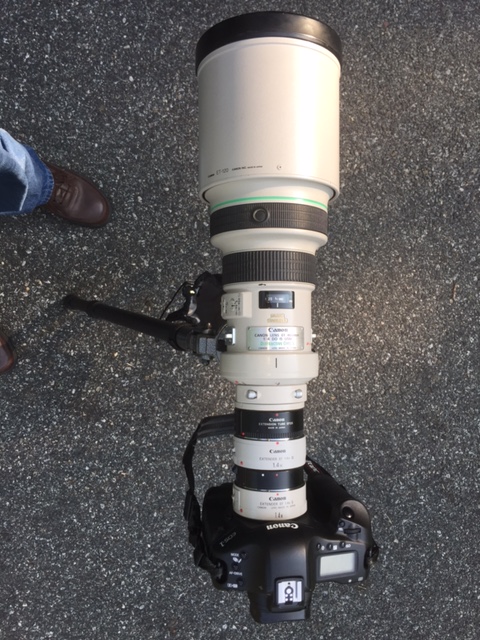
Example – this is with a 400mm lens with the setup of extension tubes, 1.4x teleconverter, larger extension tube, camera body with flash, giving a working distance from about 4 to 8 feet. thinner or larger extension tubes gives you more or less magnification.
These setup examples are with a 400mm DO f/4 lens. This also works well with the 300mm lens. 800mm lenses work also, but not as well as 300mm and 400mm. Using different size extension tubes behind the teleconverter gives you different working distances plus different magnification of the image on the sensor. With practice and patience you learn what combinations work for different working distances.


 photoartflight