 photoartflight
Green Darner Laying Eggs
Posted on August 8, 2014
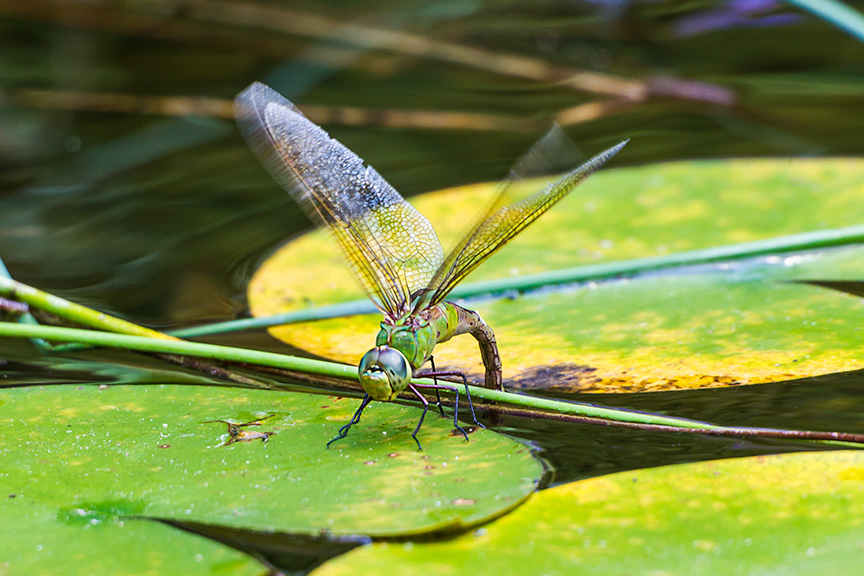
This Green Darner flew into the pond area and stayed for about 20 minutes, laying eggs. Changing locations multiple times. Giving me lots of photo opportunities. This is just one from a wide variety of shots.
Meadowhawk Dragonfly
Posted on July 23, 2014
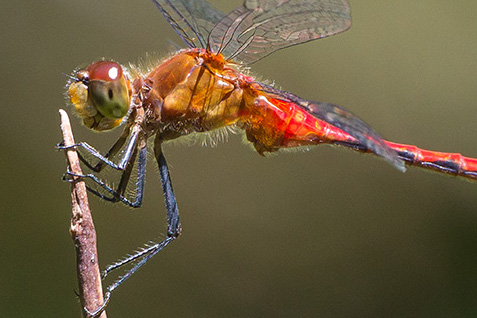
This Meadowhawk was visiting the pond and stayed for a while. In New Jersey, this could be one of 4 different Meadowhawks, which they say cannot be identified in the field. They seem to list them as “Eastern” Cherry-faced Meadowhawks, which seems to cover a few types. It has a very vibrant coloring and textures and was fun to photograph.
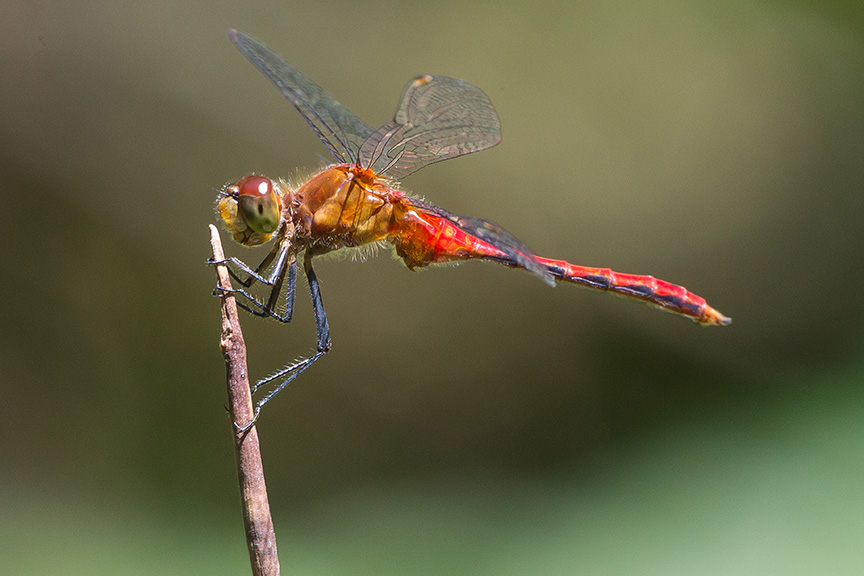
One of four possible Meadowhawks, but they seem to refer to them as “Eastern” Cherry-faced Meadowhawks. Canon EOS 1D MkIV, Canon 400mm f/4 IS DO lens, 36mm Extension Tube, Canon 1.4X Series III Teleconverter, Canon 550 Flash w/Better Beamer Flash Extender, flash dialed in to – 2 stops, f/8, 1/200 sec, -0.33 exposure compensation, ISO 1250
Blue Dasher Portrait
Posted on July 23, 2014
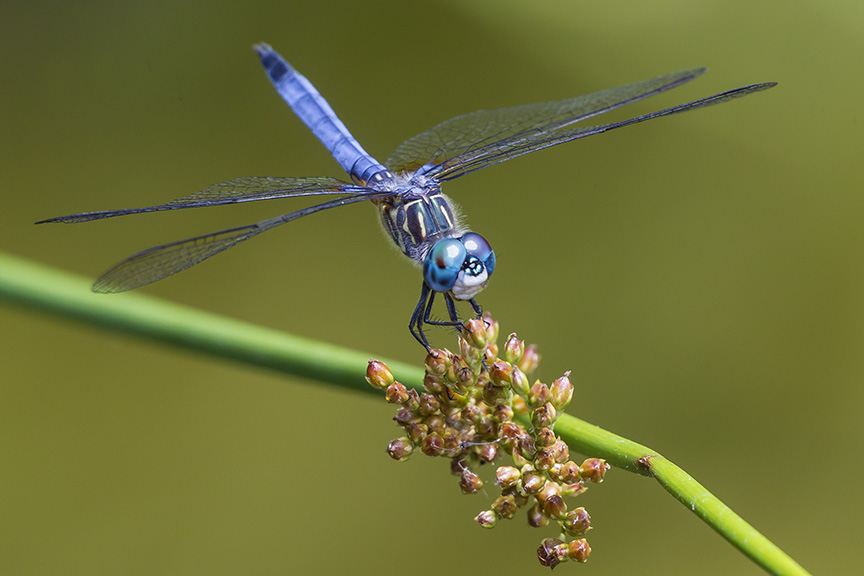
I was trying different lens, extension tube placement and teleconverters along with fill flash to get better effects for photographing the dragonflies. When I get what I feel is the best combination, I will post it here. I have been trying to maximize the sharpness and still get a smoother background. All these photos are from 5 to 10 feet away from the subjects. I cannot use a normal macro lens since they are in an area that I cannot get close to the dragonflies.
Dragonfly Reflection
Posted on July 15, 2014

I was at the Celery Farm Natural Area on Sunday, but there was not a lot going on. I did see this Dragonfly with its reflection in the distance. It was a gray day, so I just opened up the shadows and added some vibrance to bring the water up from a dull gray. I liked the reflection of the reddish-orange large dragonfly in the water.
Blue Dasher Coming in to Land
Posted on July 5, 2014

Spent some time at my pond shooting Dragonflies & Damselflies. The Blue Dashers are increasing in numbers, darting all around the pond. They spend a lot of the time catching bugs for their meals. Once they catch one they return to a grass or tree branch to eat. I was practicing shooting them in flight and thought that waiting for them to come back to a grass they just left to catch their meal might work. So far it seems like it works, but still need more practice. They are quick and you almost have to predict their movement before they move. They seem to perch more horizontally, either on flat surface or a tip of a grass or branch.

Blue Dasher on a horizontal grass. Canon EOS 1D MkIV, Canon 400mm DO f/4 IS lens, 20mm Canon extension tube, Canon Series III 1.4X Teleconverter, f/8, 1/2000 sec, -1.33 exposure compensation, Fill Flash with Better Beamer Flash Extender @ -1.3 exposure comp, high speed flash sync., ISO 1250
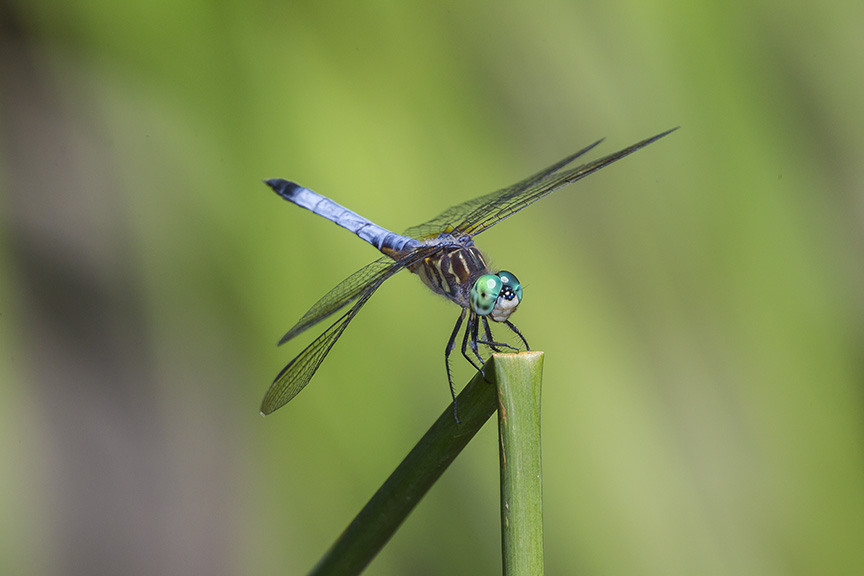
Blue Dasher on a bent grass. Canon EOS 1D MkIV, Canon 400mm DO f/4 IS lens, 20mm Canon extension tube, Canon Series III 1.4X Teleconverter, f/8, 1/2000 sec, -1.33 exposure compensation, Fill Flash with Better Beamer Flash Extender @ -1.3 exposure comp, high speed flash sync., ISO 1250

Blue Dasher on a broken grass. Canon EOS 1D MkIV, Canon 400mm DO f/4 IS lens, 20mm Canon extension tube, Canon Series III 1.4X Teleconverter, f/8, 1/2000 sec, -1.33 exposure compensation, Fill Flash with Better Beamer Flash Extender @ -1.3 exposure comp, high speed flash sync., ISO 1250

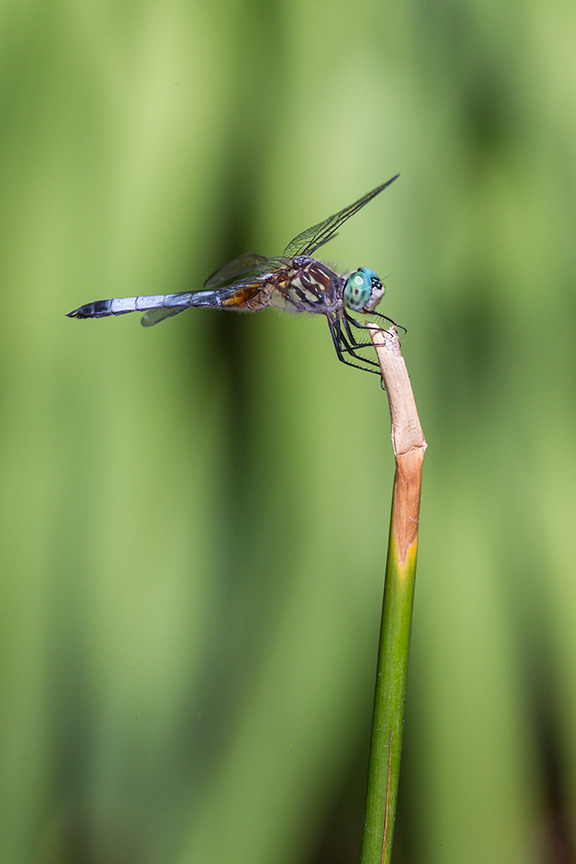
Blue Dasher on a vertical grass, shot through grasses in front of Dragonfly to add strips of color. Canon EOS 1D MkIV, Canon 400mm DO f/4 IS lens, 20mm Canon extension tube, Canon Series III 1.4X Teleconverter, f/7.1, 1/60 sec, -0.67 exposure compensation, ISO 640

Guest Dragonfly at our Pond
Posted on June 20, 2014
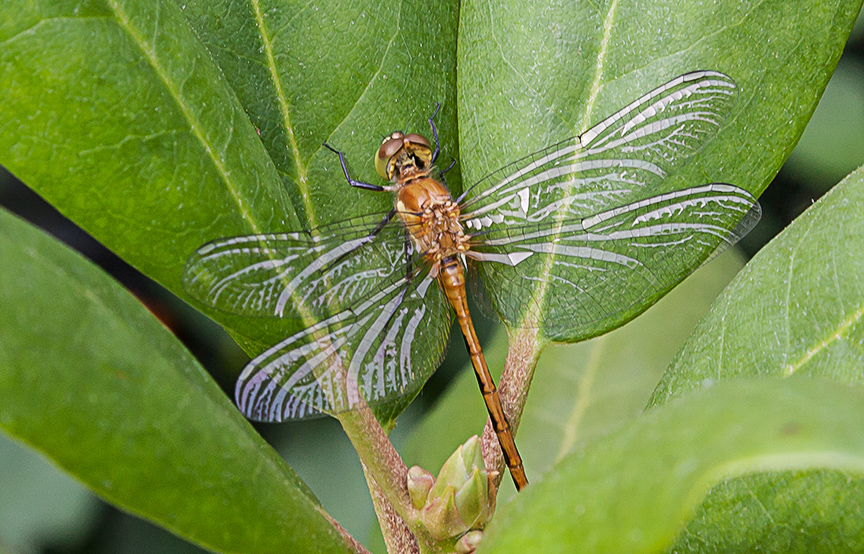
Kathy, my wife, found this Dragonfly around our pond while I was at work. We never saw one like this around our pond before. We get quite a few larger dragonflies that are just passing through, either just making a few passes, or some that stay for a little while. Every Spring we usually get a large Green Darner laying eggs in the pond, then leaves. We are not sure what kind this one is, but it looked interesting with the clear “glasslike” wings and orange amber body. Kathy shot this with a Canon EOS 1DMkIII, with a 24-105 f/4L lens @ 105mm. f/13, 1/40 sec, ISO 400. Cropped in somewhat.
Pond Bubbles
Posted on April 1, 2014
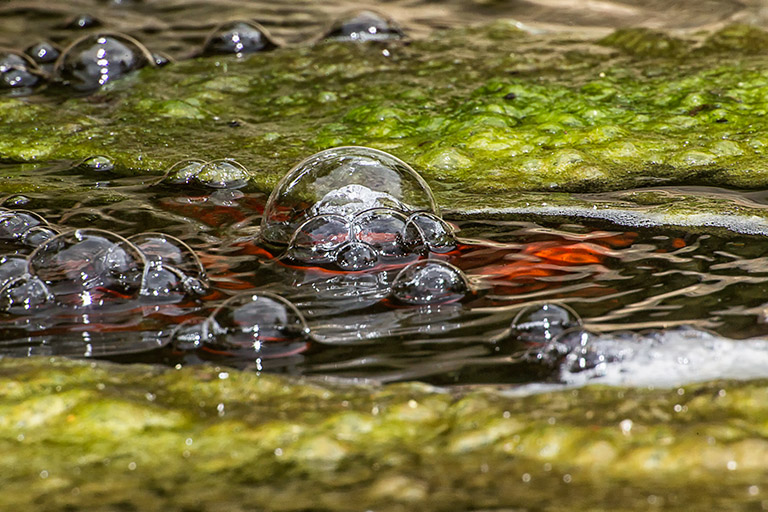
With the coming of Spring, I cannot wait to get our pond cleaned out from Winter’s leaves and debris, to ready it for the flowers, bugs, Dragonflies & Damselflies. It is my outdoor macro and small critter studio and is amazing what shows up during Spring, Summer and Fall to Photograph. Here are some images from last year.

Closeup Dragonfly Wing – Canon EOS 7D, Sigma 150mm f/2.8 Macro @f/14, 1/13 sec, +0.33 exposure compensation, ISO 640

Closeup Dragonfly Wing – Canon EOS 7D, Sigma 150mm f/2.8 Macro @f/14, 1/50 sec, ISO 640

Common Green Darner, Canon EOS 1D MkIV, Canon 400mm f/4 DO lens, 30mm Extension tube, Canon 1.4X Series III Teleconverter, 20mm Extension Tube, f/8, 1/125 sec, -0.33 exp. comp, ISO 1250
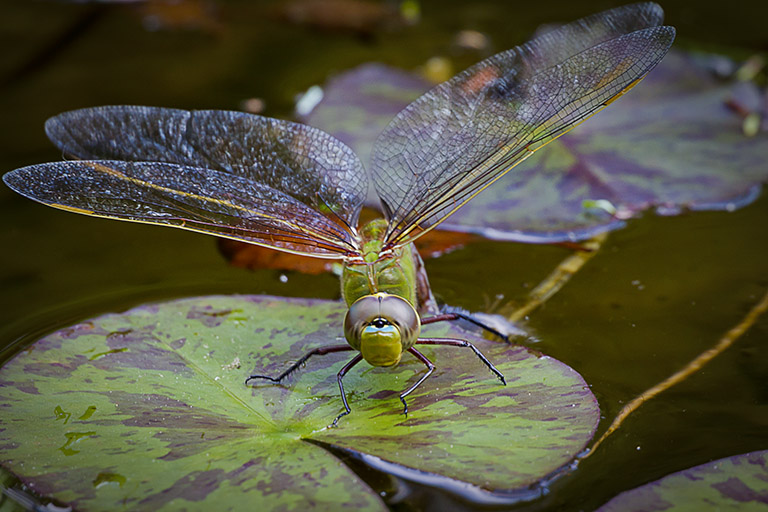
Common Green Darner, Canon EOS 1D MkIV, Canon 400mm f/4 DO lens, 30mm Extension tube, Canon 1.4X Series III Teleconverter, 20mm Extension Tube, f/8, 1/100 sec, -0.67 exp. comp, ISO 1250

Blue Dasher, Canon EOS 1D MkIV, Canon 400mm f/4 DO lens, 30mm Extension tube, Canon 1.4X Series III Teleconverter, 20mm Extension Tube, f/8, 1/250 sec, -0.67 exp. comp, ISO 1250

Hemlock Cones, Canon EOS 7D, Sigma 150mm Macro f/2.8, Canon 1.4X Teleconverter Series III, f/5.6, 1/60 sec, ISO 400

Bug on Leaf, Canon EOS 7D, Sigma 150mm Macro f/2.8, f/7.1, 1/320 sec, -0.33 exp. comp, ISO 320

Canon 7D, Sigma 150mm Macro f/2.8, Canon 1.4X Series III Teleconverter, f/8, 1/320 sec, +0.33 exposure compensation
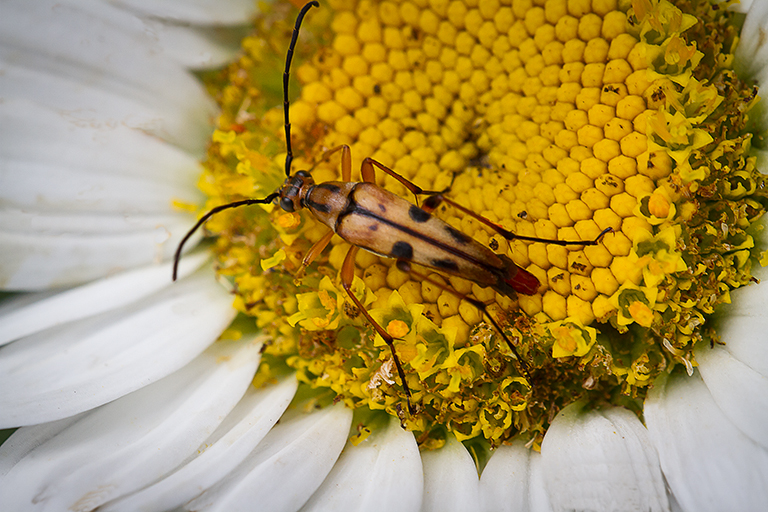
Canon EOS 7D, Sigma 150mm Macro f/2.8, f/8, 1/200 sec, ISO 400

Canon EOS 7D, 70-300mm f/4-5.6 DO lens, f/11, 1/320 sec, +0.33 exposure compensation, ISO 320
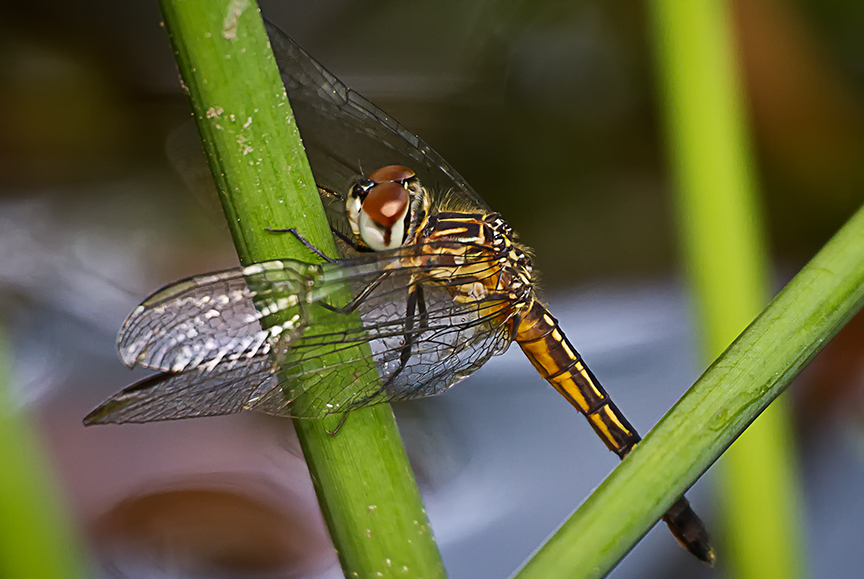
Blue Dasher, Female, Canon EOS 7D, Canon 400mm DO f/4, Extension Tubes, Canon Series III 1.4X Teleconverter, f/5.6, 1/200 sec., -1.33 exposure compensation, ISO 1250
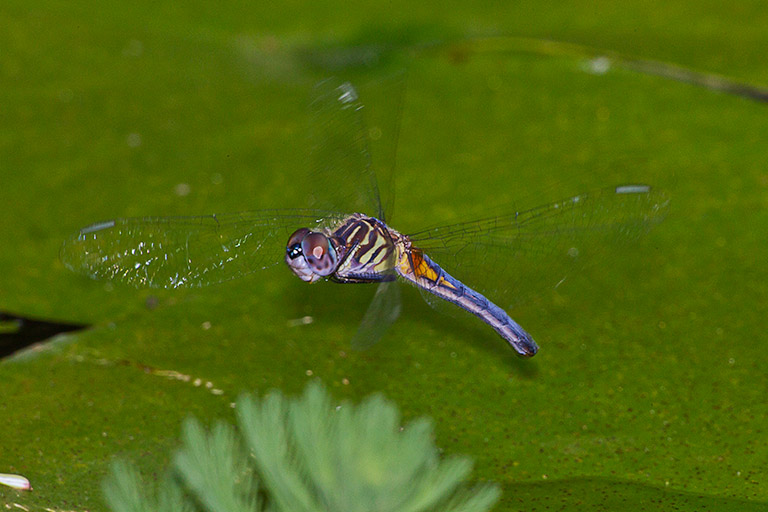
Flying Blue Dasher, Canon EOS 1D MkIV, Canon 400mm DO f/4, 30mm extension tube, Canon 1.4X Series III Teleconverter, 20mm extension tube, On Camera Fill Flash w/ Better Beamer Flash Extender, – 2.67 exp compensation, f/10, 1/125 sec, ISO 640

Blue Dasher, Canon EOS 1D MkIV, Canon 400mm DO f/4, 30mm extension tube, Canon 1.4X Series III Teleconverter, 20mm extension tube, On Camera Fill Flash w/ Better Beamer Flash Extender, – 0.67 exp compensation, f/8, 1/250 sec, ISO 400

Blue Dasher, Canon EOS 1D MkIII, Canon 400mm DO f/4, 30mm extension tube, Canon 1.4X Series III Teleconverter, 20mm extension tube, On Camera Fill Flash w/ Better Beamer Flash Extender, -1 exp compensation, f/8, 1/30 sec, ISO 400
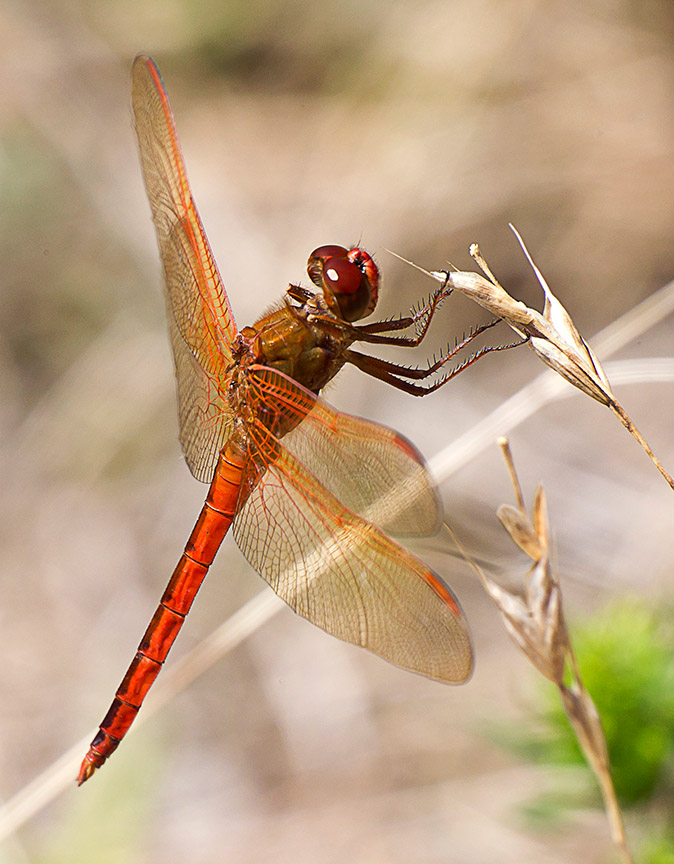
Big Red Skimmer, Canon EOS 1D MkIII, Canon 400mm DO f/4, 30mm extension tube, Canon 1.4X Series III Teleconverter, 20mm extension tube, On Camera Fill Flash w/ Better Beamer Flash Extender, – 1 exp compensation, f/8, 1/30 sec, ISO 400
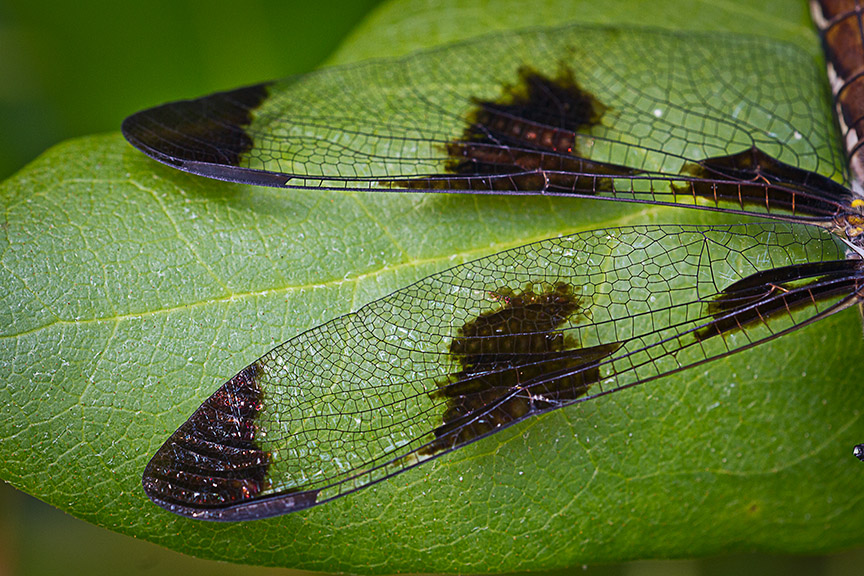
Closeup Dragonfly Wing – Canon EOS 7D, Sigma 150mm f/2.8 Macro @f/8, 1/30 sec, -1 exp. comp., ISO 400
Dragonfly Profile
Posted on December 16, 2013

It was a snowy day so I was going through old files and found a profile photo of this Blue Dasher Dragonfly. I photographed this with a Canon EOS 1D MkIII with a 400mm f/4 DO with 56mm of extension tubes, f/11 @ 125/sec, ISO 400, flash -1 stop, with a Better Beamer Flash extender. I positioned the camera so I had a darker green, almost black, out of focus for the background to make the Dragonfly stand out. I find the 400mm DO works well for closeup photos of Dragonflies. It also works well with a 1.4X teleconverter, adding a little more reach when they are skittish or in a hard to reach area, such as in grasses in water.
Different Kinds Of Panoramas
Posted on September 26, 2013

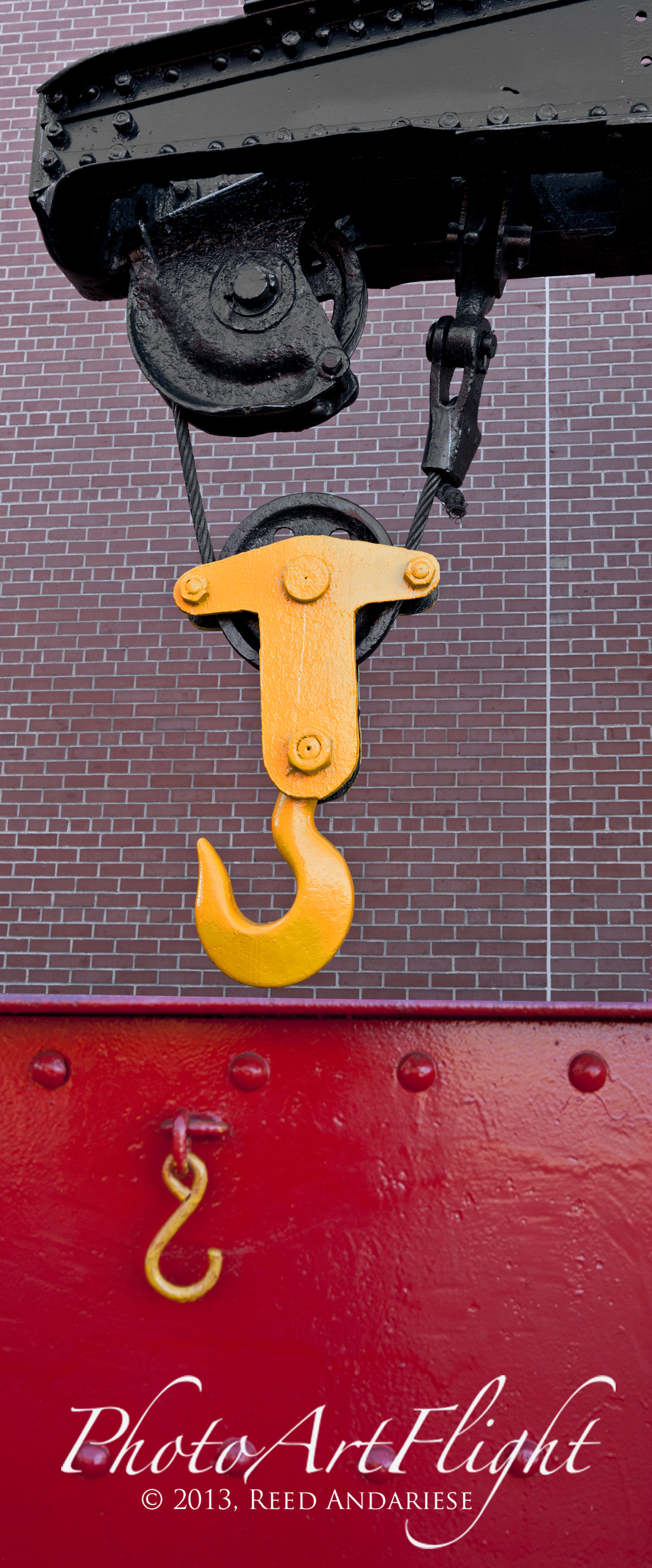
Panorama basically just means wide view, but for photographers panoramas can mean many things. Most use a wide to short telephoto to make panoramas with multiple images. Often when I am out in the field, I am only carrying a 400mm lens, usually with a 1.4X Teleconverter. But quite frequently I see a shot that is too wide for the equipment I am carrying. Even if I had a wider lens, I would not have time to switch and still get the shot I wanted. So I shoot a series of shots of my subject and manually stitch them together in Photoshop. You can also try automatically stitching them in Photoshop or PT Gui. For just a few shots I use auto exposure. But if I am shooting many shots for a long or tall panorama, I switch to manual exposure so the exposure does not change, this makes it easier to combine for the final image without exposure shifts from section to section. I have used this for everything from birds, turtles, birds on top of tall trees, to dragonflies and other interesting subjects. Or if see an image that is perfect for a panorama, but I envision a longer thin crop without a lot of extra image that detracts from what I want. I do not want to crop to my panorama from my regular file because I want a large image, either for a double page spread or maybe a large print, and want to hold the detail with all the added pixels. In another scenario, I see a large bird landing with a wide wingspan, but cannot fit it all in, so a quick series at 10 fps gives me a few images to work with. Or you see a Black-crowned Night-Heron sitting in a tree and you also want to show the bird in its habitat with a lot of detail. Give it a try, it is simple to do and comes in very handy.
Blackwater NWR, Cambridge MD


Ding Darling National Wildlife Refuge, Sanibel, Florida

Closeups with 400mm f/4 DO with, 1.4X teleconverter and extensions tubes


Okefenokee National Wildlife Refuge

Bombay Hook NWR, Smyrna, DE
Steamtown National Historic Site, Scranton, PA
One of My Favorite Macro Setups
Posted on September 19, 2013
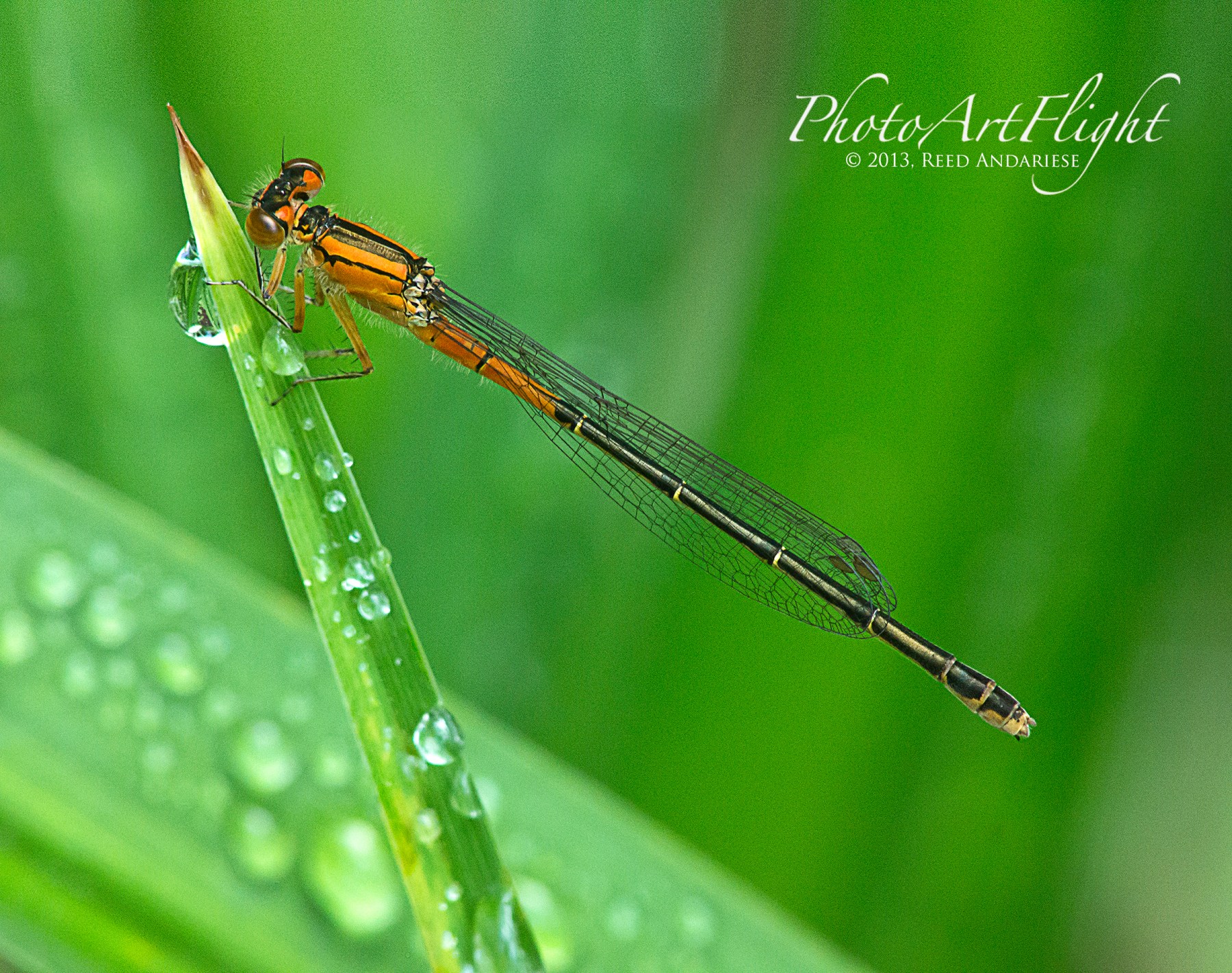
I enjoy shooting a lot of closeup and macro shots. One setup I like when I do not want to carry a lot of gear and still have maximum flexibility, is a m4/3 camera body with adapters for my old manual Canon FD 200mm f/4 macro and Nikon 55mm macro. I am using a Panasonic GH2 body, but with the crop factor it is like using a 400mm f/4 macro, but with the depth of field of a 200mm macro, which is more depth of field than a 400mm. This helps when you get really close. Because my old macro lenses are manual focus, on the GH2 with the electronic viewfinder, I just push the control wheel, and zoom in for critical focus. Also as you are shooting you get a preview in the viewfinder of your shot, so you instantly see if any highlights are blown or if you need exposure compensation. With the articulating rear screen it also helps when your subjects are in difficult positions. Because the body is not stabilized I use my tripod when using the old manual focus lenses. The Olympus OM-D e-m5 or the new OM-D Pro bodies have stabilization in the bodies so using these lenses would then be on a stabilized setup which is an interesting. Using the old manual focus Nikon 55mm, with the crop factor, would be like a 110mm macro with amazing depth of field. The GH2 with the Panasonic 14-140mm & 100-300mm stabilized lenses, with the crop factor (2X) is like carrying 28- 280mm and 200-600mm in a lightweight package. I am quite impressed with image quality of both of these lenses and often carry the GH2 with one of them as a second backup setup when my main setup is a Canon body with long telephotos or macro lens. Gives the opportunity to shoot something wide if a 400mm is my main camera, or something far if my main camera has a macro lens. I shoot raw files and using Adobe Camera Raw adjust for sharpness and to control the noise. If I have to I can use up to 3200 – 6400 ISO. A lot of damselflies and dragonflies I shoot at my pond are late in the evening or early in the morning when they are not moving around yet, or after a rain shower when the light is low. If you access to a m43 body give it a try, it is a lot of fun.




 photoartflight