 photoartflight
Work Your Background
Posted on September 8, 2013
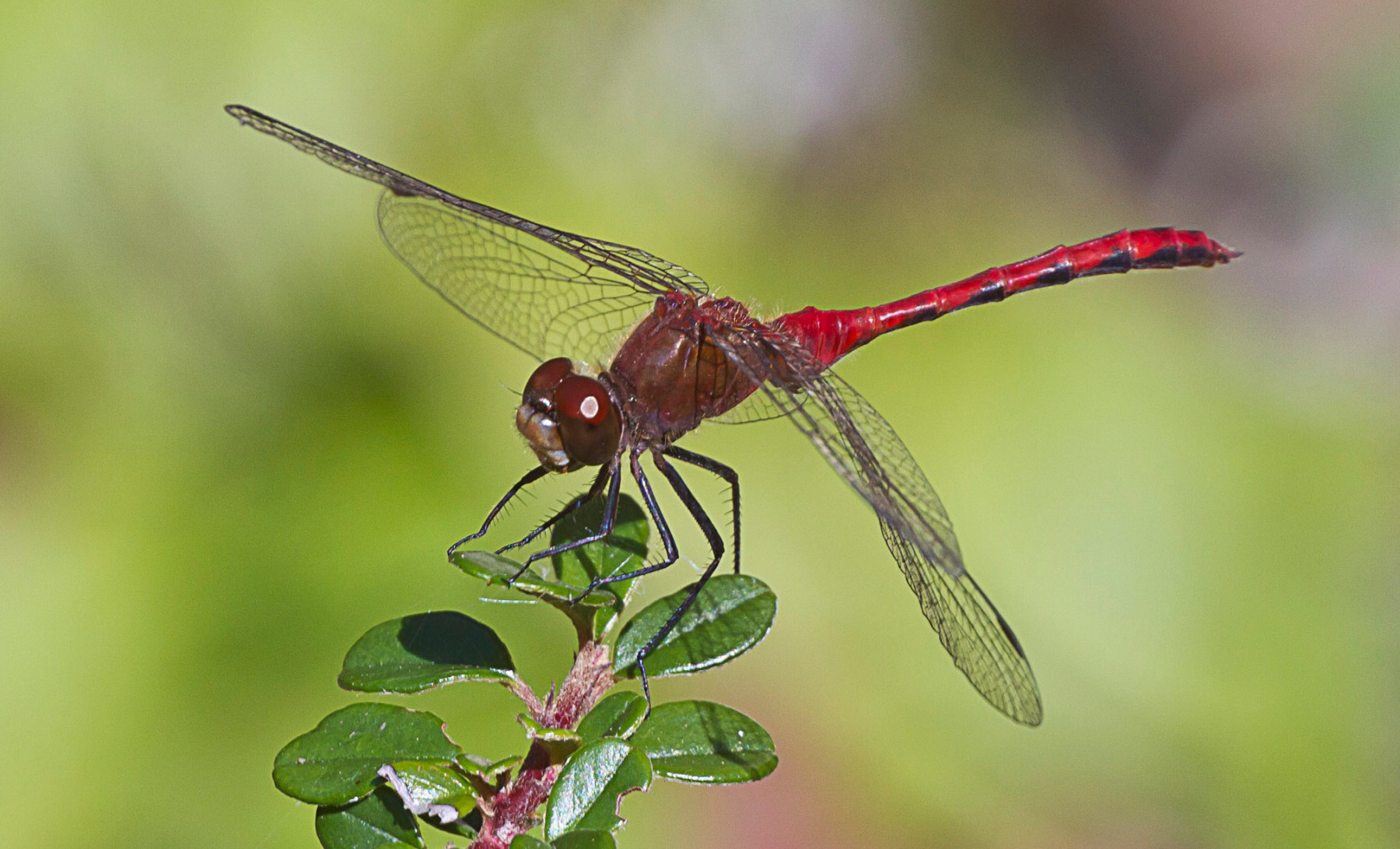
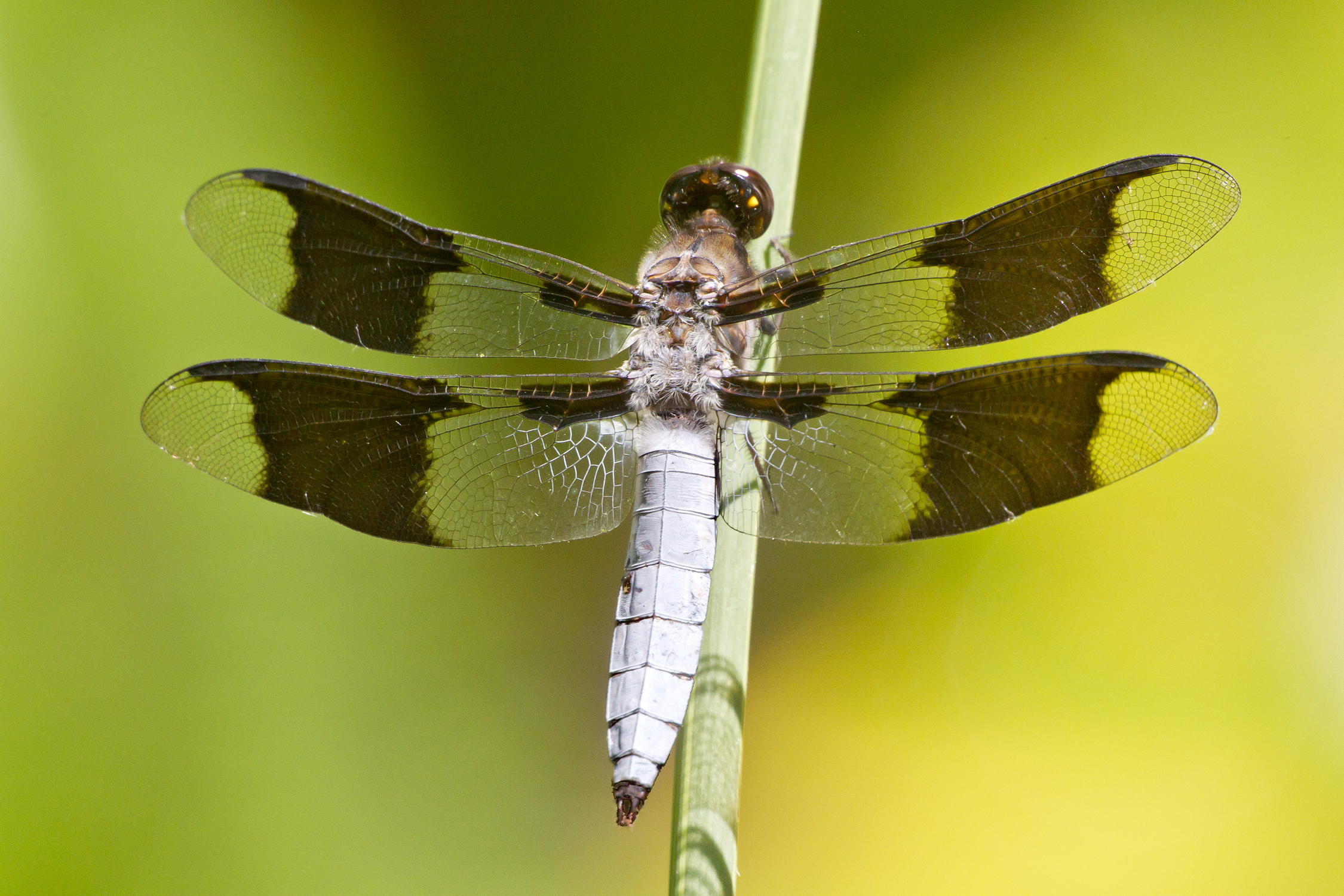
Unexpected visitors to the pond today – 2 Autumn Meadowhawks. Went to get my camera with a 150 macro, but they were very skittish. So I switched to 400mm with extensions tubes and a 1.4X teleconverter. I was trying to get the right combination of background and f/-stop combinations to have an uncluttered background as much as possible. I gave up increased depth of field on most and settled for f/5.6, for a smoother background. I thought it might be interesting to see my progression. I moved vertically & horizontally to try for the best background. With a long lens it does not take much to get a different effect. The dragonfly was also slightly moving around the same plant which also gave me some other choices. It then landed next to a spot with some red berries, so I thought maybe the red berries and the red dragonfly would be interesting. Then I worked some on the other side of the pond with the other dragonfly, but it was much darker, so I was shooting bursts to hopefully get one sharp enough to use. You can see the exif data by the photos.


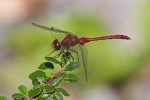
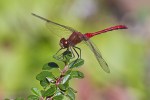
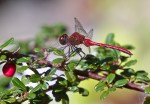
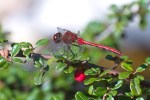
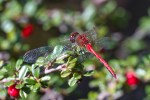
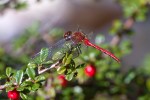
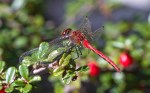

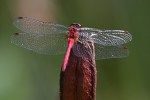

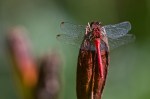

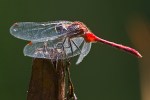

My favorite was the one at the start of this blog, but pick the one you like best.
Green on Green
Posted on September 7, 2013

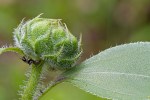
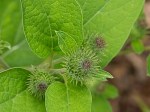
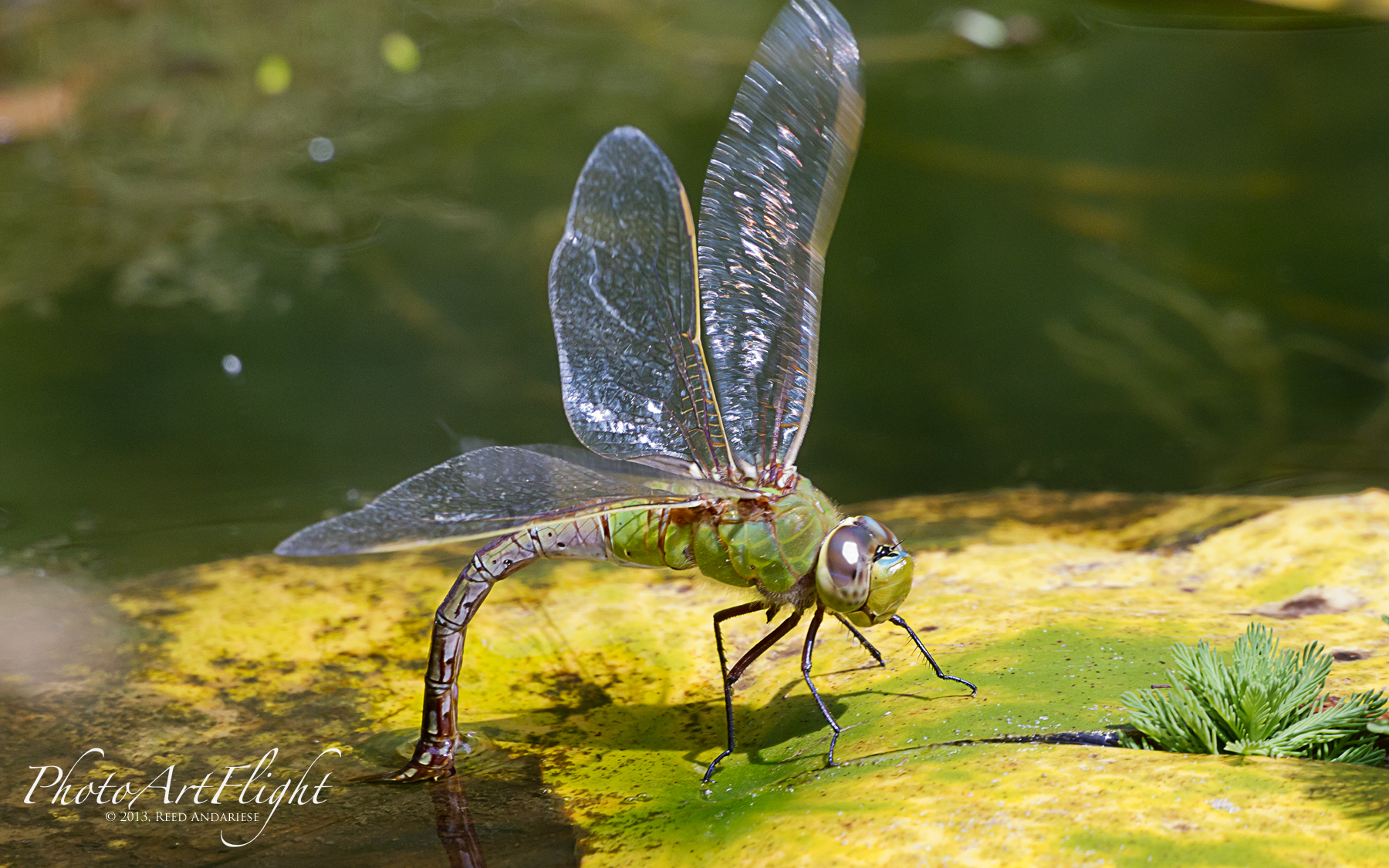
Sometimes when I am out enjoying nature, looking for birds or wildlife, I keep an eye open for alternate themes that I find interesting. This can fall into almost any photo category. Sometimes they work out well and are great additional images either for prints or for my ebooks. They also help tell a story if used with other images. This also helps sharpen your eye for what is going on around you as you are out in the field. Often it is also more rewarding and fun than finding the same Great Blue Heron in the same spot as last week. It gives you the chance to try different compositions, crops, depth of field, etc. There are unlimited themes you can work with and can help push your creativity. Here I am showing Green on Green, which is great in Spring & Summer, but tough in Winter in the Northeast. Use your imagination to come up with themes you like. White on Black, Red & Blue, Hard & Soft, Sharp & Soft, Dark & Light, you can come up with an endless list. Next time you are out in the field, and it is a slow day, look closely around you and you might be surprised at what you find. These images here were from local parks, my yard and National Wildlife Refuges. Images here were shot with everything from 400mm to macro lenses with Canon equipment to Panasonic GH2 with Canon EF and FD lenses. Thanks for looking and see what you can find.
Click on the image below to see a slideshow.


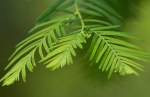
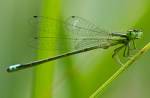


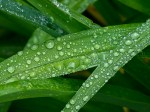


Dragonfly at My Backyard Pond
Posted on September 2, 2013

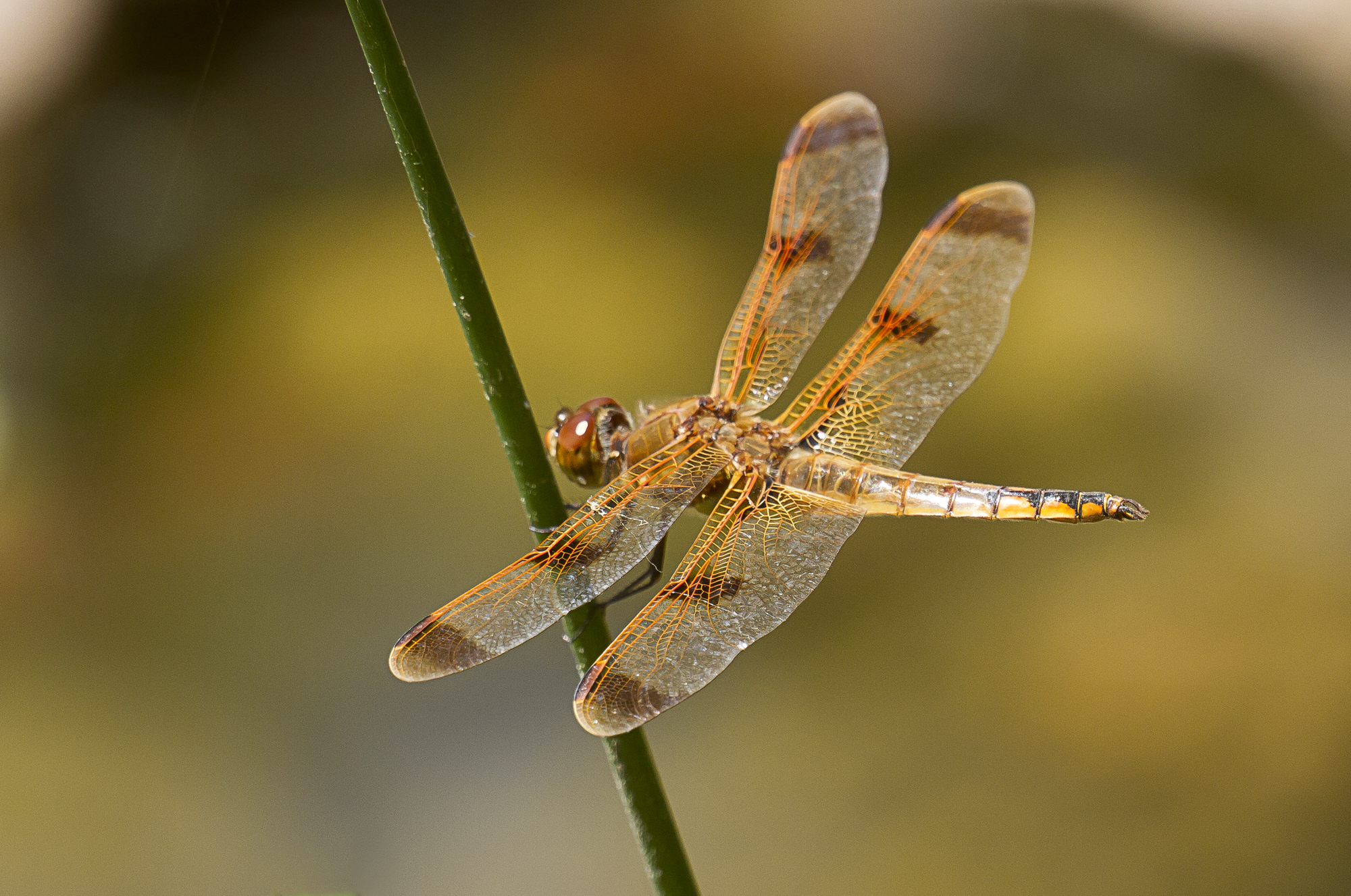
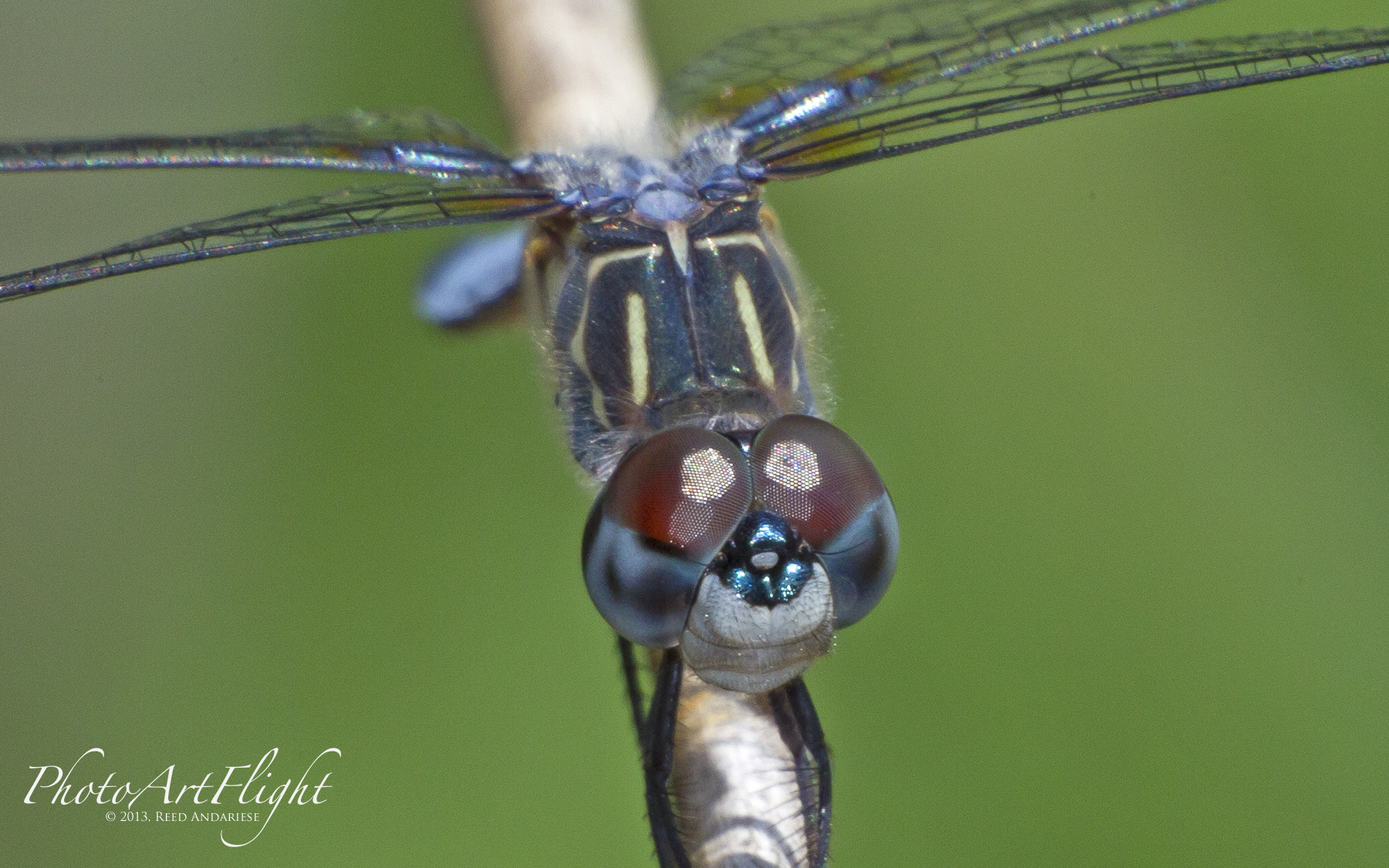
Our backyard pond is one of my favorite locations for photographing dragonflies. Even though it is a controlled area that I shoot in, I still cannot use a standard macro lens, because they’re about 8 to 10 feet away, with water between us. Also dragonflies are skittish if you get too close. They do seem to get used to you after a while, but are still wary of your presence. Sometimes they land on the end of my lens, I guess they are keeping me company. Also using a macro lens in the normal 50mm to 100mm range you have a greater depth of field, which makes it harder to achieve a smoother non distracting or busy looking background behind the dragonfly. I have come up with my own combination of accessories to achieve the results I am looking for. I used a Canon EOS 1D Mark IV with a 400 mm F/4 DO lens, with a 1.4 teleconverter with two extension tubes. The trick for getting the magnification needed for a 400mm telephoto lens, besides close focusing is to have the lens, then, a 36 mm extension tube, then the teleconverter, and then a 20 mm extension tube, and finally the camera body. This actually magnifies the image slightly so it is larger on the sensor than just using one extension tube behind the teleconverter. Also it allows a closer minimum focus with more magnification. Depending on the brand of extension tubes, you might loose accurate metering, so check your exposure with your histogram & adjust your exposure appropriately. Also remember not to underexpose your images, which tends to increase noise in your shadows & the dark areas of the dragonfly and in the background. These were photographed without fill flash, which I usually use to open up the shadows & dark tones. This time I just opened up the shadows a little while adjusting my files. When using a fill flash with a Better Beamer Flash extender or similar, I usually adjust the flash to -1 stop to – 1/3 stop so as not to overpower the ambient light, which would look unnatural. Depends on how harsh the light is, and backlit or front lighting. Also fill flash is important and needed when you go on and try to photograph these fun subjects flying. Opens up a new set of problems and solutions. But that is for another blog. Thanks and visit again soon.



 photoartflight