 photoartflight
Brigantine Cloudscapes & Landscapes
Posted on August 26, 2021
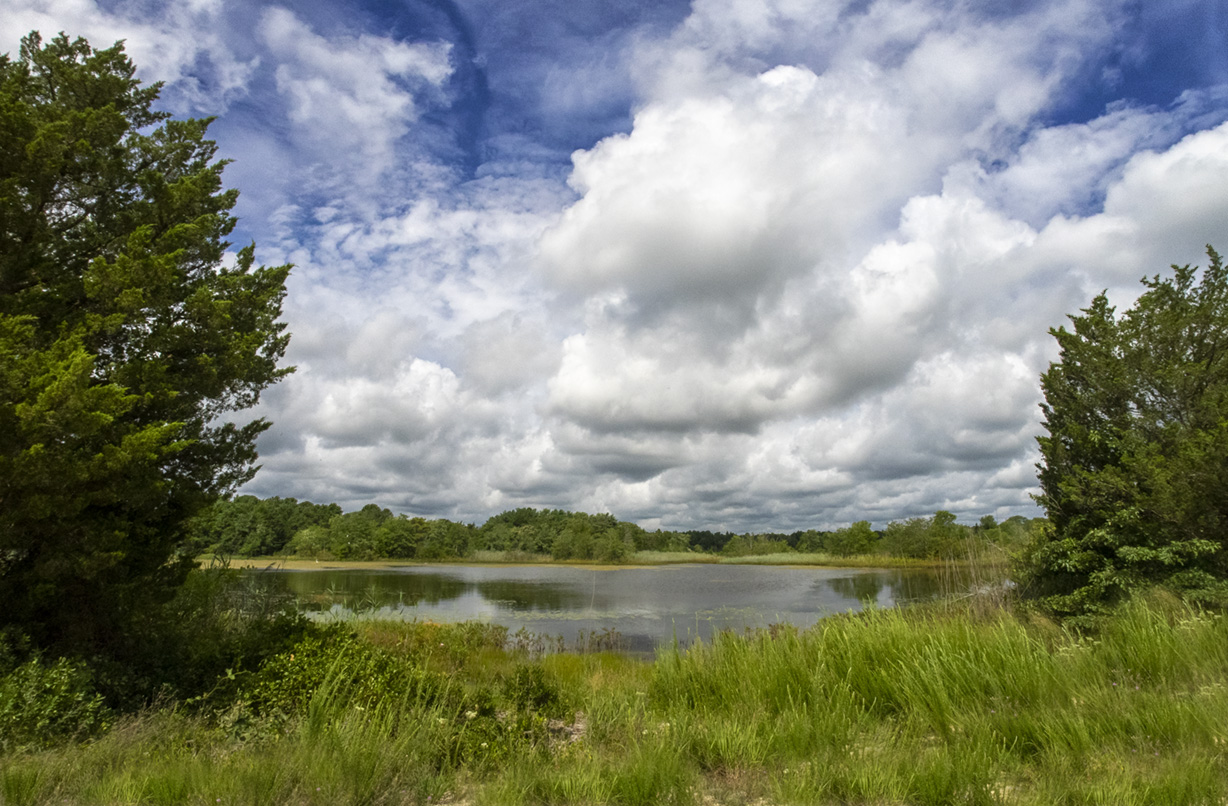
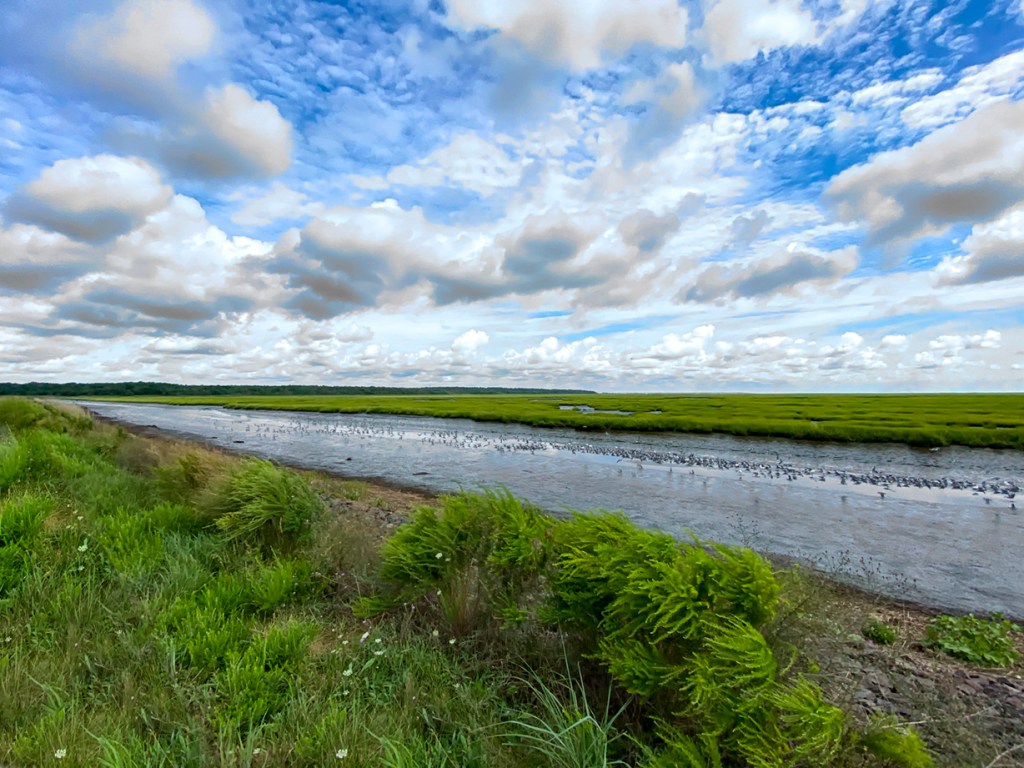
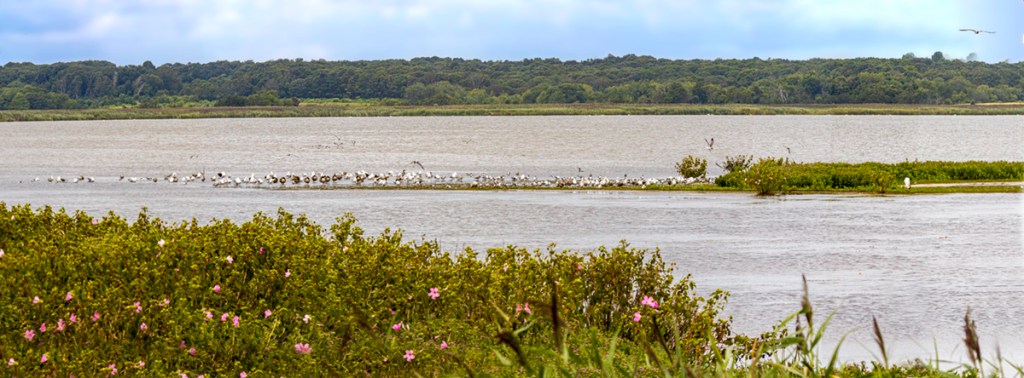
The cloudscapes were Great on our visit to the Brigantine Division of the Edwin B. Forsythe National Wildlife Refuge in Oceanville New Jersey. For the Landscapes I was using 3 different setups depending on what I was trying to show in my images. For really wide views of clouds & landscapes I used an Olympus OMD-1 with a 7.5mm Fisheye lens (180 Degree FOV) or my iPhone 11 Pr0 with the 1.5mm (Full Frame Equivalent Field of view ~13mm) or the 4.3mm lens (Full Frame Equivalent ~26mm). I corrected the Fisheye lens Distortion of the 7.5mm Fisheye lens on the Olympus in Photoshop using the Adaptive Wide Angle Filter that is accessed under the main “Filter” listing on the top menu Pull Downs. For the far out or distant landscapes with flocks of birds I was using a Tamron 150-600mm lens on a Canon R (Some with a 2X Teleconverter giving me a 300mm to 1200mm).
The Featured Image is a 3 image panorama taken with a 7.5mm Fisheye Lens on an Olympus OMD Camera.



Snow Geese Panorama
Posted on February 5, 2017

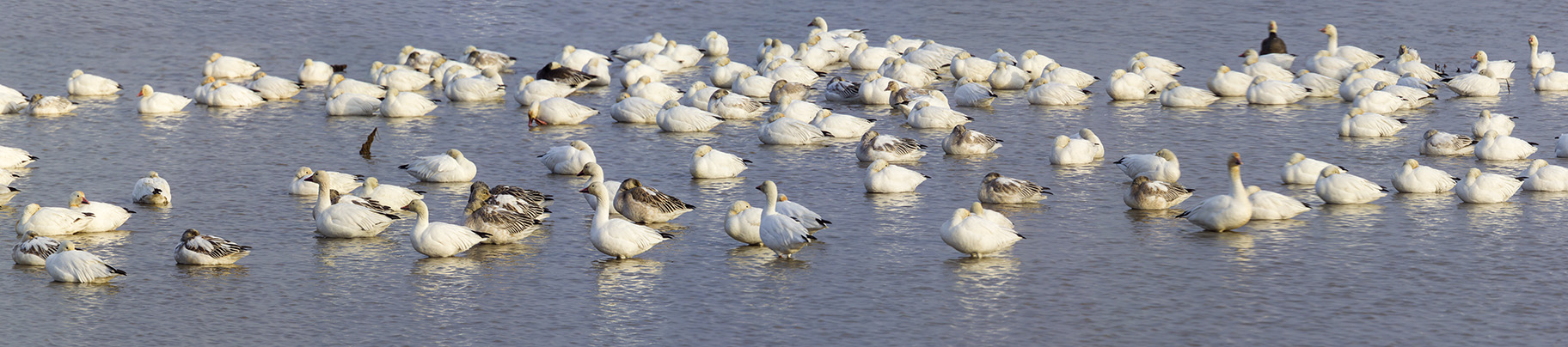
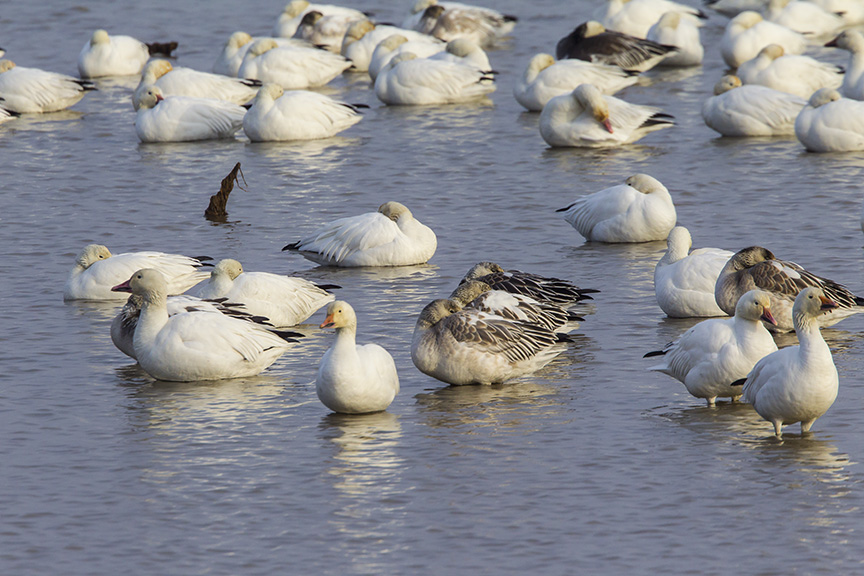
We went to the Edwin B. Forsyth National Wildlife Refuge in Oceanville, NJ to see what we could find. Most of the Wildlife Drive is closed for road repairs so we were limited to the areas we could go, which is probably only about 1/10th or less of where we used to go. But it was still fun to look for the usual Winter subjects.They are known for huge flocks of Snow Geese in the Winter months and I was hoping to see some Snow Geese, but they are usually farther into the Refuge than we could go because of the Drive closure. When we got to the Refuge the weather changed to a heavy gray cloud cover, so I was not hopeful for interesting images. Right where we had to turn around because of the road work we found a group of a couple hundred Snow Geese. It was not thousands, but it was still quite a few. It was overcast but I still shot a series of handheld shots for a Snow Geese panorama. It started to brighten up a little as I was photographing them so I tried a few different Panoramas, some of just sections of the main group. And a few of just a section of the main group. The featured image is my largest panorama of 14 images shot with 400mm lens with a 1.4X teleconverter. The followings images are smaller panoramas or individual images of the group. I also used a m43 Panasonic for a few images.






Great Egret Preening
Posted on December 11, 2016
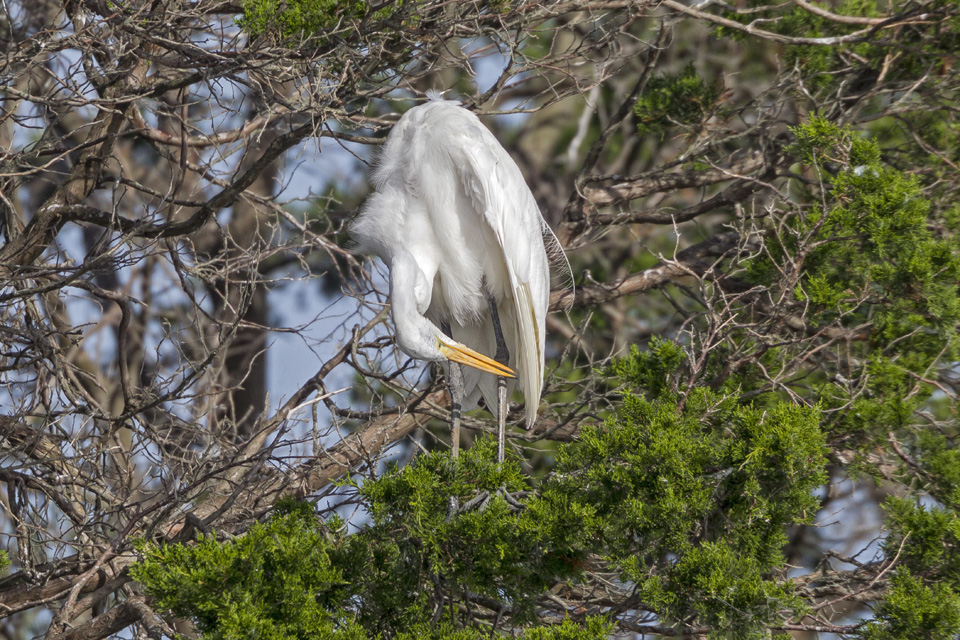
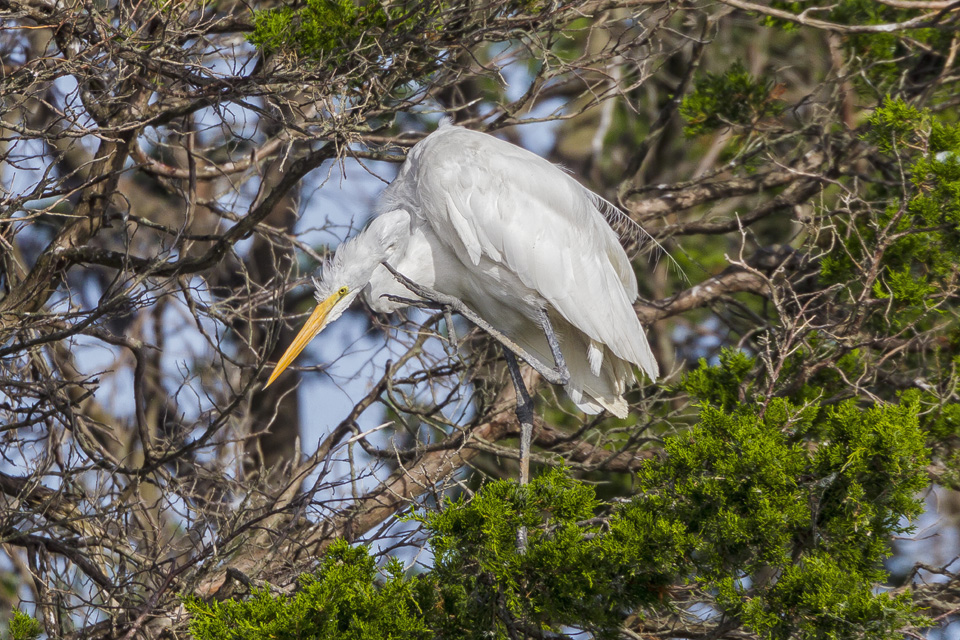
A series of images of a preening Great Egret. I liked the feather detail and lighting on this Great Egret. He posed for quite a while giving me ample time to photograph the Egret in a variety of poses.This is the same group of trees that the Black-crowned Night-heron from the previous post was in.

 photoartflight