 photoartflight
Common Yellowthroat In Field
Posted on March 4, 2020
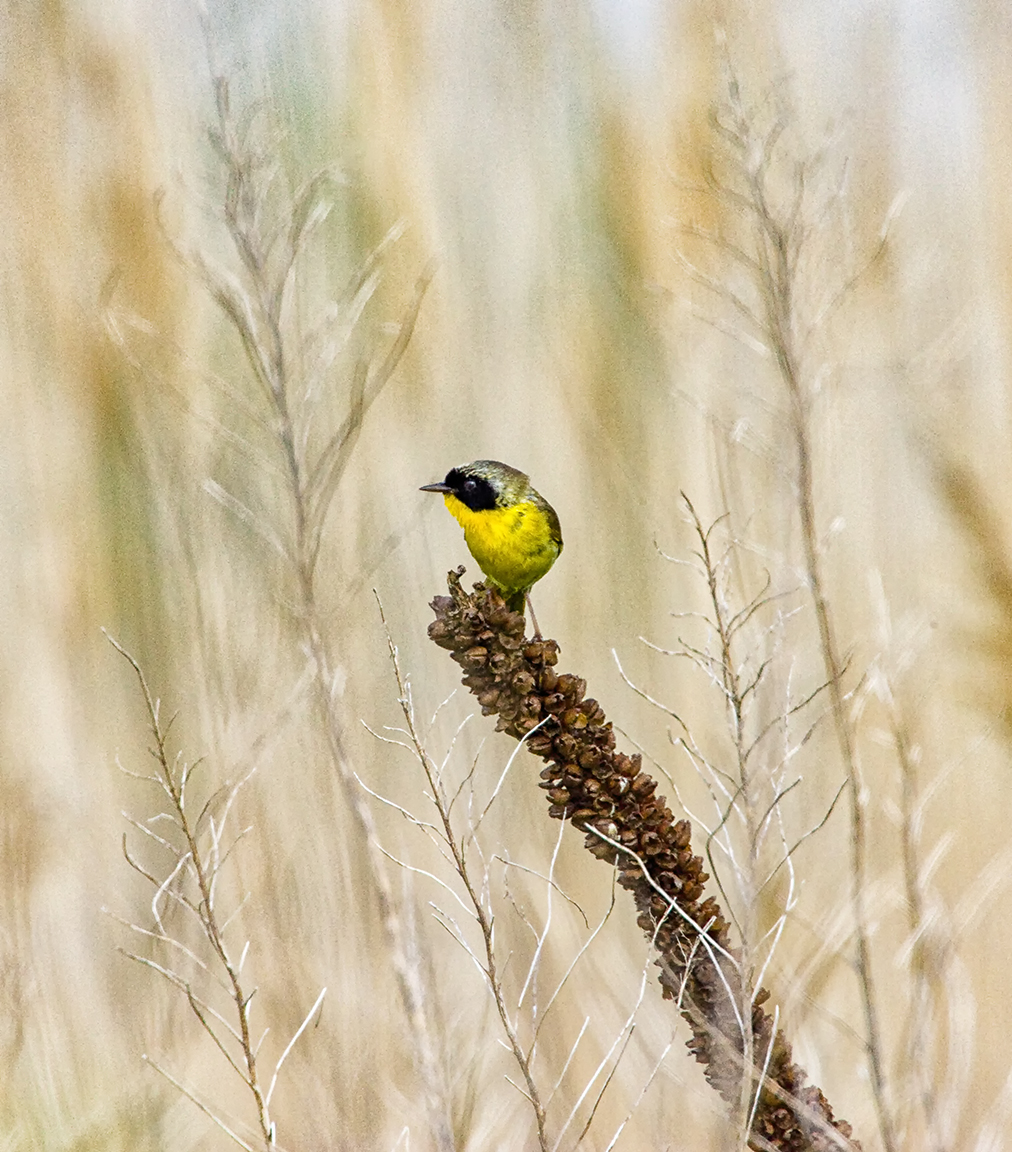
I liked how this Common Yellowthroat warbler stood out in this field of dried brush. I also liked the angle of the brush in the background and the bird’s perch leaning in the same direction. Usually they are flitting from perch to perch, but this one stayed for a while before flying off giving me a chance to get a few shots. Image taken @ 800mm (Canon 400mm f/4 DO lens with Canon 2X teleconverter)
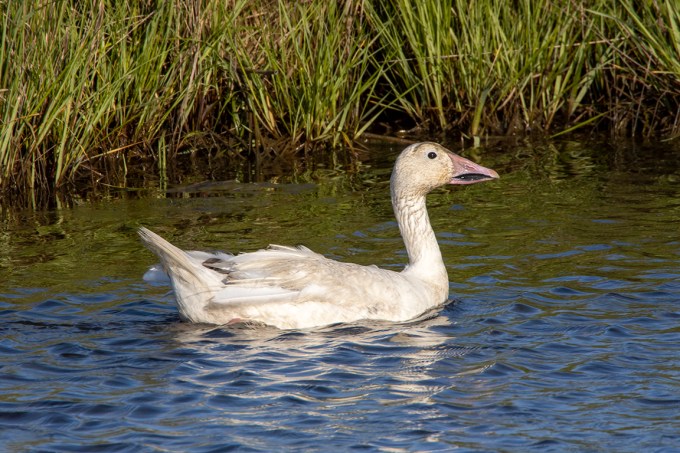
Snow Goose In Summer
Posted on July 27, 2019

On our trip to the Brigantine Division of the Edwin B. Forsythe NWR, we saw this lone Snow Goose multiple times around one area of the refuge. Usually they are all gone from the Refuge at this time of the year. But seeing it multiple times around a certain area it seemed like the one wing might be injured. We also saw it just walking along the side of the Wildlife Drive.


Panoramas of Osprey Platform – Forsythe National Wildlife Refuge
Posted on June 25, 2019

We went to the Brigantine Division of the Edwin B. Forsythe National Wildlife Refuge in Oceanville, NJ to see what we could find to photograph. We usually like the wide variety of birds, but there were not as many shore birds as usual. And many birds were way far out in the distance. Lots of Swans, Some Black Skimmers, Terns, Great Blue Herons, Egrets, etc. Mostly the usual subjects. But all of the Osprey platforms had active nests with visible chicks. We usually concentrate on the platforms further down the Wildlife Drive, mainly because they are closer to the Drive, but you also do not get the Atlantic City skyline in the background. The Ospreys were not flying much, but it was still fun to photograph the nest activity. The featured image is a 4 image panorama shot with an Olympus m43 camera @84mm. I wanted an image to portray the nest platform in the landscape. All the reat were taken with a 150-600mm Tamron lens. I was quite impressed with Tamron 150-600mm on the Canon R. I had taken it on our trip to Florida and was amazed at the fine feather detail of breeding plumage birds. It auto-focuses nicely, was quite sharp. And the details were amazing. Even pushing the limits by adding a 2X teleconverter, I was impressed. It also kept up with skimming Black Skimmers working in the channels. On this day the clouds were also amazing.
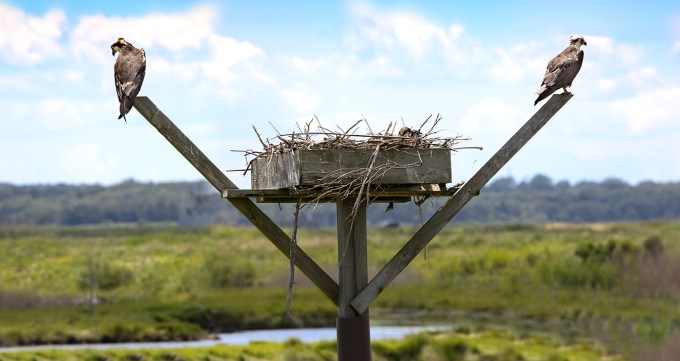
3 img pano – shot @ 1200mm, Canon R Tamron 150-600mm lens, 2X teleconverter

shot @ 1200mm, cropped a little, Canon R, Tamron 150-600mm lens, 2X teleconverter

shot @ 1200mm, Canon R, Tamron 150-600mm lens, 2X teleconverter
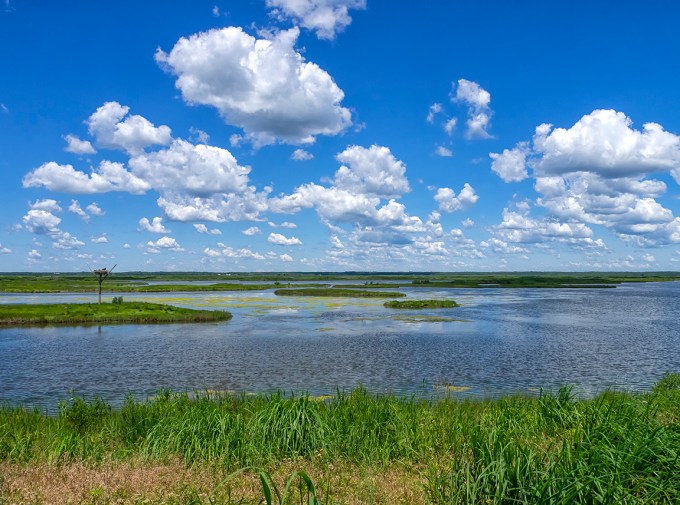
Overall landscape, Olympus m43 Camera, 14mm
Hoar Frost At Brigantine
Posted on February 7, 2018

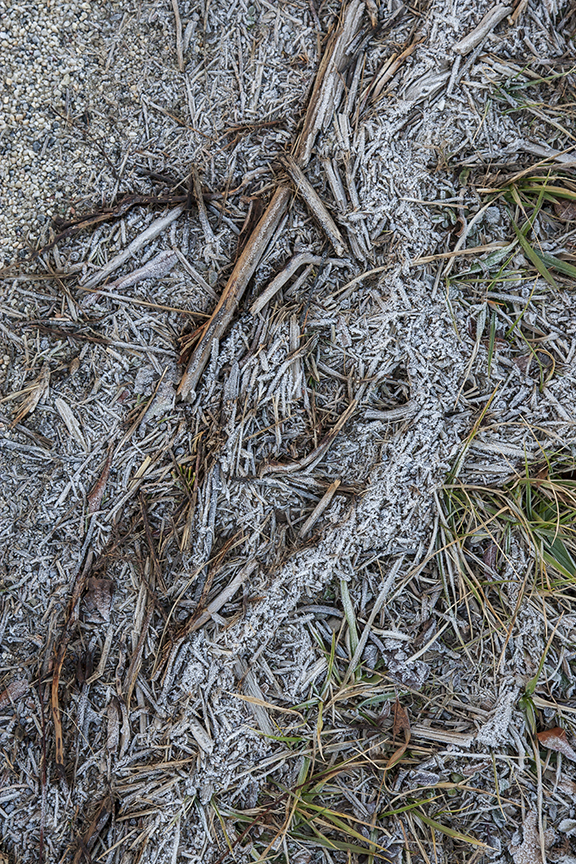
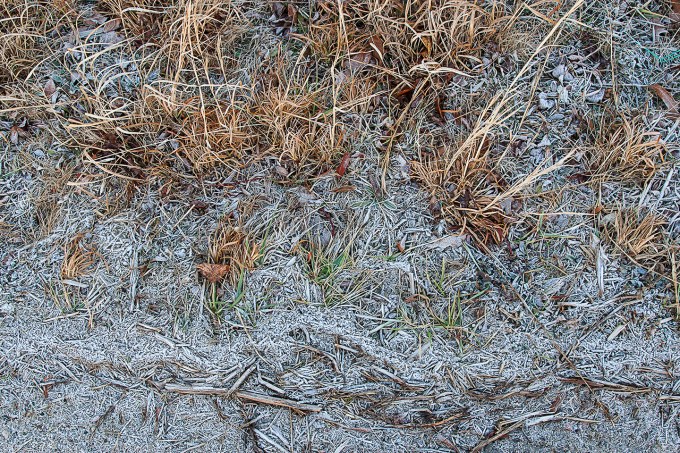
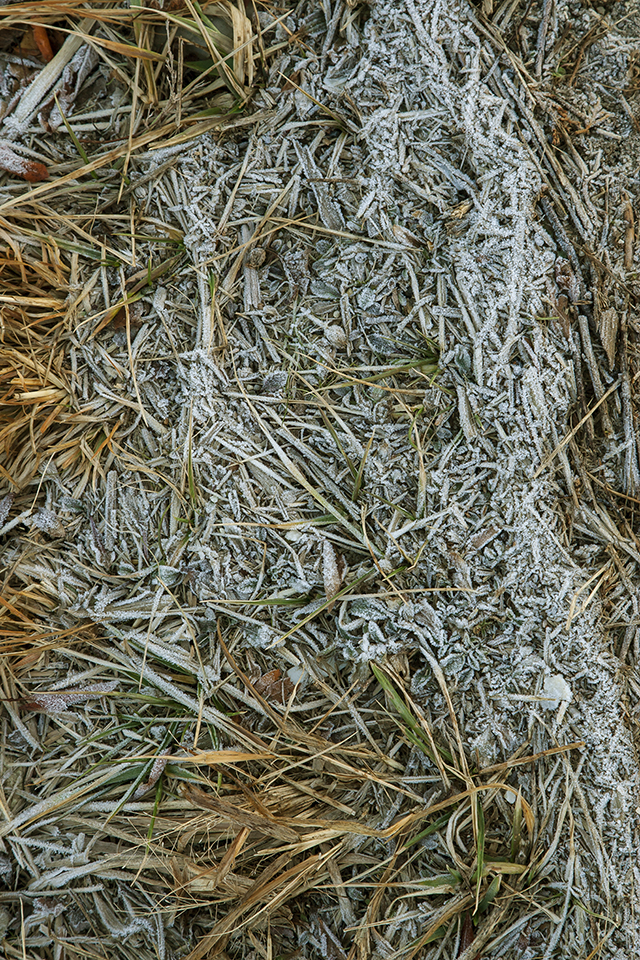
While I was photographing the Mute Swans By Gull Pond at the Brigantine Div., Edwin B. Forsythe National Wildlife Refuge early in the morning, I noticed where I was standing, the ground was covered with “Hoar Frost”.
Hoar Frost is defined as “expressing the resemblance of white feathers of frost to an old man’s beard.”
First, to produce any frost, you need water vapor (gaseous form of water) in the air over cold ground with a surface dew point at least as cold as 32 degrees. When these water vapor molecules contact a subfreezing surface, such as a blade of grass, they jump directly from the gas state to solid state, a process known as”deposition”, leading to a coating of tiny ice crystals.
All images shot with the Canon 24 – 105mm @24mm or 105mm.


Pintail Ducks
Posted on February 9, 2017
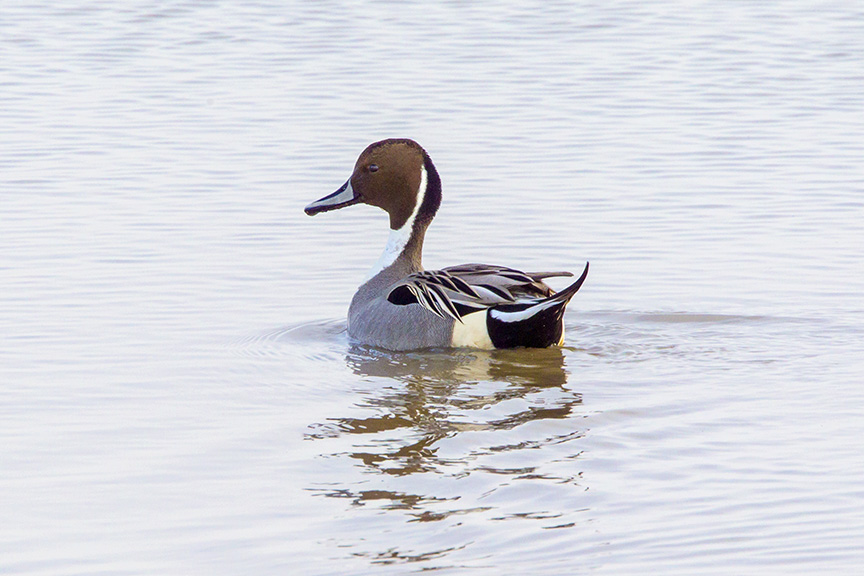
We found this pair of Pintail Ducks while we were at the Brigantine Division of the Edwin B. Forsythe National Wildlife Refuge, Brigantine Division in Oceanville New Jersey. It started as a grey overcast day but brightened up a little before we left. They were swimming away from us but I was able to get a few photos. The featured image is cropped a little, the second I waited for the female to finally turn her head a little so it was a better image. I had wanted to do a 2 shot image stack. The first focused on the male, the second on the female, but she was too quick for me. So in this image she is a little “soft” in focus. With Photoshop it it is fairly easy to do a multi-image handheld focus stack on moving subjects, especially with long lenses.
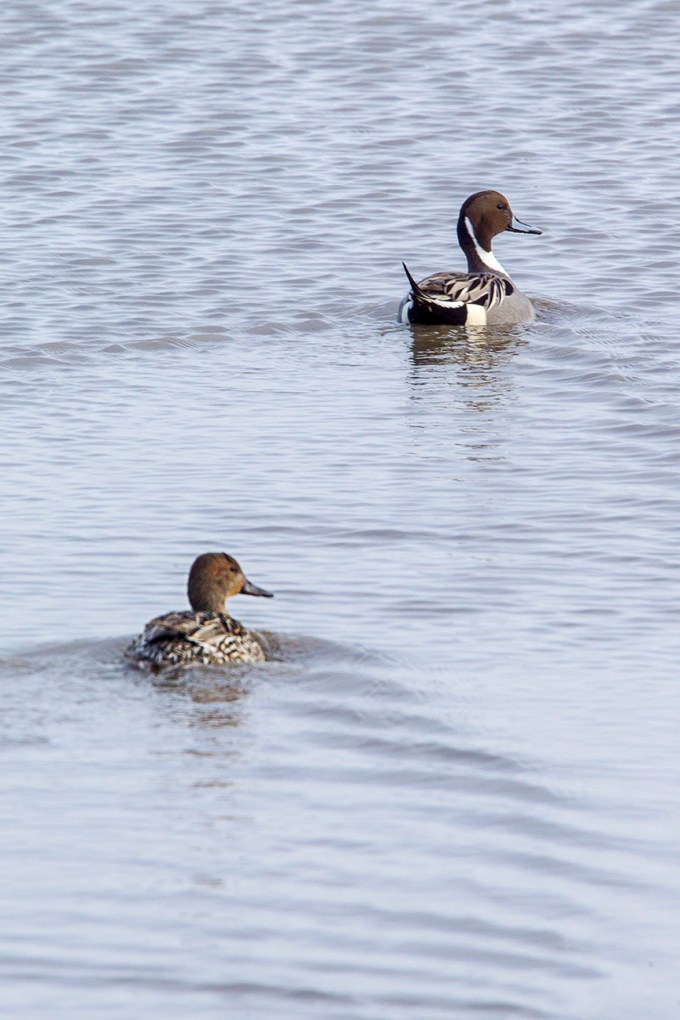
Male & Female Pintail Ducks swimming away
Brigantine Division Winter Landscape
Posted on February 6, 2017

This is a 7 shot handheld panorama from the Wildlife Drive at the Edwin B. Forsythe National Wildlife Refuge in Oceanville NJ. The sun came out and the heavy cloud cover disappeared to give us a nice blue sky with fluffy clouds. Since there was not a lot of activity with birds closely, I switched to a 12-24mm lens, shooting a series of shots for a variety on panoramas. The featured image was shot at 12mm shooting out towards the North Pool. I am still getting use to Photoshop cc 2017 for panoramas. Sometimes it seems to do a few strange things to the images. I used to use CS6 Extended which also sometimes did strange things, but I was used to it!
The following are just a few more panoramas. There was not much action for birds, so I switched to landscapes. The clouds and sky were awesome for a while, so I shot quite a few assorted landscapes and panoramas.

3 overlapping vertical shots for a semi horizontal panorama @ 12mm

5 overlapping horizontal shots for a vertical panorama @12mm
Snow Geese Panorama
Posted on February 5, 2017

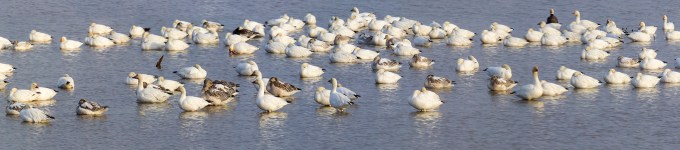
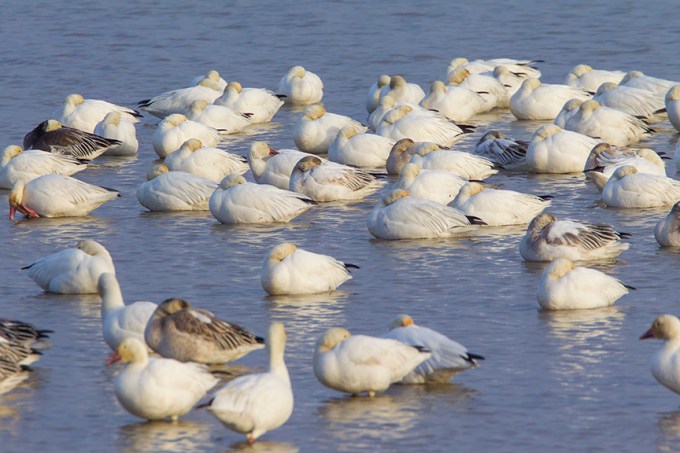
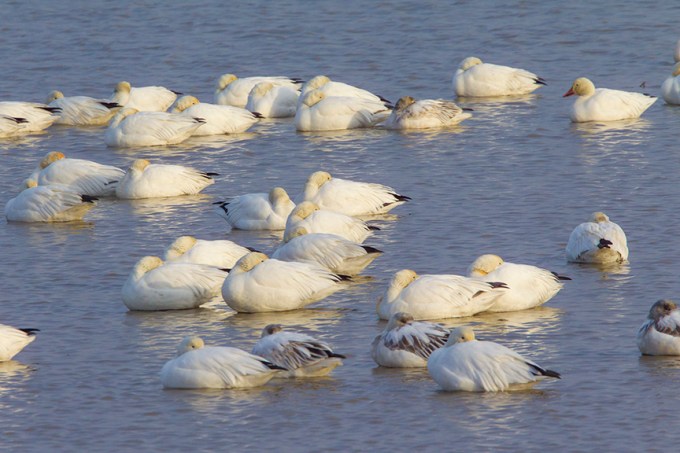
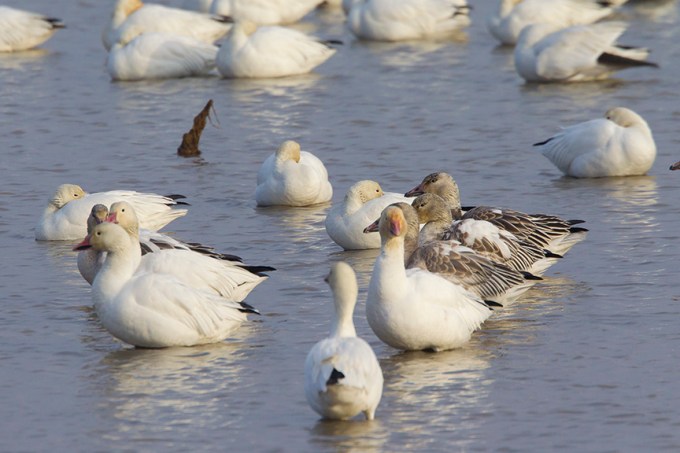
We went to the Edwin B. Forsyth National Wildlife Refuge in Oceanville, NJ to see what we could find. Most of the Wildlife Drive is closed for road repairs so we were limited to the areas we could go, which is probably only about 1/10th or less of where we used to go. But it was still fun to look for the usual Winter subjects.They are known for huge flocks of Snow Geese in the Winter months and I was hoping to see some Snow Geese, but they are usually farther into the Refuge than we could go because of the Drive closure. When we got to the Refuge the weather changed to a heavy gray cloud cover, so I was not hopeful for interesting images. Right where we had to turn around because of the road work we found a group of a couple hundred Snow Geese. It was not thousands, but it was still quite a few. It was overcast but I still shot a series of handheld shots for a Snow Geese panorama. It started to brighten up a little as I was photographing them so I tried a few different Panoramas, some of just sections of the main group. And a few of just a section of the main group. The featured image is my largest panorama of 14 images shot with 400mm lens with a 1.4X teleconverter. The followings images are smaller panoramas or individual images of the group. I also used a m43 Panasonic for a few images.




Wild Turkey
Posted on December 26, 2016

We saw this Wild Turkey walking along a path at the end of the Wildlife Drive at the Brigantine Division of the Edwin B. Forsythe National Wildlife Refuge in Oceanville, NJ. I was hoping it would turn slightly so I could get a better photo, but it just kept walking away from us. This was the best view of the series. I had heard them and saw them far away, but this was the first one I saw somewhat close by.
Snowy Owl
Posted on December 20, 2016

Snowy Owl photos from the Brigantine Division of the Edwin B. Forsythe National Wildlife Refuge in Oceanville, NJ, photographed a couple of years ago. I was going through older files, cleaning up folders and sorting out images. We had heard there were two Snowys around the Wildlife Drive. We actually spotted them a few times, but they were quite far out in the fields along the shoreline. This was photographed with a 400mm f/4 DO lens with a 2X teleconverter, and cropped fairly tight. Not the best image, but a Snowy!
Fox on Ice
Posted on December 19, 2016
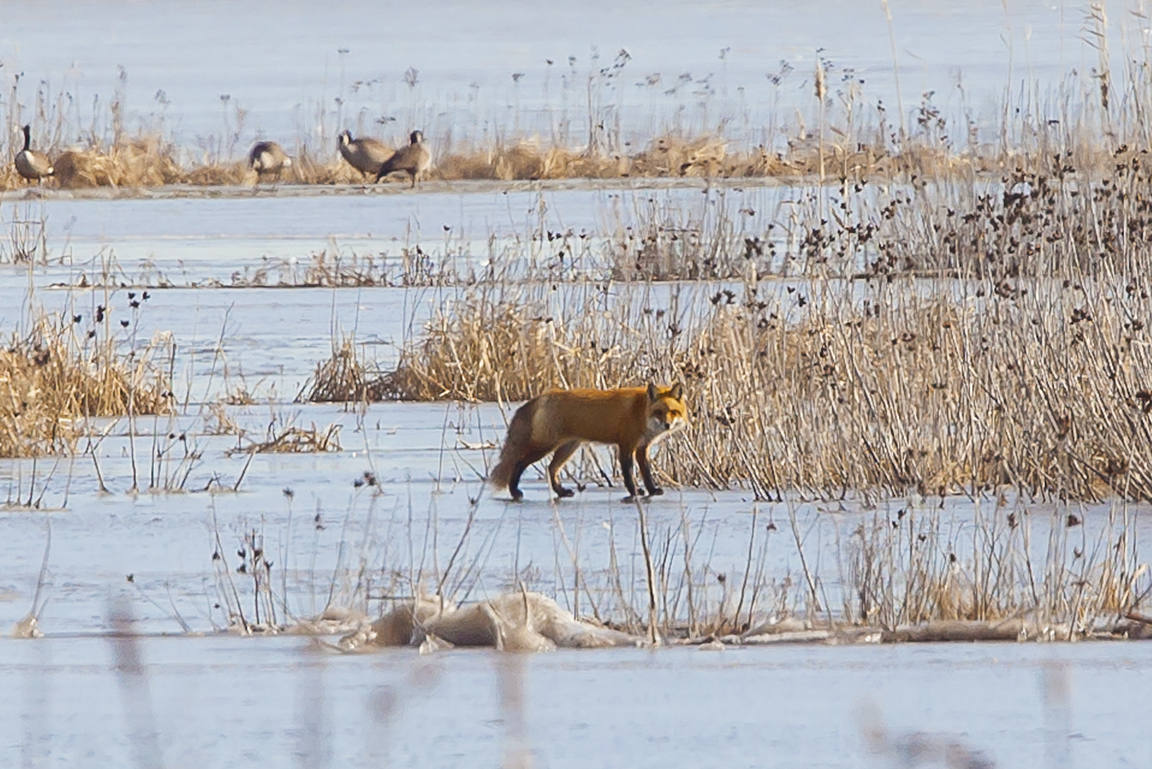
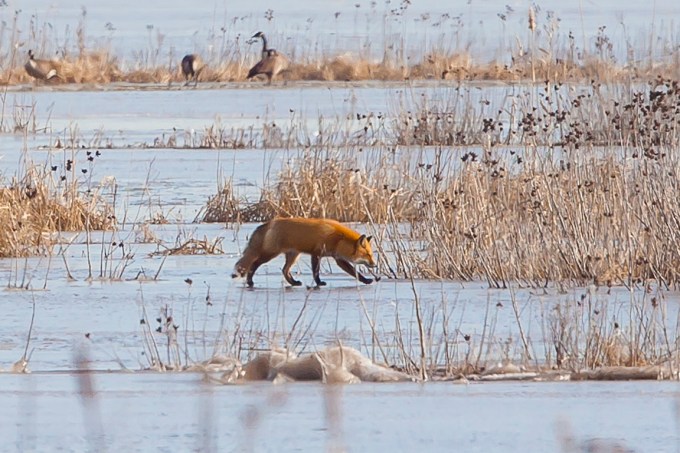
This was shot at the Edwin B. Forsythe NWR in Oceanville, NJ. The fox was very far out on the ice, so it is not a great shot. But I thought it was interesting to see a fox out on the ice wandering around the Canada Geese. I did not see it go after any of the Geese, so not sure what it was looking for.
 photoartflight