 photoartflight
Great Blue Heron By Waters Edge
Posted on January 10, 2021
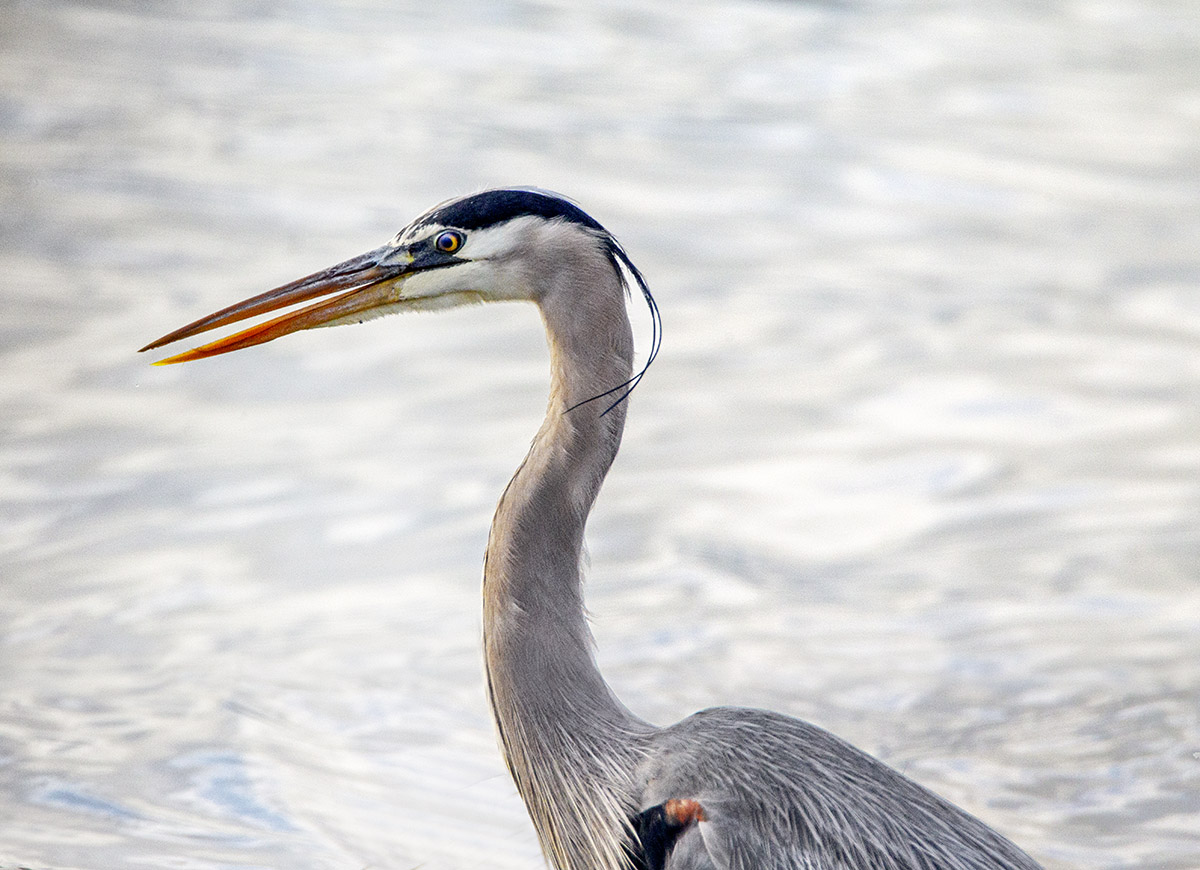
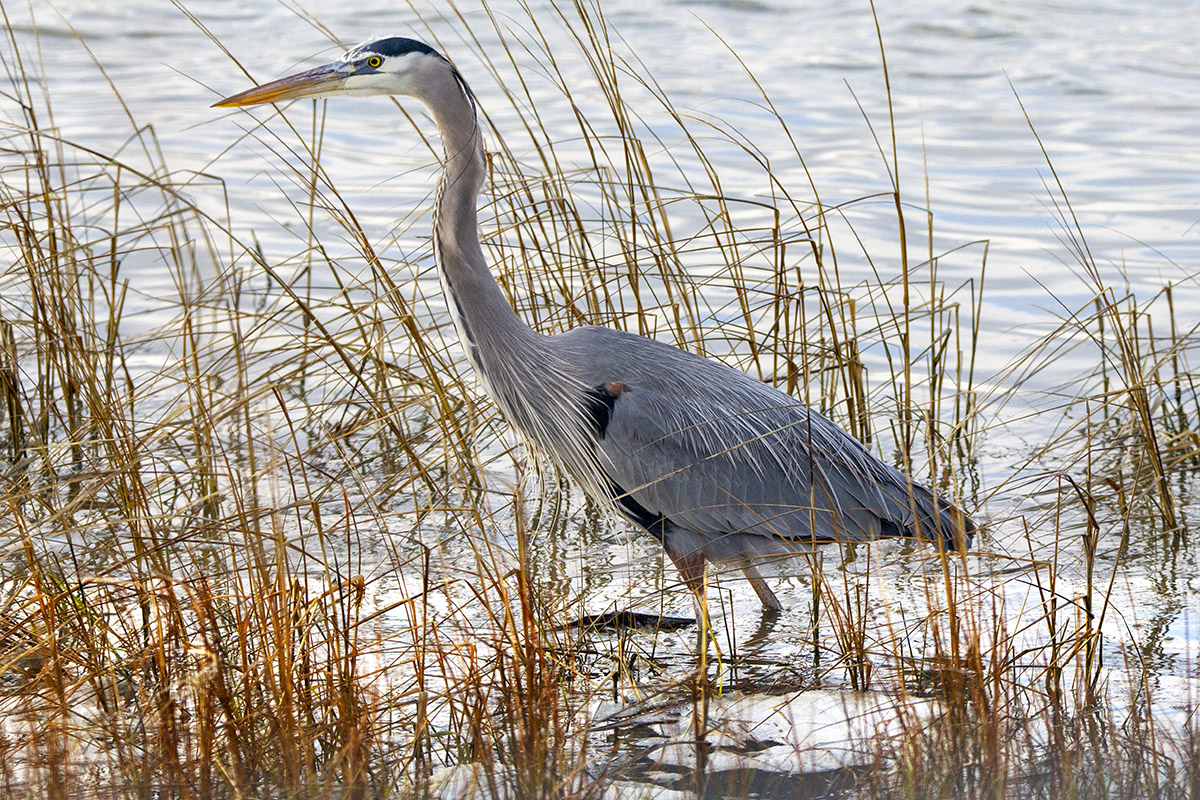
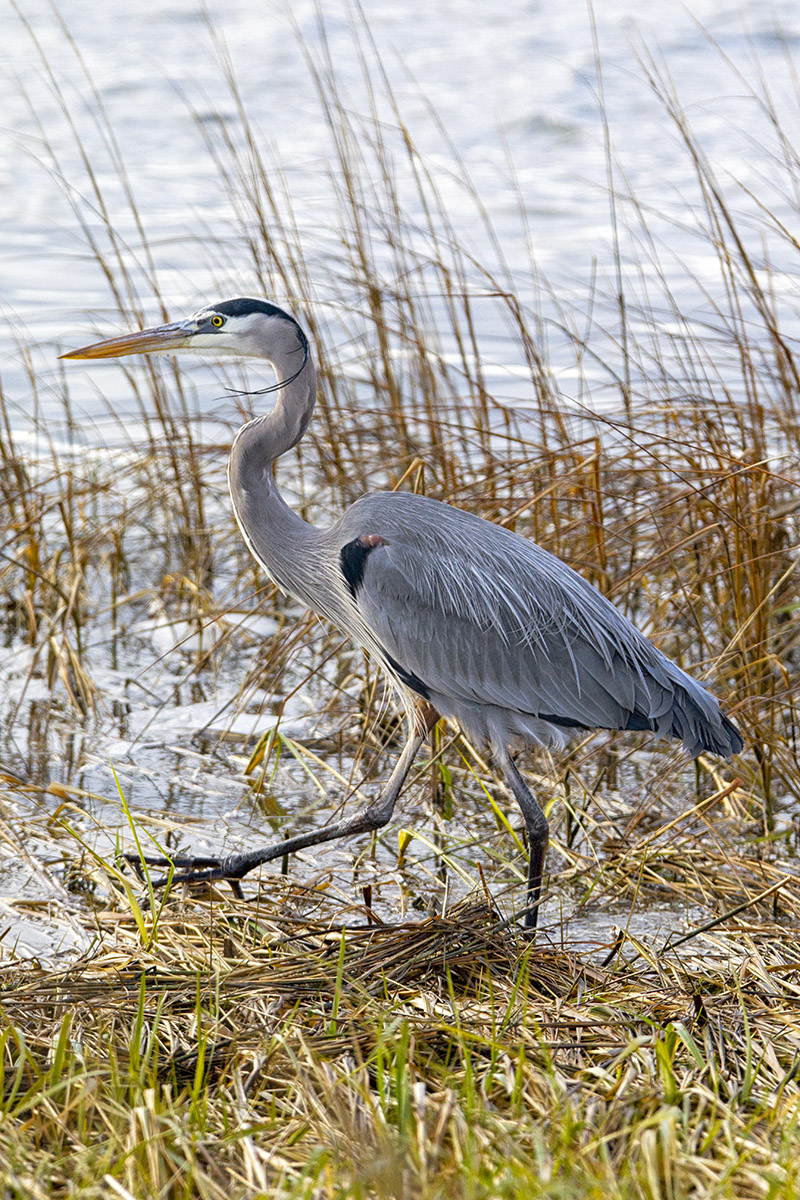
I was surprised on our visit to the Edwin B. Forsythe National Wildlife Refuge, Brigantine Division in Oceanville, NJ that there were quite a few Great Egrets & Great Blue Herons still around in January. The Featured Image was a 2 image portrait. It walked by me and was so close I wanted to show a little more of the neck. So I quickly shot 2 images @600mm for a pano portrait of the Heron. The images below are a series of images @ varying focal lengths as it was foraging in front of me.



Flying Great Blue Herons
Posted on July 24, 2020
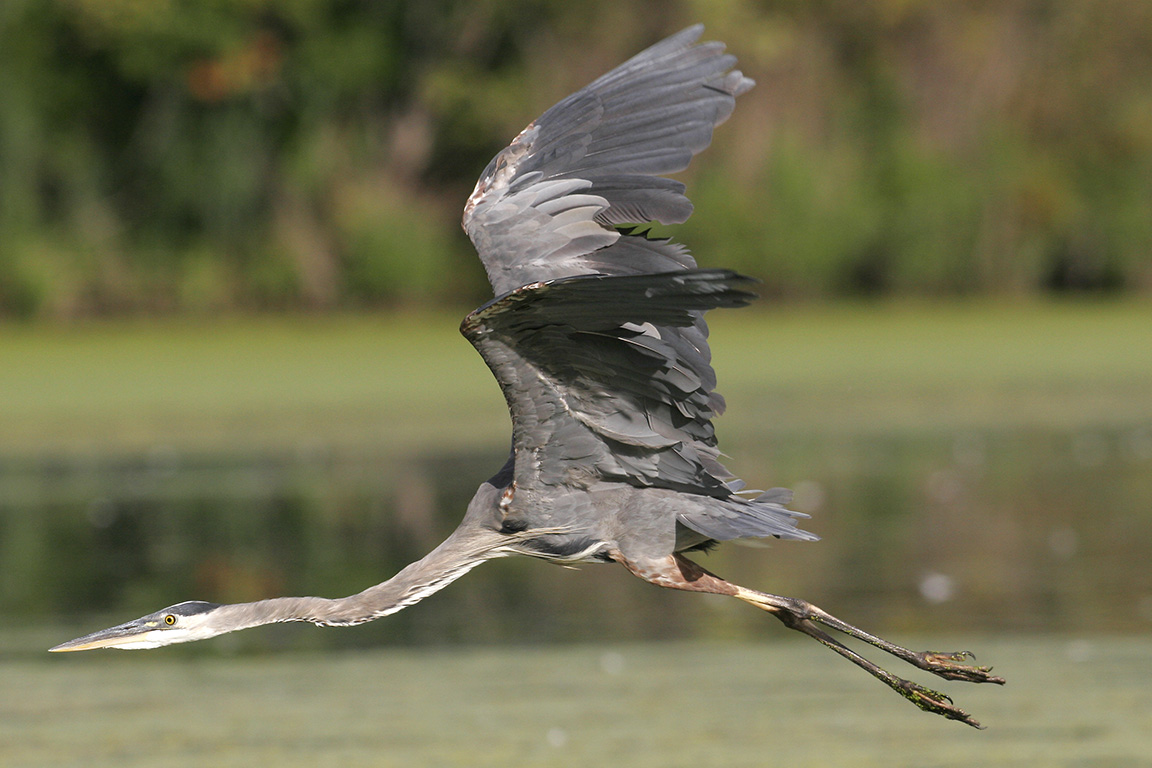
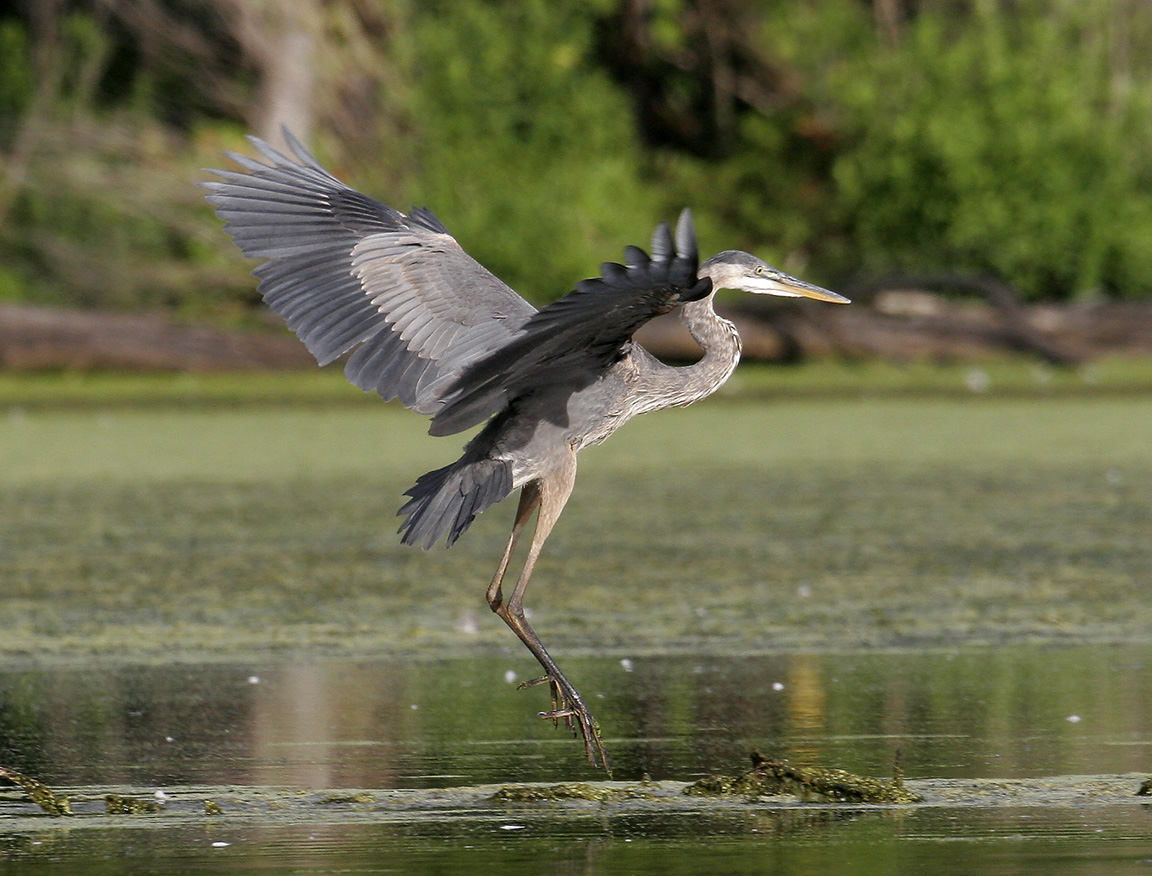
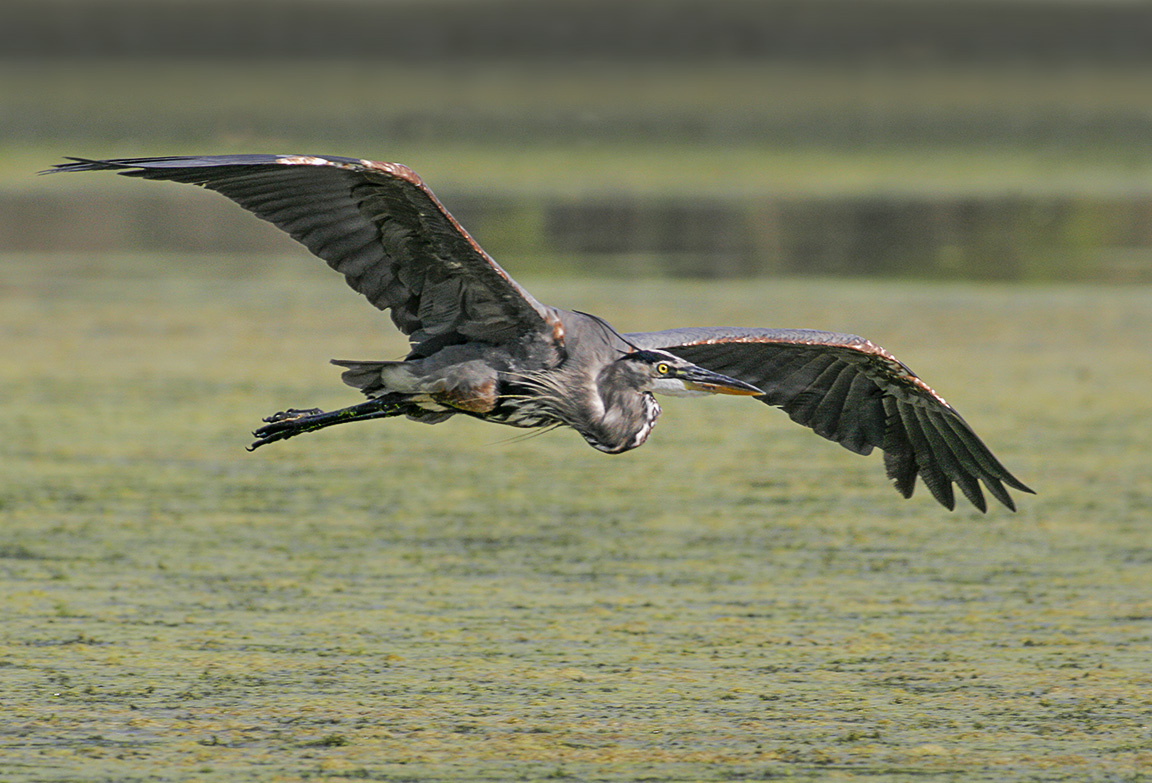
It seems like Great Blue Herons just glide along in flight for being such a large bird. They do have quite a wide wingspan from ~ 5.5 to 6.6 ft. They can cruise @ 20-30 miles per hour. So they are fun photo subjects especially if they are flying around a small lake and you have long lenses!


28 Great Blue Heron Landscape Panorama
Posted on December 11, 2019

Since the weather got colder I have been going through old files that I have not worked on before. I started with files from about 10 years ago taken at the Edwin B. Forsythe National Wildlife Refuge, Brigantine Division in Oceanville, NJ. The featured image is a panorama made with 14 images shot back then with a Canon EOS1D MkIII with a 400mm Canon DO lens showing 28 Great Blue Herons. Images (Raw files) shot handheld, and final image assembled,aligned and blended in Photoshop.

Example of 1 image of the 14 images used for the panorama

Smaller Panorama showing 11 Great Blue Herons. I tried first with 5 images before working on the larger version (Can you find the 11?)
Great Blue Herons At Brigantine
Posted on February 20, 2019
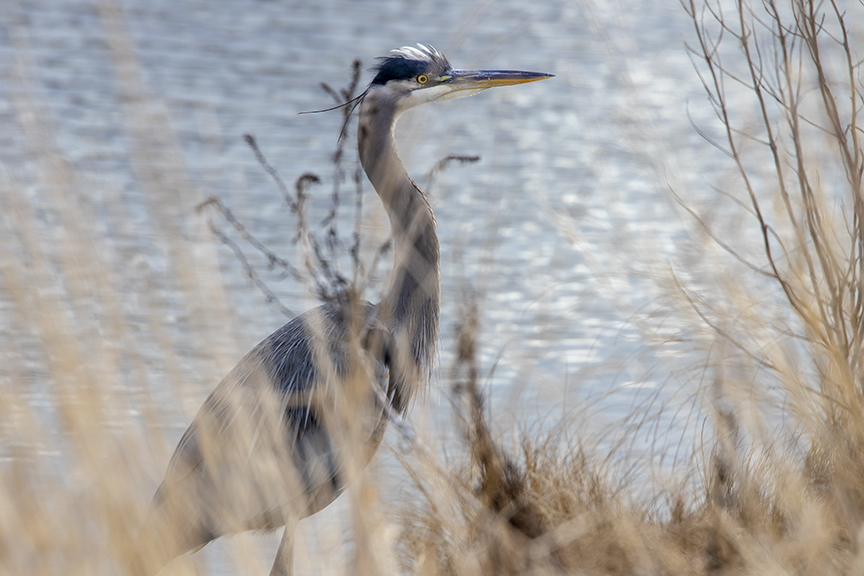
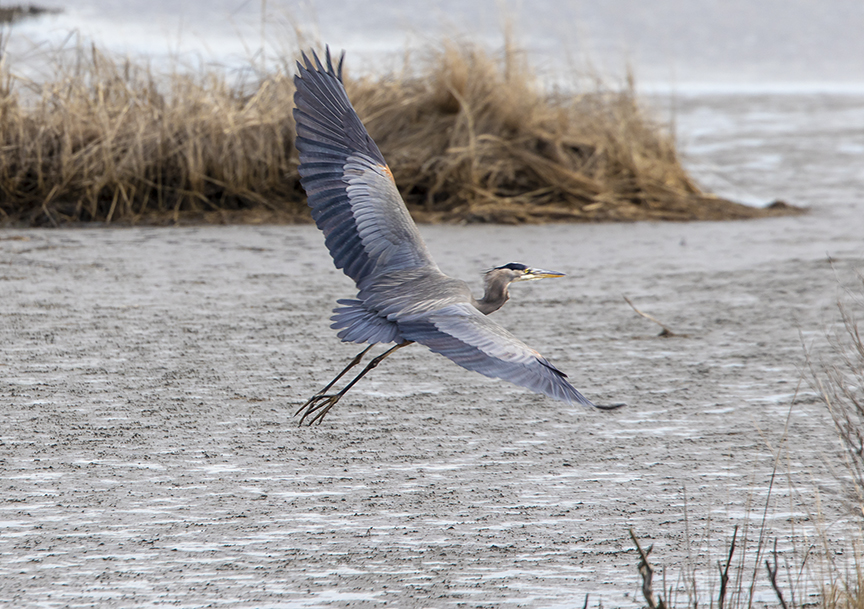
While I was photographing Landscapes & Cloudscapes along the Wildlife Drive at the Brigantine Division of the Edwin B. Forsythe National Wildlife Refuge, I noticed this Great Blue Heron behind some of the grasses along the Wildlife Drive. I got a few shots through the grasses and then the two Herons lower down in the water flew off. I got a few more shots as they flew away from me. I was surprised that during the day we saw quite a few Great Blue Herons throughout the Refuge. Usually most do not hang around in the cold weather but there were quite a few throughout the Refuge.
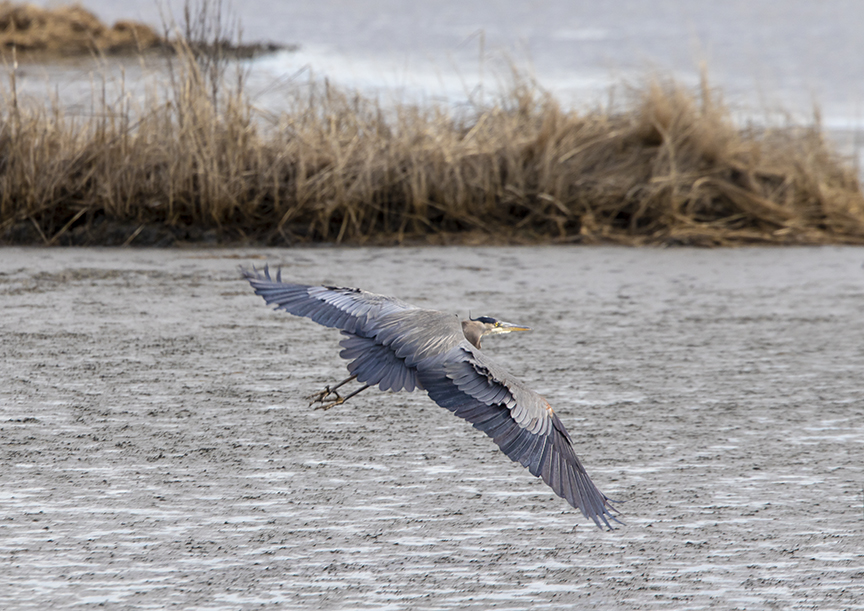
Canon R, 400mm f/4 DO lens, 1.4x series III teleconverter
Great Blue Herons At Blackwater NWR
Posted on February 15, 2019

It seems that a few Great Blue Herons always hang around at Blackwater NWR through the Winter. Usually most migrate out of the area but a few seem to stay in the area on the Refuge. On this trip I saw 3 Great Blues along the Wildlife Drive.
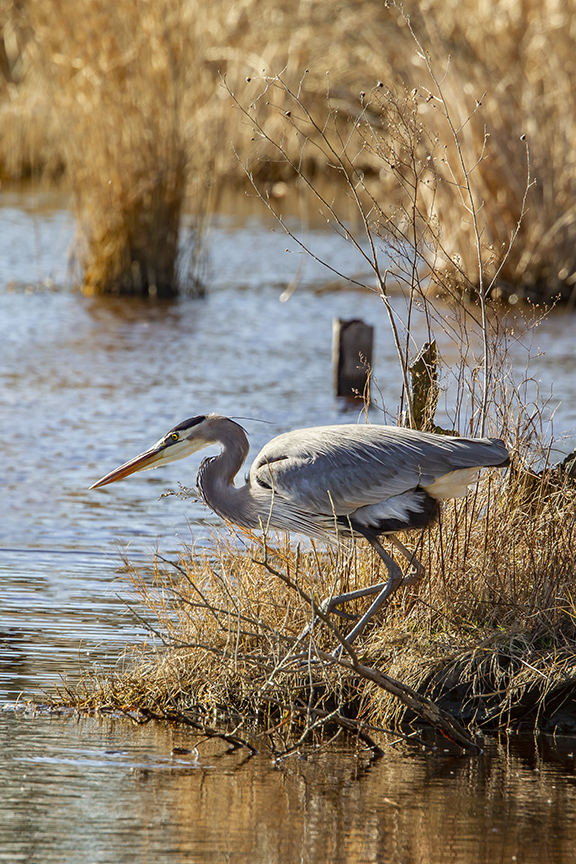
Great Blue Heron watching for a meal. As I was watching he tried a few times with no luck. (400mm w/ 1.4x teleconverter)
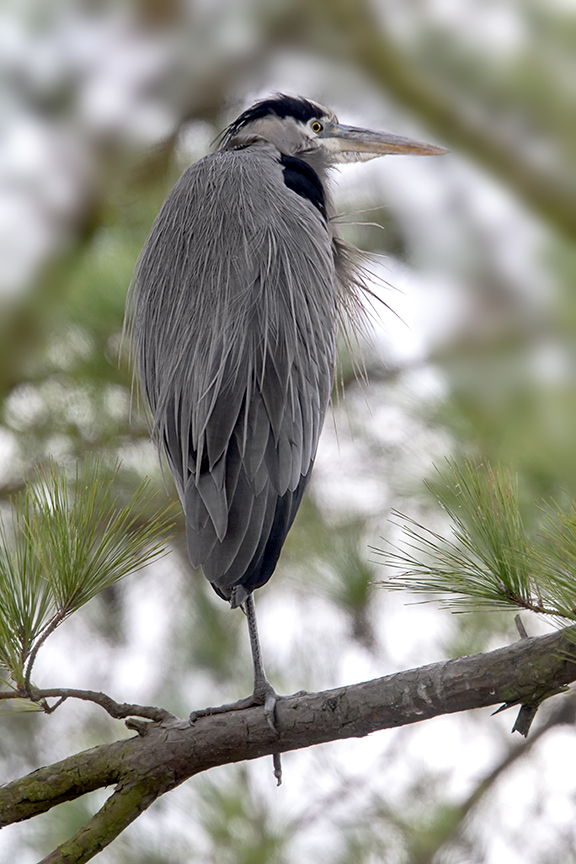
I stopped to photograph some Tundra Swans in the water and turned around and noticed this GBH in the tree behind and above me. (m43 Olympus @ 140mm)

Great Blue Heron foraging in the dried grasses @ 400mm w/ 1.4x teleconverter.
Great Blue Heron Flyby
Posted on August 8, 2018
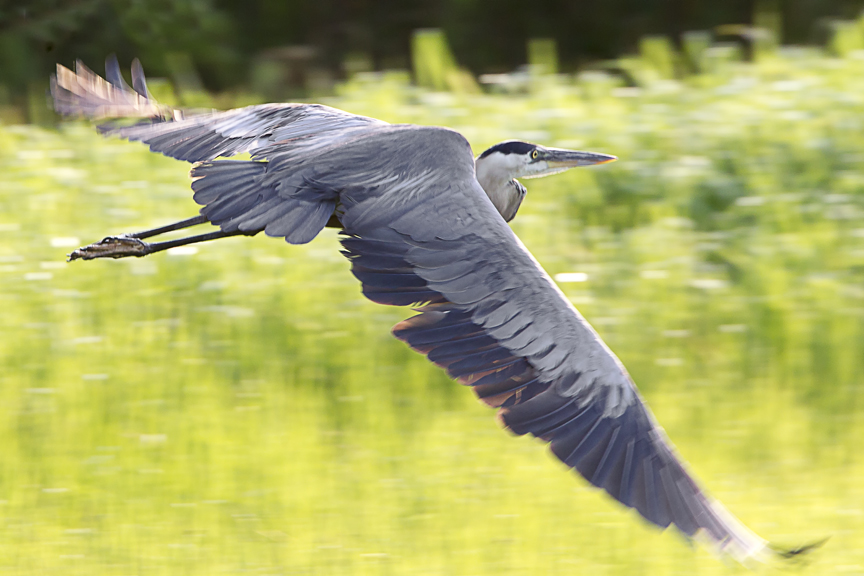
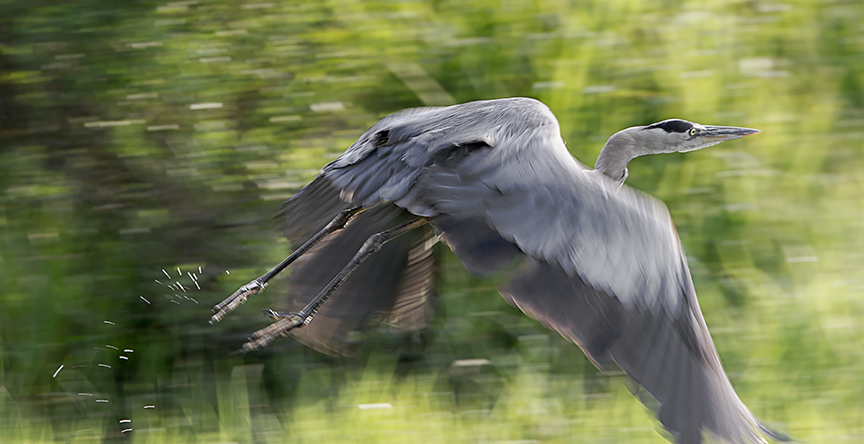
While I was photographing a Great Blue Heron off in the distance, this closer one took off and flew by right in front of me. I was using a slower shutter speed because I had my lens stopped down more than usual because of the distance and wanted more depth of field, so the wingtips of this Heron show some blurred movement. Thought it was still interesting and liked the movement of the wingtips.

Great Blue Heron In field before taking flight
Great Blue Heron Takeoff

Different Kinds Of Panoramas
Posted on September 26, 2013

Panorama basically just means wide view, but for photographers panoramas can mean many things. Most use a wide to short telephoto to make panoramas with multiple images. Often when I am out in the field, I am only carrying a 400mm lens, usually with a 1.4X Teleconverter. But quite frequently I see a shot that is too wide for the equipment I am carrying. Even if I had a wider lens, I would not have time to switch and still get the shot I wanted. So I shoot a series of shots of my subject and manually stitch them together in Photoshop. You can also try automatically stitching them in Photoshop or PT Gui. For just a few shots I use auto exposure. But if I am shooting many shots for a long or tall panorama, I switch to manual exposure so the exposure does not change, this makes it easier to combine for the final image without exposure shifts from section to section. I have used this for everything from birds, turtles, birds on top of tall trees, to dragonflies and other interesting subjects. Or if see an image that is perfect for a panorama, but I envision a longer thin crop without a lot of extra image that detracts from what I want. I do not want to crop to my panorama from my regular file because I want a large image, either for a double page spread or maybe a large print, and want to hold the detail with all the added pixels. In another scenario, I see a large bird landing with a wide wingspan, but cannot fit it all in, so a quick series at 10 fps gives me a few images to work with. Or you see a Black-crowned Night-Heron sitting in a tree and you also want to show the bird in its habitat with a lot of detail. Give it a try, it is simple to do and comes in very handy.
Blackwater NWR, Cambridge MD


Ding Darling National Wildlife Refuge, Sanibel, Florida

Closeups with 400mm f/4 DO with, 1.4X teleconverter and extensions tubes


Okefenokee National Wildlife Refuge

Bombay Hook NWR, Smyrna, DE
Steamtown National Historic Site, Scranton, PA
Great Blue Herons at the Celery Farm
Posted on September 24, 2013

I was going through some of my old files and found this series taken with my then new Sigma 300 – 800mm DG f/5.6 zoom at a local Nature Area, The Celery Farm in Allendale, NJ. These were some of my first images with this lens and I was quite pleased with the results. It was a challenge to get shots of the Herons flying, especially close in with a 800mm lens. I found zooming out a little to find them in the viewfinder, then zooming in for the actual shot worked well. It also helped that the Great Blue Herons are a LARGE and fairly slow flying bird. It was a fun day watching them fly around the small lake and interacting with each other. A little bit about the Celery Farm. It is a Nature Area right in the middle of densely populated Northern New Jersey. It is a little over 100 acres with a small lake and a path around the lake. The path is a little over a mile long. a few years ago there was a large variety of birds present. The last few years it seems to have quieted down some, but is still a nice quiet area to photograph nature and wildlife.


 photoartflight