 photoartflight
BRIGANTINE IPHONE MULTI-IMAGE PANORAMAS
Posted on January 8, 2021

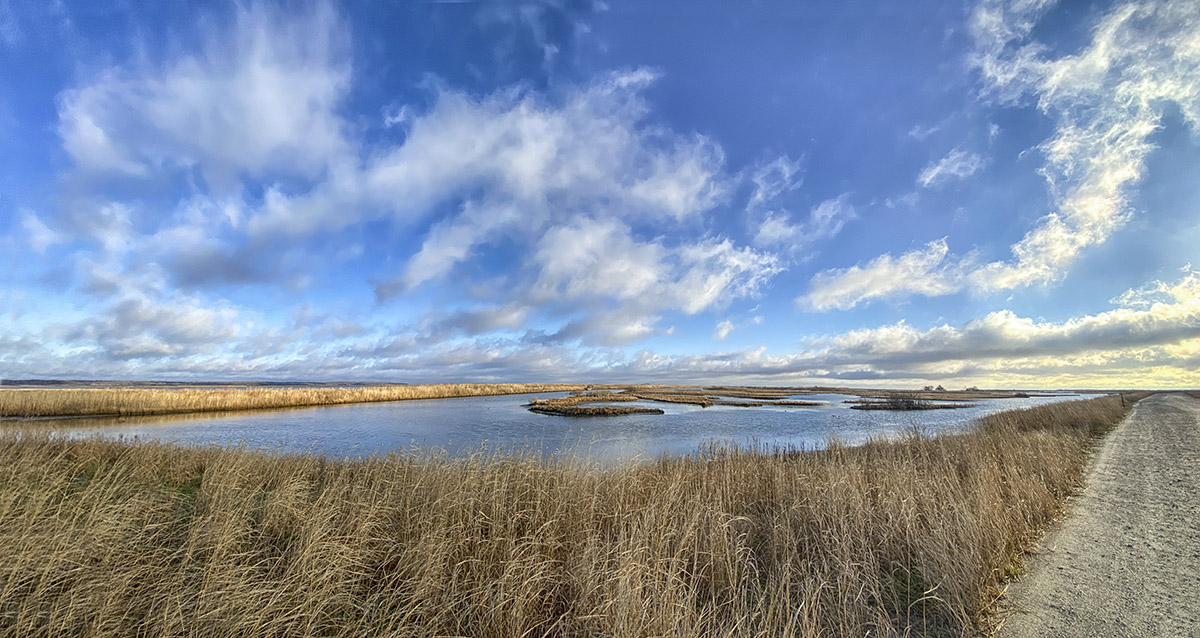
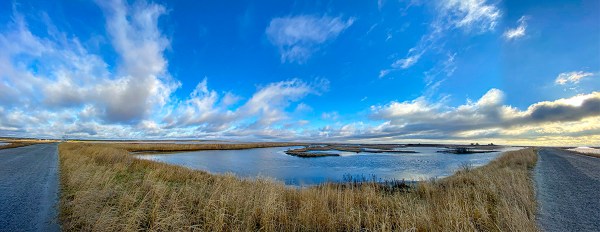
On our recent trip to the Brigantine Division of the Edwin B. Forsythe National Wildlife Refuge in Oceanville, NJ, I was traveling light. Mainly using a Tamron 150-600mm lens on a 1D mkIV, a 12-24mm zoom on a Canon R and my iPhone 11 Pro for multi-image landscapes & multi-image panoramas. The Canon R with the 12-24mm never made it out of the camera bag. I was having more fun shooting multi-image Panoramas on my iPhone 11 Pro. The featured image is 13 images shot in multiple images per row & then multiple rows with the iPhone 11 Pro & the 1.5mm lens.



Fog Landscapes At Davidsons Mill Pond Park
Posted on October 23, 2020

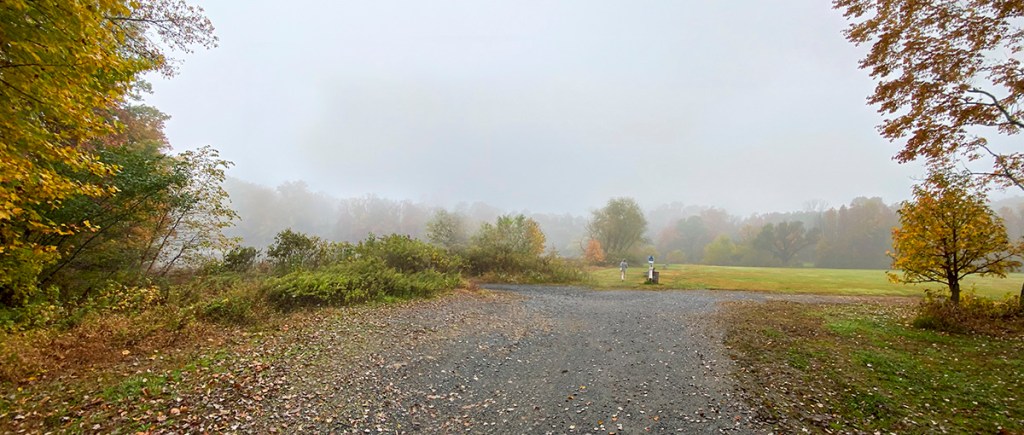
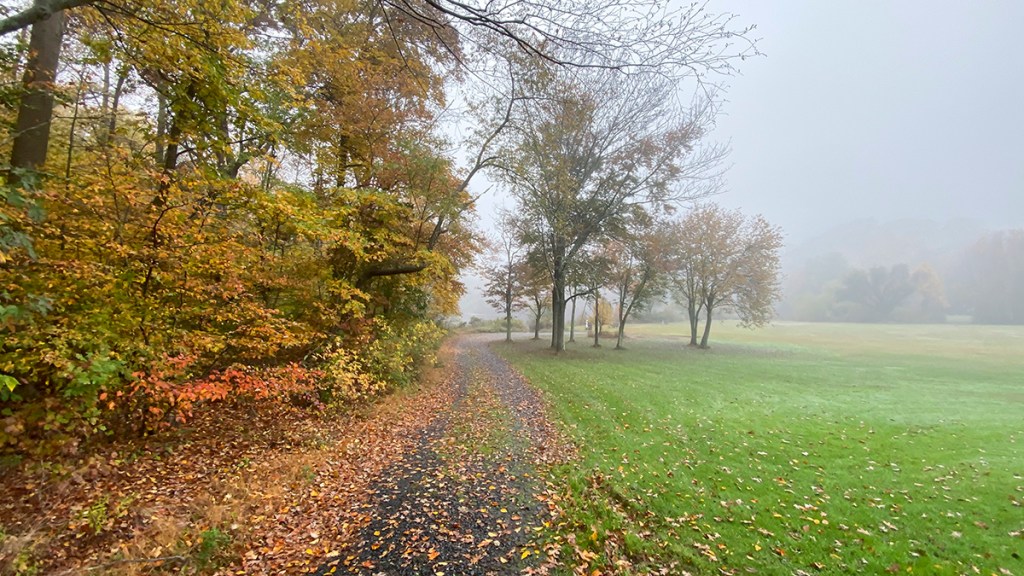
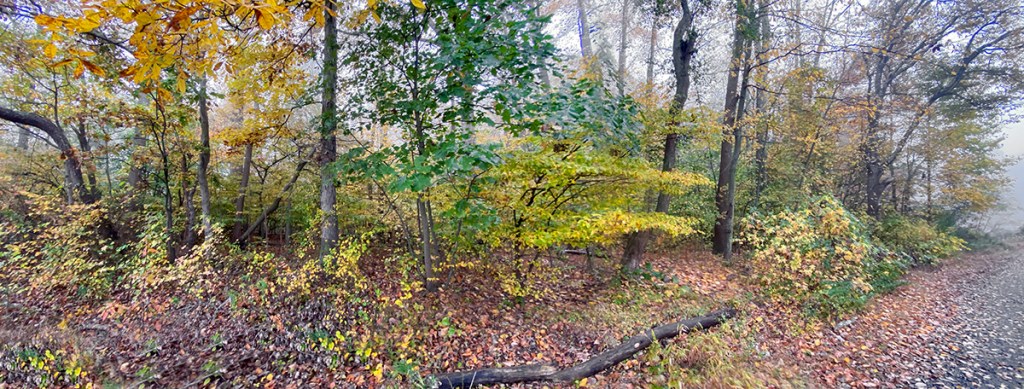
Yesterday we woke up to very foggy weather, so we decided to go out and see what interesting images we could find in the fog. One of our destinations was Davidsons Mill Pond Park. I was only using my iPhone 11 Pro using the 16×9 format with the various built-in lenses. This format does not make the images longer, but crops the narrower dimension so it looks more like a panorama. The featured image is 5- 16×9 format images with the iPhone 1.5mm lens (Full Frame equivalent ~13mm) assembled in Photoshop.





Garter Snake Shed Skin
Posted on June 3, 2020
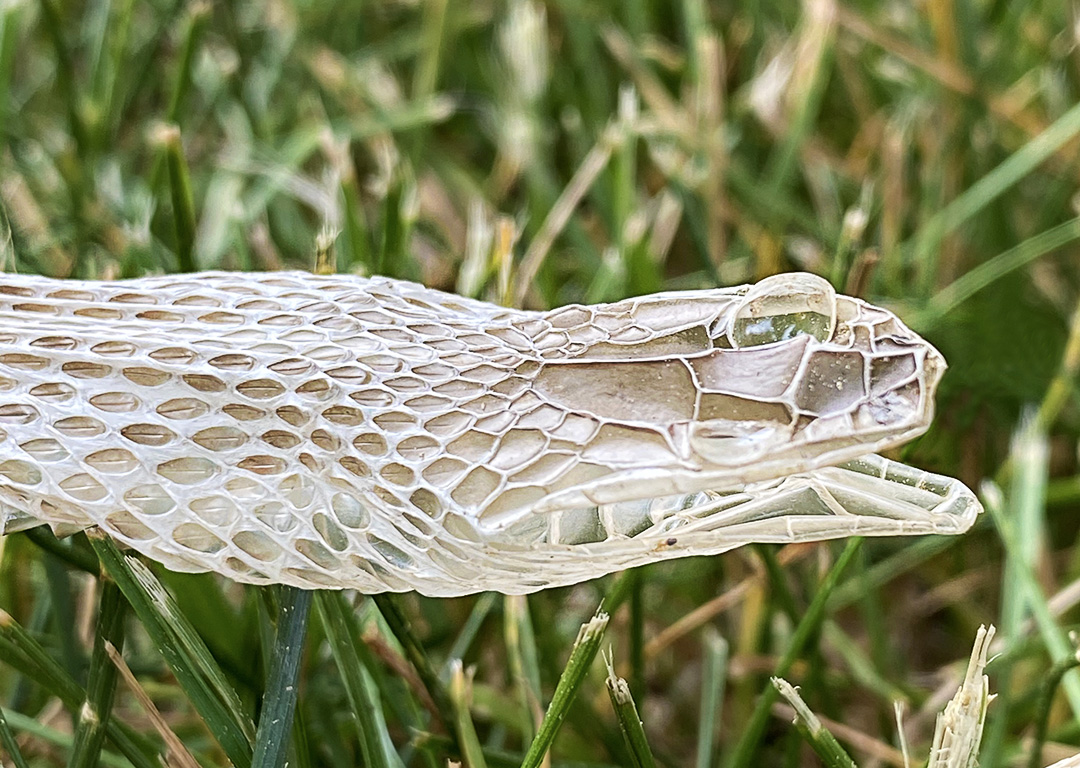
As we were taking a walk in our community I noticed a shed snake skin in the grass near the sidewalk. The featured image is a closeup side view of the head area. Images were taken with my iPhone 11 Pro with the 6mm lens, 4:3 image format, (Full Frame Field of View equivalent 52mm). I never have seen a shed snake skin before in person, only in photos. It almost has the look of a 3D computer modeling display!

Full view of shed skin – iPhone 11 Pro, 6mm lens, 16×9 format
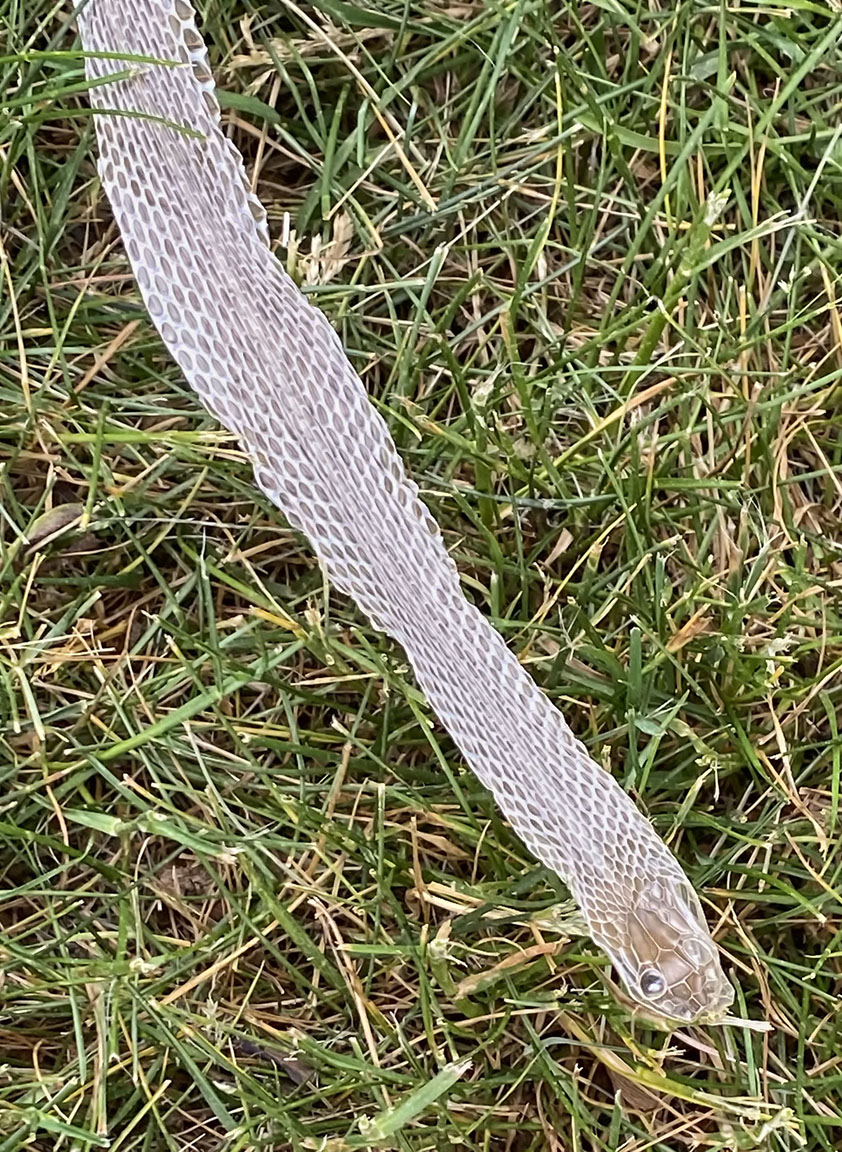
Closer image of Head Area & Some Body, 6mm lens, 16×9 format (with slight crop of image)

Closeup Head & Eye Area of shed Garter Snake Skin. iPhone 11 Pro, 6mm lens, 16×9 format, cropped slightly.
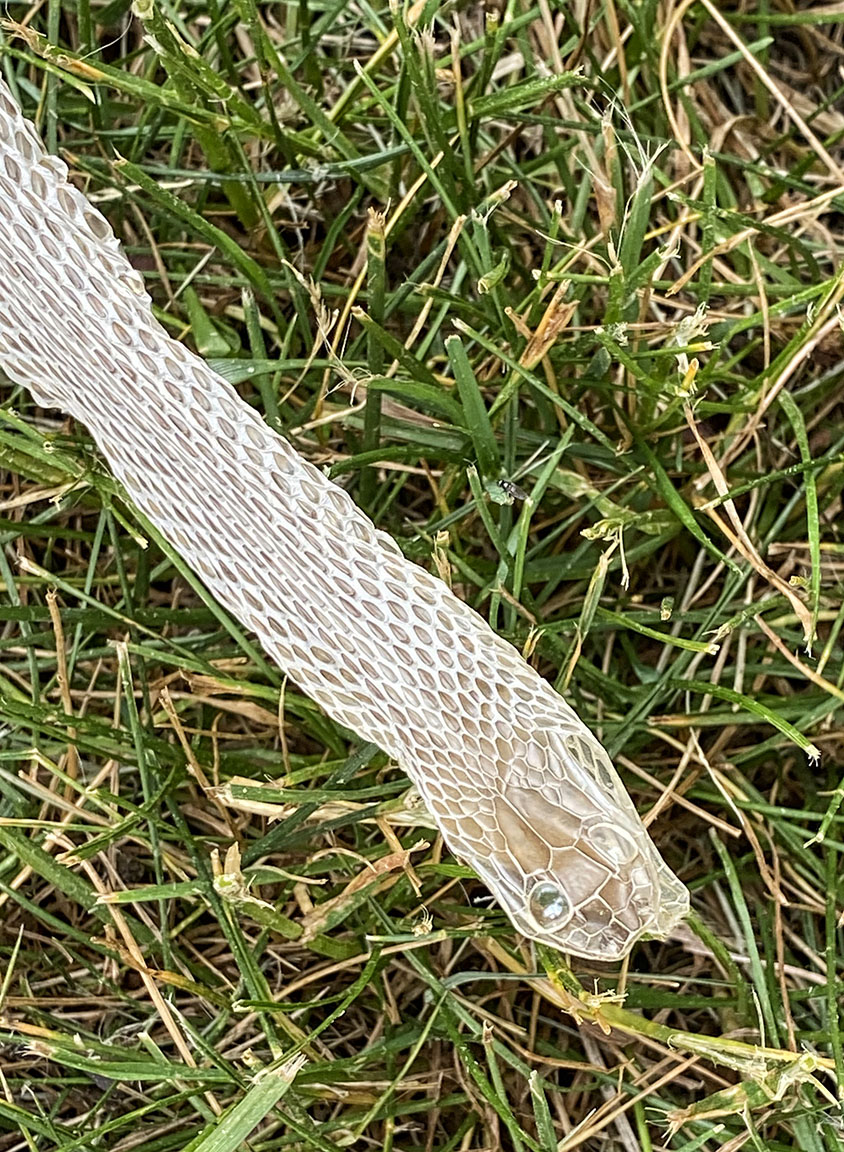

Another Closeup Head & Eye Area of shed Garter Snake Skin. iPhone 11 Pro, 6mm lens, 16×9 format, cropped slightly.
As garter snakes grow, they must shed their skin. Unlike other creatures like humans, a snake’s skin does not grow along its body. Its scales are made of keratin, which is the same protein found in our fingernails. When garter snakes slither along the ground, their scales scrape on rocks, dirt and other debris. This movement is important to help snakes shed their skins. Snake skin usually sheds off in one continuous piece, starting around the lips and ending at the tail.
The young garter snake grow rapidly as they feed on prey items such as insects, amphibians and earthworms. As they grow, they have to shed their skin approximately every four to five weeks. As they mature and grow into full-sized adults between 2 and 4 years old, the amount of shedding declines since they are not growing as rapidly. Mature garter snakes shed a few times each year, due to wear and tear on their scales. In a healthy garter snake, the entire shedding process takes a little longer than one week.
Shedding Skin –
The initial shedding process involves the garter snake secreting a milky fluid that helps separate the new skin from the old skin. A garter snake hides and won’t eat since he is blind when he sheds. When ready, a garter snake rubs his mouth on the ground to help push up the older skin. He then slowly makes his way out of his old skin by slithering along the ground, encouraging the skin the retract inside-out as it comes off in one piece.
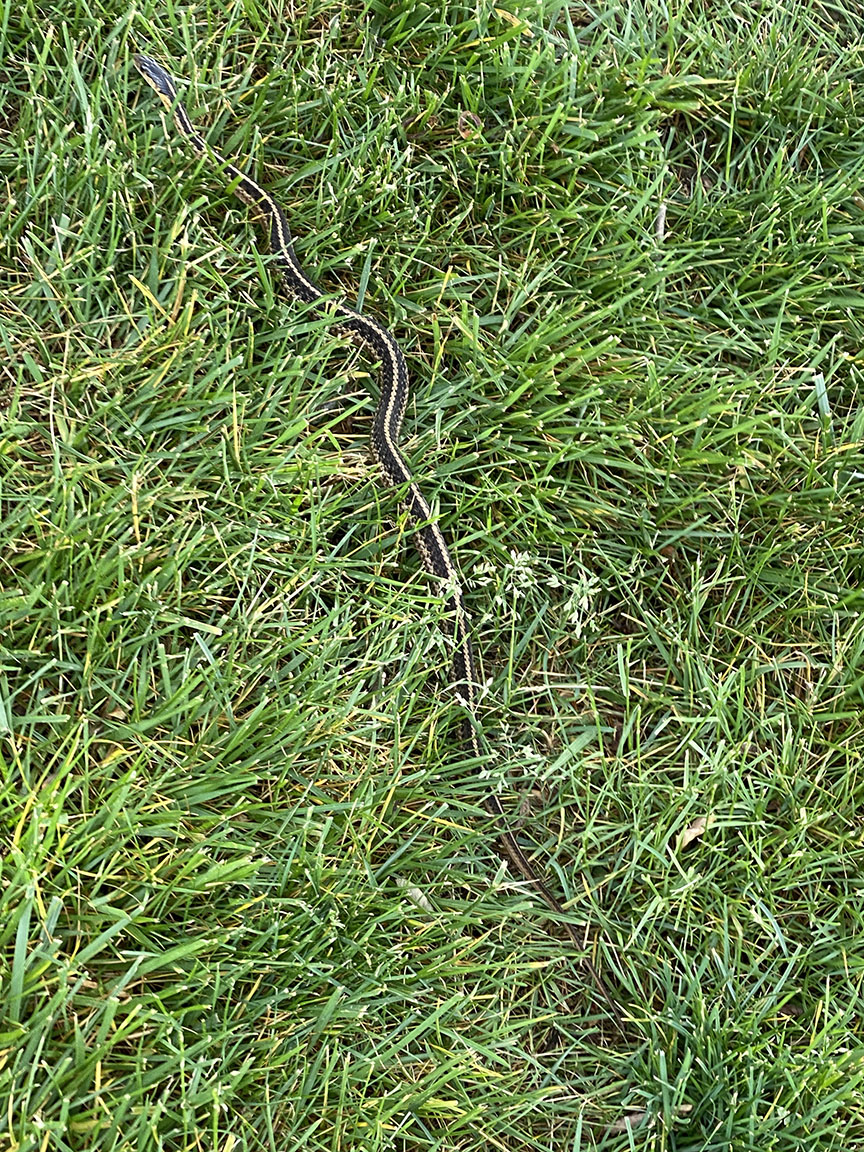
Garter snake that was by the shed skin, photographed the next day. It seemed like we interrupted the Garter Snake eating it’s shed skin.
 photoartflight