 photoartflight
Reddish Egret In Shadows
Posted on March 10, 2020

I found this Reddish Egret foraging in the water along the Wildlife Drive at J.N. Ding Darling National Wildlife Refuge in Florida. Because the Egret was in the shade, the auto white balance enhanced the dappled sunlight with a warmer golden glow to the spots of sun on the featured image. We actually saw quite a few Reddish Egrets through the Refuge. All images taken with a 400mm DO lens with 1.4x teleconverter on a Canon 7D.
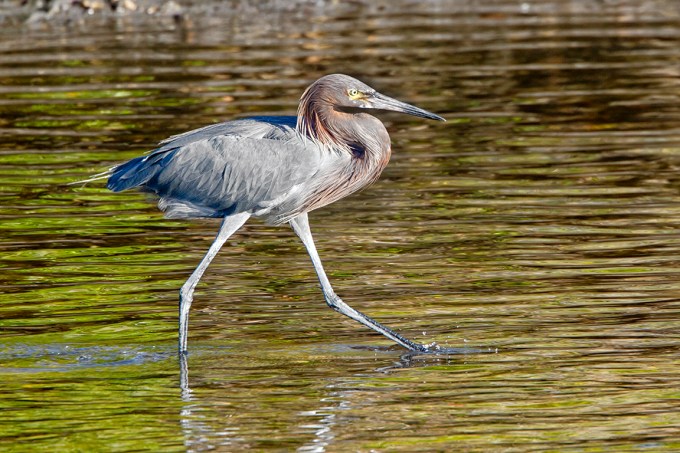
Reddish Egret strolling in sunlight
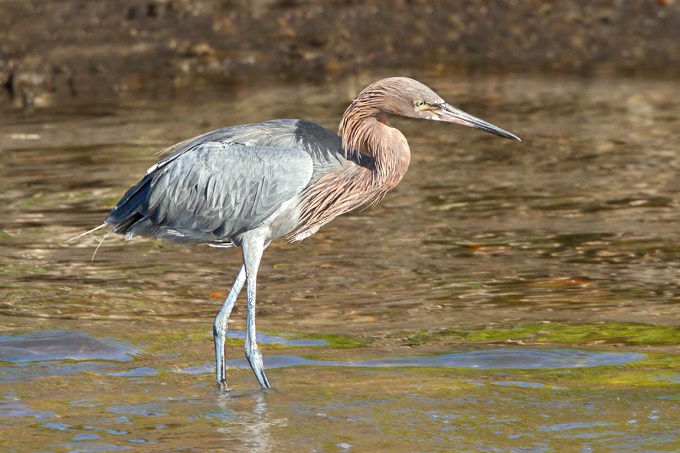
Reddish Egret Foraging
American Alligators At Ding Darling NWR
Posted on March 9, 2020
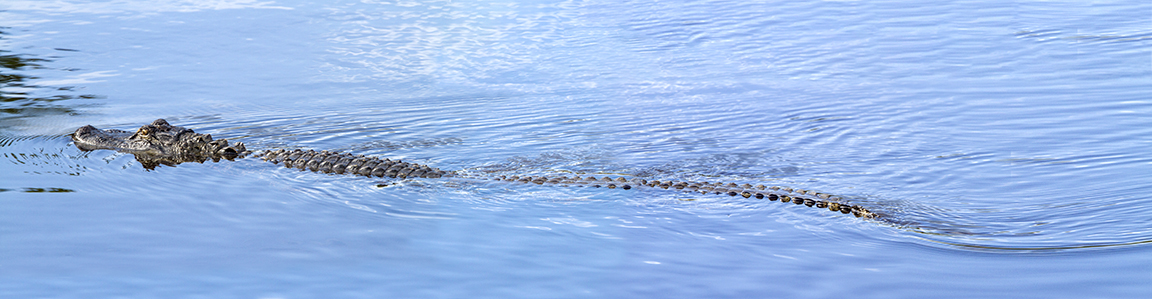
This is a series of images featuring American Alligators from a previous visit to the J.N. Ding Darling National Wildlife Refuge in Florida. Because Alligators are long and thin, it seemed to make sense to photograph them with some panoramas! This way you also limit a lot of empty water areas on top & bottom of the image making your subject alligator more the focus of your image. All images were taken with a Canon 400mm DO lens with a Canon 7D. The featured image is made from 4 images to fit all of the Alligator in the finished panorama. You also have to photograph your series of images quickly because your subject is actually swimming along as you are photographing them. So by photographing the series quickly it helps to minimize the slight difference in the overlapping images.
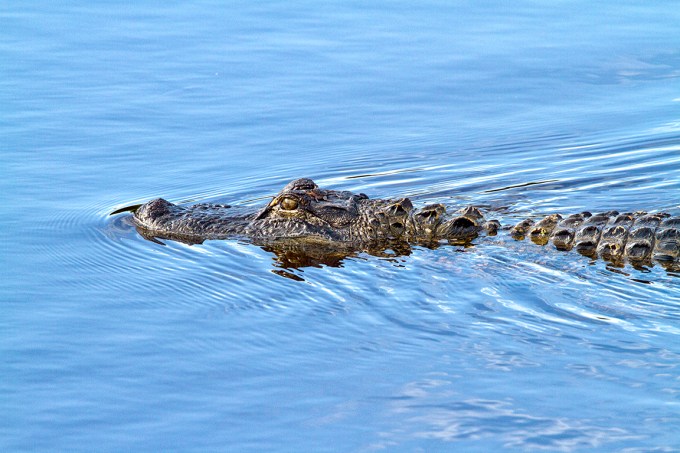
Head Shot, 1 image, 400mm, Canon 7D
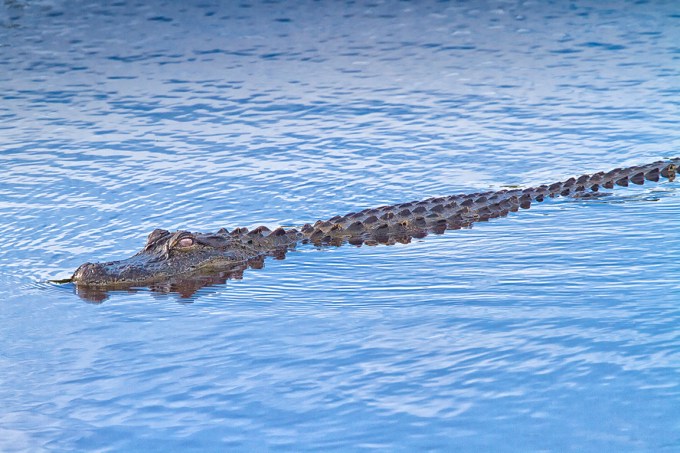
3/4 Alligator Image, 400mm, Canon 7D (Single Image)
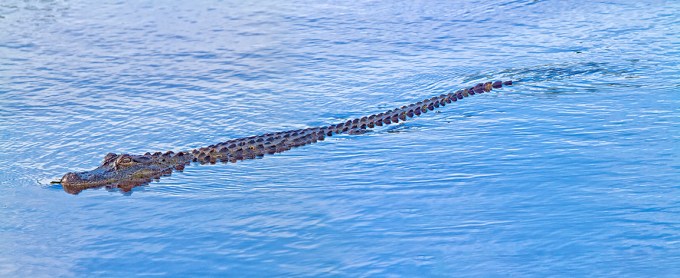
2 Image Panorama, 400mm, Canon 7D
Female Anhinga Reflection Panorama
Posted on March 9, 2020

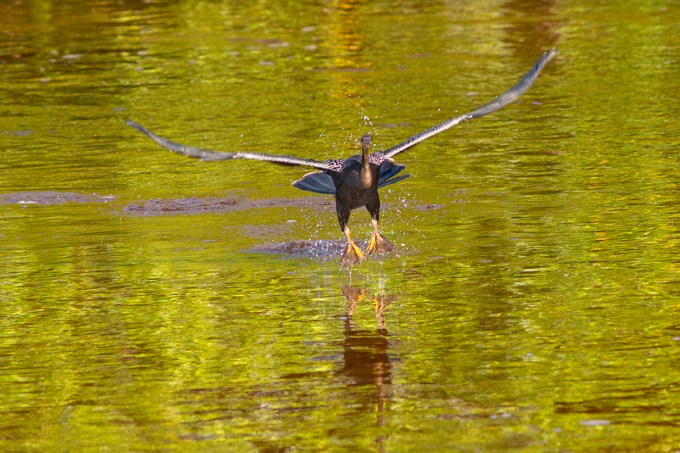
We were photographing this female Anhinga at J. N. Ding Darling National Wildlife Refuge and I really liked the Anhinga’s reflection and wanted to include it in the final image. So I shot 2 images to combine in Photoshop. I manually aligned the 2 images (300mm) and did a soft edge mask to blend the 2 images into the final image. Sometimes when you blend 2 images automatically in Photoshop, it distorts or greatly skews one of the layers so it looks strange. So manual alignment sometimes works best.

Closer Image, Single Female Cormorant Image with 400mm Canon DO lens with 1.4x Teleconverter , Canon 7D
Big Cloud, Little Bird
Posted on March 7, 2020

It is always fun to photograph Belted Kingfishers. But they are very small birds that are usually very skittish. So it is hard to get closeups of them. But I noticed this Kingfisher way off in the distance when we were at J.N. Ding Darling NWR. I liked the large cloud background accenting the small Kingfisher. The featured image was captured with a 400mm DO lens on a Canon 7D (Full Frame FOV ~ 640mm)
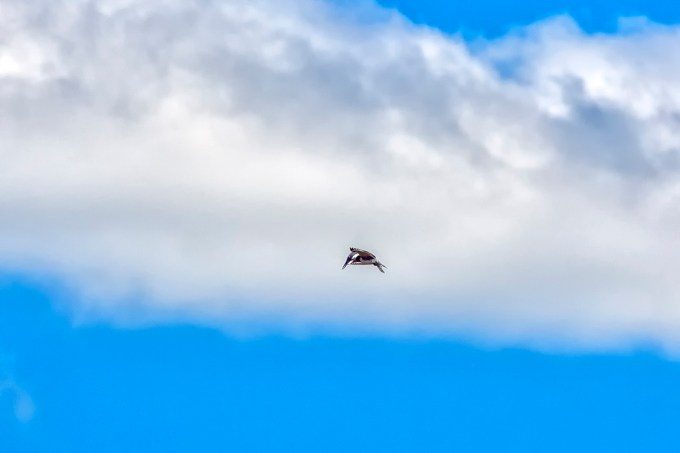
Slightly cropped for closer view

More Extreme crop of above images

Another view. Liked the raised wing. Extreme crop
Anhingas In Trees
Posted on January 7, 2020

I was walking along the Wildlife Drive at the J.N. Ding Darling National Wildlife Refuge when I came upon this Anhinga. We tend to like walking along the Drive because you see more wildlife and have more opportunities for getting interesting photos. Plus you are not in the middle of large groups of photographers photographing the same subject at some of the main photo hotspots there.

Anhinga Fishing – Diving In
Posted on January 4, 2020

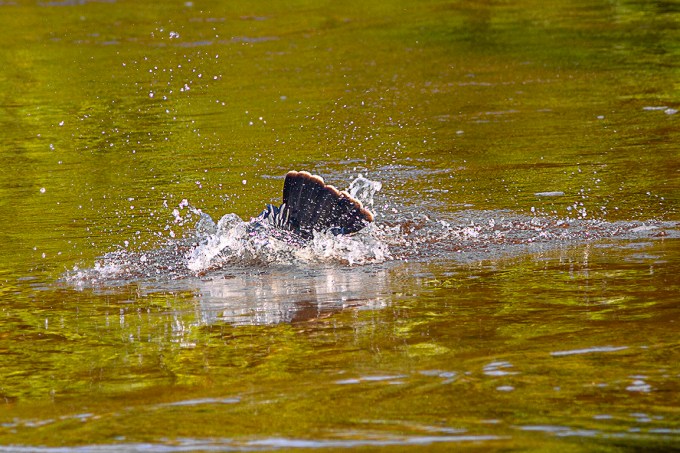
While I was photographing Pelicans at J.N. Ding Darling National Wildlife Refuge, I noticed this Anhinga flying in and diving into the water going after a fish. They must have great eyesight! The featured image is out of sequence in the series showing when it first started to hit the water. The series below was when the Anhinga was flying in to get its meal.


Alligators From Ding Darling NWR
Posted on December 26, 2019

I am going through my backup drives trying to clean out files for the New Year that are not needed or duplicates. But in the process I am finding files I have not used or adjusted. Work always seemed to get in the way! Here are a few from a trip years ago in 2011 to the Ding Darling National Wildlife Refuge in Florida. All images were taken with a Canon 400mm f/4 DO lens on a Canon 7D. We were walking the Indigo Trail & Cross Dike Trail and came upon a couple of alligators sunning themselves. The featured image with the alligator was in the shade under some branches near the edge of the water as we walked past. For some reason it seems like it is almost smiling in the images.
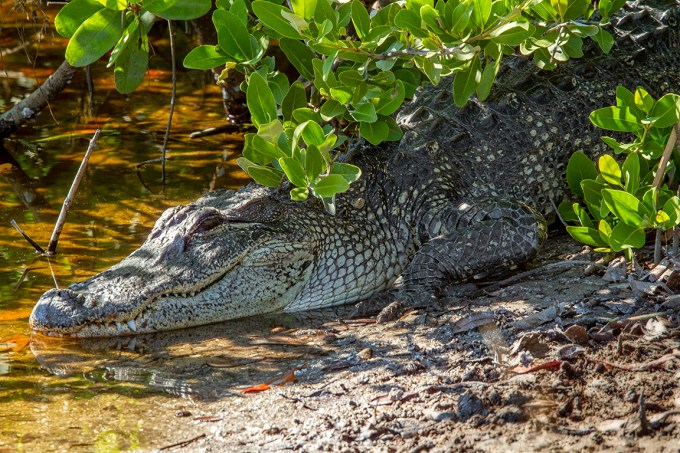
Same Alligator from farther away before I decided to get closer. ( 400mm, Canon 7D )
This Alligator below was further down the trail from the featured Alligator. Again I shot 2 images for the panorama. I have since changed my technique by shooting more images for my panoramas. With adding more images for the panorama at different focus points, I can use an f/stop of f/8 or so. This way I get a more even focus across the whole panorama. If I do not need them I just skip to the next frame in the series of images. But at least I know I have enough images to use for making the pano. It is amazing how fast these alligators can move when they want to.

Another Alligator further down the trail – 2 – 400mm images stacked panorama @ f/11, assembled in Photoshop
Osprey Nests On Platforms At J.N. Ding Darling NWR
Posted on August 10, 2019

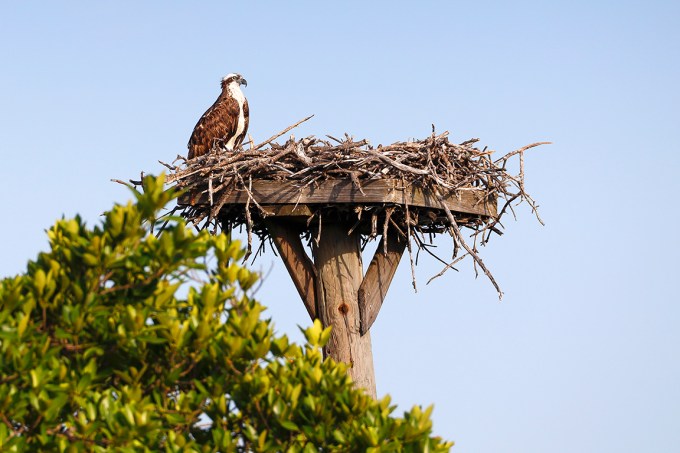
As we were driving on the Wildlife Drive at the J.N. Ding Darling NWR, we noticed the Osprey Platform was occupied. If you had a long lens and got fairly far down the road you could get some interesting images of them on the nest. The first few images were from closeby, looking more up at the nest. You can see they were looking at us. But I did not like how the nests looked messy and did not like the angle.
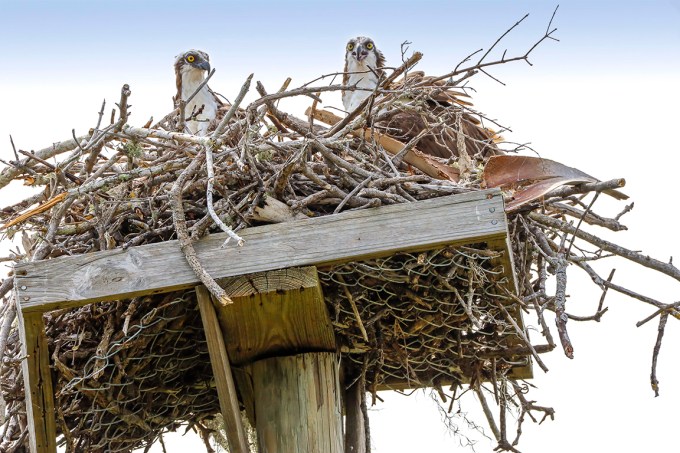

Closeup, Different Day
Views of different nest from farther away, along the Wildlife Drive. The nest looks cleaner and has nicer sky and more of a side view.

Bailey Tract – J.N. Ding Darling NWR
Posted on August 2, 2019

Most people that go to J.N. Ding Darling NWR do not know of, or go to the Bailey Tract in Sanibels’ Ding Darling National Wildlife Refuge. The tract is on Tarpon Bay Rd., not in the main Refuge and Wildlife Drive. The major feature of the Bailey Tract is a series of impoundments and dikes built years ago to attract waterfowl, including ducks, grebes, coots and moorhens. It still does, but as part of the J.N. “Ding Darling National Wildlife Refuge it also creates a perfect place for hikers and bikers to see them. It’s a great place to take a peaceful walk or hike on its 100 acre grounds. We just took a leisurely walk though one afternoon when we were in Sanibel. We did not see a lot of Wildlife, but that was probably because it was in the afternoon when things quiet down. It seems like it is not visited much like the main Refuge. So you can feel quite alone here. It was rare to see another person walking the trails as you walk through. Also there are no staff here. I was traveling light with just an Olympus OM1 with a 14 – 140mm lens. We were just enjoying the beautiful day and a nice walk.
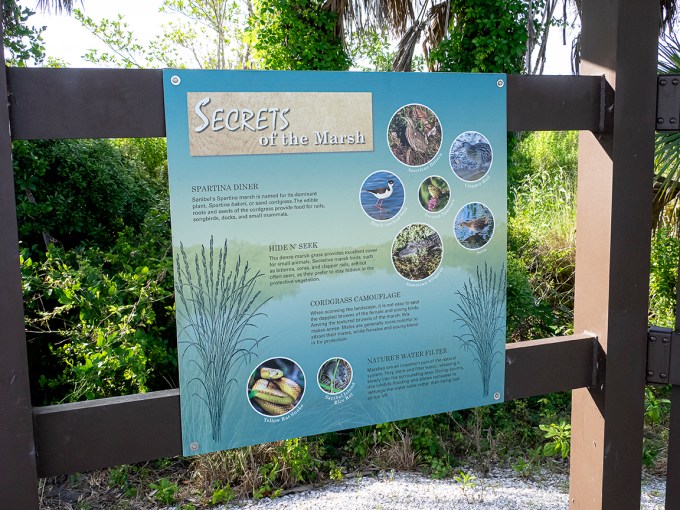
Information Signs along the way to help visitors ID or give information for what they might see.




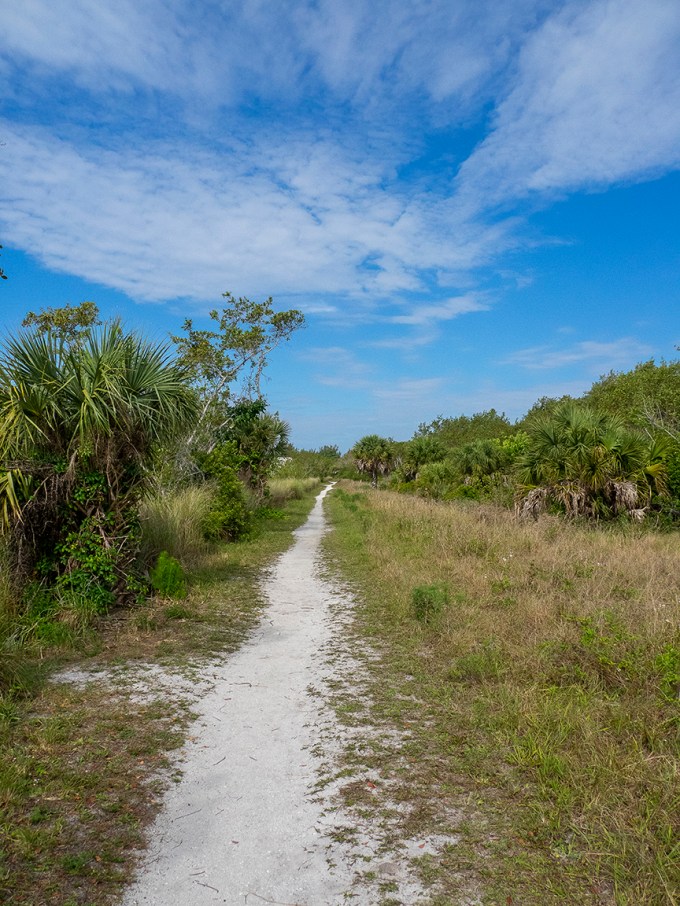
2 image panorama @ 14mm, m43 format
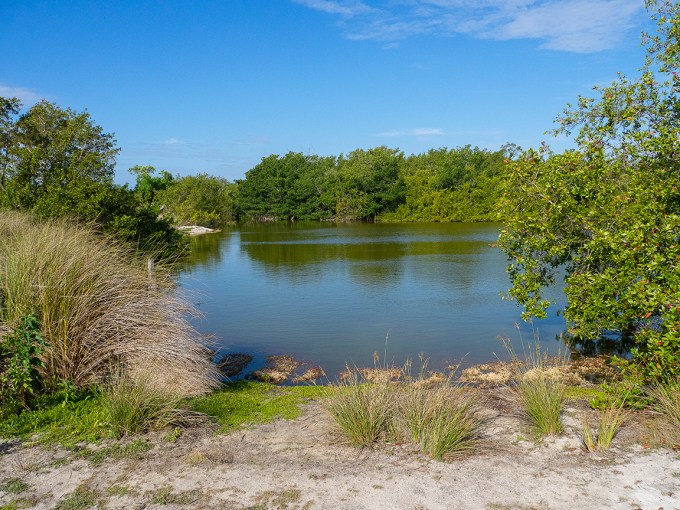
2 image panorama @ 14mm, m43 format (very slight overlapping of images)
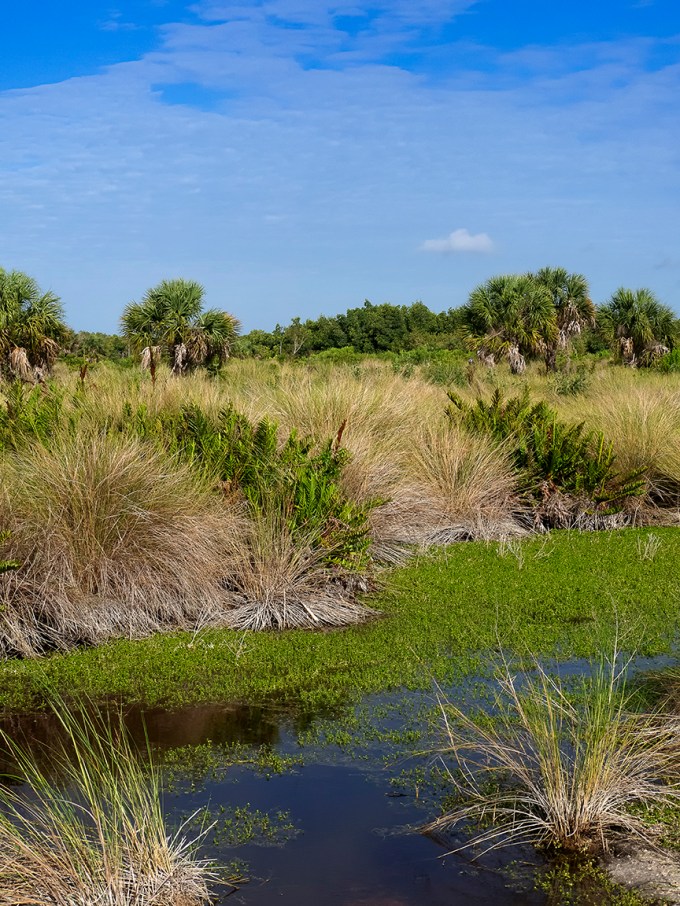
3 horizontal images stacked @14mm – m43 Olympus
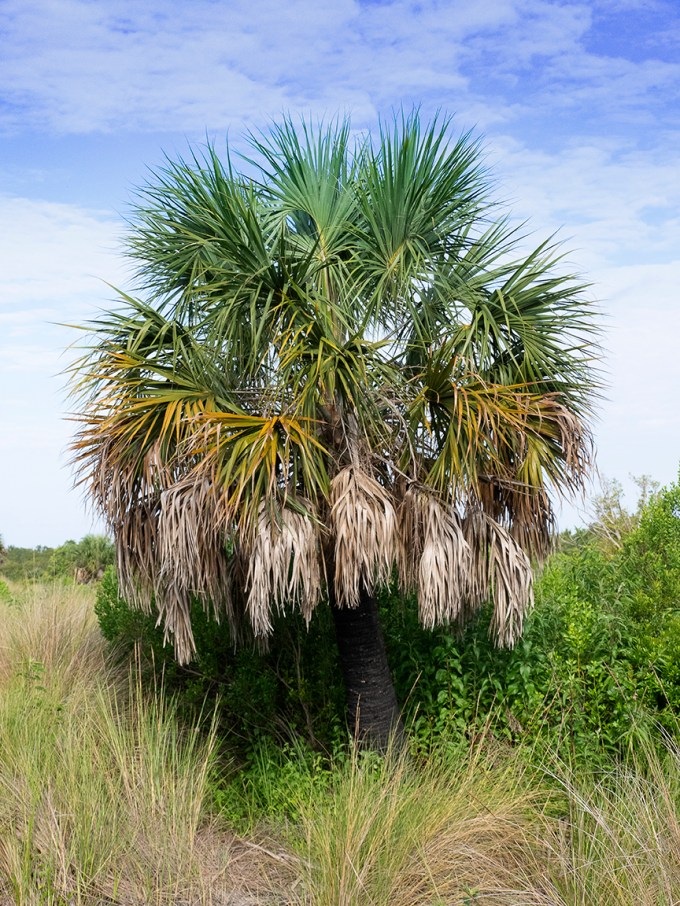
Single Image @ 41mm
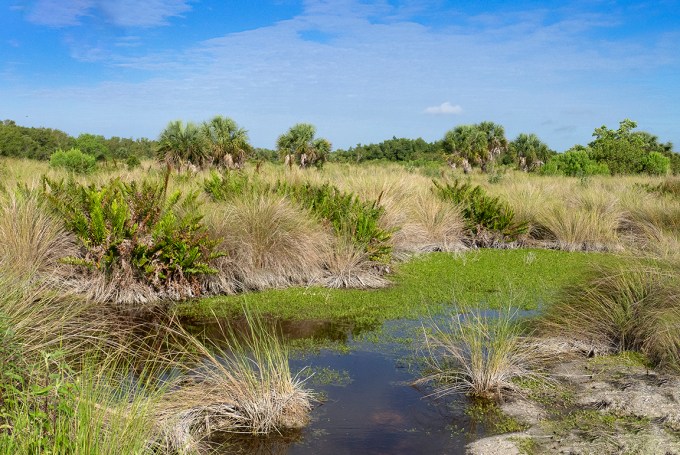
Bailey Landscape – 2 image panorama @14mm
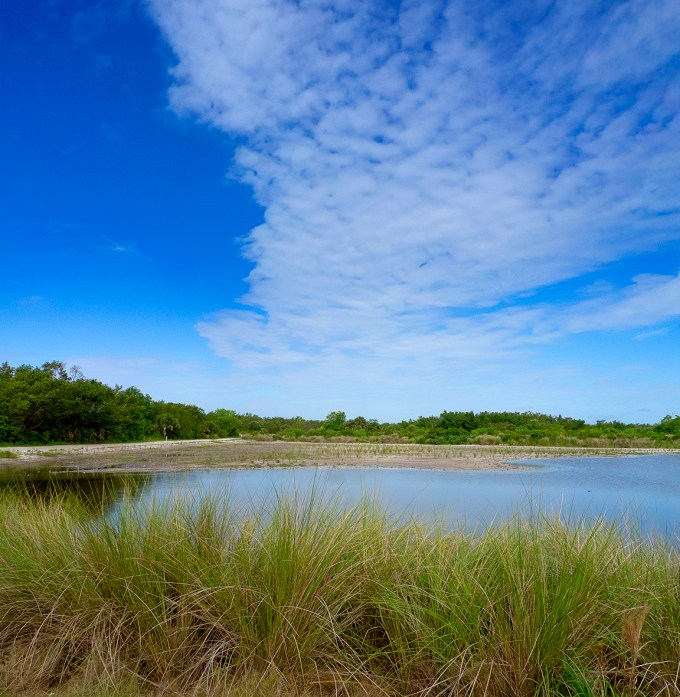
2 image Panorama @ 14mm

Single Image @ 28mm

Lizard @ 140mm
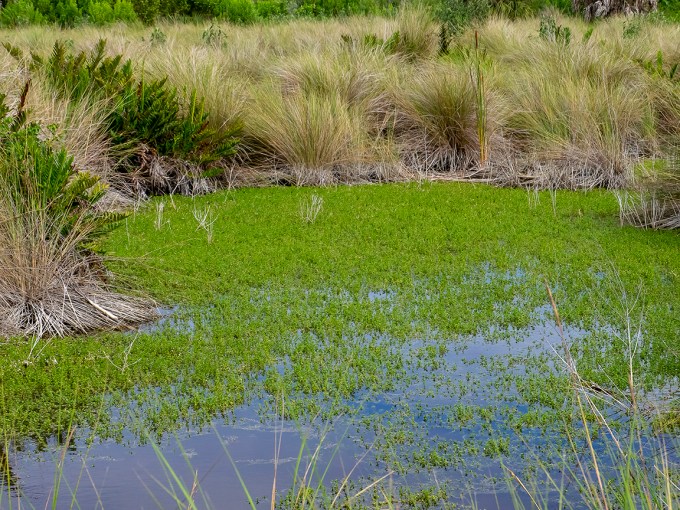
Small Pond with Alligator Submerged @ 48mm
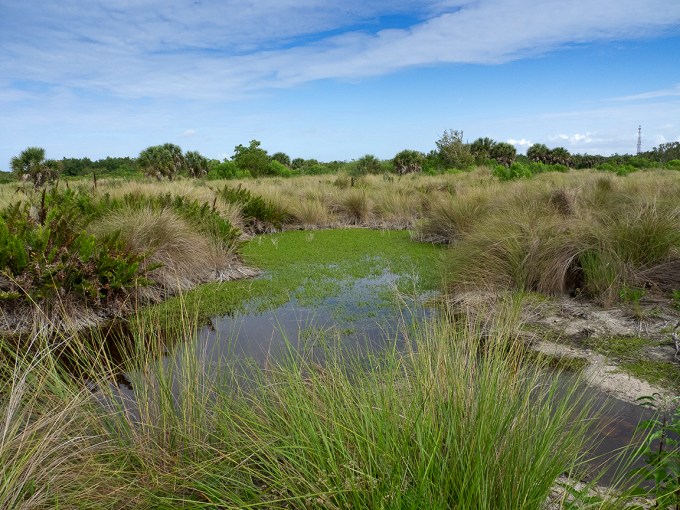
Same as above 14mm view

Landscape w/ hidden Alligator @ 32mm (2 img pano) – above this plant in the water on left
Another Lizard @ 140mm
Roseate Spoonbill Coming In
Posted on May 27, 2018
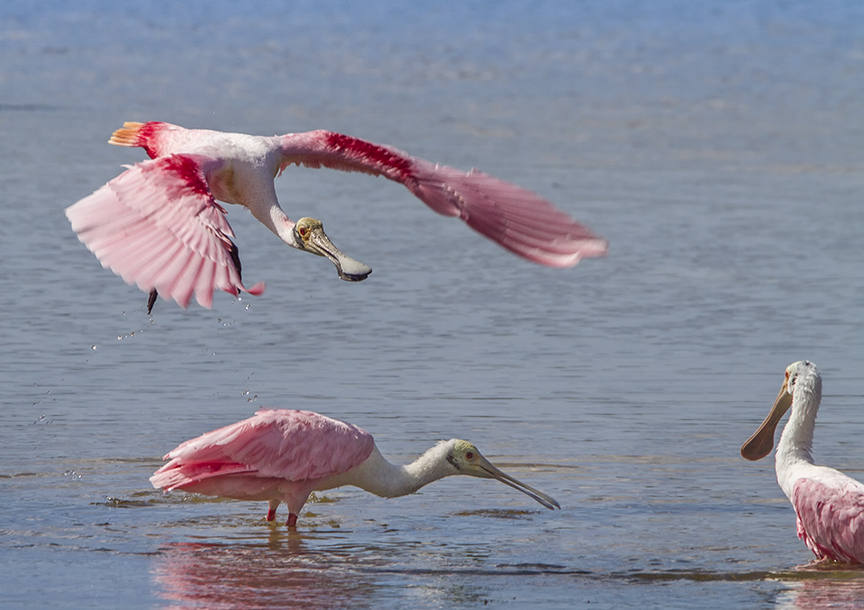
From an earlier trip to the J.N. Ding Darling National Wildlife Refuge in Sanibel Florida. Sometimes it takes me a while to go through images I have shot. Work gets in the way and then I might work on more recent images when I go back to my personal images. Spoonbills are definitely fun to photograph, they seem almost comical the way they interact with each other. Plus they are a big subject and colorful for photography.
 photoartflight