photoartflight
Studio Stacked Images
Posted on November 26, 2013

With it getting colder outside I was looking for images in the archives. One cold Winter Day last December, a friend came over to the studio for shooting some macro setup studio shots. When shooting closeup subjects, it is hard to get everything in focus, even at f/22 or f/32. Here are a series of stacked macro images shot with two different camera systems to show the depth of field you can get with Stacking images. For Short Stacks, you can try handholding, but for best results or Large Stacks, use a tripod and lock it down as best as you can. We were looking around the studio for subjects and came upon this deceased Robber Fly in a window. We positioned it on a Pussy Willow branch and printed out a slight gradated print for the background. We used a Speedotron Black Line power pack and dialed down the power for the f/stop we wanted to use. I used a Canon EOS 1D MkIV with a Canon 100mm f/2.8L Macro IS USM, 1/125 sec @ f/8 ISO 200 for some images. The other system I used was a Panasonic GH2 m43 camera body with an older Canon 200mm f/4 FD Macro lens @ 1/80 sec @ f/8 for the 4 image Short Stack and f/4 for the 51 image Large Stack. For stacked images, you start with the lens focused to your closest point and then shift focus farther back, shooting a series with a very slight focus shift as you go. The best way is to use a focusing rail to move your Camera & Lens at the same time instead of shifting focus on the lens, but these were shot by changing focus on the lens, which also works. Then I aligned the images in Photoshop. After Aligning, I Stacked the images in Photoshop. Depending on the number of layers in the stack, this can take a while to process. The stacked images here are a series of a Short Stack of 4 images, then a stack of 20 images and then a large stack of 51 images. Give it a try, especially on a cold Winter day.
Canon 200mm f/4 FD Macro lens @ 1/80 sec @ f/8 ISO 200 – 51 Image Large Stack 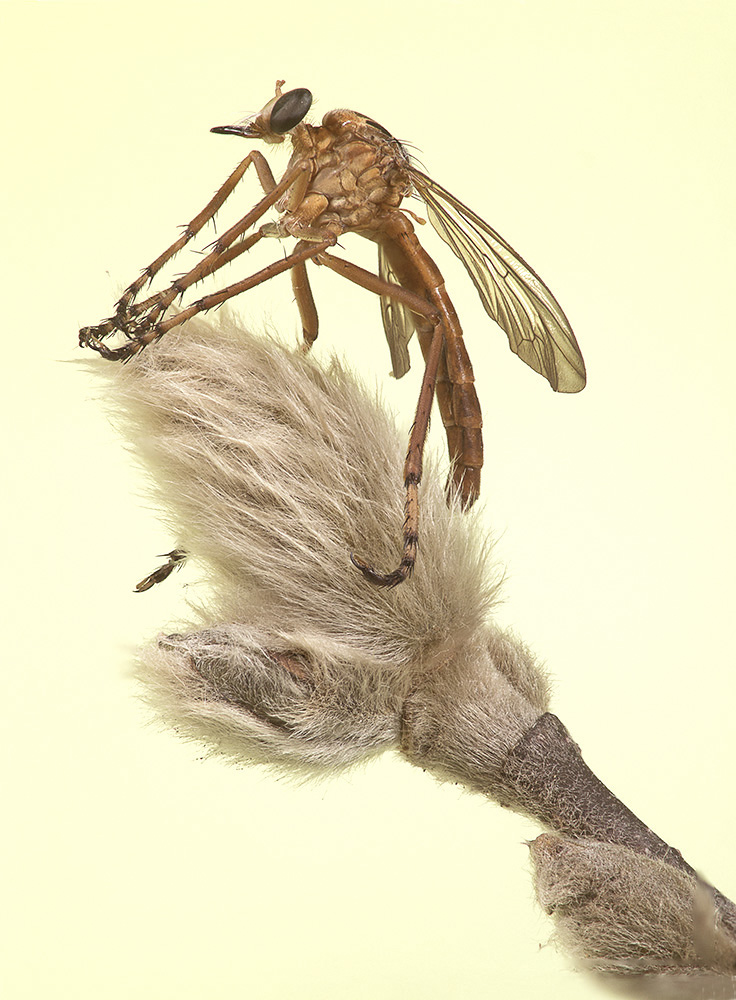
Canon 200mm f/4 FD Macro lens @ 1/80 sec @ f/8 ISO 200– 4 image Short Stack

Canon 400mm f/4 DO w/ 36mm extension tube @ 1/125 sec @ f/8 ISO 400 -Single Image, No Stack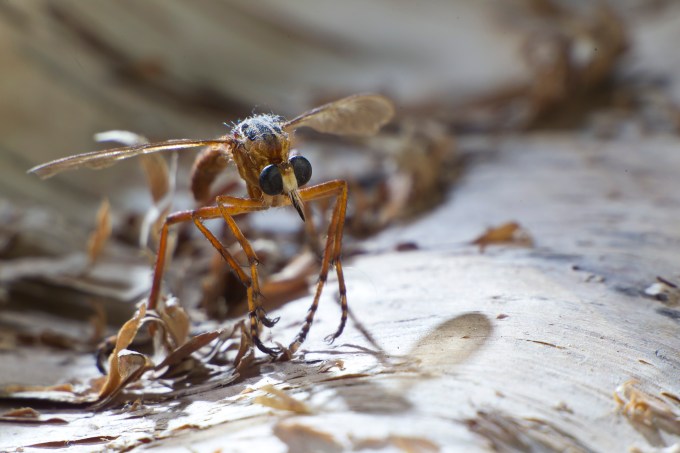
A Little Different Macro – Canon MP-E 65mm
Posted on November 18, 2013

I went out to The Celery Farm Natural Area to photograph very small dried wildflowers. I took along my Canon MP-E 65 mm 1-5X Macro. This is a very specialized macro lens that starts at 1X and goes to 5X magnification. It is more like a lens with a variable extension tube zooming out for the increased magnification. I decided to add a 1.4X teleconverter to add a little more working distance. This adds just a little bit more working distance, in some cases the front element is less than an inch away from your subject, but every bit helps. With the 1.4X Teleconverter it makes this a 91mm f/4. I was using a Canon Macro Ring Flash MR-14 EX to light these subjects as I was shooting handheld. My camera body was a Canon 1D MkIV camera body, so with the 1.3 crop of the sensor, this also adds to the lens, making it 1.3X to about 6X. For the wildflowers I left it at 1.3X for most, then later I shot some areas of the wooden lookout tower at various magnifications to show the different magnifications. I used aperture priority for some where I wanted to get some background detail, while the ones I have with dark backgrounds I used Manual exposure to darken the background and let the flash light the subject.
Full image for an idea of scale and subject

One of the smaller dried wildflowers @ 1.3X, lit with ring lash, no ambient light, for darker background
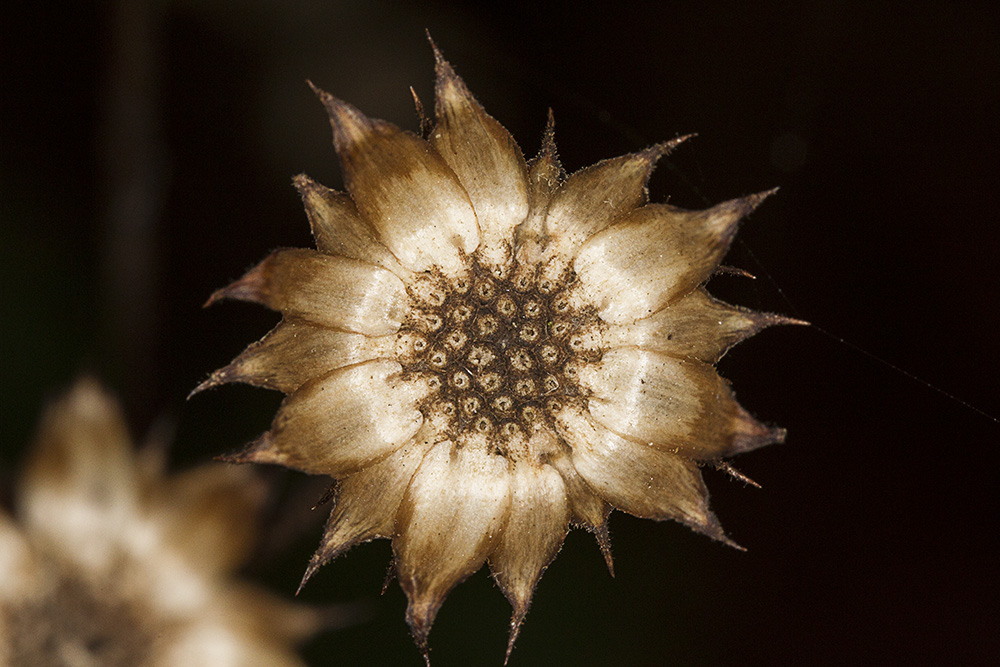
Larger Dried Wildflower @ 1.3X, handheld, lit with ring flash for main exposure, ambient light for background 1/10 of a second

Dried Wildflower @ ~3X, handheld, lit with ring flash for main exposure, 1/80 sec ,positioned for dark background
Dried Wildflower Bud @ ~2X, handheld, lit with ring flash for main exposure, ambient light for background 1/60 of a second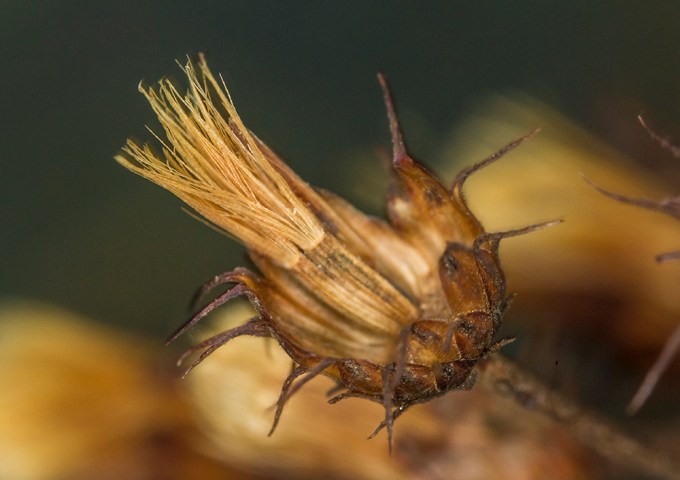
Reference shot for examples of scale
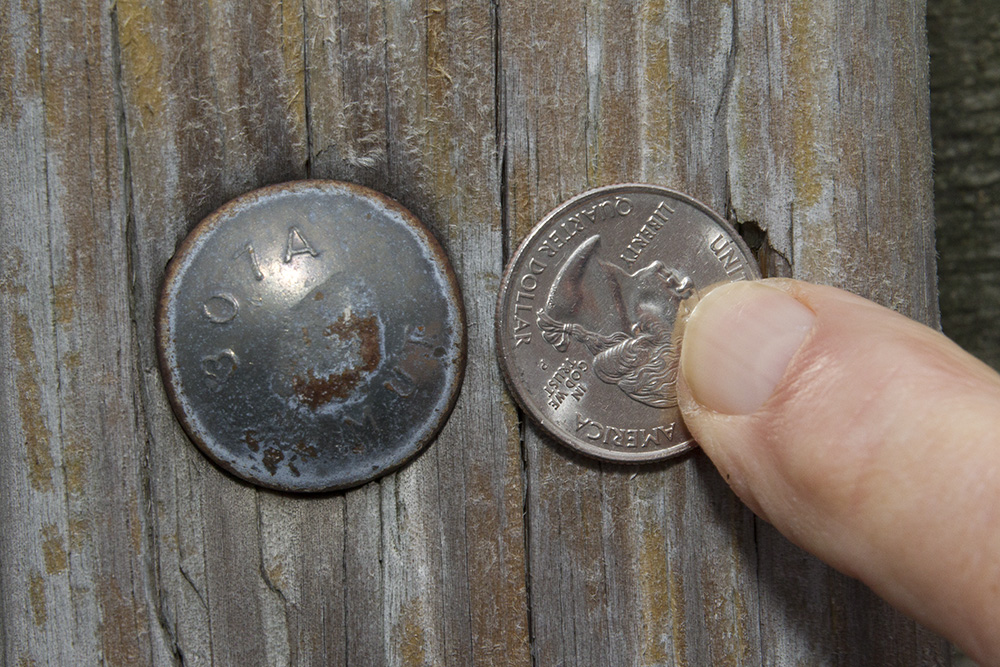
~ 2X Magnification, Carriage bolt magnification detail
~ 4X Magnification,, Carriage bolt magnification detail
~ 6X Magnification, Wood grain and with slight crack in wood grain around Carriage bolt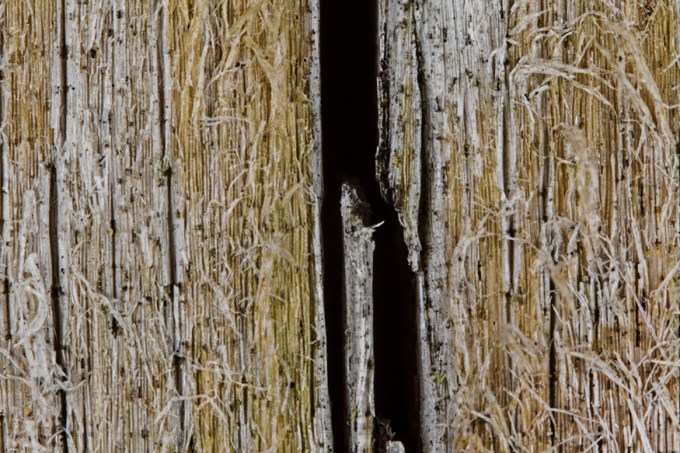
Walk in the Woods
Posted on November 14, 2013
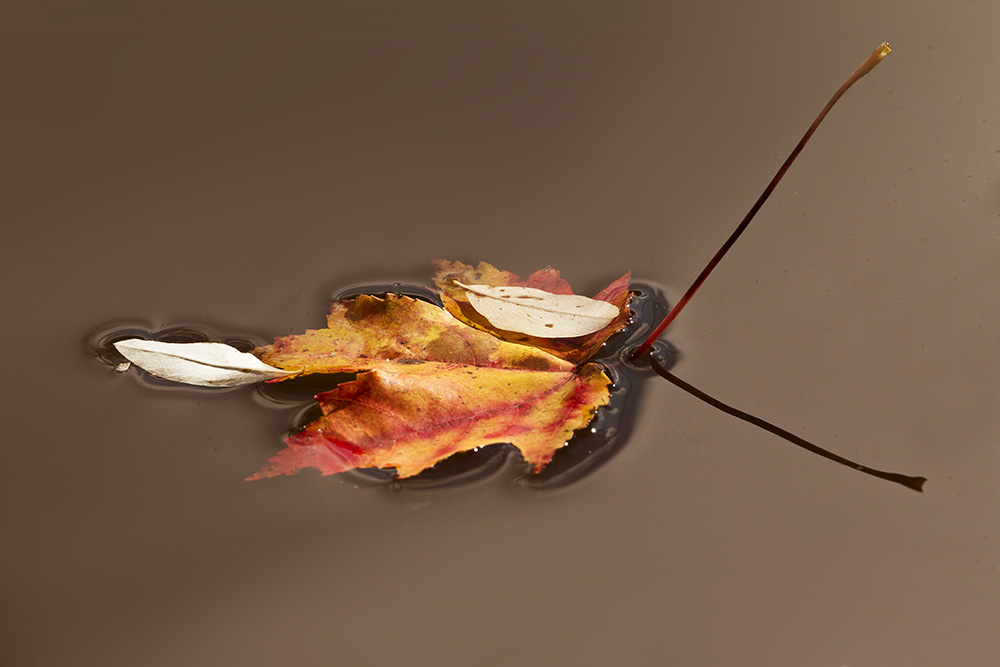
I took a leisurely walk around the Celery Farm Natural Area in Allendale, NJ on Sunday looking for Fall Still Life images. I found a few I liked and also a few general interest Fall images as I was walking along the path. Here are some of what I found. I used my 1D MkIV with the Canon 70-300mm DO lens for the longer zoom range which comes in handy for a wider range of images, especially if you do not know what you will come across while on your walk. It also works well with extension tubes for closeup images when you come across them. The 70-300mm DO makes a great walk around lens especially with the Image Stabilization. I usually carry a 12mm & 20mm extension tubes with me, along with 12″ silver/gold collapsable reflector & 12″ diffuser for either reflecting light into a subject or for diffusing harsh sunlight.
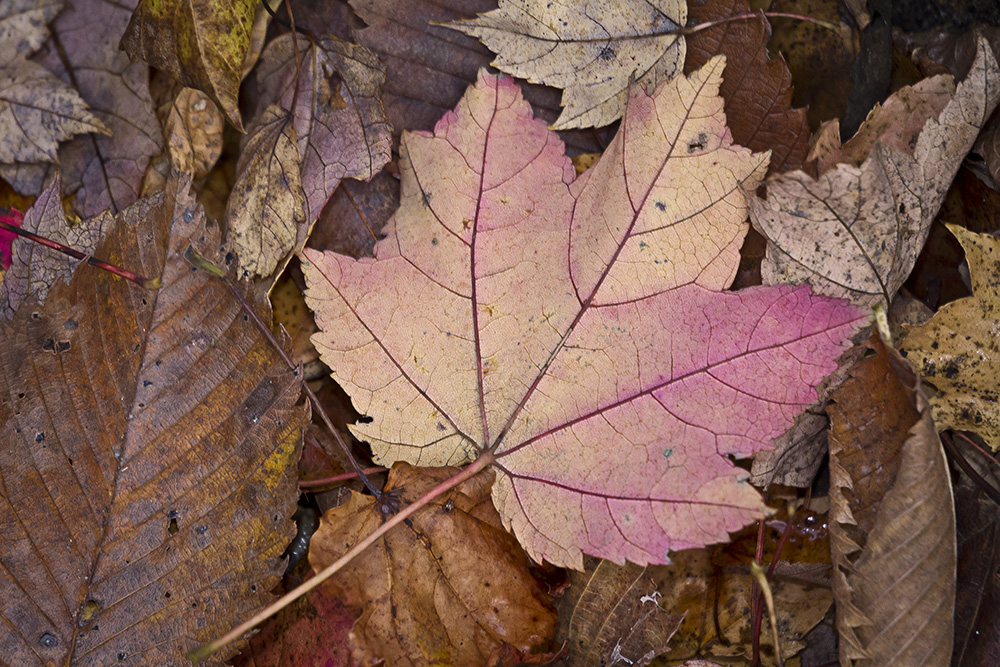
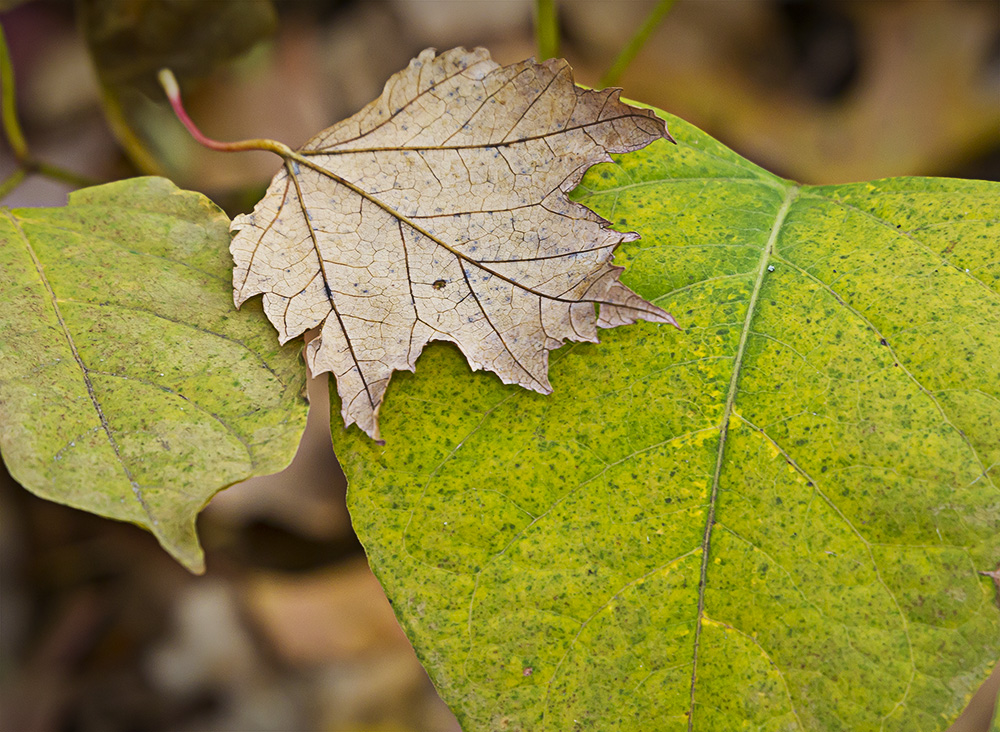
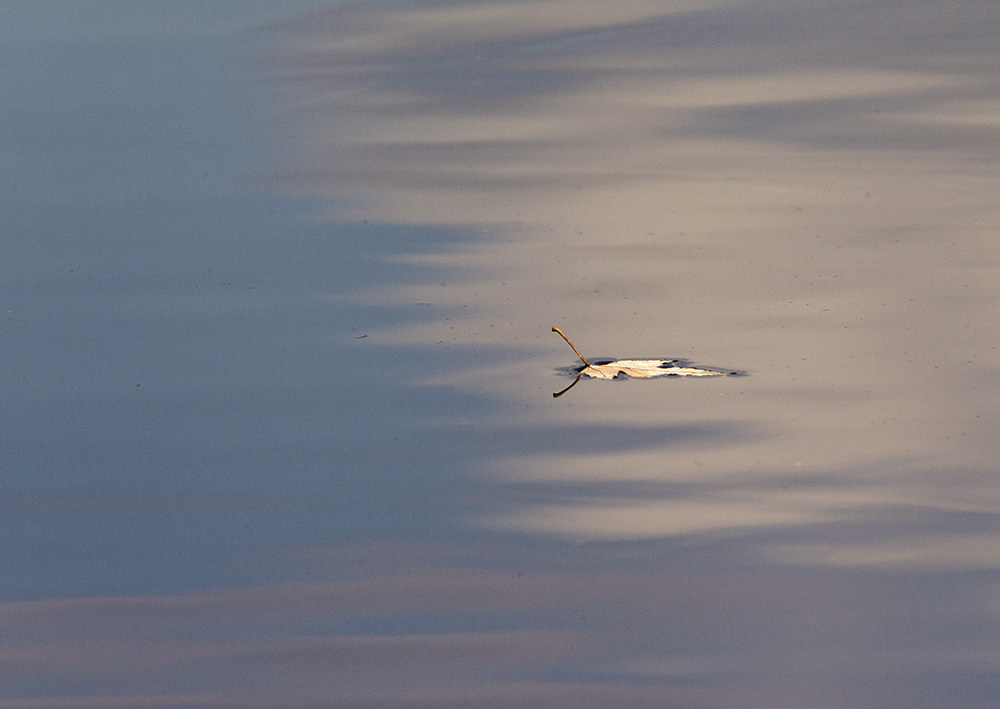


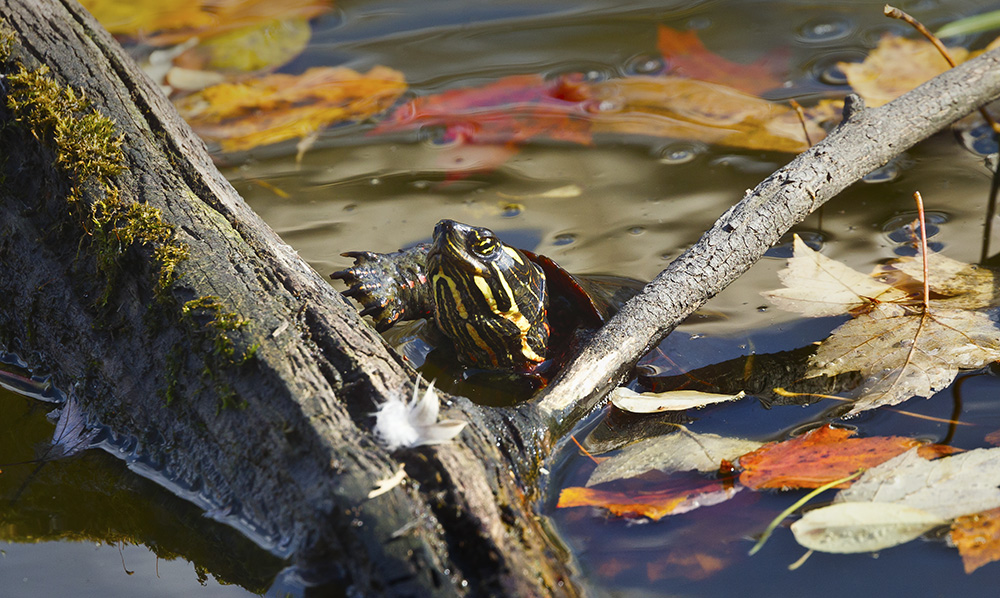

Milkweed Two Image Panorama
Colors of Fall Starting to Fade
Posted on November 7, 2013
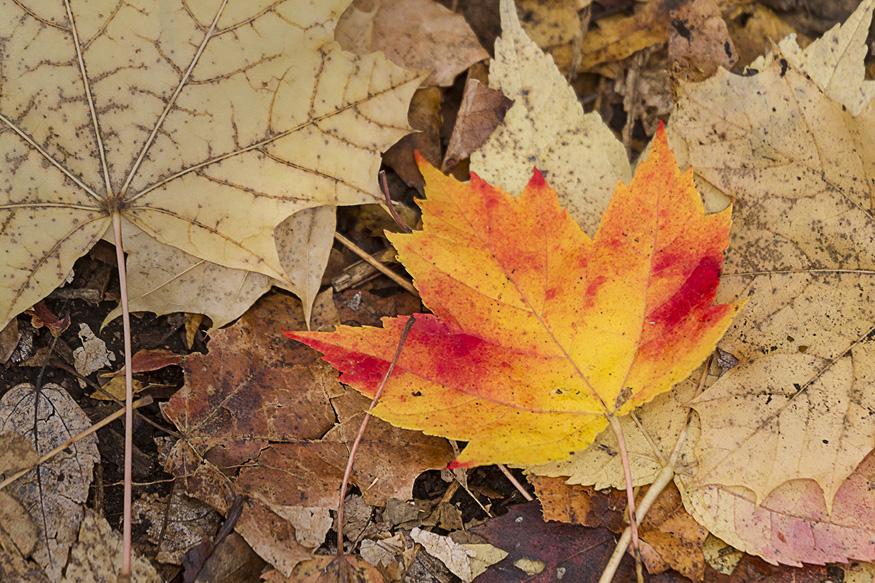
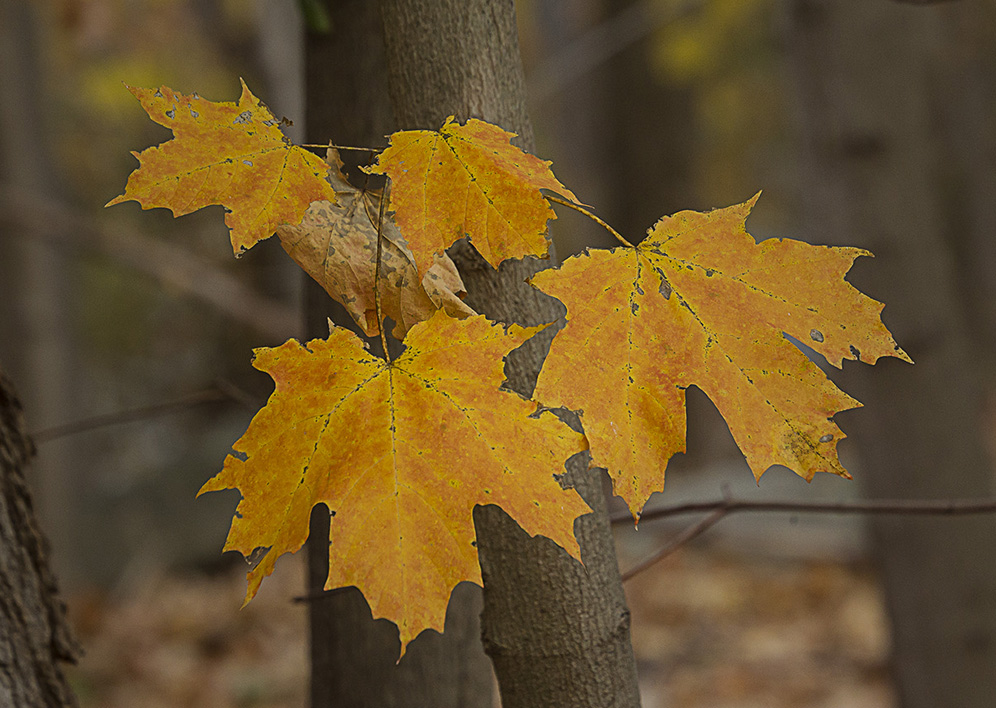
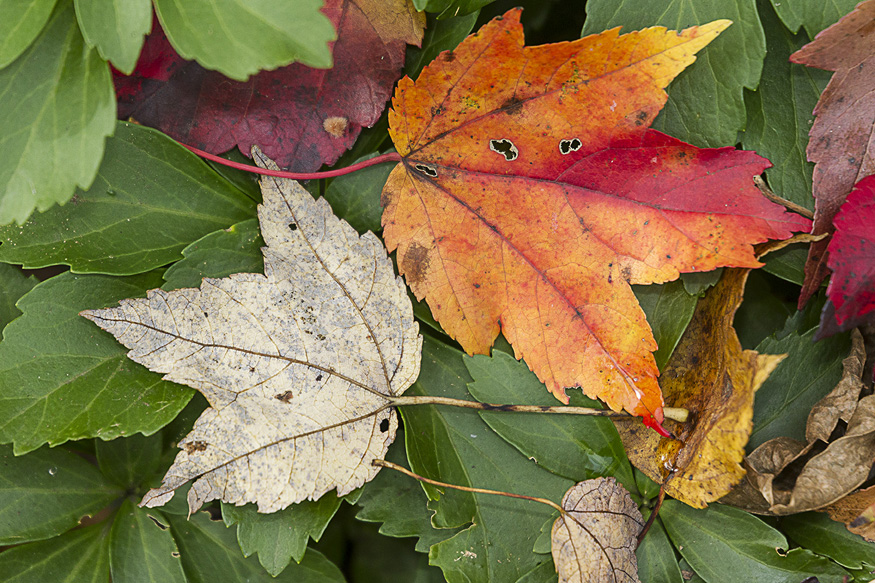
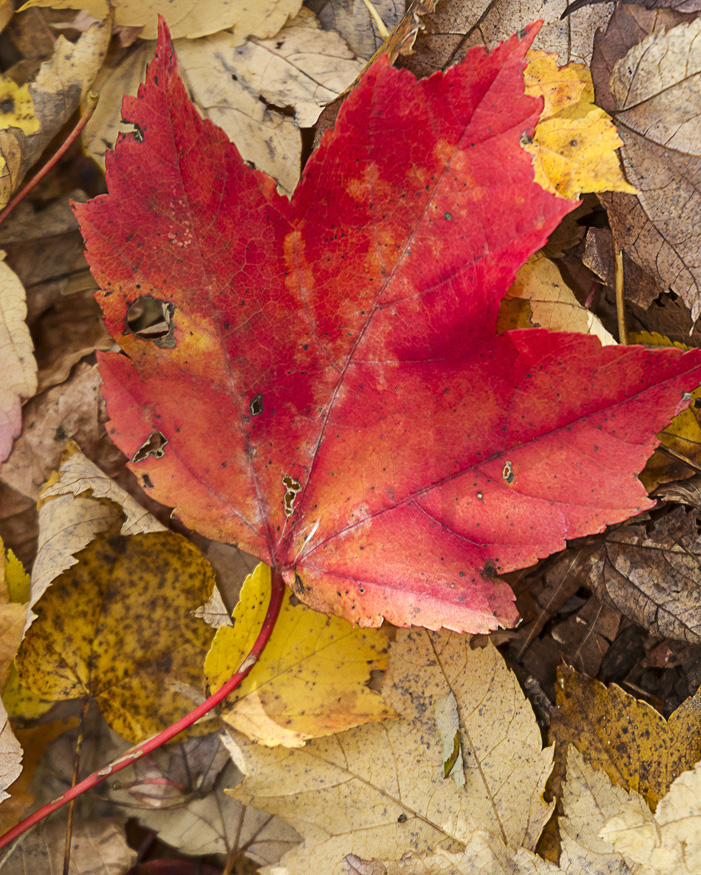
Here in the Northeast the Fall colors are beginning to fade. I met my friend at the Celery Farm Natural Area in Allendale NJ one morning to see what we could find before the Fall colors turned into brown, dried out leaves. I thought we had a good chance to find bright subjects that would stand out against the fading or subdued foliage. I decided to travel light, taking my Canon 70-300mm DO lens on a EOS 1D MkIV body which gave me a good focal length range in a small, lightweight package. I also used a Canon Flash set at -1 stop just to help fill in my subjects in the early morning light and helped me shoot handheld instead of using a tripod. The Canon 70-300mm DO has a poor reputation because of its Diffraction Optics, but it is one of my favorite lenses. It is about an inch shorter , but wider than a normal 70-300mm lens. It also has Image Stabilization, but I believe it takes a second for it to kick in, so I take this into account also. Shooting Raw files and adjusting them in Adobe Camera Raw makes this lens shine and a winner. Getting back to photographing, I tried different crops, shooting angles, and combining bright or vibrant subjects with darker subjects or backgrounds. I was also trying to place my subjects on a pleasing softer backdrop, so I used an f/ stop of f/7.1 or f/8 to keep the backgrounds simpler. Hope you enjoy them.



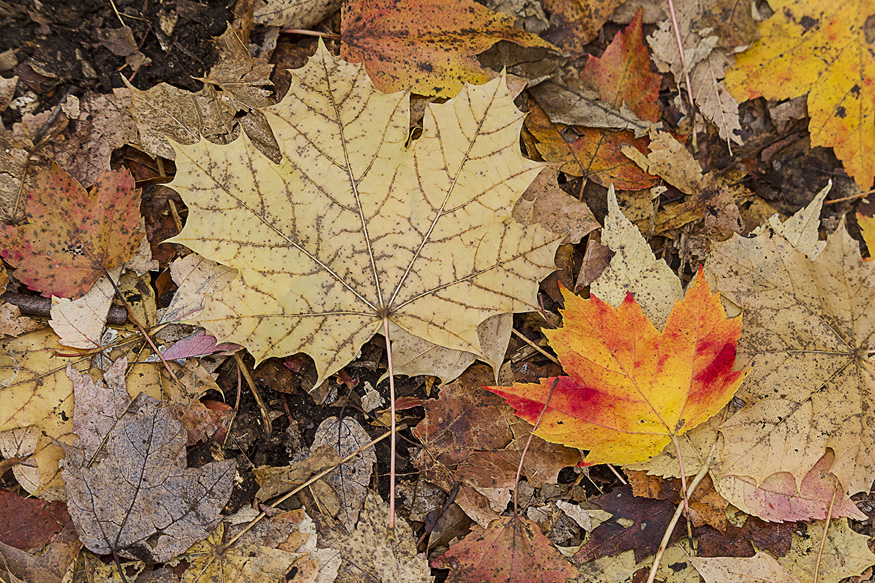


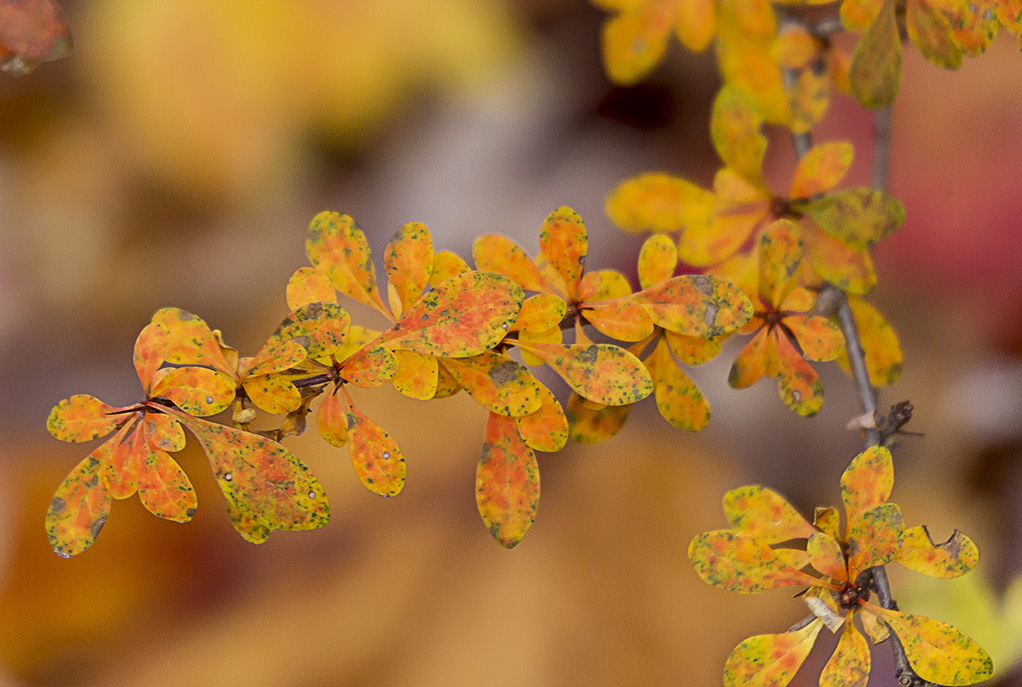
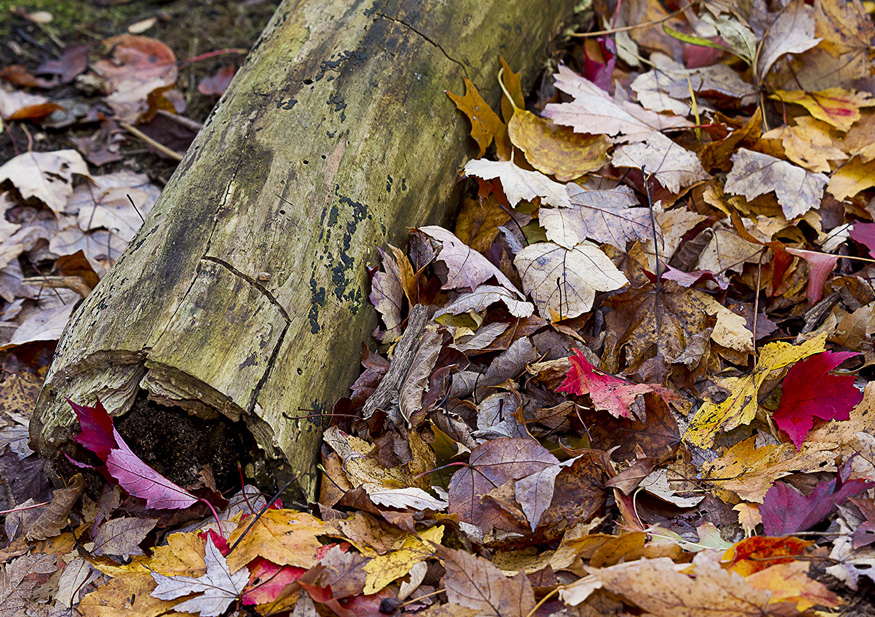
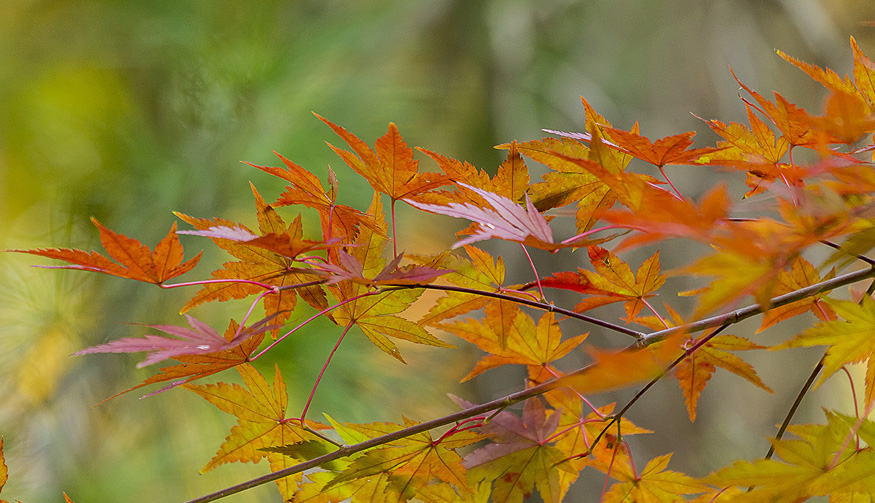
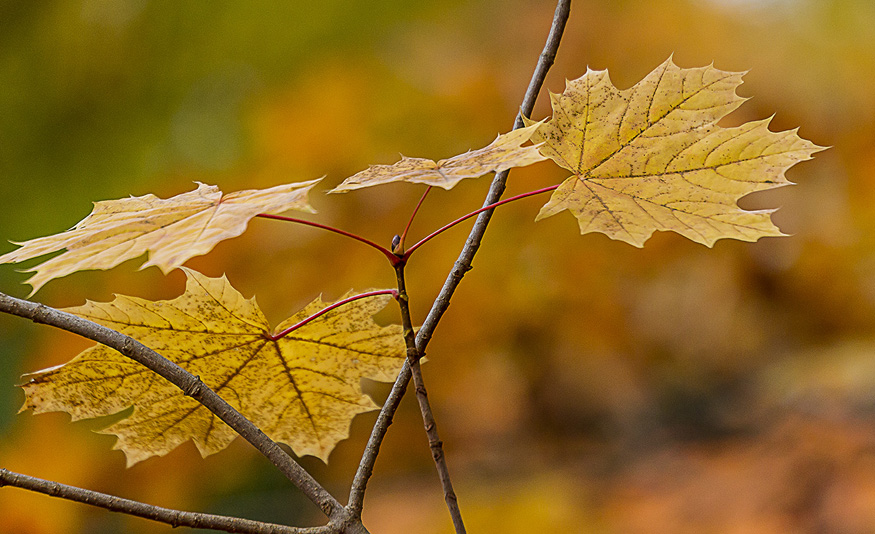
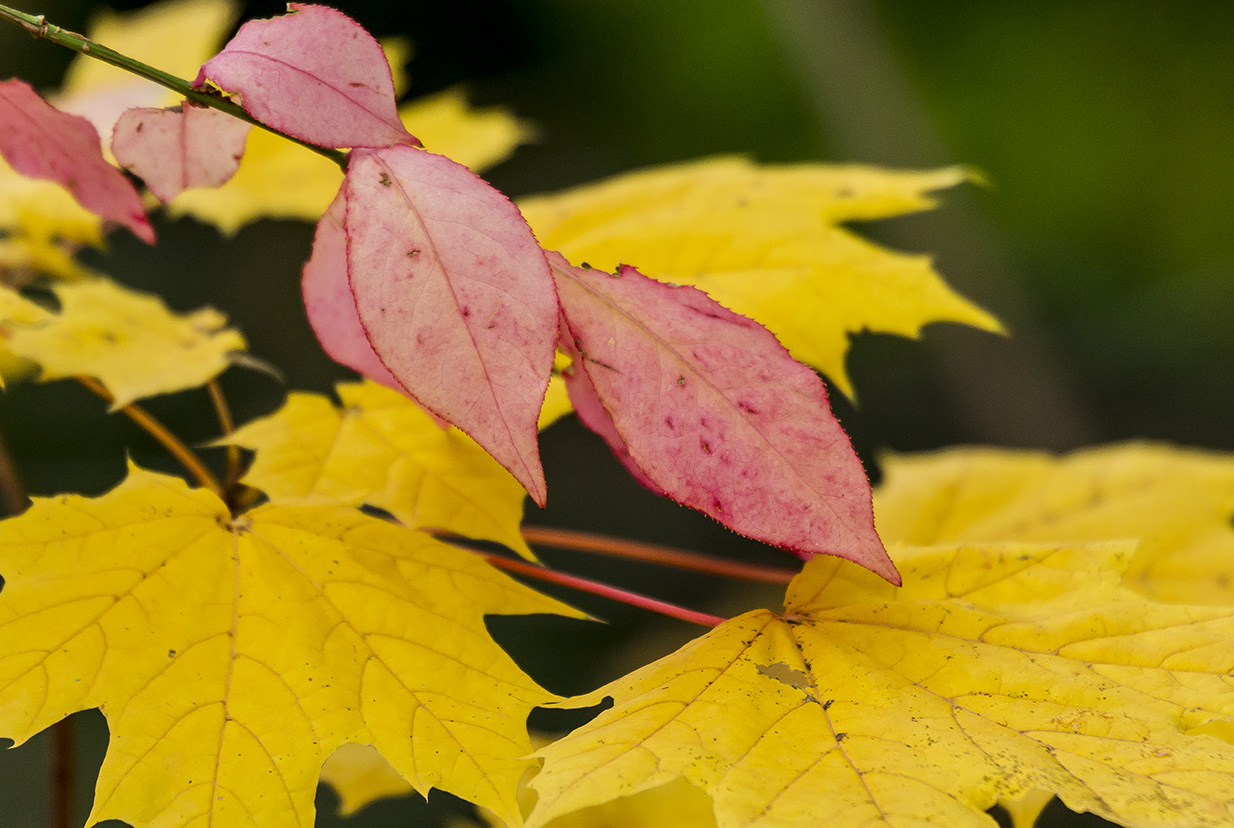

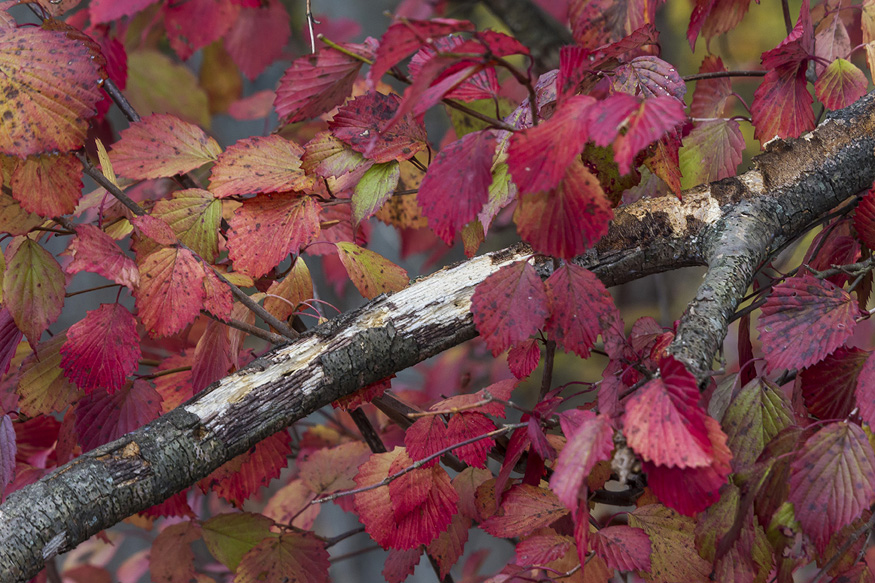
First Frost Here in Northern NJ
Posted on October 26, 2013

We finally got a First Frost here in Northern New Jersey. It was not a heavy frost and seemed to be late in coming. Usually we get first frost much earlier here in October. Being it was much later in the month, the leaves were really dried out and duller. The minute the sun hit the leaves the frost melted so I had to work in the shaded areas. I used my Canon MkIV with the Sigma 150mm f/2.8 OS macro. Because it was early in the morning and in the shade I raised my ISO to 1250 at f/5.6 which usually would give me a shutter speed of about 1/60 sec. I also tried to shoot straight down or as little of an angle as possible to get greater depth of field since I was at f/5.6. Hope you enjoy them.






-
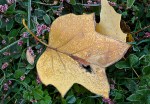
- First Frost

Fall Photos
Posted on October 20, 2013

I spent the morning with a friend at the Greenway entrance to The Clery Farm Natural Area in Allendale, NJ. We were looking for Fall Still Life images in the fields. There had been a rain during the night so there were water droplets all around. All images were with the Canon 1D MkIV with the Sigma 150mm f/2.8 OS Macro. Because of the breeze I shot some images at f/4 to help stop the motion with a higher shutter speed and used a 2 shot image stack for the depth of field and also for exposure of the highlights.


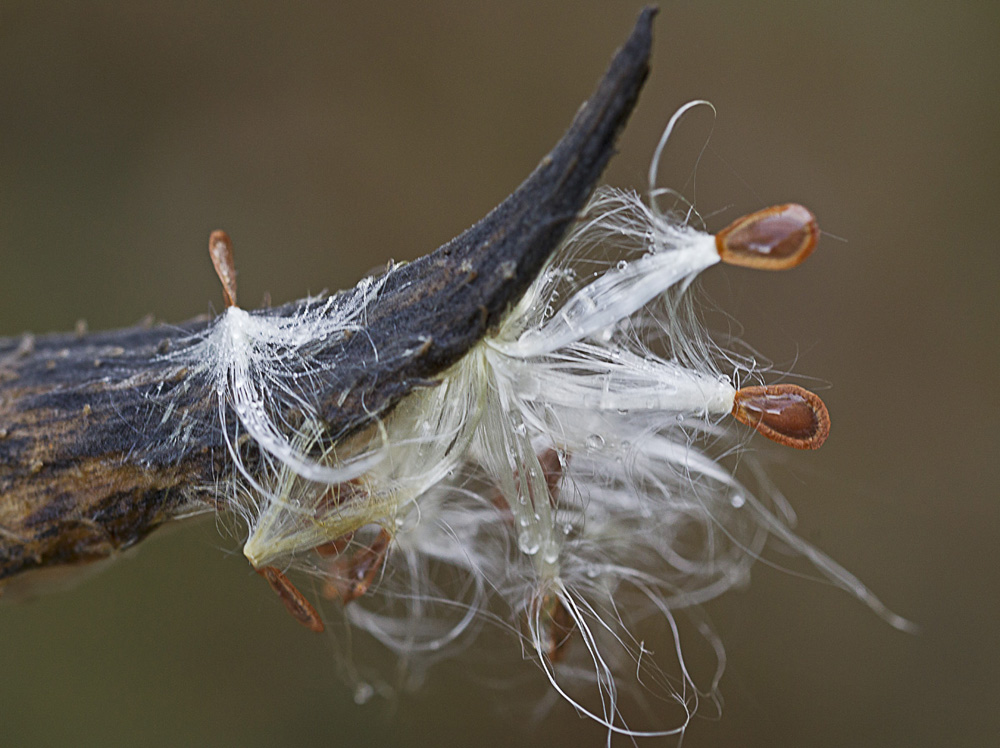

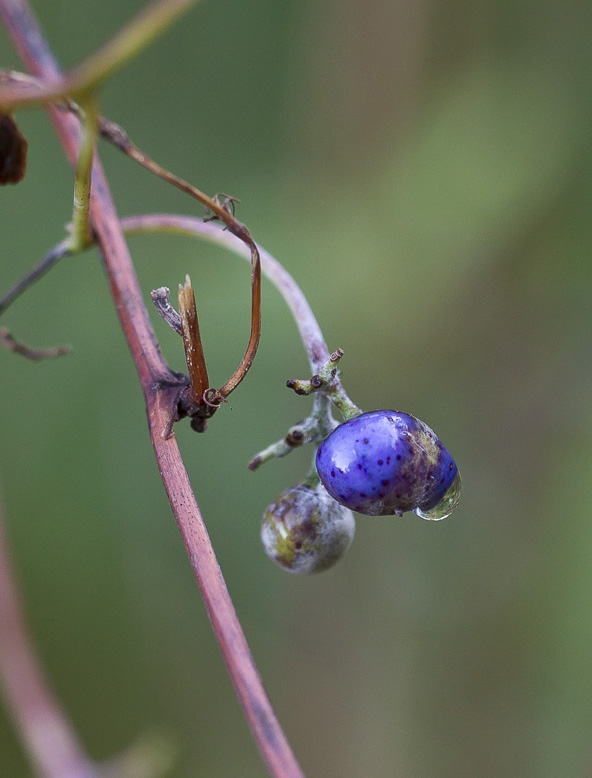

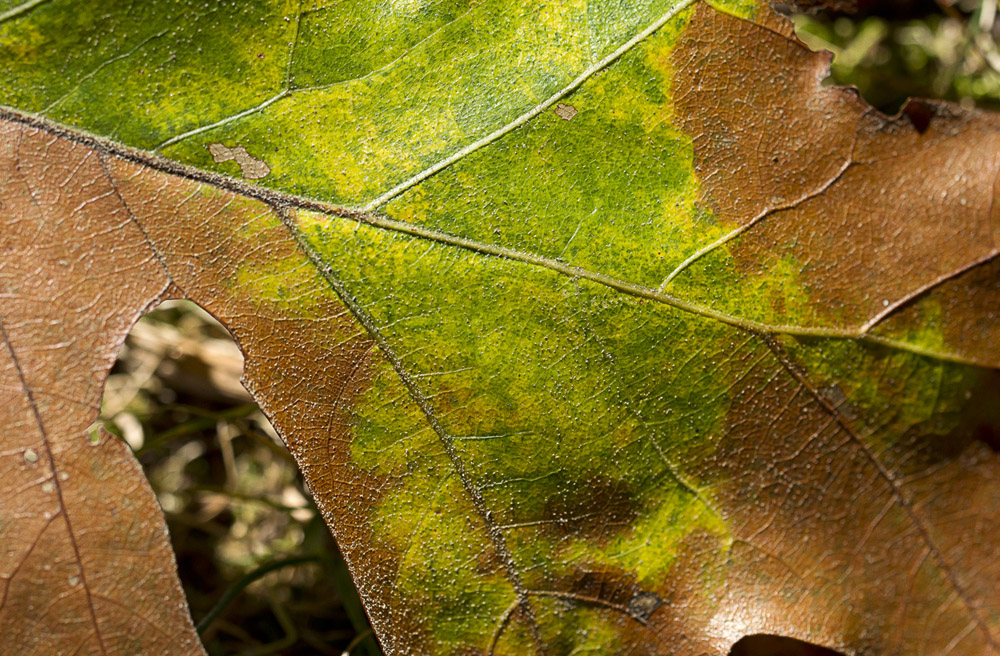
Leaf Abstract
Posted on October 19, 2013

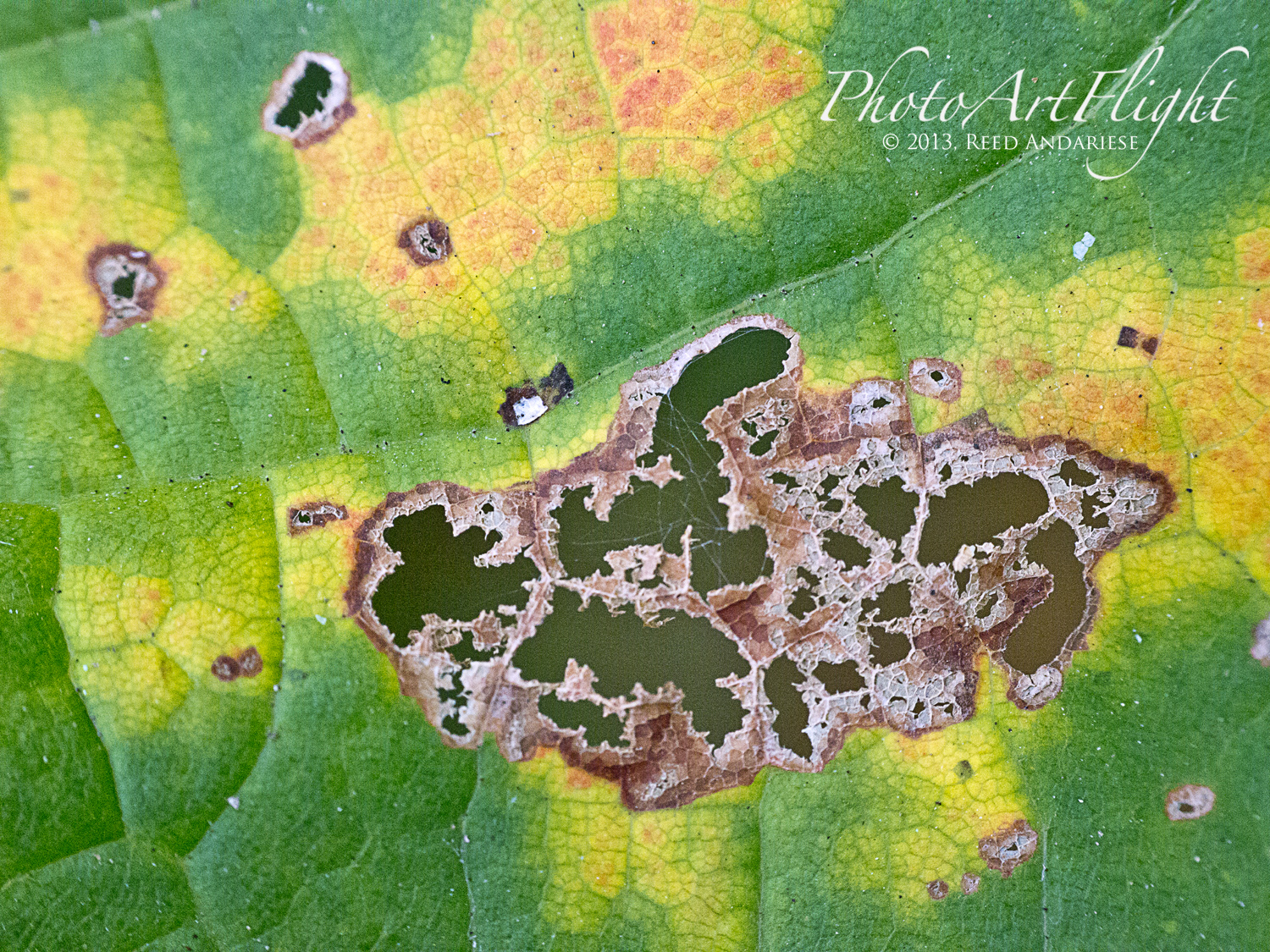
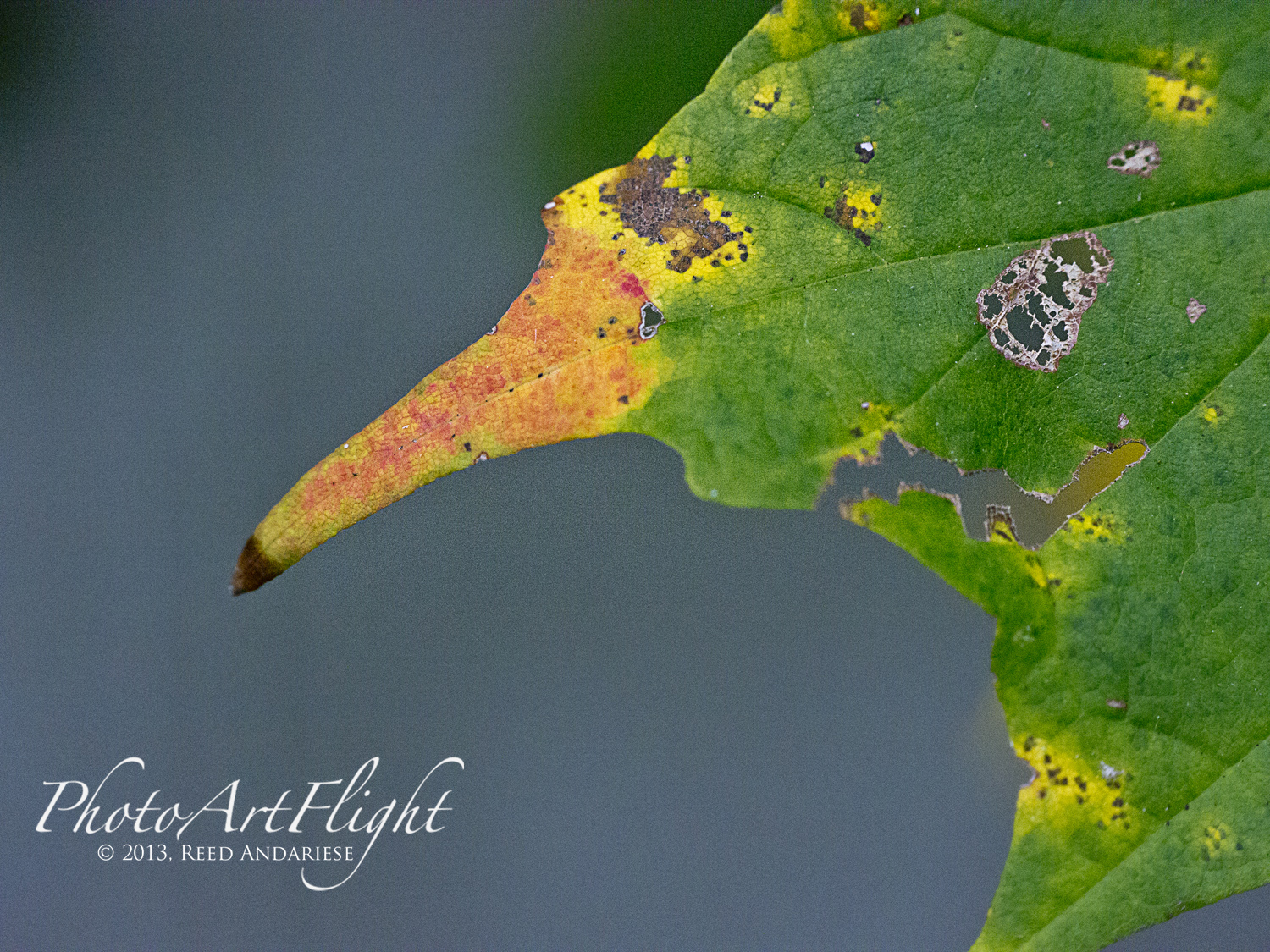
With all the leaves starting to turn color, I thought I would try some extreme closeups of leaf details. I could use a standard macro, or a Canon MP-E 65mm 1-5X macro, but I decided to try something different. I mounted an old FD Canon manual focus 50mm f/1.8 lens with a m43 adapter on my Panasonic GH2. Then I added an achromatic closeup lens. An Achromatic lens or achromat is a lens that is designed to limit the effects of chromatic and spherical aberration, which limits distortion. It is basically like a closeup filter to get closer to your subject. You do not need extension tubes, You use them like a filter on the front of the lens. You can get very inexpensive ones, which are usually one piece of glass to very good ones with multiple pieces of glass. They range in price from $15 to thousands of dollars, but you can get good ones from Canon, Nikon or Raynox for a reasonable price. I have many different kinds that I have collected over the years, but used a set here with 3 different strengths, 6X, 12X & 24X. These just screw into an adjustable mount that clips onto the front of the lens. Just be careful to get as parallel to your subject as you can. The leaves were blowing in the wind, so I tried to capture the images in-between gusts. Here are a series of images using all three. So give it a try, they are handy to have in a pocket when you need them, without the weight and size of having a macro lens with you. Do they replace a macro lens? No, but come in handy, especially for some extreme closeups.


Caterpiller Wreath
Posted on October 17, 2013
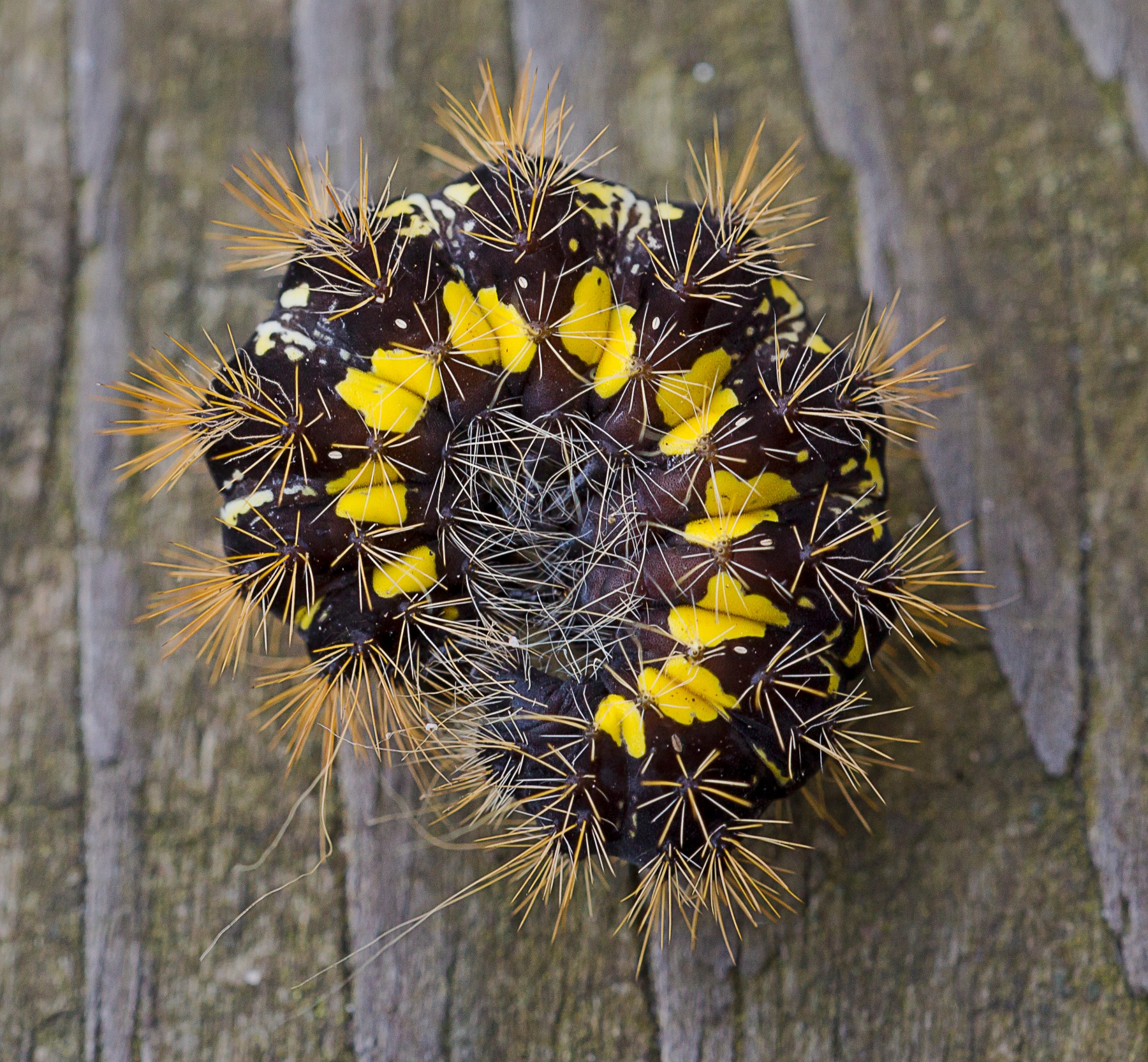
I found this rolled up caterpillar on a bench. I thought it was interesting with the spikes and colors. The caterpillar reminded me of a wreath. Canon 1D MkIV with the Sigma 150mm f/2.8 OS Macro. The caterpillar was in the shade so I used f/8 to get some depth of field for the spikes and tried to shoot straight down with the front of the lens parallel to the caterpillar to get as much in the plane of focus. I ended up with 1/30 of a second exposure at ISO 800 , handheld, so I shot a burst which enabled me to pick the sharpest exposure in the series. I believe it is a Smeared Dagger Moth Caterpillar, a stinging caterpillar. It uses poison filled bristles to defend itself.
Fall Spider Web
Posted on October 16, 2013

Here is my last photo from my walk at the Celery Farm Natural Area on Monday. I saw this spider web as I was going over the small bridge on the way to my car. I only had my 150mm macro, but took a few shots to try to get something. The web was about 20 to 25 feet away. Here is an extreme crop, but I still liked it.
Milkweed Pods
Posted on October 15, 2013

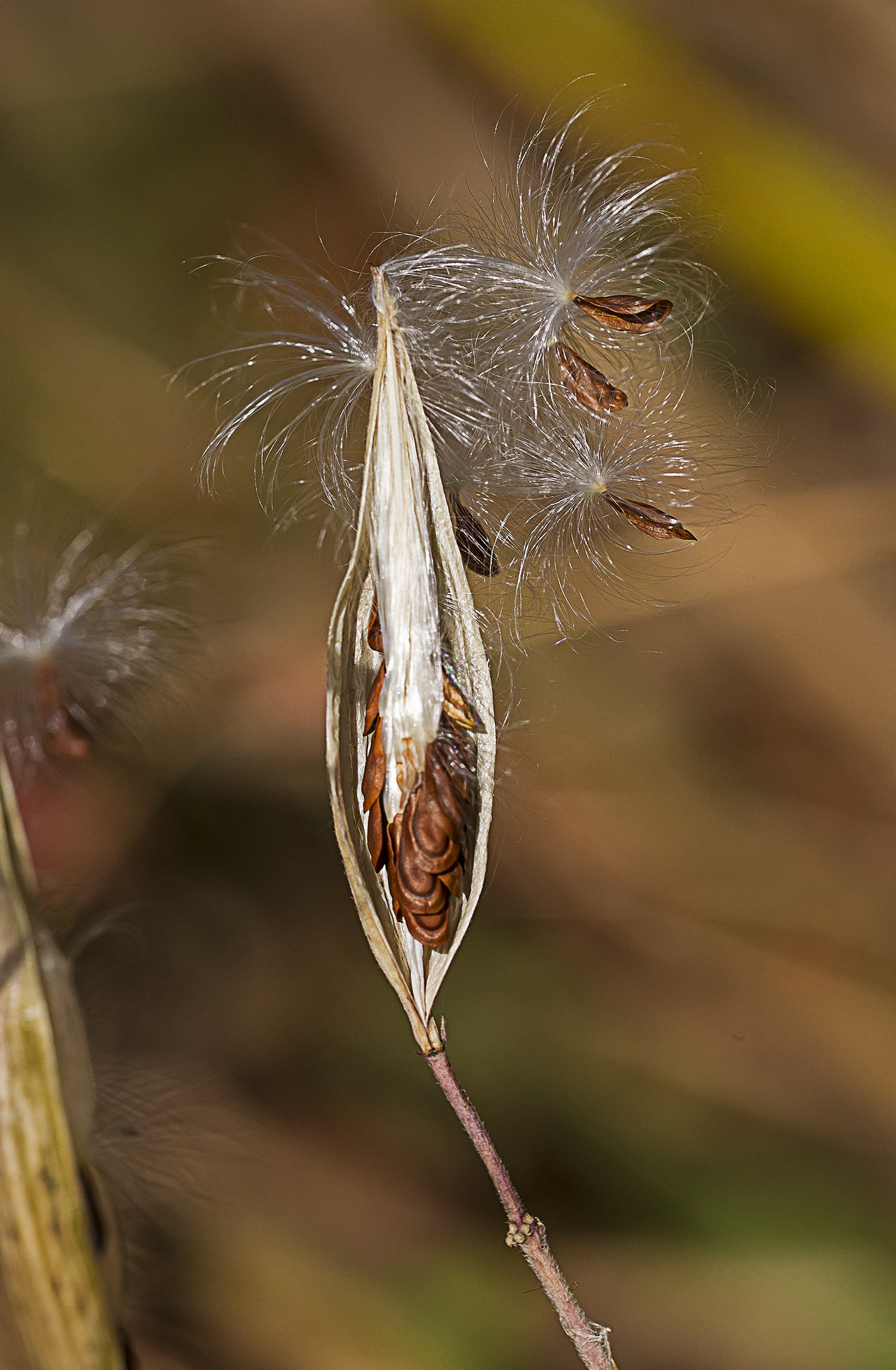
Took a walk around Lake Appert at the Celery Farm Natural Area and came across Milkweed Pods by the Butterfly Garden. I thought they looked interesting with side/backlighting. Used a Canon MkIV with the Sigma 150mm f/2.8 Macro lens.


 photoartflight