 photoartflight
Mute Swans
Posted on October 9, 2014
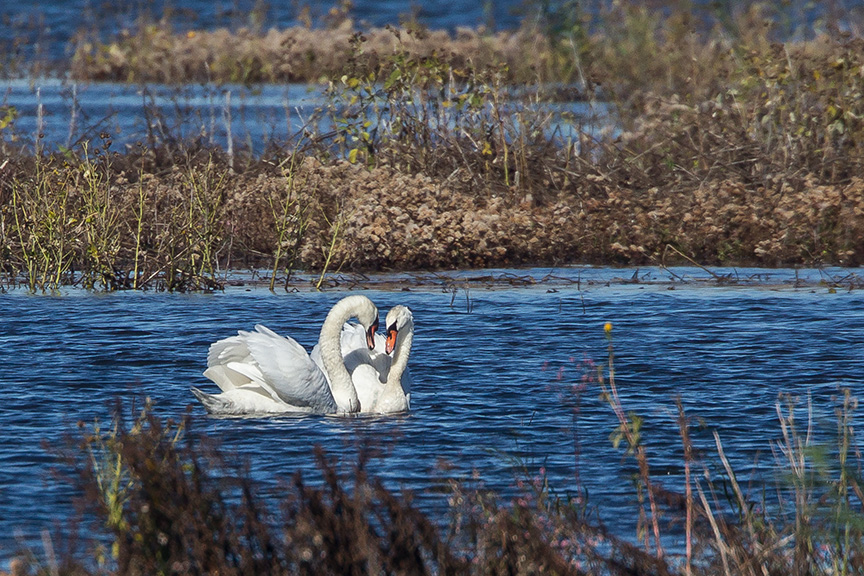
I found these Mute Swans at the Brigantine Division of the Edwin B. Forsythe National Wildlife Refuge. They were rather far out, so the images are cropped. I like how the water was a bright blue highlighting the large white birds.
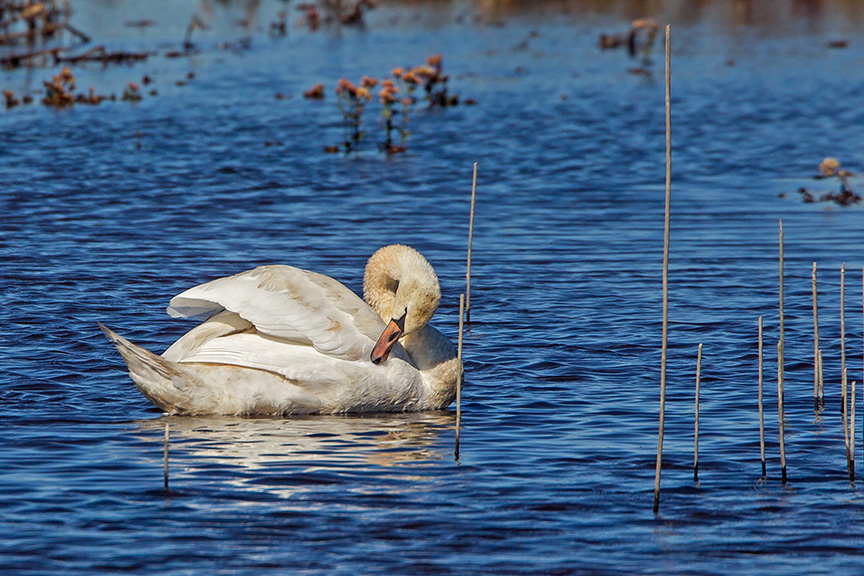
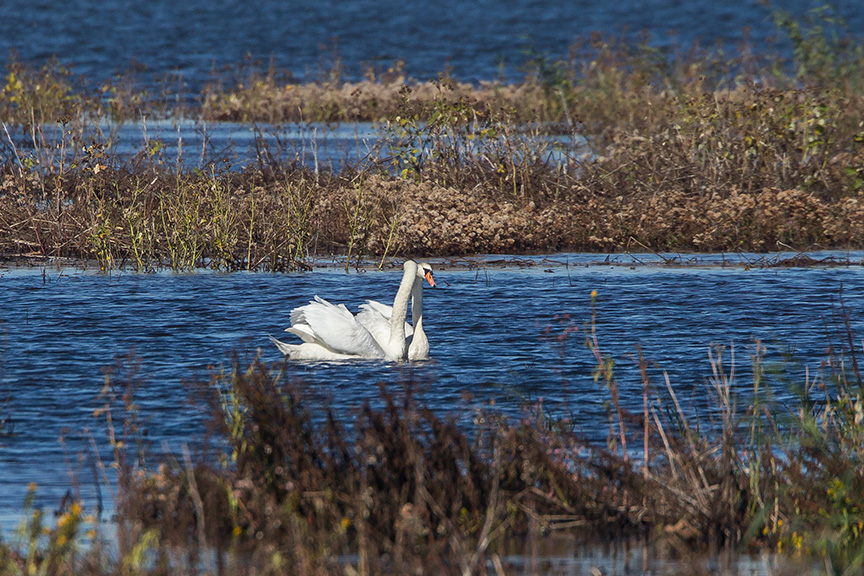

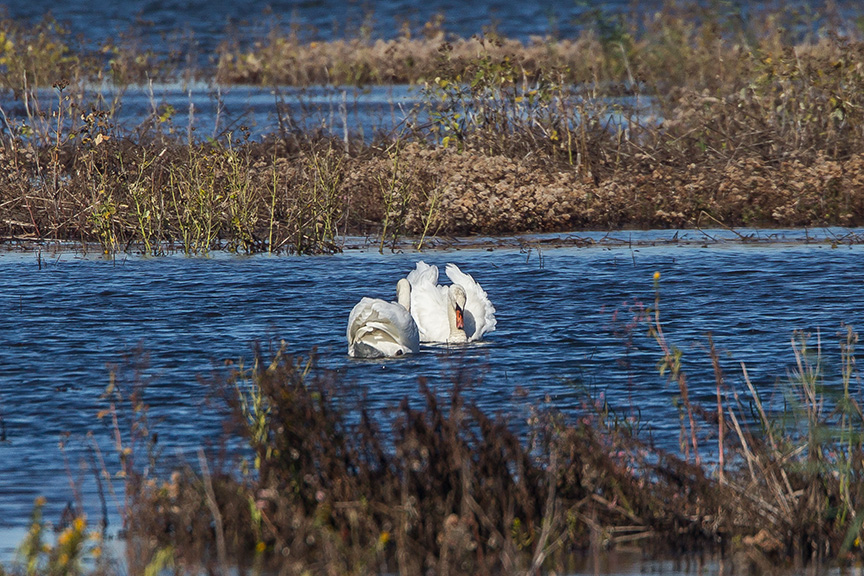
Mute Swans in Wildflowers
Posted on September 13, 2014
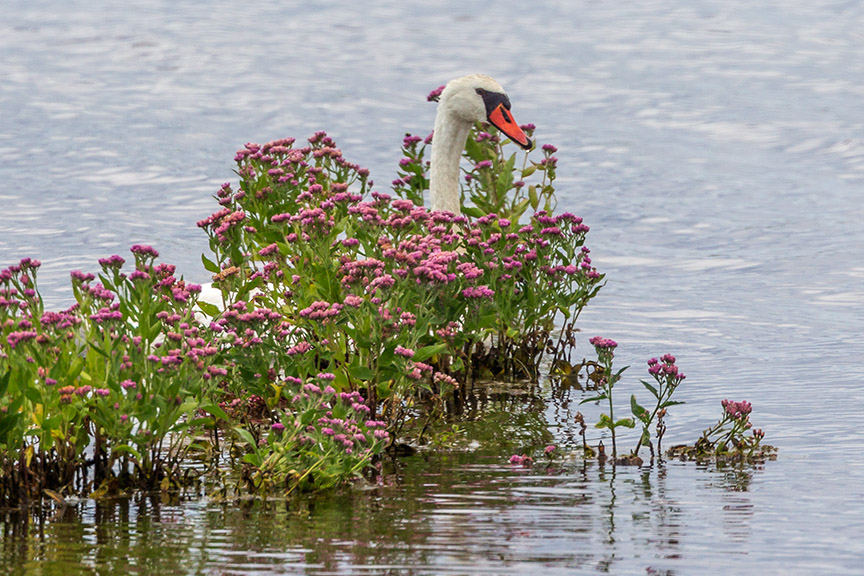
We found these Mute Swans swimming and feeding among the wildflowers. I liked the large white birds interacting with each other and the pop of color from the wildflowers.
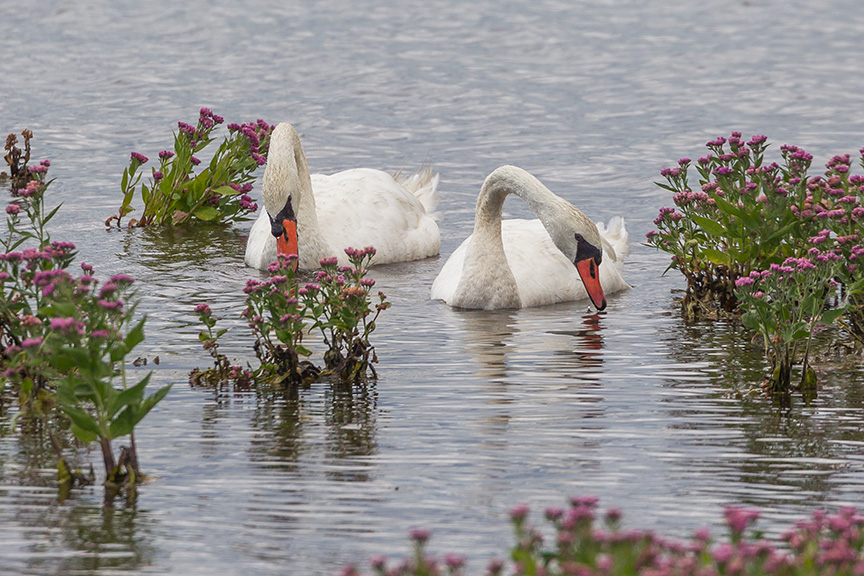
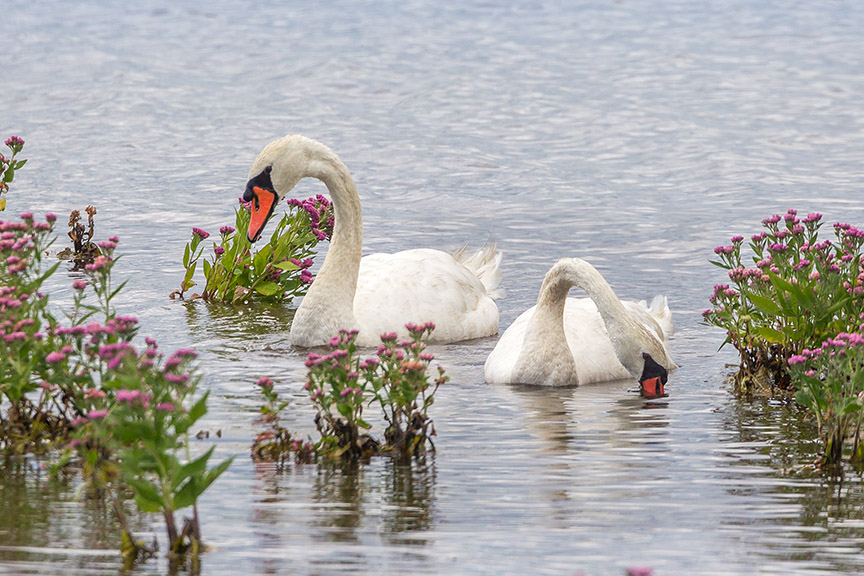
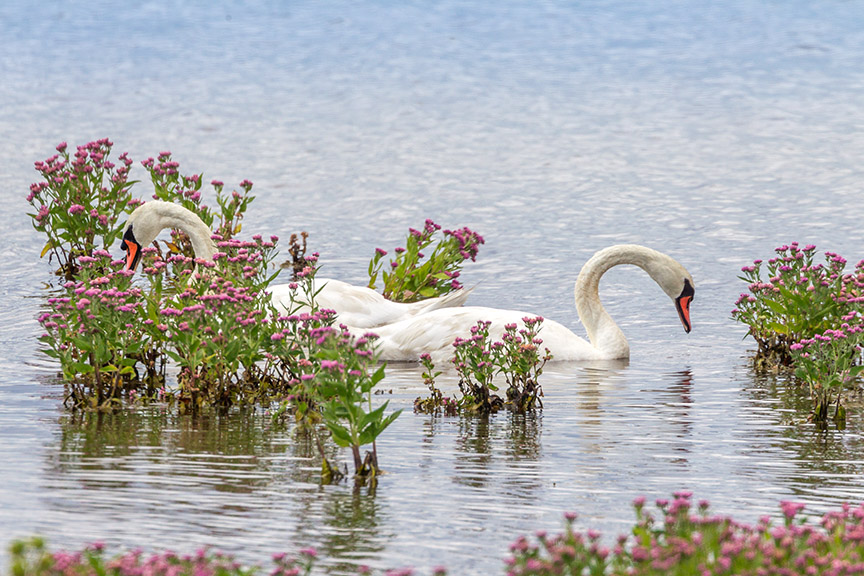
Swan Babies
Posted on December 3, 2013
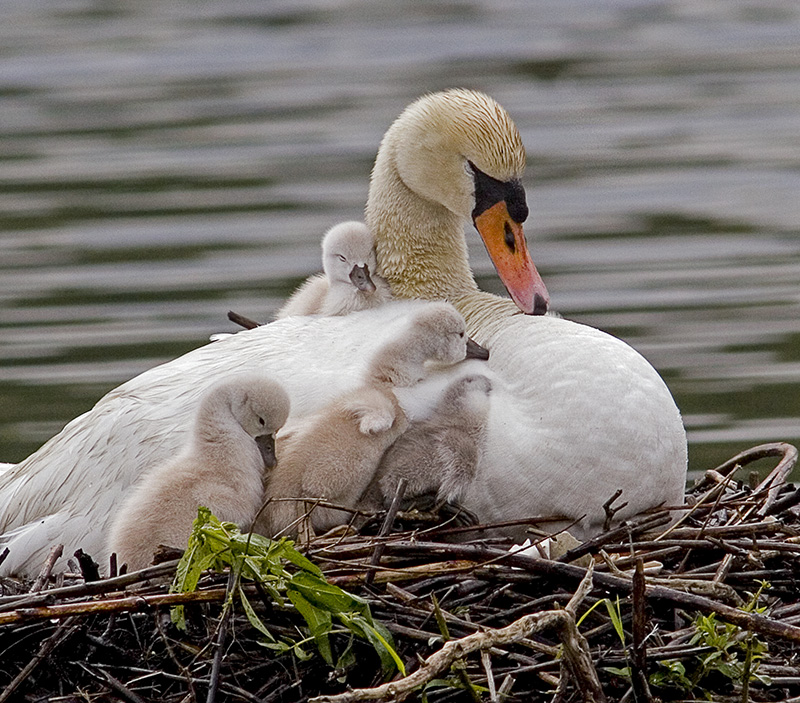
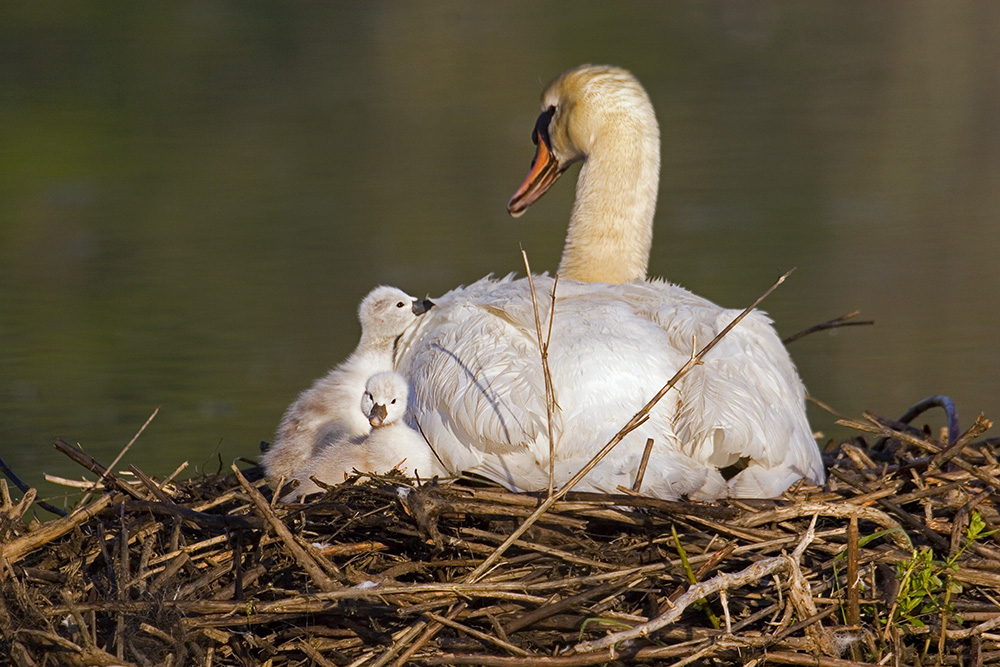
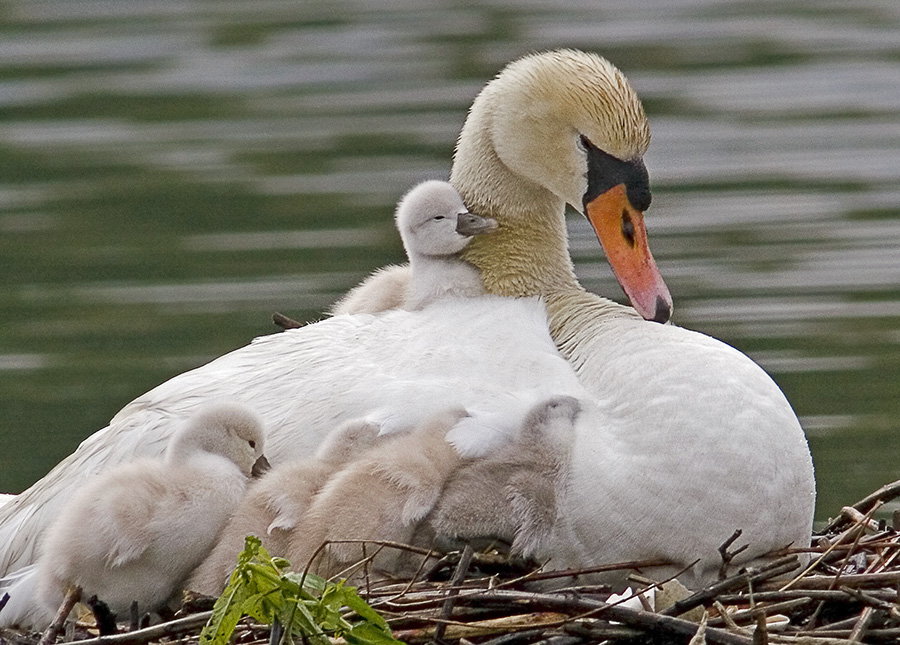
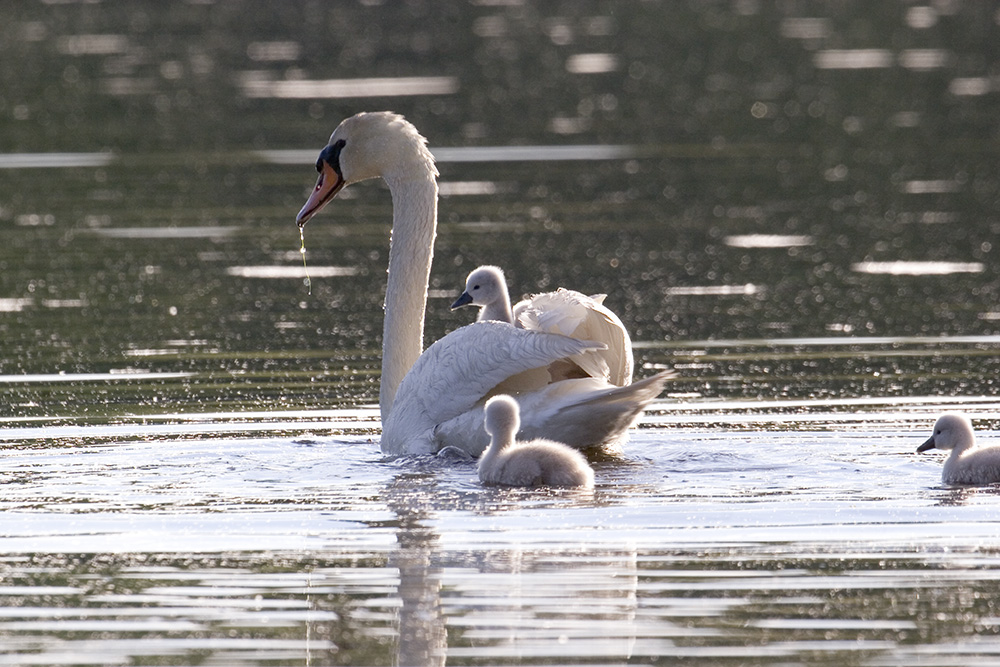
It is getting colder here in New Jersey, so I was going back through the archives to clean out files. I found these images of this Mute Swan nest and the Swan Cygnets from the Celery Farm Natural Area in Allendale NJ. I used a Canon 20D with a 1.6X crop with the Sigma 300-800mm f/5.6 zoom which gave the reach I needed to photograph the Swan Babies on the nest. With the 1.6 crop sensor it has an effective focal length of 1280mm. I used a -0.33 exposure compensation with aperture priority so I would not blow out the whites on the Swans. In some of the photos you can see the egg pieces from a freshly hatched cygnet. Hope ou enjoy them.
Canon 20D, Canon 100-400mm f/4-5.6 @ 100mm, effective focal length 160mm





A Different View
Posted on November 30, 2013
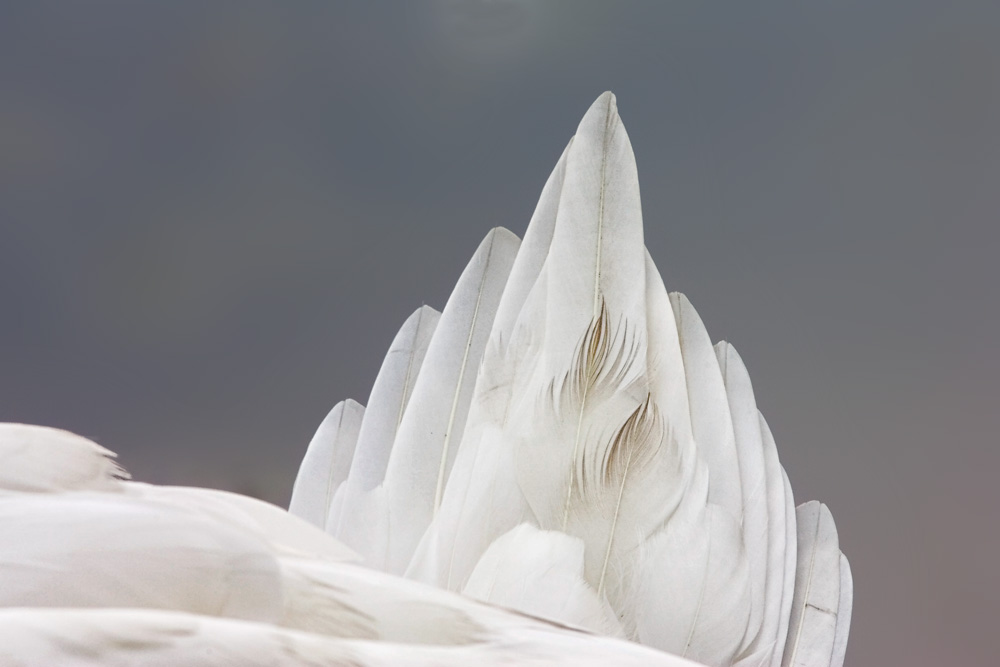
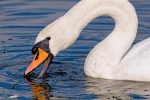
Sometimes when I am out in the field, I try different crops or angles of familiar subjects that I am used to seeing. Here I am using Mute Swans as an example. I like photographing Mute Swans. They are large, so even if they are out in the distance I can get good images of them. They are usually always moving, taking flight quite often also so you have a lot of photo opportunities. The large white bird can be tricky in bright light to get proper exposures, so you have to be careful and check your histograms. But after a while you find your images begin to look the same as the ones you took before. So try different angles, positions and crops. Even try closeup details to add interest for a different look. You can also add them to a series to help show your subject in a different way and show visually a more complete story of your subject.





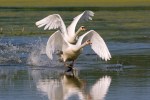

Autumn Swan Taking Flight
Posted on November 23, 2013

I used this series of selected images from one Swan’s takeoff to make one art print. I liked this Swan’s takeoff against the colorful Fall background, showing changing wing positions and the splashing of it’s feet trying to get airborne. I started with more wing positions, but the print got too long so I limited it to six images. Even at 6 images the final print was 96″ x 14″. Placing it on a black background also made the images really stand out and I used a gradated grey text as a subtle title accent so it did not detract from the images.
Swans FlyBy
Posted on November 16, 2013

One from the achieves, a pair of Mute Swans flying together. I used a Fuji S2 with a Nikkor 80-400mm zoom. With the Swans flying across from left to right, I used a little slower shutter speed, but panned along with the moving swans. This gives the background a streaking out of focus look while keeping the swans relatively sharp.It takes some practice, but it is worth the effort and comes in handy to make your images look a little different. I liked how the swans seem to be gliding by. close above the water, casting a shadow below them to add depth to the image.
Autumn Mute Swans
Posted on November 10, 2013

2 Mute swans flying into a colorful Autumn background. I liked the formation flying these 2 Mute Swans were keeping as they flew few laps around this small lake. They flew lower for the first go round, then on the second lap they gained a little altitude and flew across the colorful fall background. I thought the pair of white swans contrasted nicely with the reddish leaves and the darker grayish area on the right made it look like a B&W image blending into color as the swans flew into it. This was shot with a Canon EOS 1D MkII with a Canon 100-400mm zoom @ 400mm with a Canon 1.4X teleconverter giving an effective focal length with the 1.3 crop of the camera and 1.4X of the Teleconverter of 728mm @ f/8. I usually stop down a little more when using a teleconverter, but using a lens that was @ f/5.6 and with the Teleconverter making it f/8, I chose an f/stop of f/11 to help sharpen it up a little but still give me a shutter speed fast enough to stop the action of the flying birds.
 photoartflight