 photoartflight
Another Blackwater NWR Bald Eagle
Posted on February 21, 2024

Blackwater National Wildlife Refuge (NWR) is one of my favorite places to photograph. As I have written in other posts here Blackwater NWR is a large NWR so many of the photo opportunities are far off in the distance. So you have to have long telephoto lenses to capture many of the Birds & other Wildlife you come upon here. After photographing at Blackwater for more than 15 years I have come up with ways to get interesting images of distant birds & wildlife. The Featured Image was taken with a Canon 1D mkIV with a 2X Teleconverter. The Canon 1D mkIV sensor has a 1.3x crop factor so with a 400mm lens & 2x teleconverter the actual focal length is more like using a lens with a focal length of 1040mm. If I want more reach I would use a Canon 7D with a 1.6x crop factor and with a 2x Teleconverter focal length is ~1280mm. I am testing how these actions work with my 150-600mm with a 2x Teleconverter for 1920mm. Also I have made Photoshop actions to up-rez images even more with very successful results. I have also added some other lenses to try these Photoshop actions on.
Walk In The Fields At Davidsons Mill Pond Park
Posted on August 21, 2020
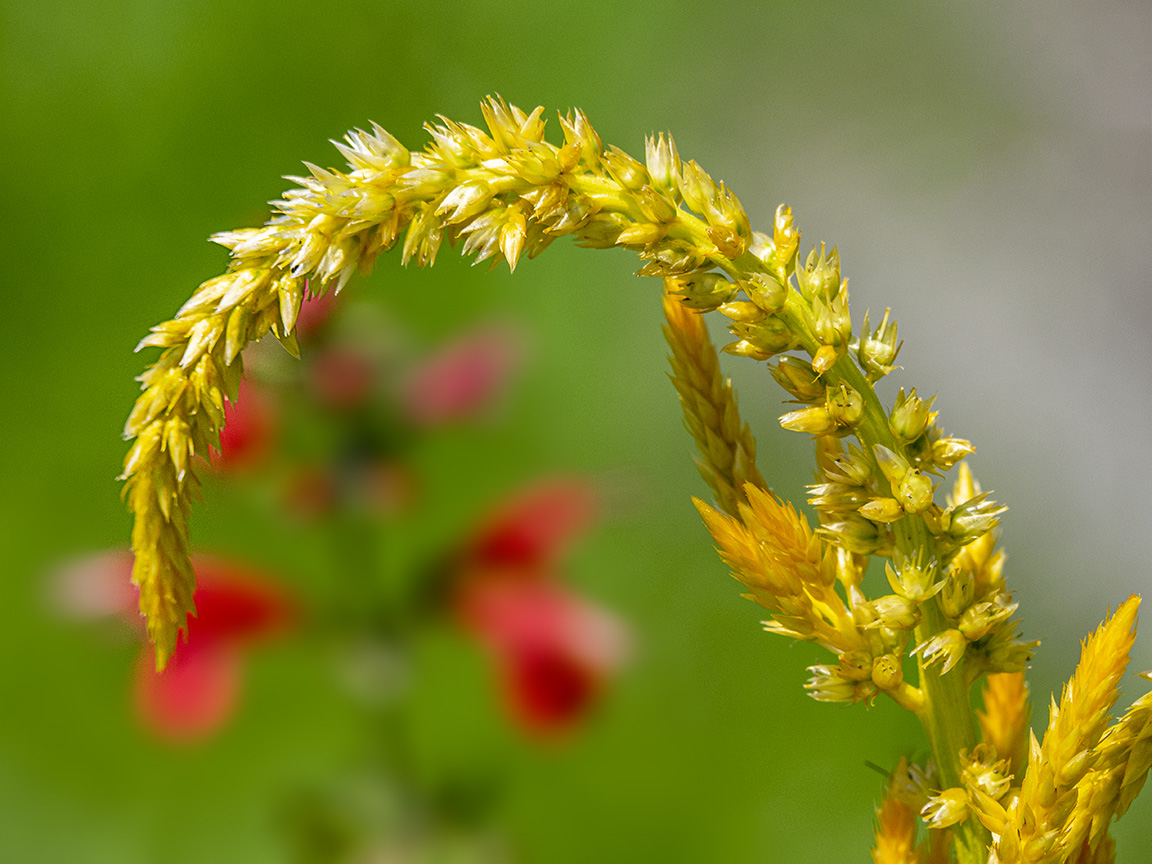
We were walking around the fields at Davidsons Mill Pond Park looking for interesting images besides Dragonflies. Most of the gardens are still closed, but we could shoot through the fencing here & there. Davidsons Mill Pond is a County Park comprising over 417 acres that features grassland meadows, upland forests, open water, streams and wetlands, in addition to cultivated fields used by the Rutgers Cooperative Extension office. Their Butterfly House was not used this year because of the Covid closing most things. These are a series of images of subjects I thought were interesting as we were walking through the fields. Again, I was using an Olympus OM-D E-M1 with a Panasonic 100-300mm zoom lens. Which gives me a Full Frame Camera Field of View equivalent of 200mm – 600mm in a very lightweight camera to walk around with. I was mostly shooting aperture priority @ f/8, giving me enough depth of field on my subjects, but still have a smoother background.
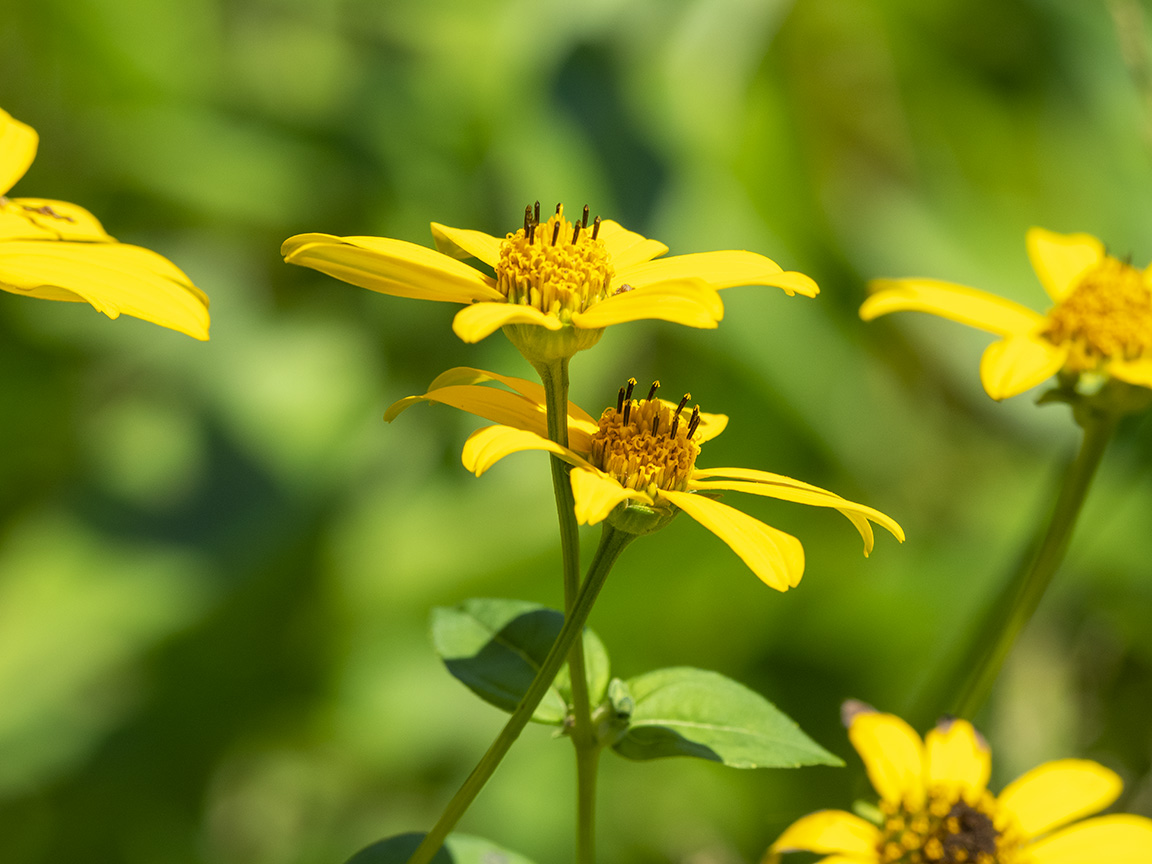
Image @ 228mm, f/8, m43 format

Image @ 300mm, f/8, m43 format
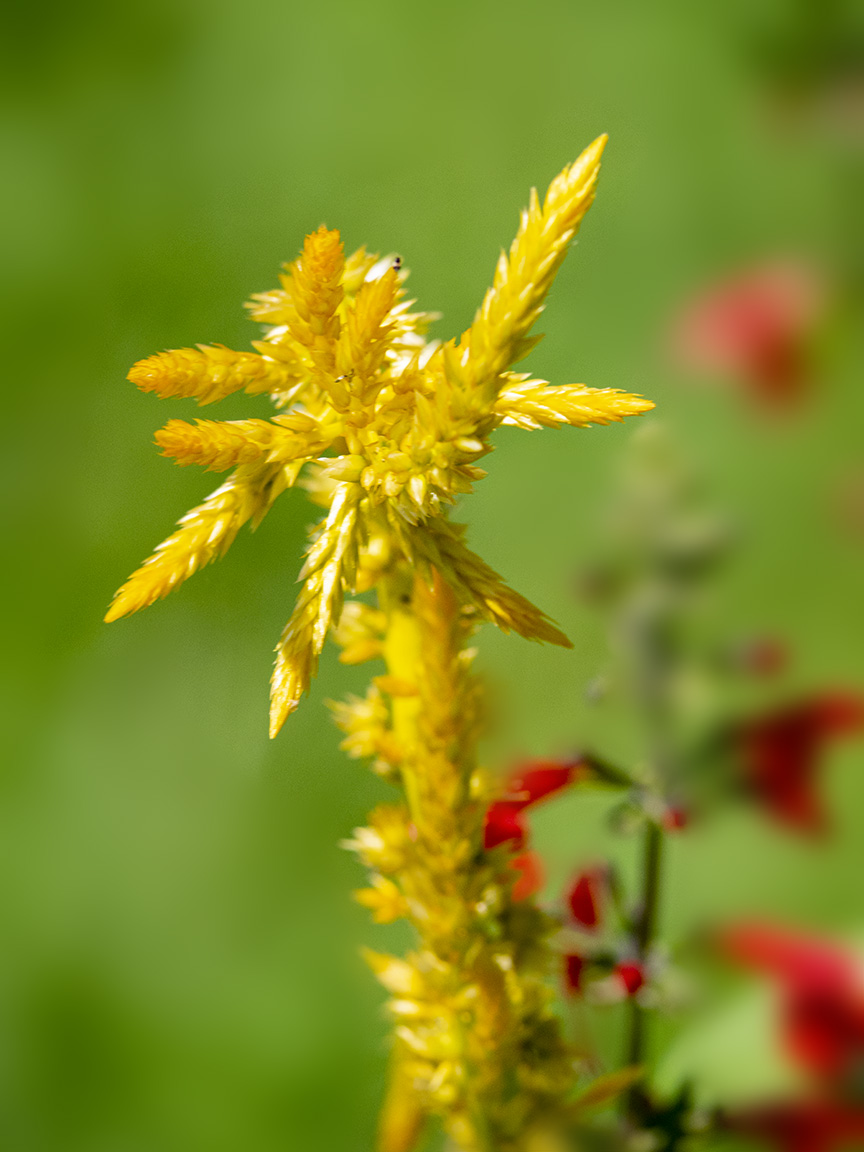
Image @ 300mm, f/8, m43 format

Image @ 300mm, f/8, m43 format
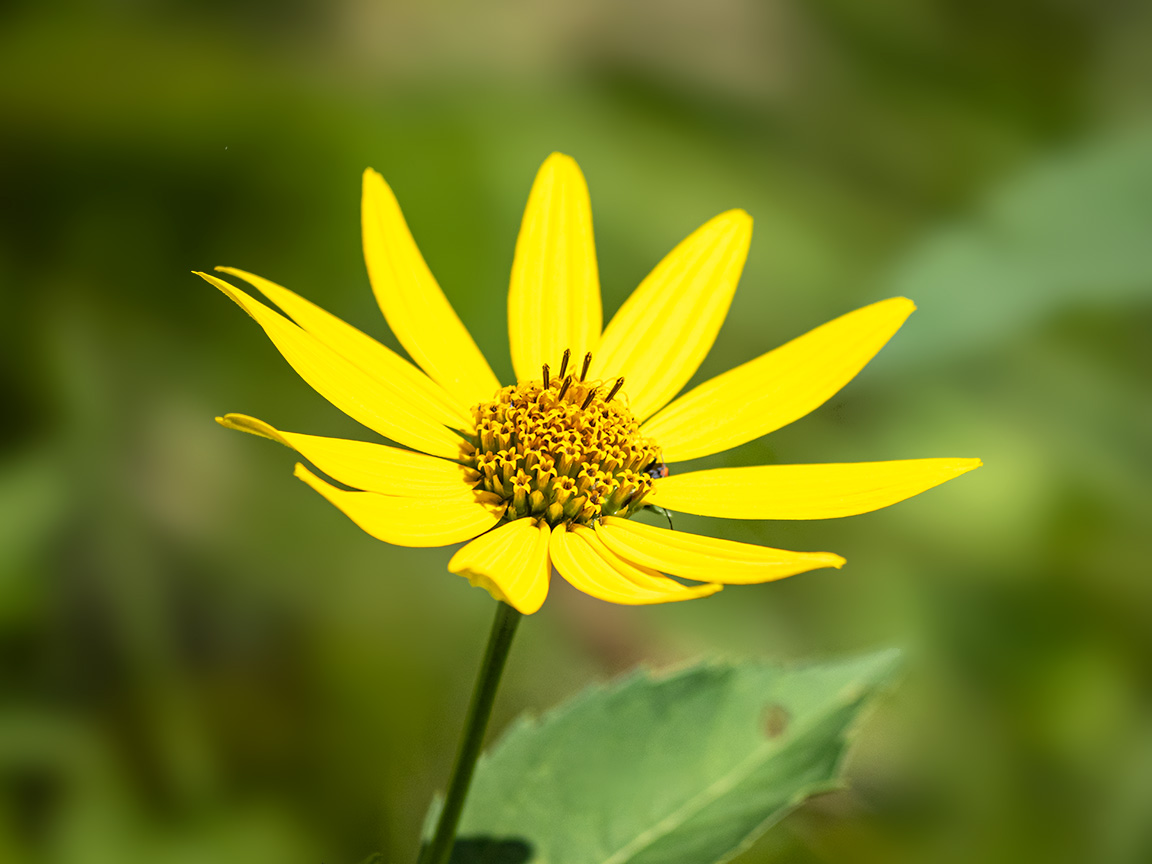
Image @ 300mm, f/8, m43 format

Hornet On Plant, 300mm, f/8, m43 format
Eastern Tiger Swallowtail Butterfly @ 960mm
Posted on August 11, 2020

Here are a few images of an Eastern Tiger Swallowtail Butterfly from our visit to Davidsons Mill Pond Park. The featured image is a single image shot with a Canon 300mm f/4 lens with a 2x teleconverter on a Canon 7D @ f/11. Image below was a Blend of 2 stacked images, blended in Photoshop with a soft edge on the seam. Field of View equivalent with the Canon 7D (1.6x crop camera) 300mm f/4 lens, Canon 2x teleconverter ~ 960mm. When using a 2x teleconverter your lens wide open will be @ f/8, not f/4 because you loose 2 stops of light with the 2x teleconverter. So I usually stop down at least 1 additional f/stop to help with sharpness because of the added teleconverter. 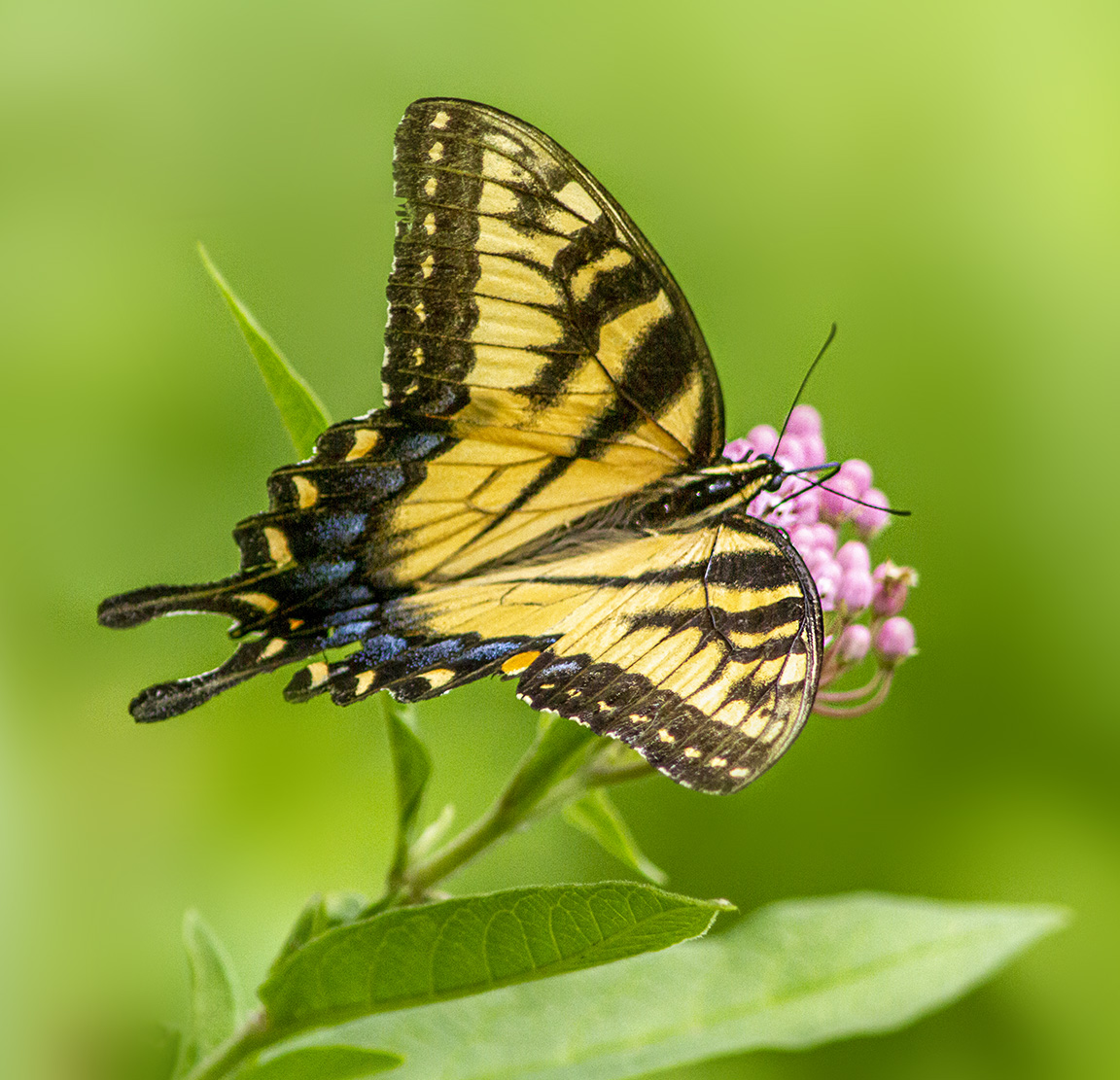
More Focus Stacked Raindrop Images
Posted on May 11, 2020

I am still going through images from past shoots. This is another series of closeup raindrops, focus stacked from front drops to further back in the bush they were on. I was using an Olympus m43 body with an old 200mm Canon FD manual focus macro lens with a m43 adapter. This gives me a FOV (field of view) equivalent to 400mm on a Full Frame Digital Camera. I usually start from the front in focus and then do a series of focus points going back to where I want to end. The featured image is 11 images @ f/8. I load all into layers in Photoshop, then let Photoshop blend all the sharpest areas into one file.
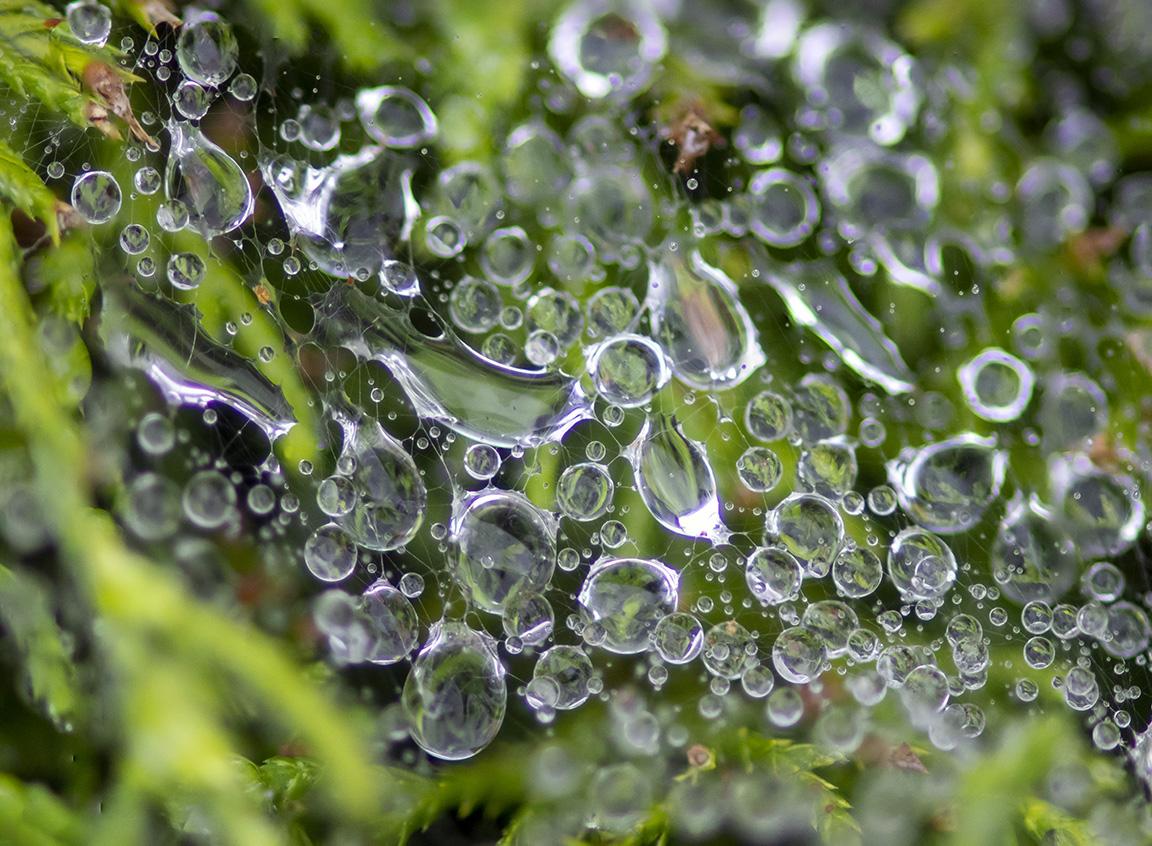
Closer up -7 Image Focus stack- concentrating on center area drops. 200mm Canon FD lens adapted to Olympus OM D camera
Macro Sampler
Posted on April 11, 2020
WARNING _ LONG POST!!
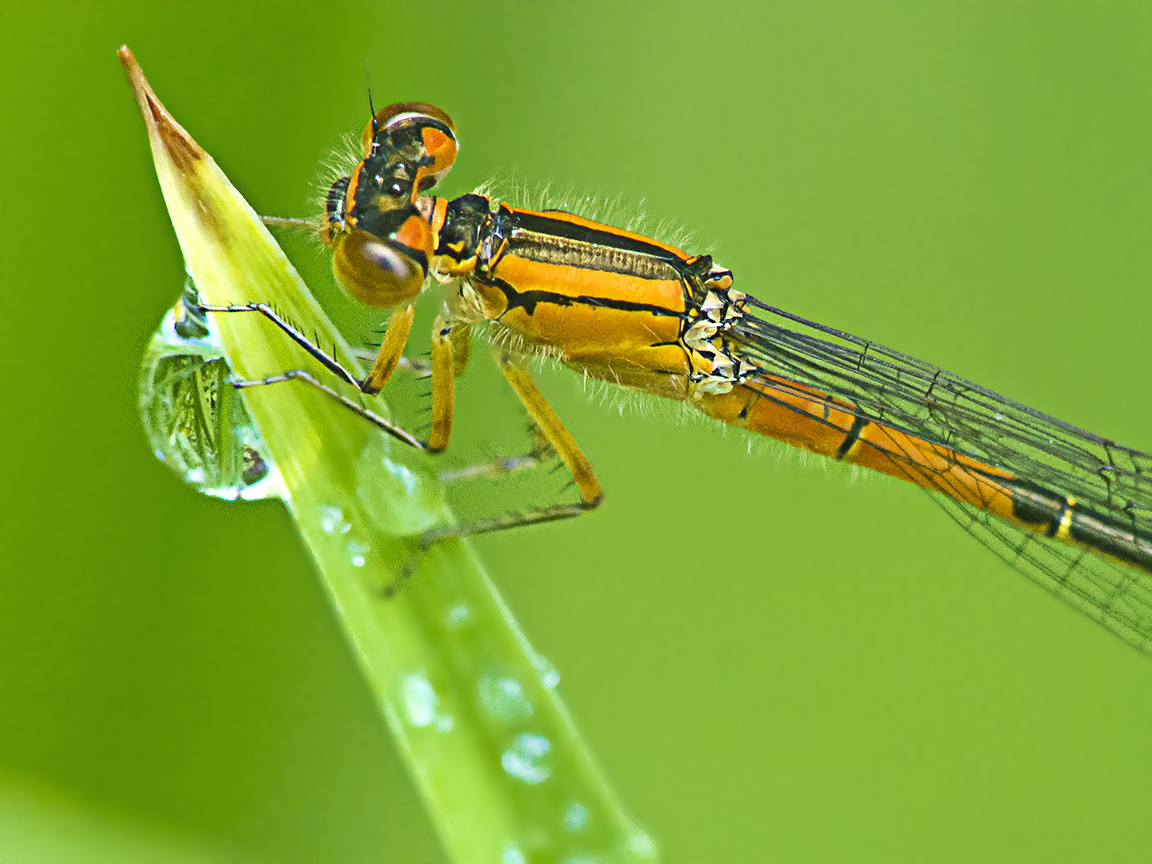
Being we are not supposed to be out and about, especially here in NJ, I thought these images would give some an inspiration to see what you can find interesting to photograph in their own yards or close to home. You can post yours so we can see what is happening in others areas. They closed all the Parks and other outdoor spaces here and limit travel basically only for food & essentials. They are even limiting the amount of people in the stores. So here are some macro images I have taken in my own yards over the years with different types of cameras and lenses. I tend to use a variety of cameras, lenses & different types of m43 and Canon Cameras. Many times for macro images I adapt older Canon FD manual focus lenses on my m43 Panasonic or Olympus Cameras. Doing this I get an approximate FOV of 2X on these manual focus lenses plus get a longer working distance to my subjects and with increased depth of field (in simple terms). It is fun to see what you can come up with. The featured Damselfly image is taken with a Canon FD 200mm f/4 macro lens on a m43 camera. My most used FD macro is the 200mm because it gives me a longer working distance to my subjects. The following sampler of macro images are with both m43 Cameras and Full Frame Canon Cameras for an interesting Macro Mix.
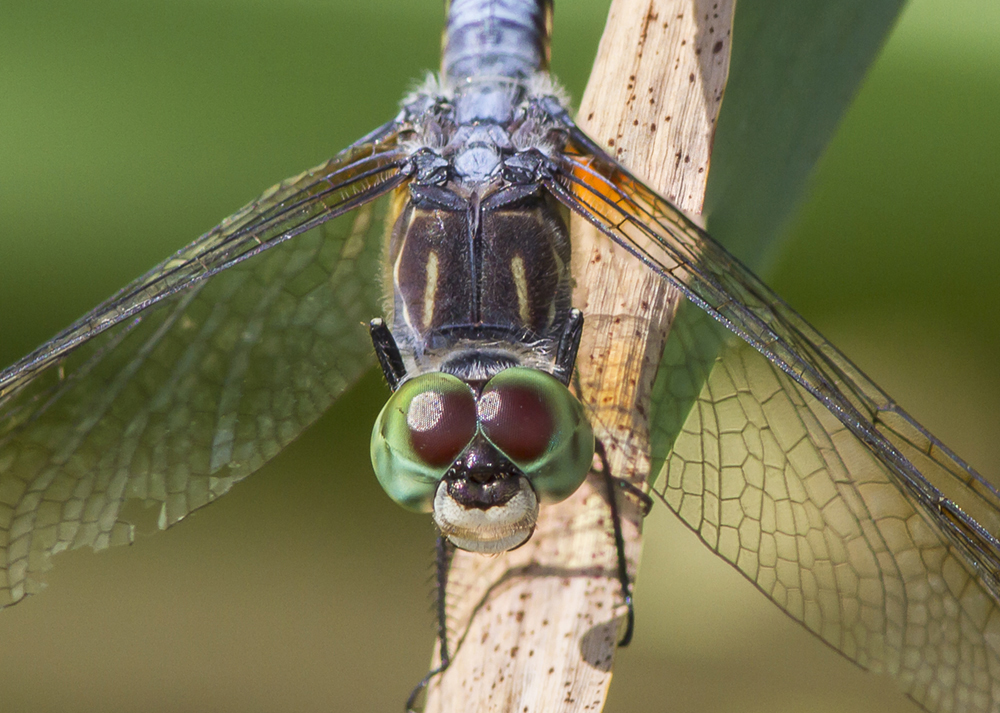
Blue Dasher Head Shot – 200mm Canon FD Macro on m43 Camera (Full Frame Equivalent View – FOV ~400mm)

Praying Mantis Portrait – 150mm Macro Canon R

Eastern Pondhawk – 200mm Canon FD lens on m43 Camera (Full Frame FOV ~400mm)
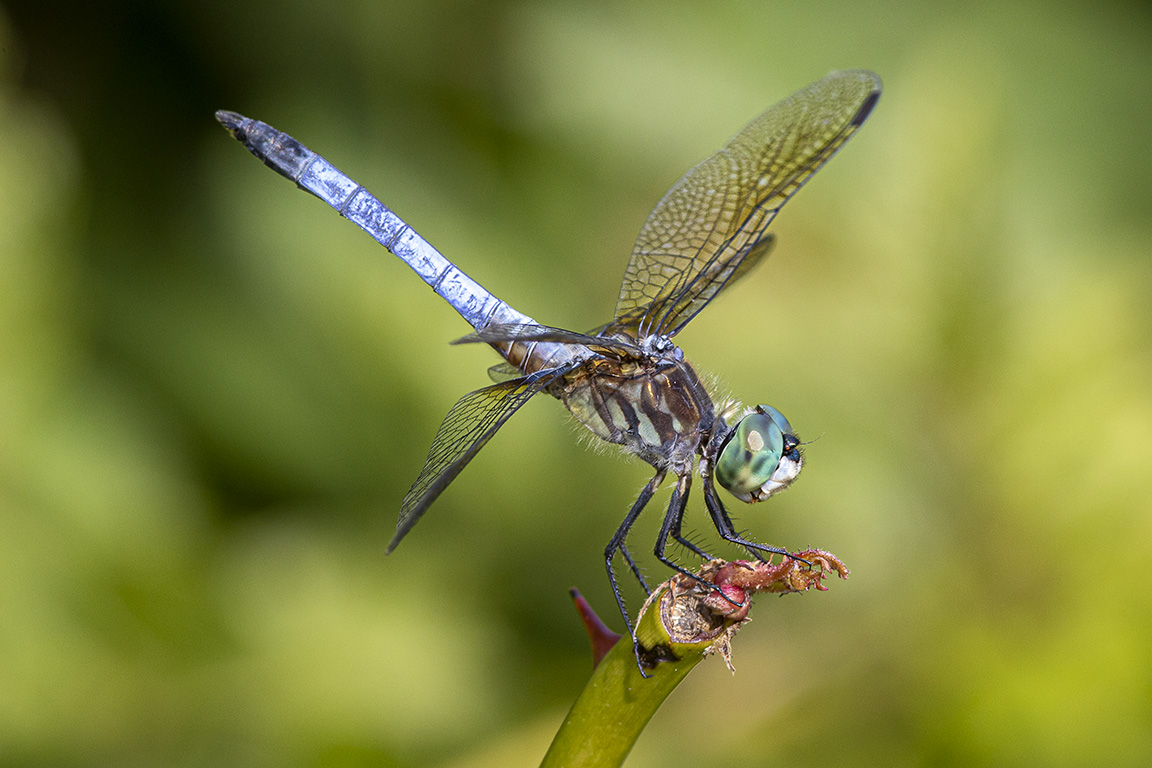
Blue Dasher, Male – 300mm Canon EF lens with 1.4X Teleconverter

Water Drop Panorama – 2 images, 200mm Canon f/4 FD Lens, m43 Camera

Water Drops After Rain – 3 image Panorama, 200mm Canon FD lens – Panasonic m43 body
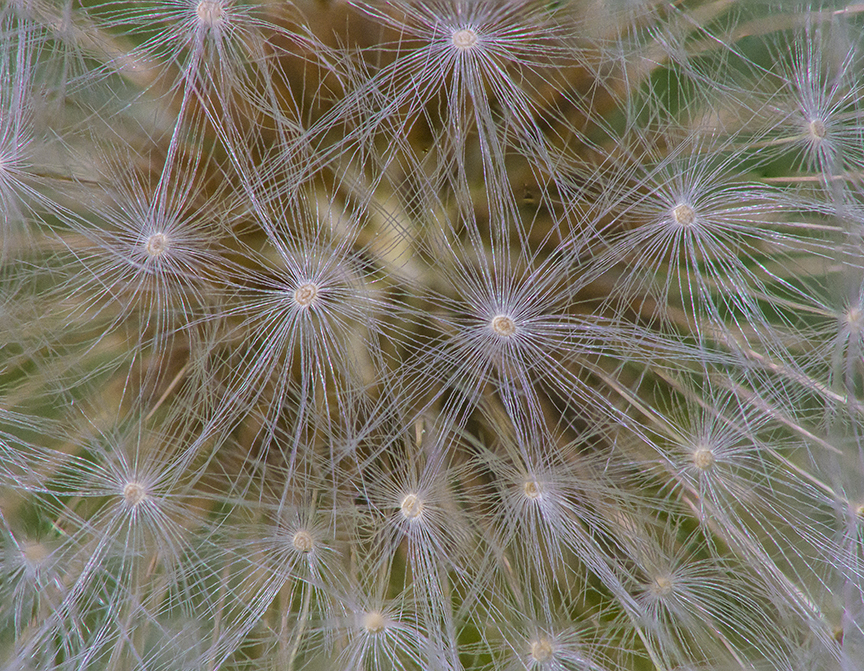
6 image Focus Stack & Pano – 200mm f/4 FD Canon Lens on Panasonic m43 Body

Dandelion 7 image Pano & Image Stack, 200mm Canon FD lens, Panasonic m43 body
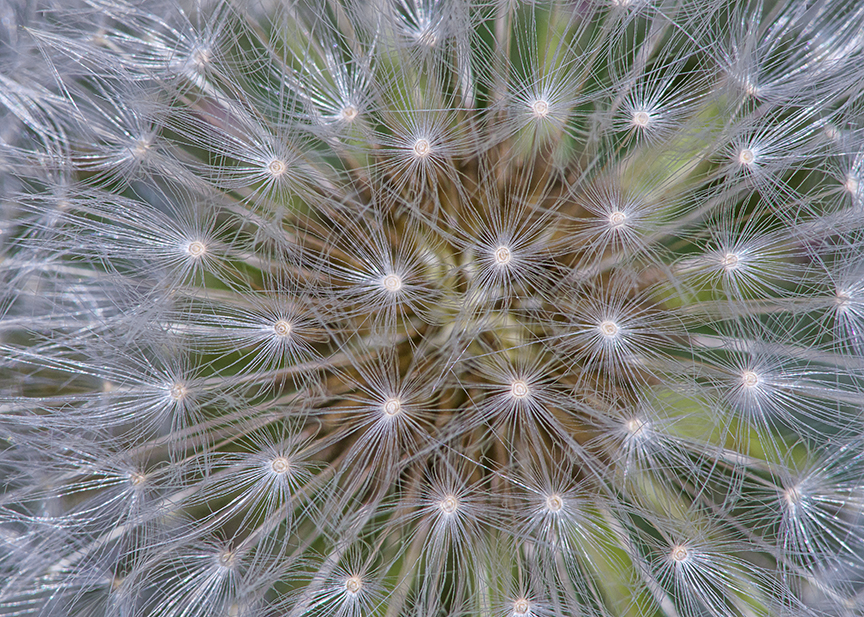
Dandelion 5 image Image Stack for more Depth of Field, 200mm Canon FD lens, Panasonic m43 body

6 image, 200mm Canon FD macro, Panasonic m43 Body

1 shot, Canon FD 200mm Macro, Water Drop, Panasonic m43 Body
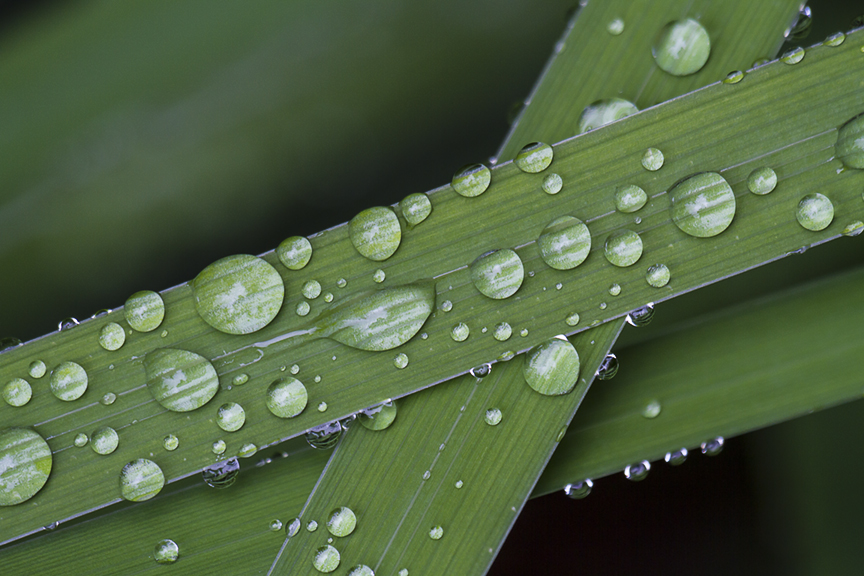
200mm, Single Image – Aligned camera so I was shooting straight in to subject eliminating the need for stacking multiple images.

Water Drops – Single Image

Female Blue Dasher Head Shot – 100mm Canon FD macro lens

Damselfly – 200mm FD Canon Macro lens

Flower detail – 200mm Macro lens, Panasonic m43 Camera
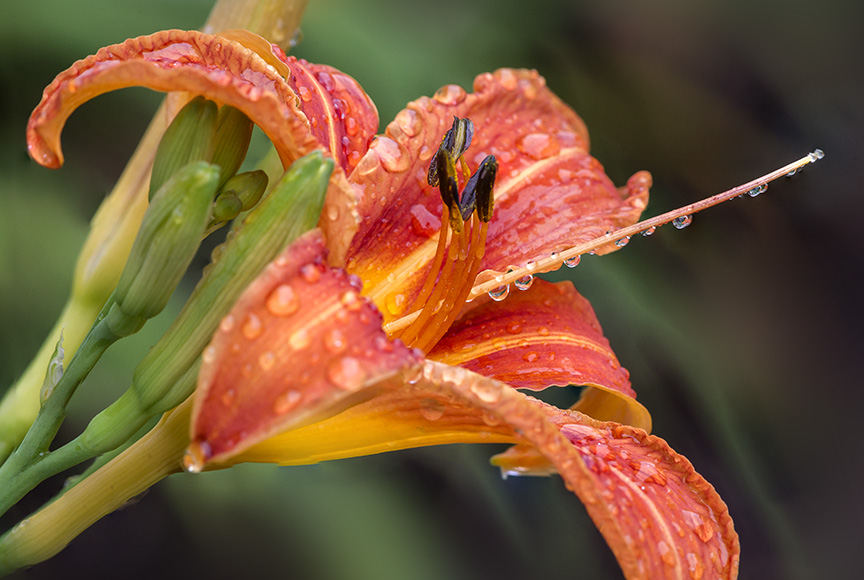
Day Lily After Rain – FD 200mm, m43 Camera
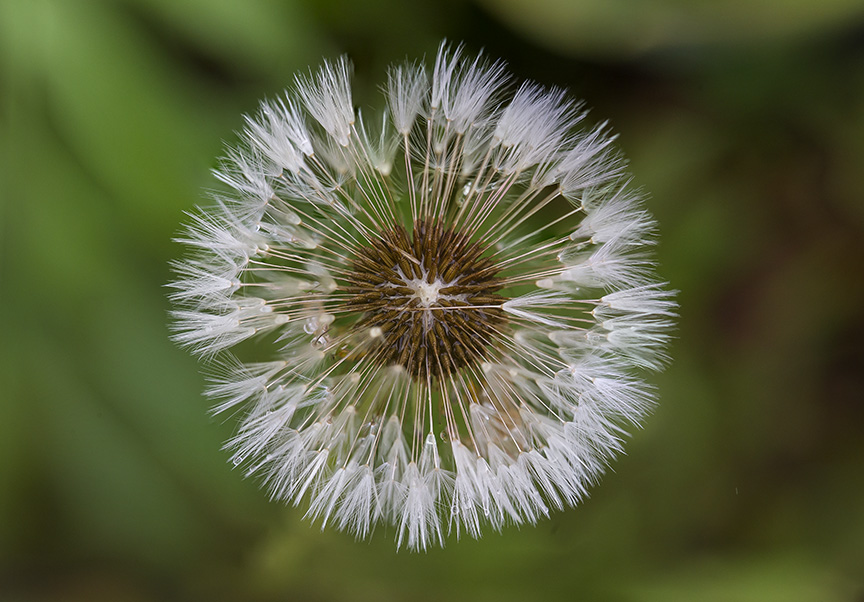
4-images stacked in CC Photoshop, 150mm macro @ f/8
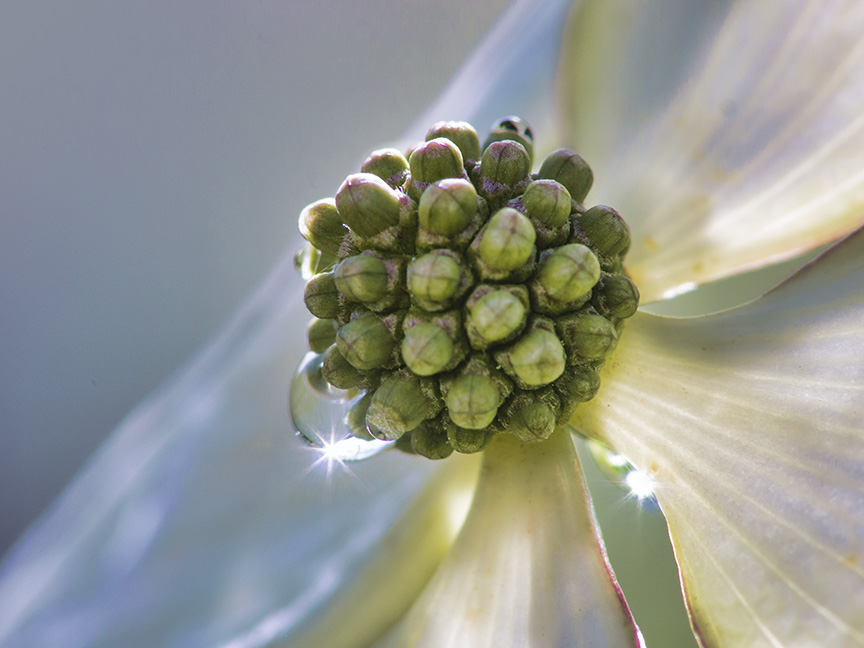
Starburst on bud, 200mm FD on m43 Panasonic Camera
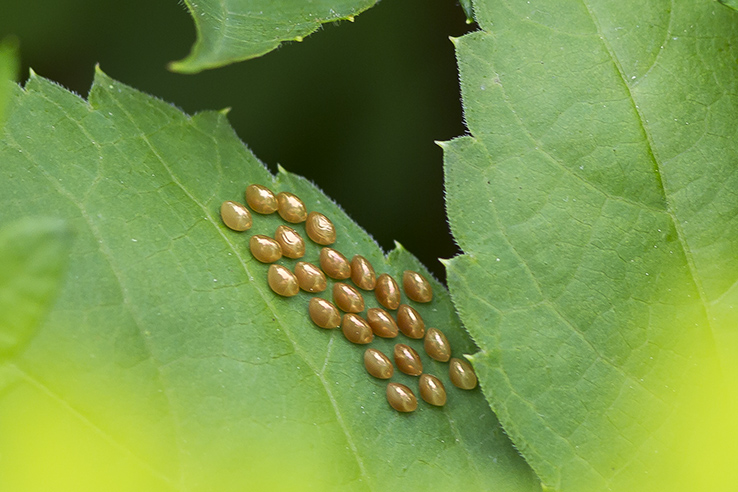
Milkweed bug eggs on leaf – Panasonic m43
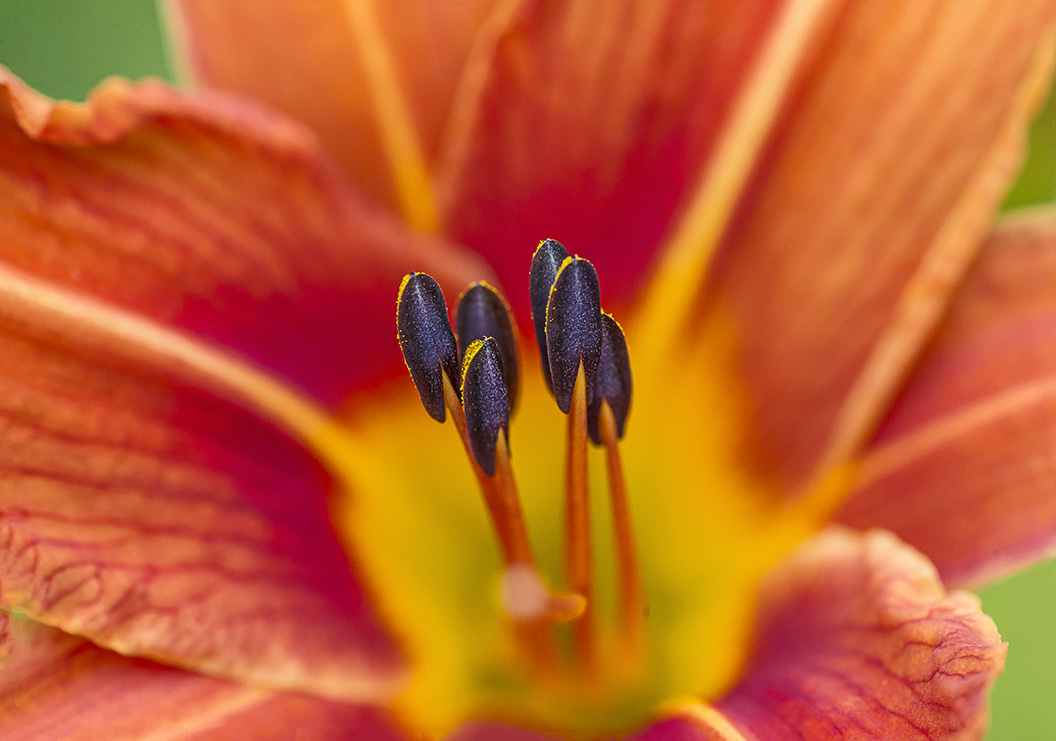
Day Lily Stamen v1 – Short Stack (2 images) for softer background
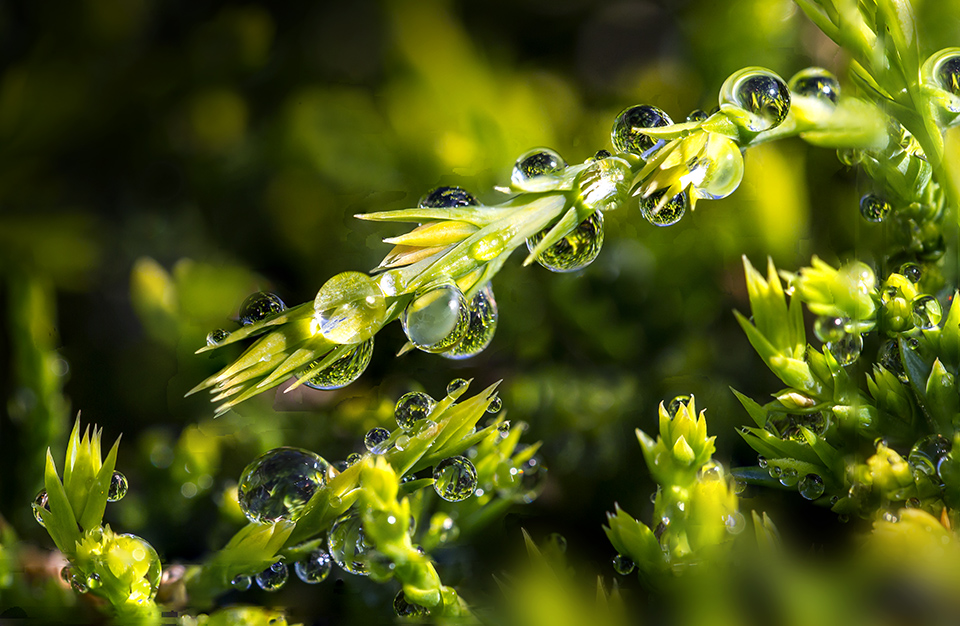
Water Drops after the Rain – 10 images @200mm m43 Olympus Camera

3 image Short Stack – @200mm m43 Olympus Camera
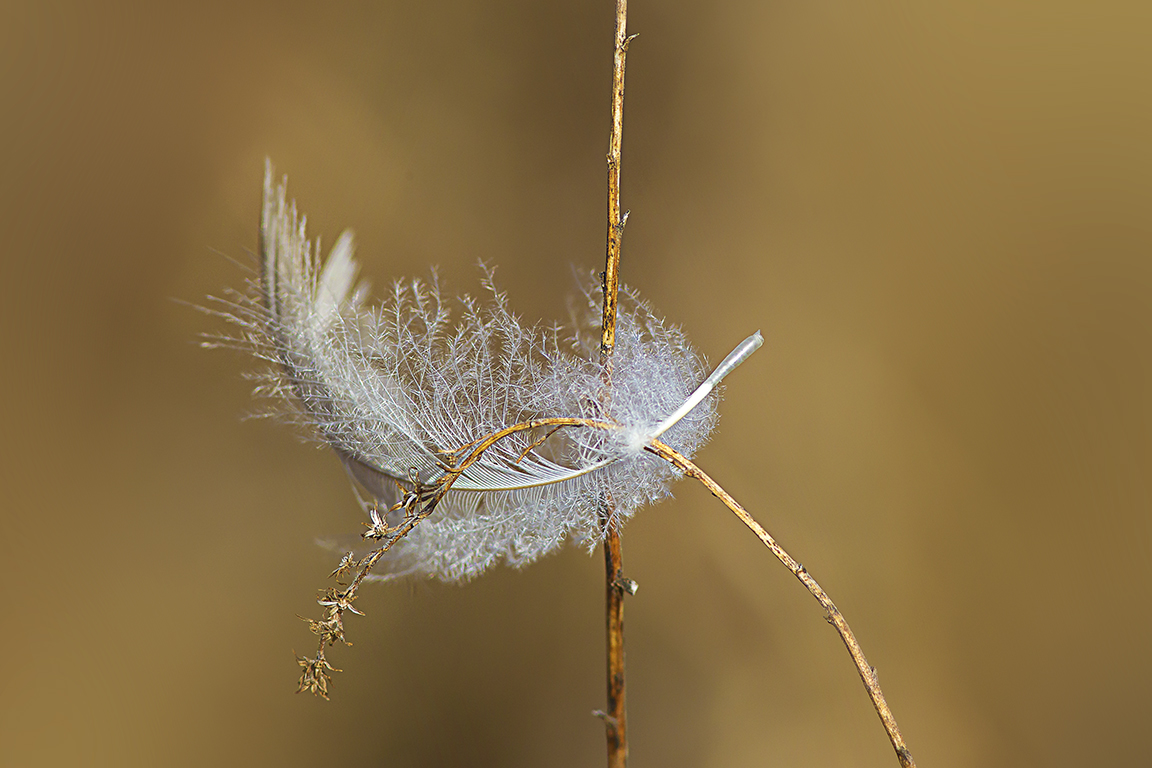
Single Shot – 200mm @ f/4 for Softer Background
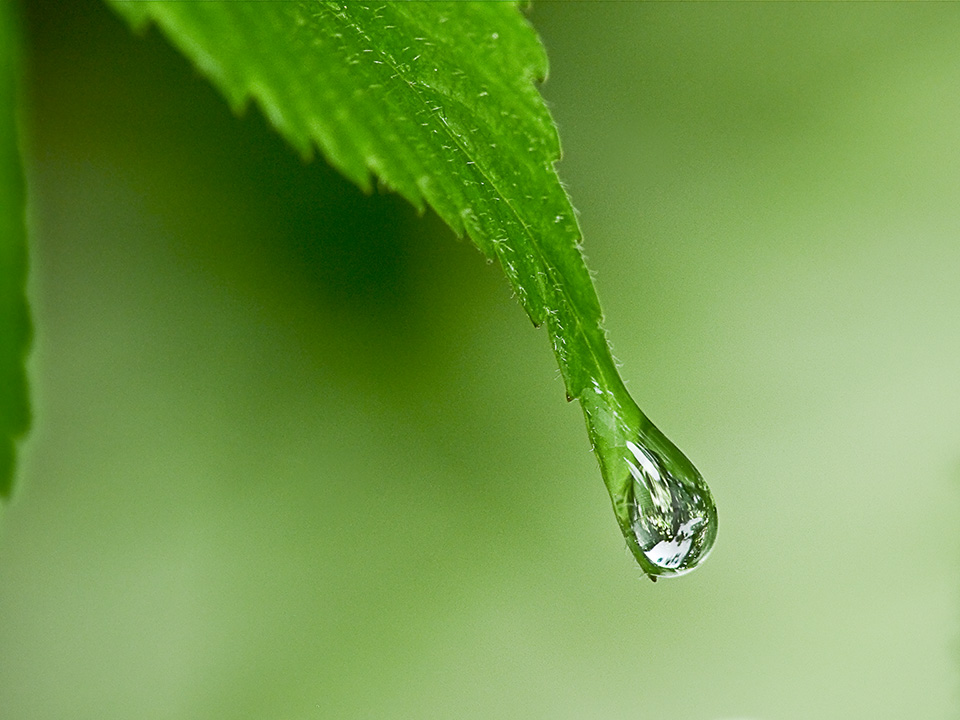
Water Drop On Leaf – 50mm, Panasonic m43 Camera


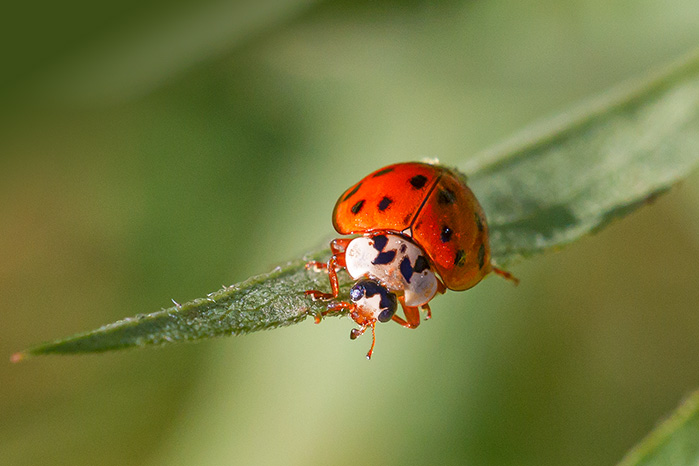
Lady Bug – 100mm macro

Echinacea Multi-image Pano, 200mm FD Macro lens, Panasonic m43 Camera
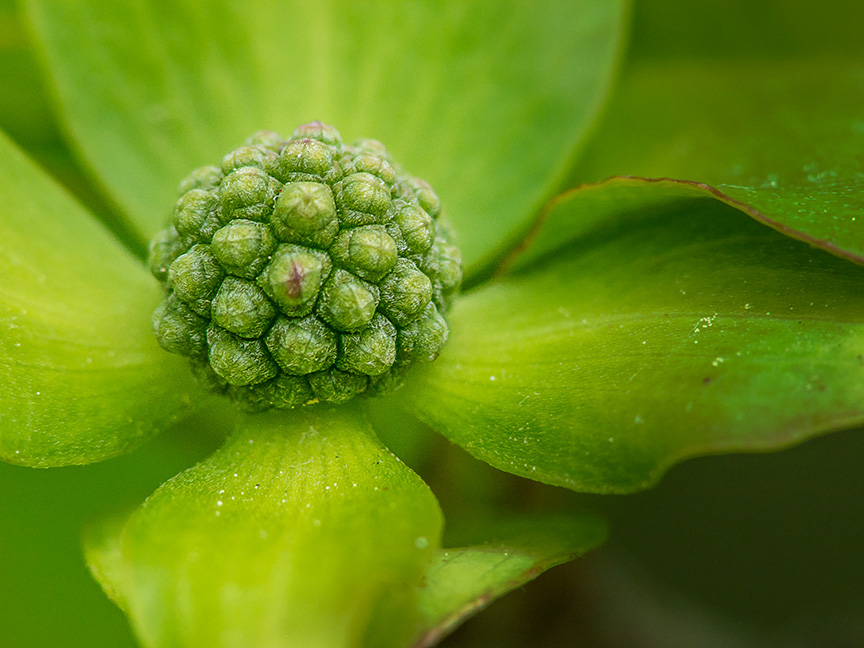
Korean Dogwood – 200mm, m43 Camera

TreeHopper (?) 200mm, Panasonic m43 Camera
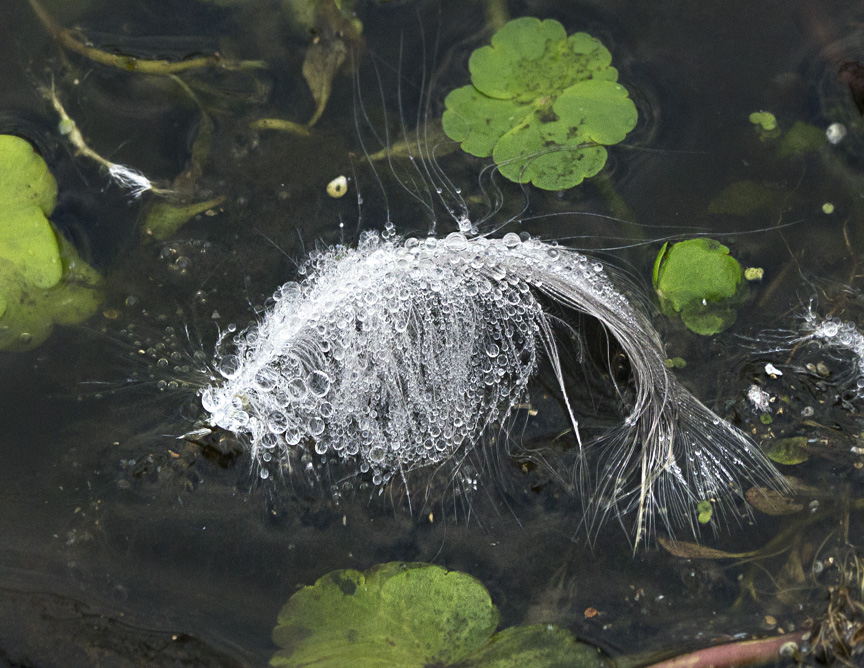
200mm macro, RainDrops on Feather (looks like a fish) Panasonic GH2

Multi-Image Zinnia Image, 200mm m43

Teneral Eastern Forktail Damselfly, 200mm Canon FD lens, Panasonic m43 Camera
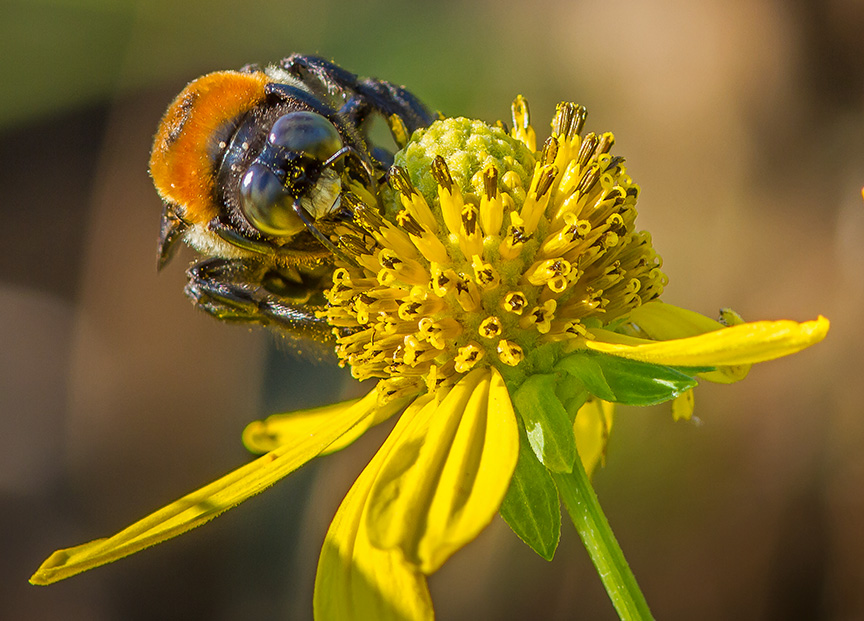
Eastern Carpenter Bee, 200mm FD Lens, Panasonic GH2

Jagged Ambush bug, 200mm FD lens on Panasonic GH2

Rain Drops, Multi-Image Stack, 100mm, Panasonic m43

Lichen on Wood, 200mm, Panasonic m43 Camera

Damselfly, 200mm FD Macro lens, Panasonic GH2
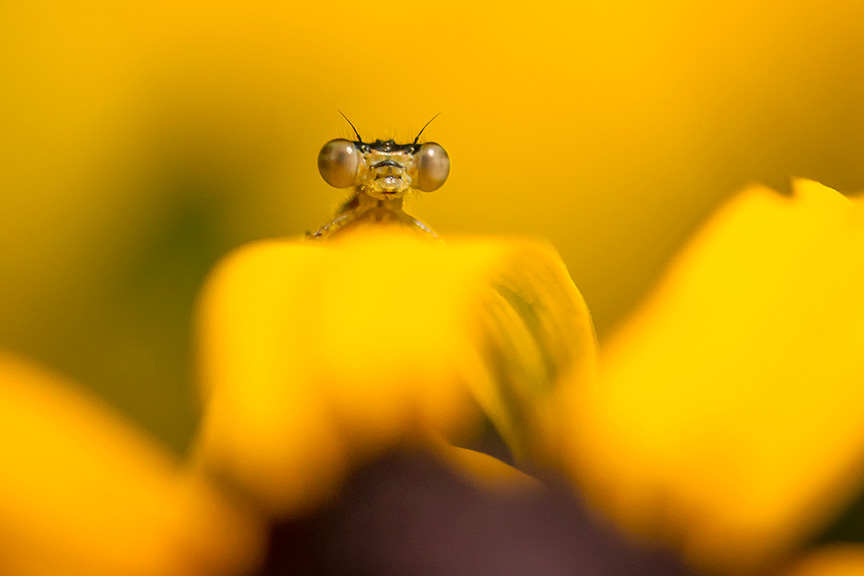
Closer View – Damselfly, 200mm Canon FD macro, Panasonic m43 body

Water Drops on Flower Stamen, 50mm FD macro, Panasonic m43
Great Egret Flying In
Posted on December 17, 2019

The featured image is a Great Egret flying in and landing on the branches that were in the water at a small nature area in Northern NJ. I used to photograph there years ago and since have moved from that area. I was going through images and decided to use these in my blog. As I was working on these images, I liked the reflections in the very still, calm water, giving a smooth mirror image without any small ripples or waves. All images were with a Canon 400mm DO lens.


Later that morning the water started to have a few waves. The Egret stayed for quite a while and seemed content to stay on the branches.
Hoar Frost With iPhone 11 Pro
Posted on December 9, 2019

I went out in the yard early yesterday and noticed a few leaves with frost. As I looked further I saw most of the leaves in the shade and grasses were covered with heavy Hoar Frost and looked interesting. Since I am still getting used to the iPhone 11 Pro, for the multi-image pano series, I shot a few more images than usual to help prevent some distortion. But the sun was starting to melt some as it was rising, so I worked quickly to get some of the more interesting subjects. The featured image is 5 overlapping images (2 top, 2 bottom & 1 center) with the 4.3mm lens on my iPhone 11 Pro, then assembled and blended them in Photoshop. For the featured image, I overlapped more than usual since I am still getting use to the iPhone 11 Pro for panos since the lenses are so small. (Sometimes in using the iPhone pano feature, you get distortion or a “warping” look in the panorama). So most times I shoot a series of images to assemble myself in Photoshop. The lenses in the 11 Pro are 1.5mm ( 13mm, Full Frame Digital Equivalent is 13mm), 4.3mm ( 26mm equivalent, Full Frame Digital), and 6mm ( 52mm equivalent, Full Frame Digital).
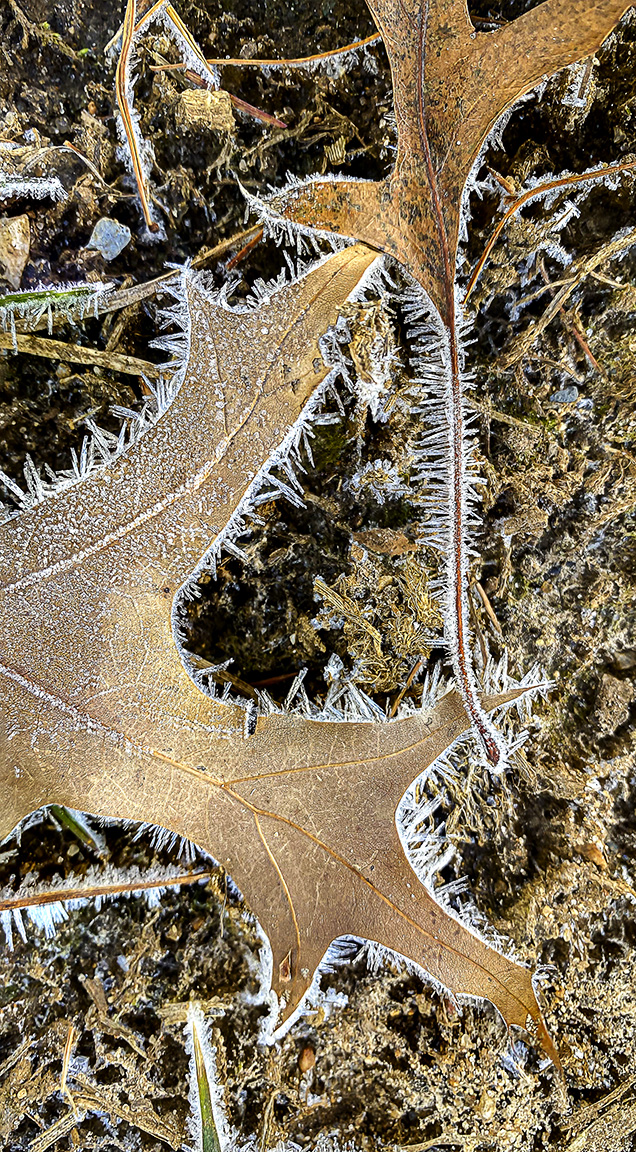
2 image panorama, iPhone 11 Pro, 4.3mm lens, iPhone set to 16 x 9 format.
The following images are just single shots (except where noted) with the iPhone set to 16×9 capture format.


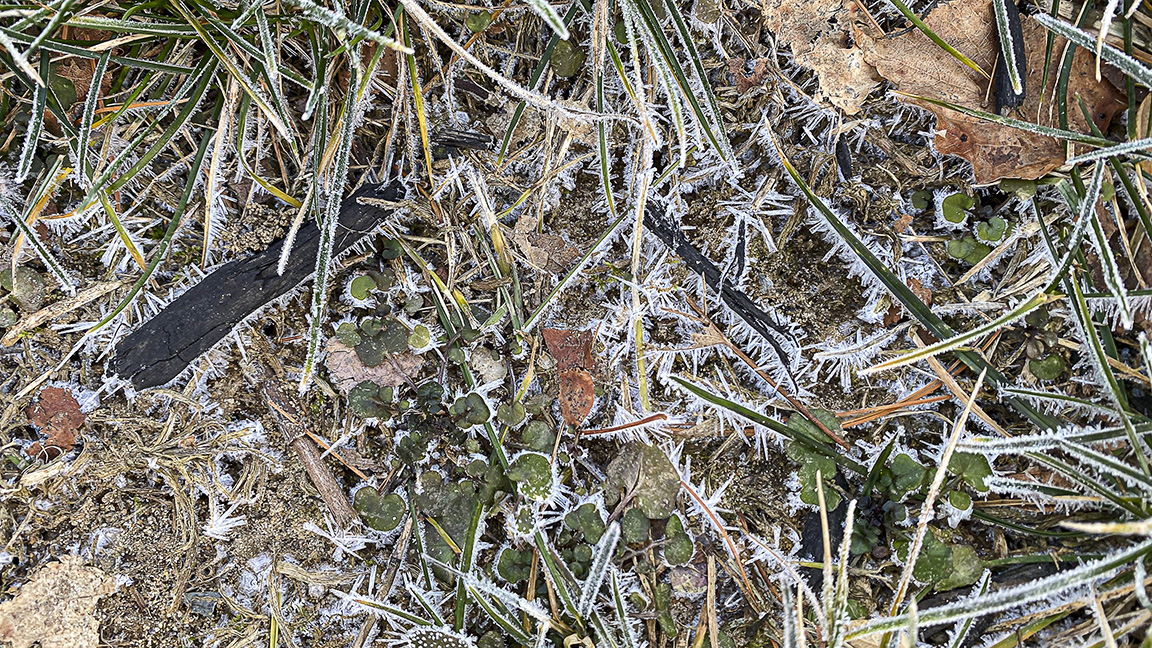
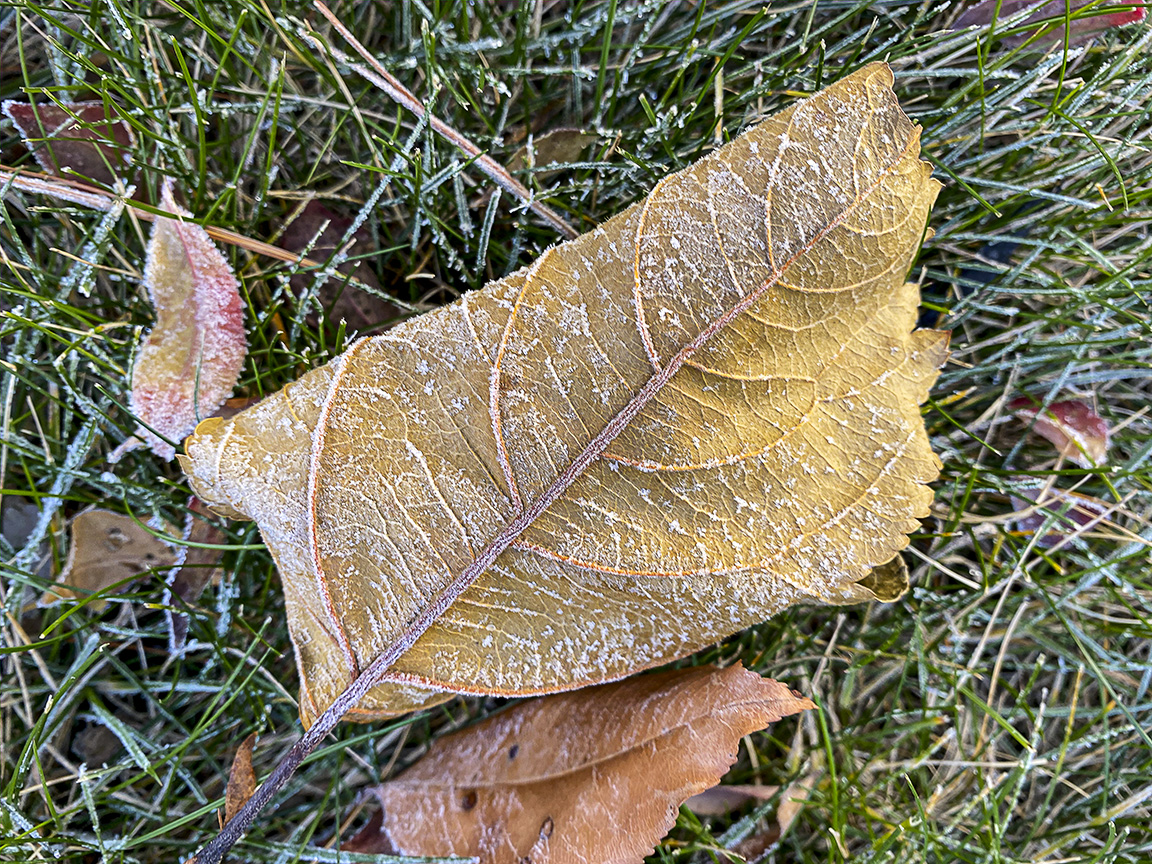

2 Image panorama 4.3mm lens, to show more of the leaf and surrounding area with Hoar Frost.

Hoar Frost on Leaves, 4.3 mm lens, 16×9 iPhone format, single image of above image.
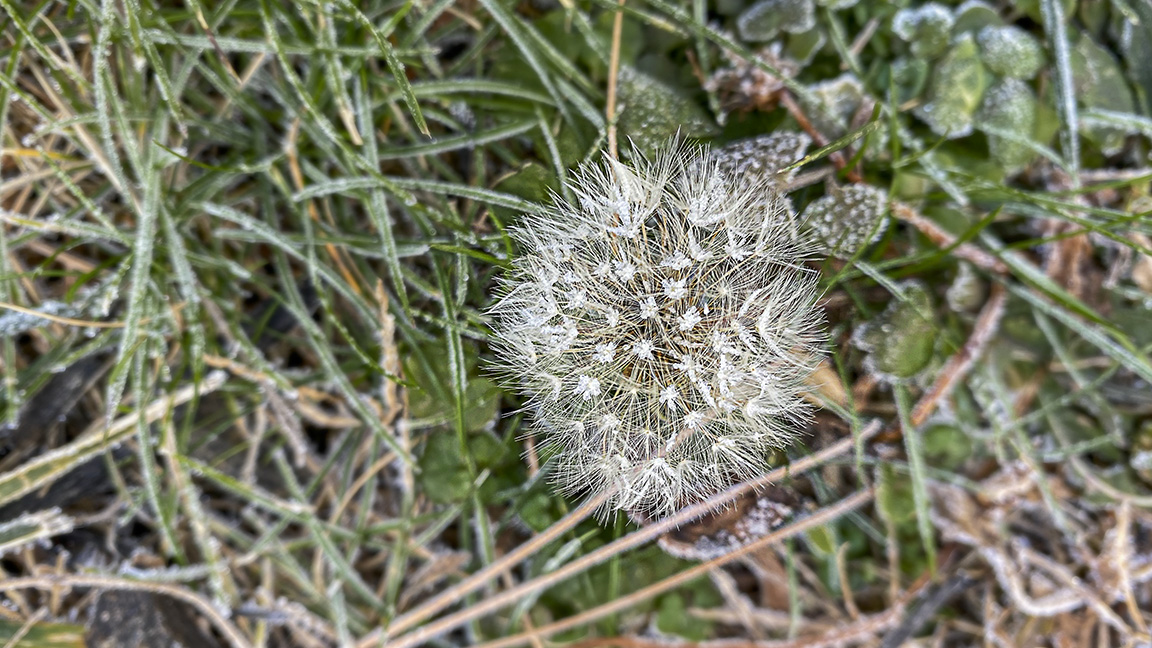
Hoar Frost on Dandelion, 4.3 mm, iPhone 11 Pro, 16×9 format. (It was quite warm one day last week and a dandelion popped up.)

Hoar Frost on Leaf, 4.3mm, iPhone 11 Pro, 16×9 format
Blackwater NWR Snow Geese Sunset Fly By
Posted on February 6, 2019
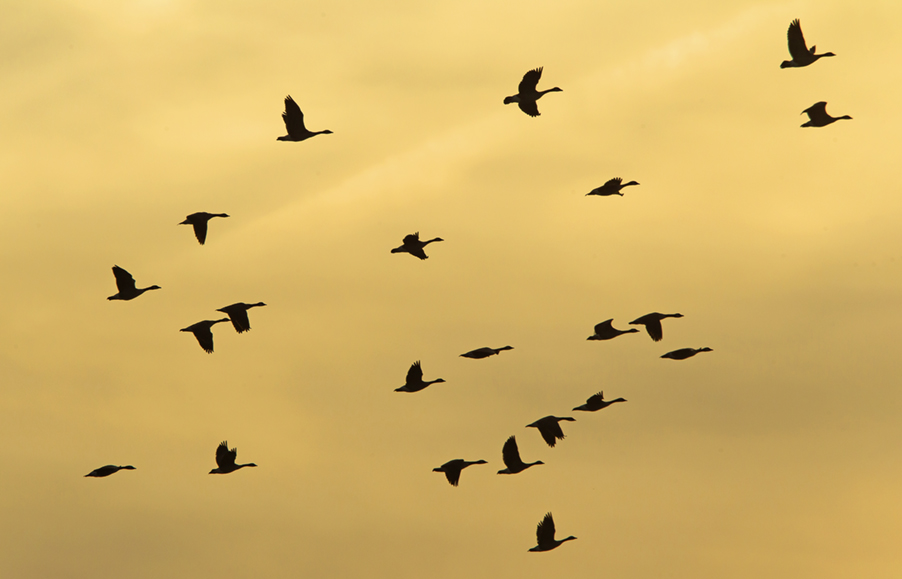
As we were starting to go towards the end of the Wildlife Drive at the Blackwater NWR to wait to photograph some sunset images, we noticed a flock of Snow Geese flying through the colorful sky. I shot a few shots as they flew off and then moved on to setup for the end of the Wildlife Drive colorful sunset.
Plant Panorama
Posted on June 20, 2018

I liked the shape and curves of this plant. But I wanted a clean background, so I used a long lens but shot wide open so I had a soft clean green background. Also 3 overlapping images which I then assembled in Photoshop. I did not want to back up and get it in one shot because then I would also have more depth of field which means more background detail which I did not want. The closer you get with a long lens, the smoother the background when you shoot with the aperture wide open. I liked the curves and details on the plant and the arched shape. Shot with a close focusing 300mm lens @ f/4.
Davidson’s Mill Pond Park HDR Vertical Panorama
Posted on January 20, 2018
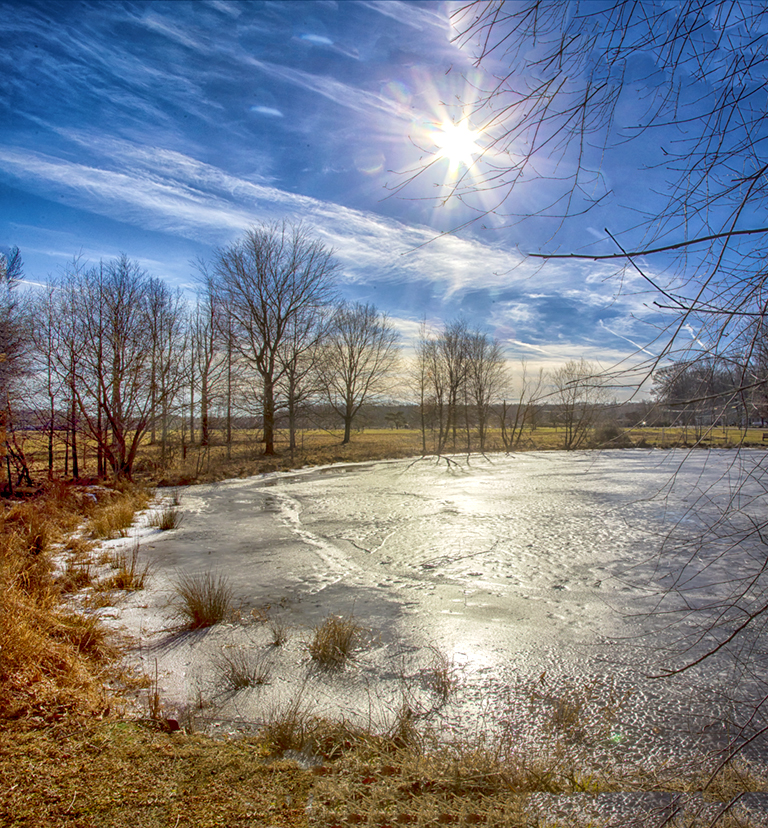
We were going to go to a National Wildlife Refuge today but were not sure if it would be open because of the Government Shutdown. So we went to a local County Park to take a walk. It got up to 55 degrees here in NJ after weeks of very very cold weather, sometimes in single digits.
I did not find a lot of photo subjects, but by a smaller pond, the sun was high in the sky reflecting in the ice covering the pond. I thought it would be fun to try an HDR bracketed series of both exposures and images for the pano. I liked the reflections on the ice in the pond and stopped down to f/16 to get a nice starburst on the sun. Shooting multiple images vertically and horizontally with overlaps for both the panorama and Shutter speeds for the HDR effect.
Images shot @ 24mm, f/16, bracketed series of different shutter speeds for the HDR effect and series of compositions for the panorama.
 photoartflight