 photoartflight
Day Lily Stamen Image Stack
Posted on June 22, 2017

The Day Lily’s were blooming in our garden, so I wanted to do some closeup image stacks for practice. Usually I use a 50mm or 100mm macro lens, but I wanted a little more distance to concentrate on the stamens. It was a cloudy day so it was as if I was using a giant soft box so there were no harsh shadows to deal with. I used a 150mm macro to help concentrate on the stamens and still give me the working distance I wanted. This was a 6 image stack, focused pretty much just on the stamens. I did not want the whole flower in sharp focus, so I concentrated my focus stack only anthers on the end of the stamens. Again combined and assembled in Photoshop. Each Lily has 6 stamens attached at the base of the petals, and each stamen has a stalk called the filament that ends with a two-lobbed anther filled with yellow dust like yellow pollen.
Rain Drop Image Stacking
Posted on May 16, 2017

Over the Weekend we had multiple series of rain storms, some with heavy rain. It would rain, then the sun would come out, then it would rain again, multiple times over. I went out in the yard during a sunny session in between, to look for rain drops. I was using a Sigma 150mm f/2.8 macro but did not have a tripod at home. So I tried multiple series of images, for handheld image stacking. Trying to be as steady as possible, I shot multiple series on a variety of groupings of water drops. These range from 3 image stacks up to 19 image stacks per image. Being hand held, it was hard to focus in a series of focus points without moving the frame somewhat. Actually, some I moved quite a bit. The newer versions of Photoshop CC seem to do a really great job of aligning and assembling images. And then filling some areas with content-aware fill to give a finished image. They would have been better if I used a tripod, but overall I am pleased with what I did get.
The Featured Image is a 10 shot handheld image stack.
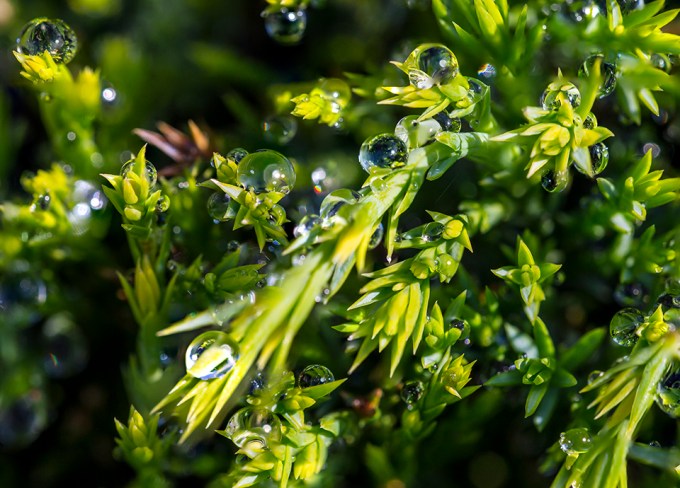
7 image stack
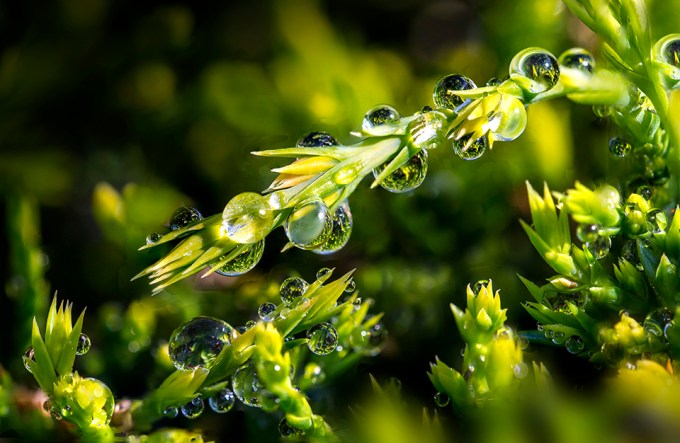
10 image stack

10 image stack
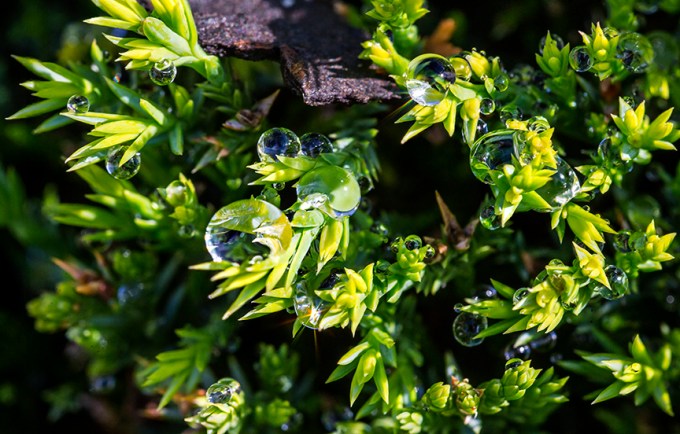
8 image stack
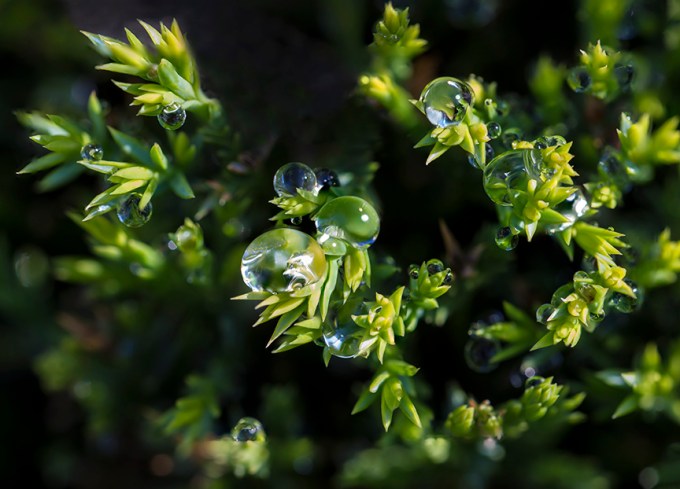
7 image stack

18 image stack
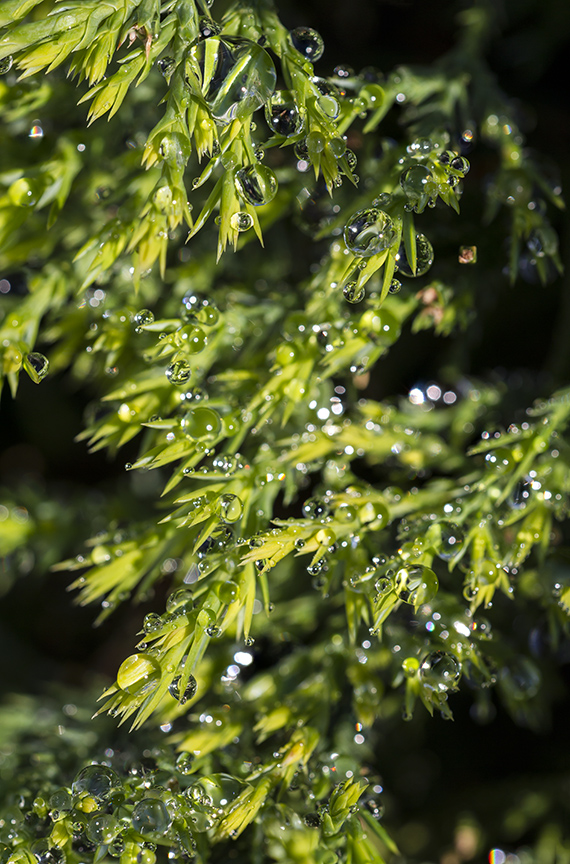
3 image stack
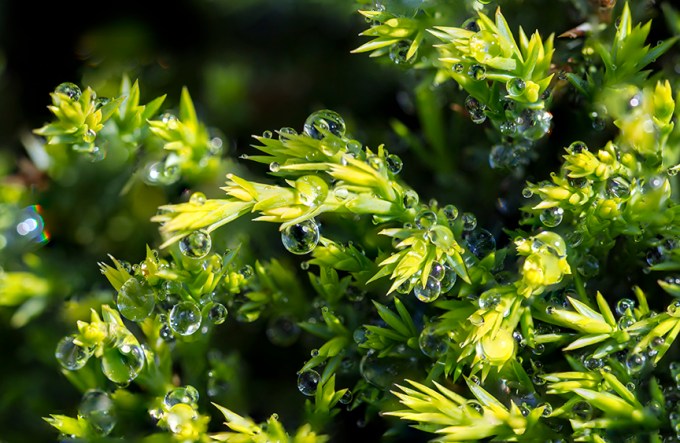
11 image stack
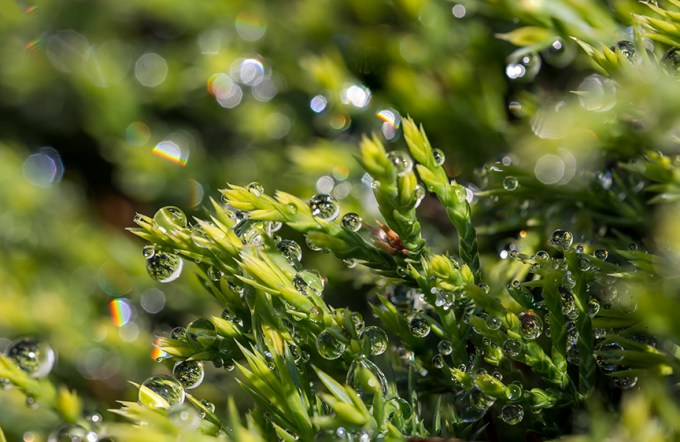
19 image stack
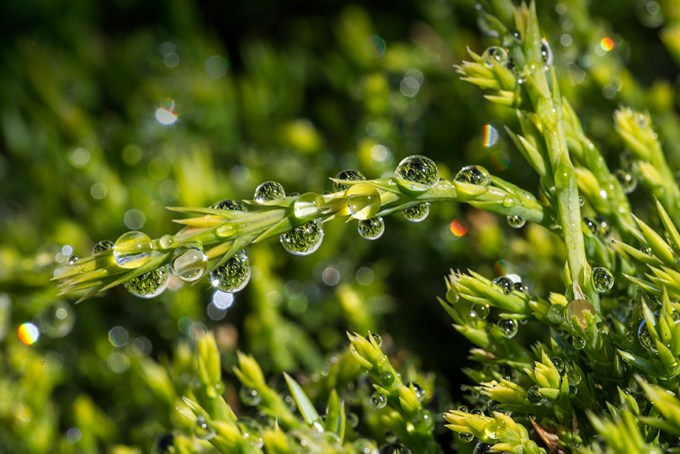
3 image stack

3 image stack
Brigantine Division Winter Landscape
Posted on February 6, 2017

This is a 7 shot handheld panorama from the Wildlife Drive at the Edwin B. Forsythe National Wildlife Refuge in Oceanville NJ. The sun came out and the heavy cloud cover disappeared to give us a nice blue sky with fluffy clouds. Since there was not a lot of activity with birds closely, I switched to a 12-24mm lens, shooting a series of shots for a variety on panoramas. The featured image was shot at 12mm shooting out towards the North Pool. I am still getting use to Photoshop cc 2017 for panoramas. Sometimes it seems to do a few strange things to the images. I used to use CS6 Extended which also sometimes did strange things, but I was used to it!
The following are just a few more panoramas. There was not much action for birds, so I switched to landscapes. The clouds and sky were awesome for a while, so I shot quite a few assorted landscapes and panoramas.

3 overlapping vertical shots for a semi horizontal panorama @ 12mm

5 overlapping horizontal shots for a vertical panorama @12mm
Sunset Sanibel Beach
Posted on January 19, 2014

Here is a colorful sunset from our trip to Sanibel, Florida. We spent 5 days on the island between J.N. Ding Darling NWR and the beaches. Even though I like the Colorful Sunset, I think I like the B&W versions more. The image was converted in Nik Silver Efex Pro 2.
Color Image: Canon EOS 1D MkIV, Canon 24-105 L f/4 lens @ 93mm, f/4.5, 1/200 sec, ISO 400, -0.33 Exposure Compensation to saturate the colors slightly.

B&W Conversion in Nik Silver Efex Pro 2
Full Dynamic Smooth with minor tweaks
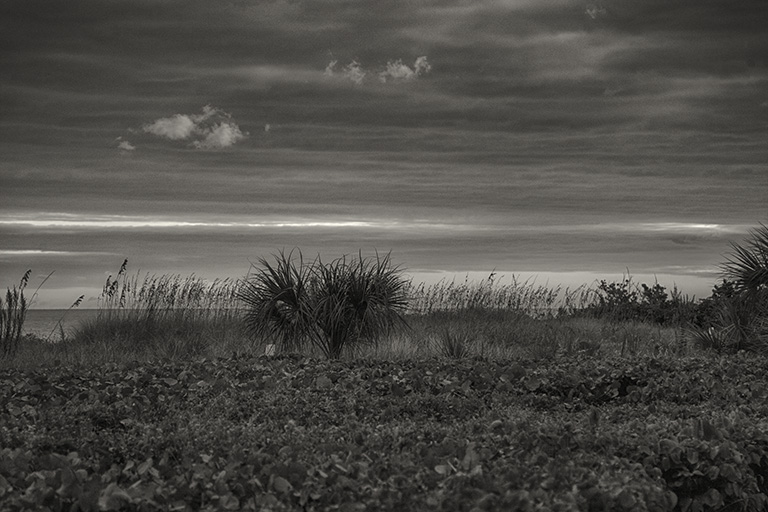
Above settings with Coffee Tint Added
Autumn Mute Swans
Posted on November 10, 2013

2 Mute swans flying into a colorful Autumn background. I liked the formation flying these 2 Mute Swans were keeping as they flew few laps around this small lake. They flew lower for the first go round, then on the second lap they gained a little altitude and flew across the colorful fall background. I thought the pair of white swans contrasted nicely with the reddish leaves and the darker grayish area on the right made it look like a B&W image blending into color as the swans flew into it. This was shot with a Canon EOS 1D MkII with a Canon 100-400mm zoom @ 400mm with a Canon 1.4X teleconverter giving an effective focal length with the 1.3 crop of the camera and 1.4X of the Teleconverter of 728mm @ f/8. I usually stop down a little more when using a teleconverter, but using a lens that was @ f/5.6 and with the Teleconverter making it f/8, I chose an f/stop of f/11 to help sharpen it up a little but still give me a shutter speed fast enough to stop the action of the flying birds.
Roseate Spoonbills at J.N. Ding Darling NWR
Posted on October 24, 2013
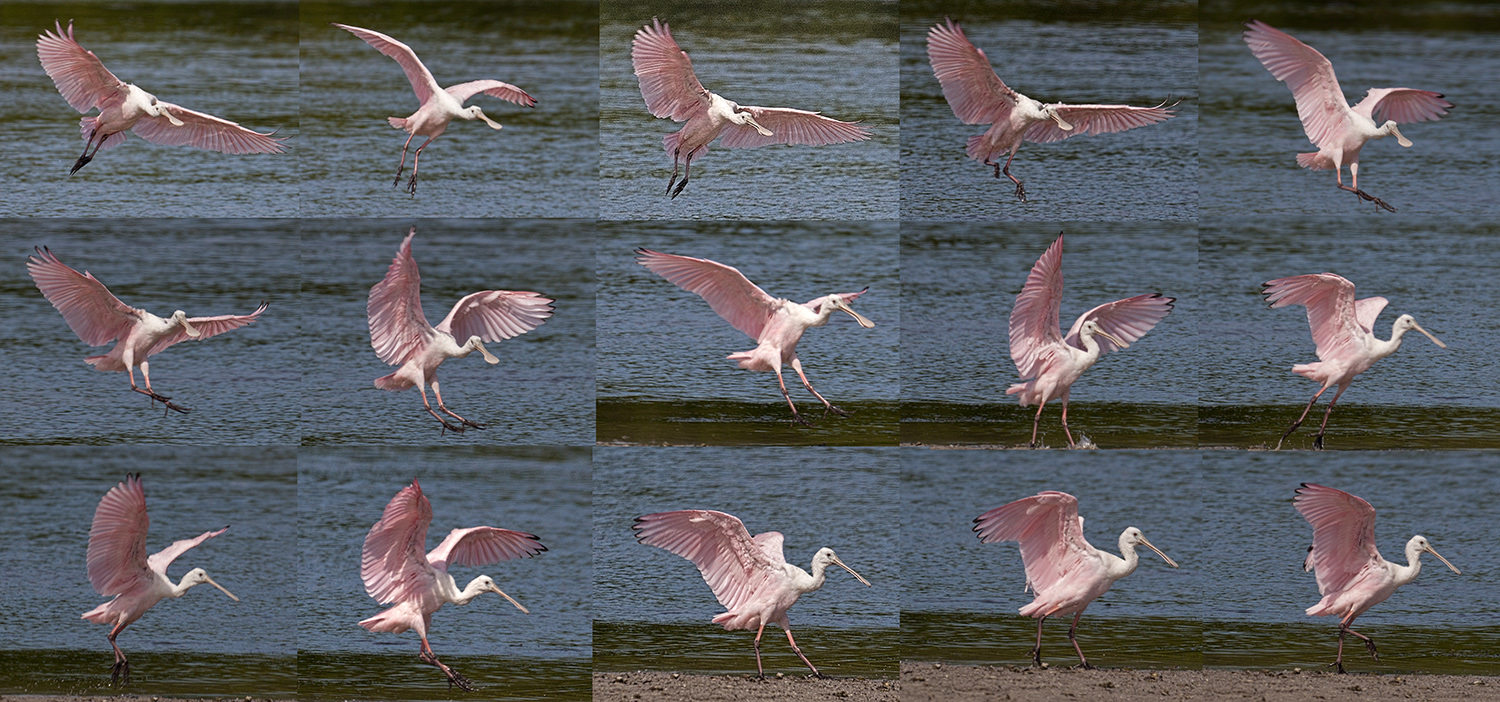
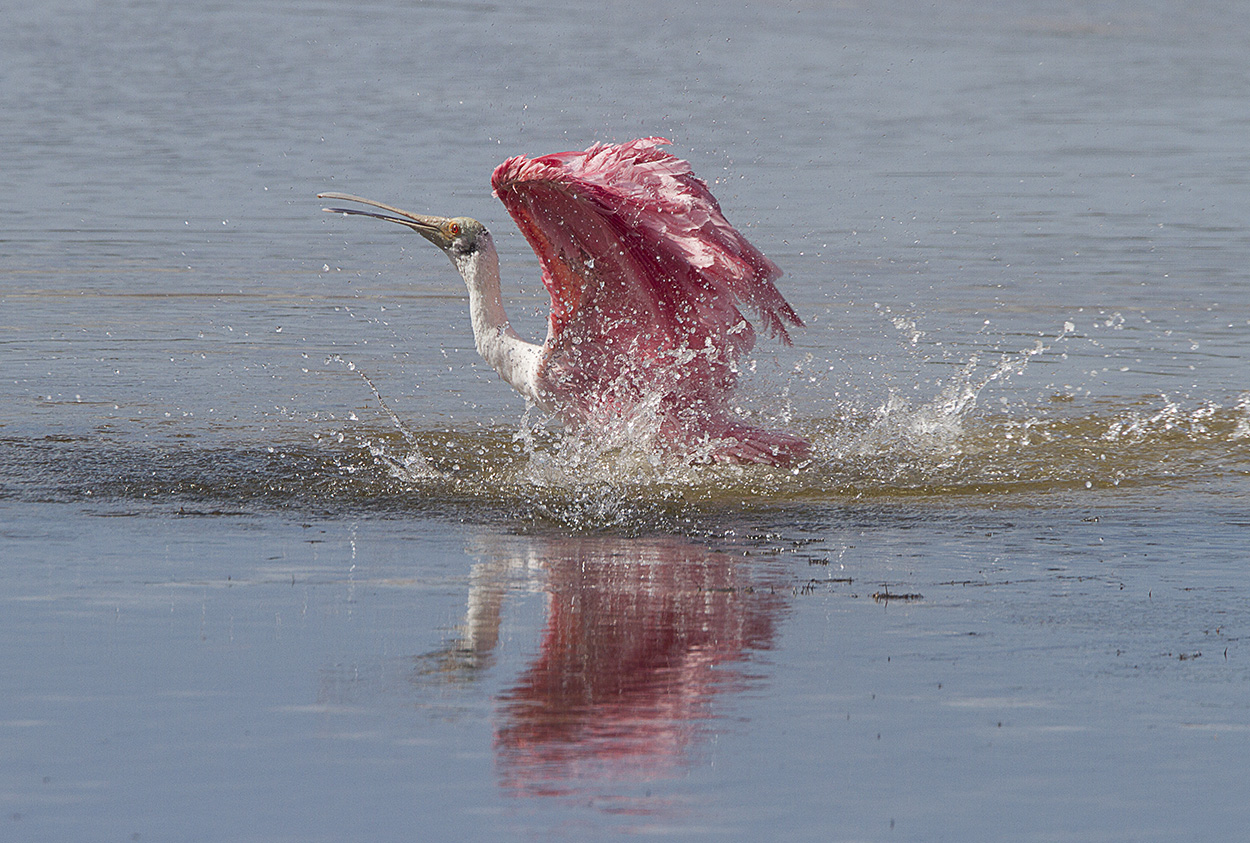
One of my favorite birds to photograph at the J.N. Ding Darling National Wildlife Refuge is the Roseate Spoonbill. They are colorful and quite animated large bird which gives photographers a host of photo opportunities. Also being a large bird helps in photography in the vast areas of Ding Darling. Most of the images here were with the Sigma 300 – 800mm lens at 800mm. The photo at the top of the page shows a Roseate Spoonbill montage in a landing sequence. The others are just random shots around the refuge. If you are ever in Sanibel look for them. They are entertaining and fun to watch.
Spreading its wings, Canon 1D MkIV @800mm, effective 1040mm

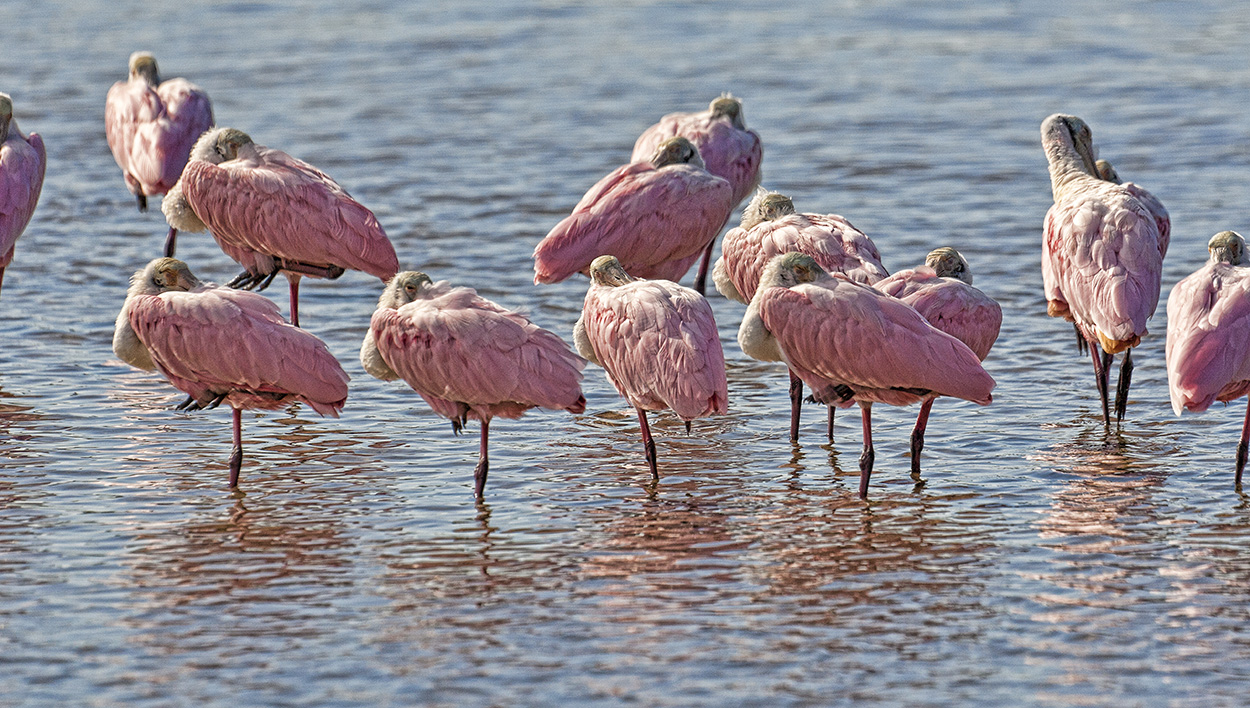
Napping Canon 1D MkIV @ 800mm, effective 1040mm
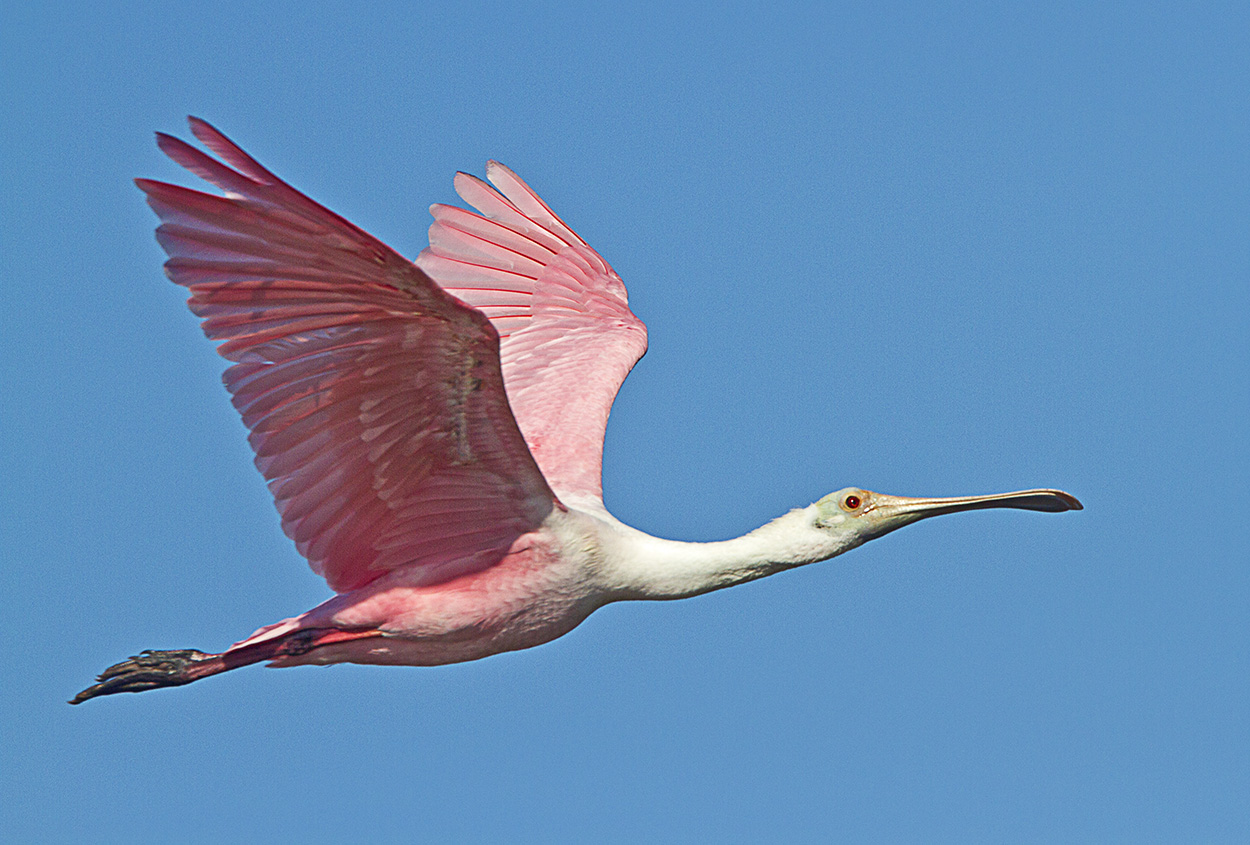
Flyby, Canon 1D MkIV @ 400mm w/ 1.4X Teleconverter, effective 728mm
Coming In, Canon 1D MkIV @ 400mm w/ 1.4X Teleconverter, effective 728mm

Splashing, Canon 1D MkIV @ 400mm w/ 1.4X Teleconverter, effective 728mm
Leaf Abstract
Posted on October 19, 2013

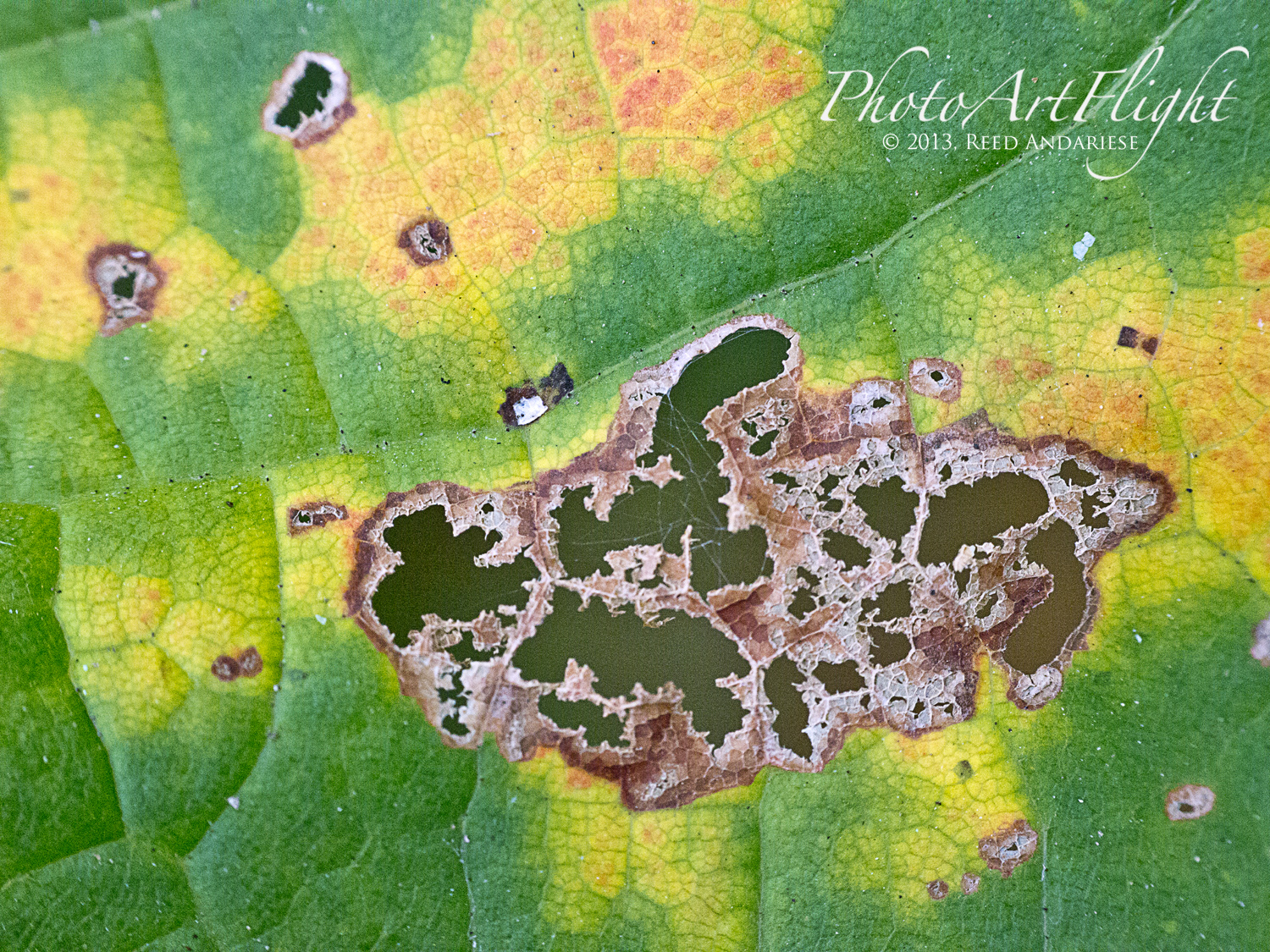
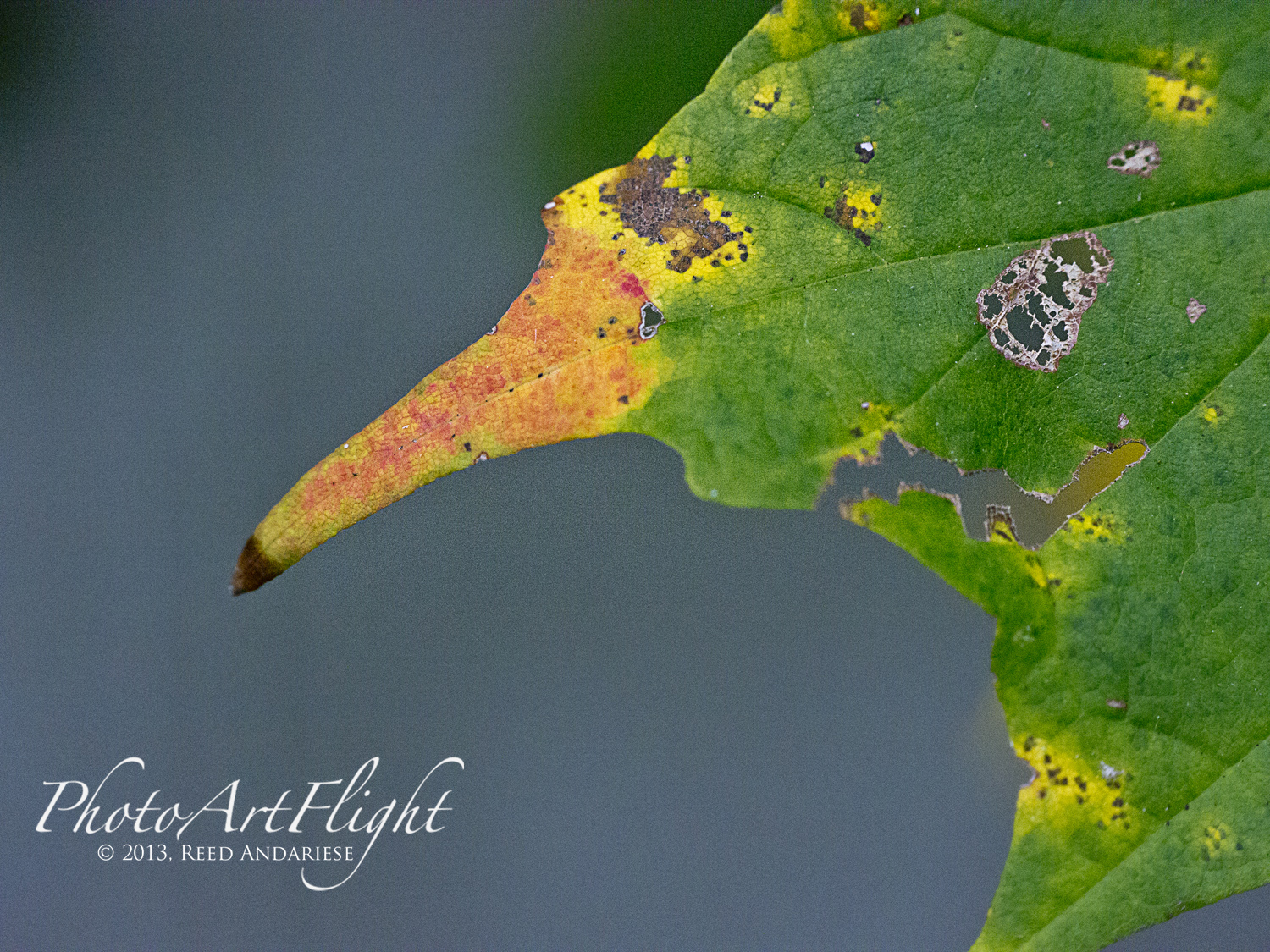
With all the leaves starting to turn color, I thought I would try some extreme closeups of leaf details. I could use a standard macro, or a Canon MP-E 65mm 1-5X macro, but I decided to try something different. I mounted an old FD Canon manual focus 50mm f/1.8 lens with a m43 adapter on my Panasonic GH2. Then I added an achromatic closeup lens. An Achromatic lens or achromat is a lens that is designed to limit the effects of chromatic and spherical aberration, which limits distortion. It is basically like a closeup filter to get closer to your subject. You do not need extension tubes, You use them like a filter on the front of the lens. You can get very inexpensive ones, which are usually one piece of glass to very good ones with multiple pieces of glass. They range in price from $15 to thousands of dollars, but you can get good ones from Canon, Nikon or Raynox for a reasonable price. I have many different kinds that I have collected over the years, but used a set here with 3 different strengths, 6X, 12X & 24X. These just screw into an adjustable mount that clips onto the front of the lens. Just be careful to get as parallel to your subject as you can. The leaves were blowing in the wind, so I tried to capture the images in-between gusts. Here are a series of images using all three. So give it a try, they are handy to have in a pocket when you need them, without the weight and size of having a macro lens with you. Do they replace a macro lens? No, but come in handy, especially for some extreme closeups.


Pocket Camera for Landscapes
Posted on October 18, 2013

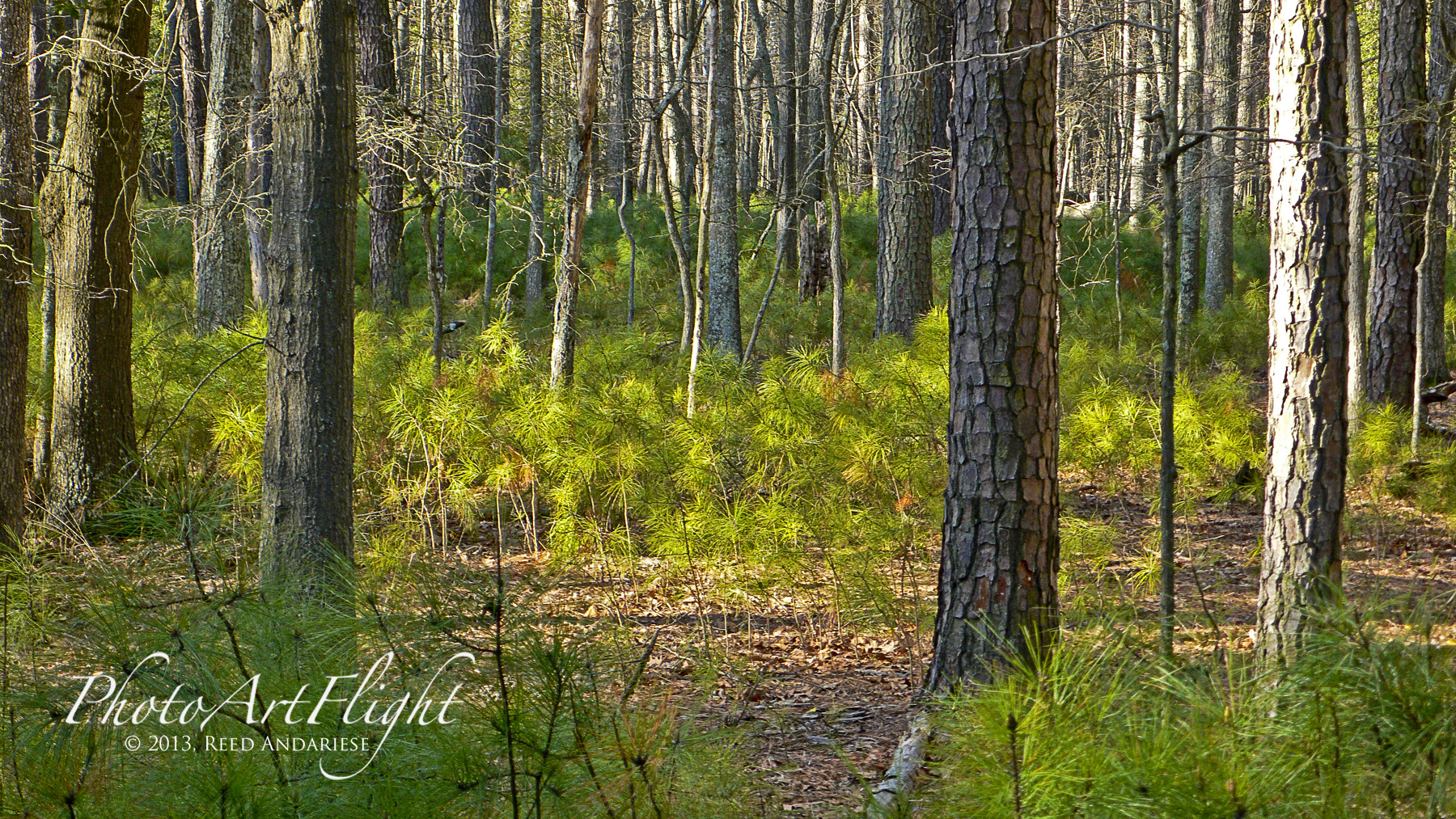
Many times while I am out in the field, I am carrying 400mm telephoto lens on a Canon 1 Series Body, which is large and after a while becomes heavy. So I usually do not carry a second body or second wider lens. But I do not want to miss opportunities if I come across a great shot that is not right for the 400mm. I usually have a Panasonic LX1 compact camera in my pocket for those instances where I want to take a few wide or detail shots while my main camera with long lenses. I have used the LX1 for years and it still works well even though it is getting a little dated in todays fast paced technology feature updates. It has the ability to shoot raw files which is important for my workflow and the images it produces are fine for prints up to 16×20 prints & even up to double page landscape spreads in my ebooks. Newer cameras like the Sony RX100 II & similar cameras are also excellent & handy backup cameras. Sometimes if I think I might need a wider zoom range I use a Panasonic GH2 m43 camera with a 14 – 140mm lens (equivalent to 28 -280mm on full frame cameras). Even though it is smaller than a DSLR and easier to carry, it still would not fit in a pocket and might get in the way. I have also tried images from my iPhone, but I do not think it is a viable option yet. All examples here are with the Panasonic LX1.


Black and White at Brigantine NWR
Posted on September 25, 2013

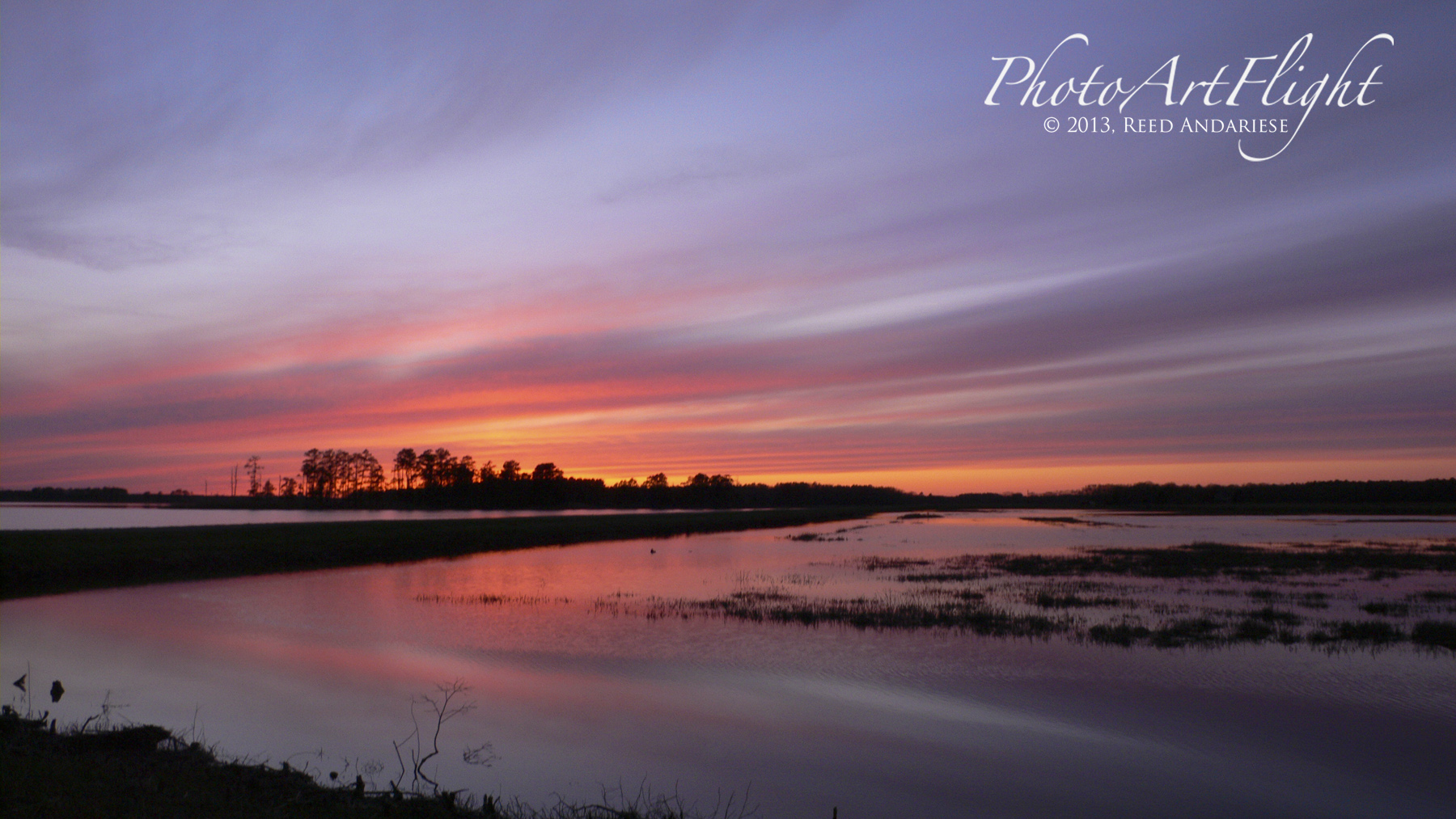
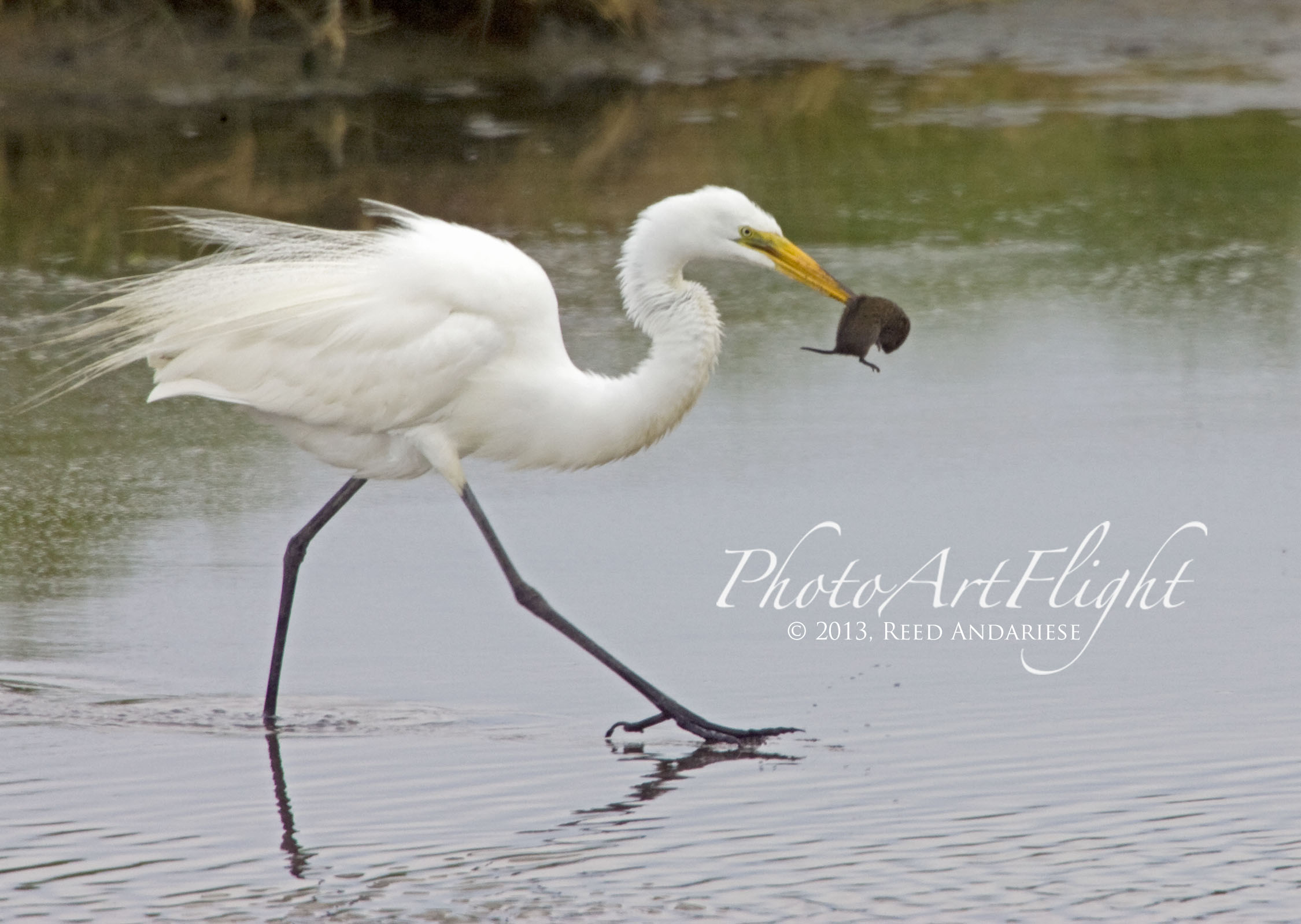
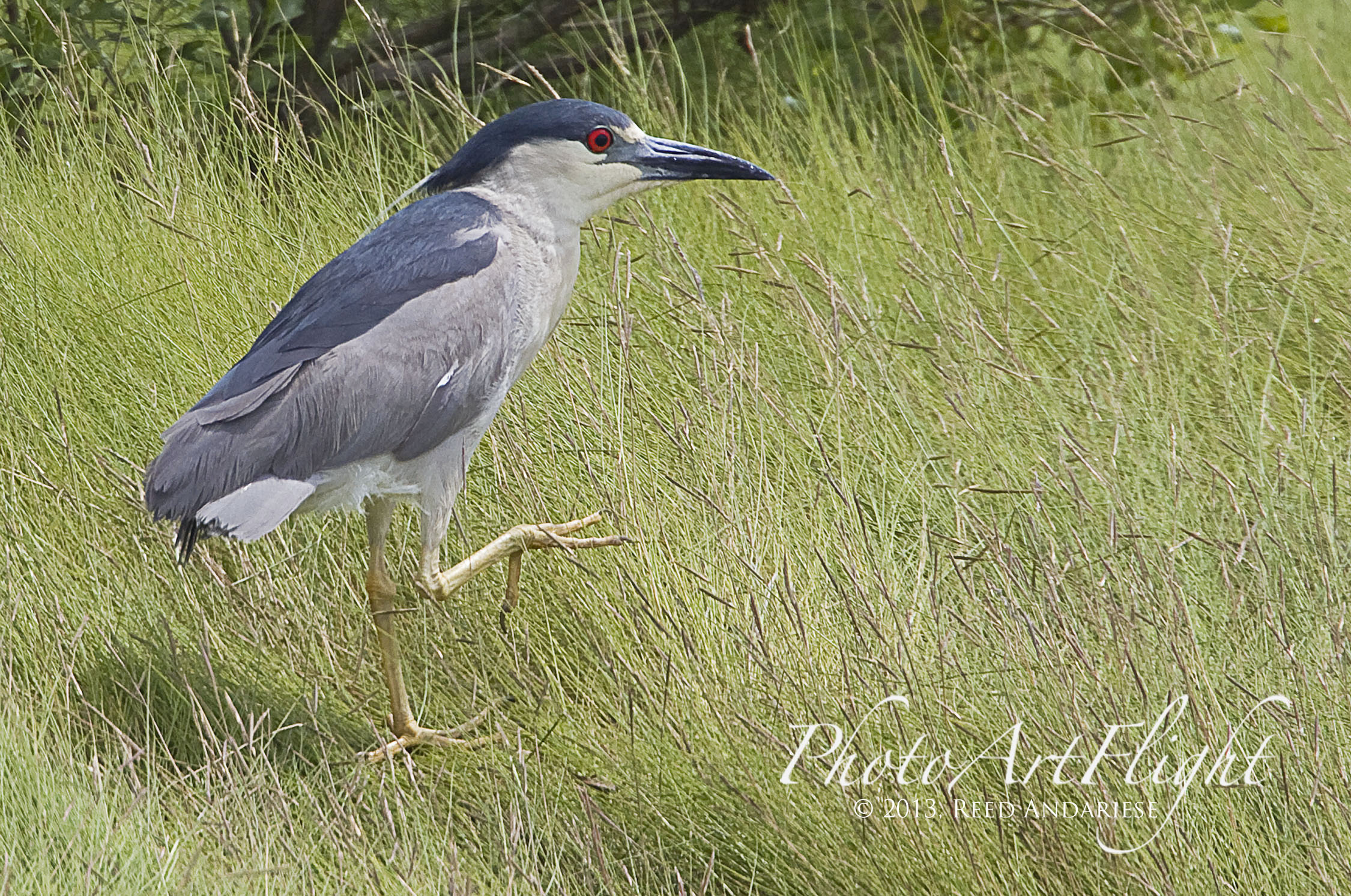
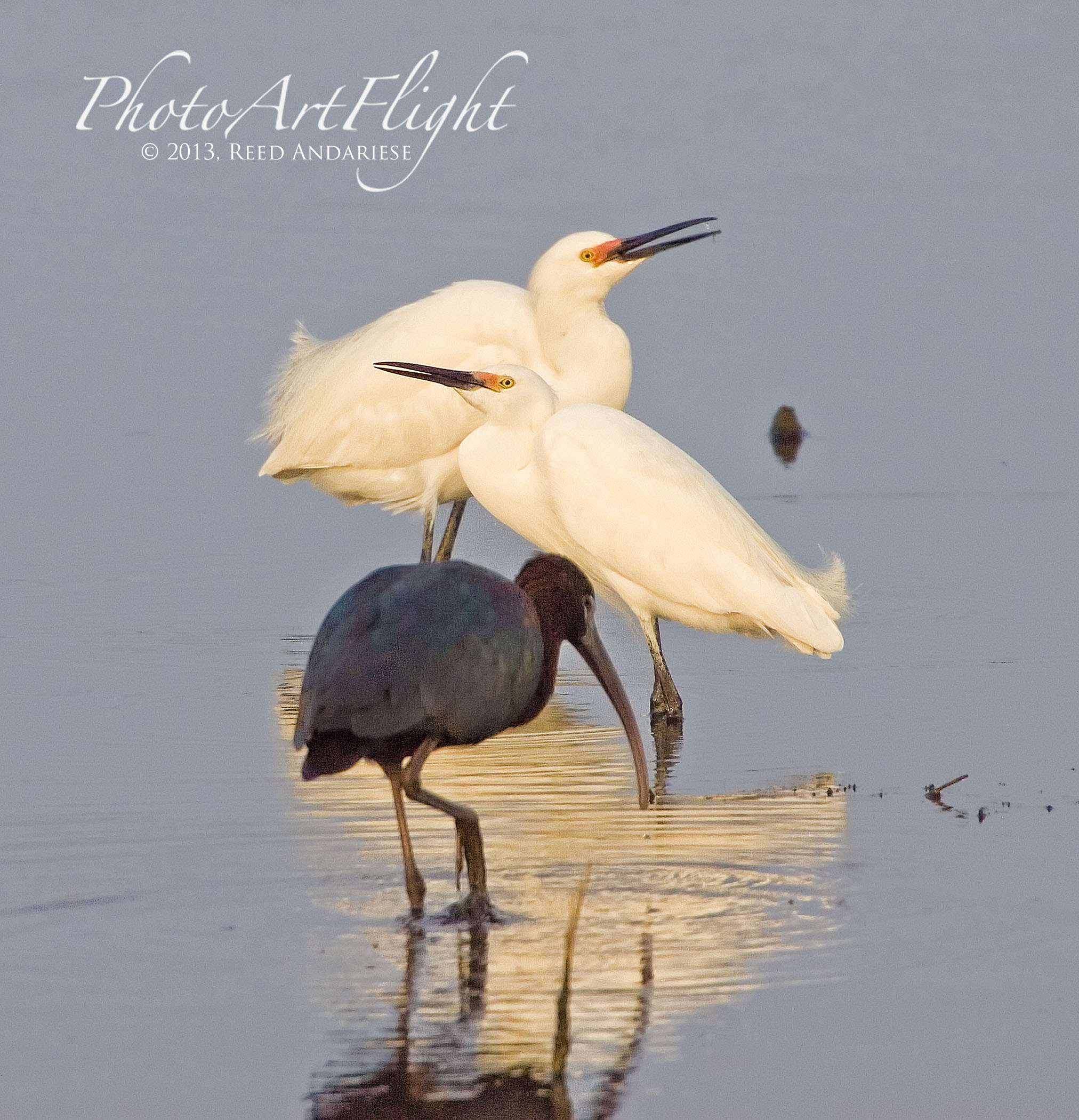
Here is a brief selection of birds from the Edwin B. Forsythe National Wildlife Refuge, Brigantine Division in Oceanville, NJ. Some are Summer visitors and the Snow Geese are Fall and Winter Visitors. Brigantine has a huge variety of birds & wildlife. Eagles, Ospreys, Egrets, Herons, shorebirds, gulls, terns, skimmers, rails, down to smaller birds. The birds here are White with Black (or Dark Brown). In bright light these can be a challenge to photograph and not blow out the whites and still retain detail in the dark areas. If they have black or dark brown coloring on them or a dark bird next to them, I capture in raw formats, depending on the make of the cameras. I usually underexpose slightly for the whites to retain details and open up the dark or shadow areas in the processing software. I use Adobe Camera Raw in Photoshop or Lightroom. Sometimes I will do additional processing for sharpening in Photoshop and I use NIK Color Effects to bring out some additional details in the whites. You have to be careful not to add too much and bring out noise. Brigantine looks like it is coming back after Hurricane Sandy hit last year. We like Brigantine because of the wide variety of Birds & Wildlife photography, Landscapes, Sunsets, Sunrises, Macro – Bugs & Flora, the list is endless.





Great Blue Herons at the Celery Farm
Posted on September 24, 2013

I was going through some of my old files and found this series taken with my then new Sigma 300 – 800mm DG f/5.6 zoom at a local Nature Area, The Celery Farm in Allendale, NJ. These were some of my first images with this lens and I was quite pleased with the results. It was a challenge to get shots of the Herons flying, especially close in with a 800mm lens. I found zooming out a little to find them in the viewfinder, then zooming in for the actual shot worked well. It also helped that the Great Blue Herons are a LARGE and fairly slow flying bird. It was a fun day watching them fly around the small lake and interacting with each other. A little bit about the Celery Farm. It is a Nature Area right in the middle of densely populated Northern New Jersey. It is a little over 100 acres with a small lake and a path around the lake. The path is a little over a mile long. a few years ago there was a large variety of birds present. The last few years it seems to have quieted down some, but is still a nice quiet area to photograph nature and wildlife.


 photoartflight