 photoartflight
A Walk At Plainsboro Preserve
Posted on March 24, 2022
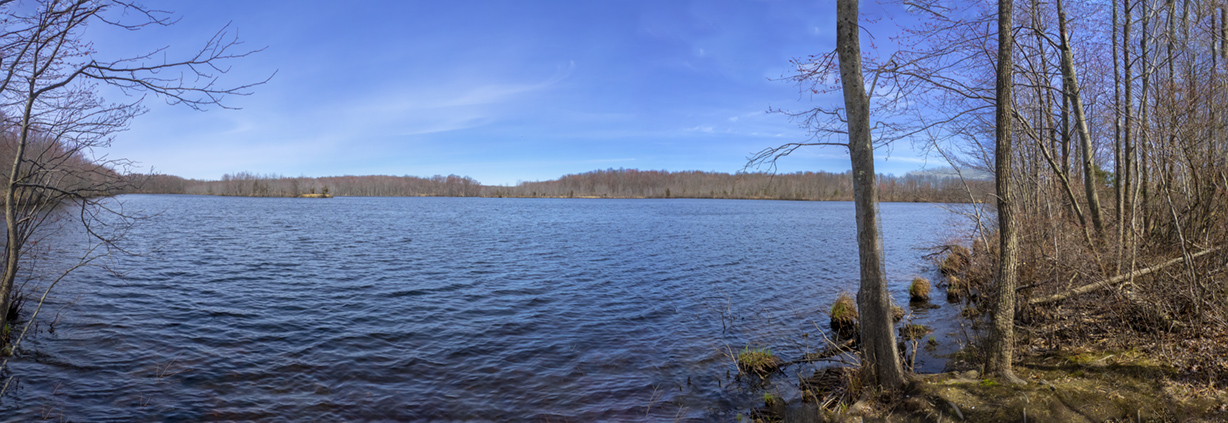
It was a nice sunny day yesterday so we ventured out to take a walk at the Audubon Plainsboro Preserve near us. It is 1,000 acres with with diverse habitats and wildlife & one of the largest lakes in the area, Lake McCormack. We concentrated walking on the White Trail straightaway because of the nest building of Canada Geese further down the path. We heard & saw the Canada Geese attacking walkers getting too close to their nesting areas. The Featured Image of Lake McCormack is a 12 image Panorama taken @ 14mm with an Olympus OMD & blended together in Photoshop.



Atlantic City Early AM Panorama
Posted on February 8, 2022
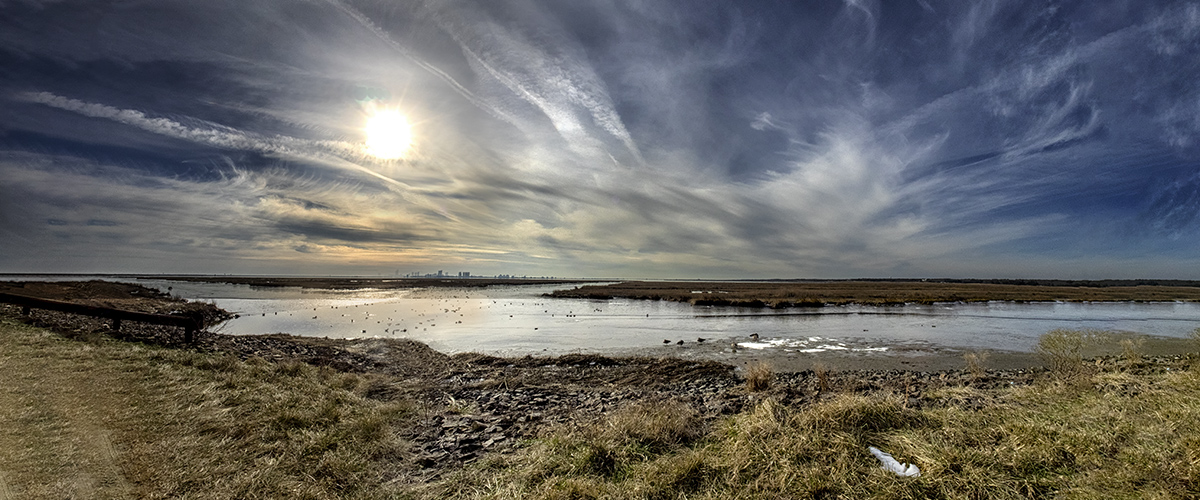
An early morning panorama of Atlantic City from the Wildlife Drive at the Brigantine Division of the Edwin B. Forsythe National Wildlife Refuge in Oceanville NJ. This is a 3 image panorama shot with a 7.5mm Fisheye lens on an Olympus OMD-1. Before I could make the panorama I had to de-fish the Fisheye images in Photoshop using the Adaptive Wide Angle Feature under the “Filter” Selections along the top right selections. Once they were de-fished I loaded the 3 images into a layered Photoshop File and selected all 3 layers and used “Edit – Align Layers” for the 3 images, then once they were aligned I used “Edit Blend Layers” for the Final Panorama.
Plainsboro Preserve Lake McCormack Panoramas
Posted on November 11, 2021

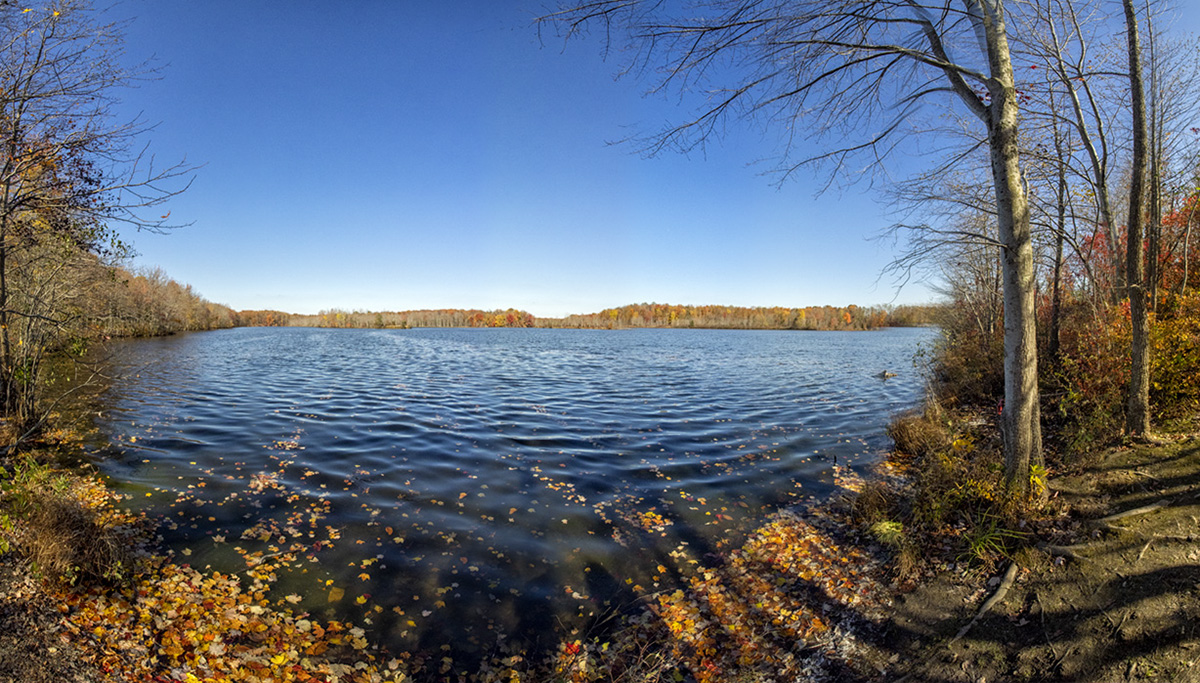
It was a nice day yesterday so we went to the Audubon Plainsboro Preserve to take a walk and get some fresh air. I was traveling light and only took my Olympus OM-D mkI with a 7.5mm Fisheye lens. There was hardly anyone there so I was shooting some landscape images along our walk. There was still a few colorful Fall trees but most of the trees were bare along the path. As we were passing a short trail that lead down to a nice view of Lake McCormack I decided to shoot a couple of multi-image panoramas of the Lake. The Featured Image is made from 12 handheld horizontal images. Then I shot 10 vertical images for a higher panorama view of Lake McCormack. I have found that when using a m43 camera you need to overlap the images more than a Full Frame Camera. When I got home I started to work on my images for the panoramas. First I had to De-Fisheye the look of all of the images before I could use them to blend in the Final Panoramas. I just made an action to run & de-fisheye each image in the series. In Photoshop going to the Filter command at the top, then choosing Adaptive Wide Angle Filter that will usually correct the Fisheye look of your images. You also have to enter the Focal length of your fisheye lens before you use the filter. But this filter is set-up for Full Frame Cameras. So I entered 15mm which is the equivalent Field of View of my 7.5 mm lens on the m43 Olympus, basically 2x with the Olympus. Then I loaded the de-fished images into a Layered Photoshop file and selected all the layers. Then on the top commands go to Layer and choose Align, then merge Layers to complete the blending of the images.
Meeting House Landscape Touch-UpS
Posted on October 27, 2021

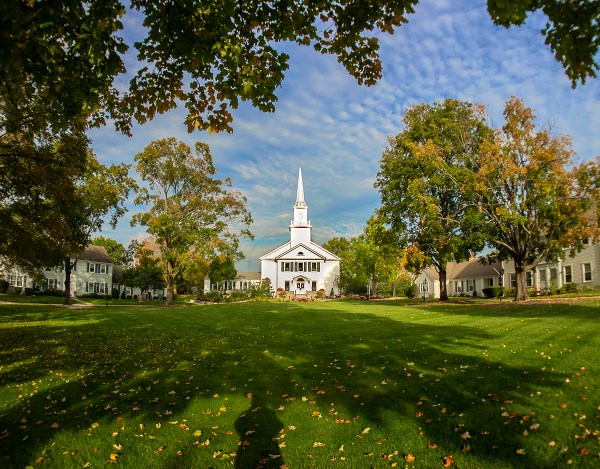
I wanted to show how to clean-up some annoying items that are in the way when photographing some landscape images. Here I went to the Meeting House in my community to show a visual before & after. I was using an OMD-1 camera with a 7.5mm Fisheye lens. I did not need to correct for the fisheye distortion because I purposely centered the Meeting House in the center area of the image which minimizes the Fisheye Bowing Effect of the 7.5mm lens. In Photoshop I selected the area with the distracting leaves with the Photoshop Lasso Tool with a feathered setting of 10 pixels, which will create a softer edge on the retouching area layer. Then I used Copy, then Paste to have the leaves on a separate layer in Photoshop. Having the leaves on a separate layer you can then use Filter > Noise> Dust & Scratches to remove the leaves. When using the Dust & Scratches you have to enter the Radius amount & Threshold amount you want. Here I used a Radius of 43 & a Threshold amount of 48. While using Dust & Scratches you will see a preview of the effect before you commit to doing it. If you need more or less just enter a higher or lower number. Even after you run the filter if you want more or less effect go to the history and go back and you can adjust your amount. If you go to much it will look a little smeary, too little you will still see some of the leaves. You can also see the effect in Preview before using it. Basically you are relying on the Preview for the amounts you need to use. Using Dust & Scratches might take a few tries, but comes in handy now & then.
Cloudscape & Snow Geese High Flight Panorama
Posted on October 26, 2021

On a trip a few years ago to the Brigantine Division of the Edwin B. Forsythe National Wildlife I noticed this flock of Snow Geese flying high above me. I took a couple of images but because the Geese were so high above me it did not look that interesting. Then I decided to shoot a quick 2 image series for a panorama to show a wider view of the flock of Snow Geese flying in the interesting clouds above. I was using an Olympus OMD 1 with a 14-140mm lens @ 14mm. The panorama was assembled in Photoshop, letting Photoshop align & blend the Panorama.
Blackwater NWR Clouds At Sunset
Posted on September 23, 2021

I was working on files from previous photo trips. Now that I am retired I can go through my backup drives to post images that I did not have time to post before. This is a Sunset taken at the Blackwater National Wildlife Refuge in Maryland a few years ago. Dramatic or interesting sunsets are quite often seen at Blackwater NWR. Some have told me that dramatic sunsets at Blackwater are because it is somewhat close to the coast. I am not sure on that, but Blackwater NWR does deliver on interesting sunrises & sunsets! Image taken with a 14-140mm lens @ 48mm on an Olympus body. I was going retouch out the aircraft contrails, but decided to leave them in.
Davidsons Mill Pond park Panoramas
Posted on September 15, 2021
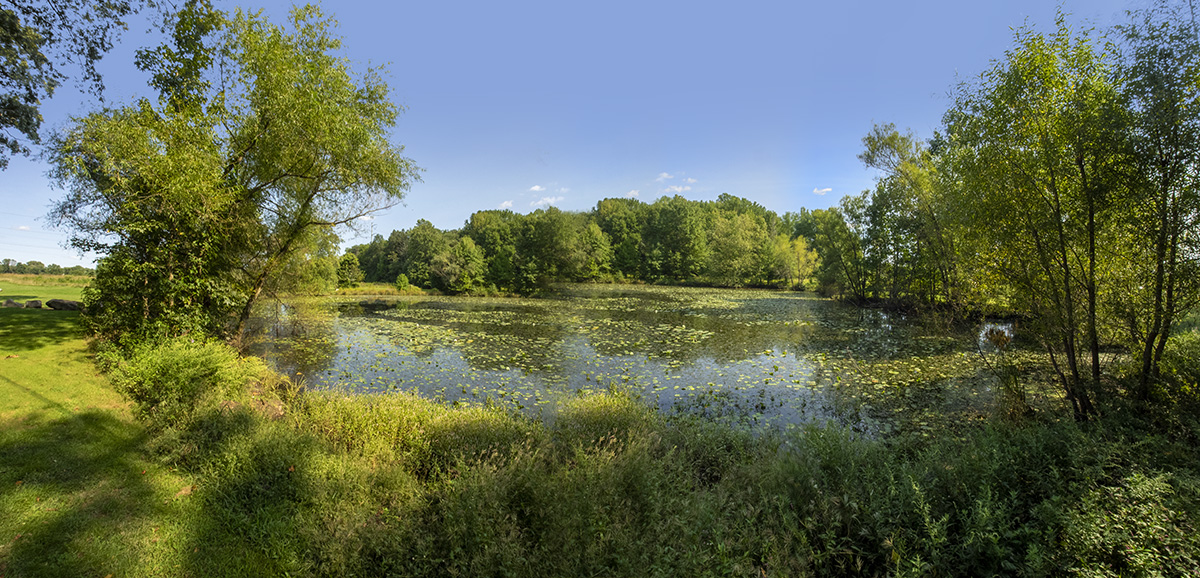
We went to Davidsons Mill Pond Park to take a walk and see if there were any interesting photo subjects. I was traveling light & was just using my iPhone 11 Pro and an Olympus OM-D M1 with a 7.5mm Fisheye Lens. The landscape panoramas in this post were all taken with the OM-D with the 7.5mm Fisheye lens. The 7 Artisans 7.5mm Fisheye lens on a m43 camera supposedly has a Field of View of 190 degrees, but on the Olympus m43 I think it is a little less than that. Before assembling my multi-image panoramas in Photoshop, I used Photoshop’s Adaptive Wide Angle Filter to de-fisheye the images used in all the panoramas. The Featured Image is made from 4 Horizontal images of the front view of the Small Pond along the roadway. Because I was using a Fisheye lens I also overlapped the images more than usual to have a better chance of them aligning for the final image.


Brigantine Cloudscapes & Landscapes
Posted on August 26, 2021
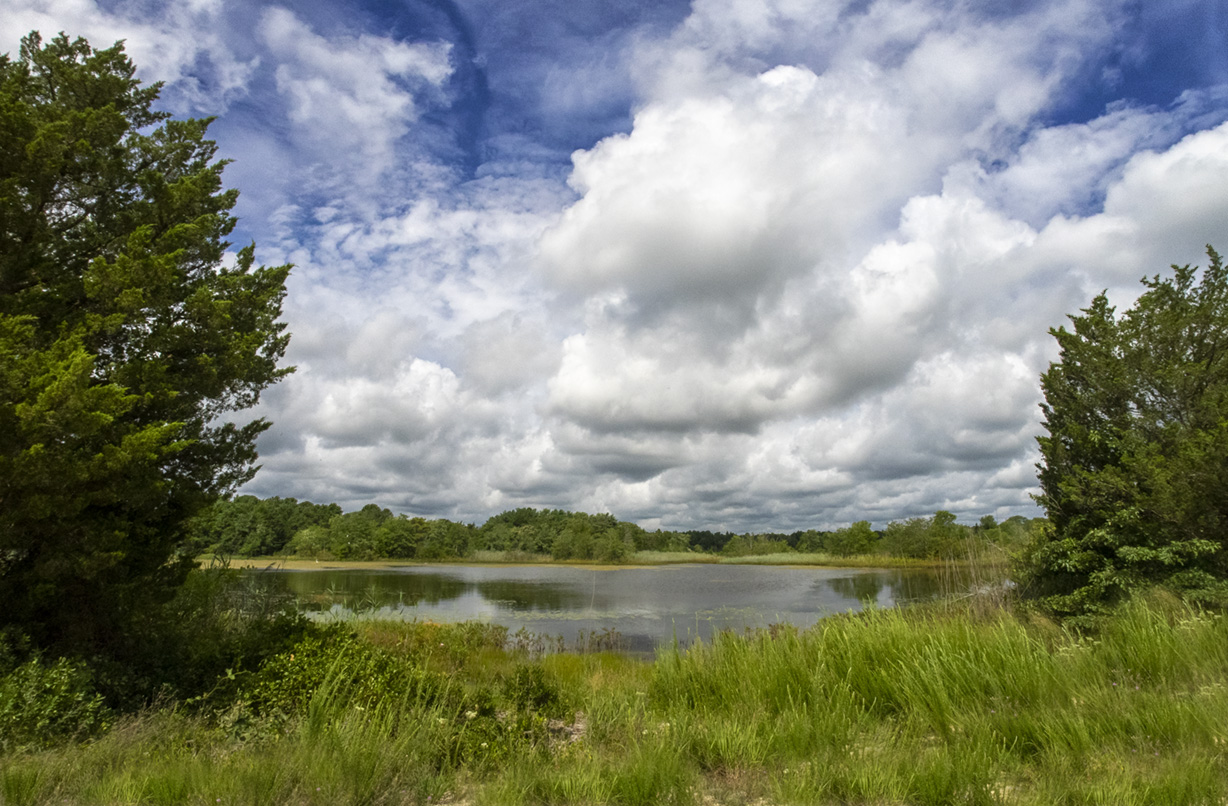
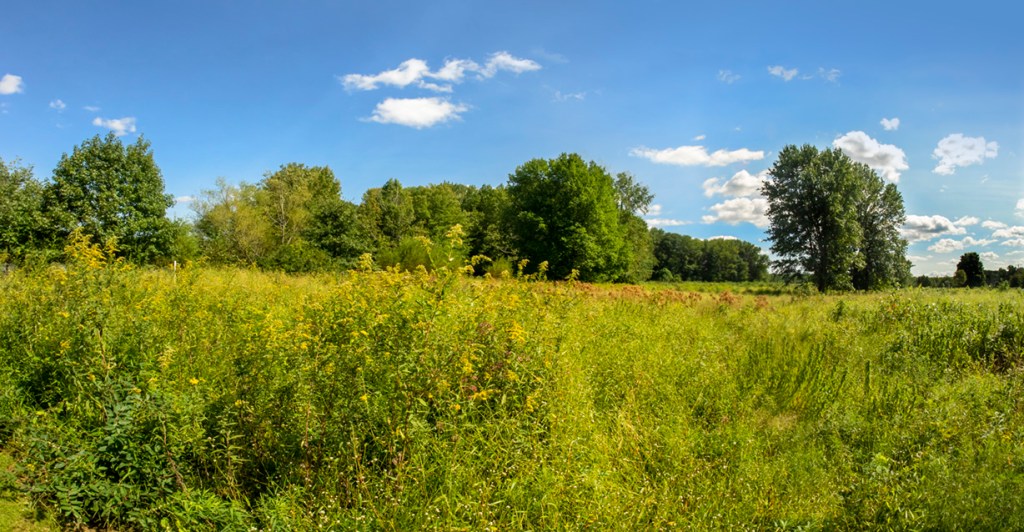
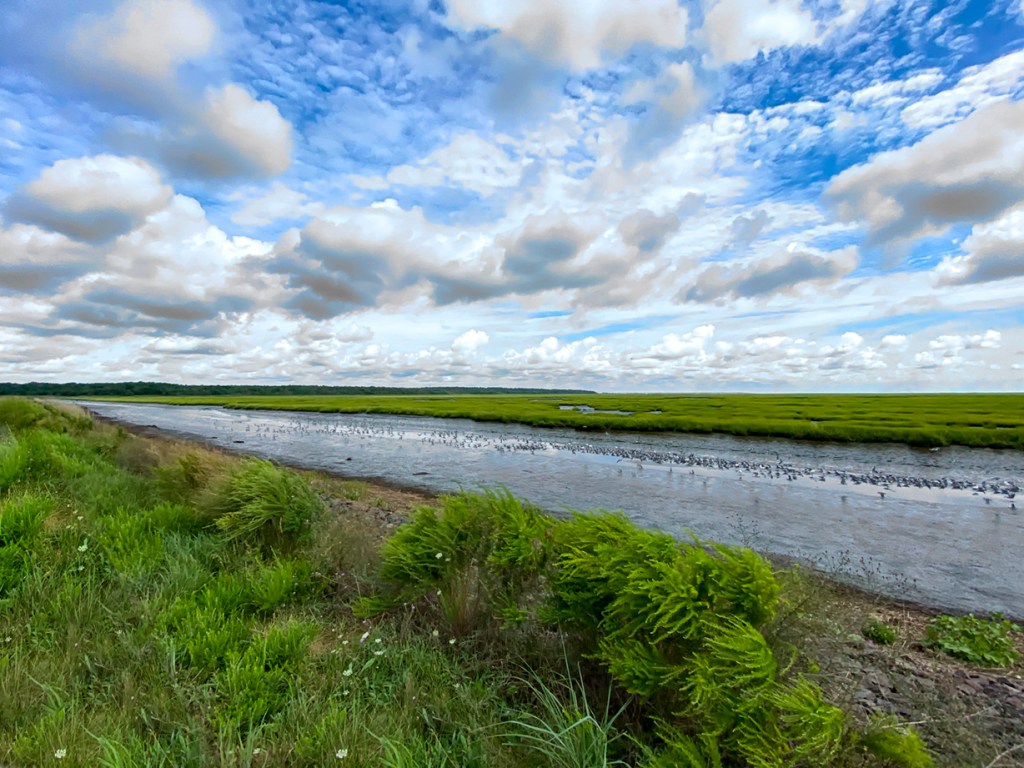
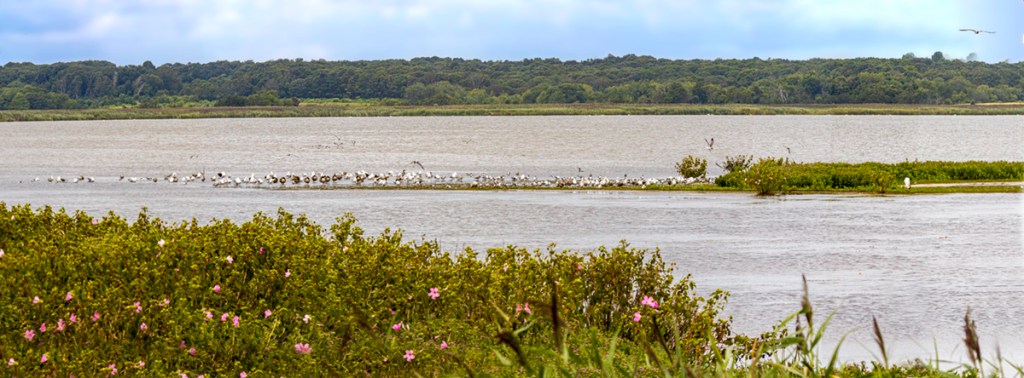
The cloudscapes were Great on our visit to the Brigantine Division of the Edwin B. Forsythe National Wildlife Refuge in Oceanville New Jersey. For the Landscapes I was using 3 different setups depending on what I was trying to show in my images. For really wide views of clouds & landscapes I used an Olympus OMD-1 with a 7.5mm Fisheye lens (180 Degree FOV) or my iPhone 11 Pr0 with the 1.5mm (Full Frame Equivalent Field of view ~13mm) or the 4.3mm lens (Full Frame Equivalent ~26mm). I corrected the Fisheye lens Distortion of the 7.5mm Fisheye lens on the Olympus in Photoshop using the Adaptive Wide Angle Filter that is accessed under the main “Filter” listing on the top menu Pull Downs. For the far out or distant landscapes with flocks of birds I was using a Tamron 150-600mm lens on a Canon R (Some with a 2X Teleconverter giving me a 300mm to 1200mm).
The Featured Image is a 3 image panorama taken with a 7.5mm Fisheye Lens on an Olympus OMD Camera.



Female Eastern Forktail Damselflies After A Rainstorm
Posted on July 17, 2021

We had a storm with heavy rain a few days ago so after it stopped raining we went to Davidsons Mill Pond Park to look for interesting raindrops to photograph. Here are some raindrops with Female Eastern Forktail Damselflies. I was using an Olympus OMD-1 with a 100-300mm Panasonic lens @ 300mm (Full Frame Camera FOV Equivalant ~600mm).


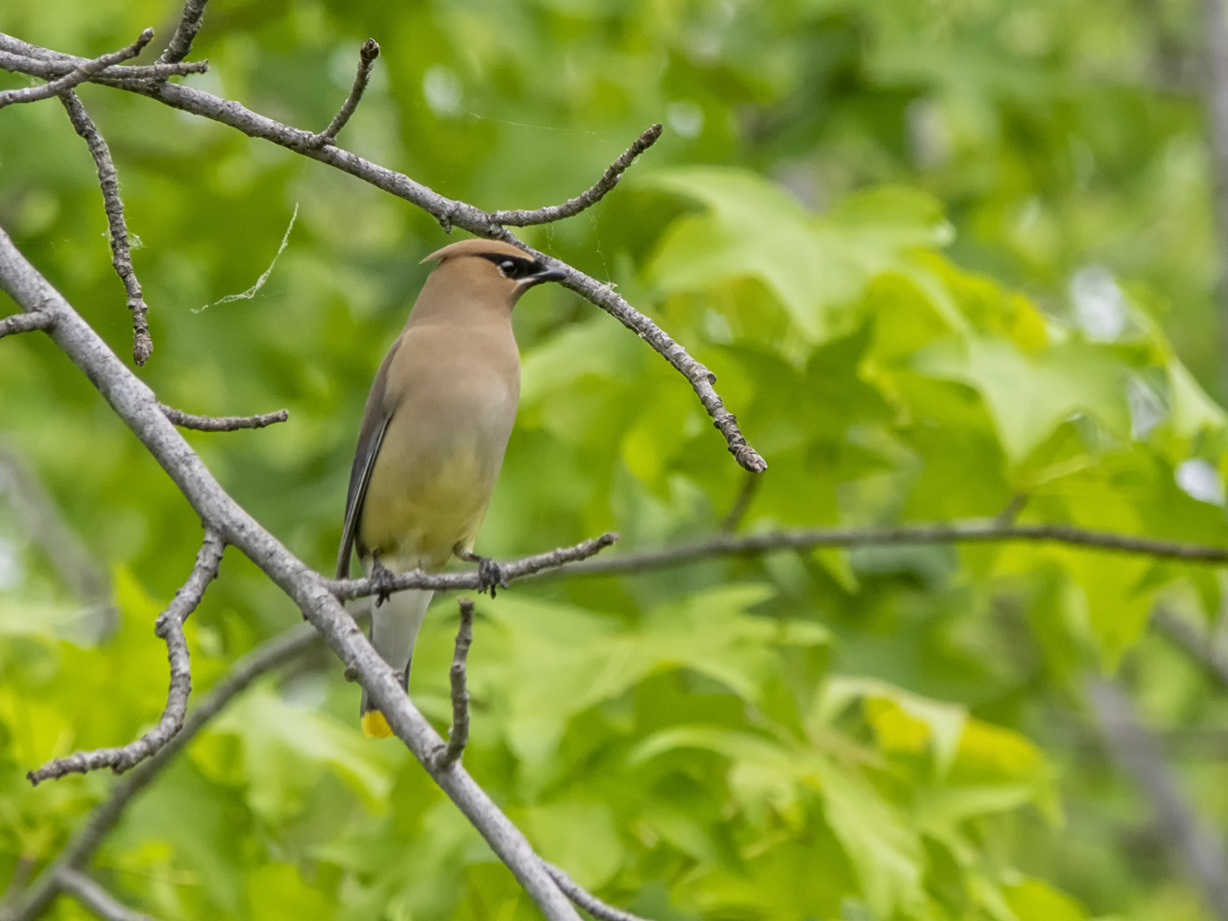
Cedar Waxwings From The Audubon Plainsboro Preserve
Posted on June 10, 2021
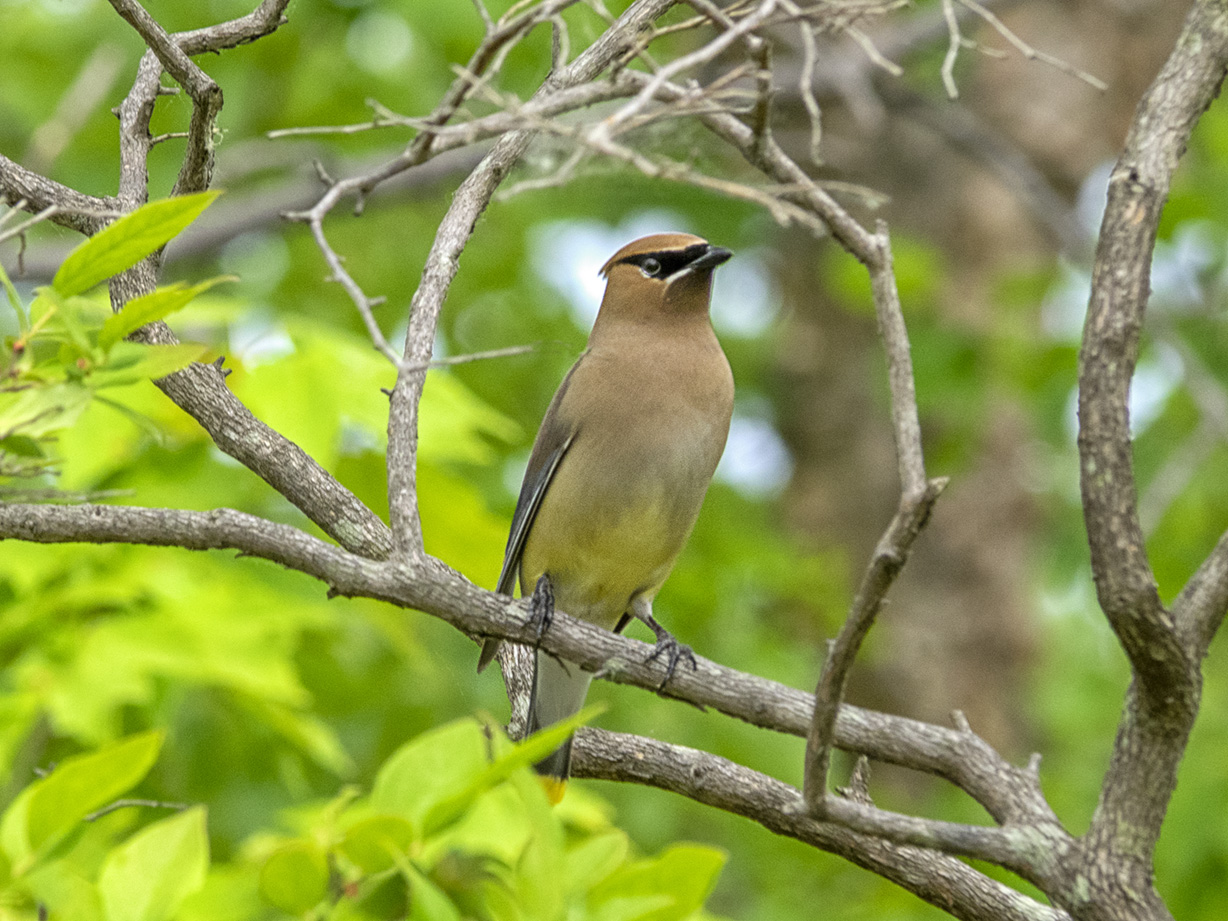
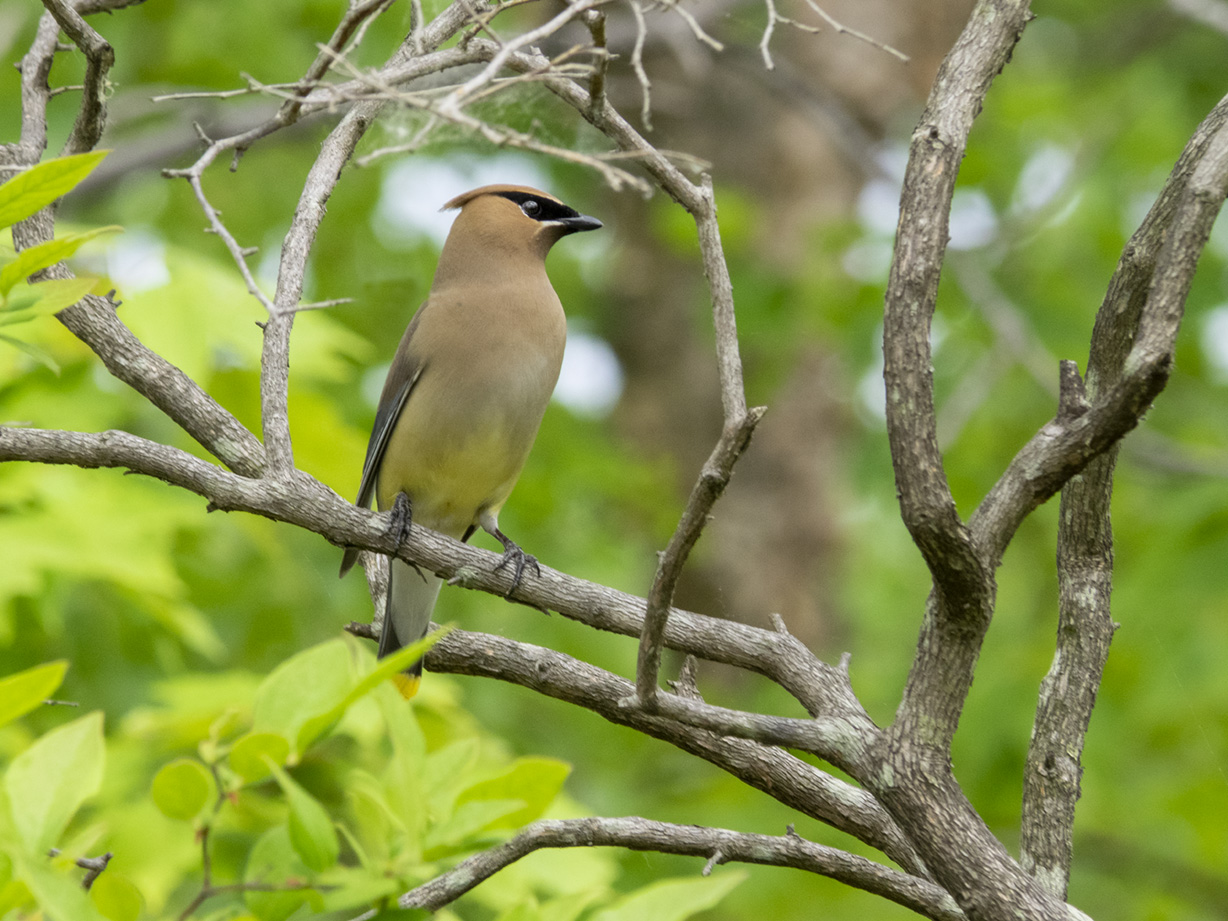
We went for a walk at the Audubon Plainsboro Preserve near our home looking for dragonflies. As we were walking down the path that extends out into Lake McCormick we were surprised to see a pair of Cedar Waxwings. One flew off to a higher branch behind the leaves but the other posed for us giving me an opportunity to get a few fairly close images. I shot a few images than moved a little closer hoping to get some closer shots before it flew off. I was using an Olympus OM-D -Mk1 camera with a Panasonic 100-300mm lens @300mm (Full Frame Camera Equivalent ~ 600mm.)

 photoartflight