 photoartflight
Bald Eagle Guards @ Blackwater NWR
Posted on July 25, 2024
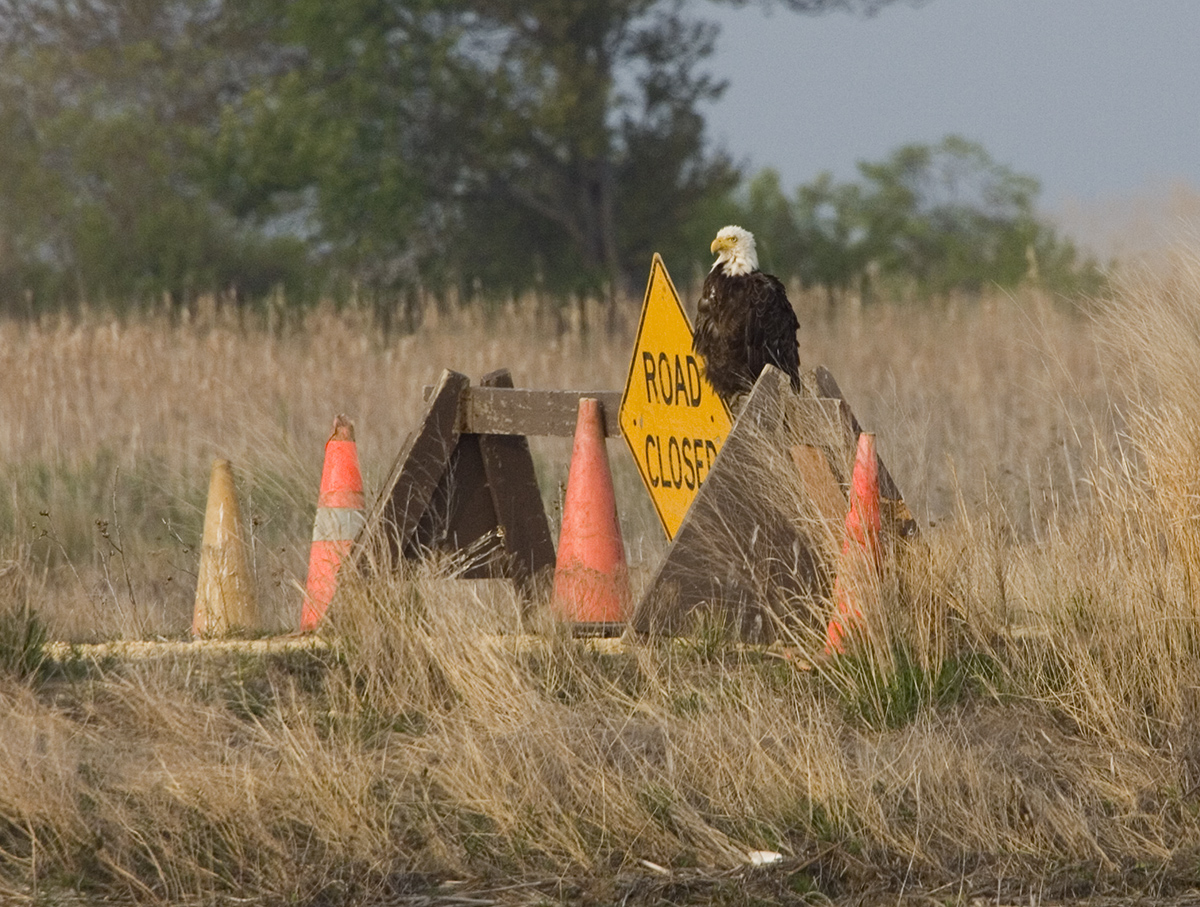
One of my favorite subjects to photograph are Bald Eagles. I have found them in a variety of locations, even a nesting pair in a Shop Rite Parking lot. But my Favorite place for photographing Bald Eagles is the Blackwater National Wildlife Refuge in Maryland. Many times you see them just hanging out along the Wildlife Drive and they do not seem to be bothered by your presence as long as you do not get too close, so I use a Canon 400mm with a 2X teleconverter or a 150-600mm lens with or without Teleconverters.


Bald Eagle along the Wildlife Drive, Canon 400mm,, 2x Teleconverter for 800mm, Canon 1D MK III


Plainsboro Preserve INFRARED Chrome Images
Posted on May 9, 2024

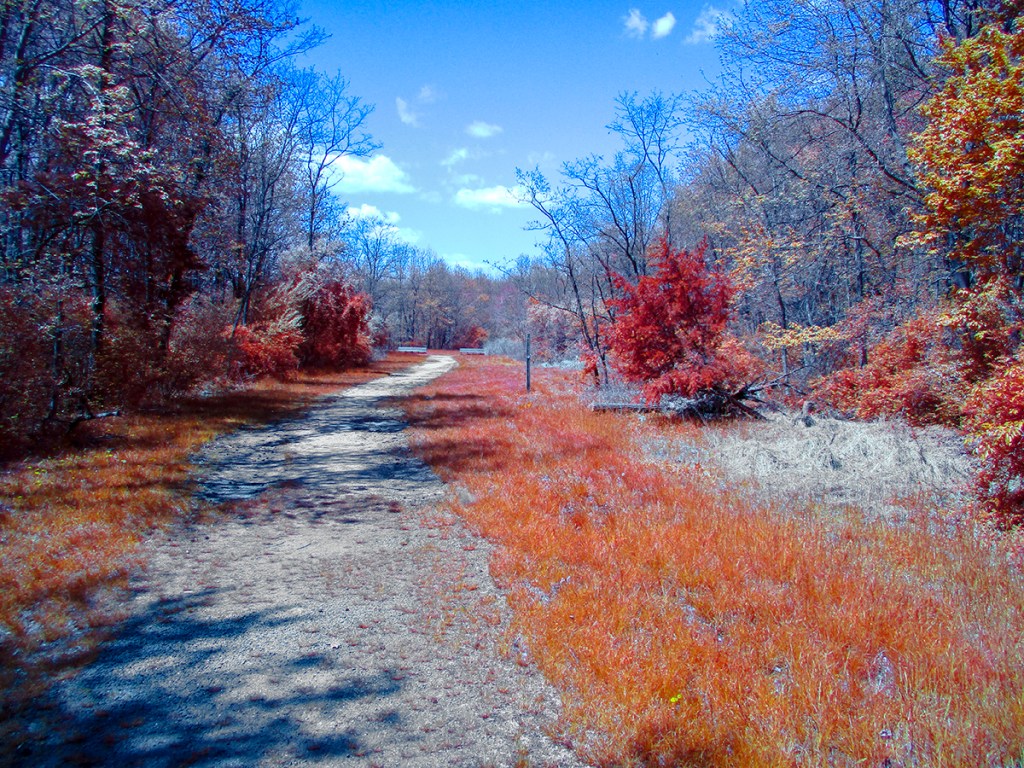
We went to the Plainsboro Preserve to take a nice walk and I decided to travel light and just took my converted IR Canon Elf 180 pocket camera. I decided to use the Chrome IR Filter on our walk. The Chrome IR filter has the “Look” of the old Kodak Aero Chrome IR film which is discontinued. The Chrome Images have a lot Red in the images. I photographed both single images and a variety of multi-image panoramas. The converted Elph 180 has a focal length of 5mm to 40mm but Full Frame focal length equivalent is 28mm to 224mm. The Featured Image is a 4 image pano taken @ 5mm and was near the start of our walk . I mostly photographed these images @ 5mm, especially for the Multi-Image Long Panoramas.




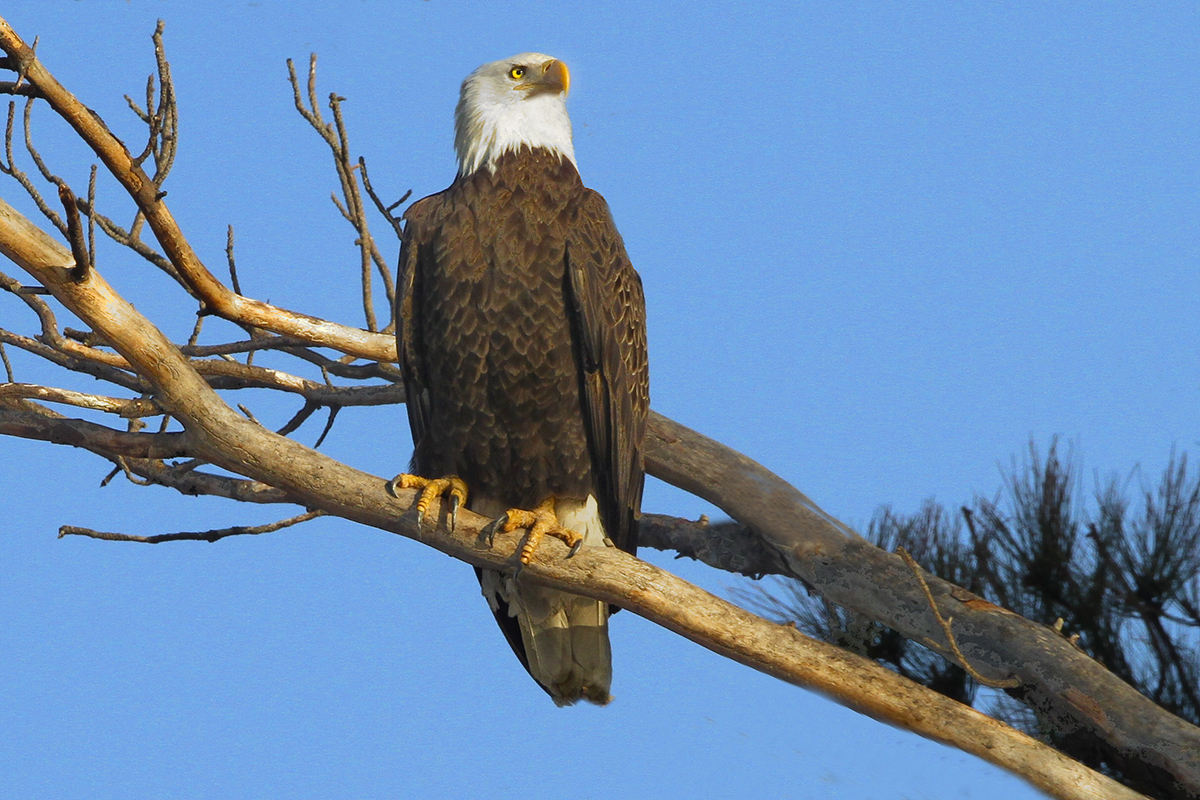
Another Blackwater NWR Bald Eagle
Posted on February 21, 2024

Blackwater National Wildlife Refuge (NWR) is one of my favorite places to photograph. As I have written in other posts here Blackwater NWR is a large NWR so many of the photo opportunities are far off in the distance. So you have to have long telephoto lenses to capture many of the Birds & other Wildlife you come upon here. After photographing at Blackwater for more than 15 years I have come up with ways to get interesting images of distant birds & wildlife. The Featured Image was taken with a Canon 1D mkIV with a 2X Teleconverter. The Canon 1D mkIV sensor has a 1.3x crop factor so with a 400mm lens & 2x teleconverter the actual focal length is more like using a lens with a focal length of 1040mm. If I want more reach I would use a Canon 7D with a 1.6x crop factor and with a 2x Teleconverter focal length is ~1280mm. I am testing how these actions work with my 150-600mm with a 2x Teleconverter for 1920mm. Also I have made Photoshop actions to up-rez images even more with very successful results. I have also added some other lenses to try these Photoshop actions on.
Junk Bug On Zinnia
Posted on August 12, 2020

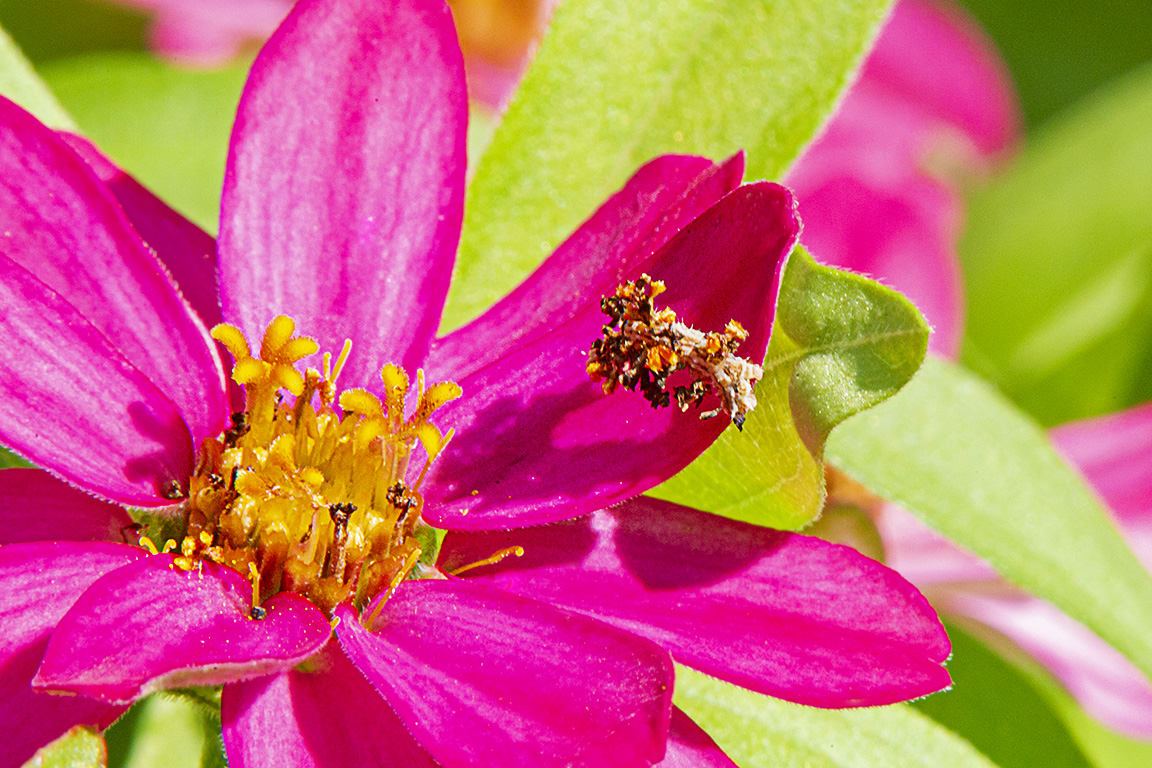
It is a lacewing larva or sometimes just called a “junk bug” because of the junk it carries around on its back. The tiny larvae come up with all sorts of creative disguises to confuse predators. Other larvae may use bits and pieces of leaves, dead insects or whatever debris is available. I have seen these in other gardens, but never tried to find out what they were.


Everythings Ducky
Posted on March 7, 2019
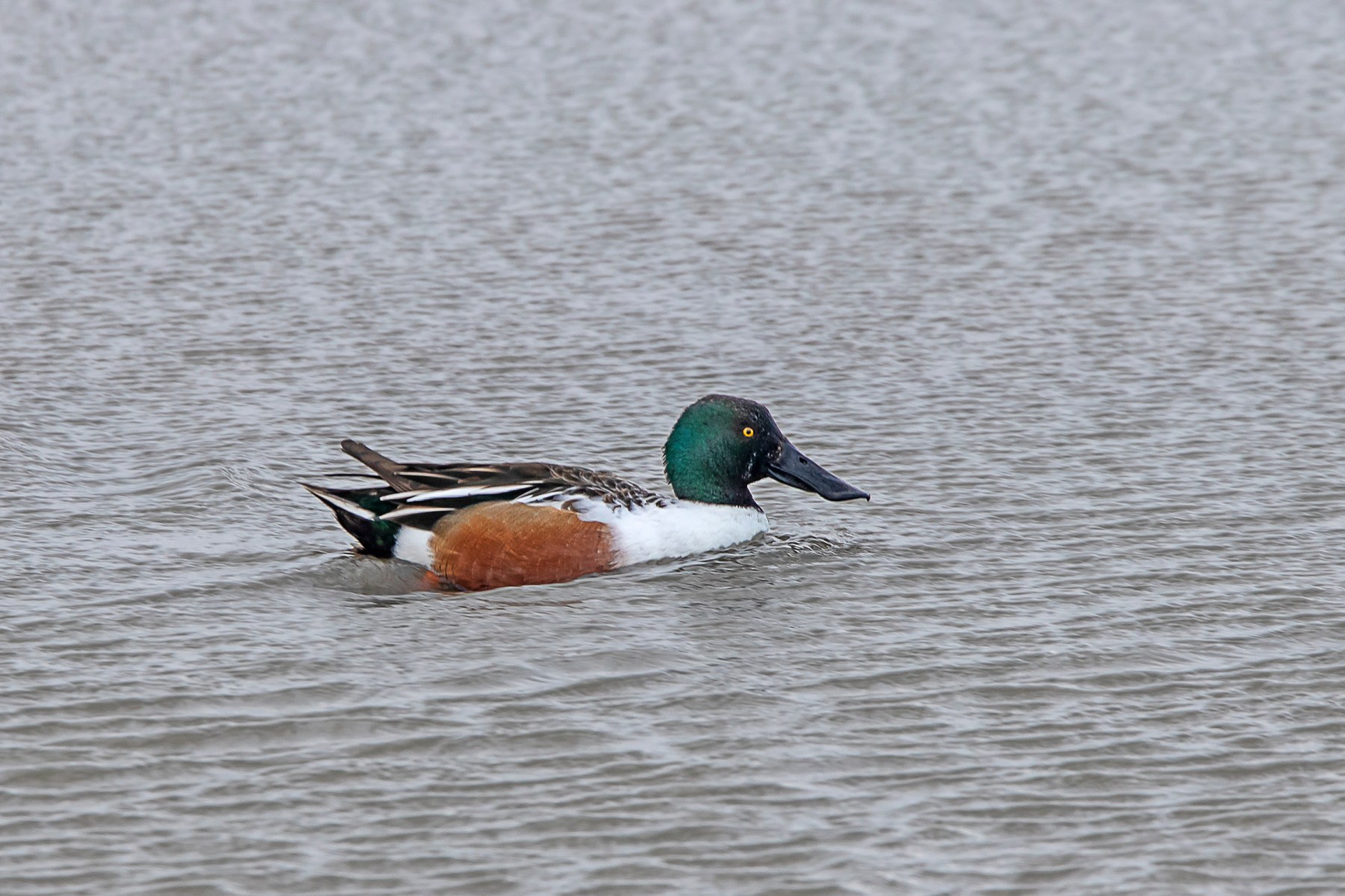
Some more images from our trip to the Brigantine Division of the Edwin B. Forsythe National Wildlife Refuge in Oceanville, NJ. We saw a large variety of Ducks on our visit there. Some were in large groups and others were either a pair or just single ducks swimming by. Most, as usual were farther out in the channel, but a few cooperated and swam closer by. All shot with a 400mm D.O. lens with a 1.4X teleconverter on a Canon R. The sky was very overcast when were photographing the ducks, so I did my best to brighten my Duck subjects. The featured image is a Male Northern Shoveler Duck. Always loved that green head with bright yellow eyes!

Red-breasted Merganser Duck
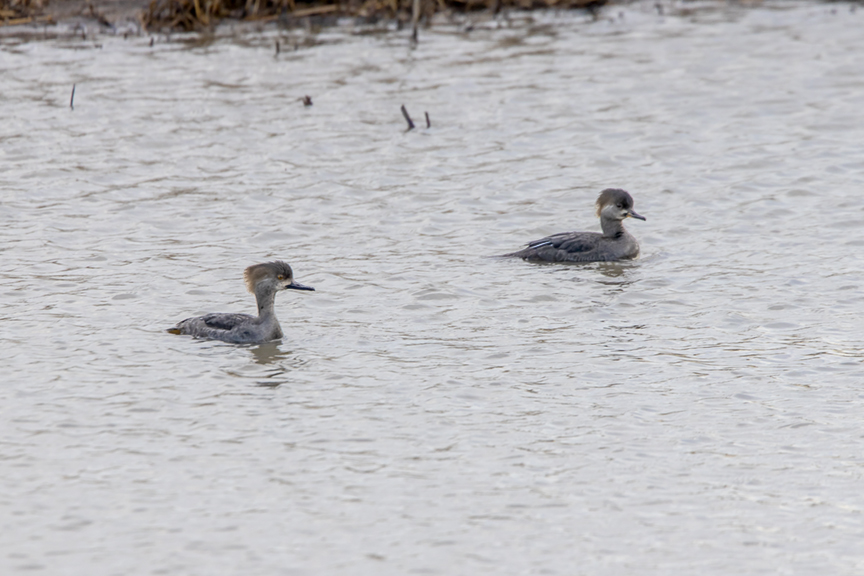
Hooded Mergansers

Bufflehead Ducks
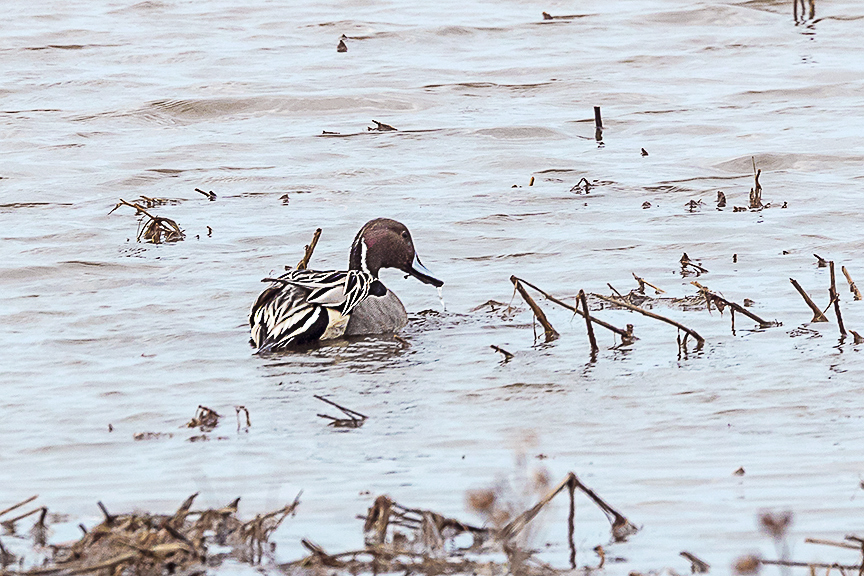
Male Northern Pintail Duck
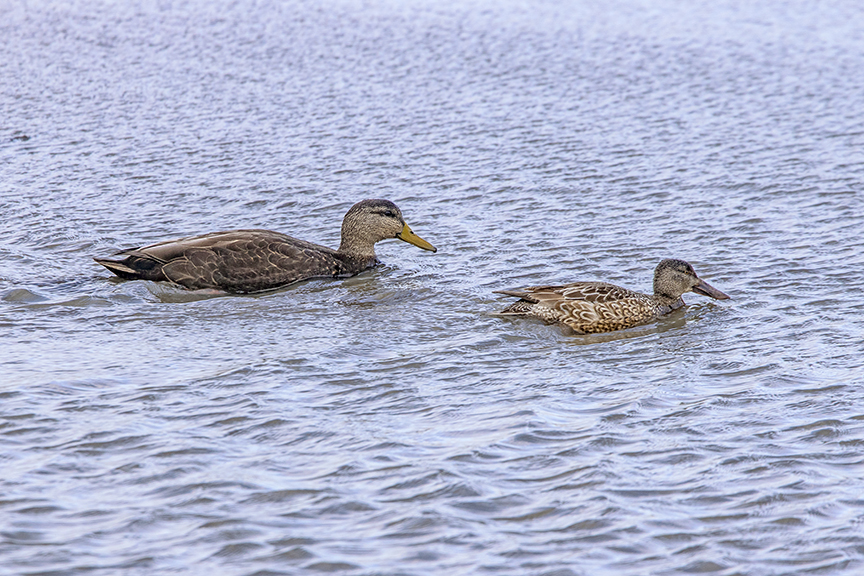
Male American Black Duck Swimming by a Female Northern Shoveler Duck

Pair of Northern Shovelers Feeding
Great Blue Heron Flyby
Posted on August 8, 2018
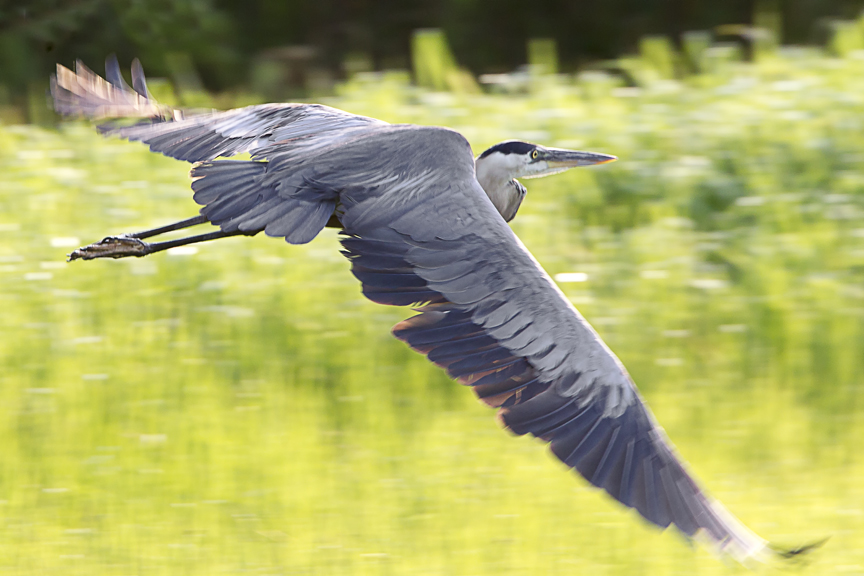
While I was photographing a Great Blue Heron off in the distance, this closer one took off and flew by right in front of me. I was using a slower shutter speed because I had my lens stopped down more than usual because of the distance and wanted more depth of field, so the wingtips of this Heron show some blurred movement. Thought it was still interesting and liked the movement of the wingtips.

Great Blue Heron In field before taking flight
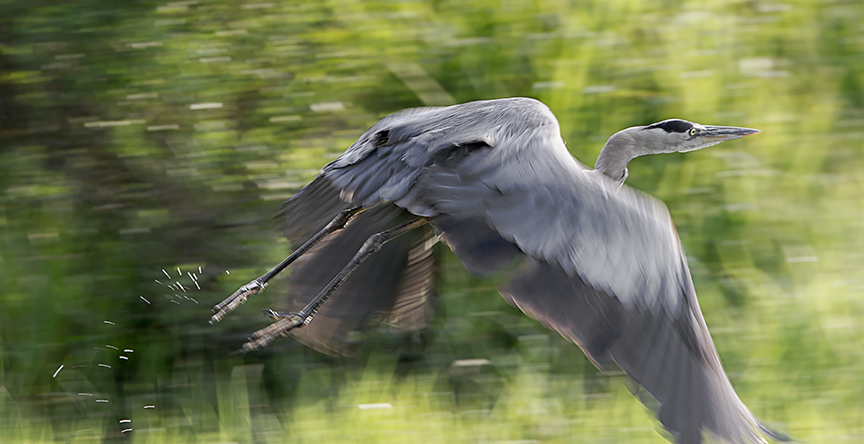
Great Blue Heron Takeoff

Cloud Panoramas From Blackwater National Wildlife Refuge
Posted on July 31, 2018
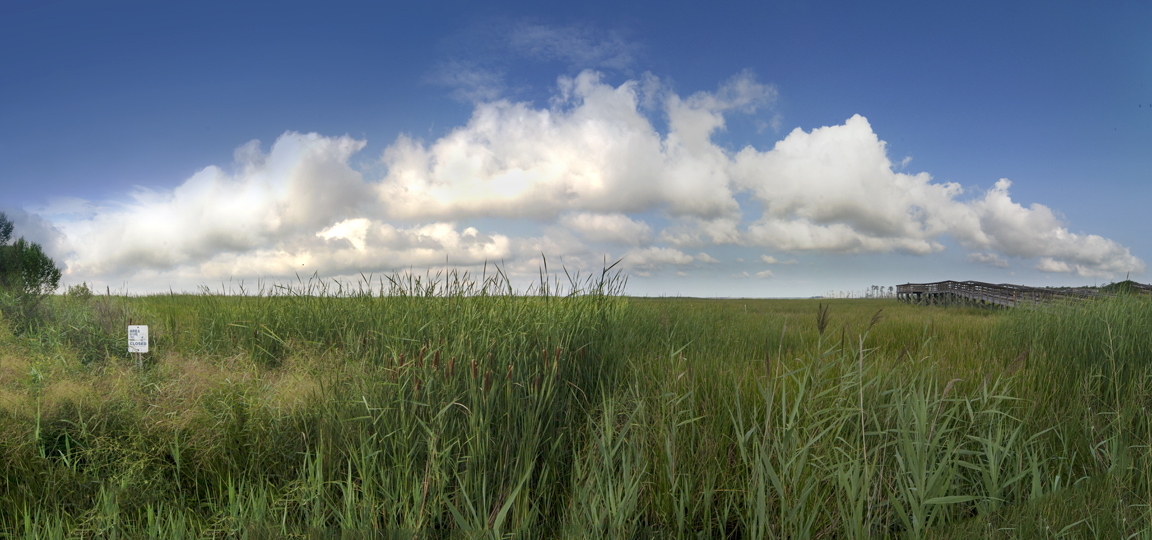
We went to the Blackwater National Wildlife Refuge outside of Cambridge, Maryland to see what subjects we could find to photograph. These images were taken along the Wildlife Drive. The Eagles were scarce, only saw a few in the distance, but we kind of expected that. But in the Winter months Blackwater has one of the highest numbers of Eagles in the Northeast. So we were concentrating on Dragonflies, other birds, panoramas and sunrises & sunsets. The featured image was 4 Horizontal shots @24mm, assembled in Photoshop. With wide angle lenses for panoramas, I tend to overlap more than when using long telephoto lenses. The wider the focal length the more overlapping shots I do. These images were shot on or near the long Observation Platform along the 4 mile Wildlife Drive. The above featured image was 4 horizontal shots @ 24mm. On the right side of the featured image you can see part of the Observation Platform. These images were taken with the Canon 24-105mm lens or the Sigma 12-24mm lens. The Blackwater NWR includes more than 28,000 acres of tidal marsh, mixed hardwood and loblolly pine forests, managed freshwater wetlands and croplands. The Blackwater & Little Blackwater Rivers flow through the refuge so I guess that is where they got the name Blackwater NWR.
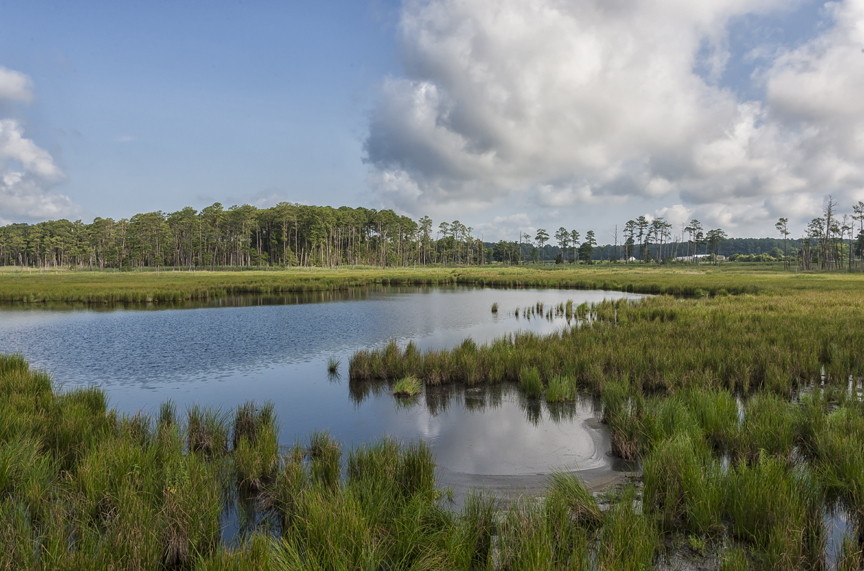
3 Horizontal Images @ 24mm

3 Vertical Images Combined For Horizontal Image @ 24mm
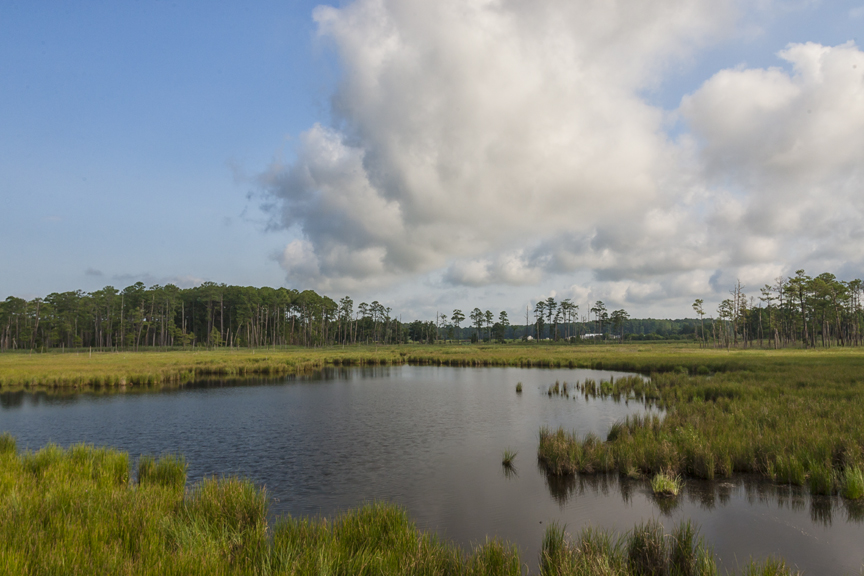
4 Vertical Images Combined For Horizontal Final Image @24mm

3 Vertical Images Combined for Horizontal Final Image @ 24mm
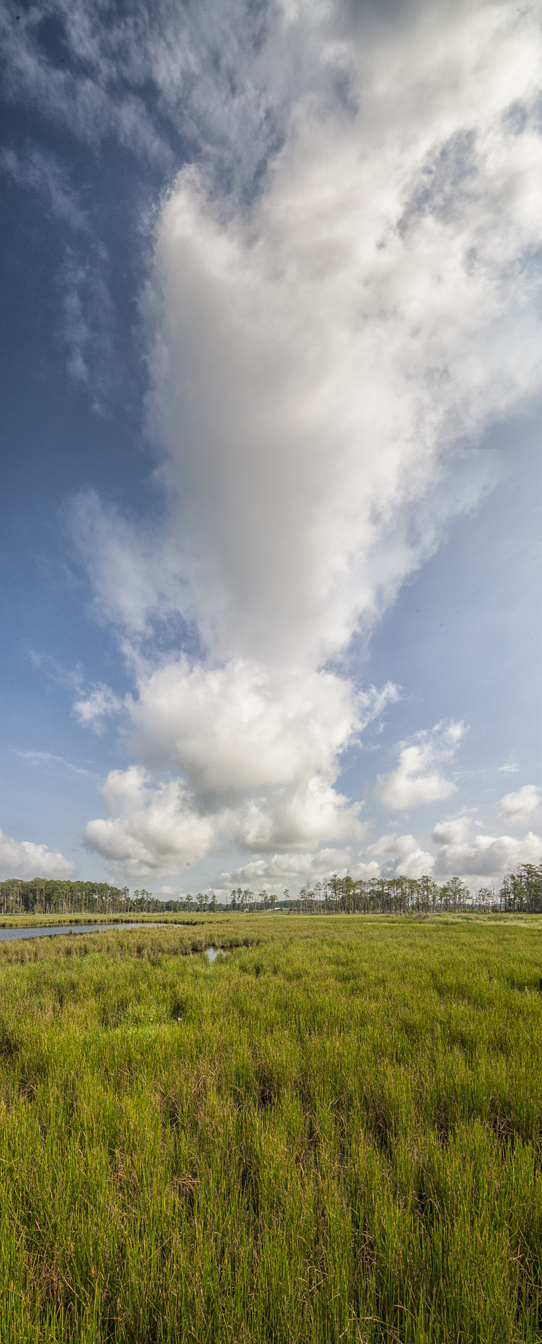
4 Vertical Images Combined For Vertical Image @ 12mm
Snail Macro
Posted on July 6, 2018
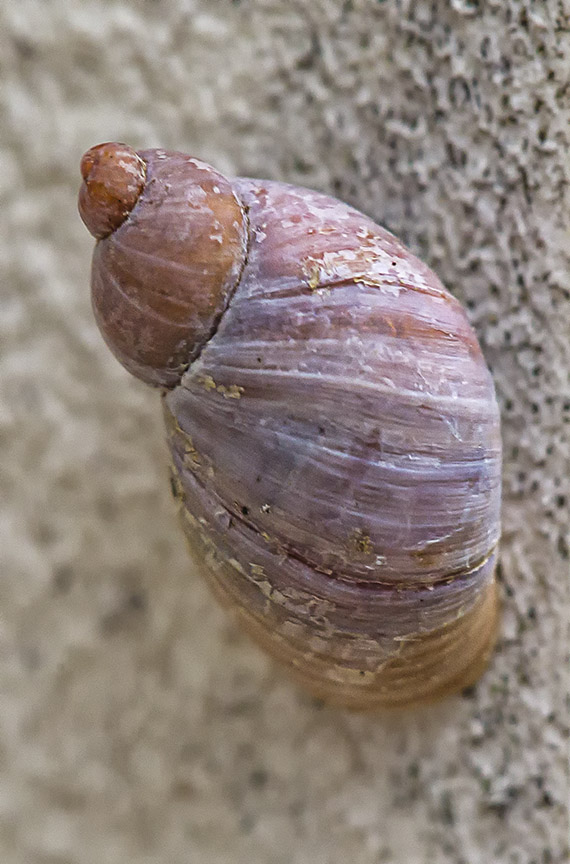
When I was leaving to go to work, I noticed this tiny snail on the edge of the front door frame. It was smaller than a 1/4” long. I went back in and got a 100mm macro lens and shot a series of images at f/2.8 for a focus stack. I had to do this because I was using available light and did not want to push my ISO over 1250 ISO. Using a series of images for the focus stack letting Photoshop select the sharpest sections of each frame and merged them together for a final image. It was 5 am so it was pretty dark. I rested the front edge of the lens on the edge of the door frame and shot a series of focus points. Then let Photoshop do the rest.
Longwood Gardens Conservatory
Posted on April 27, 2018

We did a quick go through at the Longwood Gardens Conservatory as we were concentrating on the Tulips outside. It was also quite crowded inside, so I mainly concentrated on Flower Closeups inside. Here I am showing some overall inside landscapes of a few of the interior rooms when there was a quick moment with fewer people around. Because it was darker on floor level, when I had the glass above showing, being much brighter, I made another layer in Photoshop and brought back the “Blue” of the sky in the glass.
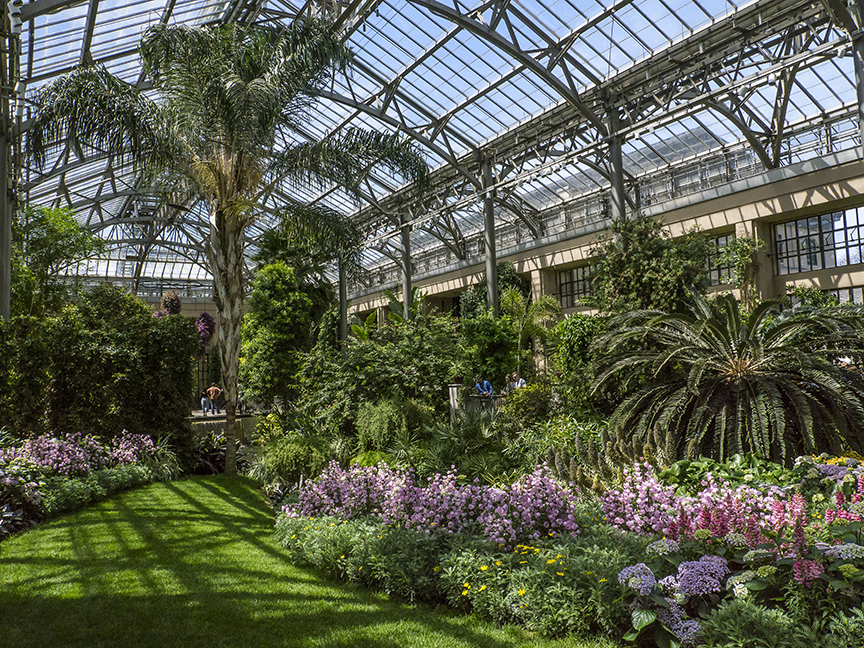
Single Image @14mm, m43

2 Image Handheld Stack, @14mm, m43, to give the image a little more foreground.

2 image exposure stack for sky detail, m43 @14mm
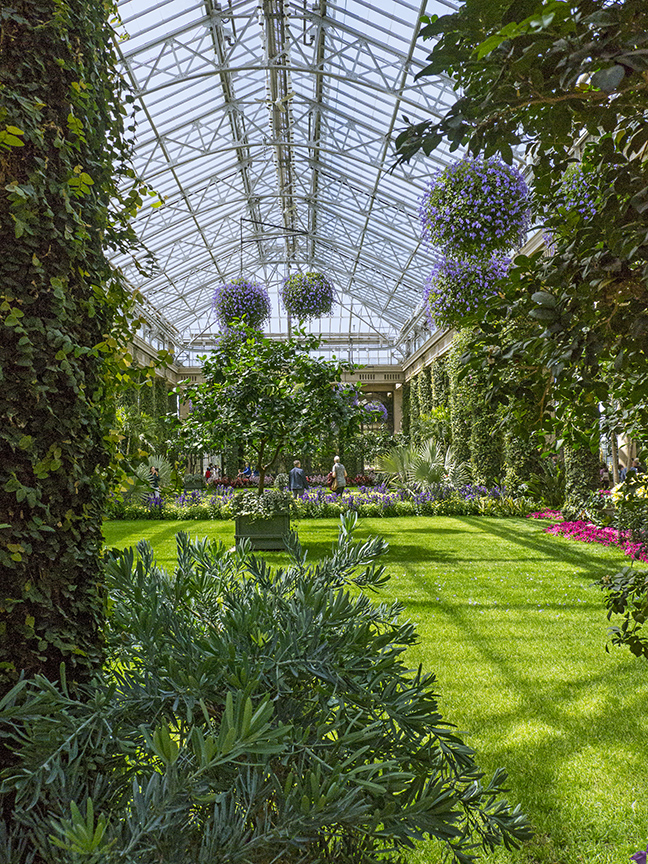
Multi-image stack @14mm for exposure and wider view.

Interesting Light Fixture
Great Egret Wing Positions
Posted on January 6, 2018
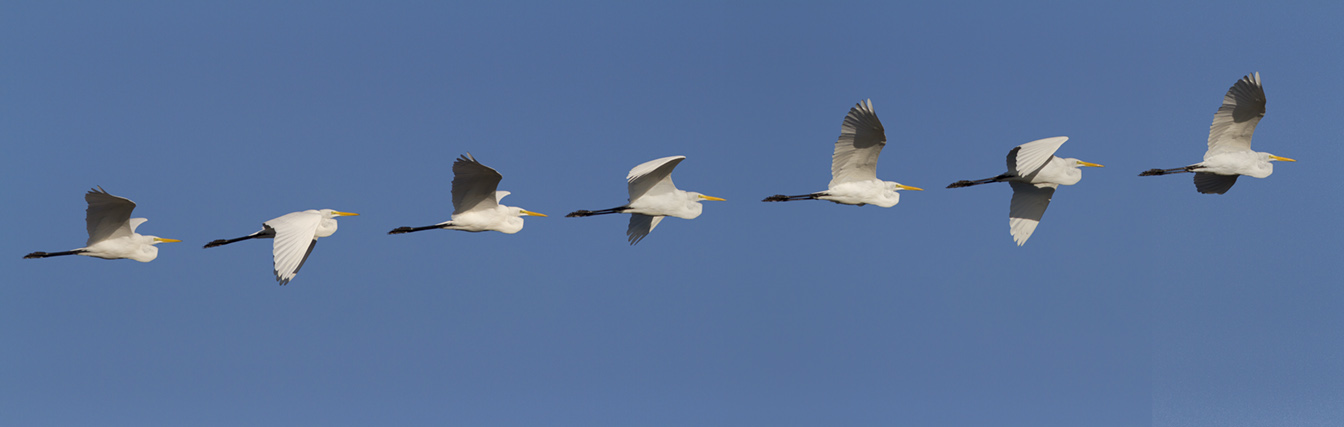
While I was photographing at Ding Darling NWR in Sanibel, FL, this Great Egret flew by where I was photographing White Pelicans. It flew in front of me from left to right. As I was adjusting my files I thought it would make an interesting image showing the different wing positions as it flew by. I did not have the camera set at a high frame rate, but I thought it was still interesting.
In Camera Raw I selected the whole series, made my adjustments and opened them in Photoshop, each on its own layer in the original file. I selected the blue background and inversed the selection to select the Egret on each one. I made a new file that would fit them all in horizontally. I selected a blue sky color from the first of the series and a blue sky color from the last of the series and graduated the color from left to right for the background sky. Then added a slight bit of noise into the sky.
Now that I had my sky background, I went back to each Egret image and selected the layer of each Egret and put that Egret image in a new layer, in sequence to show the wing position sequences. If I was at a higher frame rate I would have gotten more wing positions, but I still had fun putting it together.
 photoartflight