 photoartflight
Rain Drop Image Stacking
Posted on May 16, 2017

Over the Weekend we had multiple series of rain storms, some with heavy rain. It would rain, then the sun would come out, then it would rain again, multiple times over. I went out in the yard during a sunny session in between, to look for rain drops. I was using a Sigma 150mm f/2.8 macro but did not have a tripod at home. So I tried multiple series of images, for handheld image stacking. Trying to be as steady as possible, I shot multiple series on a variety of groupings of water drops. These range from 3 image stacks up to 19 image stacks per image. Being hand held, it was hard to focus in a series of focus points without moving the frame somewhat. Actually, some I moved quite a bit. The newer versions of Photoshop CC seem to do a really great job of aligning and assembling images. And then filling some areas with content-aware fill to give a finished image. They would have been better if I used a tripod, but overall I am pleased with what I did get.
The Featured Image is a 10 shot handheld image stack.
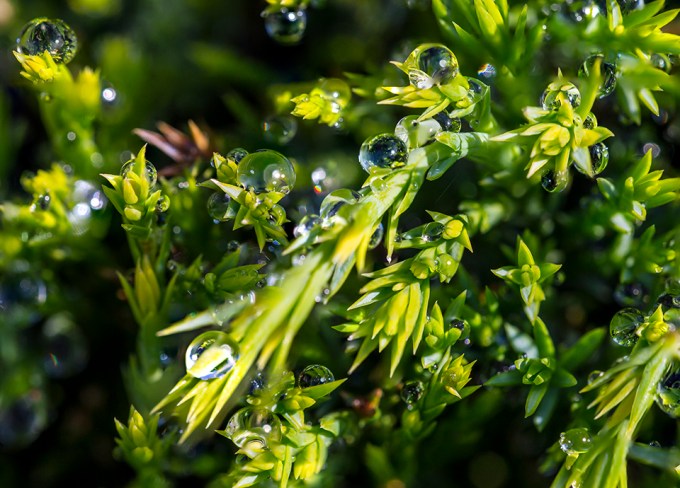
7 image stack
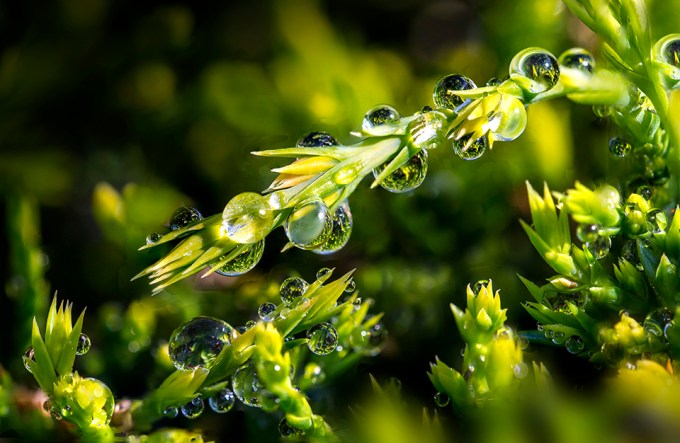
10 image stack

10 image stack
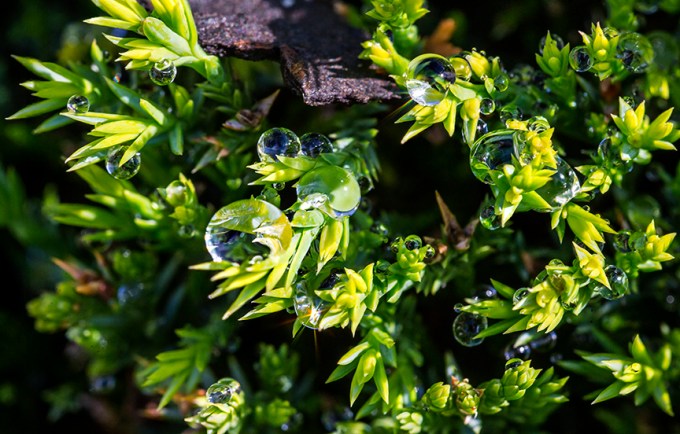
8 image stack
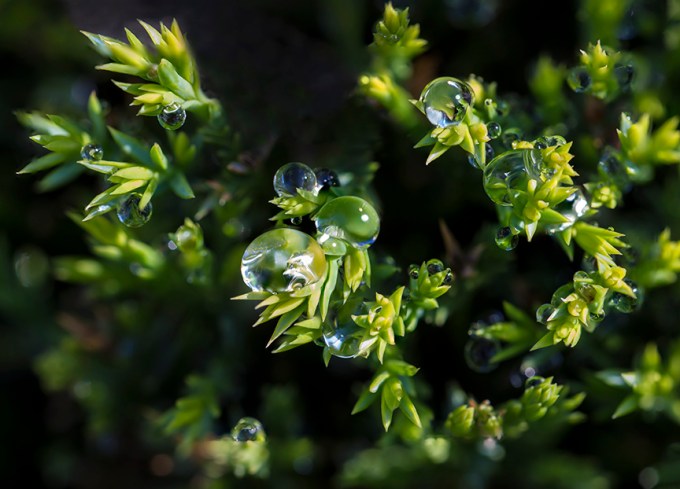
7 image stack

18 image stack
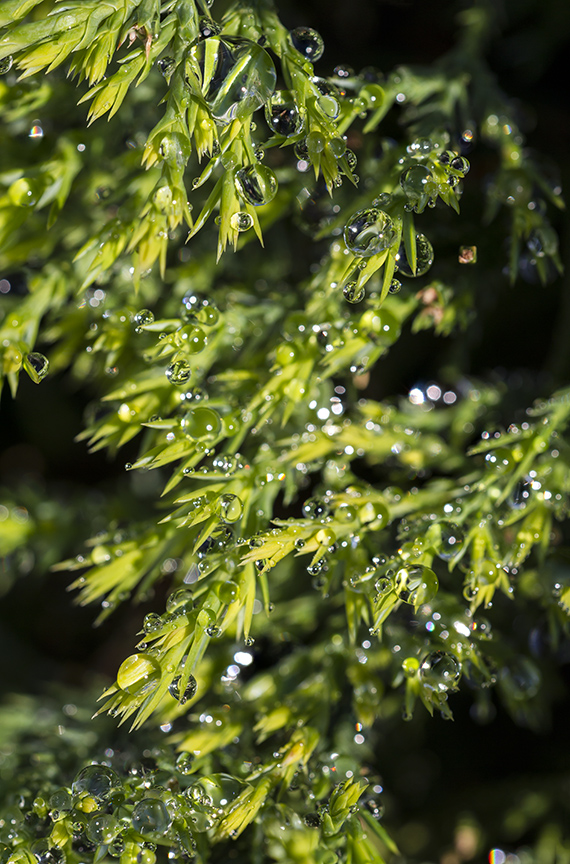
3 image stack
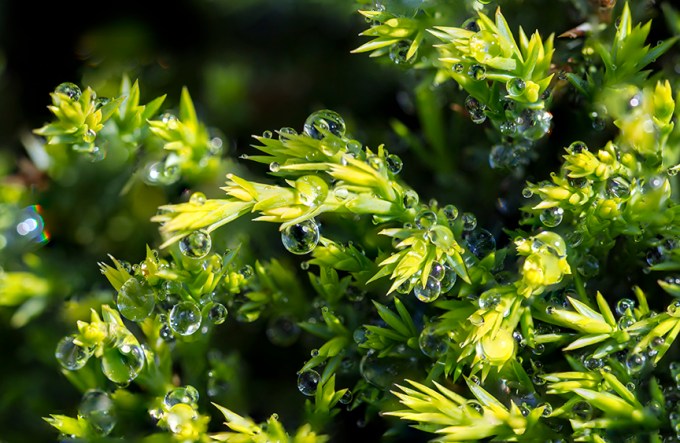
11 image stack
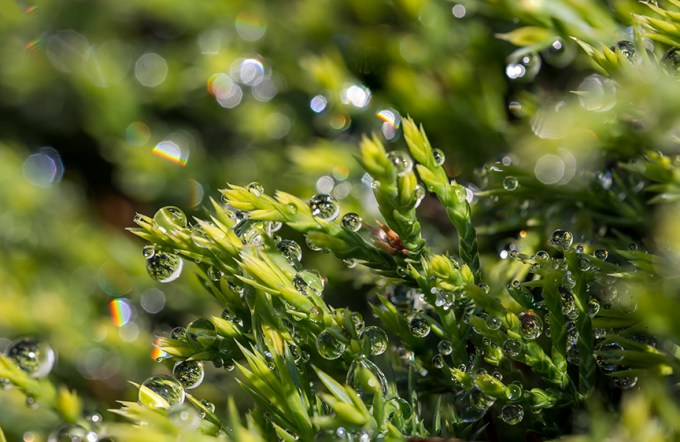
19 image stack
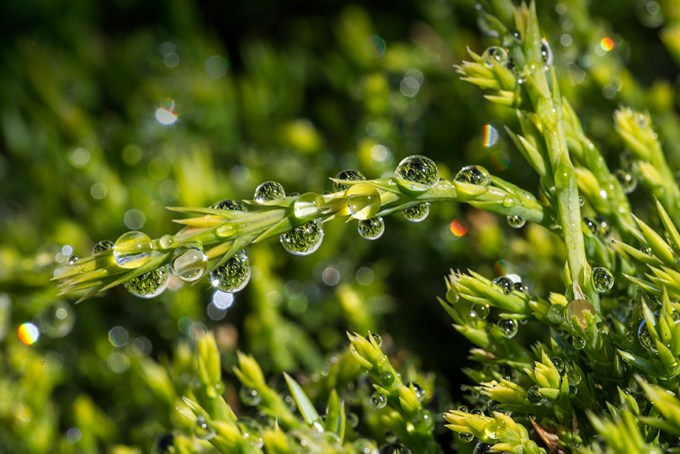
3 image stack

3 image stack
Spider Web with Dew Drops
Posted on September 24, 2016

While I was looking for Dragonflies, I found this small spider web with dew drops on it. It was only a couple inches in length, which accentuated the small dew drops when viewed close-up. It was very windy with the web blowing in the breeze and it was in the shadows, so I had to shoot at a high ISO and fairly wide open f/stop to stop the movement. I did not try for a series and then stack them for depth of field since it was bouncing around so much.
Feather Closeup 1X to 5X+ in Studio
Posted on January 9, 2016

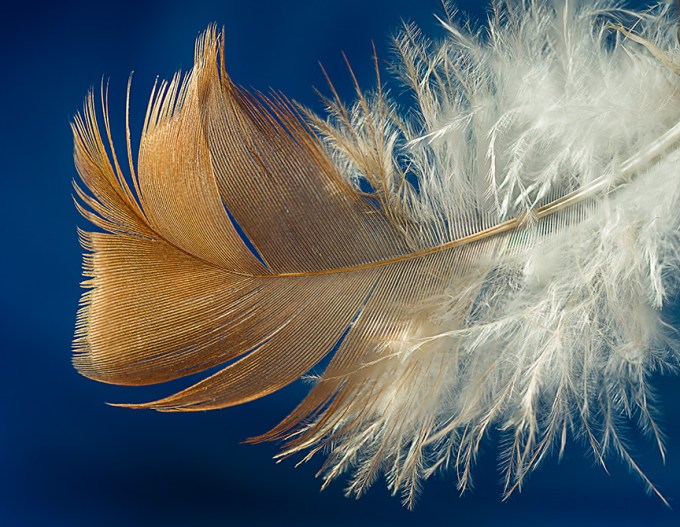
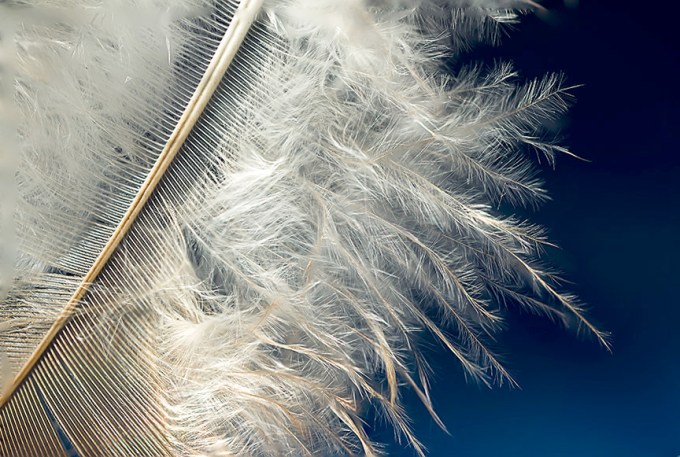
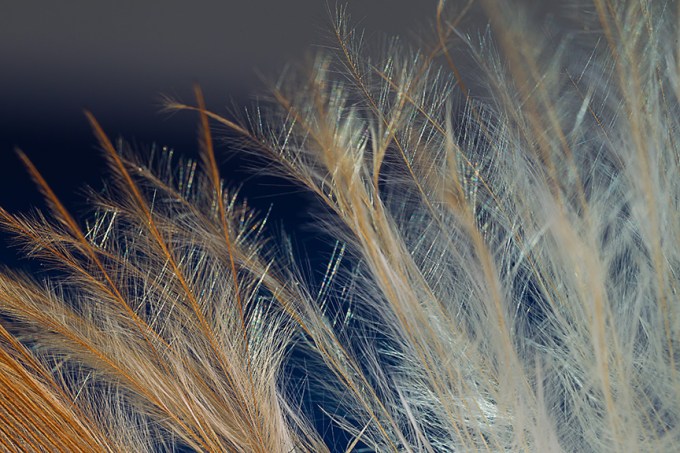
When the weather gets colder and the days get shorter and grayer it is fun to shoot some extreme closeups of natural subjects in the studio. When I am photographing outside I collect subjects to photograph in the studio at a later date. My favorite is feathers, but leaves, seeds or almost anything natural can be interesting. Your studio can be your kitchen, living room, etc. or an actual photo studio. It is fun to try stretching your photographic vision in a controlled environment to see what you come up with. It can be extreme closeups of everyday items in your home or natural items you find and bring inside. It is interesting to see even a slight change in angle or shift in lighting can make a big difference in your final image. Simplistically, shooting parallel to your image gives you more depth of field across the subject, shooting at an angle gives you more of a view to highlight a certain area in sharp focus and a softer look in other areas highlighting a certain area you want to show. Also you can use many homemade items to add to your image. Try a small reflector or mirror to bounce back a little highlight to an area or even a white fill card. Lighting from above and behind adds more to surface textures. It is fun to try different techniques or just experiment to see what you get. Another technique to try is focus stacking, especially for closeup macro shots for more depth of field in your image. Images below are from 1X to 6 or 7X with a variety of macro lenses. 50mm macro, Canon MPE 65mm , 100mm macro and 150mm macro.

Feather – 11 stacked images for more depth of field
Feather Image – 8 stacked images for depth of field
Feather – 4 stacked images for depth of field




Mangrove Tree Crabs
Posted on February 13, 2014

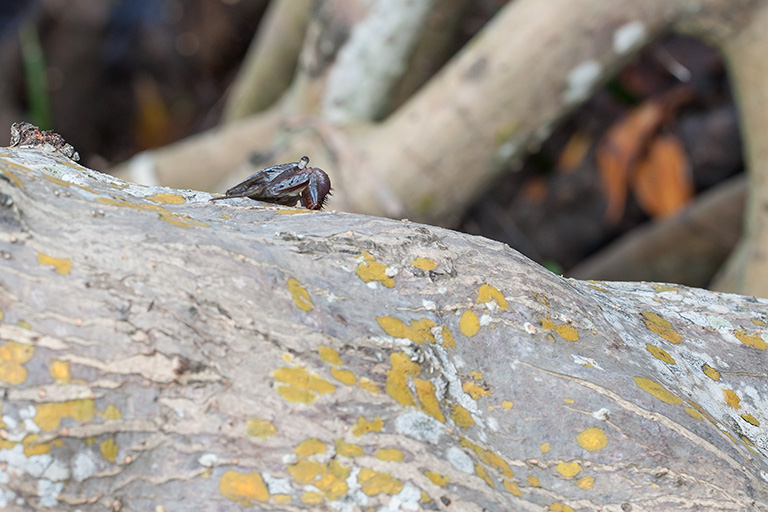
We found a lot of Mangrove Tree Crabs climbing in the Mangrove branches. They are usually a little under an inch, but we found quite a few larger ones on the branches. It is usually rather dark under the leaves and branches, but with a little fill flash you can see some amazing colors on them. I used canon flash with a flexible bounce reflector. I underexposed the flash by 2/3 rds of a stop so it acted more like a fill flash, more for the getting some detail and colors of the crab. When threatened they can move very quickly, so if you stay too long or get to close you will loose your subject. One day it seemed like there were hundreds in the trees, while on other days we only saw a few.

Hiding
Canon EOS 1D MkIII, Sigma 150 Macro OS f/2.8, Fill Flash – 2/3 stop, handheld, @ f/8, 1/20 sec, ISO 400
Long Way to Go
Canon EOS 1D MkIII, Sigma 150 Macro OS f/2.8, Fill Flash – 2/3 stop, handheld, @ f/8, 1/30 sec, ISO 400

Little Crab – Big World
Canon EOS 1D MkIII, Sigma 150 Macro OS f/2.8, Fill Flash – 2/3 stop, handheld, @ f/8, 1/30 sec, ISO 400

Long Way to Go
Canon EOS 1D MkIII, Sigma 150 Macro OS f/2.8, handheld, Fill Flash – 2/3 stop, @ f/8, handheld, 1/30 sec, ISO 400

What are you looking at!
Canon EOS 1D MkIII, Sigma 150 Macro OS f/2.8, Fill Flash – 2/3 stop, handheld, @ f/11, 1/6 sec, ISO 400

Climbing Down
Canon EOS 1D MkIII, Sigma 150 Macro OS f/2.8, Fill Flash – 2/3 stop, handheld, @ f/11, 1/6 sec, ISO 400

Blending In
Canon EOS 1D MkIII, Sigma 150 Macro OS f/2.8, Fill Flash – 2/3 stop, handheld, @ f/8, 1/8 sec, ISO 400

Closer
Canon EOS 1D MkIII, Sigma 150 Macro OS f/2.8, Fill Flash – 2/3 stop, handheld, @ f/8, 1/13 sec, ISO 400

Hanging Around
Canon EOS 1D MkIII, Sigma 150 Macro OS f/2.8, Fill Flash – 2/3 stop, handheld, @ f/3.2, 1/125 sec, ISO 400

Going Down
Canon EOS 1D MkIII, Sigma 150 Macro OS f/2.8, Fill Flash – 2/3 stop, handheld, @ f/2.8, 1/125 sec, ISO 400

 photoartflight