 photoartflight
Night After Full Moon Camera Tests @ 1200mm & 1920mm
Posted on September 17, 2019
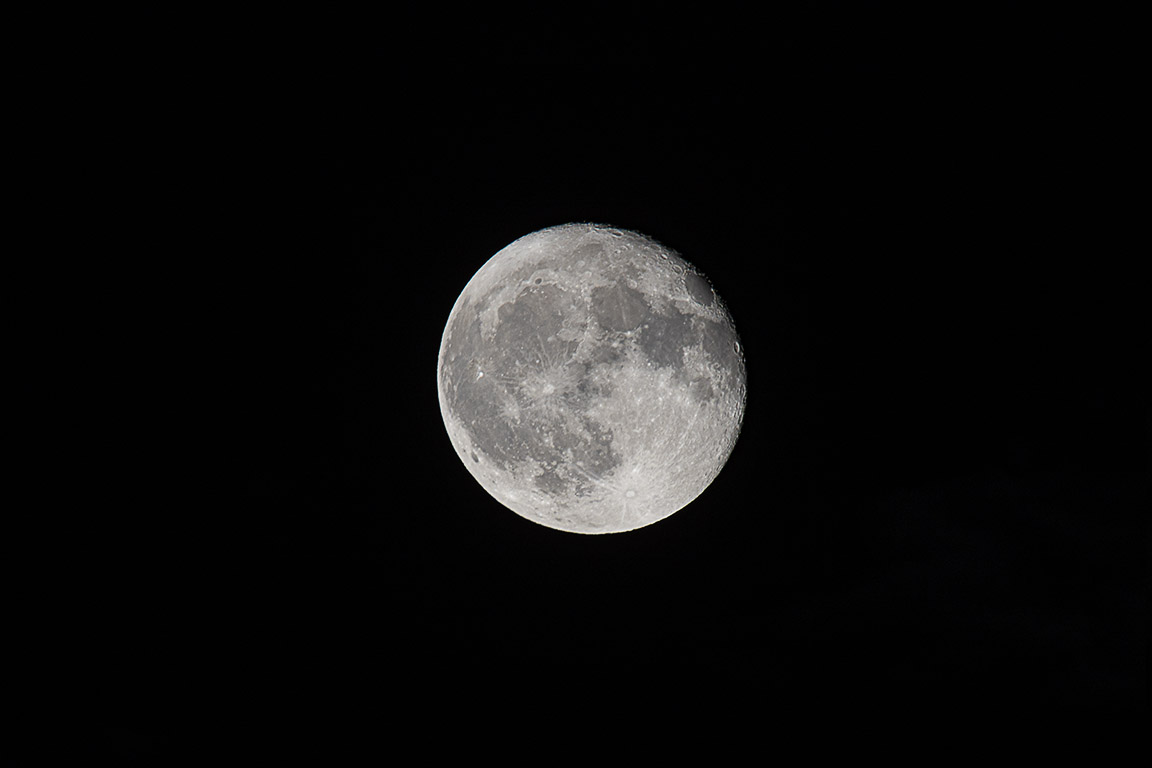
I wanted to try a few simple tests photographing the Full Moon with the Canon R Camera & the Tamron 150-600mm lens with a 2X Teleconverter. The Sigma 2X teleconverter fits on the Tamron where the Canon Teleconverters do not. I really like the Canon R compared to all my other Canon cameras because of the extremely clean image quality and low noise in the images. The 2X Teleconverter would give me the equivalent of 1200mm focal length. But on that night it was overcast and the moon was not visible. I did the tests the day after the Full Moon. So it was an almost Full Moon. I was very pleased with the test images from the Canon R. Very clean images compared with the other tests done with an older Canon 7D. In the past I usually used the 7D because of the 1.6X cropped sensor for photographing the moon. The 7D, with the 1.6X crop factor gave a FOV (Field of View) on a Full Frame camera of 1920mm, but had a lot more visible “noise” compared with the newer “R”. Even controlling “Noise” when opening the 7D file in Adobe Camera Raw and NIK Software’s Dfine noise reduction once opened, the image was quite “noisey”.
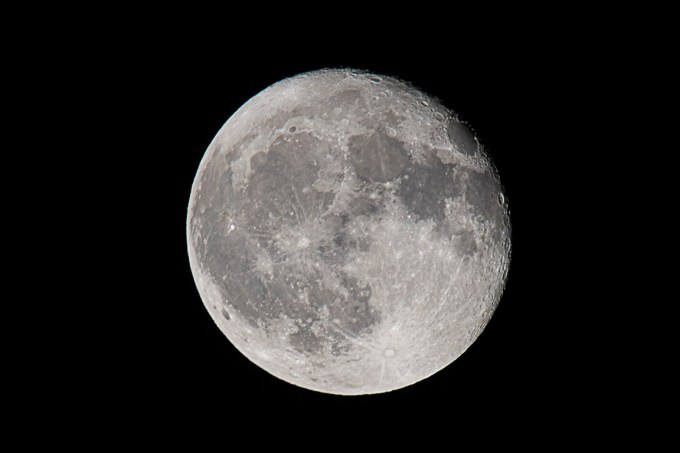
Cropped tighter image shot @1200mm with Canon R
The “Featured” Image is the Canon R, with Tamron 150-600mm lens with a 2X Teleconverter. The Canon R autofocused quickly even with the 2X Teleconverter. Next time I will try stacking 1.7x or 1.4x teleconverters with the 2X teleconverter.
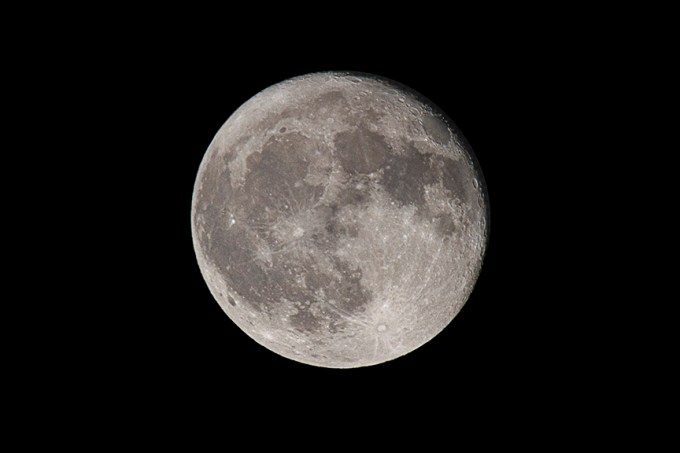
Moon Image, 7D, 150-600mm Tamron Lens, 2X Teleconverter, FOV 1920mm (Field Of View) compared with Full Frame Canon R
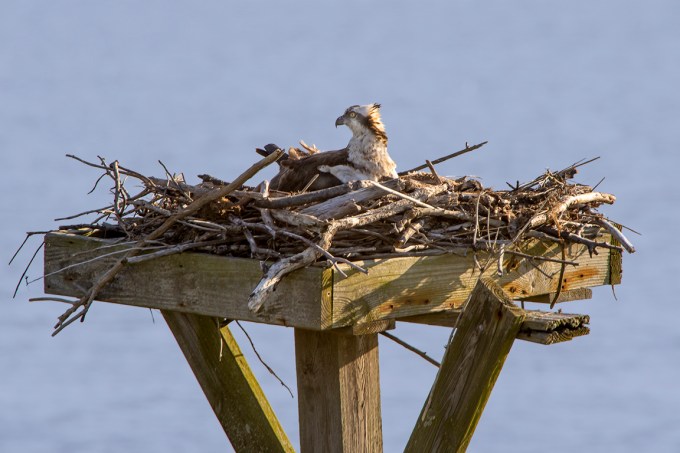
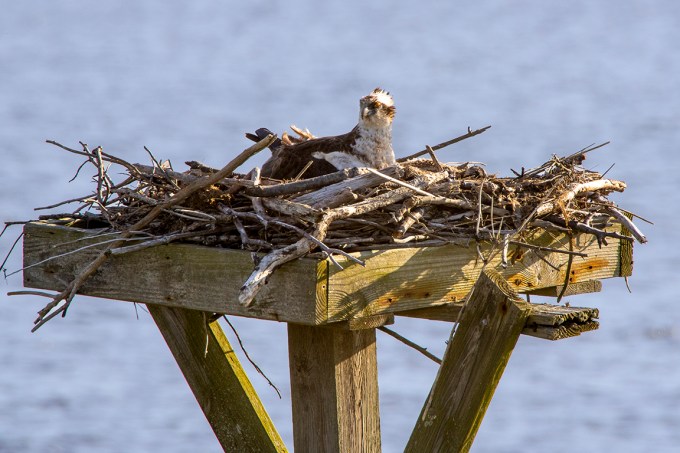
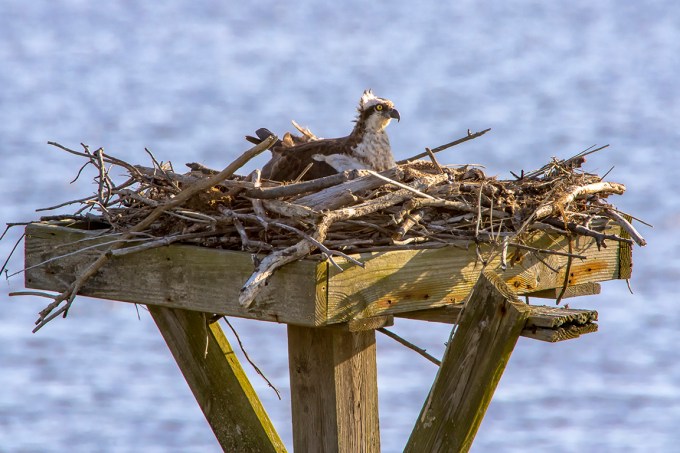
Osprey Nests On Platforms @ 1200mm
Posted on July 27, 2019

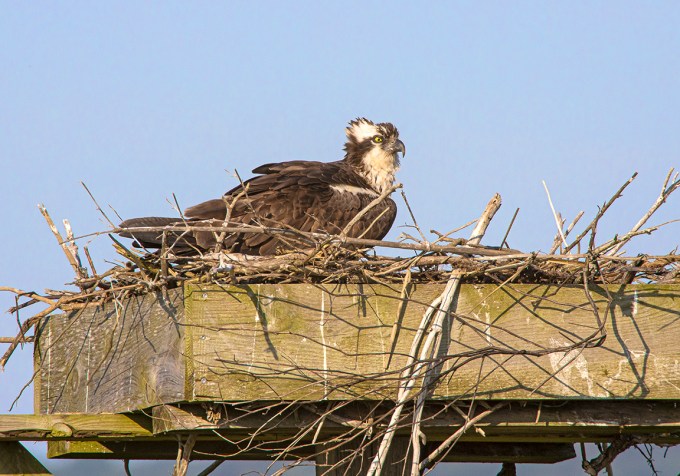
A series of Osprey Platforms with nest images from the Edwin B. Forsythe NWR in Oceanville, NJ. I was using a Tamron 150-600mm lens with a 2X teleconverter to get closer to the Osprey Platforms. Then cropped in a little for a tighter composition. You can see the nests are not the neatest or cleanest when you are looking that close, but are still interesting. Also it is interesting when an Osprey sees you photographing them they really stare you down! The Canon R, even with a 2X teleconverter on a Tamron 150-600mm auto focuses quite quickly and right on focus. The Canon R will autofocus even with stacked 2x & 1.4X (or 1.7x) teleconverters. Did not try stacking 2X Teleconverters. I have also found that when stacking teleconverters I usually stop down a little more to help with sharpness.
Black Skimmers At Brigantine
Posted on July 1, 2019
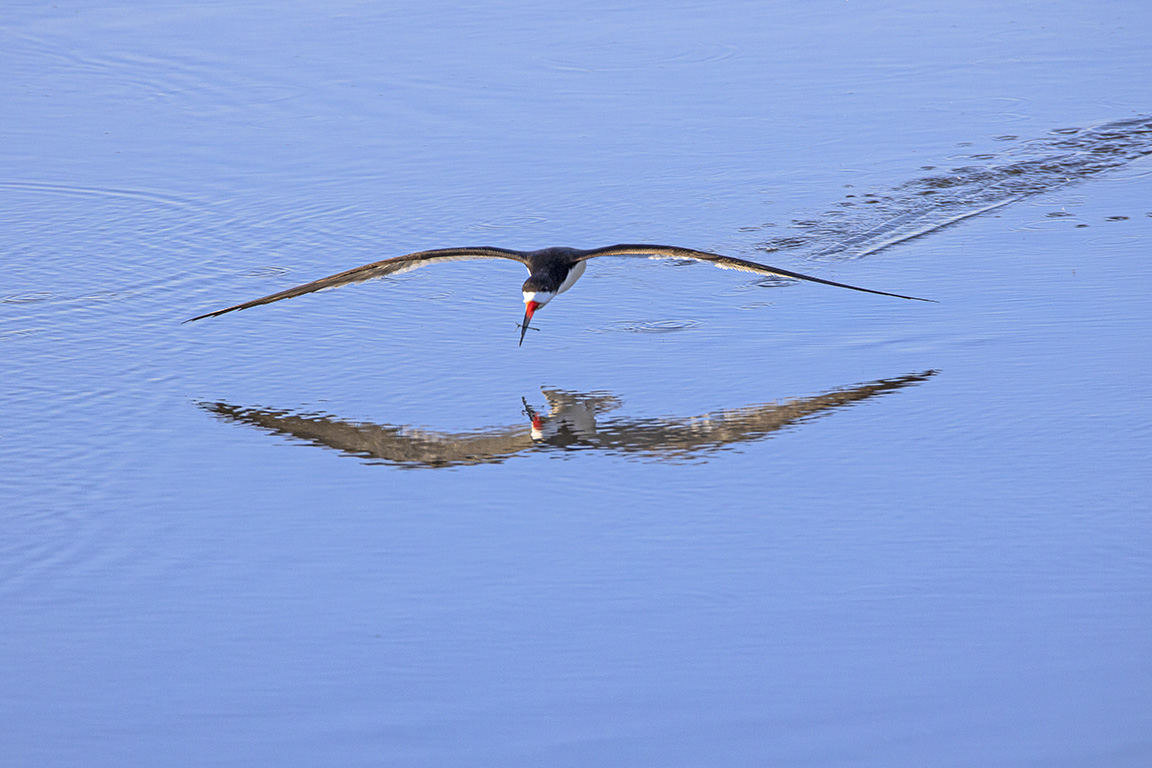
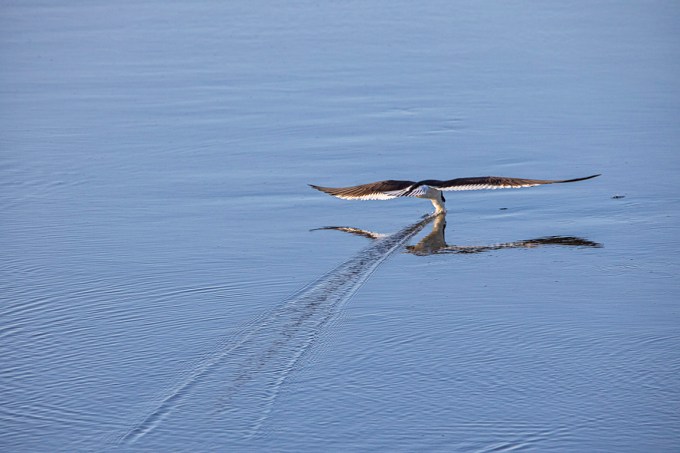
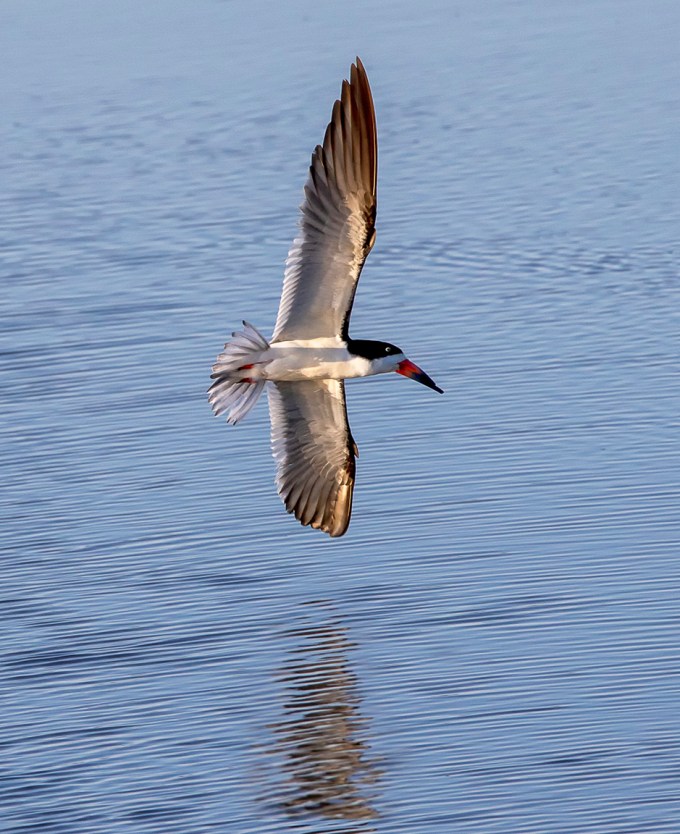
Black Skimmers are some of my favorite birds to photograph as they are fishing and skimming along the water. This group was working an area in the channel along the Wildlife Drive near the entrance to the Wildlife Drive at the Edwin B. Forsythe National Wildlife Refuge, Brigantine Division. I was shooting @ 600mm, but they were covering a large area, going down one of the channels moving away from me, then turning around coming back to me and going to the right. Then they would repeat their pattern. Time after time fishing the channels and then swinging around to skim along the other direction. There were 2 groups of 2 fishing there. In another post I will show images of the 2 skimming together.
I was using a Canon R with a Tamron 150-600mm lens and was surprised the Canon R tracked them so well. I even tried a few with a 2x teleconverter and still auto-focused well.


Female Wild Turkeys
Posted on March 19, 2019

I was checking out a new lens to see how it would work with a Canon R Camera. Sometimes, especially since I am getting older, I want to travel with fewer lenses to make life easier. I was looking at the Sigma 60-600mm, but it weighed a lot more. So I am trying a Tamron 150-600mm zoom lens to see if I like the images. This is not a full setup test, just a first test to see how the lens handled. I was just sitting outside my home photographing tree branches and other subjects to see the sharpness of the lens when I saw this group of Wild Turkeys coming towards me in a wooded area. The Male stayed further back in another yard, but the females were closer. I did not have a tripod with me so these are all handheld which was a challenge because they were in the shade so not a lot of light, but I tried a variety of shutter speeds, High ISO settings and f/stops. This also gave me an idea of how good the lens stabilization was. Wide open @ f/6.3 still gave me a limited slow shutter speed, so I increased ISO to get the shutter speed up somewhat. You will see some feet might have a slight blur from movement because of the lack of light. Also I tried a few teleconverters but the only one that would work on the Tamron was a Sigma 2X, but it did not pick up the teleconverter info and thought it was still an f/6.3 lens. It auto focused fine and and was quite responsive. The other teleconverters just gave me an error message on the Canon “R”.
The featured image was shot, handheld @ 375mm 1/200 sec, ISO 1600

Female Turkey, 600mm, 1/1250 sec, f/6.3, 3200 ISO (because of shade)

Female Turkeys, further back, In extreme shade, 600mm w/ Sigma 2X Teleconverter, 1/125 sec, f/6.3 (handheld) ISO 6400 (because of the lack of light and the 2X teleconverter. The f/6.3 is wrong, but the Canon R did not “see” the Sigma teleconverter, but still autofocused fine and was precise.
 photoartflight