 photoartflight
Sunset Sanibel Beach
Posted on January 19, 2014

Here is a colorful sunset from our trip to Sanibel, Florida. We spent 5 days on the island between J.N. Ding Darling NWR and the beaches. Even though I like the Colorful Sunset, I think I like the B&W versions more. The image was converted in Nik Silver Efex Pro 2.
Color Image: Canon EOS 1D MkIV, Canon 24-105 L f/4 lens @ 93mm, f/4.5, 1/200 sec, ISO 400, -0.33 Exposure Compensation to saturate the colors slightly.

B&W Conversion in Nik Silver Efex Pro 2
Full Dynamic Smooth with minor tweaks
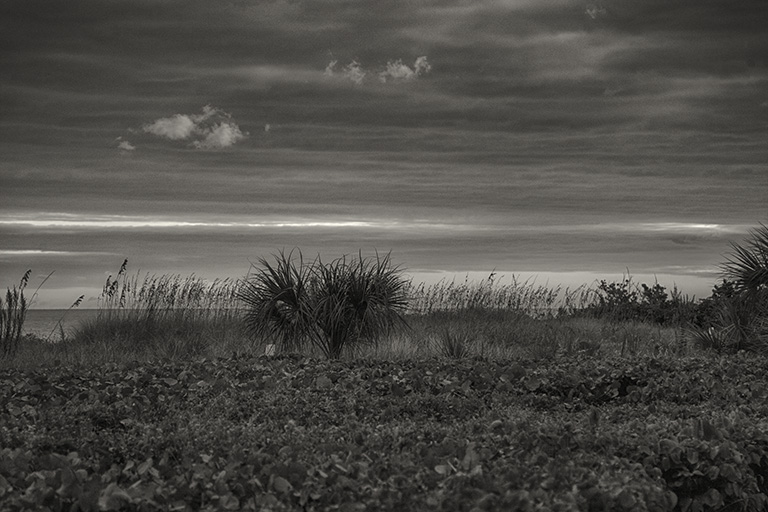
Above settings with Coffee Tint Added
Brigantine Sunset
Posted on December 17, 2013

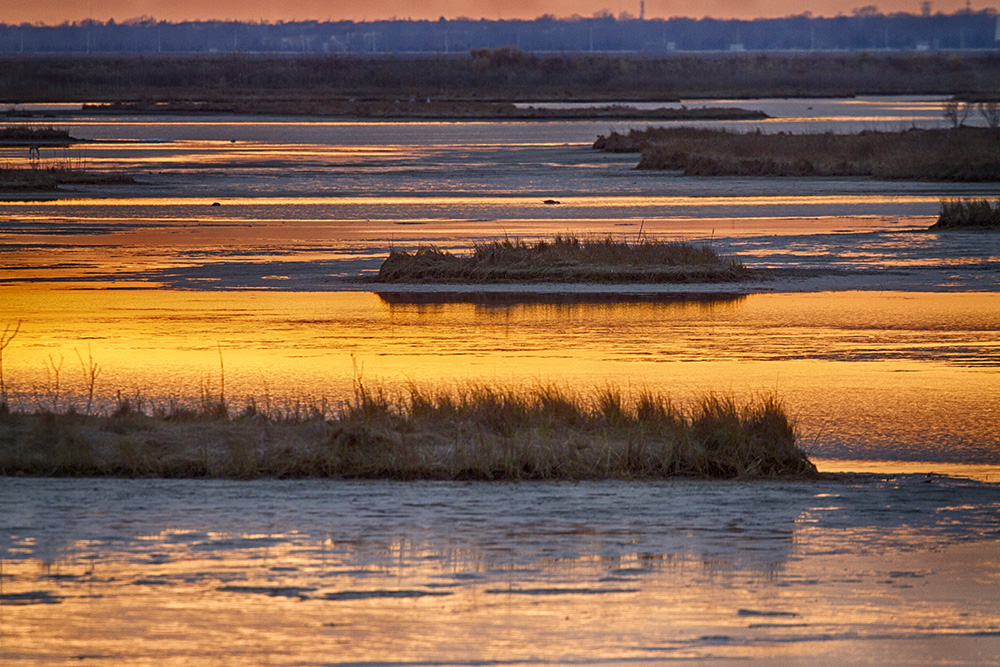
This is a sunset taken 2 years ago in December at the Brigantine Division of the Edwin B. Forsythe National Wildlife Refuge. Came across them on an external backup drive. We were winding down our day there and this was our last trip through the Wildlife Drive. Nearing the end of the Drive before going into the wooded area we were treated with the colorful sunset.
Header Image – Canon EOS1D MkIII, EF24-105mm f/4L IS lens @ 105mm, f/13 1/250 sec, ISO 400, Aperture Priority, +0.33 exposure compensation, effective focal length with MkIII 1.3X sensor,136.5 mm.
Canon 7D, Canon 400mm DO f/4, f/8, 1/640 sec, ISO 400, Aperture Priority, -0.33 exposure compensation, effective focal length with 7D 1.6X sensor, 640mm.
Red-Winged Blackbird Flocks at Blackwater NWR
Posted on December 11, 2013

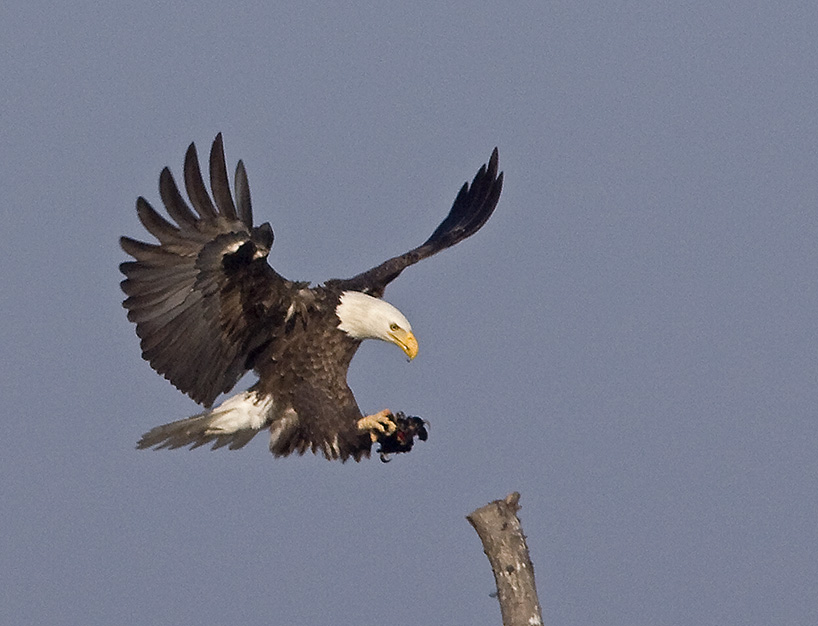
In the colder months there are huge flocks of Red-winged Blackbirds flying through the Blackwater National Wildlife Refuge outside of Cambridge Maryland. The number of Bald Eagles increase also during the colder months to approximately 150. When the water freezes over the Eagles sometimes are seen taking Red-winged Blackbirds or Canada Geese for their meals. Here are some photos of the flocks of Red-winged Blackbirds flying through the refuge and also photos of Eagles guarding their lunch.
Canon 20D, Sigma 300-800 f/5.6 zoom @ 731mm (1170mm with 1.6 crop factor of 20D sensor), 1/2000 sec @ f/8, ISO 400, aperture priority, -0.33 exposure compensation.

Canon 7D, EF400mm f/4 DO IS USM +1.4x teleconverter, 560mm (896mm with 1.6 crop factor of 7D sensor), @ f/8, 1/2500 sec, ISO 400, Aperture Priority, -0.33 exposure compensation.


Eagle w/Red-winged blackbird, Canon EOS 7D, Sigma 300-800mm f/5.6 zoom @ 1023mm with 1.6X crop factor of 7D sensor), 1/2500 sec, f/8, ISO 400.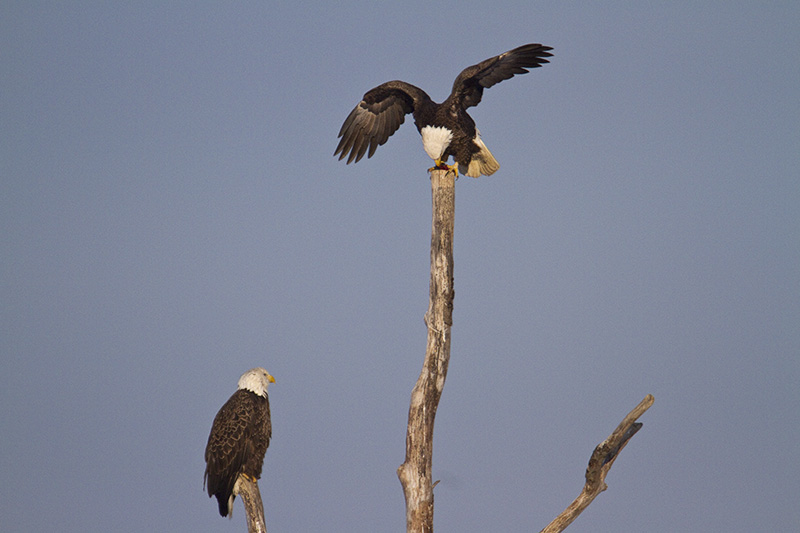


Red-winged blackbirds flying by the snag at sunset.
Red-winged Blackbirds scattering after Eagle swooped in for a meal.
Favorite Images from the Celery Farm Natural Area in Northern, NJ – Sunrises & Sunsets
Posted on October 9, 2013

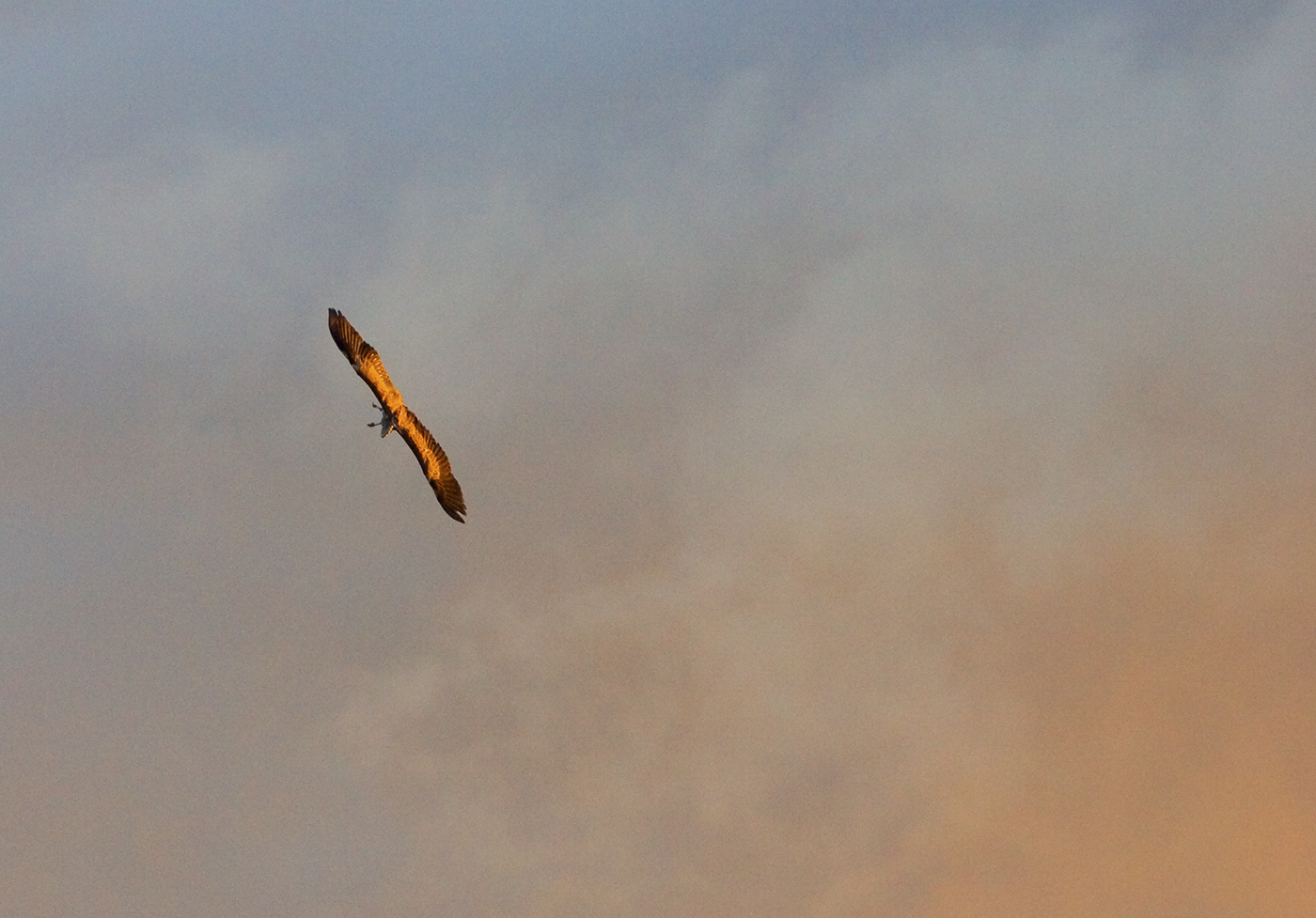
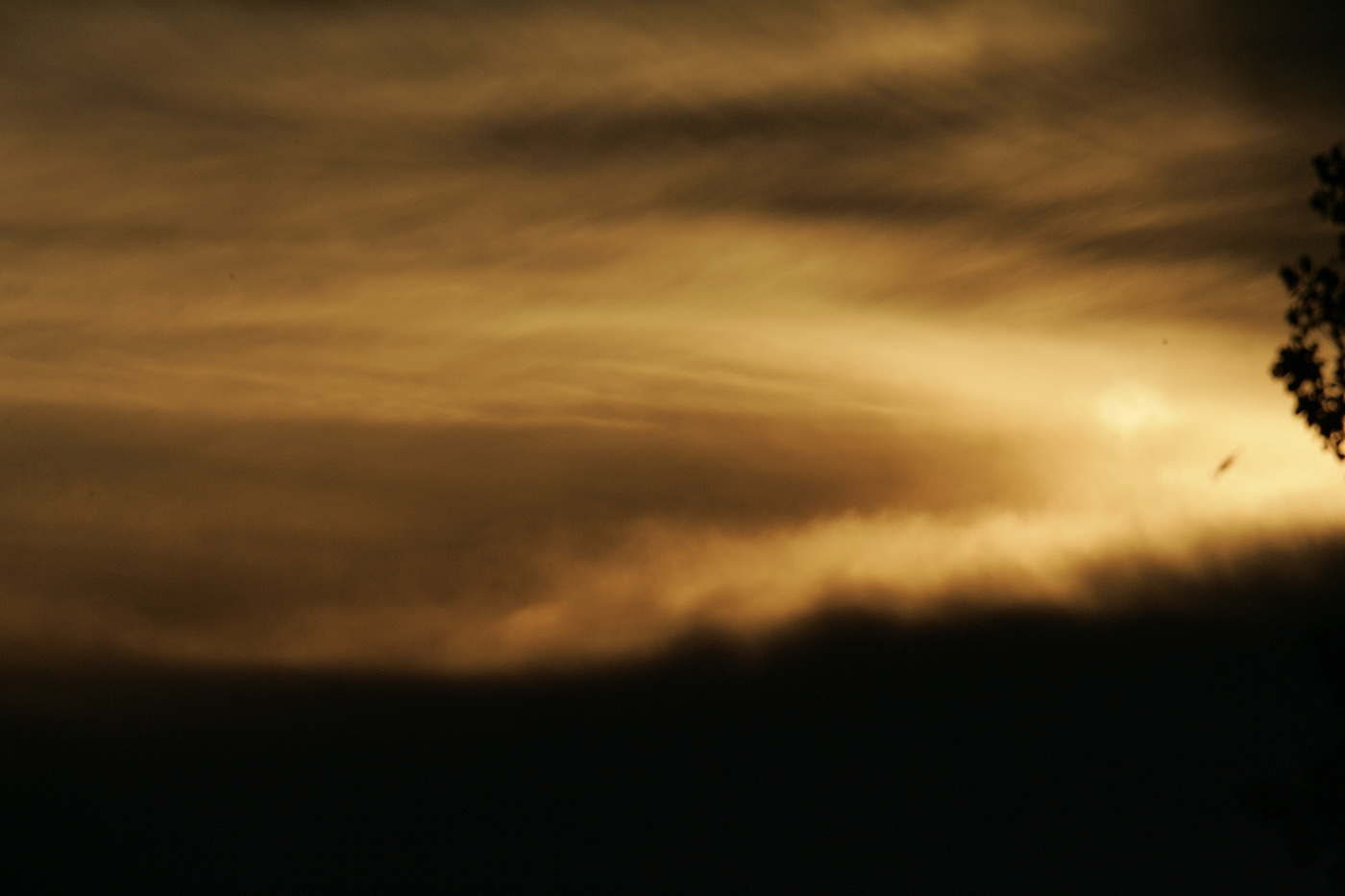
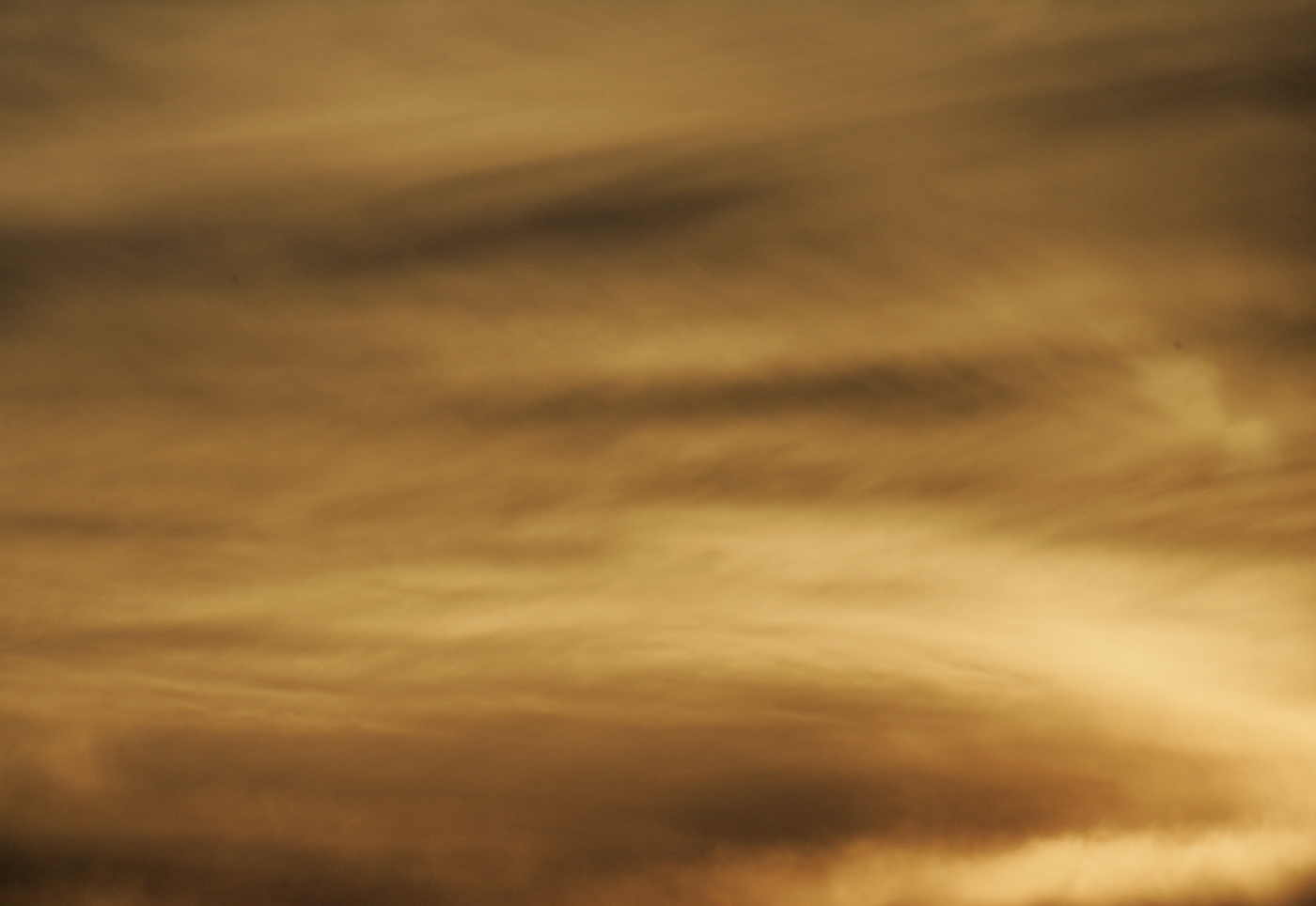
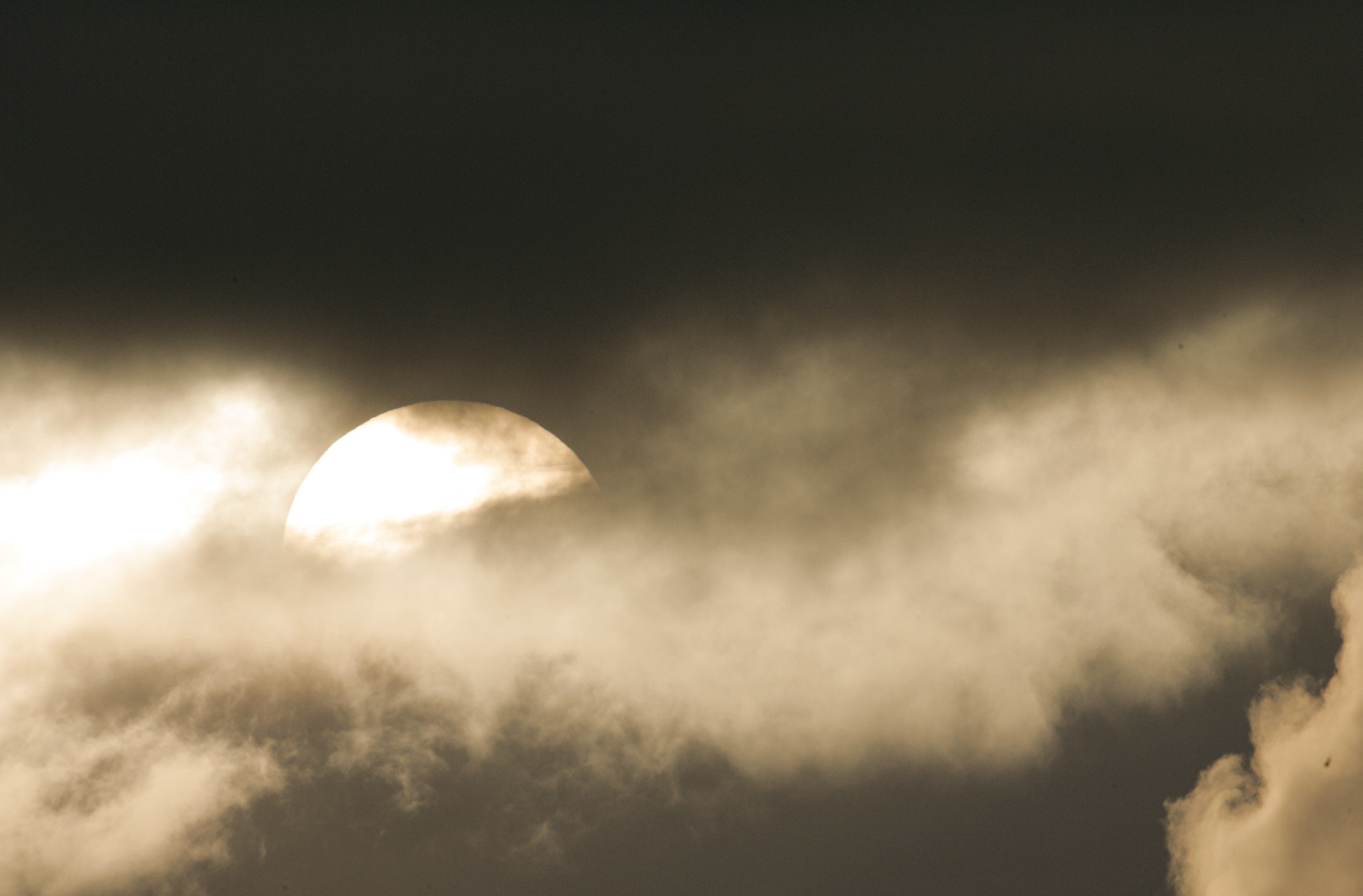
The Celery Farm Natural Area in Northern NJ is a local wildlife area that is close to home so it is easy to get to and wander around with a camera for an hour or two. It has a little over 100 acres to explore. Over 240 species of birds have been spotted here along with a variety of mammals, insects, and reptiles. I used to often get there early for sunrises and see the birds flying through the warm colors. Sometimes I would go back in the evening to catch a sunset. Here are a few images from those early morning/evening photo treks.



Ding Darling National Wildlife Refuge – Sanibel, Fl
Posted on September 17, 2013

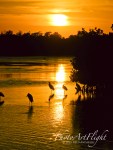
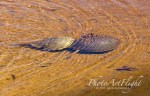
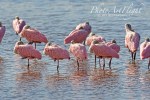
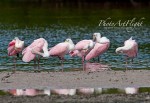
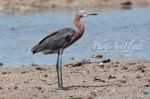
One of the places we like going to is Ding Darling NWR in Sanibel, Florida. Trouble is, with my work it is tough to get the time to go that far. Also with the lenses I bring, it is tough to fly. The last time we went was about 2 years ago, but I never really got the time to work on my images. I was going through one of my external back up drives and found my images, so I thought I would post some of them here. This is just a quick sampling out of about 2000 files from that trip. It helps to bring a long lens here, the longest you have. There is a lot of activity and interaction between the birds and long lenses help capture that. If patient though you will find quite a few close to the shoreline, you can even get some headshots with a 300mm to 400mm lens. I was using a Canon 400mm f/4 DO lens with a 1.4X Teleconverter or a Sigma 300-800mm DG Zoom Lens. Also there are great sunrises and sunsets here. You just have to time Sunrise with when the Wildlife Drive opens, so certain time of the year you will miss Sunrise. Ding Darling is closed on Fridays so you have to plan for that also. There is also Indigo Trail which is 2 miles long and starts at the Education/Visitor Center. There are 2 other trails along the drive, Wulfert Trail & Shell Mound Trail. Also off the main Refuge is the Bailley Tract, which is open every day. There are also many other areas to photograph wildlife on Sanibel & Captiva Islands. There are beaches, wildlife boat tours, lighthouse, and along the main bridge to get on the Island.









Skyscapes
Posted on September 13, 2013
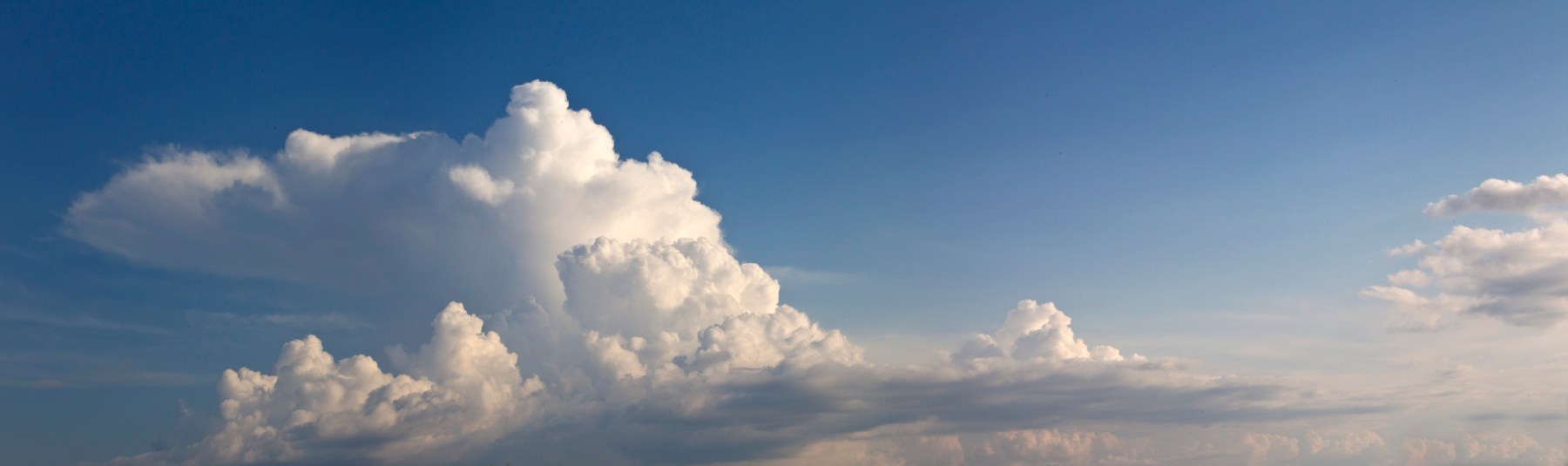
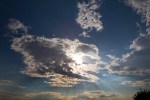
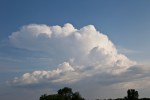
Often while I am out in the field, I notice great cloud formations. So instead of photographing landscapes, I go for Skyscapes. They can be very dramatic and more fun then the landscapes I was thinking of when I started out. Sometimes the sky is just so dramatic you cannot not photograph them. Any lens seems to work well for this, depending on the effect and composition you are thinking of and the amount of obstacles in your way. Sometimes I use just the single frame for my composition. At other times, I shoot a panoramic series to stitch together later. I usually manually make my own in Photoshop, but there are many programs you can use to automatically do this. Photoshop can do this also, some friends use PTgui, but there are many you can use and there are some free ones you can download. Many times when I am out with a long telephoto on my main camera, I carry a Panasonic point & shoot camera that can shoot raw files along with a panorama crop. This also works well for skies. The examples here were photographed with a 24 -105mm to 400mm. For a single capture, I sometimes crop to a panorama format. If I use a series of images for a panorama, I zoom out to 75mm – 105mm to limit some distortion when combining them. I zoom to the height I like, then shoot a series horizontally for the length I want. Also use manual exposure so the frames all have the same exposure so it is easier to combine and overlap without variances in density. Depending on the clouds, I have also done vertical panoramas, that also give a unique & different look. Also try different crops, wider to tighter to see which ones you like better. If printing them, the crop depends on how large you are printing them. The larger you go the different the crop looks. Skies and cloud images are also great to use as a background in ebooks or books to put other photos on top with text, makes it look more interesting than a white page . So if it is a slow day out in the field remember to look up.









 photoartflight