 photoartflight
More American Alligators From Lake Woodruff NWR
Posted on January 11, 2022

Here are a few more Alligator images from our Florida trip a few years ago to Lake Woodruff NWR. Luckily they were mostly in the water channels along the paths or sunning on the shorelines in the refuge and not on the paths. The Featured image was taken with a Canon 7D with a Tamron 150-600mm @ 220mm.

American Alligator, Canon 7D, Tamron 150-600mm @500mm

American Alligator, Canon 7D, Tamron 150-600mm @ 329mm,
Roseate Spoonbill Above Me
Posted on December 21, 2021

This is from a previous trip to the St. Augustine Alligator Farm & Rookery. I was just going through external Hard Drives to clean up some space and found this Roseate Spoonbill image. I thought it was an interesting image because it was looking down at me as I was looking up at the Spoonbill to photograph it. Also the pink Spoonbill really stood out against the background of the bright blue sky. Image taken with a Canon R with a Tamron 150-600mm lens @ 309mm.
Tricolored Heron With Breeding Plumage On Nest
Posted on November 16, 2021
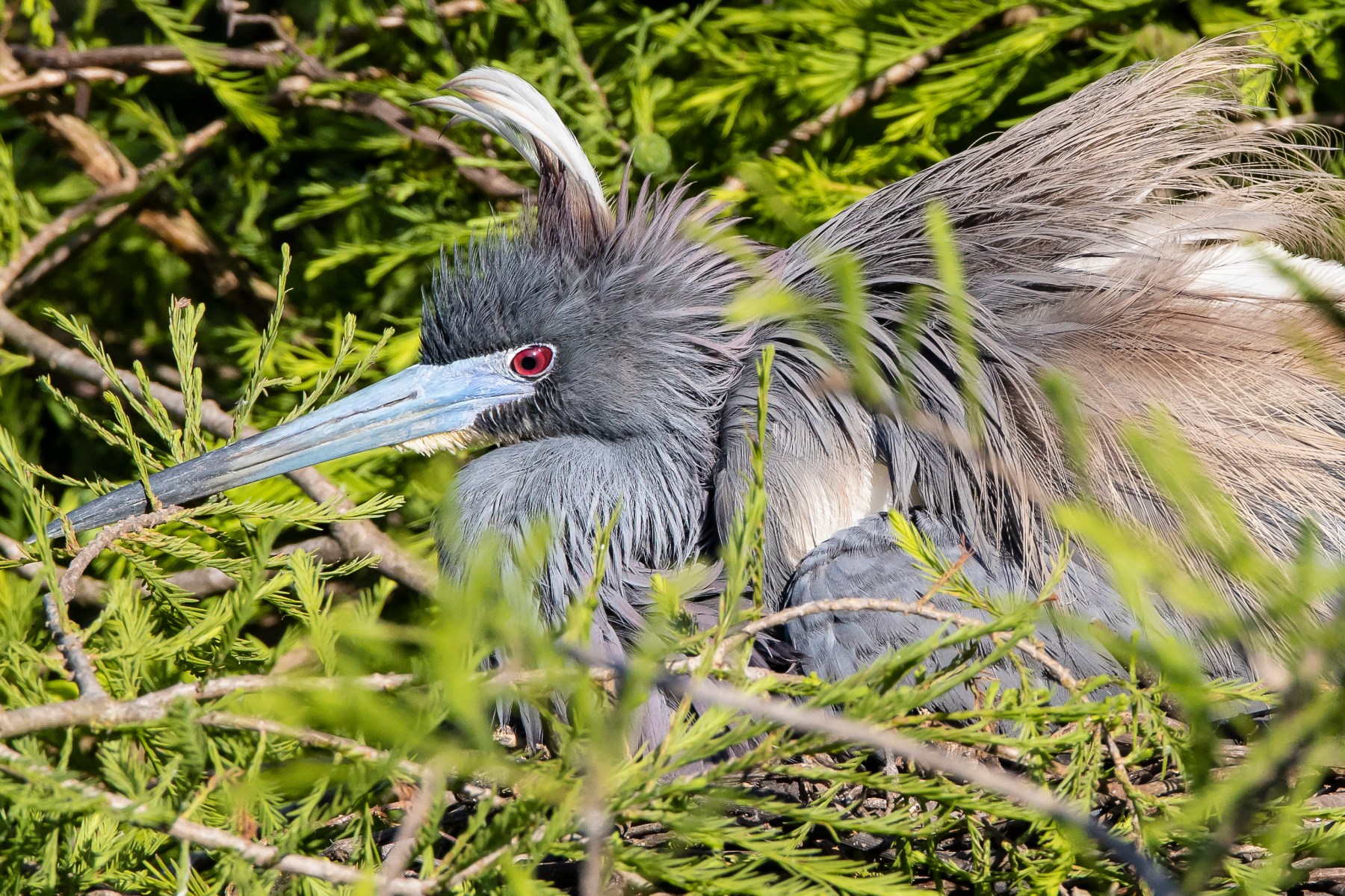
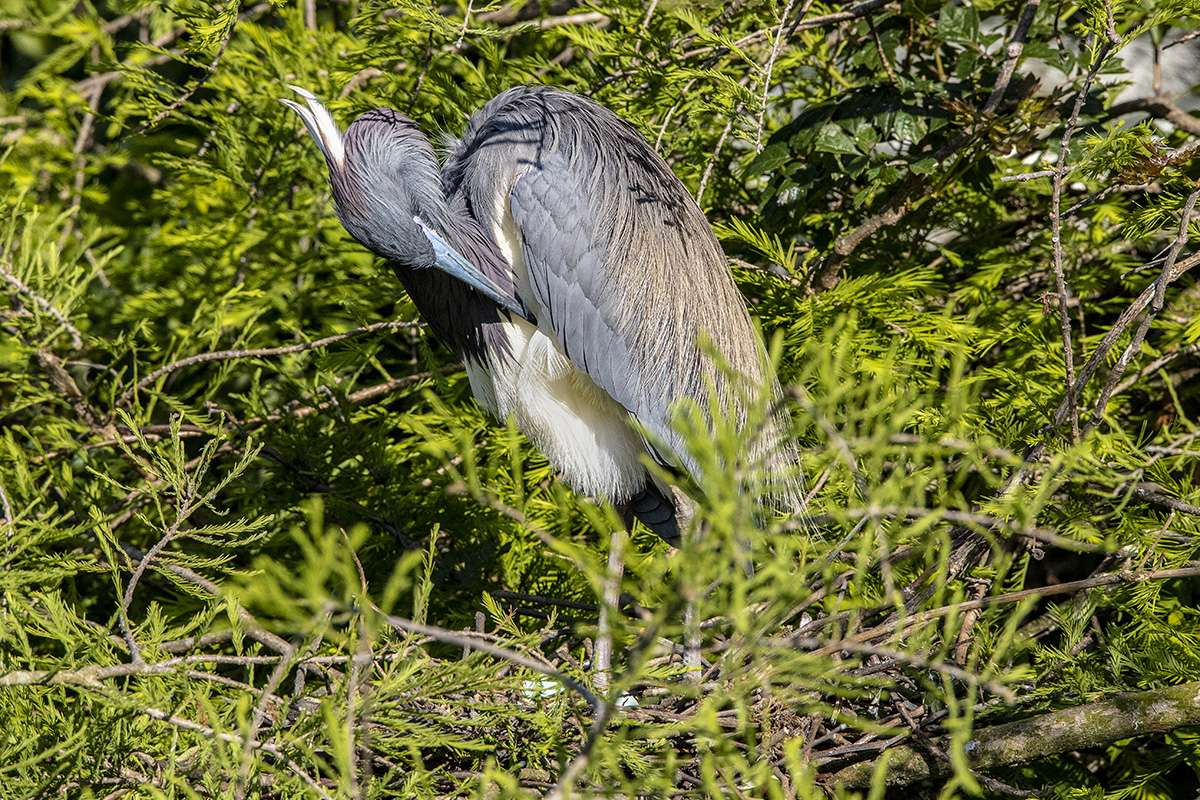
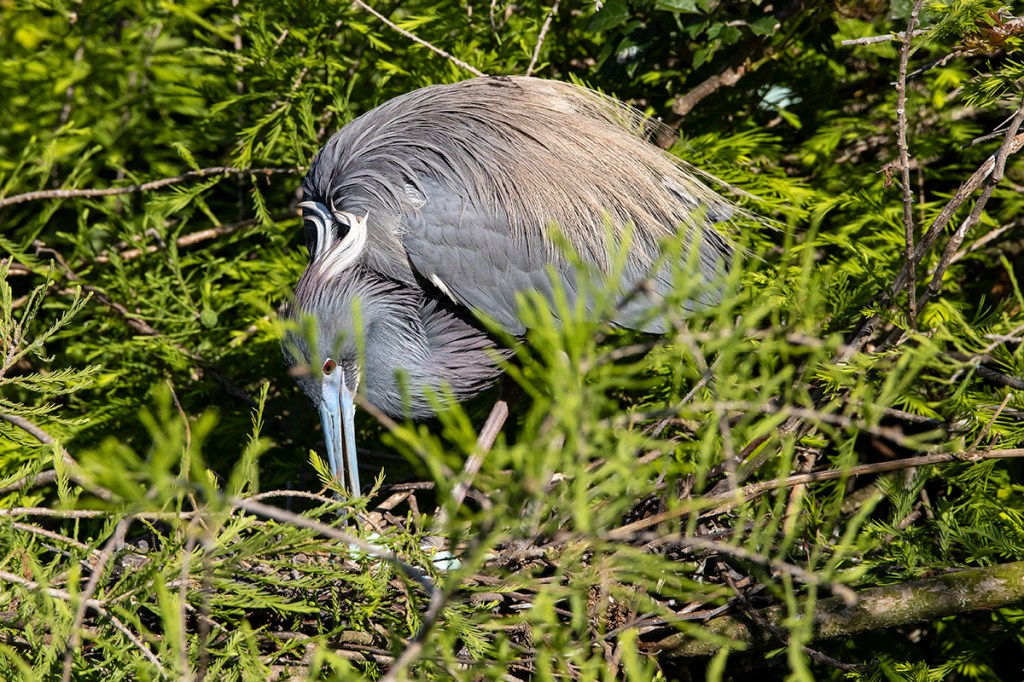
These images of a Tricolored Heron in Breeding Plumage on the nest were taken a couple of years ago on a photo trip to Florida. These were taken at the Rookery at the St. Augustine Alligator Farm. I was using a Tamron 150-600mm lens on a Canon R. This combo worked great for getting images in the Rookery because there were so many photo opportunities, some were far off but many were extremely close, almost too close! I was fortunate to come upon this Tricolored Heron in High Breeding Plumage on a very close nest. It is only in High Breeding plumage for a few days. During the peak of the breeding these herons have the distinctive coloration of red eyes, purplish feathers, pinkish legs and bright blue bill. The Tricolored Heron is also known as the Louisiana Heron. The Featured image was taken @ 600mm & cropped slightly.

Cattle Egret With High Breeding Plumage
Posted on November 13, 2021
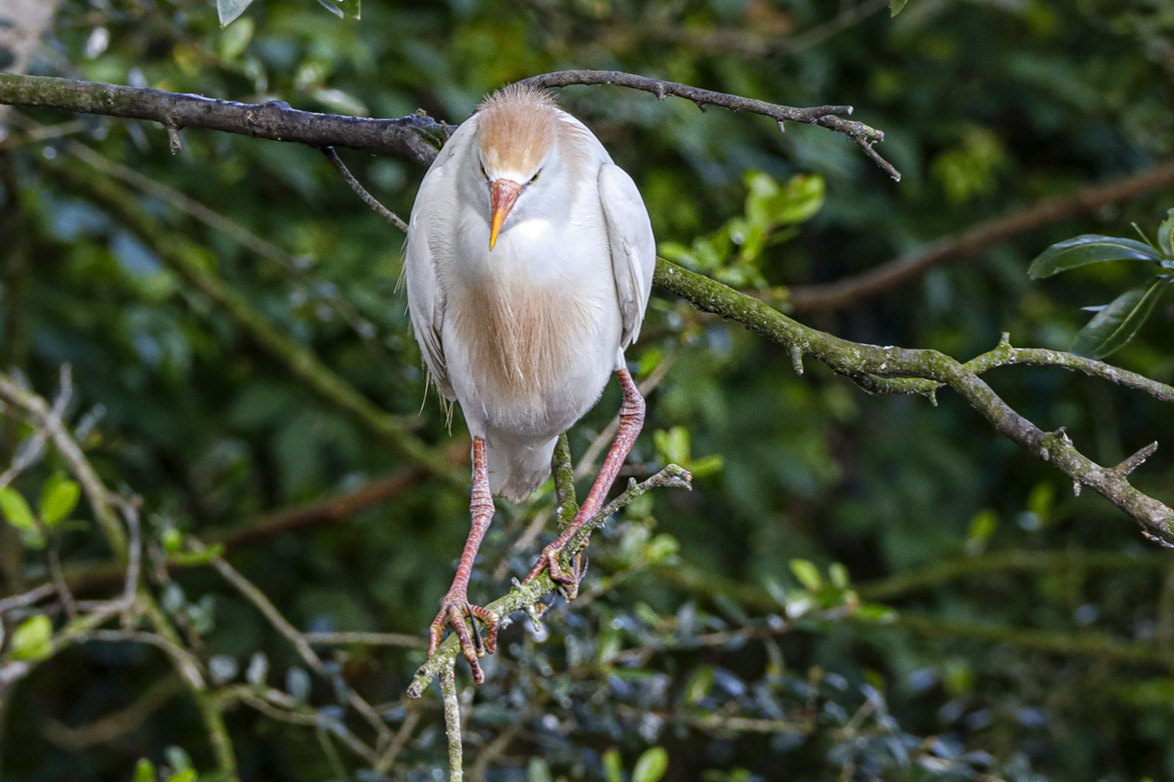
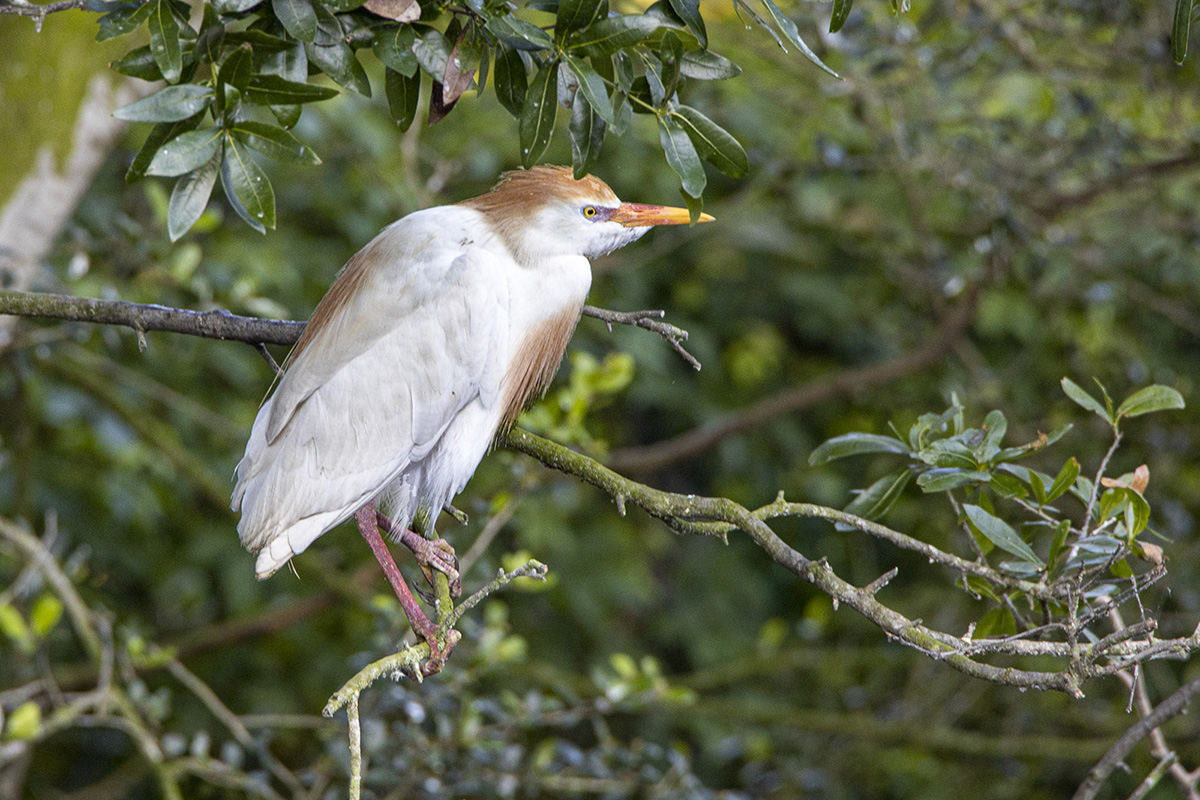
I am still going through images that I shot on Photo Trips that I did not get to while I was still working. These are from a trip to Florida a couple of years ago. The images were taken at the St. Augustine Alligator Farm Rookery. I was using a Tamron 150-600mm lens on a Canon R. Both images here were @ 600mm. After using the Tamron lens for a while I am quite impressed with the quality of the images & versatility of this lens. Even with a 1.4x or 2x Teleconverter and processing images with Adobe Camera Raw you can get amazingly nice images of far distant birds & other subjects! Or portraits of closer birds. The Canon R would still autofocus even with the 2X Teleconverter. Plus the Tamron lens was easily hand holdable and no need for a tripod. Unlike the Sigma 300-800mm beast of a lens which was 13 lbs, so no handholding that lens for sharp images.
Wood Stork Fast TakeOff
Posted on November 9, 2021

Now that I am retired I am going through images from previous photo trips that I did not have a chance to work on or post here. I was photographing this group of Wood Storks that were together in the top of this group of trees. There were a few nests scattered there in the treetops and they were making a lot of noise about something. Then this Wood Stork hastily took off. I guess the others did not like it being there. It landed a few trees away by another nest. Image taken with a Tamron 150-600mm lens @ 500mm with a Canon R.

Great Egrets In Florida Trees
Posted on November 7, 2021
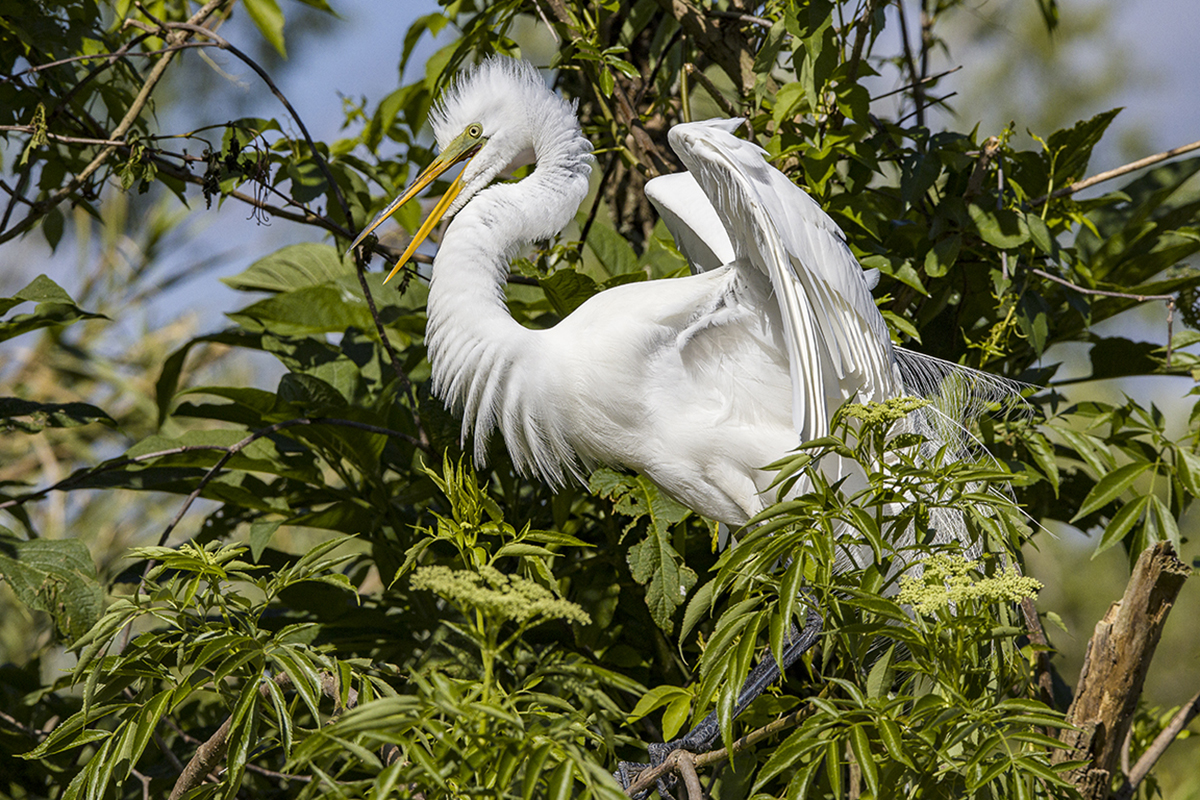
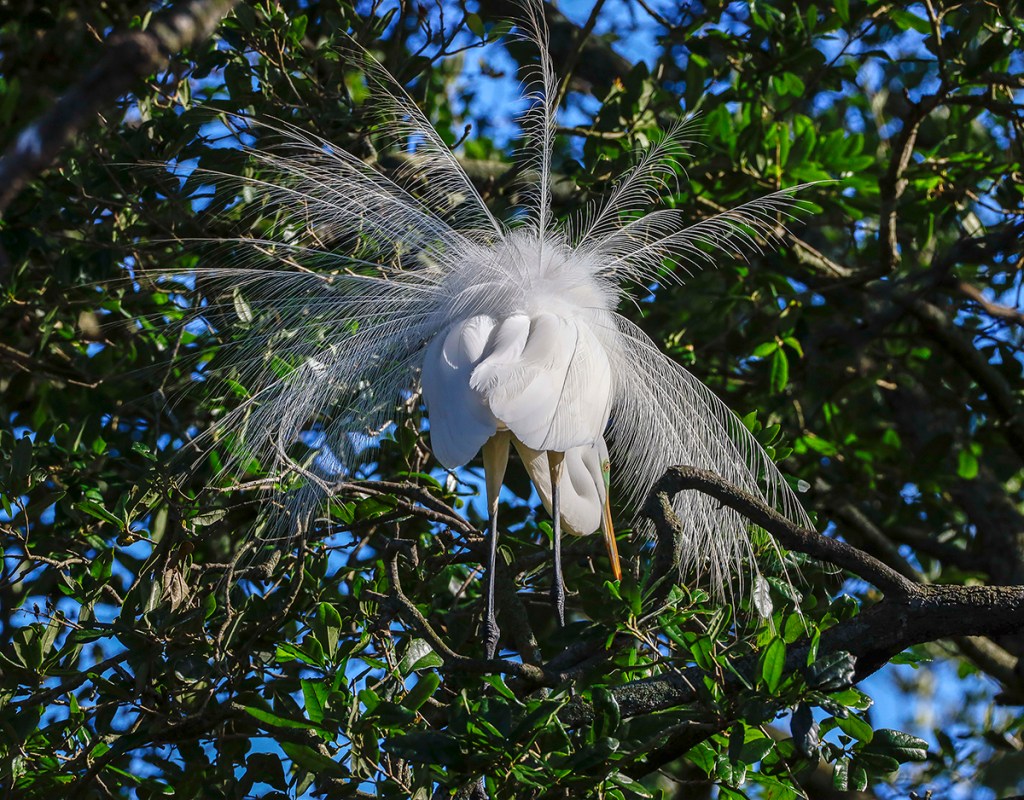
Now that I am fully retired I am going through files from previous Photo Trips to post. The images here were taken at the St. Augustine Alligator Farm Rookery a few years ago. The Featured Image was taken with a Tamron 150-600mm @ 309mm on a Canon R. The Tamron 150-600mm lens worked Great at the Rookery since birds were both near and far in the Rookery giving you a lot of opportunities to get interesting images without carrying a lot of Gear! There were quite a few nests there also since the alligators below the boardwalks helped protect the nests from predators climbing up to raid the nest here!
Great Blue Heron In The Grasses
Posted on September 4, 2021

As we were driving along the Brigantine Wildlife Drive looking for photo subjects we came upon this Great Blue Heron standing in the Grasses. It was quite far out so I put a 2X Teleconverter on my 150-600mm lens to get a closer image. It came out fairly well considering the Tamron 150-600mm lens @ 600mm with a 2X teleconverter (1200mm) is somewhat pushing the sharpness of the lens & image. Stopping down more to f/16 helped quite a bit plus using more Sharpening in Camera Raw when adjusting my images also helped. Usually when using a Teleconverter, I stop down more than I usually do when not using a Teleconverter. For example – when using a 1.4X teleconverter I stop down 1 more f/stop than usual. When using a 1.7X or 2X Teleconverter I stop down 2 stops more than usual. I flattened my layers & duplicated the final layer to have a duplicate layer above my final layer. Using Filter > Other>High Pass Sharpening I had a Grayscale duplicate image above my final color layer. The Grayscale layer was then changed from Normal to Overlay in the layers palette and I lowered the opacity of the High Pass layer to about 40 percent opacity. This just adds a little more Crispness or Sharpness (on the image edges) since I was using a 2X Teleconverter on the Tamron 150-600mm Lens. When using a Grayscale High Pass layer technique it is best to not go too “heavy” on the opacity of High Pass layer. Usually I only go to 20% or 30% opacity on the High Pass layer, but really depends on the image you are working on. This technique can also help sharpness when printing images on an Ink Jet Printer which is basically spraying the ink. But for Inkjet printing I would lower the High Pass layer even a little more. It takes some practice but helps. In my old commercial photo studio before I retired we also did a lot of Wide Format printing for our Corporate & Advertising Agency clients. I had 2- 60″ wide HP Printers for indoor display & fine art graphics & 44″ & 63″ Epson Printers for outdoor graphics or indoor specialty medias. Give this technique a try, but do not overdo the opacity of the High Pass layer. Again it takes some practice, but comes in handy.
Brigantine Feeding Gulls Panorama
Posted on September 2, 2021

Quite often you will find large groups of Gulls, with a few other birds in the mix, feeding in the water channels along the Wildlife Drive. The Featured Image is a handheld 7 image panorama of a group of mainly Gulls with a couple of Snowy Egrets in the mix. Because they are actually moving along as they are feeding I shot my 7 images as fast as I could to help with the blending & to minimize their movements on the overlapping edges of the 7 images. I also upped my ISO to 1250 to get an even faster shutter speed (1/2000 sec) to minimize the fast movement of the camera’s swinging arc & also because of the moving Gulls. It also helps to shoot in the same direction the group is moving. I was using a Tamron 150-600mm @ 600mm @f/11 on a Canon R.

Ospreys At Brigantine
Posted on August 30, 2021
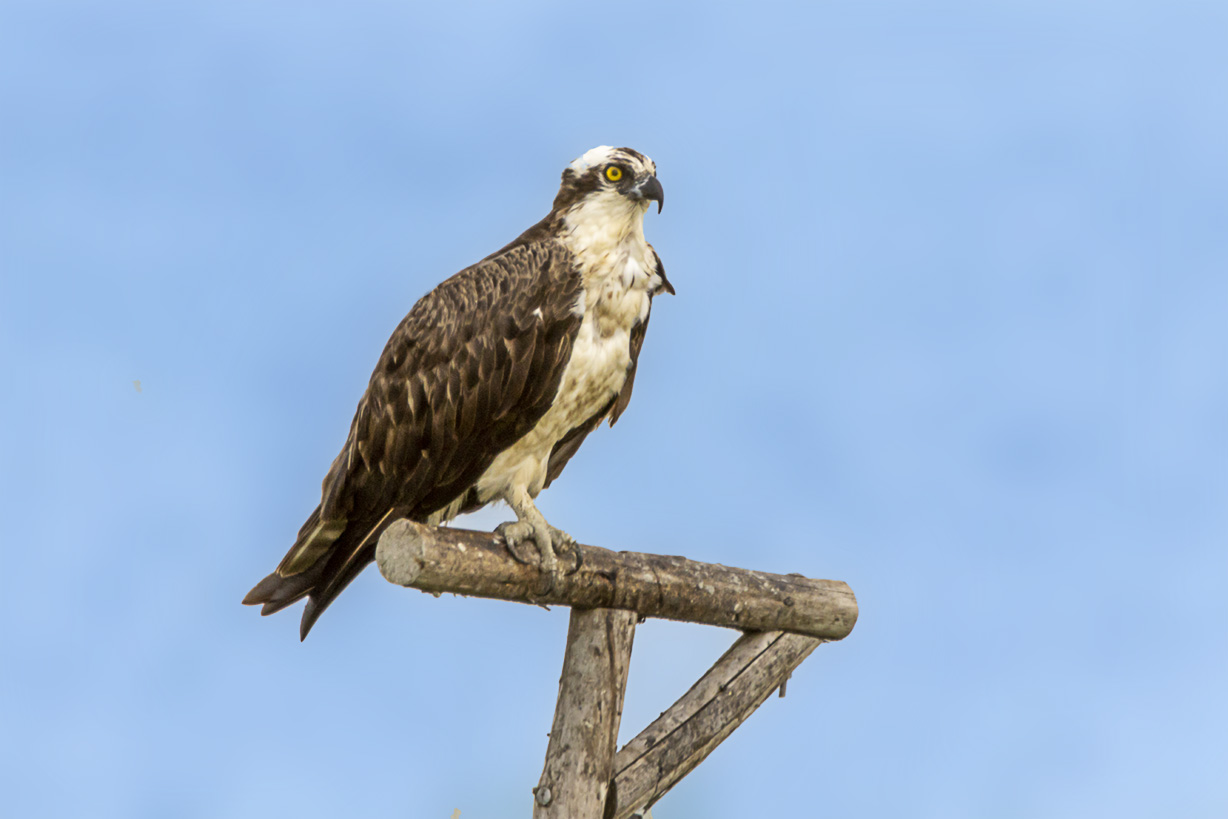
On our visit to the Brigantine Division of the Edwin B. Forsythe National Wildlife Refuge I was hoping to get many images of the Ospreys in flight. And also Ospreys on nests on the Osprey Platforms along the Wildlife Drive. On this visit there was only one active Osprey Platform near the Wildlife Drive. The featured image is an Osprey near the nest on a post. I was using a Canon R with a Tamron 150-600mm lens at 600mm with a Sigma 2x teleconverter for 1200mm to get closer to my subject.

Great Egret At Brigantine
Posted on August 19, 2021

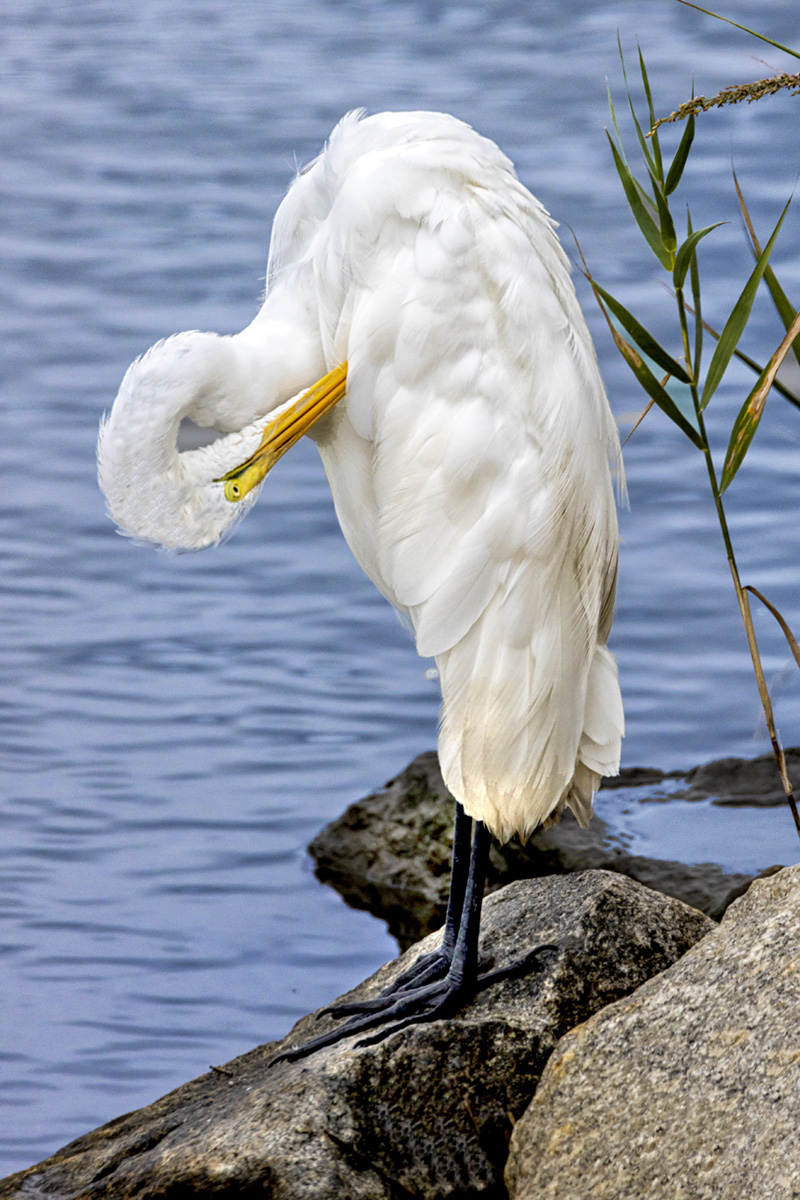
We finally got to go to one of our favorite National Wildlife Refuges, the Brigantine Division of the Edwin B. Forsythe NWR in Oceanville NJ. On this day the wildlife was few and far between but it was still fun to get out and photograph. The cloudscapes & landscapes were Great and the Green Headed Flies were not biting as much as other visits! So it was a Great Day to be out and photograph! For this post I am using images of a Great Egret that seemed like it was posing for me instead of flying off. We did see quite a few other Great Egrets but most were far off in the distance.

 photoartflight