 photoartflight
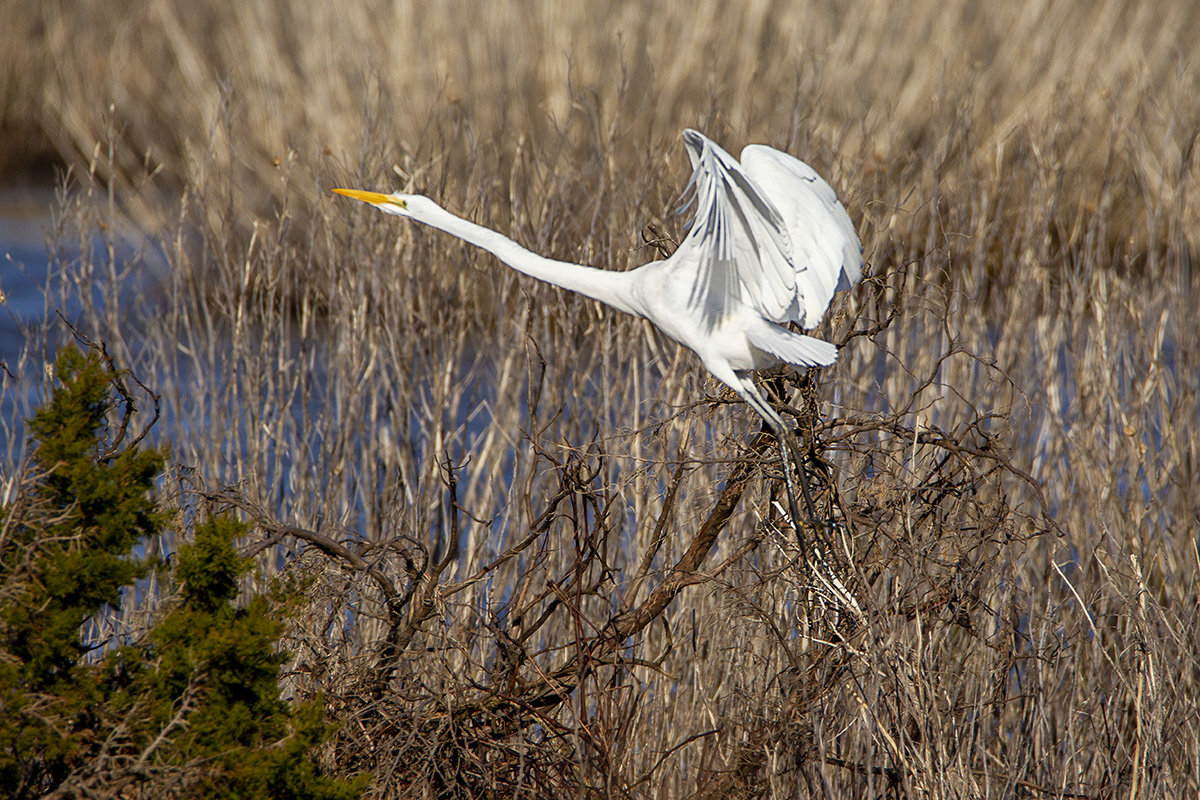
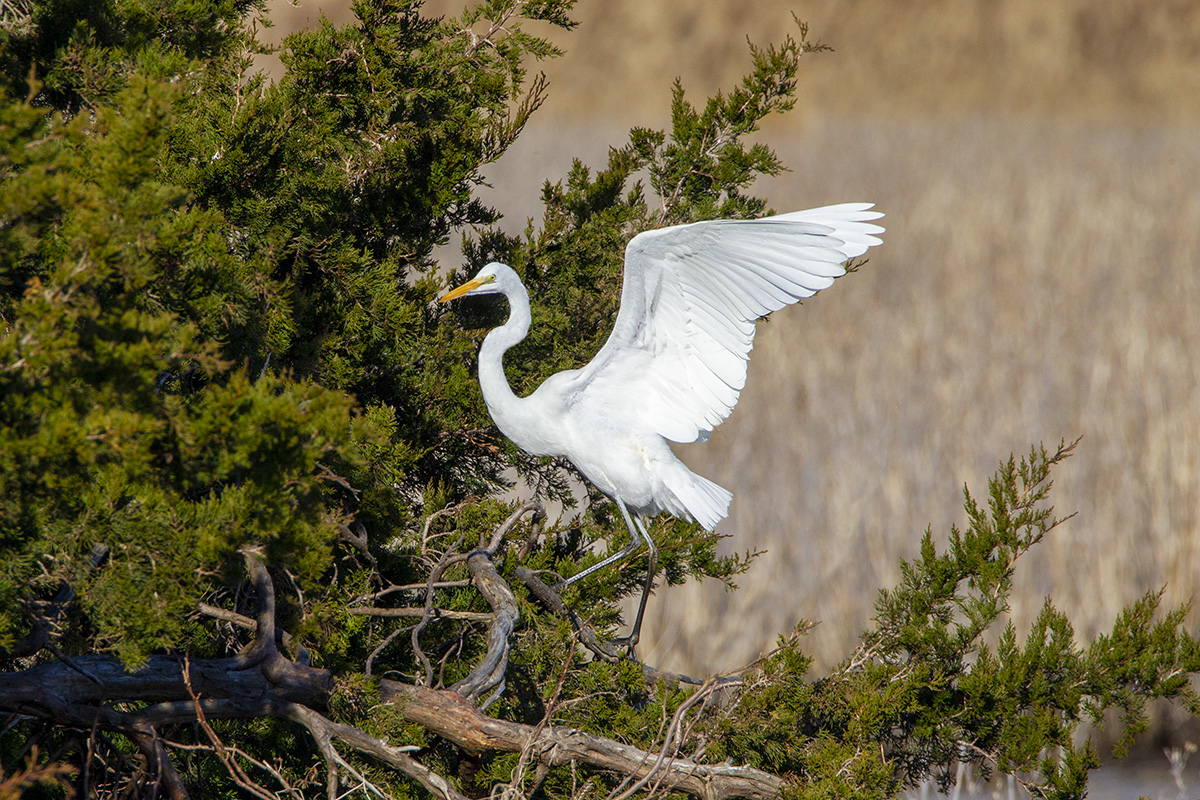
Great Egret Flying Into Tree
Posted on January 5, 2021

On our visit to the Brigantine Division of the Edwin B. Forsythe National Wildlife Refuge we saw quite a few Great Egrets around the Refuge. This one was foraging in the grasses along the Wildlife Drive and flew into a group of trees along a turn on the Wildlife Drive. It was usually a great spot for photographing Night Herons.It stayed in the tree for quite a while just moving around on the branches. All images were taken with a Canon 1DmkIV with a 150-600mm Tamron lens @ 600mm.


Snow Geese 30 Image Panorama From Brigantine
Posted on January 3, 2021

We decided at the spur of the moment to take a trip in state to the Edwin B. Forsythe National Wildlife Refuge, Brigantine Division. We thought that concentrating on just driving & photographing on the Wildlife Drive we would not be close to any others visiting there. We were surprised how many people were there, but it was fun to get out and photograph again. It was a Great Day and was fun to take your mind off Covid-19. The cloud formations were Great in the am and there were quite a few birds to photograph. I was mainly looking for large flocks of Snow Geese to photograph. Usually they are in multiple groups in the water scattered along the Drive and flying around the Refuge. But on this day they were mainly only in 2 very large groups quite far out along the Drive and not flying through the Refuge. Except 1 or 2 that flew by far out in the distance. So on the one large group I decided to shoot a panorama that turned out to be 30 images shot with a Tamron 150-600mm @ 600mm on a Canon 1D mkIV, handheld. I wished I had used the Canon R instead for finer detail, but I was using that with a Wide zoom lens.

TriColored Heron On Nest
Posted on January 1, 2021

A portrait of a TriColored Heron on a nest at the St. Augustine Rookery. Image taken with a 150-600mm Tamron lens @ 600mm on a Canon R.
Hope Everyone Had a Safe & Wonderful New Year and looking forward to seeing your images in the New Year!
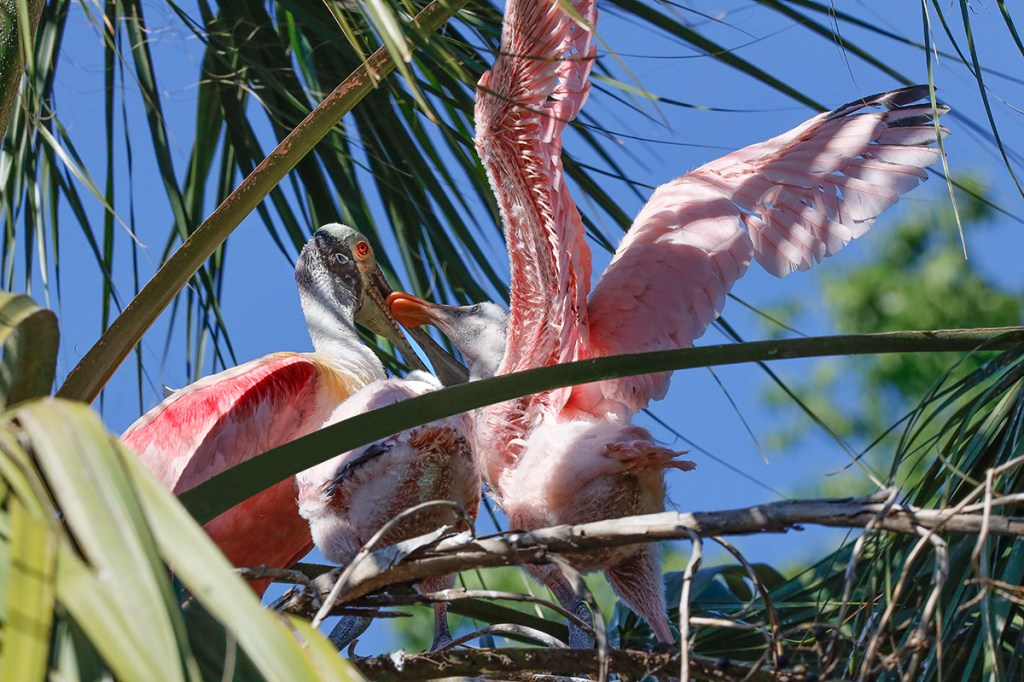
Roseate Spoonbill Closeup
Posted on December 30, 2020

Since we are not traveling to go to Florida this year, I am going through my images from past trips there. The featured Roseate Spoonbill image is a 2 image panorama taken with a Tamron 150-600mm @ 600mm on a Canon R. I zoomed in close to get a full image of the Spoonbill’s head, so while getting that image I thought I should do a pano and include more of the body also. This Spoonbill was near it’s nest so I was able to get a few images of the young Spoonbills trying to get a meal from the parent.

Magnolia Plantation Swamp Garden Landscapes
Posted on December 20, 2020

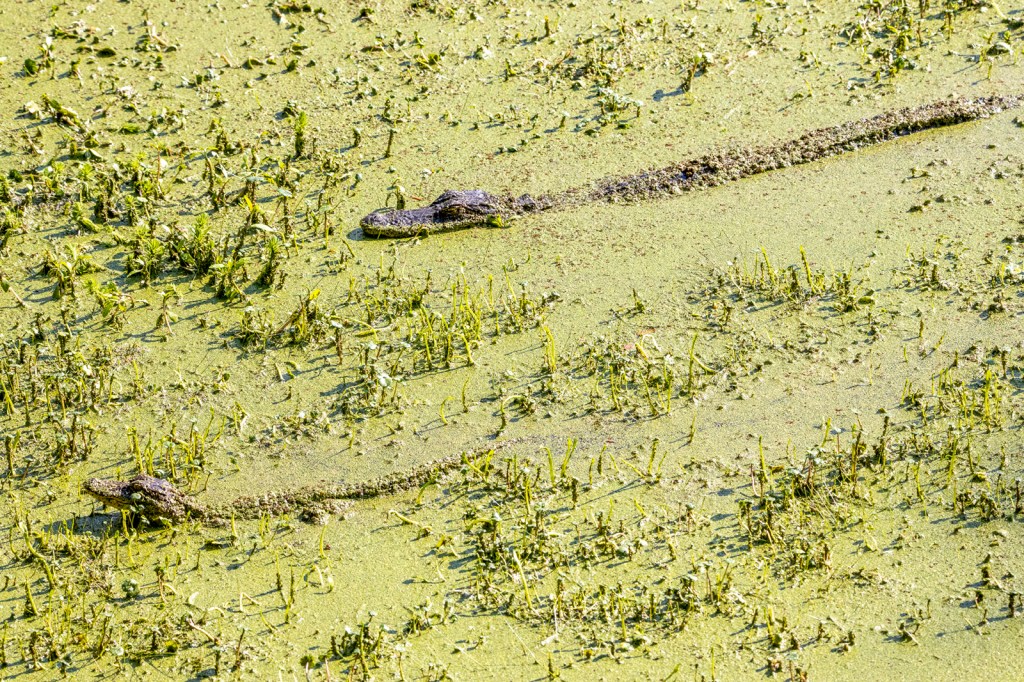
As you are entering Magnolia Gardens Audubon Swamp Garden you are walking along the Ashley River. The featured landscape is a 4 image panorama taken @ 14mm with a 14-140mm on an Olympus OM-D-E m1. As you are walking here you can see a lot of birds and some alligators on the other side of the path. It is a large open area so some of the Wildlife is far off in the distance, but you can see some birds & alligators close up if you are patient. Sometimes the Alligators are too close-up!

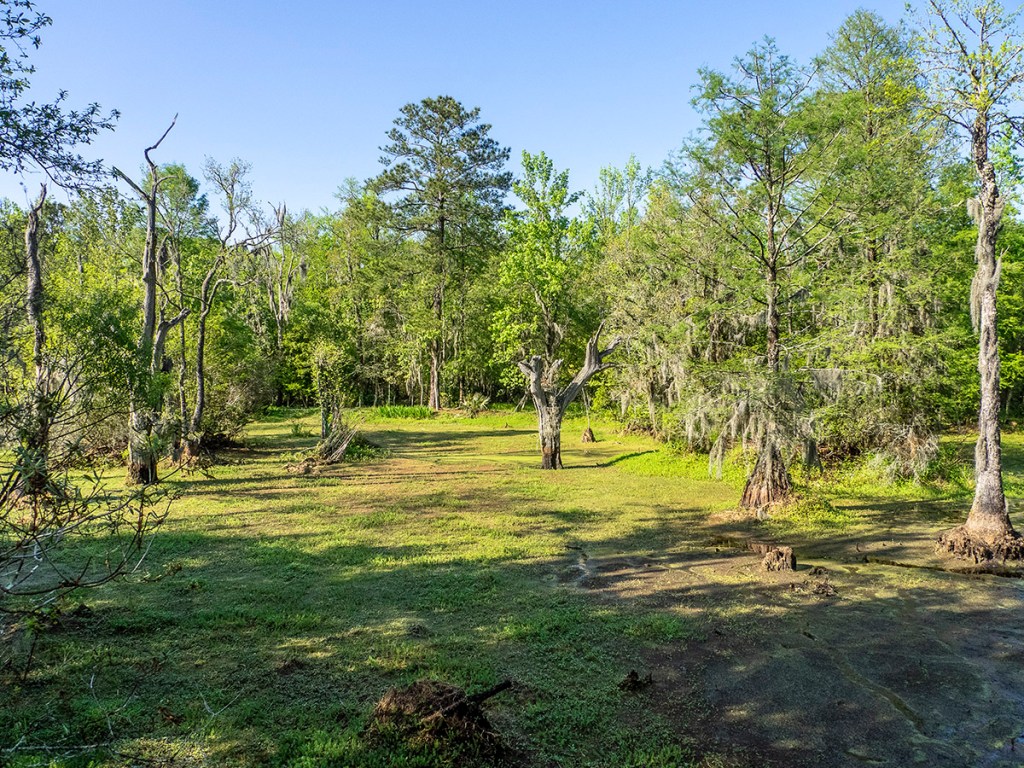


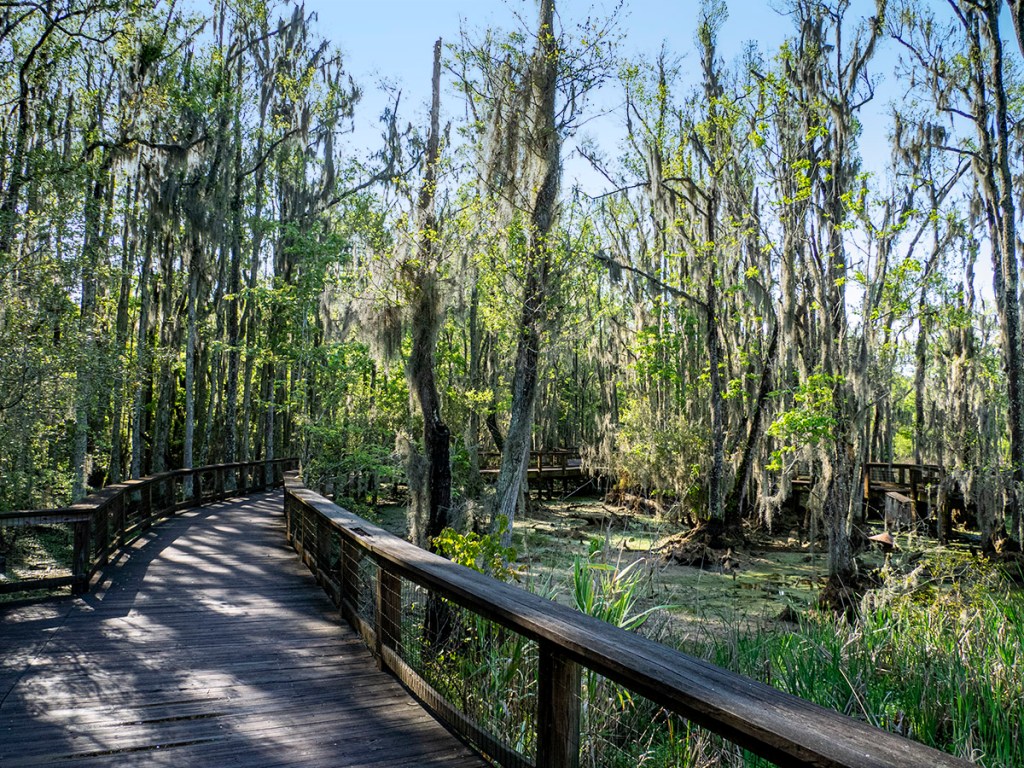


This was taken in the large open area before the boardwalk through the Swamp Garden.
Assorted Birds From Magnolia Plantation Audubon Swamp
Posted on December 19, 2020

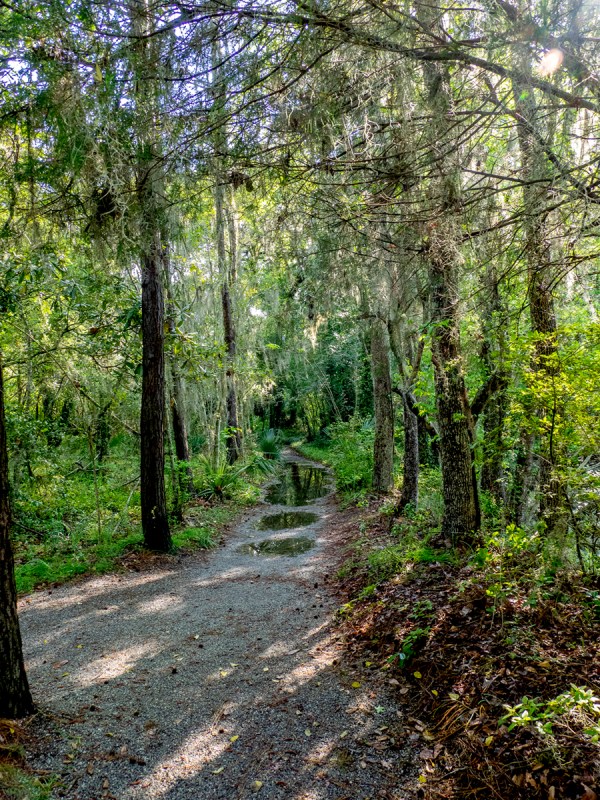
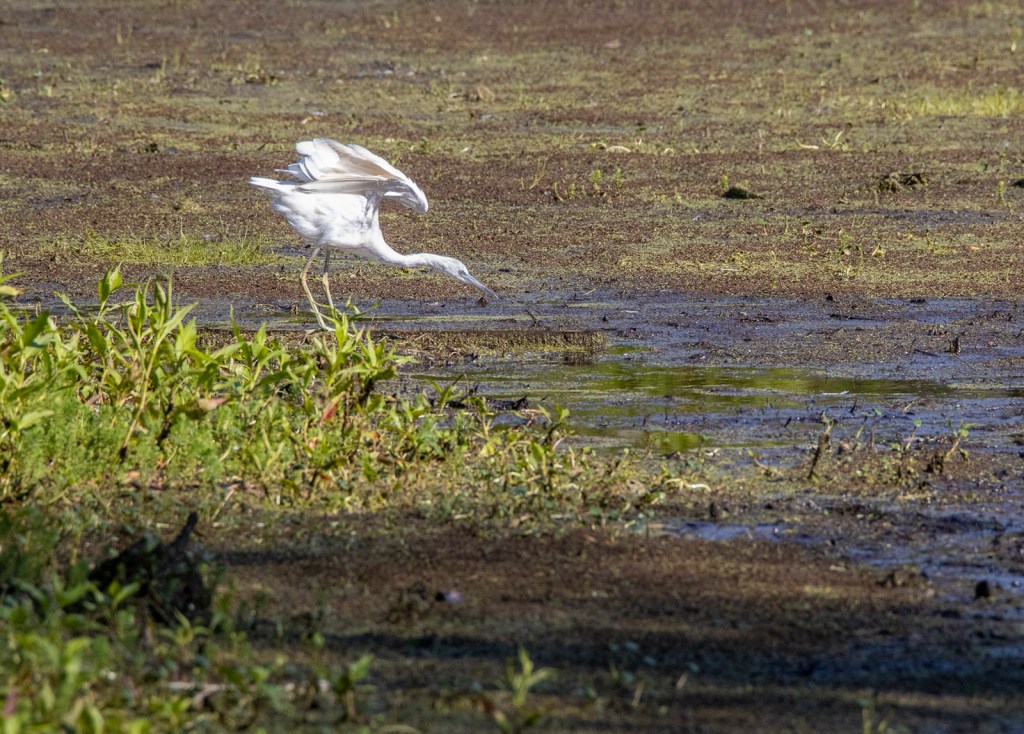
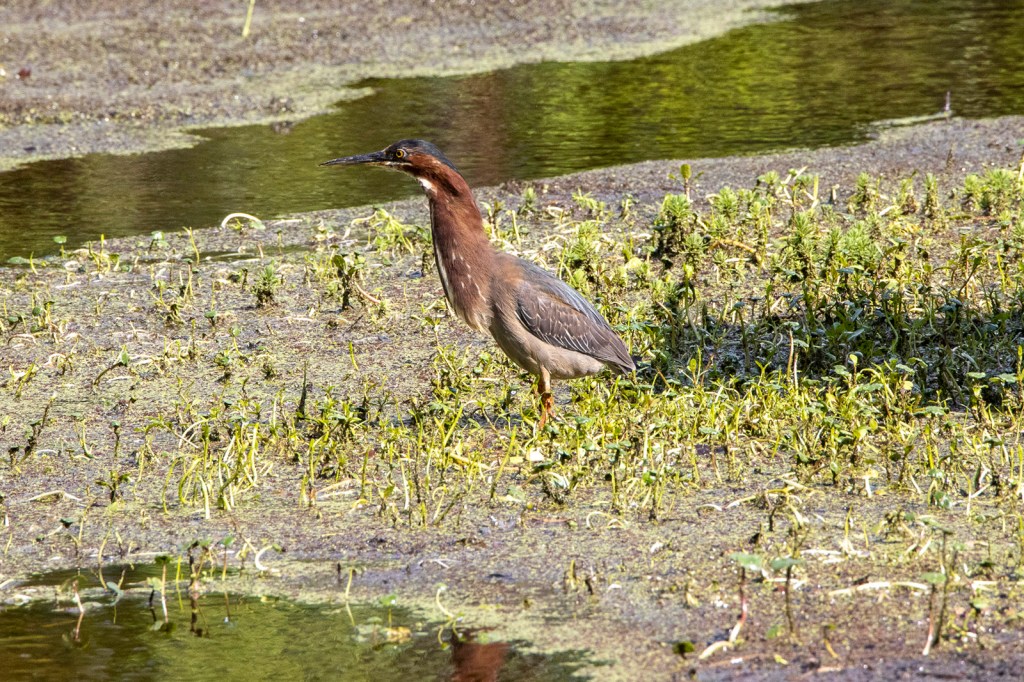
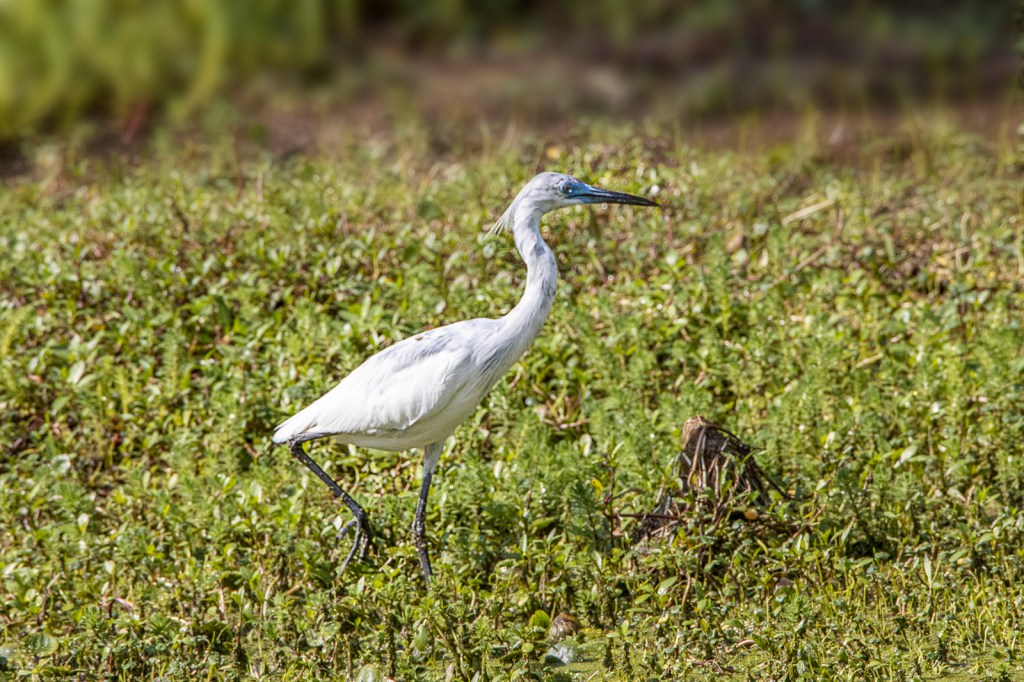
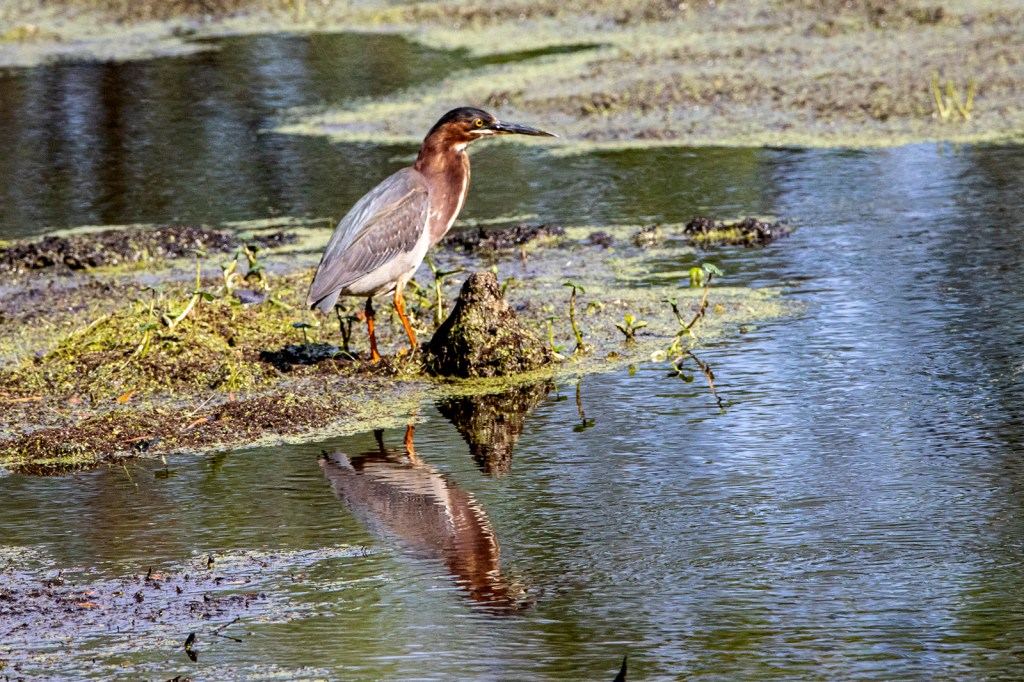
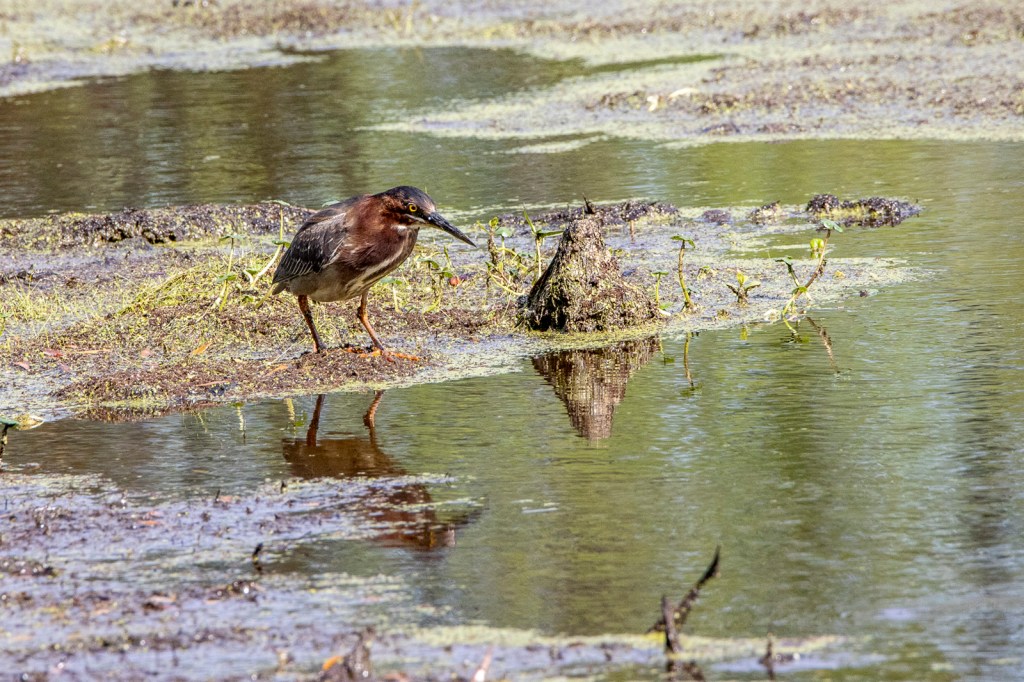
The Audubon Swamp Garden on the grounds of Magnolia Plantation near Charleston, South Carolina is a 60 acre cypress and tupelo swamp. In the past the swamp served as a reservoir for the plantation’s rice cultivation. Now it is an interesting and easy Swamp to walk through on the trails and raised boardwalks to get some interesting images. For Wildlife we mostly saw a variety of birds and quite a few alligators on this visit. Most of the birds we saw were quite far out so even shooting @ 600mm I had to crop the images some. But it was still a Great area to photograph and to just see as we were walking through the Swamp Garden. The landscapes & cloudscapes in the swamp were very interesting also, but that will be a different post.



Great Egret Nest With Chicks
Posted on December 11, 2020
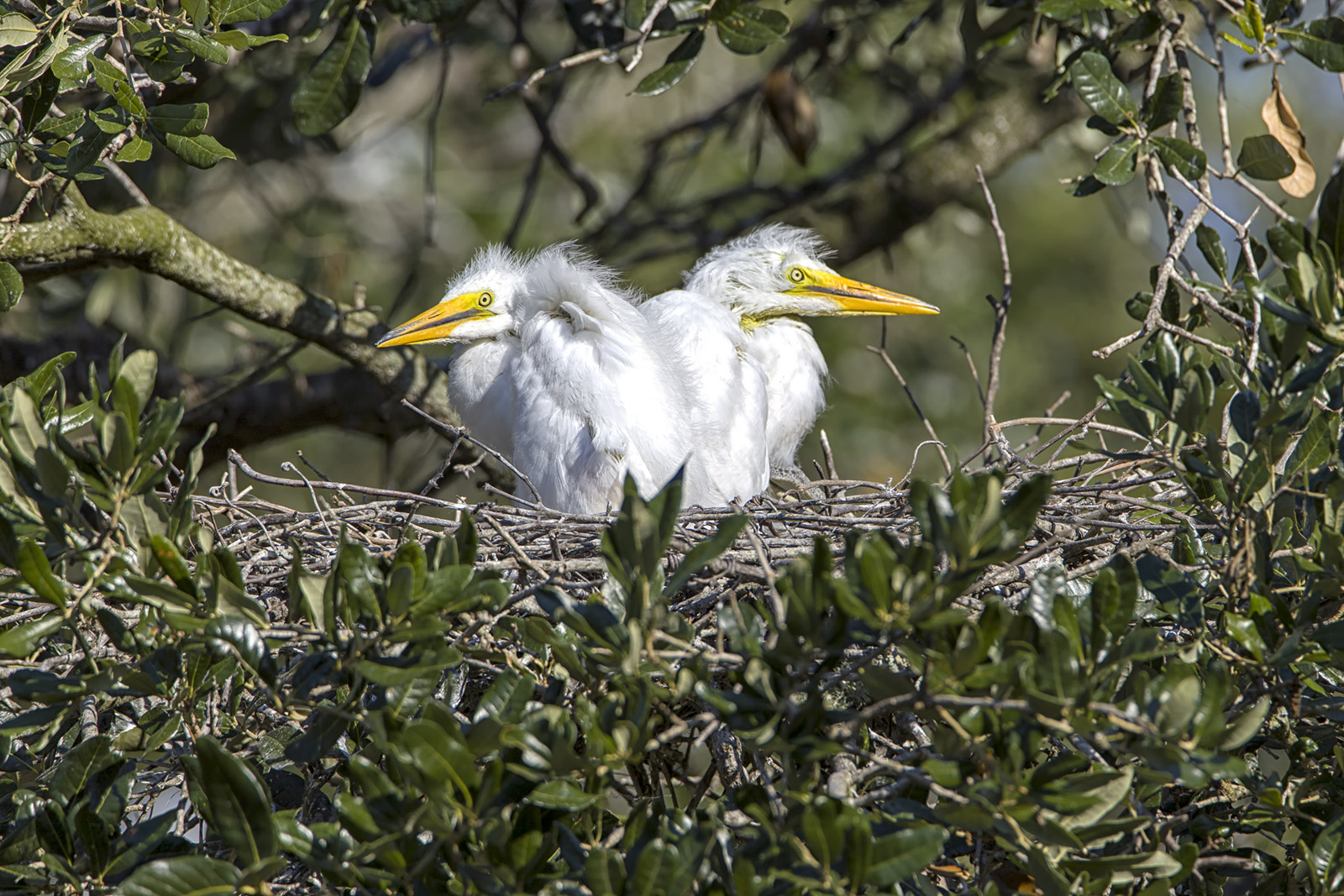
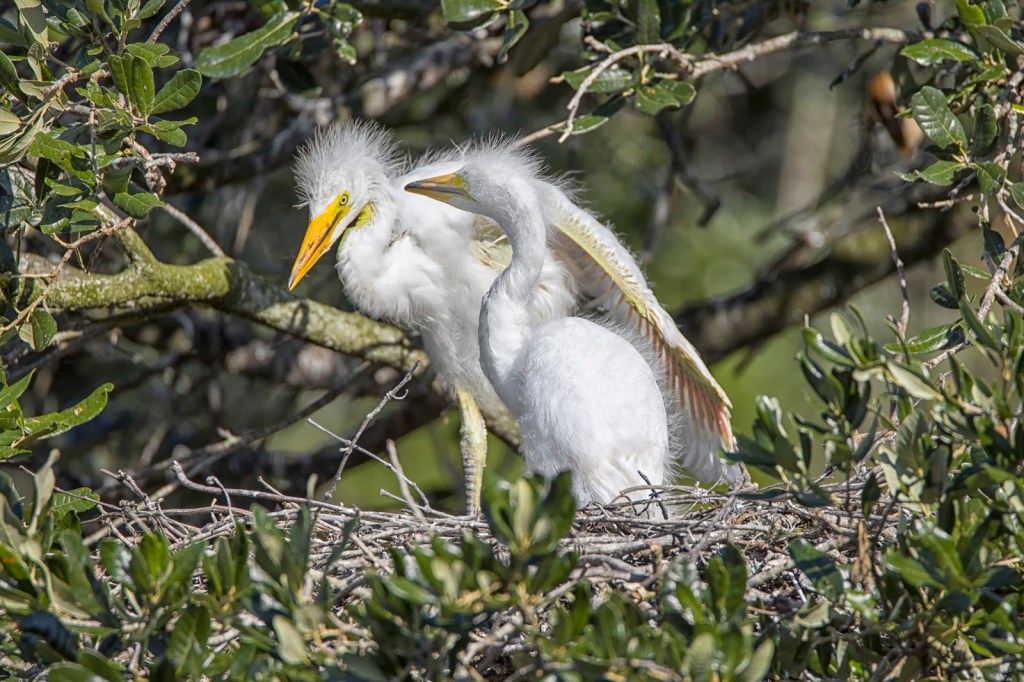
A series of images of Great Egret chicks by & in the nest. The featured image was taken @ 500mm with a Tamron 150-600mm lens with a Canon R.


Wood Storks From St. Augustine Rookery
Posted on December 10, 2020
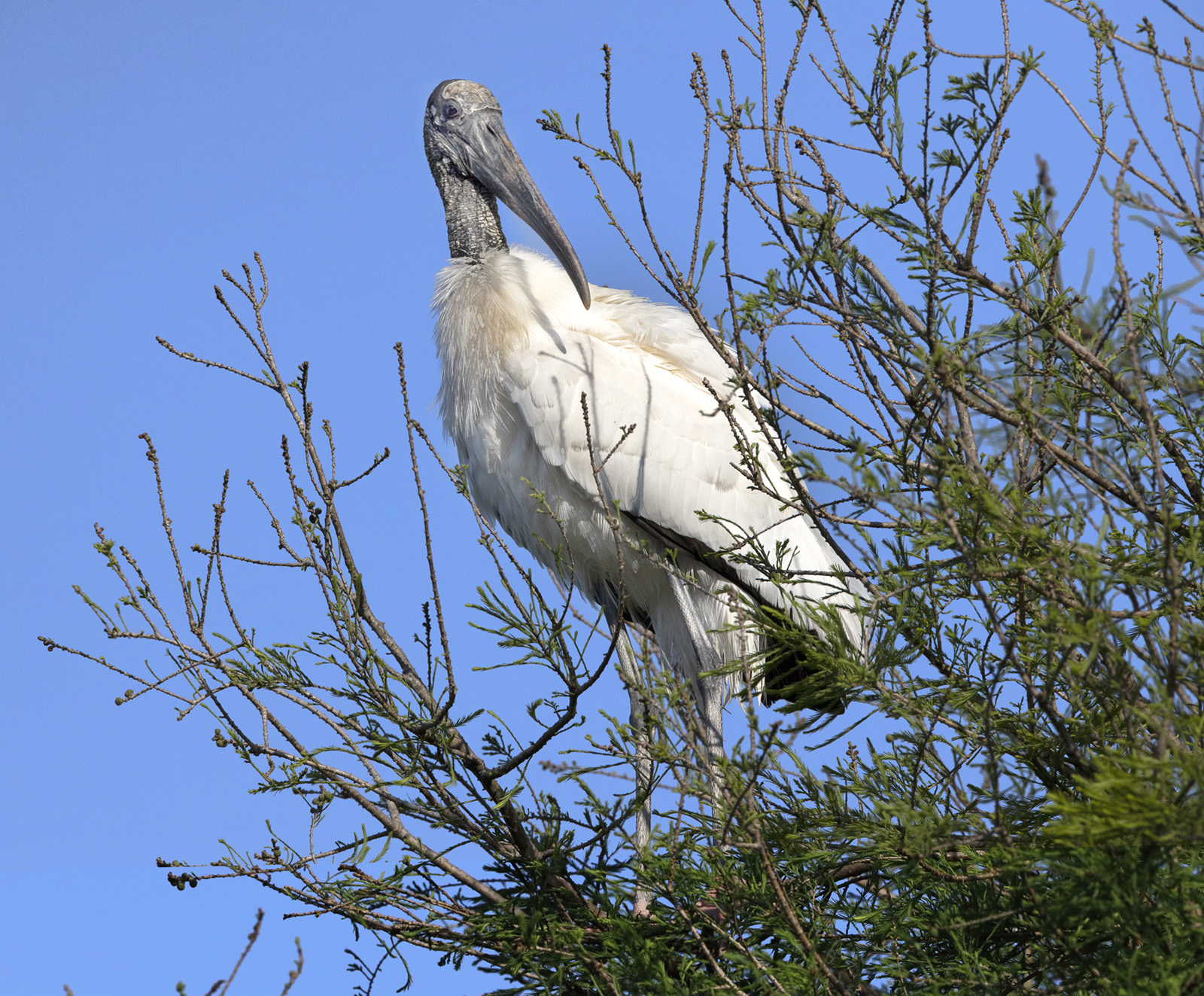
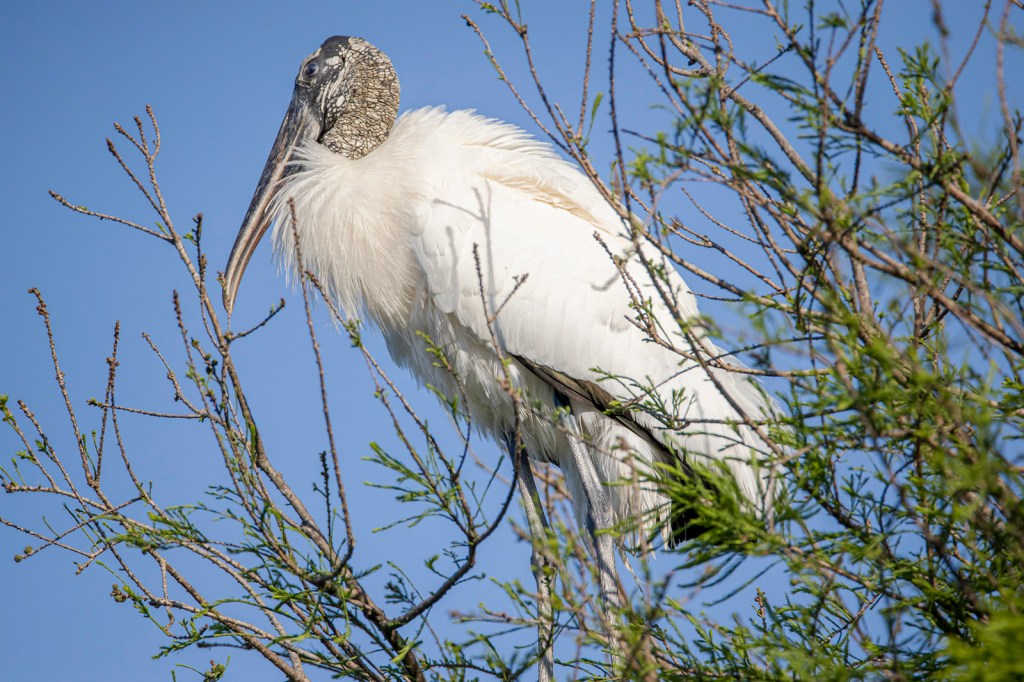
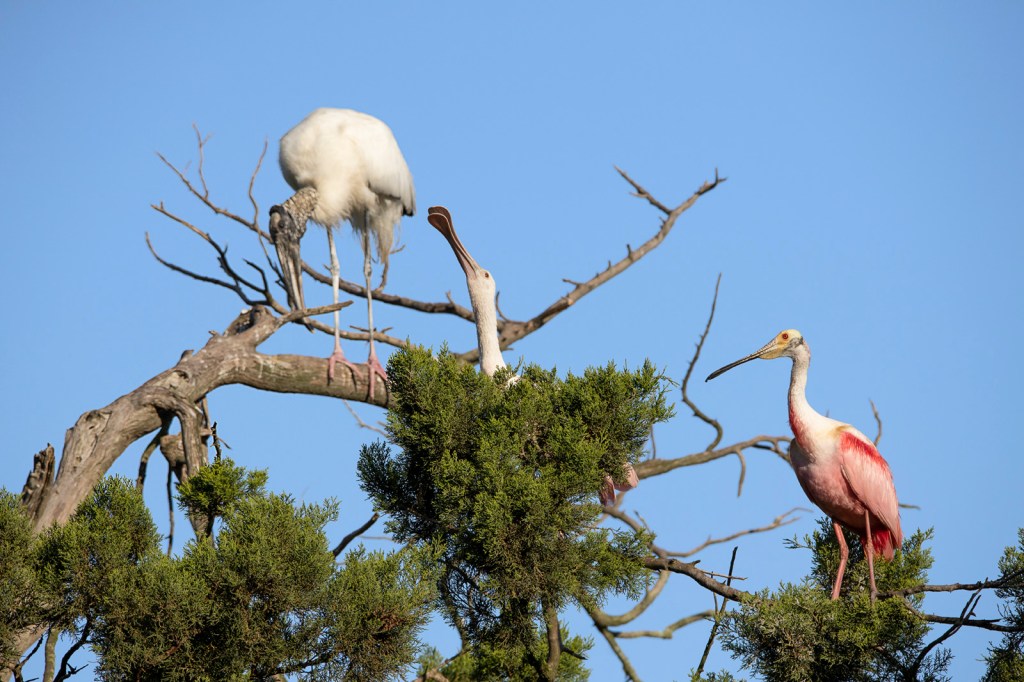
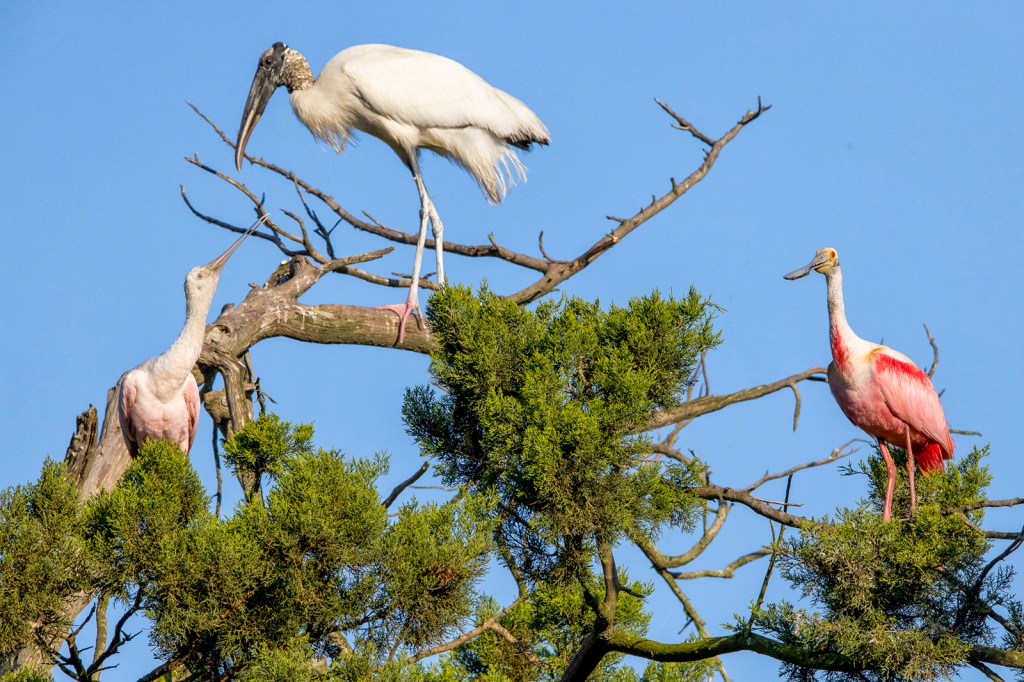
We found many Wood Storks at the St. Augustine Alligator Farm Rookery on our trip there last January. They seem to like nests more in the top of tall large trees and many times you see multiple nests in the same treetop. It is an interesting place to photograph a wide variety of birds, many nesting there. They are constantly coming & going and it can be quite noisy at times. For this post I am featuring some of the Wood Storks from the same general area around one treetop. Some think they are ugly birds, but I prefer to think of them as interesting photo subjects with character. They also seemed to interact with Spoonbills quite often. The featured image is a 2 image slight pano to not crop off it’s feet in the branches.


TriColored Herons
Posted on December 8, 2020

Still going through images from our Florida photo trip last year. This time I am posting Tricolored Heron Images. The images here are still from the St. Augustine Alligator Farm Rookery. The featured image was taken with a Tamron 150-600mm lens @ 450mm with a Canon R.


Great Egrets With Breeding Plumage
Posted on December 6, 2020

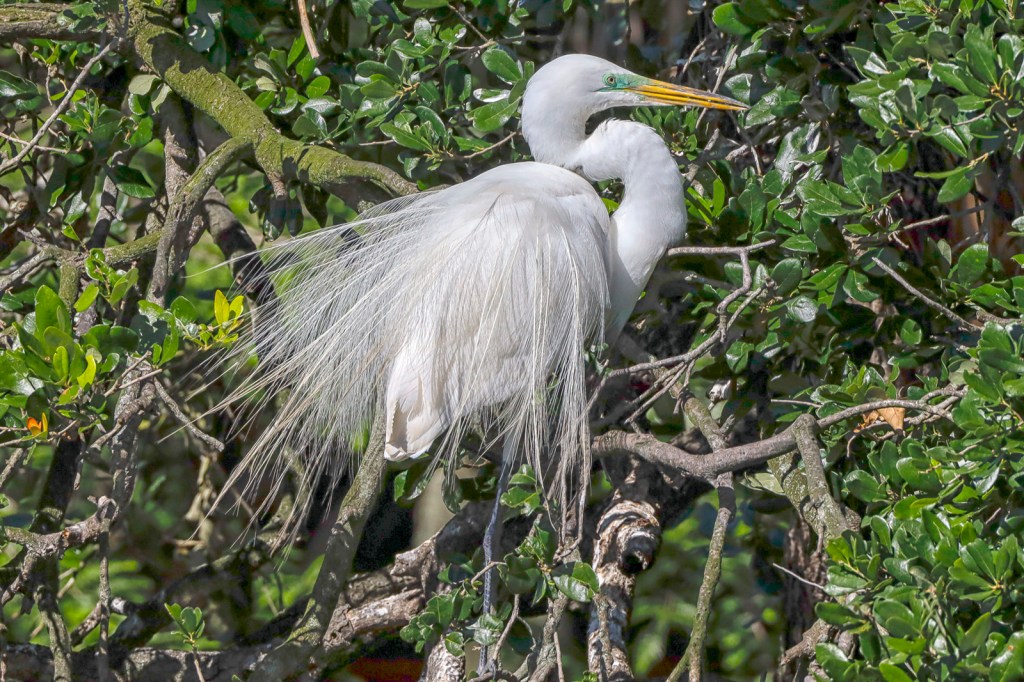
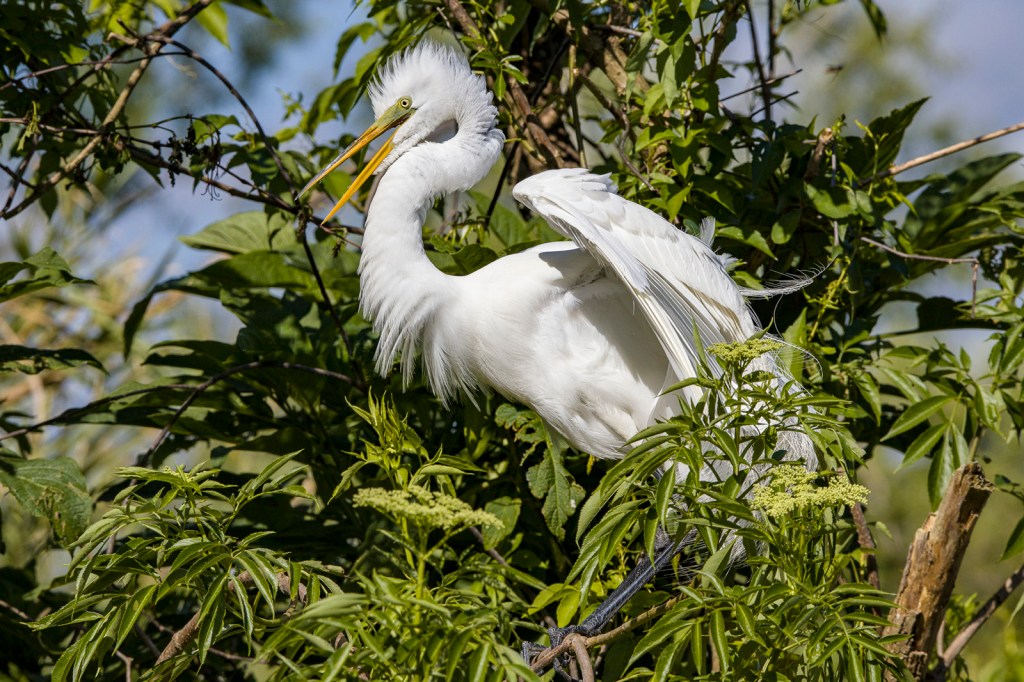
When we were photographing last year at the St. Augustine Alligator Farm Rookery we saw a lot of Great Egrets with their Breeding Plumage. Great Egrets are of breeding age when they about two years old. As they get into breeding plumage, they have long lacy and delicate plumes on their backs. The eye lores (featherless skin between the bill and eyes) turn from yellow to lime green, and the top of the upper bill turns dark. Also sometimes it seems their neck and other areas look “more feathery”. Below are a few examples of their Breeding Plumage.




 photoartflight