 photoartflight
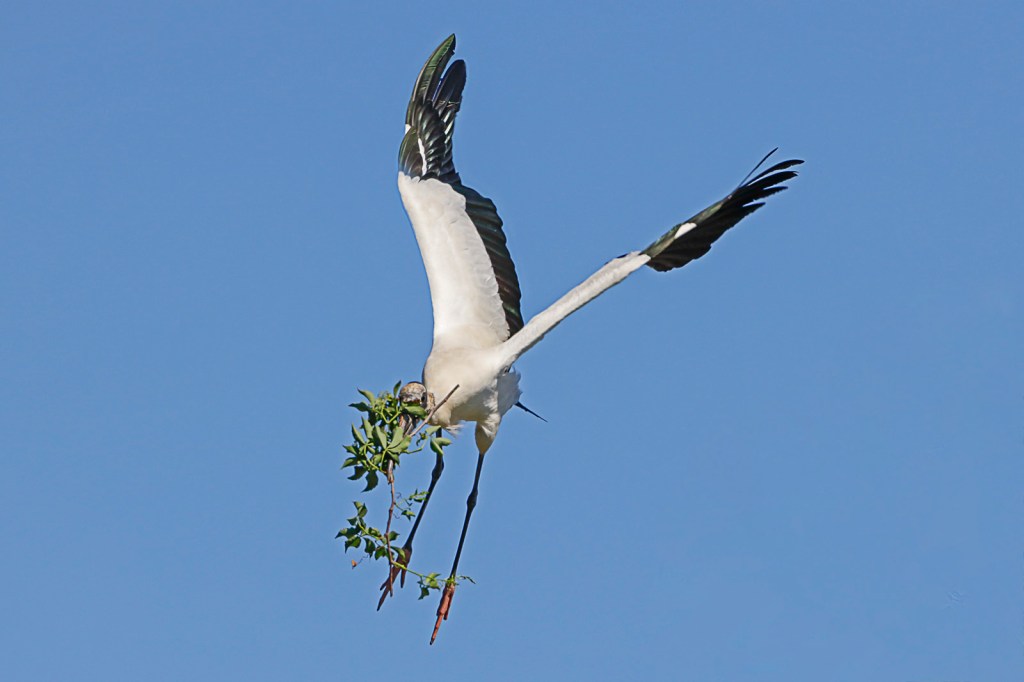
Wood Stork Flying In With Nesting Material
Posted on December 5, 2020
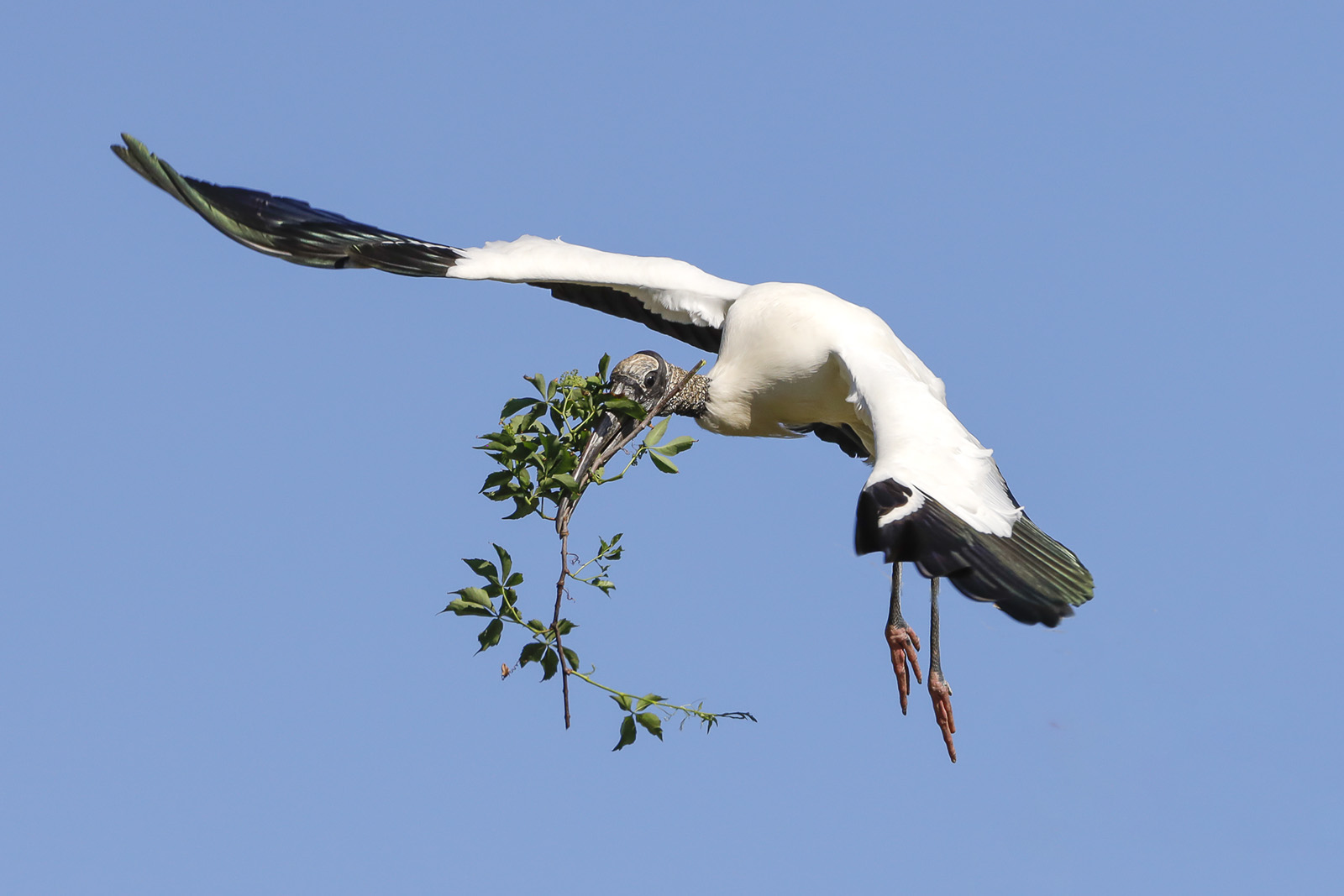
I am going through old files from previous photo trips to post images here. These were from our Photo Trip to Florida last January. Even though I am retired, I never got to posting many images from this trip. These were also from the St. Augustine Alligator Farm Rookery. We spent 2 days there before we moved on to our next destination south and each day here was slightly different for the opportunities to photograph certain birds. Also I was surprised to be able to photograph so many nests and nests with chicks. I was mostly using the Canon R with the Tamron 150-600mm because it was so warm & humid it was hard to carry more lenses. Plus it was the perfect lens with the wide zoom range. Even at 150mm I had to do a few panoramas of nesting birds to get the whole nest & bird in. We also stopped here again on our way back home since we had to pass by.

The above panorama shows a variety of nesting birds in one tree at 8:34 in the morning. Mostly Egrets & Wood Storks. As the day progressed there were many more in the tree but I did not shoot another panorama showing all the birds & nests. I should have continued and photographed the right side also showing even more birds in that one tree.
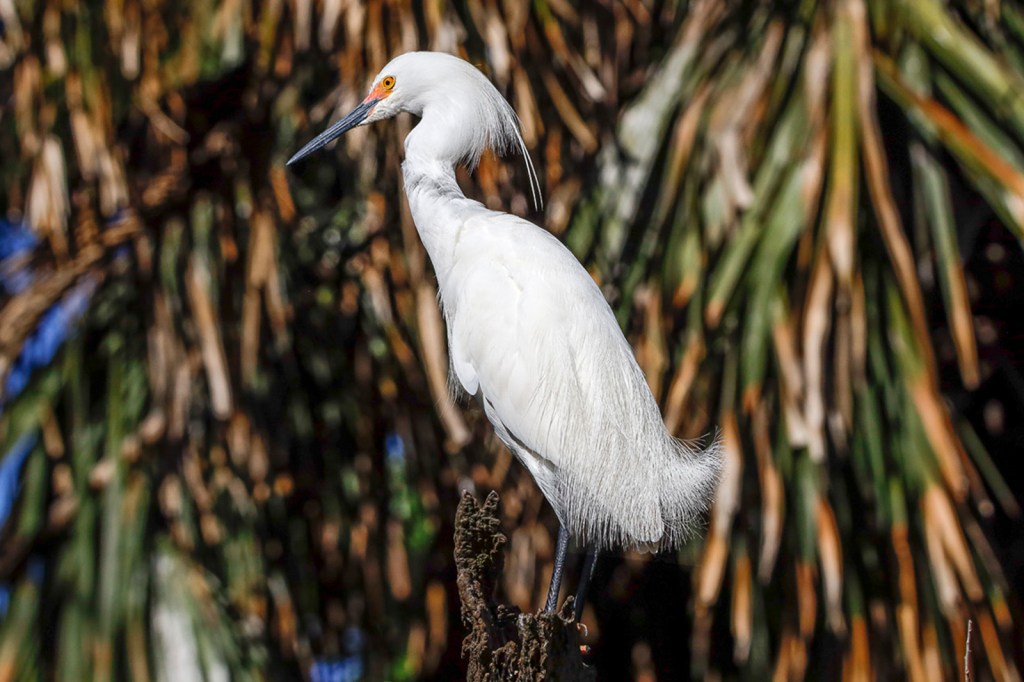
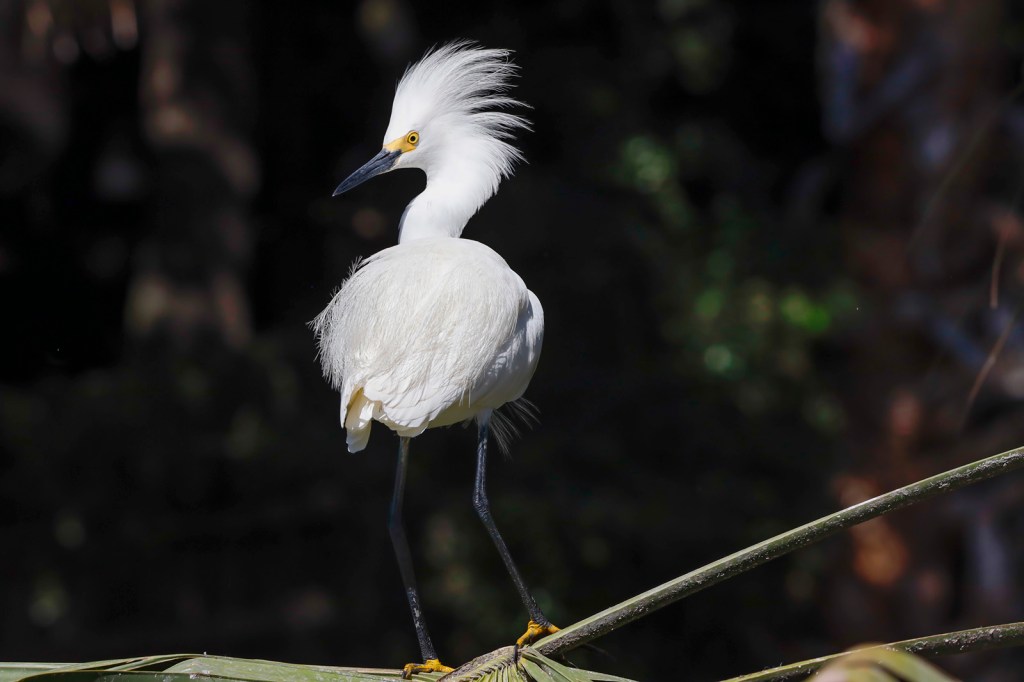
Snowy Egrets From St. Augustine Alligator Farm
Posted on December 3, 2020

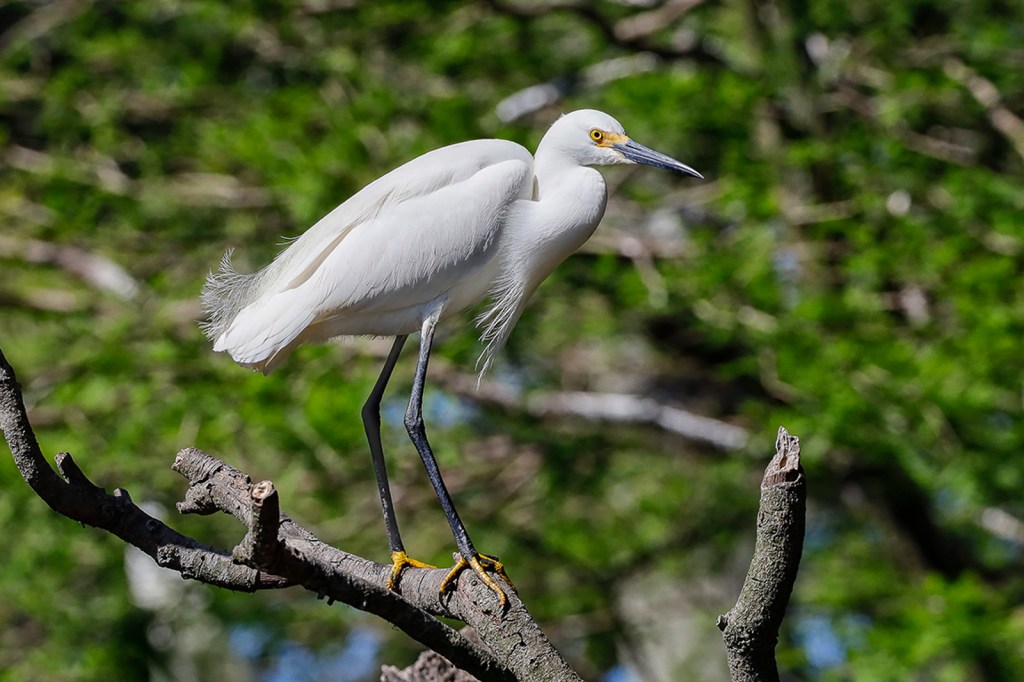
Because of the Covid 19 restrictions we have not traveled from home. I was going through images from a trip last January to Florida. The images used here were taken at the St. Augustine Alligator Farm & Rookery. It was a Great photo destination and they seem to cater to photographers. With a membership, they offer early hours to photographers& it can get very crowded in some of the areas. The Rookery area has a boardwalk going through it above the water & the alligators. It attracts a lot of photographers because there are so many nesting birds in the trees in the Rookery. The alligators provide protection to the birds’ nests in the trees above the water & the gators. I also saw quite a few birds walking on the shoreline by the alligators. I guess they are well feed since they seemed to leave the birds alone. I was using a Tamron 150-600mm lens on a Canon R which was a perfect combination to photograph there. I Since you are in a large gated boardwalk area it was nice to not lug too much gear around with all the photographers, tripods & other visitors. Usually I do not like photographing in commercial wildlife areas, but it was a nice area with nice people running the Alligator Farm. These are images I did not post before. The featured image was taken @ 600mm with the Canon R.





Happy Thanksgiving
Posted on November 26, 2020
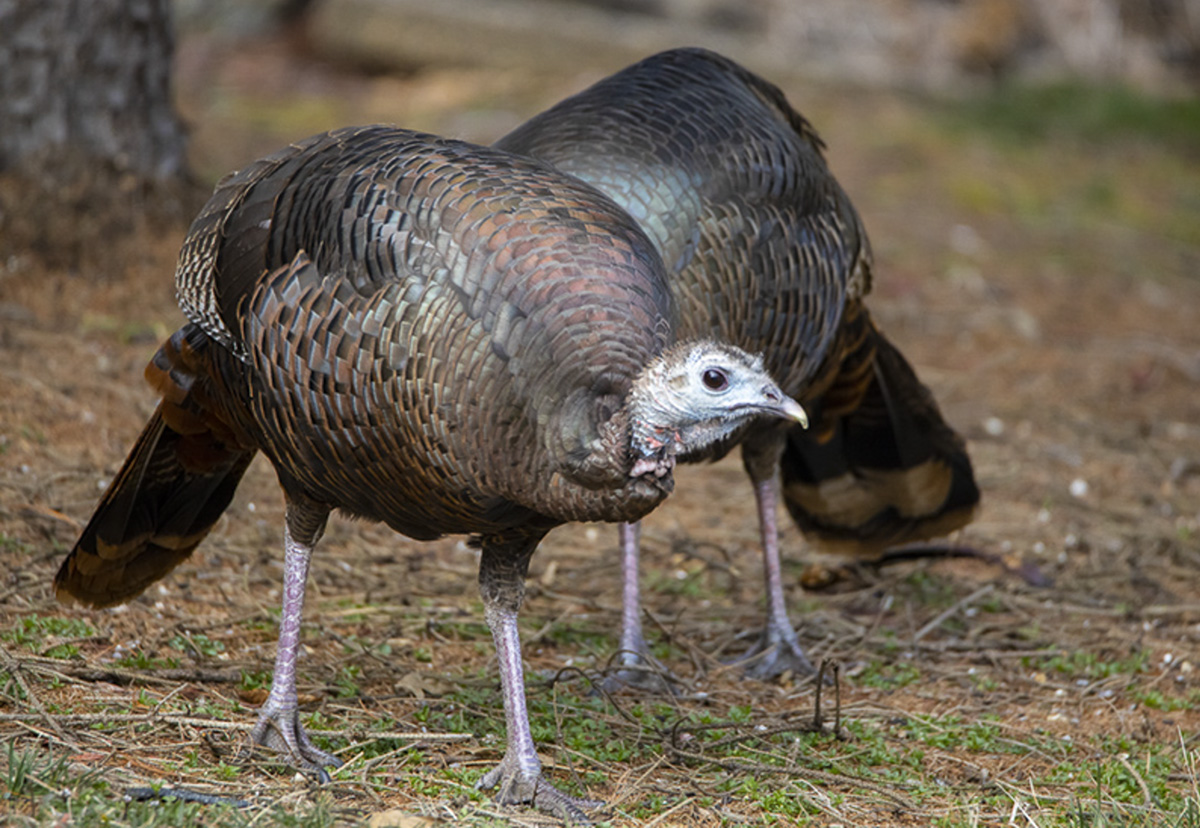
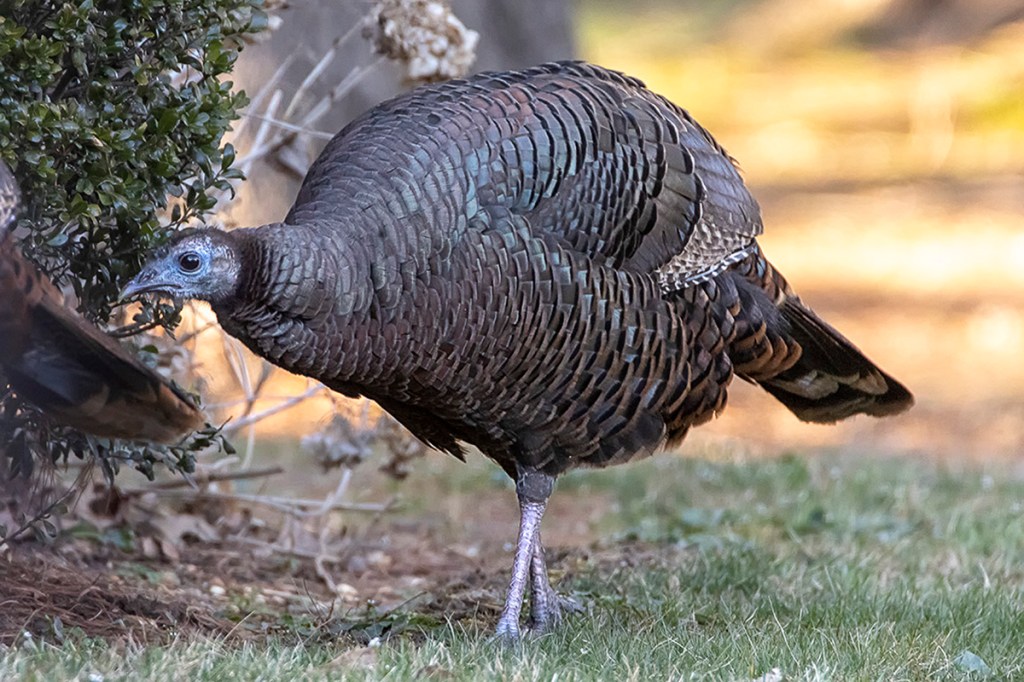
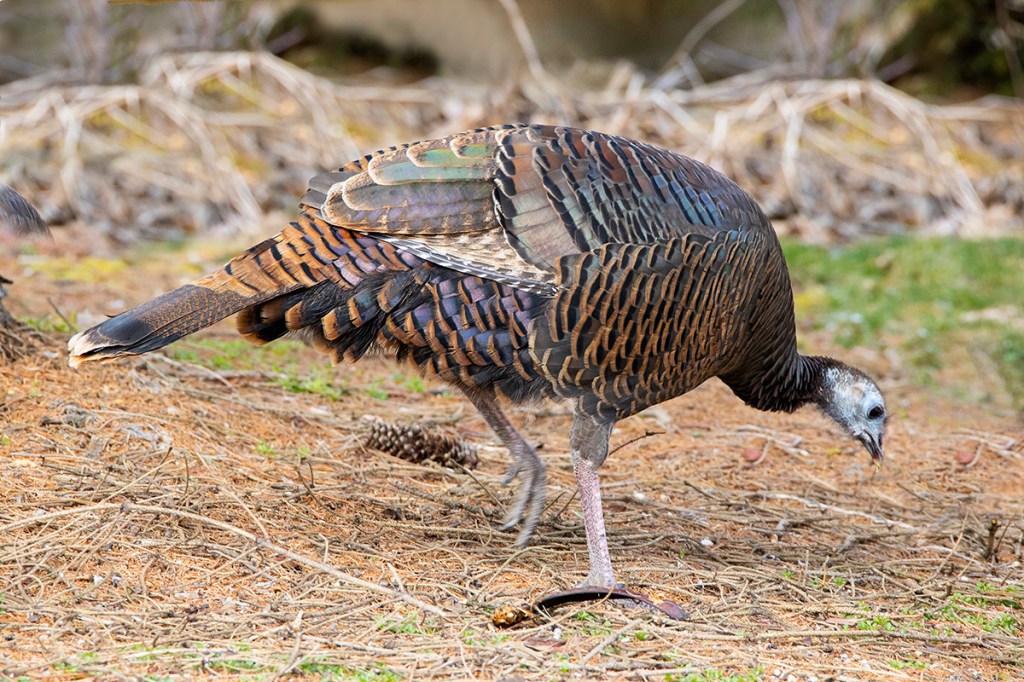
Happy Thanksgiving Everyone! It has been a trying year for everyone and hopefully things will be getting better. Stay safe if traveling to family & friends! These are Wild Turkeys that used to be in our community before the Foxes took their toll on them over the years. These images were all taken in my yard a few years ago. Canon R, Tamron 150-600mm, @ 600mm.


Black Skimmers From Edwin B. Forsythe NWR
Posted on November 14, 2020
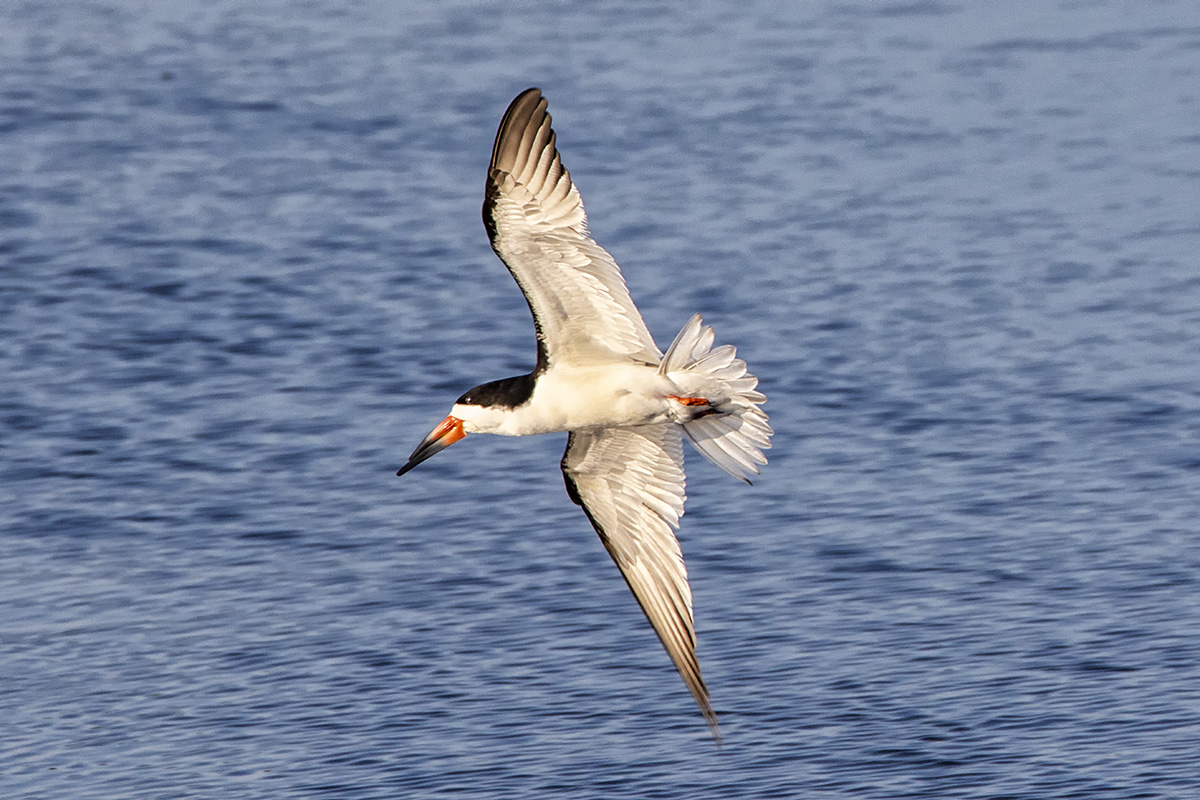
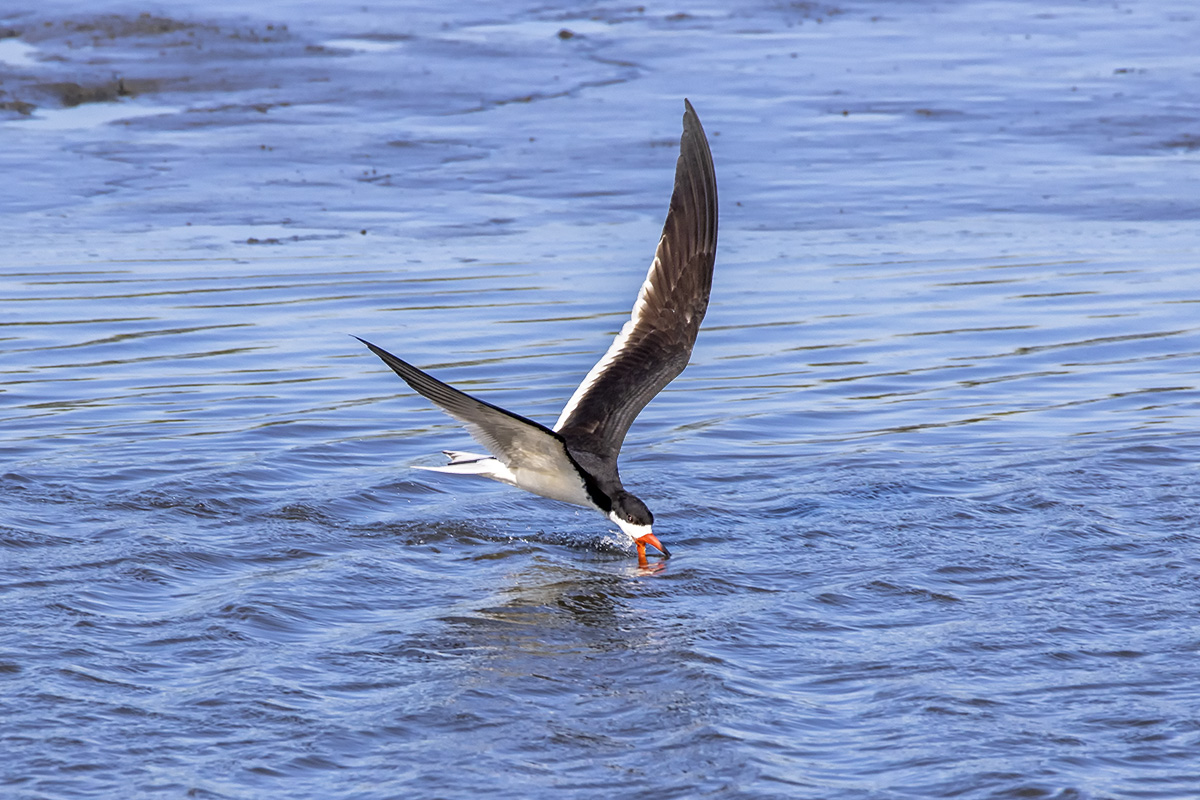
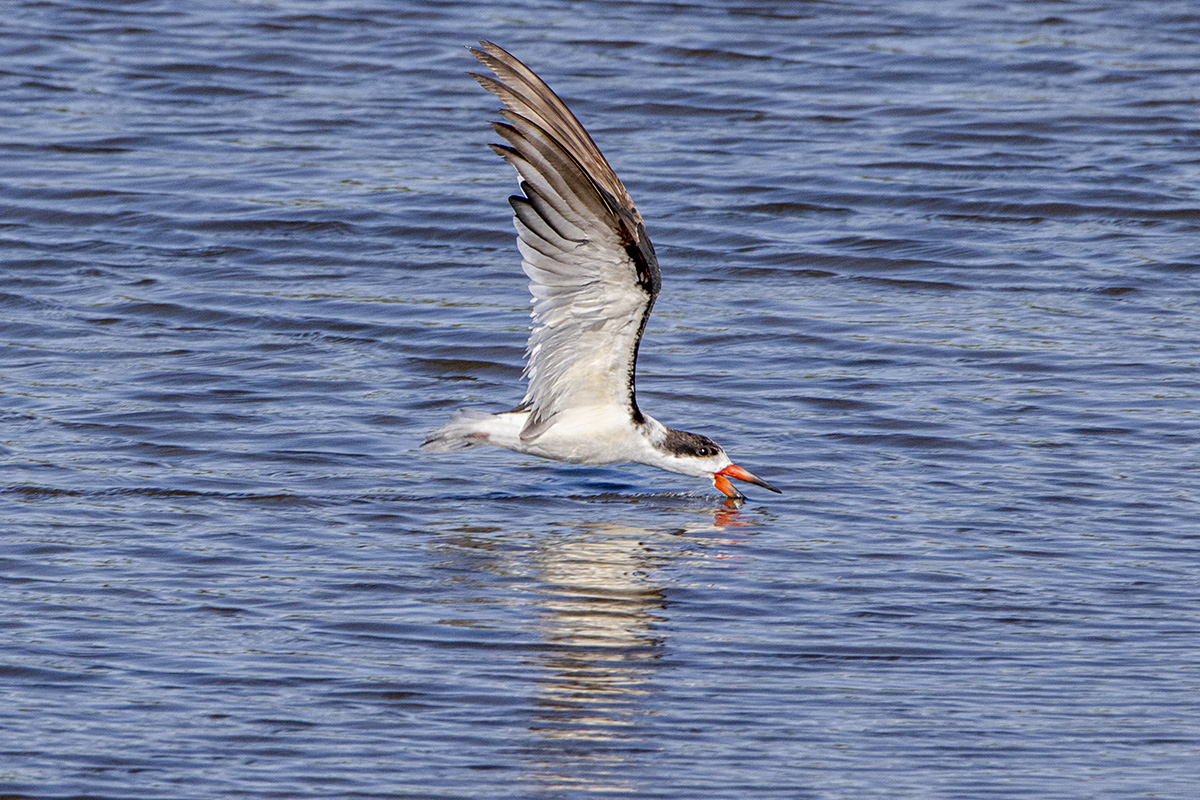
While cleaning up some of my backup Hard Drives I found these images from a previous photo trip to the Brigantine Division of the Edwin B. Forsythe National Wildlife Refuge in Oceanville NJ. I never worked on some these before, so I thought I would use them here. These were soon after I got a Canon R and a Tamron 150-600mm lens. I was surprised that this combination worked pretty well on flying Black Skimmers.


49 Cormorant Panorama From BRIGANTine
Posted on November 11, 2020
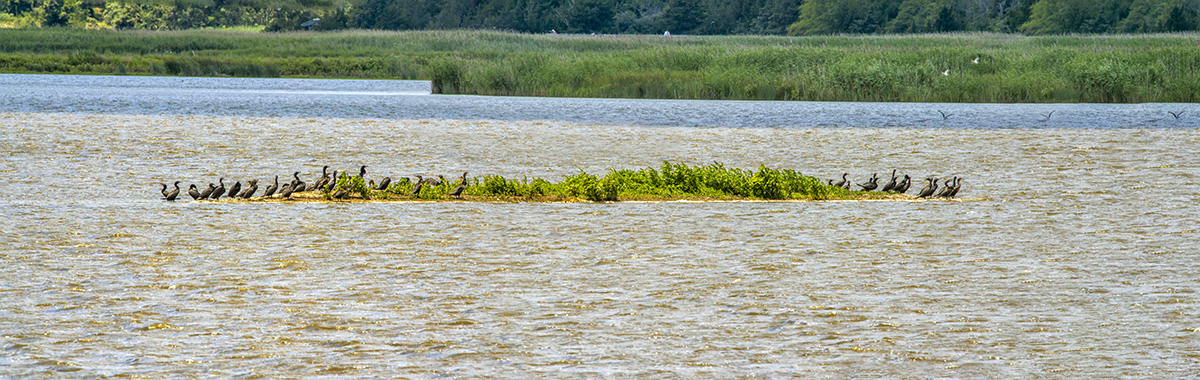
I was cleaning up backup Hard Drives and I found this panorama of Cormorants. This was taken last June at the Edwin B. Forsythe National Wildlife Refuge in Oceanville, NJ. I was using a Tamron 150-600mm lens @ 600mm with a Sigma 2X teleconverter for a focal length of 1200mm. The Panorama is made with 9 horizontal images, aligned & blended in Photoshop. Even with the Sigma 2X teleconverter I was using autofocus with the Canon R. For some reason the Canon R does not see the Sigma 2X Teleconverter and still thinks the lens with the teleconverter is a f/6.3 aperture. Even the Adobe Camera Raw info data states it is f/6.2 (not even the f/6.3) lens.

Harvest Moon – Multi-stacked Teleconverter Tests
Posted on October 3, 2020

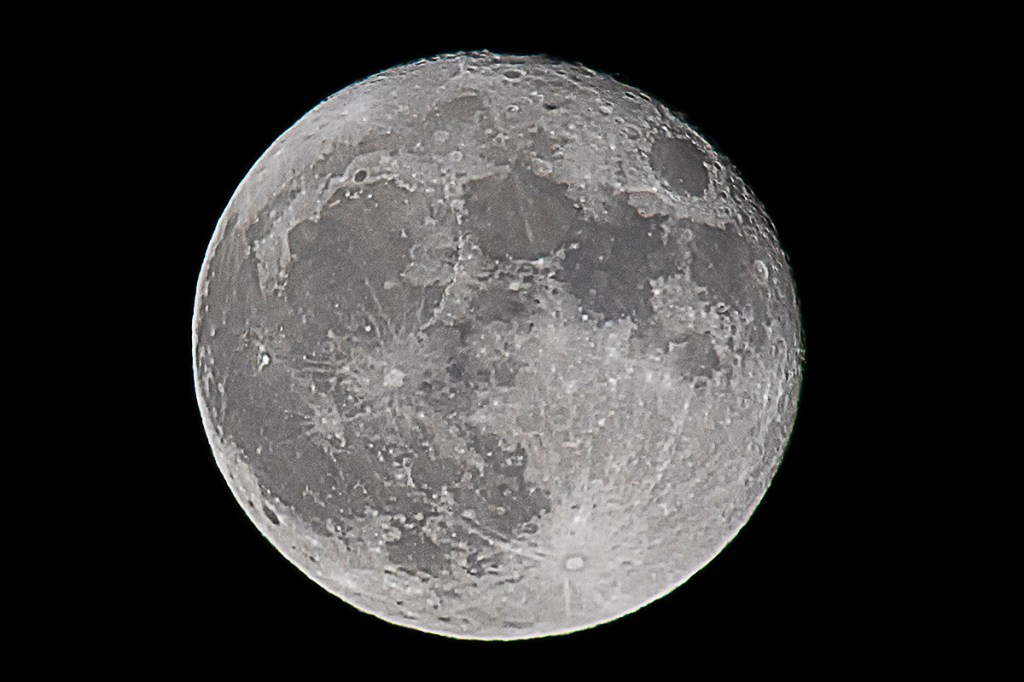
I tried a few different setups to photograph the Harvest Moon on October 1st. I was setup in my sunroom shooting out the side door. So I lined up a few teleconverters to try different combinations to see what combinations would work or not work well. The combinations of teleconverters is also based on which teleconverters would actually fit and go together in stacking because of protruding lenses or openings around the lenses in the teleconverters. In all I used 4 different brands of Teleconverter for my tests & 5 different teleconverters. I usually would use my 400mm f/4 DO lens but I loaned that to a friend so I was using the Tamron 150-600mm @ 600mm with the Teleconverter combinations. I was just curious of the quality of the images with different combinations of Teleconverters. The Featured Image was shot @ 600mm with a 2X Teleconverter.


Cormorant Portraits, Sunning On Treetops
Posted on February 15, 2020

We saw a quite a few Cormorants sunning on the top of trees as we were walking the trails on our trip to Lake Woodruff NWR. The featured image was taken with a 300mm f/4 lens. I liked the strong sunlight on the Cormorant enabling more detail in the dark black bird. The images here were 2 different cormorants from different tree branches.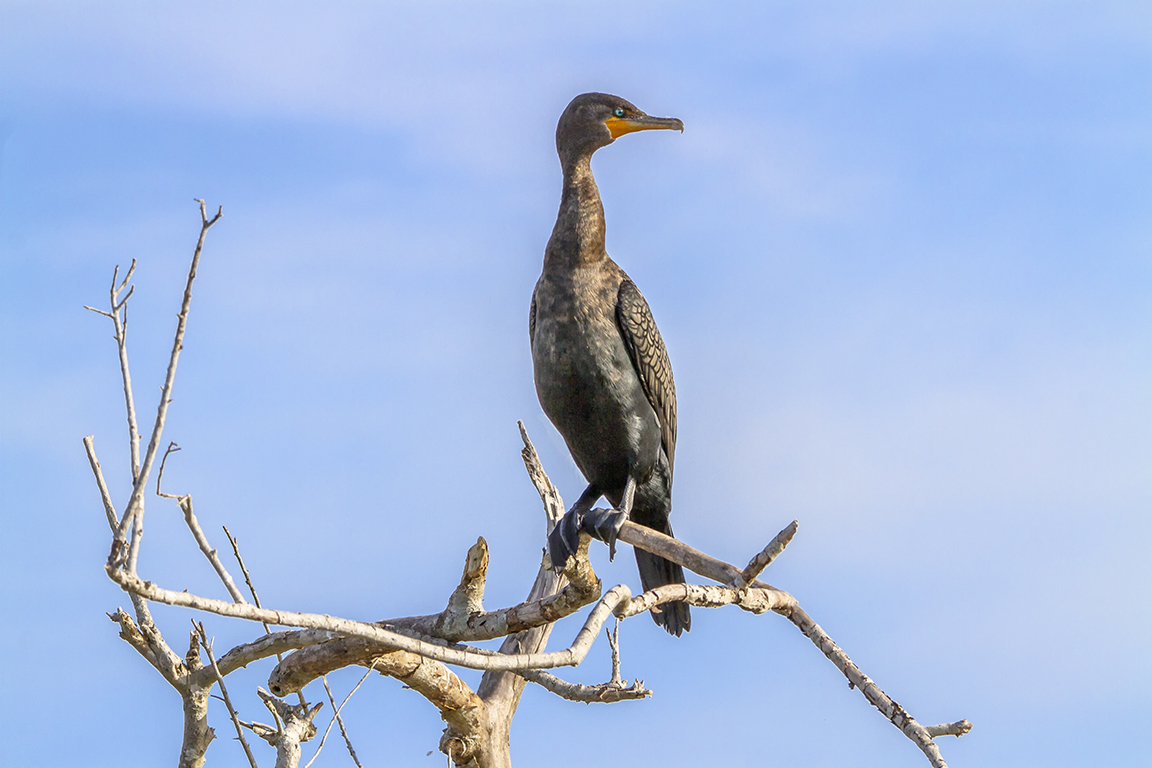
Additional Cormorant Images:
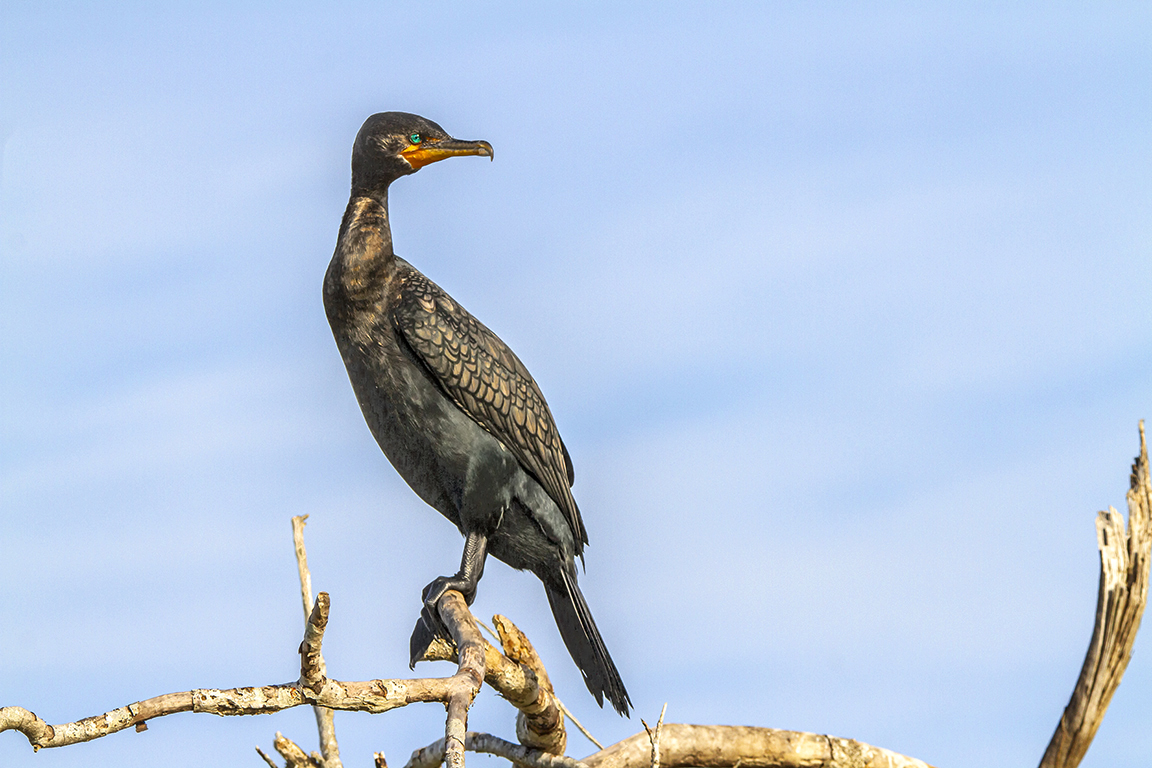
Cormorant @ 273mm

Cormorant @ 375mm

Cormorant @ 375mm
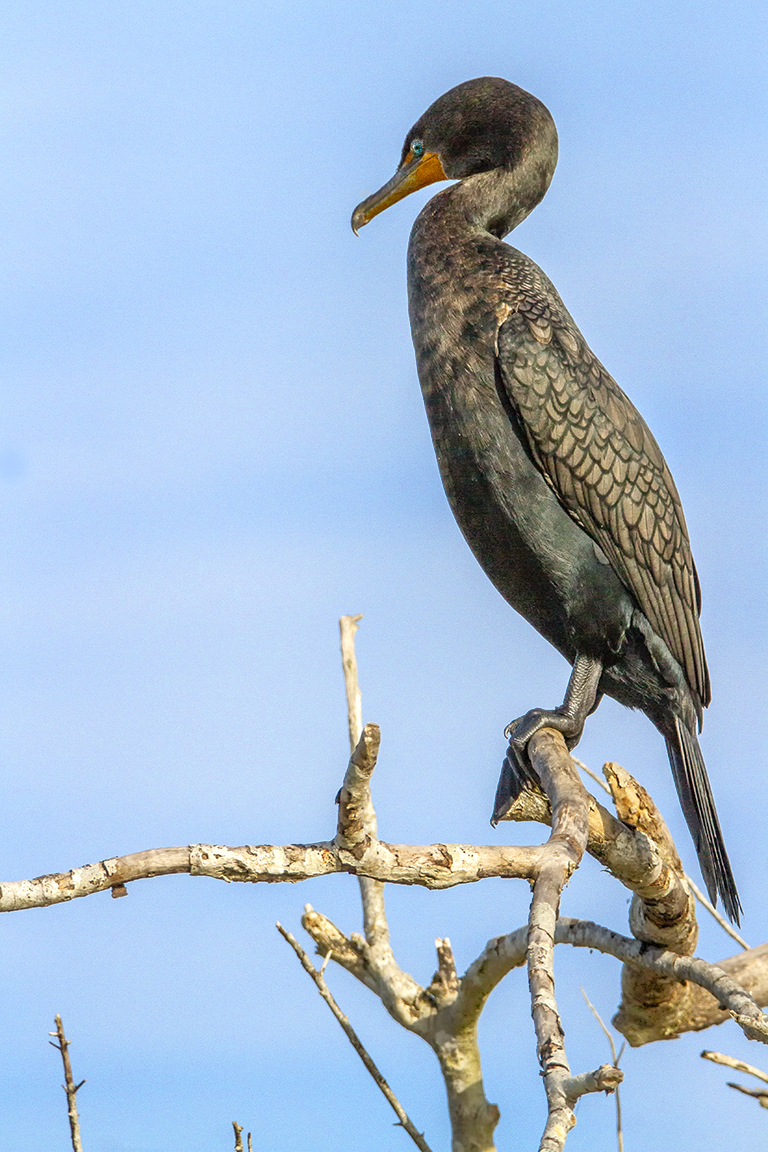
Cormorant @ 375mm
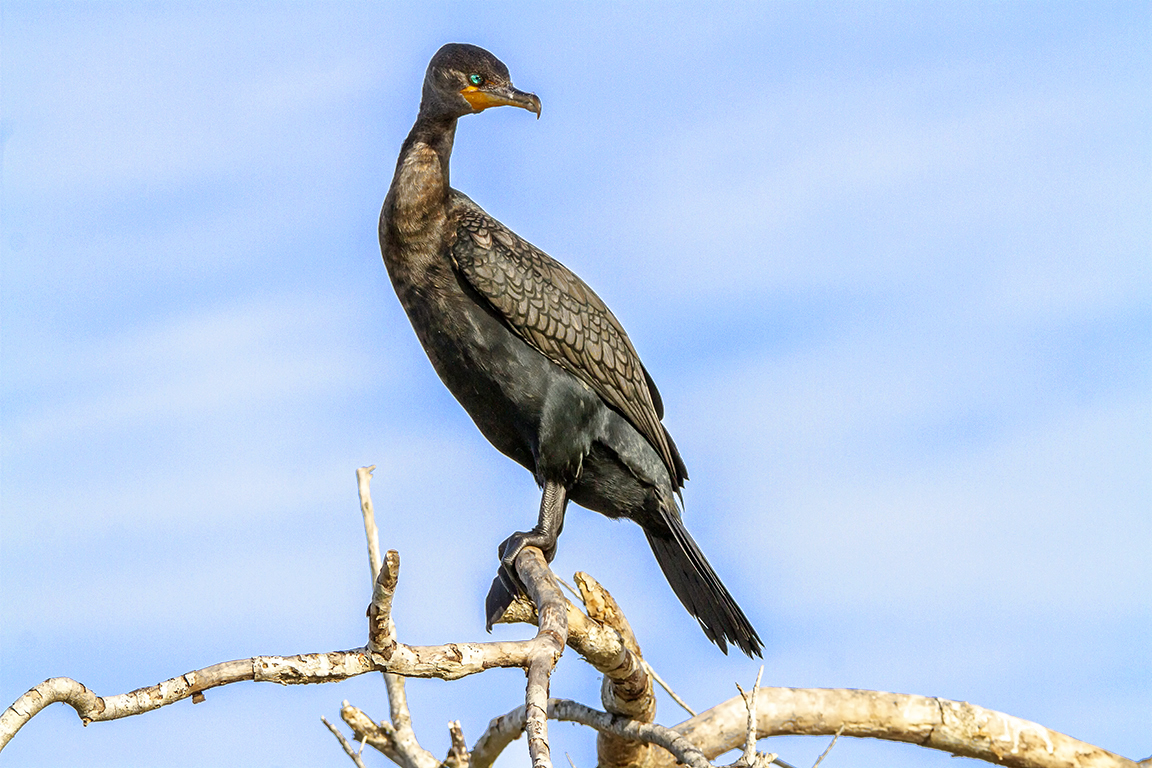
Cormorant @ 309mm
Marsh Rabbit
Posted on February 7, 2020
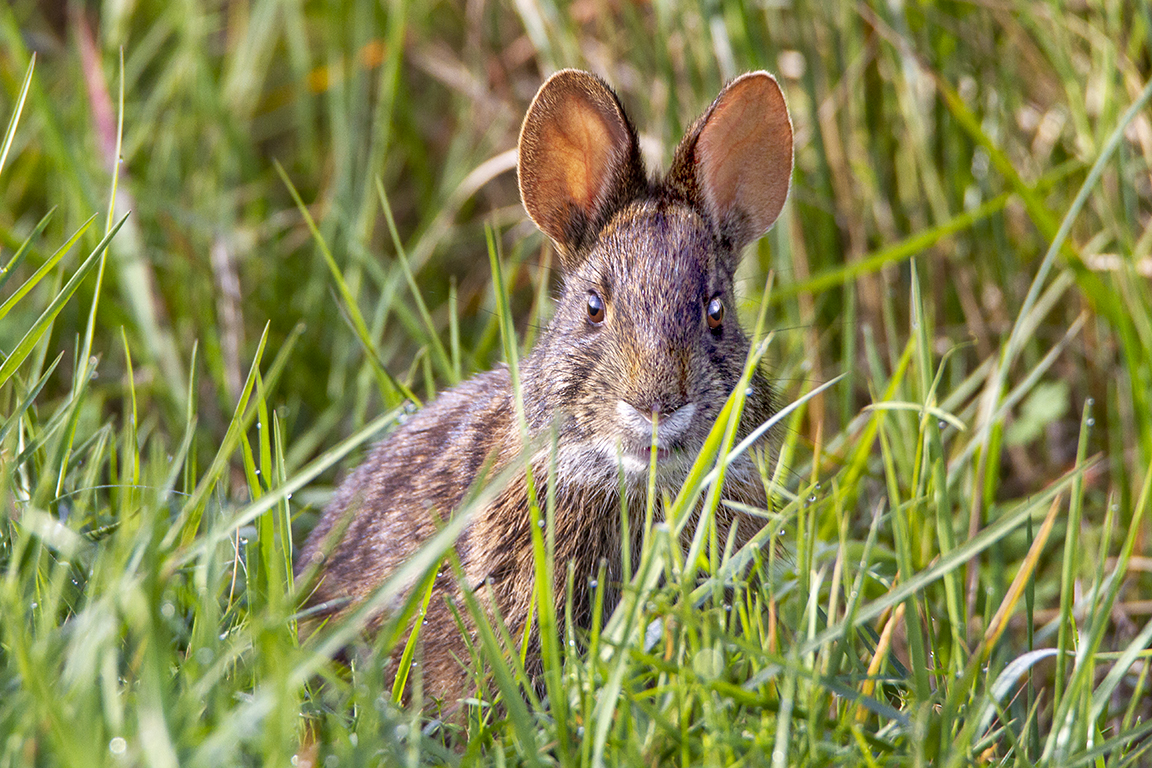
While we were walking the trails at Lake Woodruff NWR, we saw a few small rabbits. Looking them up they seem to be Marsh Rabbits. Marsh rabbits are typically smaller than Eastern Cottontail Rabbits. Adults from the Florida peninsula weigh approximately 2.2–2.6 pounds with a total length upwards of 17 inches. The hind feet of the average mainland marsh rabbit is also larger, at 3.6 inches compared with 3.5 inches for the typical Florida Marsh Rabbit. The featured image was taken @ 600mm.
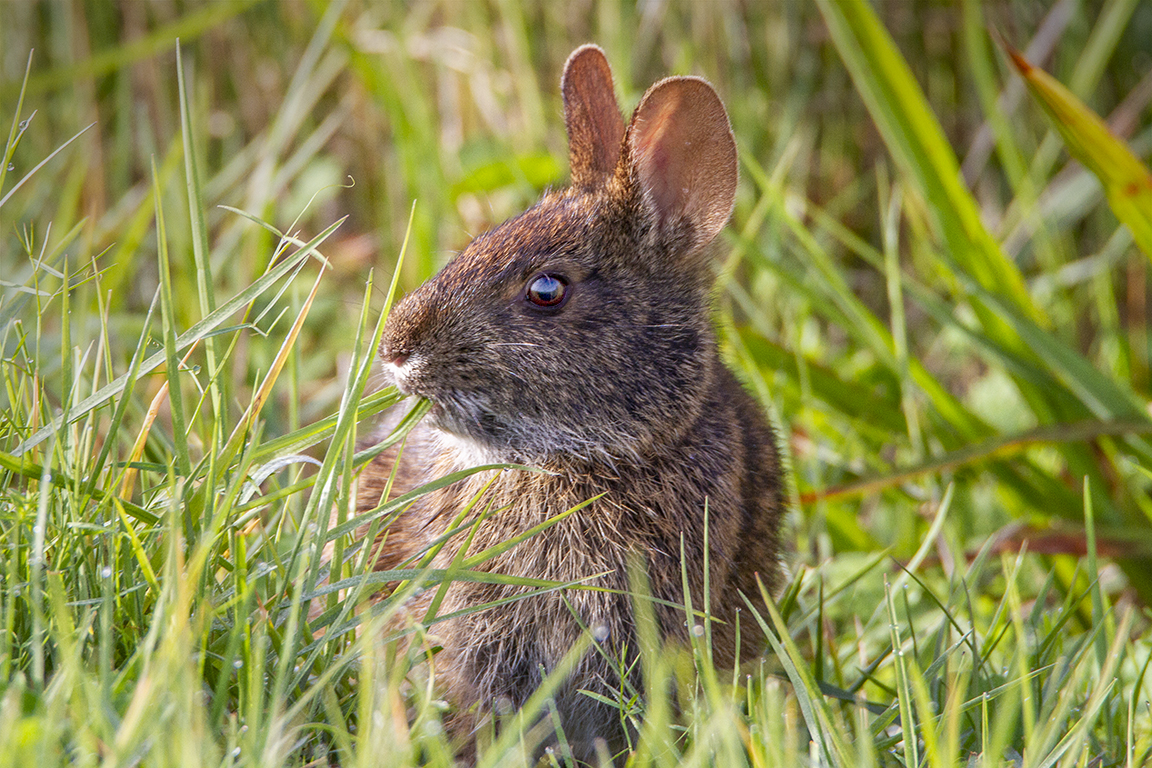
Marsh Rabbit @ 600mm
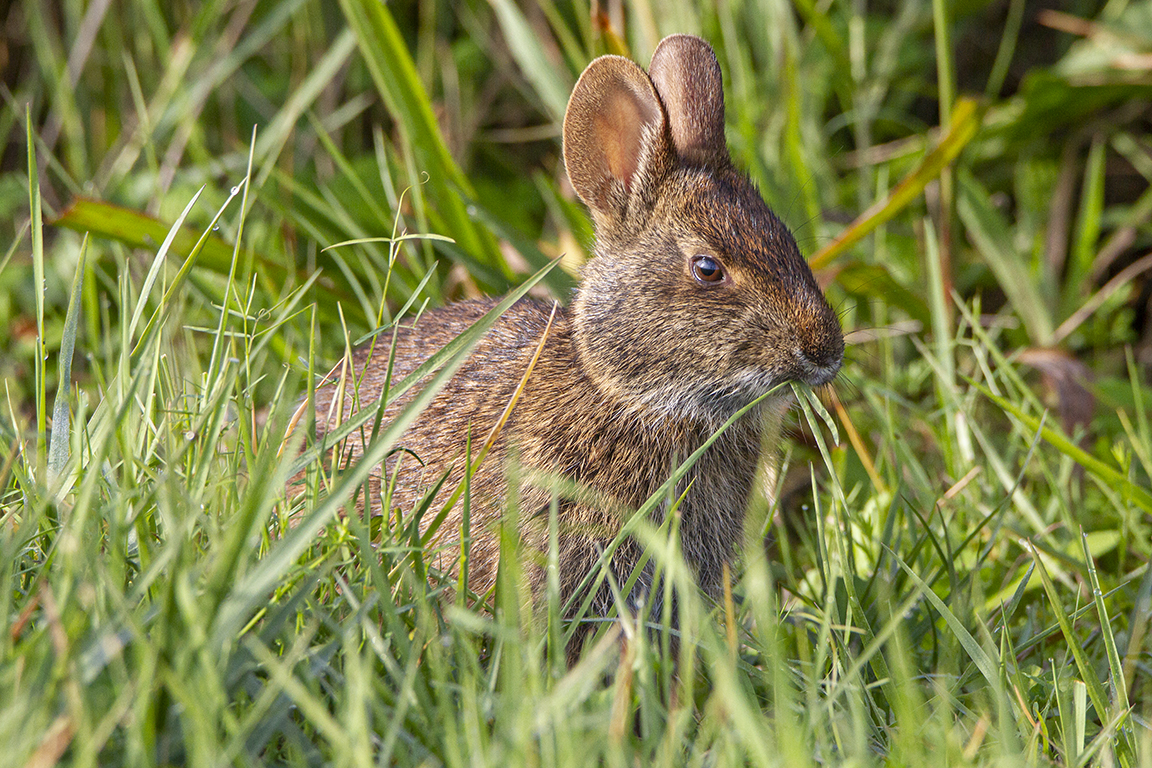
Marsh Rabbit @ 428mm

Marsh Rabbit @ 600mm
American Alligators @ Lake Woodruff NWR
Posted on February 6, 2020

On our trip to Lake Woodruff NWR we saw quite a few American Alligators in the channels along the paths. In other years we saw more, but they are not my favorite photo subjects, so it was fine for me. This is a closeup Head shot that was taken along one of the channels near the entrance. Other years we saw them on the paths or the shoreline. But this trip they were mostly in the water. It was hard to get good shots of them because of the reflections of the grasses and other plants along the shoreline which made the background busy looking.

Same image as the featured image with a feathered in softer background
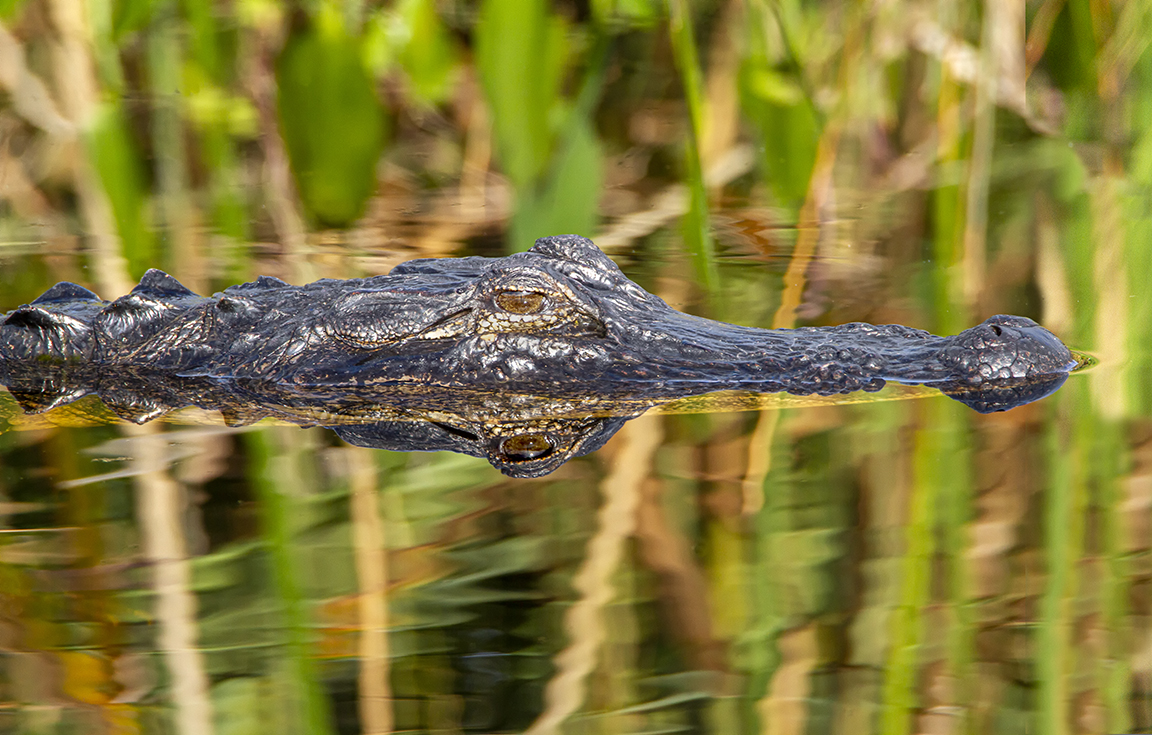
American Alligator @ 600mm
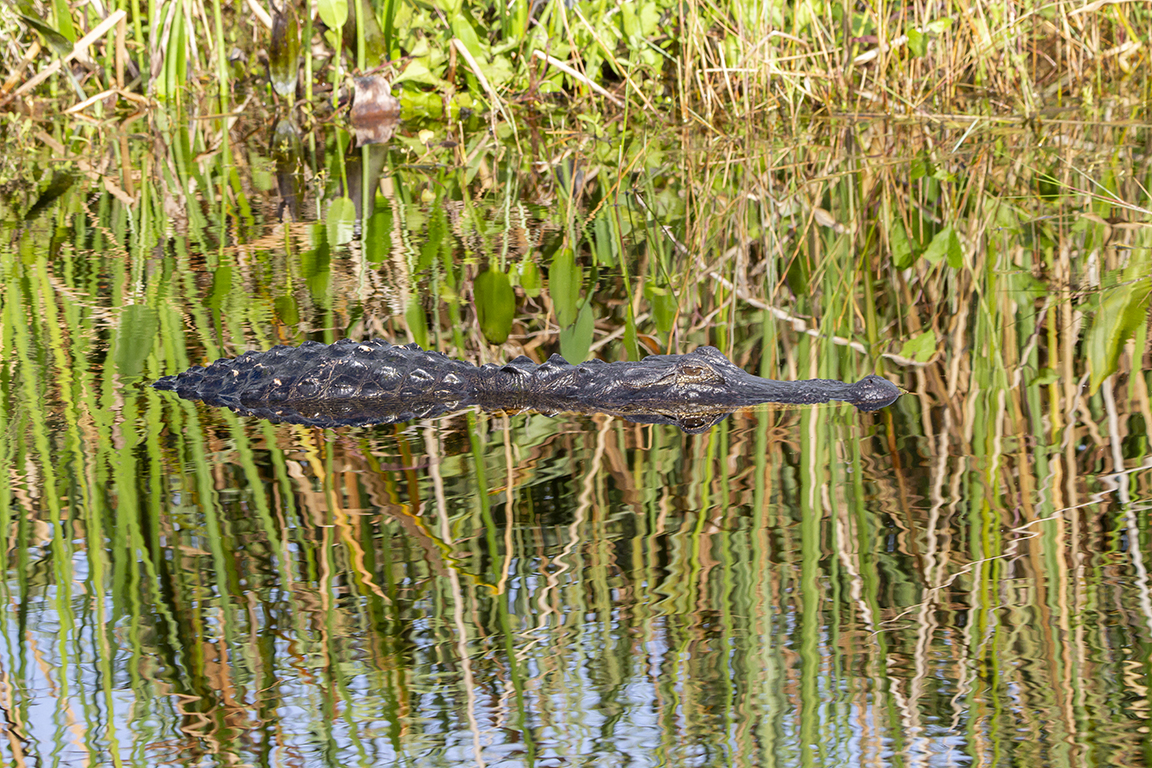
American Alligator with reflections of the grasses in the water @ 200mm
Sandhill Cranes FlyBy In Morning Light
Posted on February 5, 2020
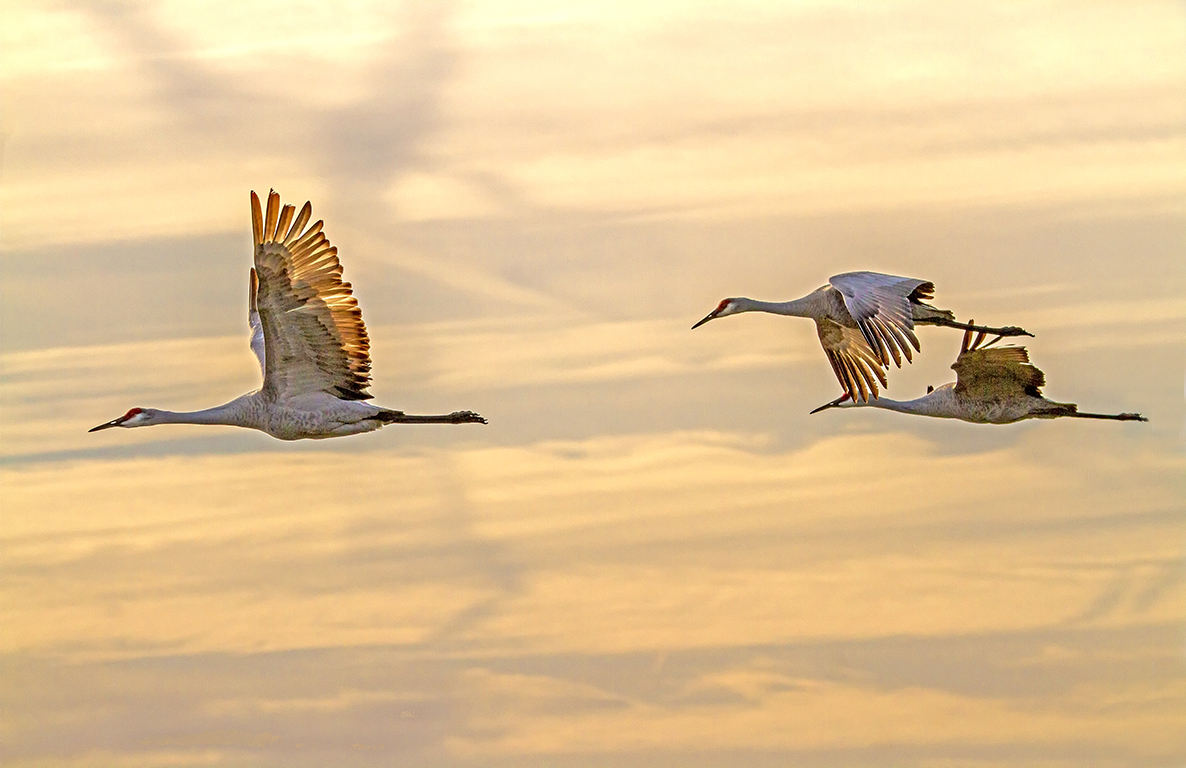
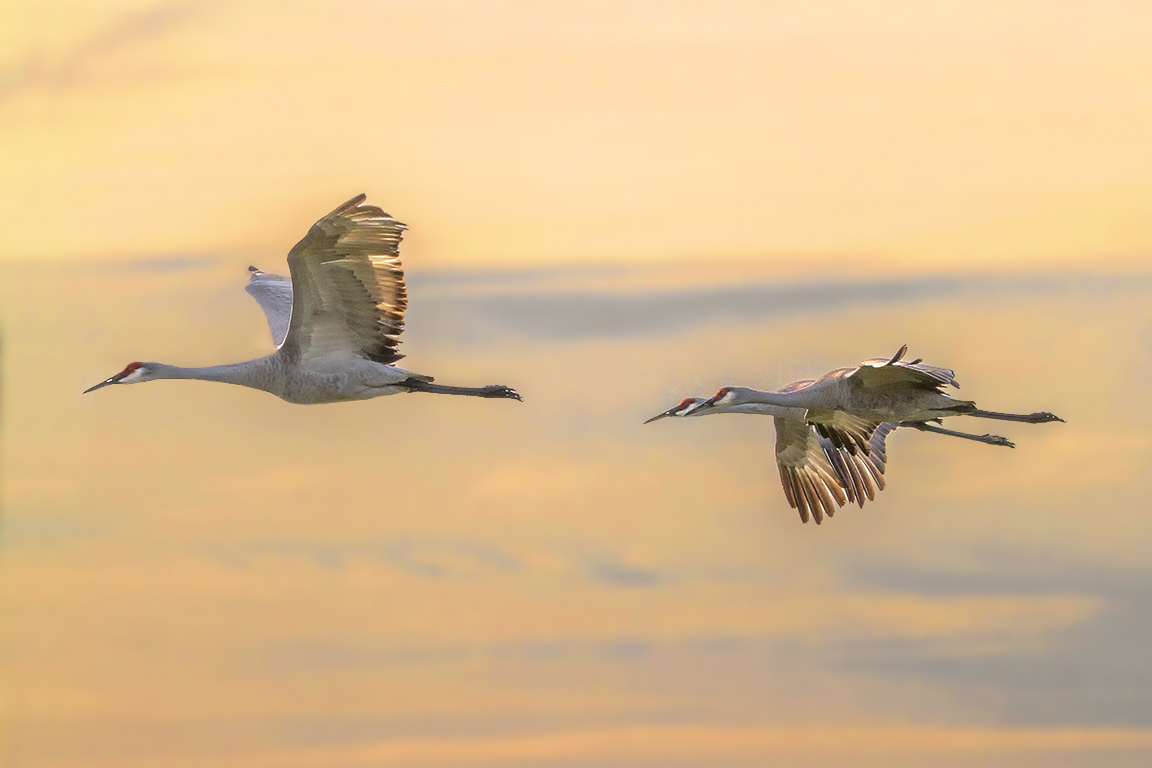
A couple of images of Sandhill Cranes flying out early in the morning. Images shot at 213mm with a 150-600mm Tamron lens.
 photoartflight