 photoartflight
Autumn Swan Taking Flight
Posted on November 23, 2013

I used this series of selected images from one Swan’s takeoff to make one art print. I liked this Swan’s takeoff against the colorful Fall background, showing changing wing positions and the splashing of it’s feet trying to get airborne. I started with more wing positions, but the print got too long so I limited it to six images. Even at 6 images the final print was 96″ x 14″. Placing it on a black background also made the images really stand out and I used a gradated grey text as a subtle title accent so it did not detract from the images.
Last Flight at Blackwater NWR
Posted on November 13, 2013

Going through my older files from Blackwater National Wildlife Refuge, I came across this series that I never worked on. Blackwater has great sunsets because of its proximity to the coast with the moisture in the air. This was shot in December, near the end of daylight. I like the sun’s rays coming down through the clouds, giving streaks of sunlight in the lower clouds. This one lone bird was flying through the sky under the dark higher cloud bank. The photo just made me think “Last Flight of the Day.” Sometimes you can see large flocks of birds going through the evening sky, but late on this day there was just one lonely bird heading home, which I thought gave an interesting look. I usually do not like having the subject in the middle of the frame, but in this instance I chose this one because the bird is so small it was not as powerful off to either side and looked unbalanced. This was shot with a Canon 7D with a Canon 400mm DO f/4 telephoto lens. Exposure 1/1250 @ f/8, ISO 400.
Autumn Mute Swans
Posted on November 10, 2013

2 Mute swans flying into a colorful Autumn background. I liked the formation flying these 2 Mute Swans were keeping as they flew few laps around this small lake. They flew lower for the first go round, then on the second lap they gained a little altitude and flew across the colorful fall background. I thought the pair of white swans contrasted nicely with the reddish leaves and the darker grayish area on the right made it look like a B&W image blending into color as the swans flew into it. This was shot with a Canon EOS 1D MkII with a Canon 100-400mm zoom @ 400mm with a Canon 1.4X teleconverter giving an effective focal length with the 1.3 crop of the camera and 1.4X of the Teleconverter of 728mm @ f/8. I usually stop down a little more when using a teleconverter, but using a lens that was @ f/5.6 and with the Teleconverter making it f/8, I chose an f/stop of f/11 to help sharpen it up a little but still give me a shutter speed fast enough to stop the action of the flying birds.
Yellow-Shafted Northern Flicker
Posted on November 9, 2013
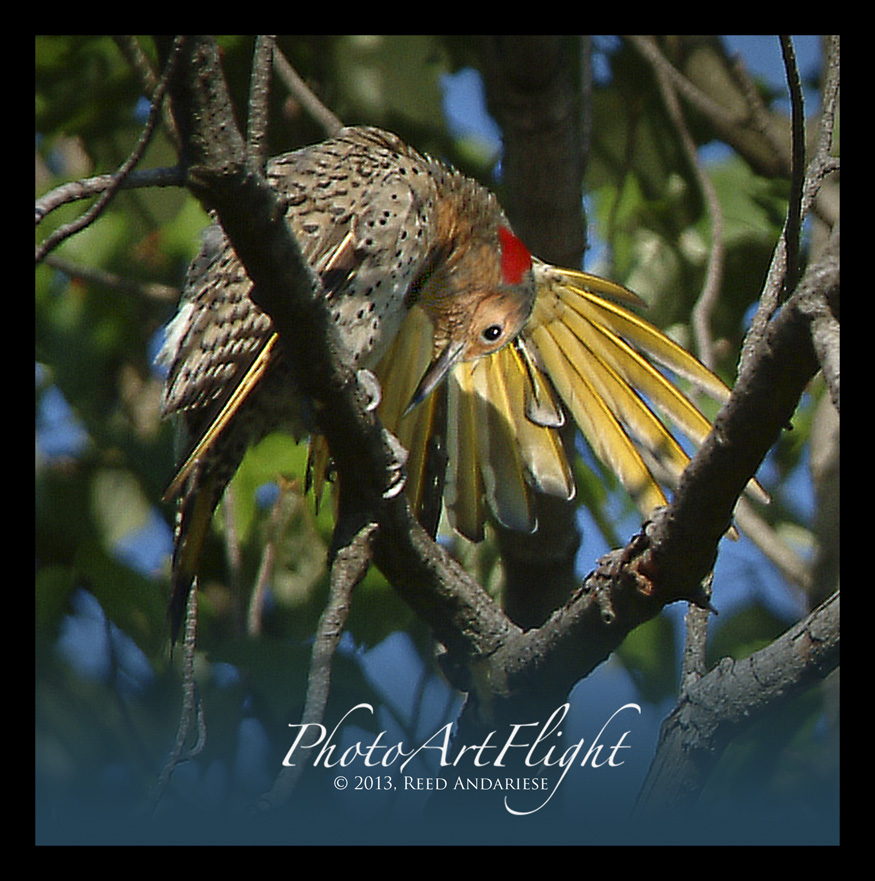
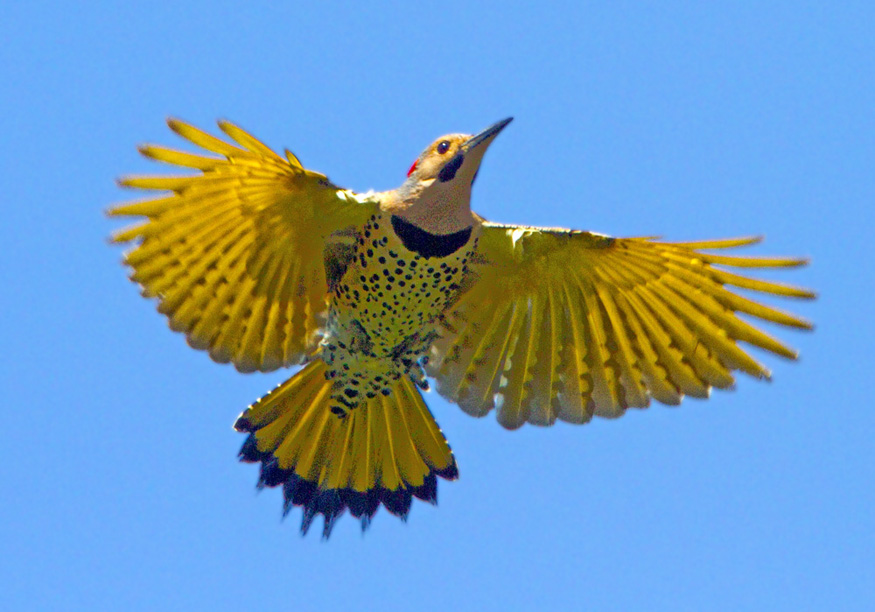
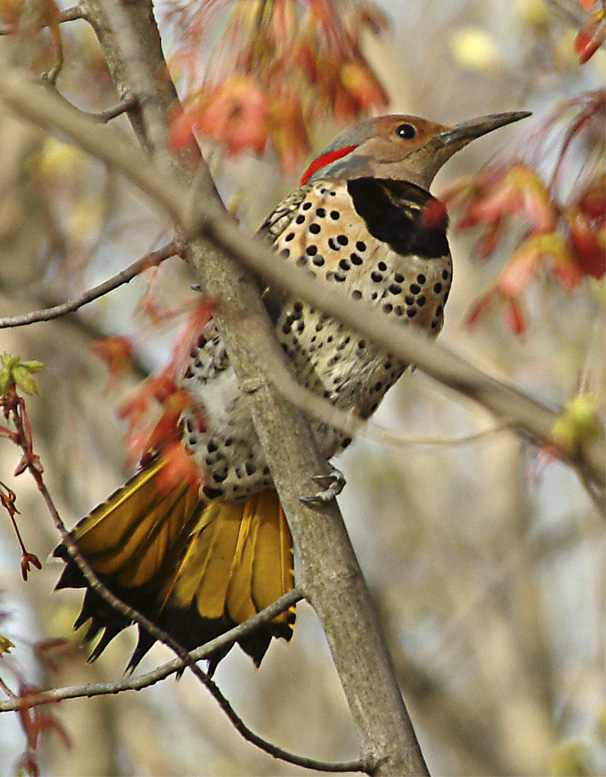
I was condensing files on my external hard disks and came across these files of Norther Flickers. I had found this Northern Flicker preening in a tree at the Celery Farm Natural Area in Allendale NJ. I liked the the Red on the nape of the neck with the yellow on the bottom side of the feathers and the sunlight on the eye and face of the Flicker and skimming across the yellow feathers. I only had time for the one photo before it flew down to a lower tree. So I was glad I got at least one in this light.
Ospreys at J.N. Ding Darling NWR
Posted on October 27, 2013
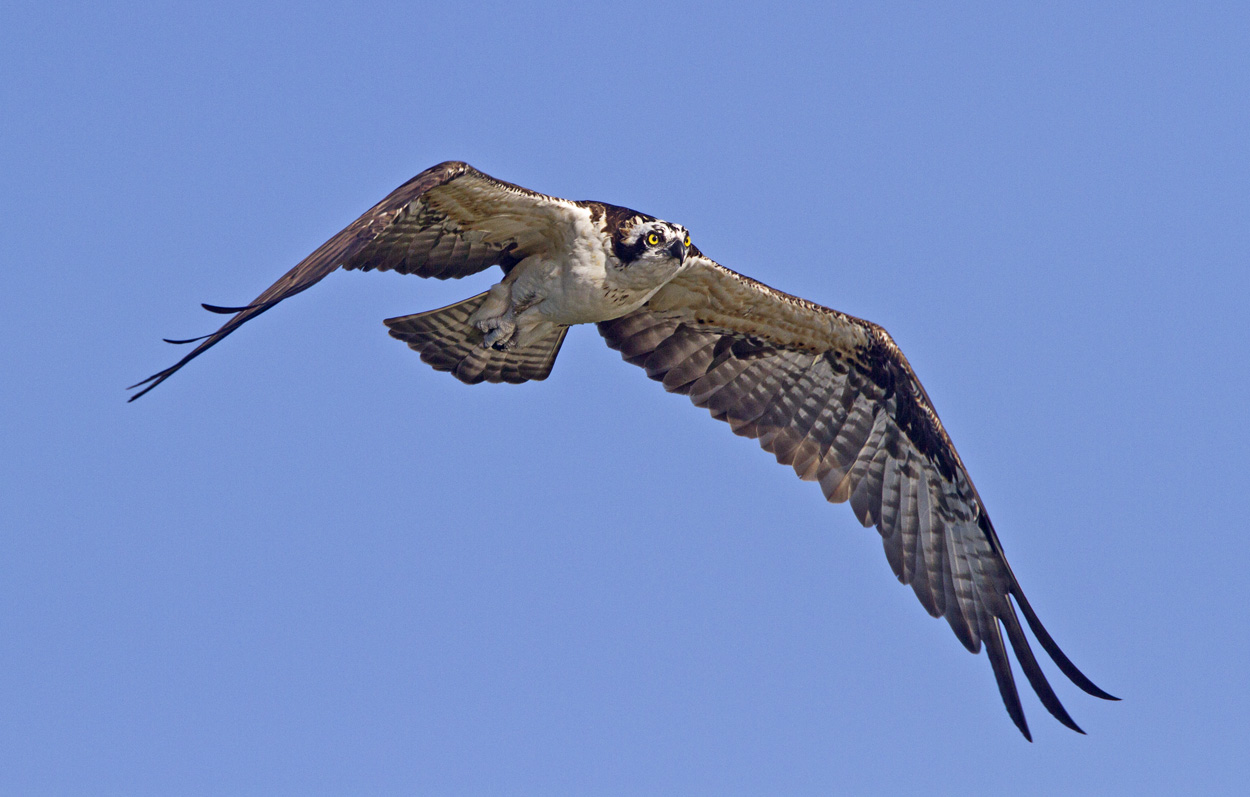
Because of my busy work schedule, I usually do not get to work on some of my personal files as soon as I would like. Going through my Ding Darling files I found quite a few that I wanted to work on. Here are some Ospreys from that trip. It is fun to photograph them fishing an area for their meal, diving into the water to catch a fish. Ding Darling is so large that it is hard to get Ospreys fishing. Usually you see them here flying by to another area or in a tree eating what they have caught. All images here were taken with a Canon 7D with the 400mm f/4 DO with a Canon 1.4X teleconverter giving a effective combined focal length of 896mm at f/5.6. This combination works well when you are photographing in a large open area plus it is extremely hand holdable for fast moving subjects. With the 7D it is important to shoot Raw images and use Adobe Camera Raw or the Canon Software that comes with your camera to process your files to control your image noise for cleaner images. If you ever get to Ding Darling look for them flying through the refuge or sitting in trees along the Wildlife Drive, either resting or eating their catch. Also note that J. N. Ding Darling’s Wildlife Drive is closed on Fridays. Hope you enjoy them.
-
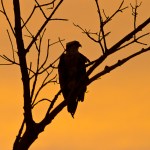
- Done for the Day
-

- Fly By



Bombay Hook NWR
Posted on October 6, 2013
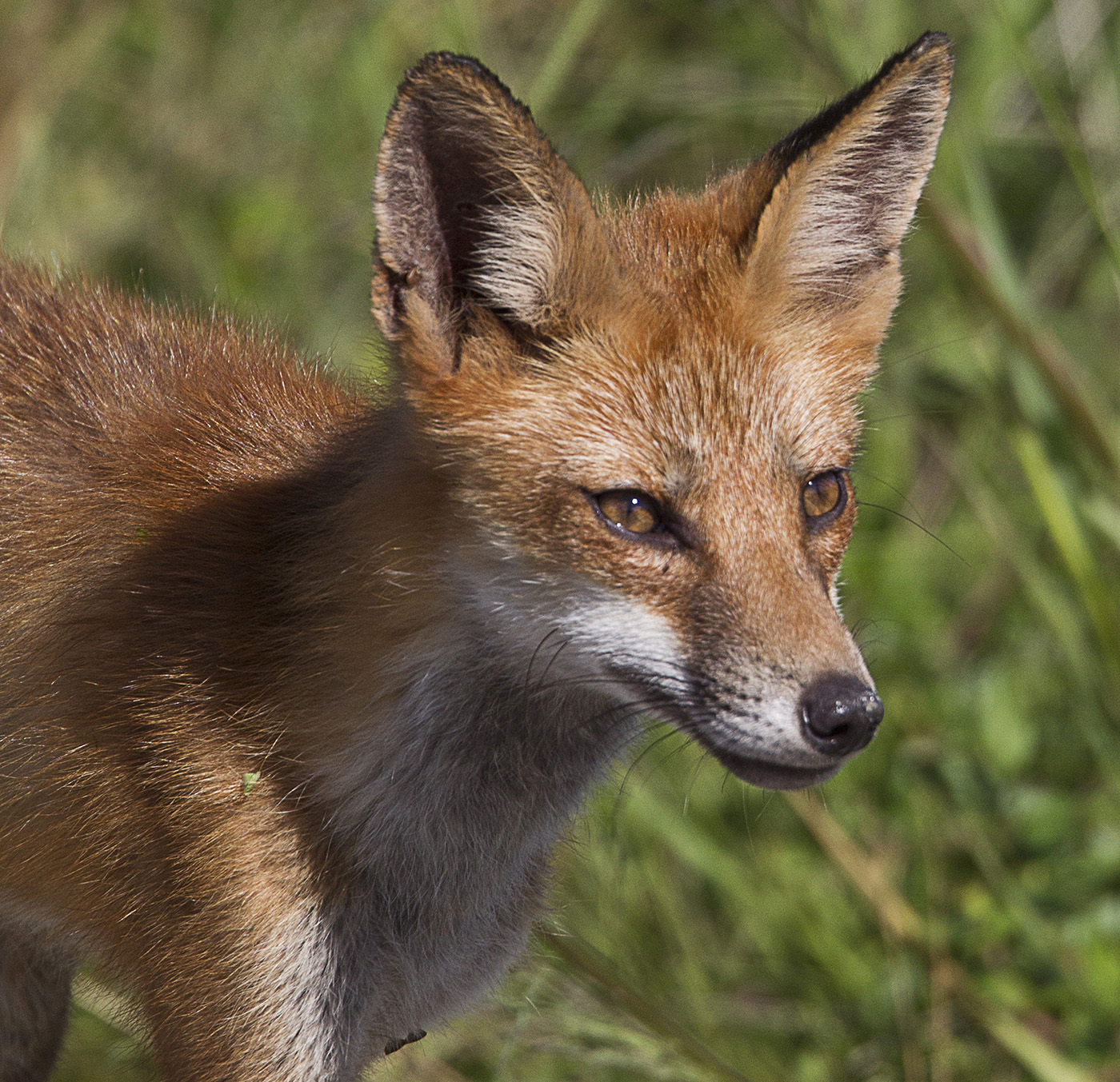
I was looking through some of my backed up files and found images from Bombay Hook, National Wildlife Refuge in Smyrna, Delaware. The refuge has a Wildlife Drive that is about eight miles long along the Delaware Bay and covers over 16,000 acres. You can find many subjects for your photography – Wildlife, Birds, Flowers, Landscapes. and macro subjects. There are also many trails and lookout towers. So depending on the day, you can find a wide variety of subjects for your vision. Usually we only drive through quickly on our way to Blackwater NWR in Maryland. We are planning to go back to spend the day and fully explore the refuge.


Different Kinds Of Panoramas
Posted on September 26, 2013

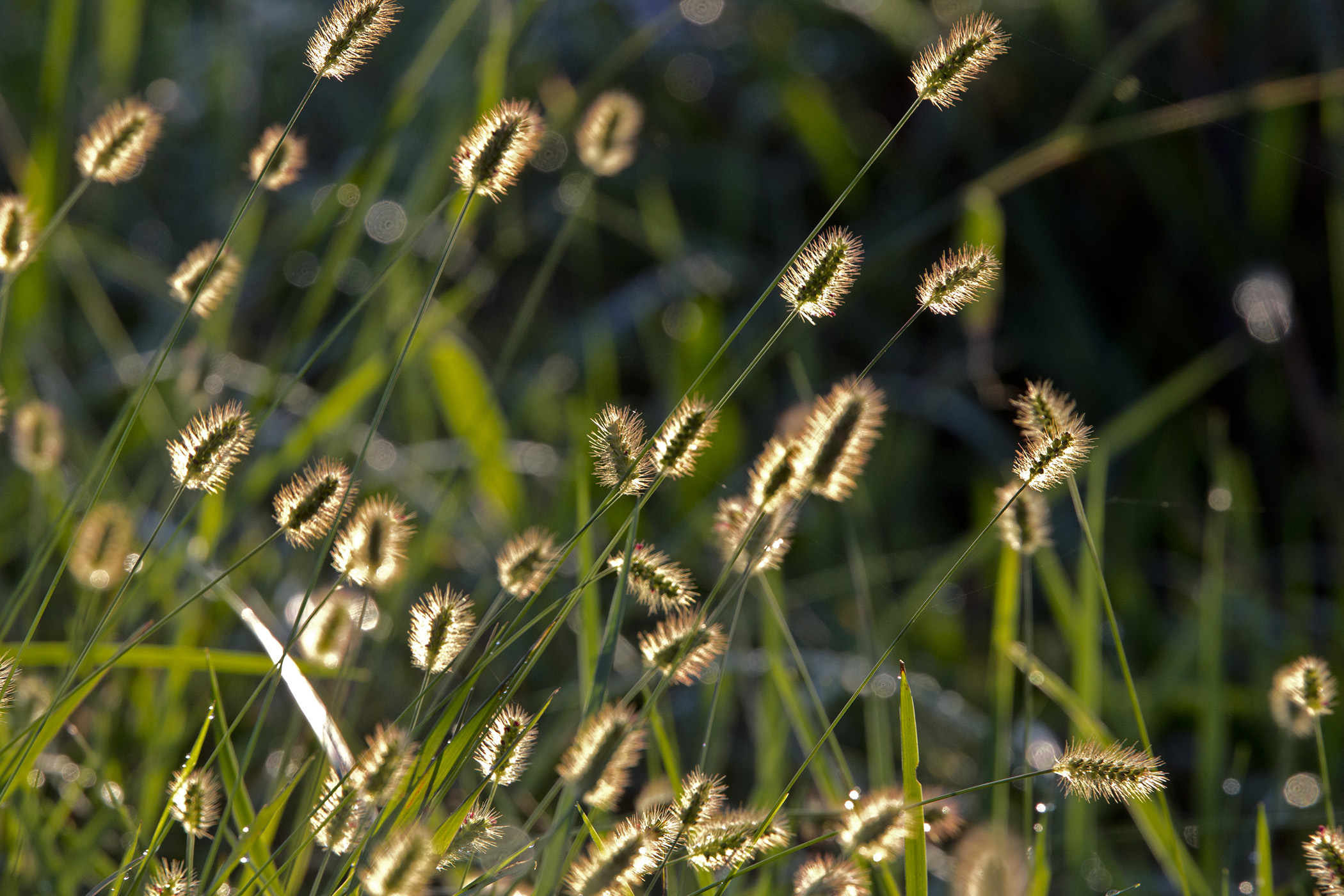
Panorama basically just means wide view, but for photographers panoramas can mean many things. Most use a wide to short telephoto to make panoramas with multiple images. Often when I am out in the field, I am only carrying a 400mm lens, usually with a 1.4X Teleconverter. But quite frequently I see a shot that is too wide for the equipment I am carrying. Even if I had a wider lens, I would not have time to switch and still get the shot I wanted. So I shoot a series of shots of my subject and manually stitch them together in Photoshop. You can also try automatically stitching them in Photoshop or PT Gui. For just a few shots I use auto exposure. But if I am shooting many shots for a long or tall panorama, I switch to manual exposure so the exposure does not change, this makes it easier to combine for the final image without exposure shifts from section to section. I have used this for everything from birds, turtles, birds on top of tall trees, to dragonflies and other interesting subjects. Or if see an image that is perfect for a panorama, but I envision a longer thin crop without a lot of extra image that detracts from what I want. I do not want to crop to my panorama from my regular file because I want a large image, either for a double page spread or maybe a large print, and want to hold the detail with all the added pixels. In another scenario, I see a large bird landing with a wide wingspan, but cannot fit it all in, so a quick series at 10 fps gives me a few images to work with. Or you see a Black-crowned Night-Heron sitting in a tree and you also want to show the bird in its habitat with a lot of detail. Give it a try, it is simple to do and comes in very handy.
Blackwater NWR, Cambridge MD


Ding Darling National Wildlife Refuge, Sanibel, Florida

Closeups with 400mm f/4 DO with, 1.4X teleconverter and extensions tubes


Okefenokee National Wildlife Refuge

Bombay Hook NWR, Smyrna, DE
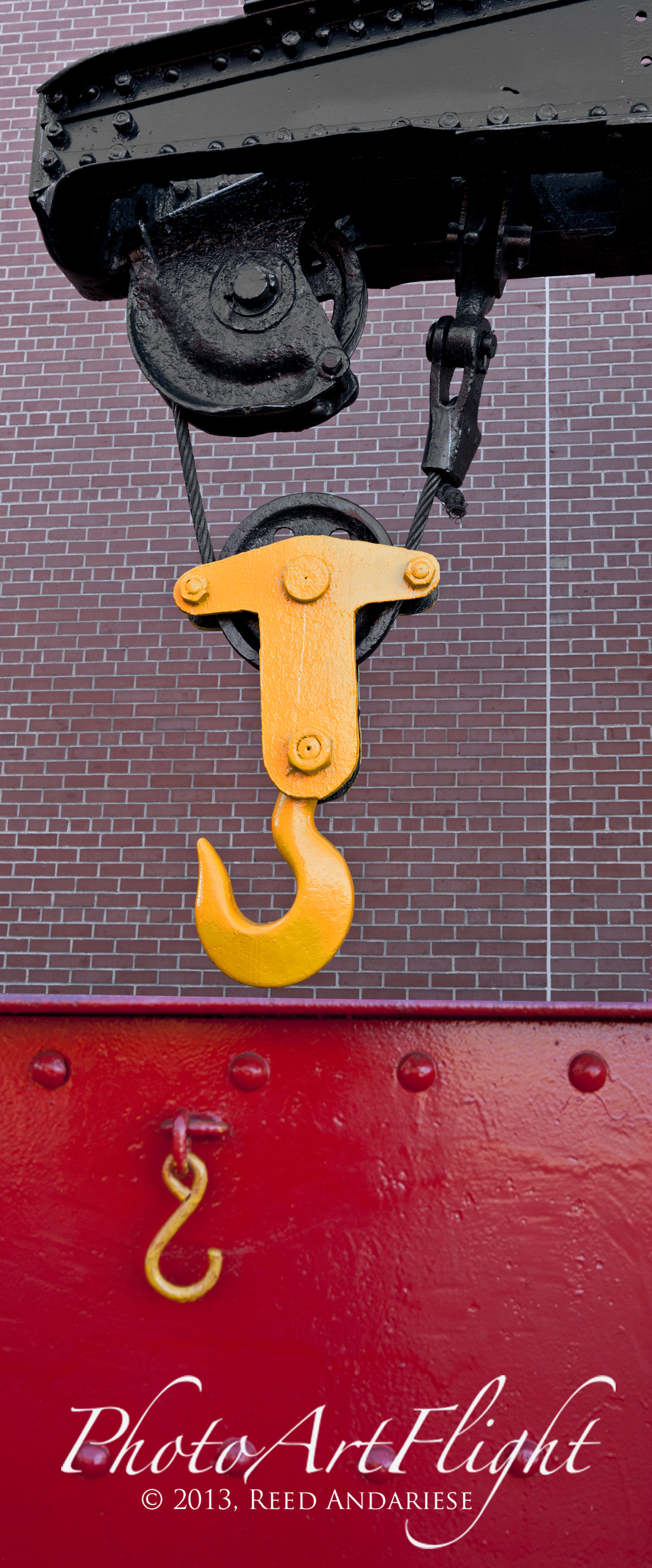
Steamtown National Historic Site, Scranton, PA
Ding Darling National Wildlife Refuge – Sanibel, Fl
Posted on September 17, 2013

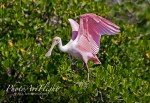
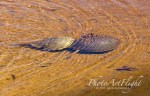
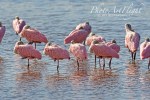
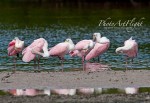
One of the places we like going to is Ding Darling NWR in Sanibel, Florida. Trouble is, with my work it is tough to get the time to go that far. Also with the lenses I bring, it is tough to fly. The last time we went was about 2 years ago, but I never really got the time to work on my images. I was going through one of my external back up drives and found my images, so I thought I would post some of them here. This is just a quick sampling out of about 2000 files from that trip. It helps to bring a long lens here, the longest you have. There is a lot of activity and interaction between the birds and long lenses help capture that. If patient though you will find quite a few close to the shoreline, you can even get some headshots with a 300mm to 400mm lens. I was using a Canon 400mm f/4 DO lens with a 1.4X Teleconverter or a Sigma 300-800mm DG Zoom Lens. Also there are great sunrises and sunsets here. You just have to time Sunrise with when the Wildlife Drive opens, so certain time of the year you will miss Sunrise. Ding Darling is closed on Fridays so you have to plan for that also. There is also Indigo Trail which is 2 miles long and starts at the Education/Visitor Center. There are 2 other trails along the drive, Wulfert Trail & Shell Mound Trail. Also off the main Refuge is the Bailley Tract, which is open every day. There are also many other areas to photograph wildlife on Sanibel & Captiva Islands. There are beaches, wildlife boat tours, lighthouse, and along the main bridge to get on the Island.









Peregrine Falcon at Edwin B. Forsythe NWR, Brigantine Division
Posted on September 2, 2013

Another location we like to photograph in is the Edwin B. Forsythe National Wildlife Refuge, Brigantine Division in Oceanville, NJ. We never know what we are going to find when we go there, it is more like a Treasure Hunt. There is an eight mile Wildlife Drive along with various walking trails. Each season brings different photographic subjects. We go mainly for the birds, but if it is a light day for birds, we can go on to deer & other mammals, turtles, landscapes, sunrise/sunsets, macro subjects – bugs, dragonflies, wild flowers or combinations of these. Part of the fun is you never know what you will find. This is an example of what we came upon. We were going down the Wildlife Drive and saw this Peregrine Falcon sitting on a post right on the edge of the Drive. We are used to seeing them flying around the refuge or off in the fields. They are also seen often sitting on the Osprey platforms when the Ospreys are not using them . We slowly drove closer thinking it would just fly off. It just kept looking at us as we got closer. Not wanting to bother him, we drove on the far side of the road. He never left and seemed like us being there was of no interest to him. We spent a couple of minutes taking some shots of him, but we were so close we got these portraits. We then moved on so not to bother him, but he was a great subject.

 photoartflight